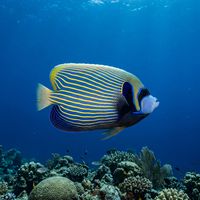
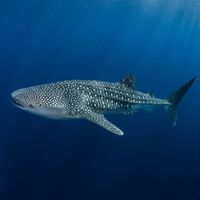
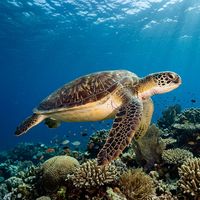
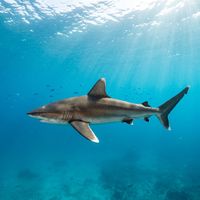
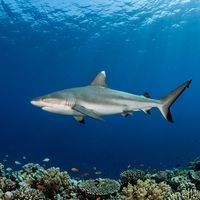
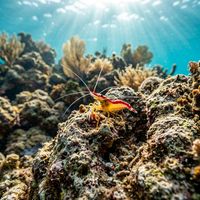
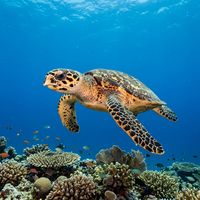
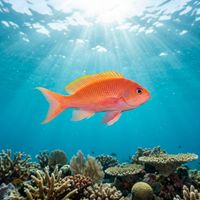
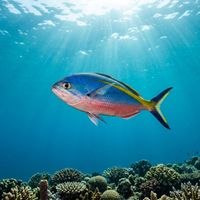
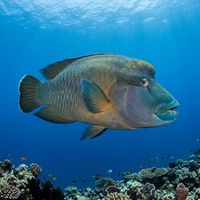
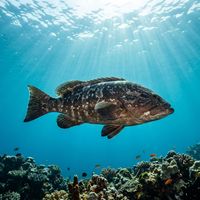
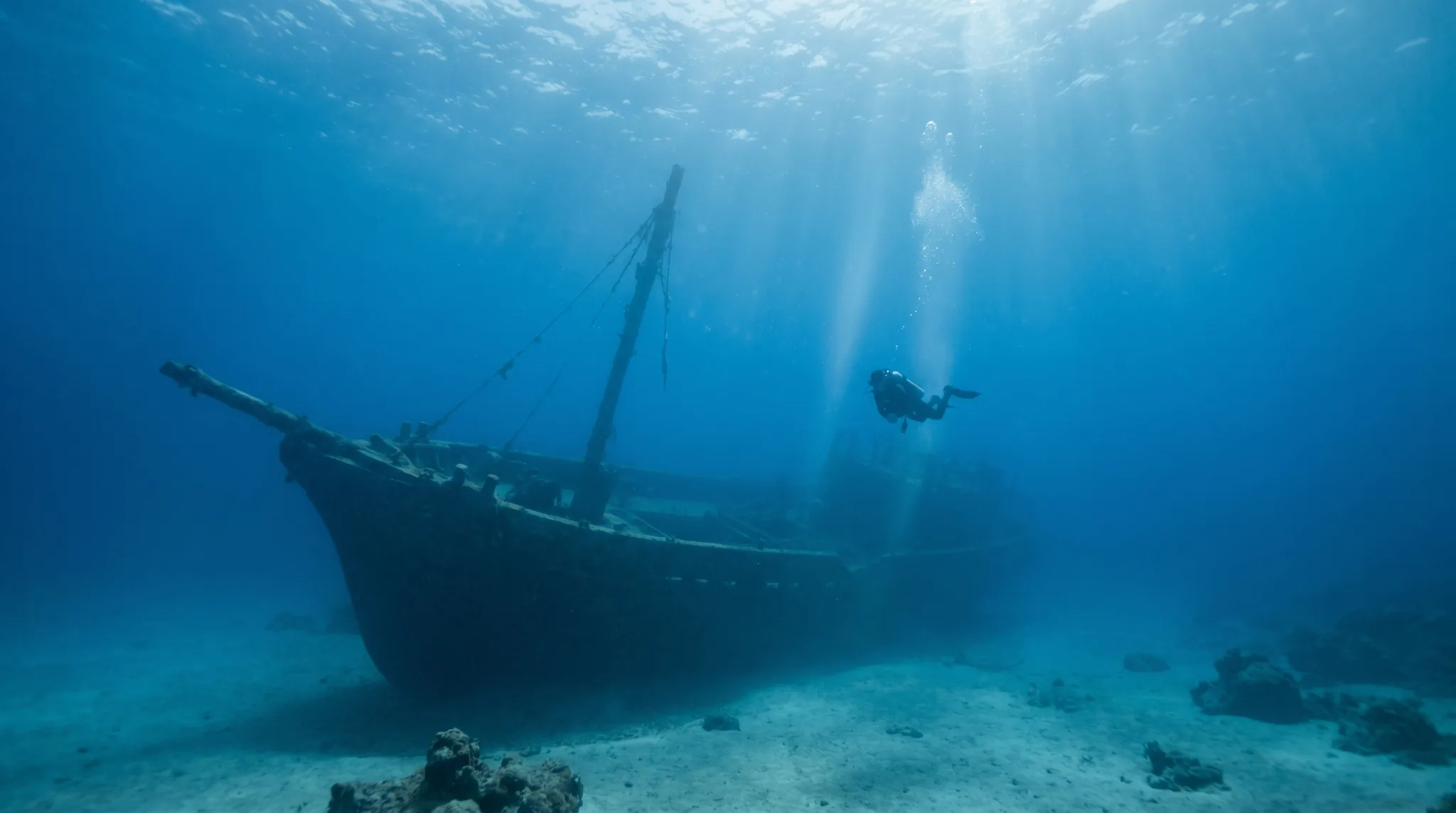
The Gulf of Tadjoura delivers a striking range of diving experiences across five distinct sub-areas. Walls, drop-offs, drift sites, canyons and wrecks sit alongside coral reefs, giving divers plenty of variety across skill levels from beginner to technical. Moucha and Maskali Islands hold the largest concentration of sites, while Ghoubbet and La Passe offer more specialised, current-driven dives. Shark encounters are a defining feature, with Silvertip Shark and Grey Reef Shark observed regularly, and Whale Shark recorded across a large proportion of sites. Green Sea Turtle and Emperor Angelfish appear throughout, and the reef fish life, including dense schools of Anthias and Fusilier, is consistently impressive.
5 areas
 8
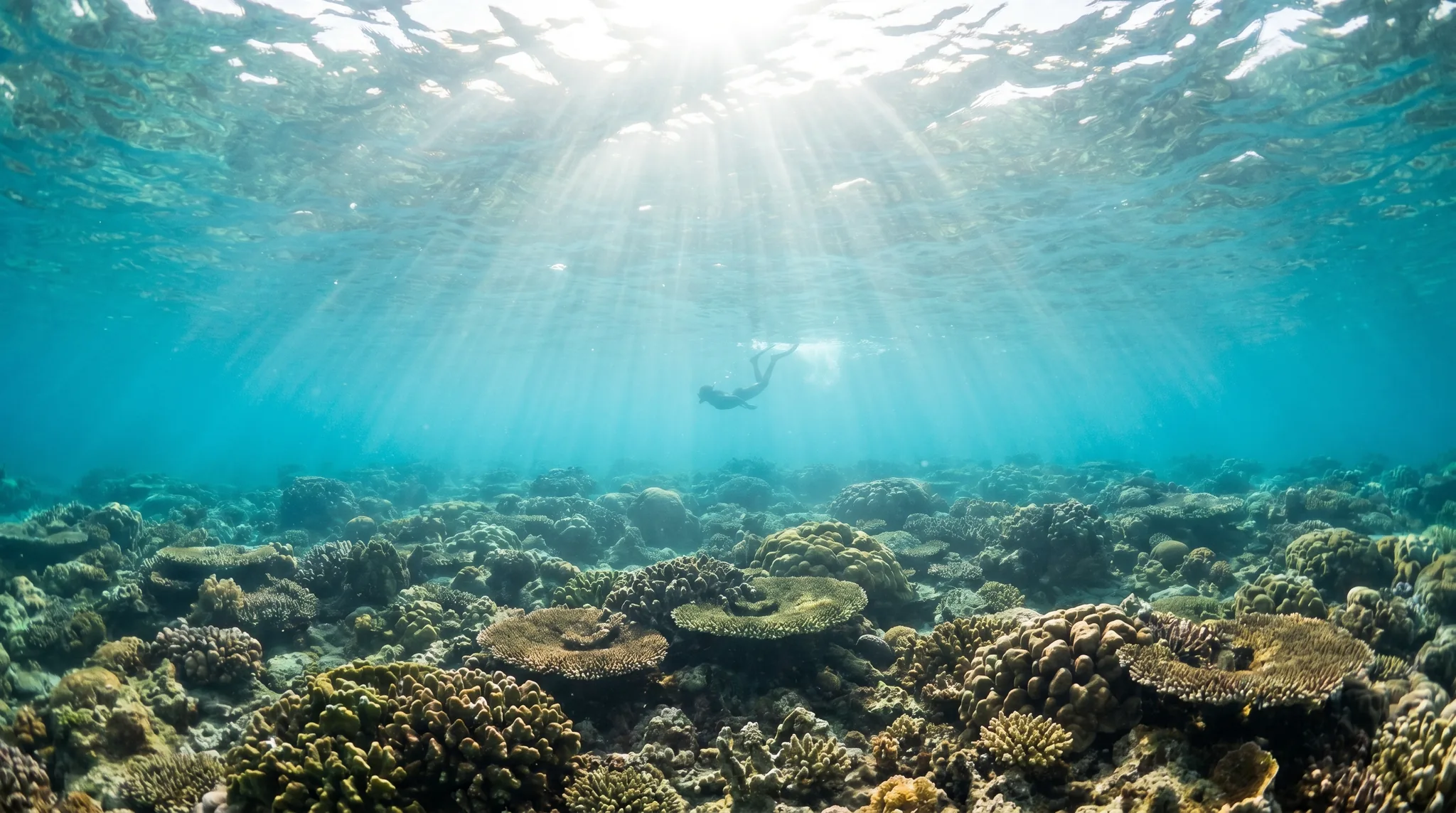
8Coral islands in the Gulf of Tadjoura offering reefs, wrecks, walls, and sharks within a marine protected area.
5Gulf of Tadjoura reef and wall diving on the Tadjourah Coast, notable for seasonal whale shark encounters from late October to February.
2An enclosed volcanic bay on the Gulf of Tadjoura with walls from shallow reef to technical depths and juvenile whale shark sightings.
2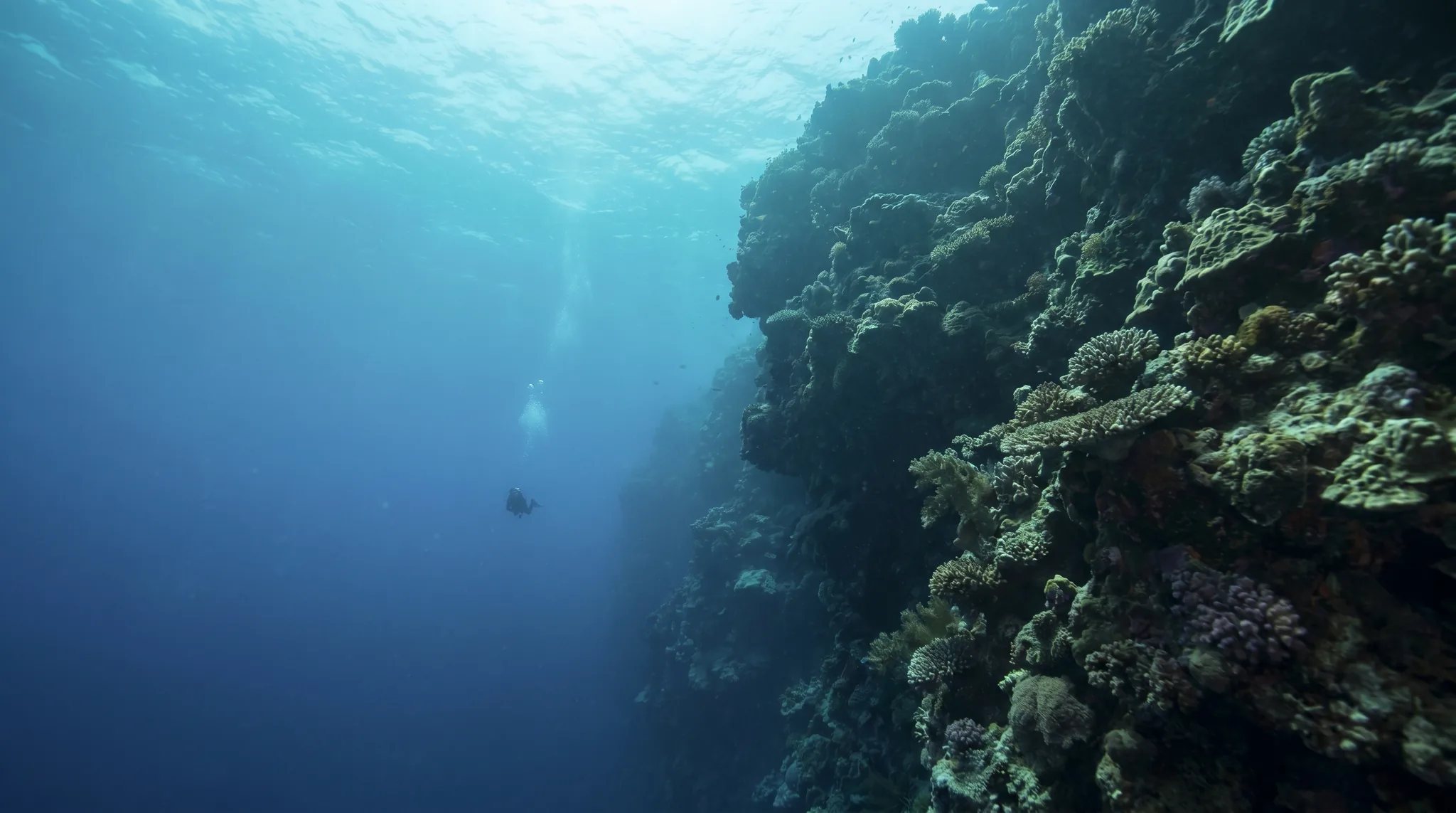
Monthly water temperature across Gulf of Tadjoura's sites, from satellite sea-surface data corrected for depth. The band shows the site-to-site spread.
Water stays warm throughout the year, with temperatures rising toward their peak in the warmer months from around May through November. Conditions are most favoured by visiting divers in the cooler months from October through February, when visibility tends to be at its best and currents at sites like La Passe are more manageable. Drift diving is possible at several sites, and the more exposed locations require advanced buoyancy control.
8 operators
Djibouti, Djibouti
Djibouti, Djibouti
Tadjoura, Djibouti
Djibouti, Djibouti
Djibouti, Djibouti
A tidal channel between the Gulf of Tadjoura and Ghoubbet, with strong-current drift and wall dives rated advanced only.
Water temperature around Gulf of Tadjoura ranges from about 27°C in January to 31°C in May, based on satellite sea-temperature data for its dive sites.
With water around 27–31°C, a rash guard or 3mm shorty works in Gulf of Tadjoura year-round.
Fin maps 19 sites in Gulf of Tadjoura (19 scuba diving sites and 4 snorkelling spots, with some suited to both), organised into 5 areas.
Across Gulf of Tadjoura's dive sites, January, February, October, November and December are most often reported as the best months to visit.
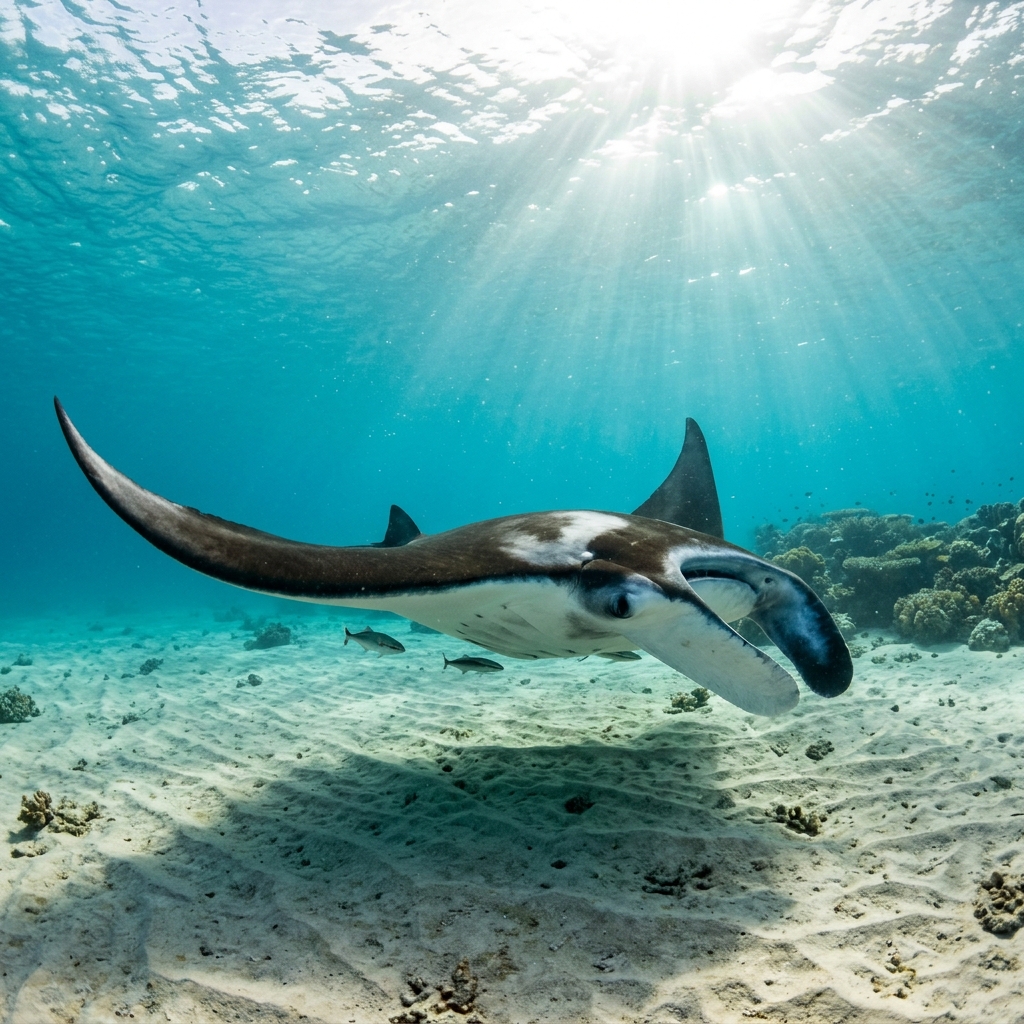
The Gulf of Tadjoura is one of few places where Whale Shark is recorded across a wide range of sites and rated as very common. Silvertip Shark and Grey Reef Shark are also frequently observed, and Green Sea Turtle appears regularly throughout the region. Less frequent but documented sightings include Oceanic Manta Ray, Eagle Ray, Hawksbill Sea Turtle and Bottlenose Dolphin.
Yes, a good number of sites are rated suitable for beginners, including Moucha s balise, Le Canyon, La faille and the wreck sites Le faon and Djibouti harbour. These sites offer shallower reef tops and sheltered conditions via boat access. More advanced and technical sites such as La Passe and La falaise are also available for experienced divers seeking stronger currents and greater depths.
Moucha and Maskali Islands form the heart of the diving, with the widest selection of site types including wrecks, canyons and artificial reefs suitable for all levels. Arta offers reef and wall diving along the Tadjourah Coast, while Ghoubbet and La Passe are best known for current-driven drift dives requiring more experience. Obock adds further wall and reef options toward the northern side of the gulf.
Almost all sites require boat access, and several operators including Dolphin Excursions Djibouti, Aqua Club Diving Center Djibouti and Aqua Diving Center Boat run trips throughout the region. Shore entry is available at Djibouti harbour and at La Falaise on the Tadjourah Coast. Operators such as Aqua Diving Center Camp also offer camp-based access for divers who want to spend more time at remote sites.