Caesionidae spp.
Fusiliers school in warm Indo-Pacific waters from the Maldives to the Philippines. Here's how to spot them and where to find the biggest aggregations.
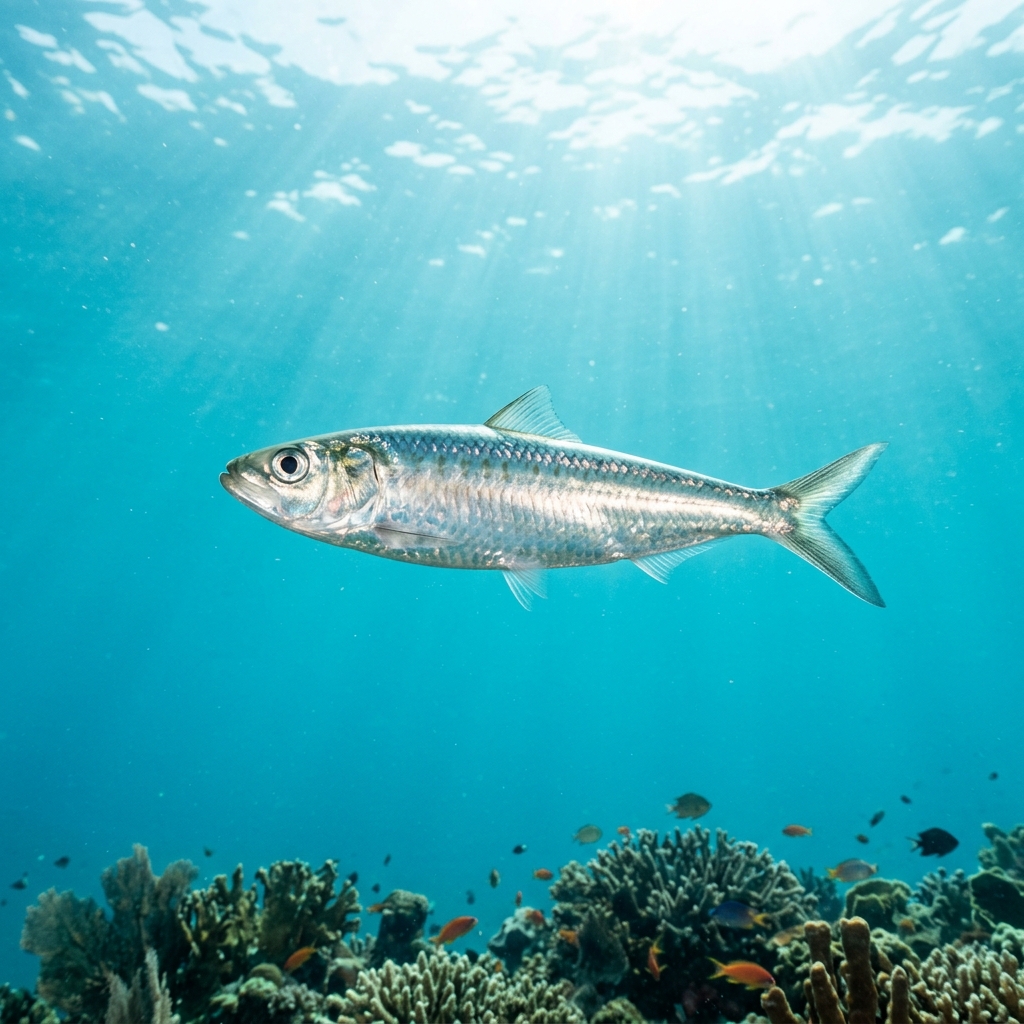
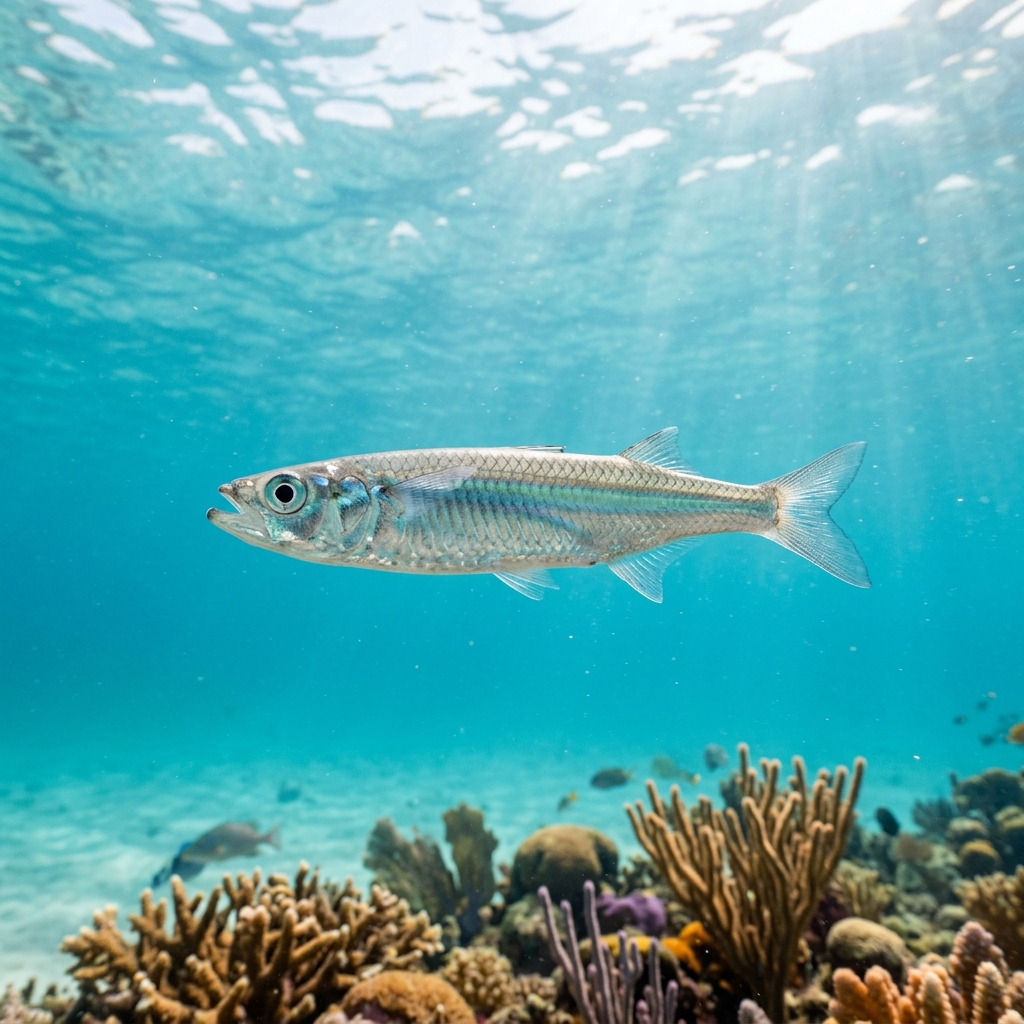
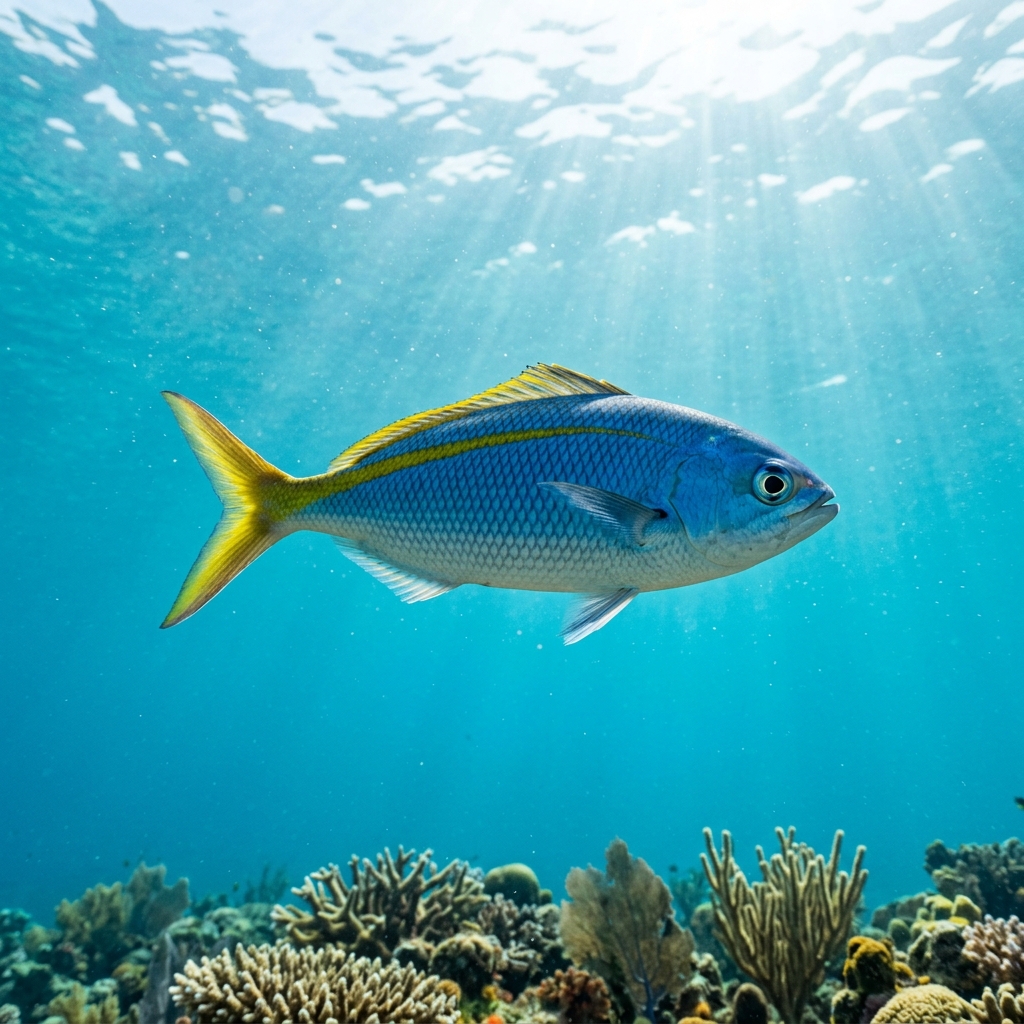
Fusiliers are slender, fast-moving schooling fish with a distinctly forked tail and a streamlined body built for open water. Most species carry some combination of vivid blue, yellow, and green along the back and flanks, often with a bold yellow or two-tone stripe running from head to tail. They typically reach 20 to 40 cm depending on species, though they appear smaller when moving quickly in a school. The forked tail and torpedo shape quickly separate them from chunkier reef fish nearby.
Fusiliers spend most of their time in mid-water, wheeling in dense schools just above the reef or along drop-offs, often numbering in the hundreds. They feed on zooplankton (tiny drifting animals) in the water column, which keeps the school in constant, fluid motion rather than stationary on the reef. Divers approaching slowly are often ignored; a sudden movement can send the school parting around you in a silver-and-blue wave before it reforms immediately behind.
Large fusilier schools act as a key link in reef food webs, converting plankton into prey. Their presence reliably attracts predators, so a swirling fusilier aggregation is often a signal to watch the blue water for trevally, tuna, or sharks making coordinated runs through the school.
Available data does not point to a concentrated season, so fusiliers can be treated as a year-round encounter across their range. They occupy warm tropical water between roughly 24 and 30 °C, which describes most Indo-Pacific reef destinations throughout the calendar year.
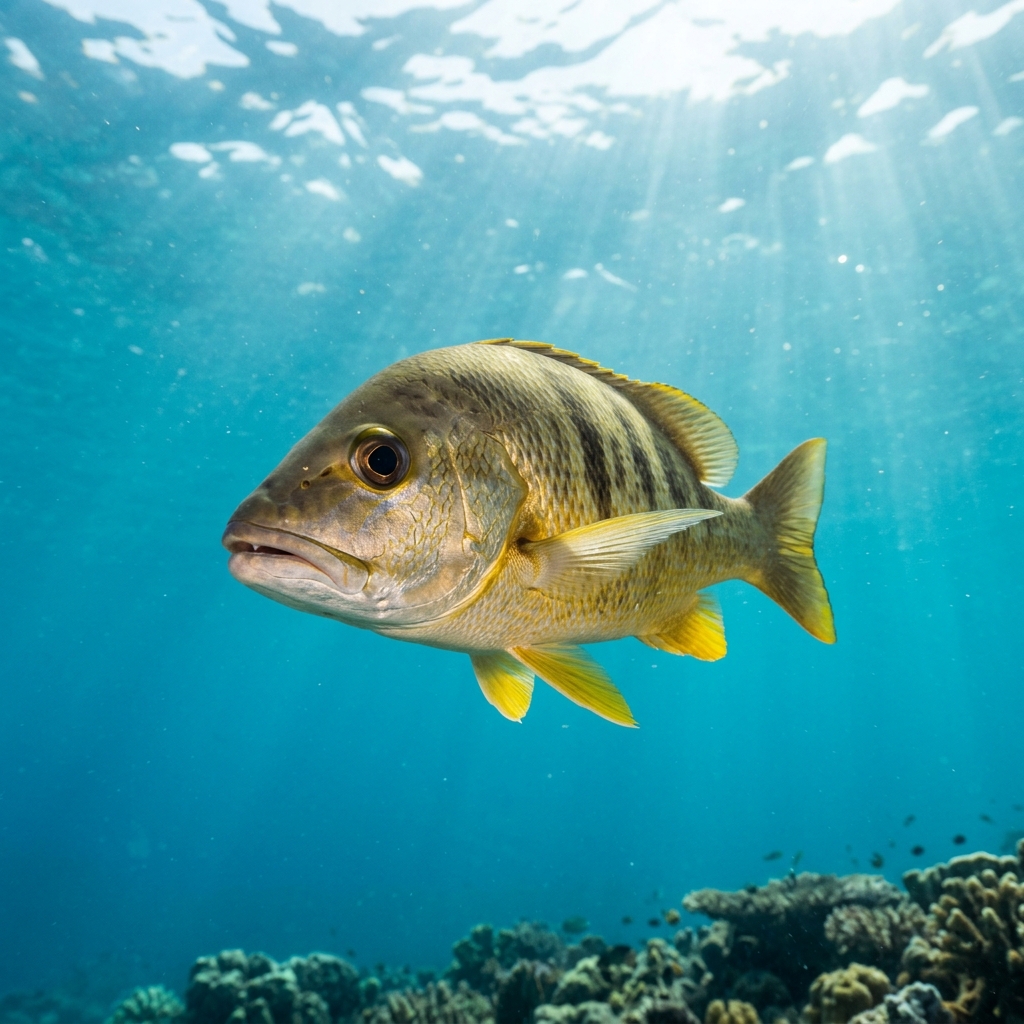
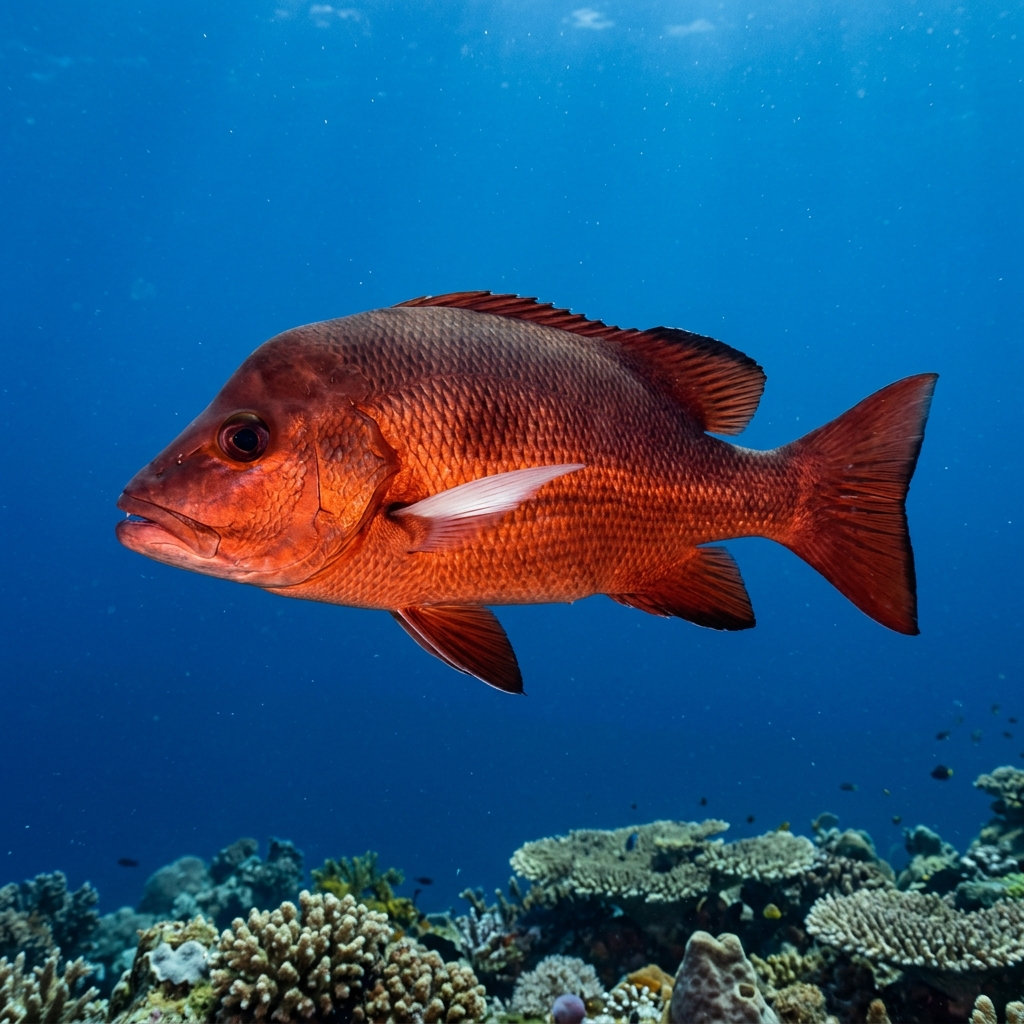
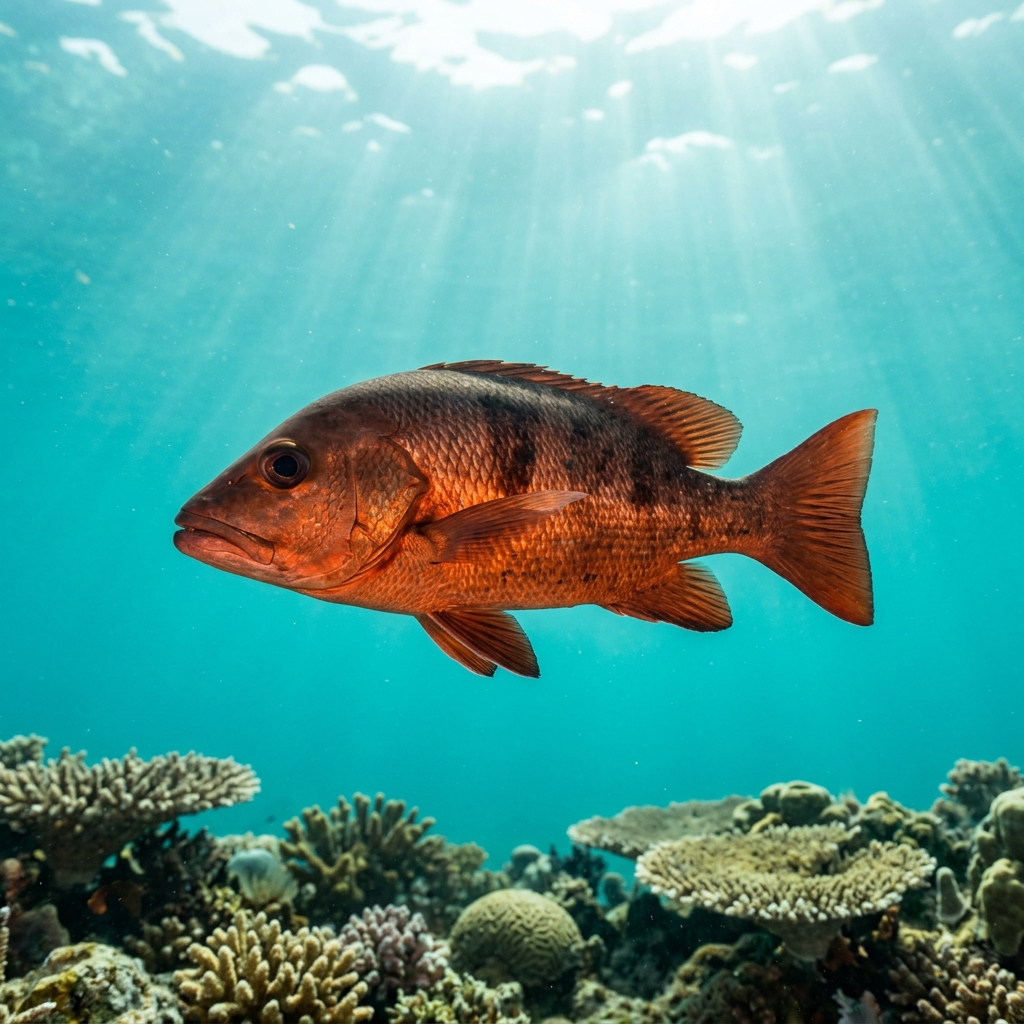
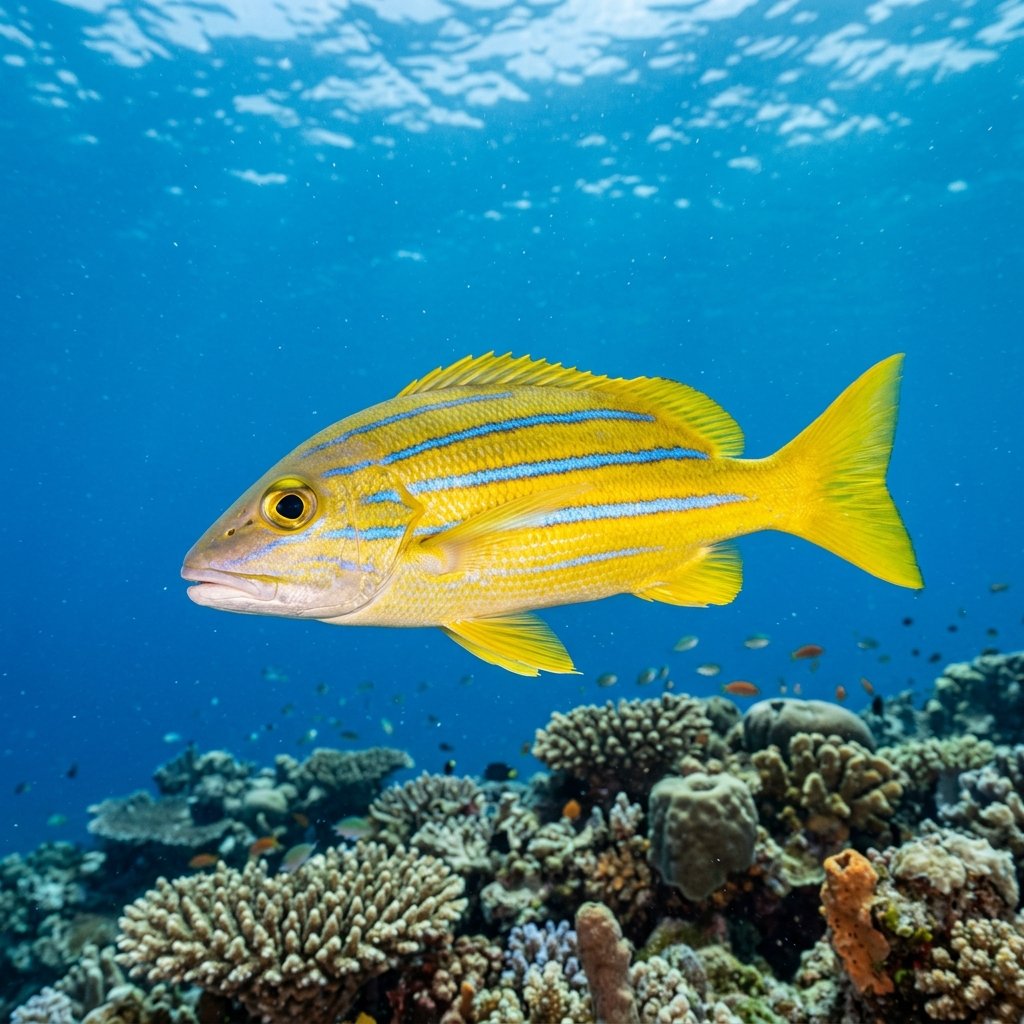
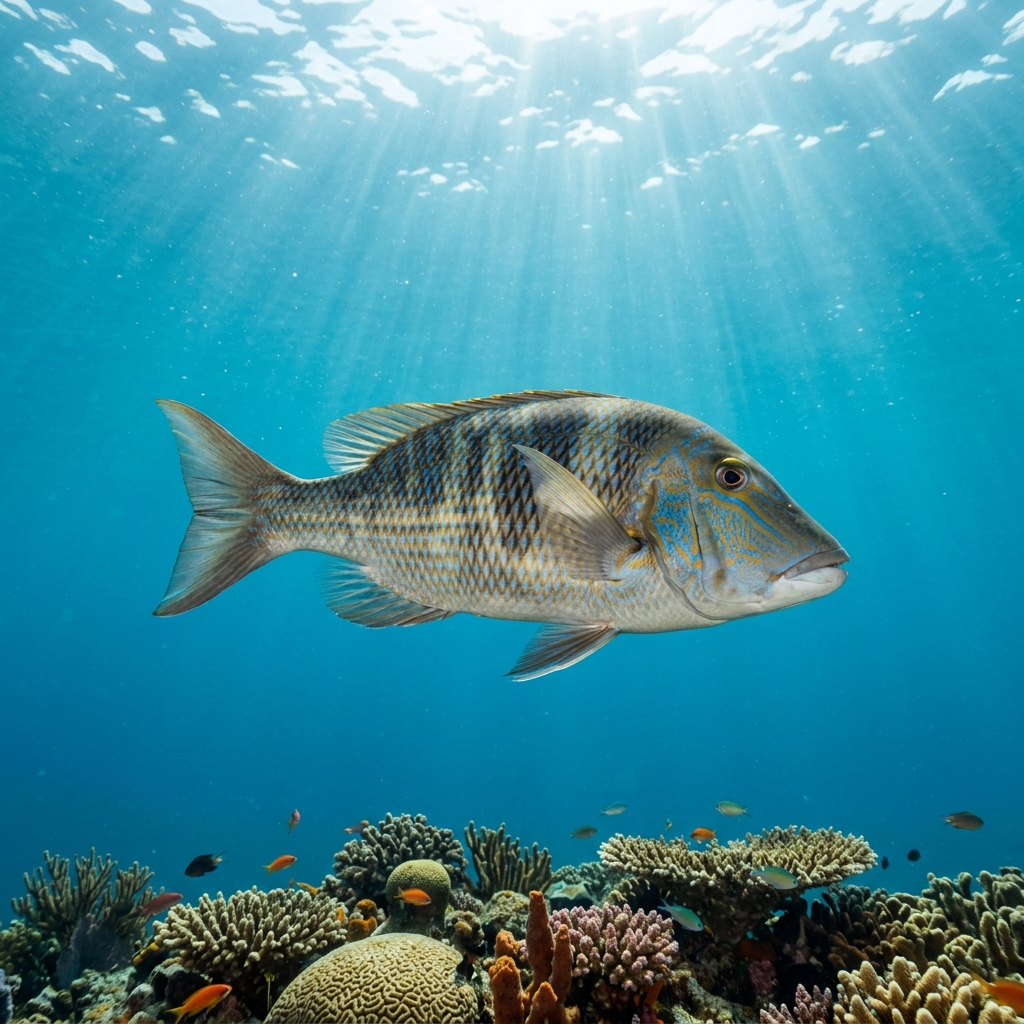
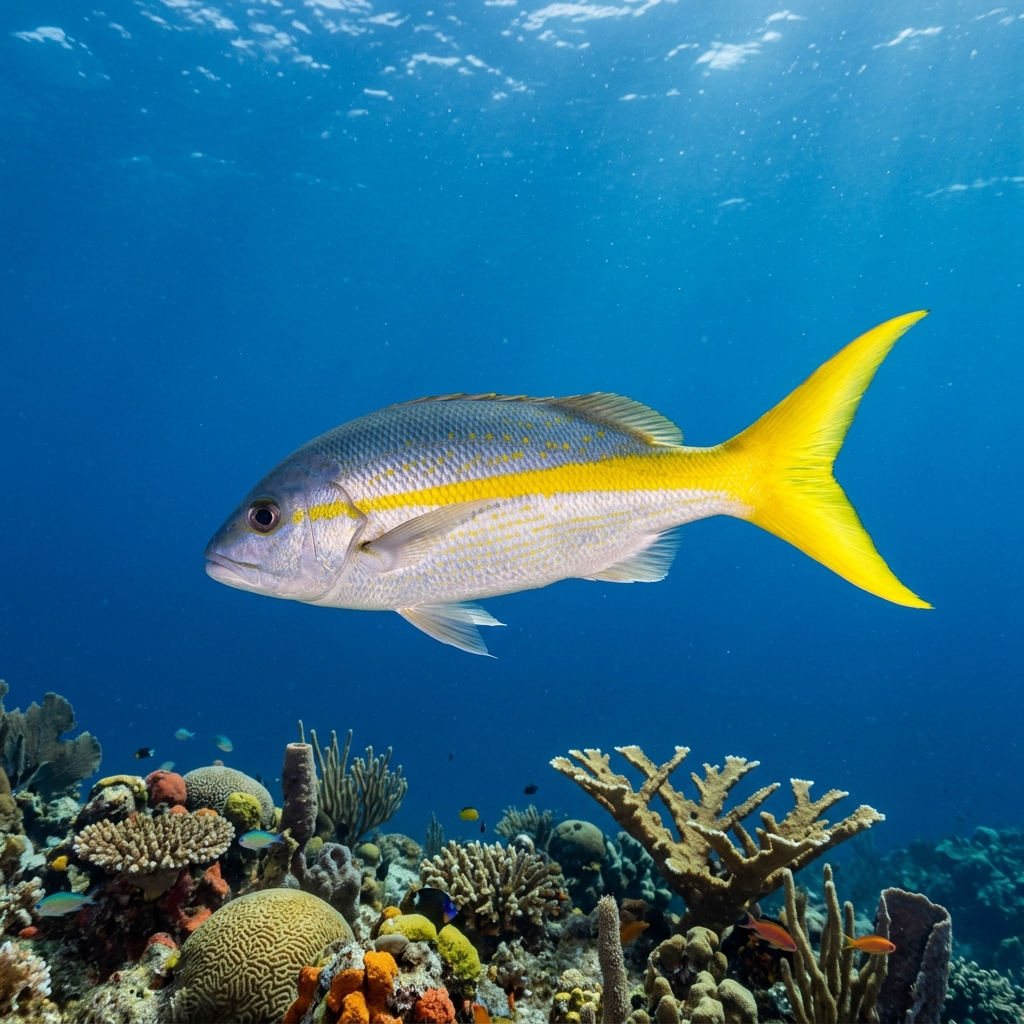
Reef neighbours a diver could mistake it for. Use the identification notes above to tell them apart.
Fusiliers are most reliably logged across the Maldives, Indonesia, and the Philippines, with North and Central Atolls in the Maldives and Palawan and Apo Reef in the Philippines among the strongest regions. Queensland, Australia and Sulawesi, Indonesia are also well-represented, and sightings extend into the Red Sea around Sudan and Saudi Arabia. If you are diving any Indo-Pacific coral reef system, there is a very good chance fusiliers will be part of the scenery.
Mapping where Fusilier is logged…
Fusiliers are found across Indo-Pacific coral reef systems, with particularly strong records in the Maldives, Indonesia, and the Philippines. Queensland in Australia, Sulawesi, and the Red Sea around Sudan are also reliable. Essentially, any healthy tropical reef in this region is likely to have them.
Fusiliers are present year-round across their range. They favour warm tropical water and are encountered consistently on Indo-Pacific reefs regardless of season, so timing your dive around them specifically is not necessary.
Look for slender, fast-moving fish with a sharply forked tail schooling in mid-water above the reef. Most species show blue or green on the back with a yellow or two-tone stripe along the body. The combination of open-water schooling behaviour, forked tail, and bright stripe pattern makes the family fairly distinctive.
Most fusilier species reach somewhere between 20 and 40 cm in length, varying by species within the family. In the water they can look smaller because of their constant rapid movement, but when a school slows you get a better sense of their true size relative to the reef.
Fusiliers are important mid-water planktivores, feeding on zooplankton and converting that energy into biomass that larger predators depend on. A large fusilier school is one of the best signs that pelagic hunters like trevally, barracuda, or sharks may be close by, making them a useful indicator species for divers hoping to see bigger action.
Site and sighting data is aggregated from diver logs, iNaturalist and GBIF. For taxonomy and conservation status:
Bluestriped Snapper
2,054 sites