Lysmata spp.
Spot cleaner shrimp across Florida, the Maldives, Croatia and beyond. Most sightings Jun, Jan. Here's where to find them and how to ID them underwater.
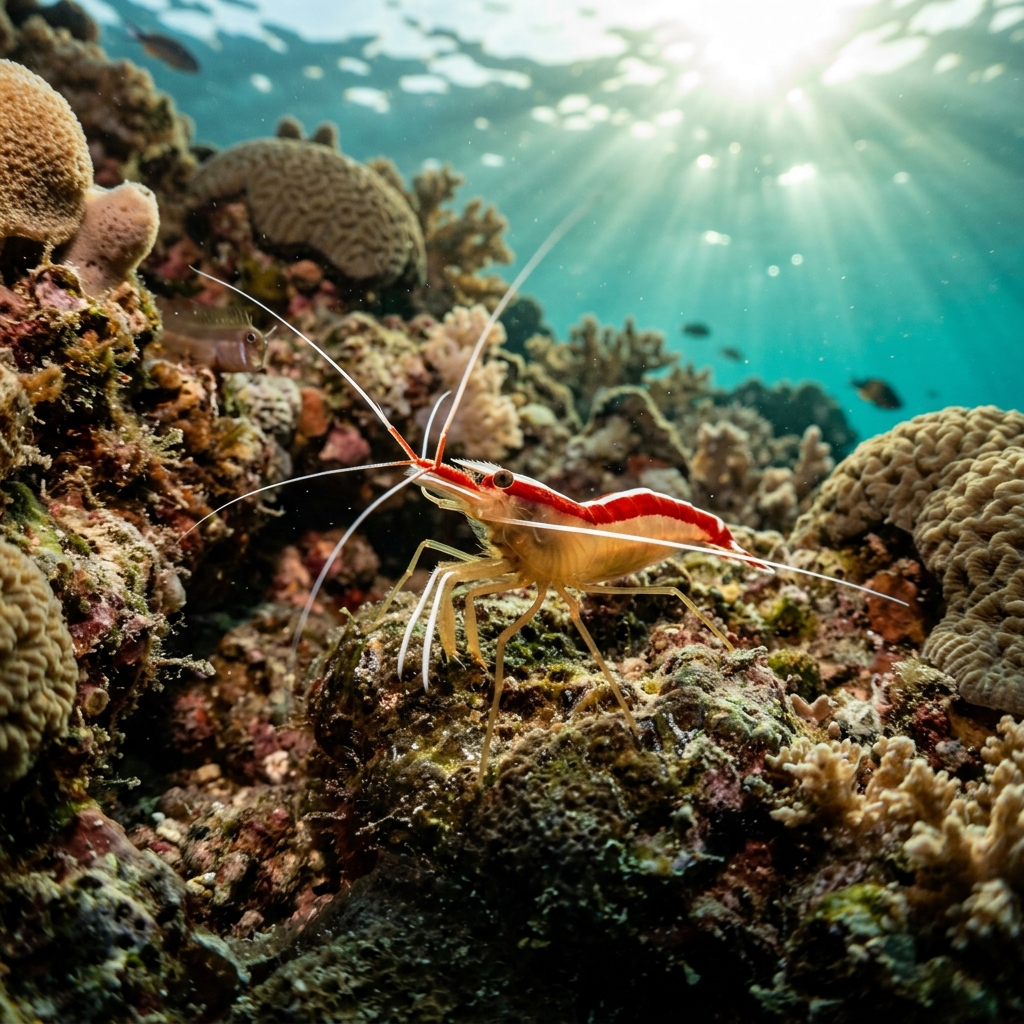
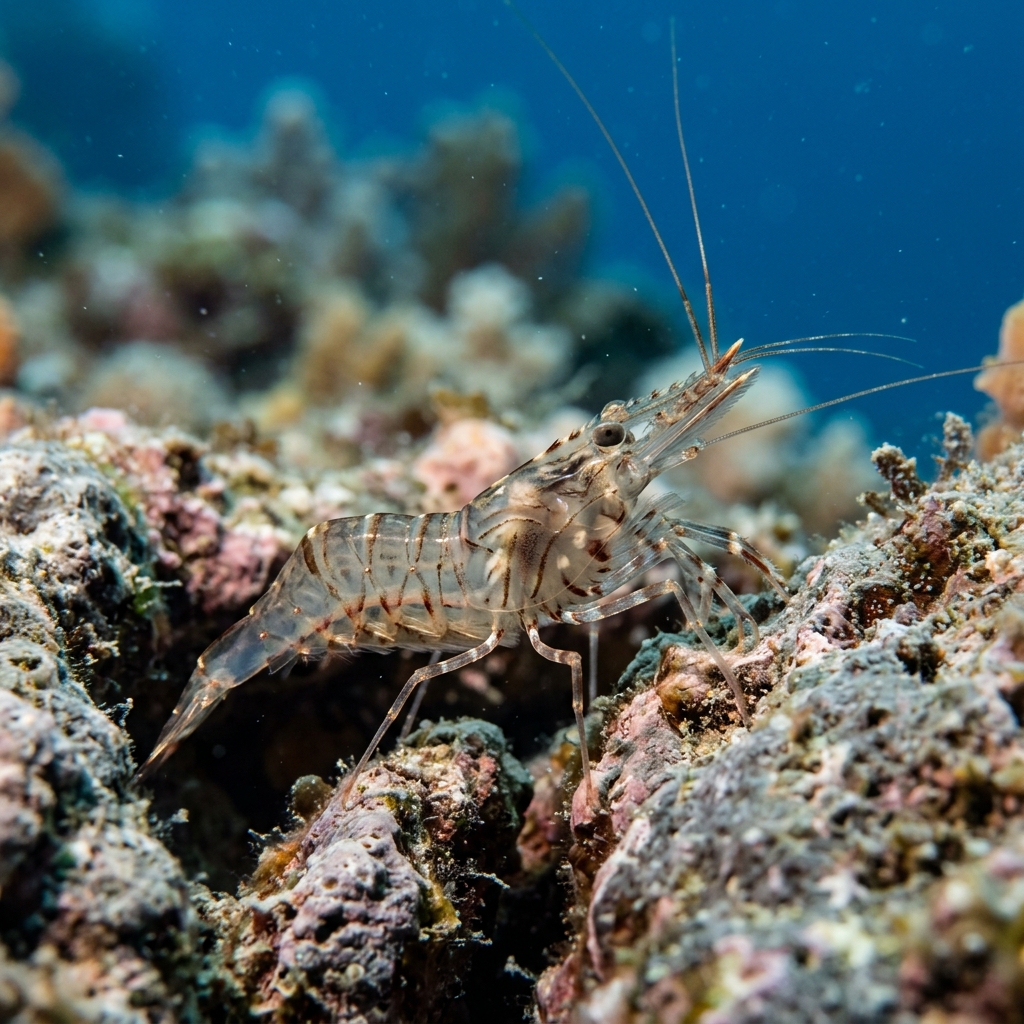
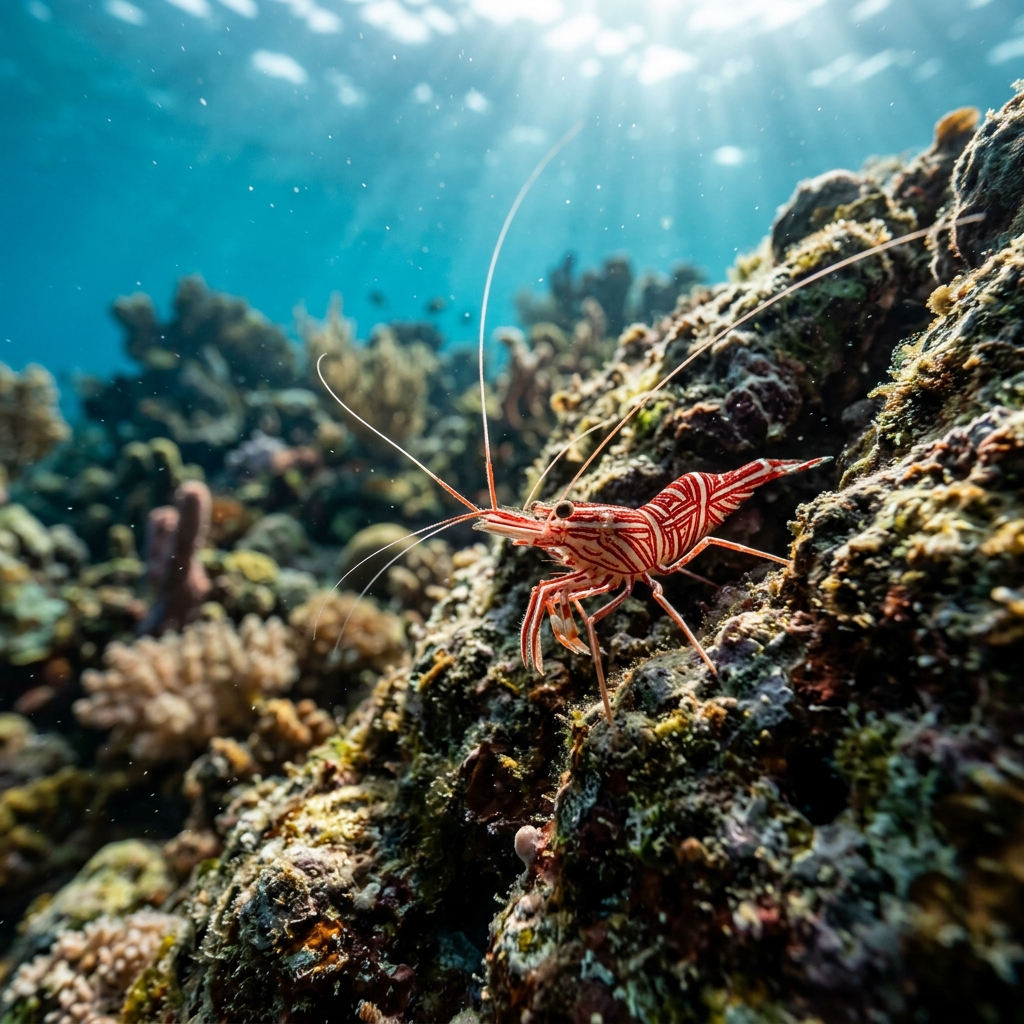
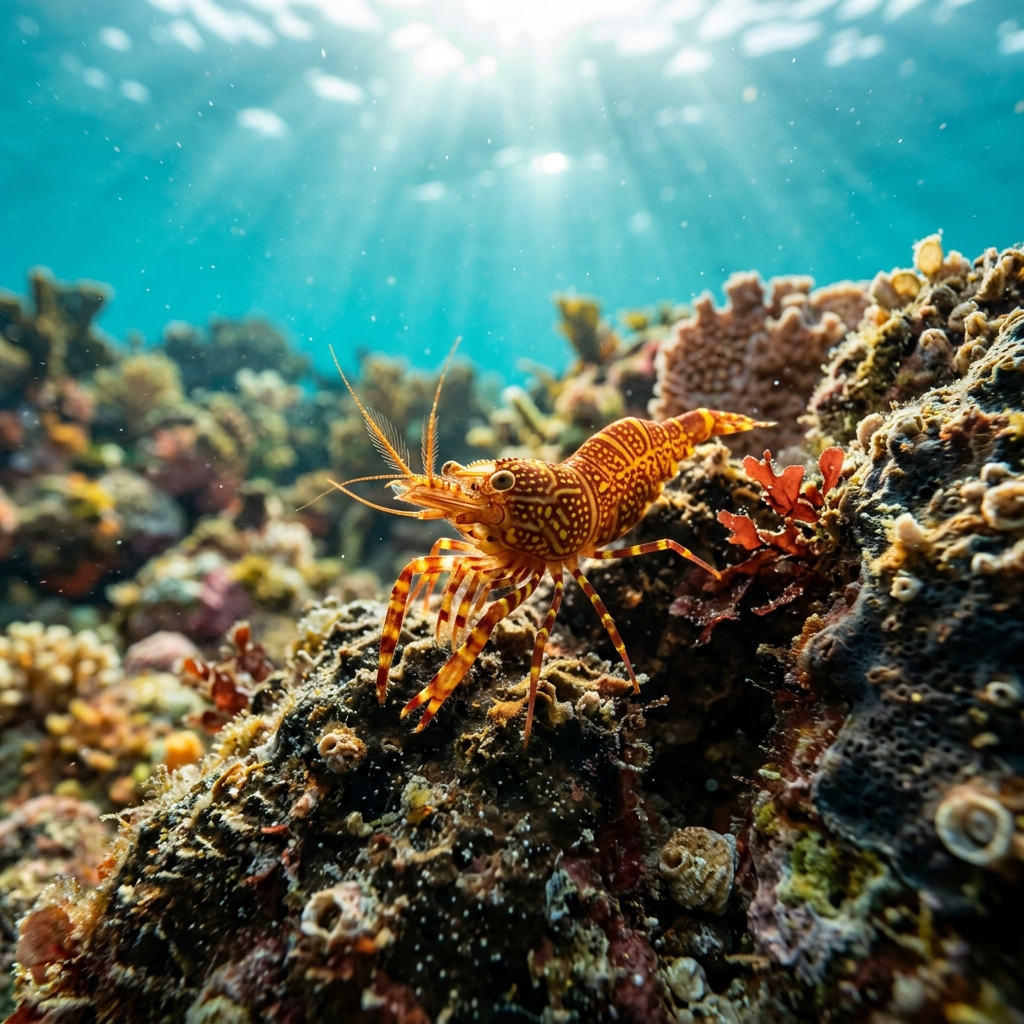
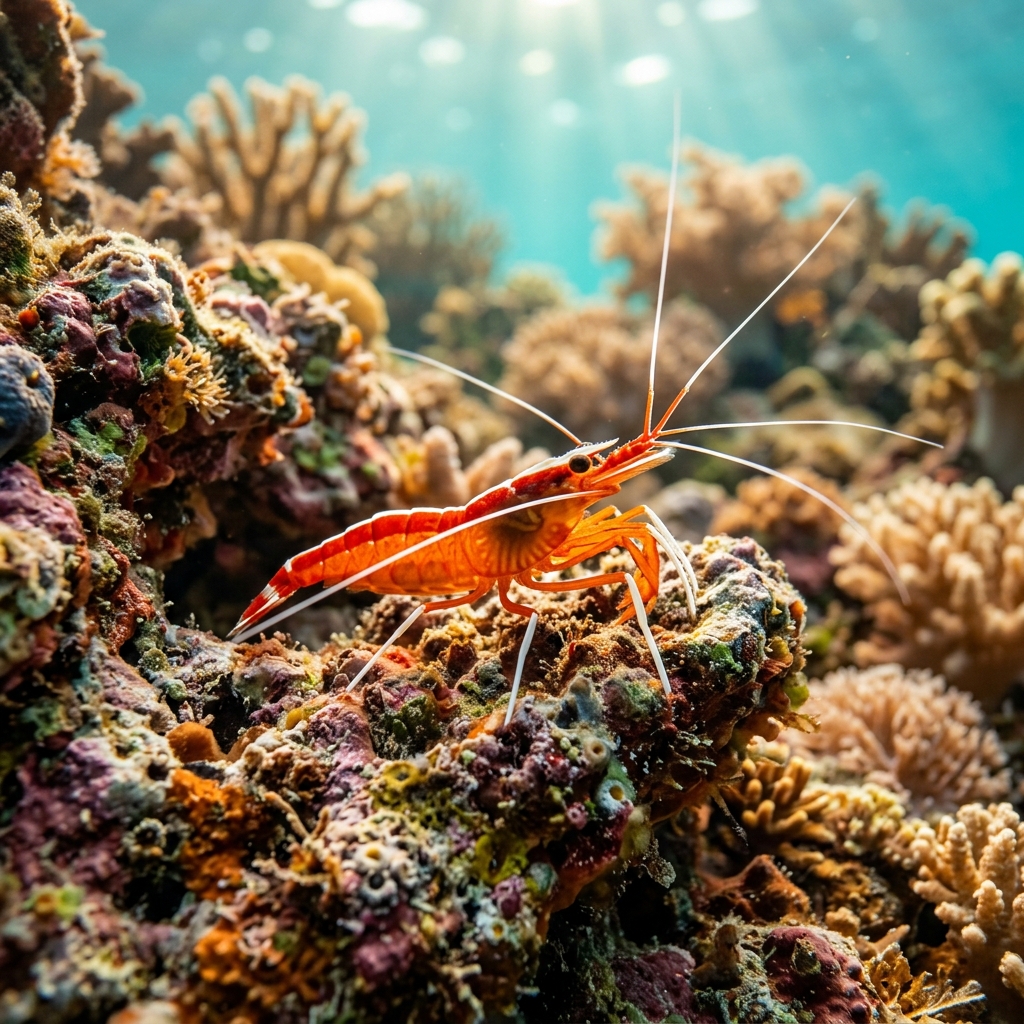
Look for the long, conspicuous white antennae waving from crevices and ledge overhangs, that waving is an active advertisement to fish clients. The body is typically vivid red or orange-red with a bold white mid-dorsal stripe running from head to tail, making Lysmata species stand out even in low light. Most are small, rarely exceeding a few centimetres, but they position themselves in exposed cleaning stations where fish queue up, which is usually how divers notice them. The combination of stripe, antennae display, and active grooming behaviour on a client fish is a reliable field sign for the group.
Cleaner shrimp set up permanent stations inside reef crevices or under ledge overhangs and actively solicit passing fish by waving their long white antennae. When a fish, sometimes surprisingly large, presents itself, the shrimp moves over its body, gills, and even into the mouth to remove parasites and dead tissue. Divers who approach slowly and hold still will often see fish queuing at a busy station; the shrimp itself is largely undisturbed by a calm observer but will retreat rapidly if the reef is disturbed.
All Lysmata species are simultaneous hermaphrodites, each individual functions as both male and female and can mate with any other adult in the group, a rare reproductive strategy among crustaceans that helps small, isolated cleaning stations maintain breeding activity.
In the Northern Hemisphere, sightings concentrate from June through January, with an additional peak in April, broadly tracking warmer water periods. The group tolerates a wide observed temperature range (around 16 to 29 °C), so in tropical regions like the Maldives and Philippines they can be found year-round.
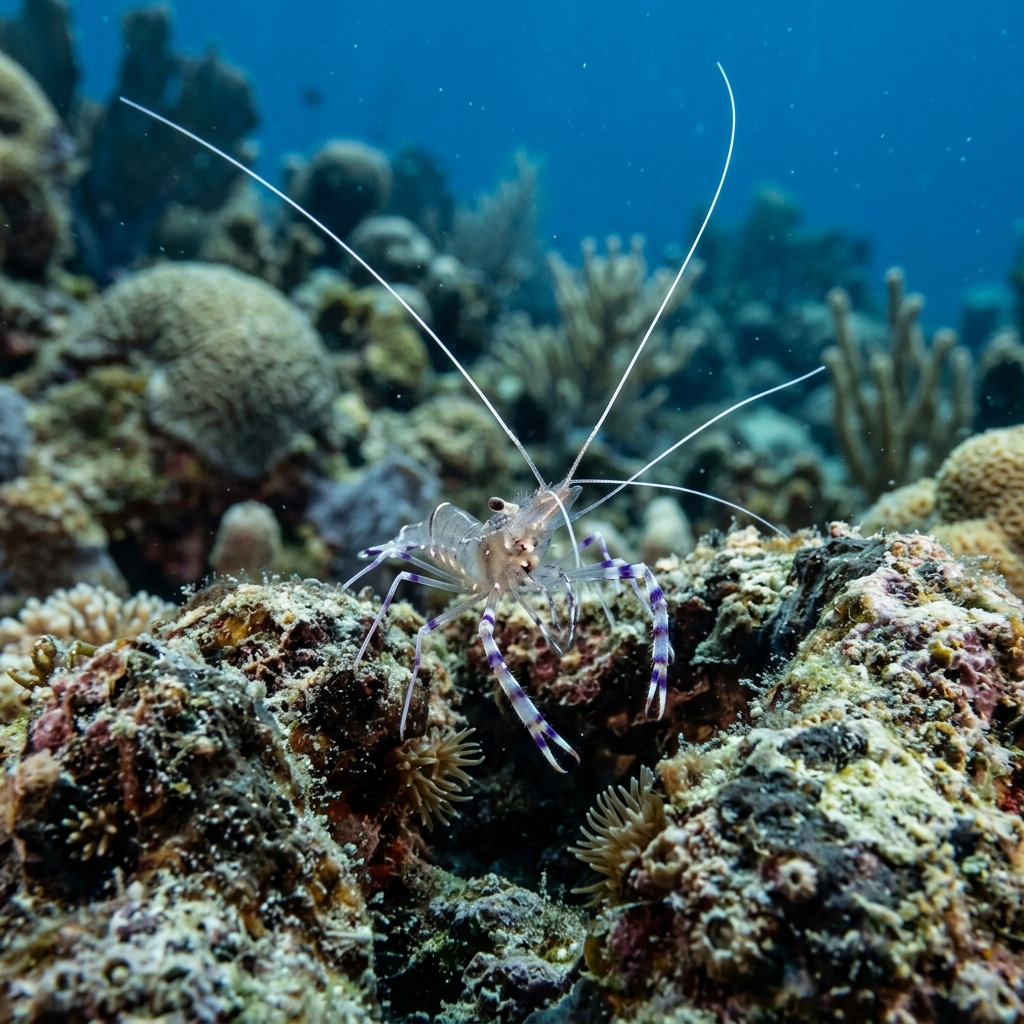
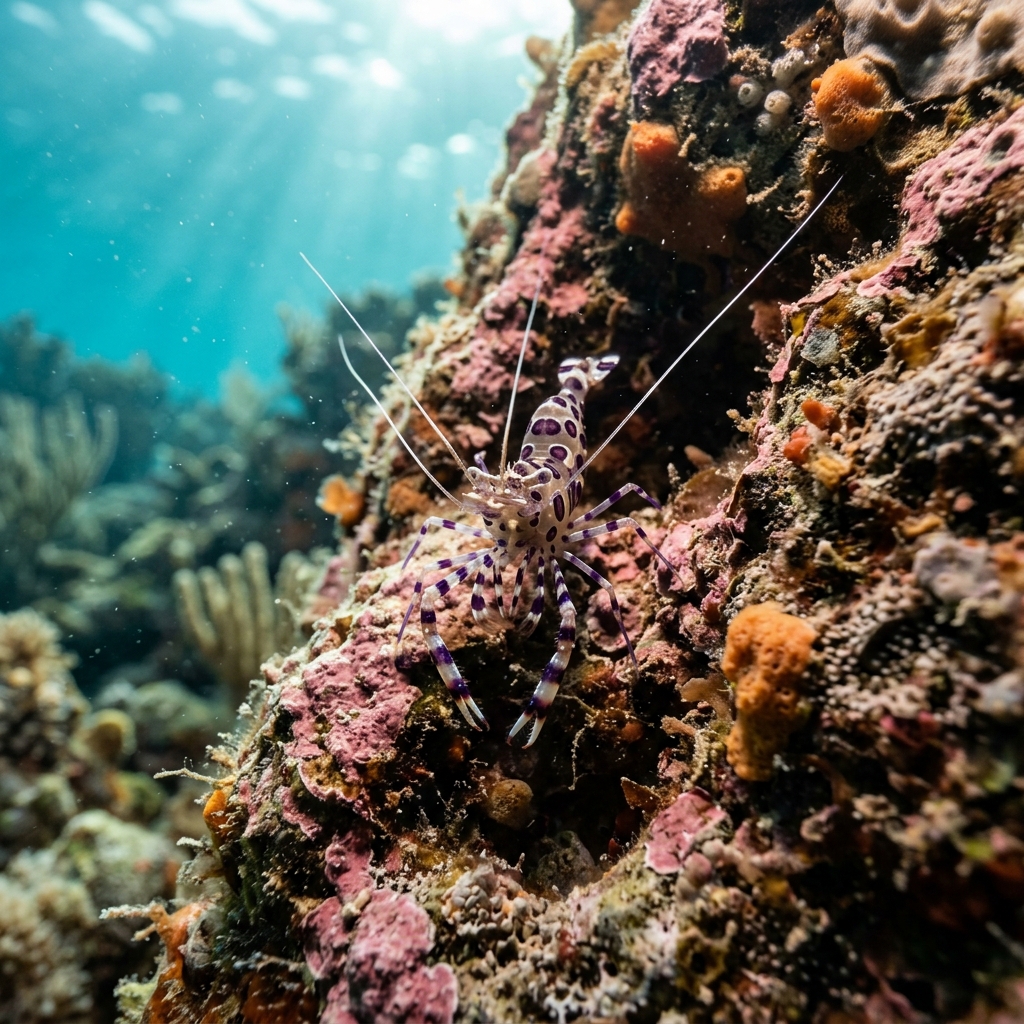
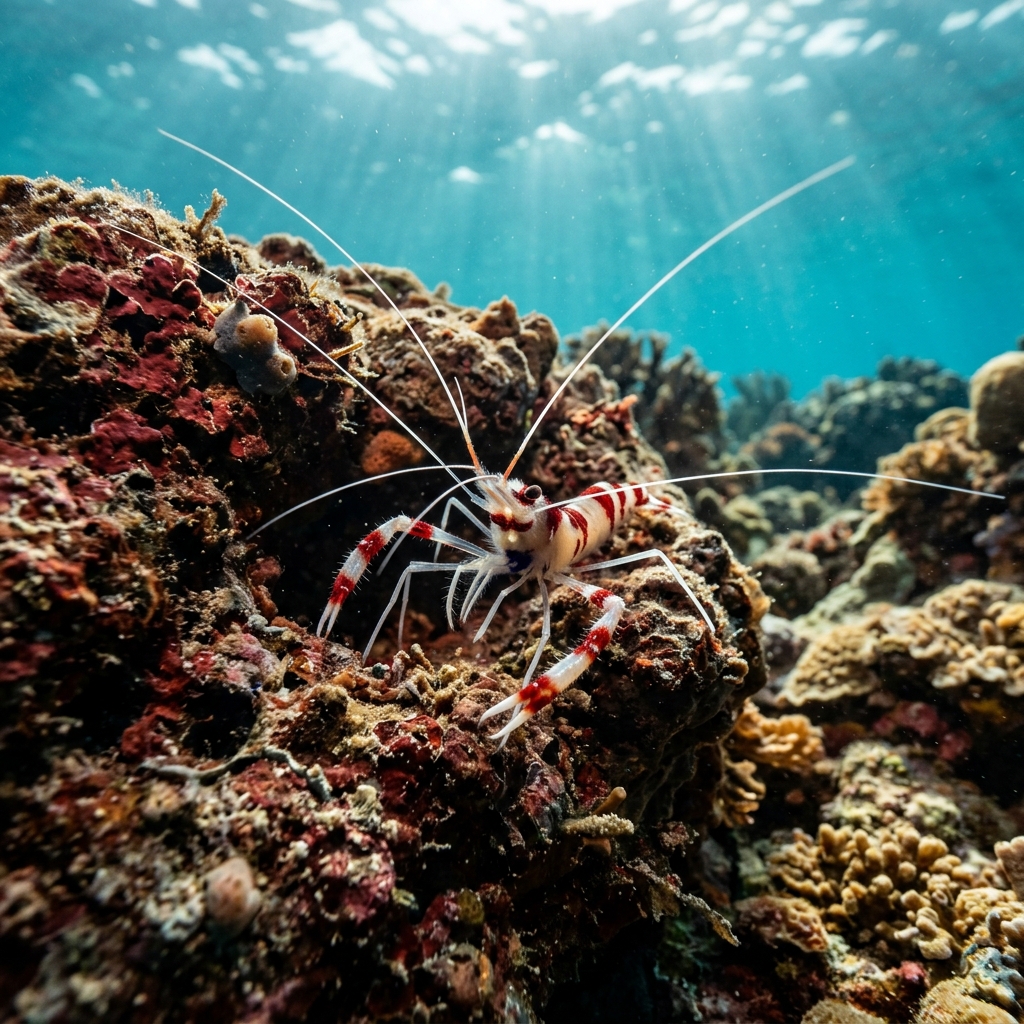
Reef neighbours a diver could mistake it for. Use the identification notes above to tell them apart.
Cleaner shrimp are logged across a wide sweep of tropical and warm-temperate seas, with the strongest records coming from Florida and the broader southeastern United States, the Maldives' North and Central Atolls, and the Croatian Kvarner Gulf. Italy's Sardegna and Tuscany coastlines, Greece's Attica region, and the Spanish Costa Blanca round out the Mediterranean hotspots, while Queensland in Australia and Japan's Izu Peninsula add strong Indo-Pacific options.
Mapping where Cleaner Shrimp is logged…
Cleaner shrimp are logged at dive sites across a remarkable spread of countries. The most reliable spots are in Florida and the southeastern US, the Maldives, Croatia's Kvarner Gulf, the coasts of Italy and Greece, and the Philippines. Warm-temperate sites in Japan's Izu Peninsula and Queensland, Australia, also have strong records.
In the Northern Hemisphere, sightings peak from June through January, with another cluster in April. In fully tropical destinations like the Maldives or the Philippines, the wide temperature tolerance of the group means encounters are possible throughout the year.
The key signs are long white antennae waving visibly from a crevice, a red-to-orange body with a white dorsal stripe, and, most reliably, a fish client hovering nearby being groomed. The cleaning-station behaviour is often what catches a diver's eye first.
Most Lysmata cleaner shrimp are small, typically a few centimetres in body length, though the long white antennae can make them appear larger when extended. Their small size is part of why the conspicuous antennae-waving display is so important for attracting fish clients.
Not at all. Cleaner shrimp pose no risk to divers. They are small, non-venomous, and far more interested in grooming fish than interacting with people. A slow, still approach is all you need to watch them work.
Site and sighting data is aggregated from diver logs, iNaturalist and GBIF. For taxonomy and conservation status:
Freshwater Shrimp
2,168 sites