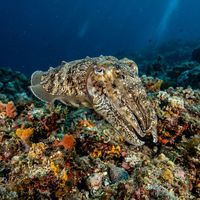
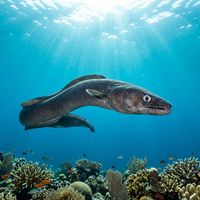
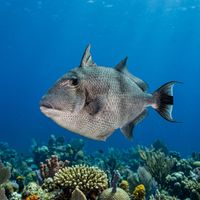
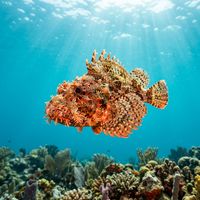
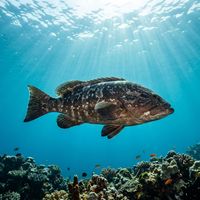
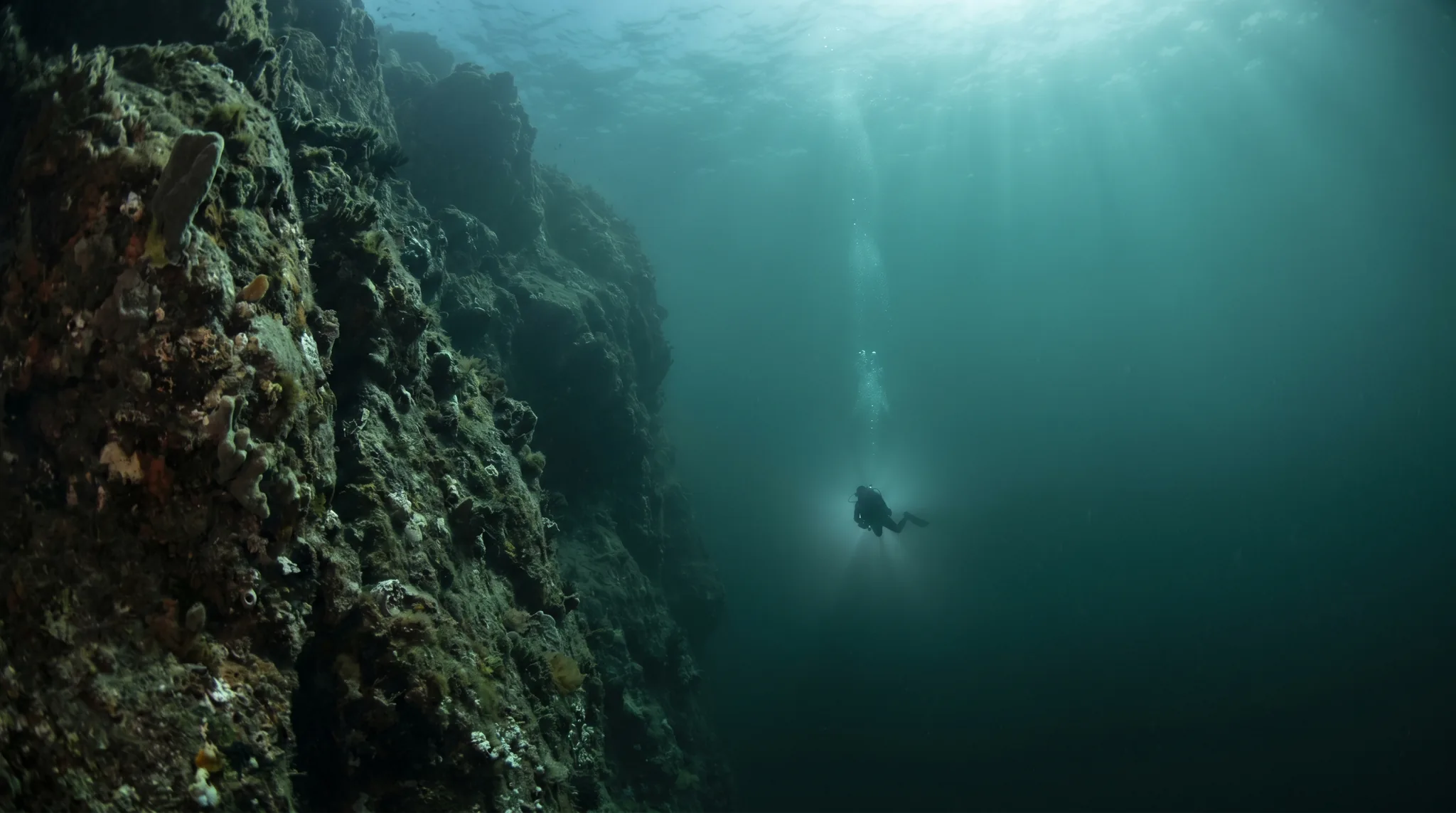
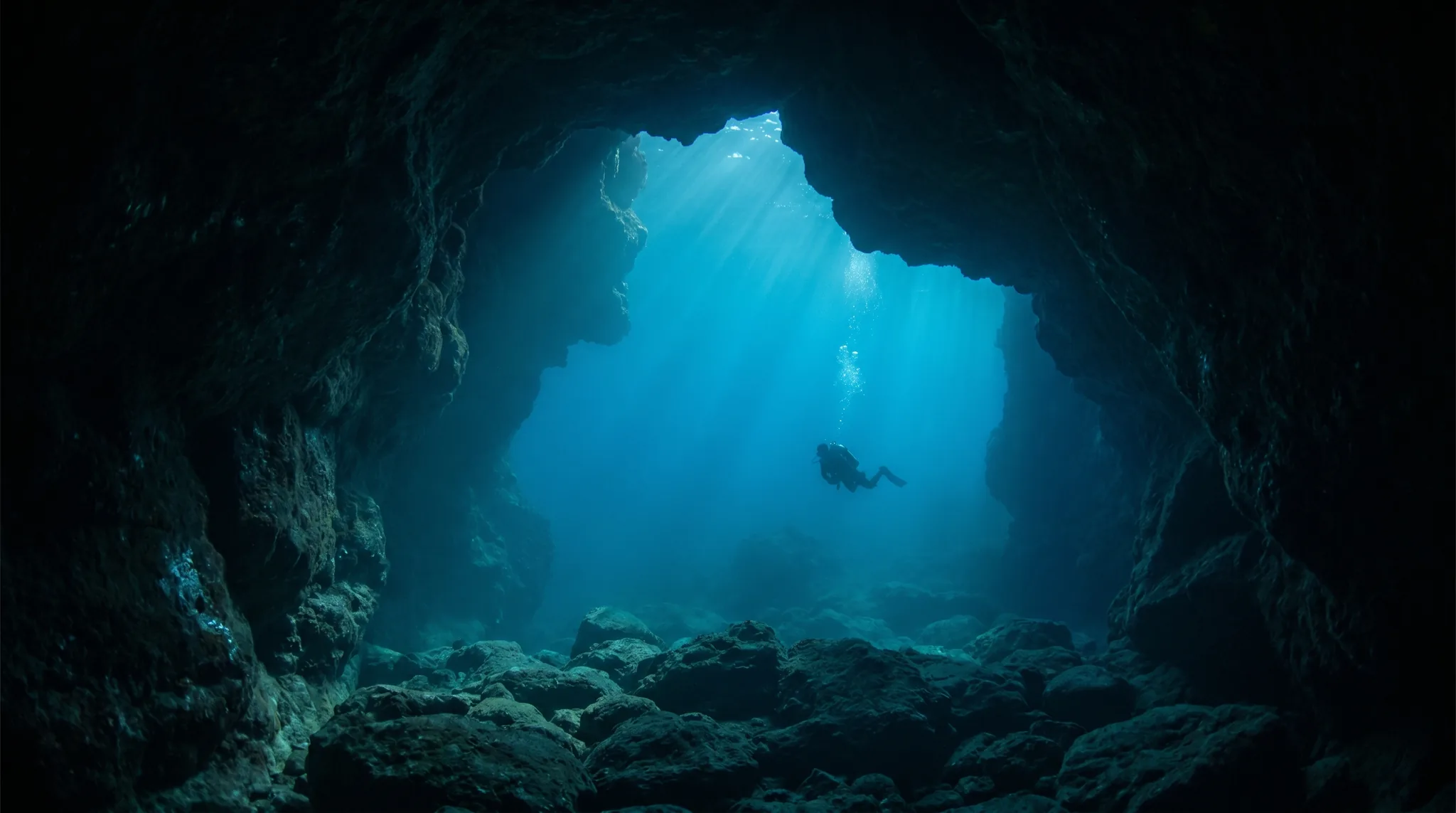
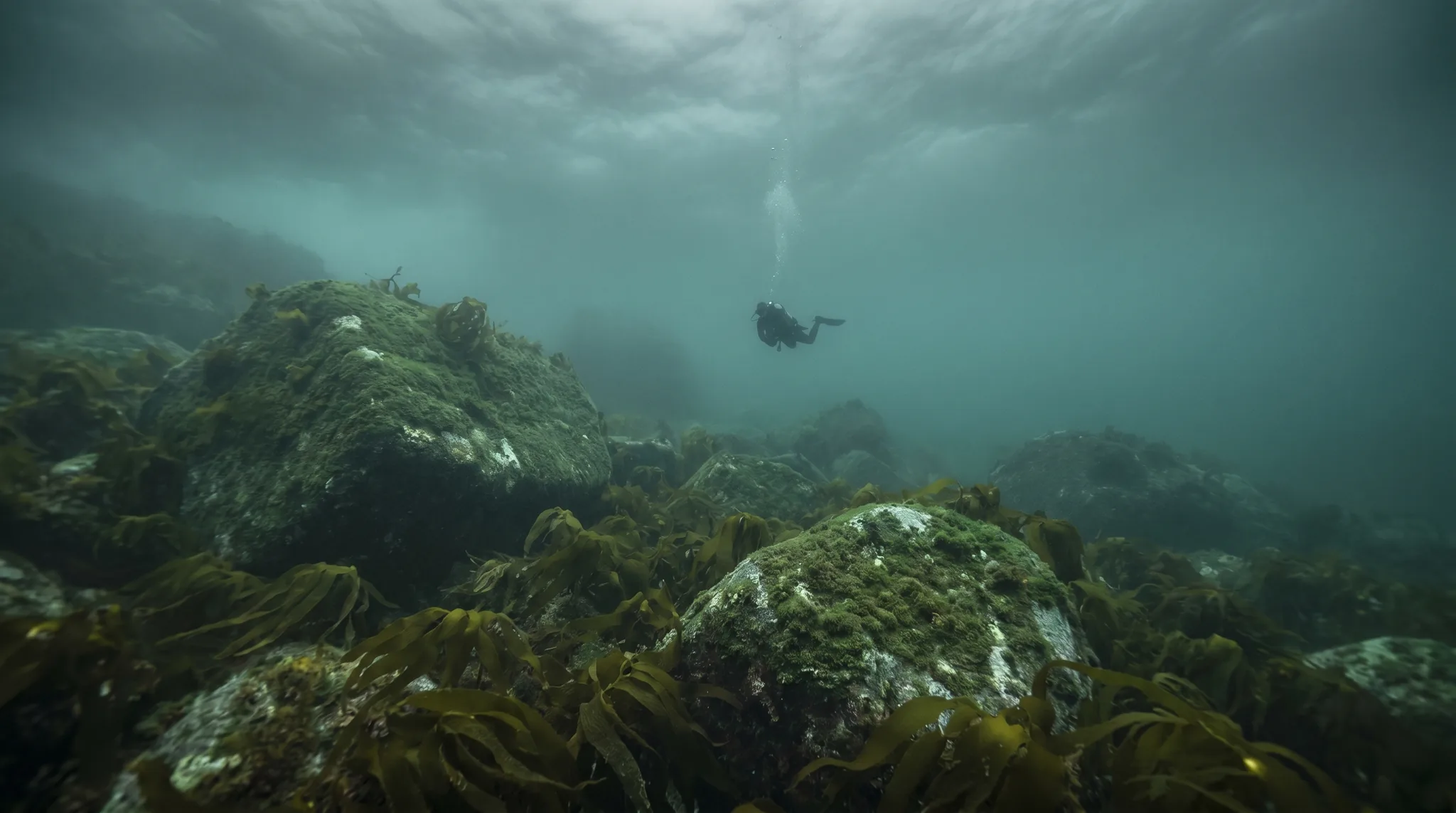
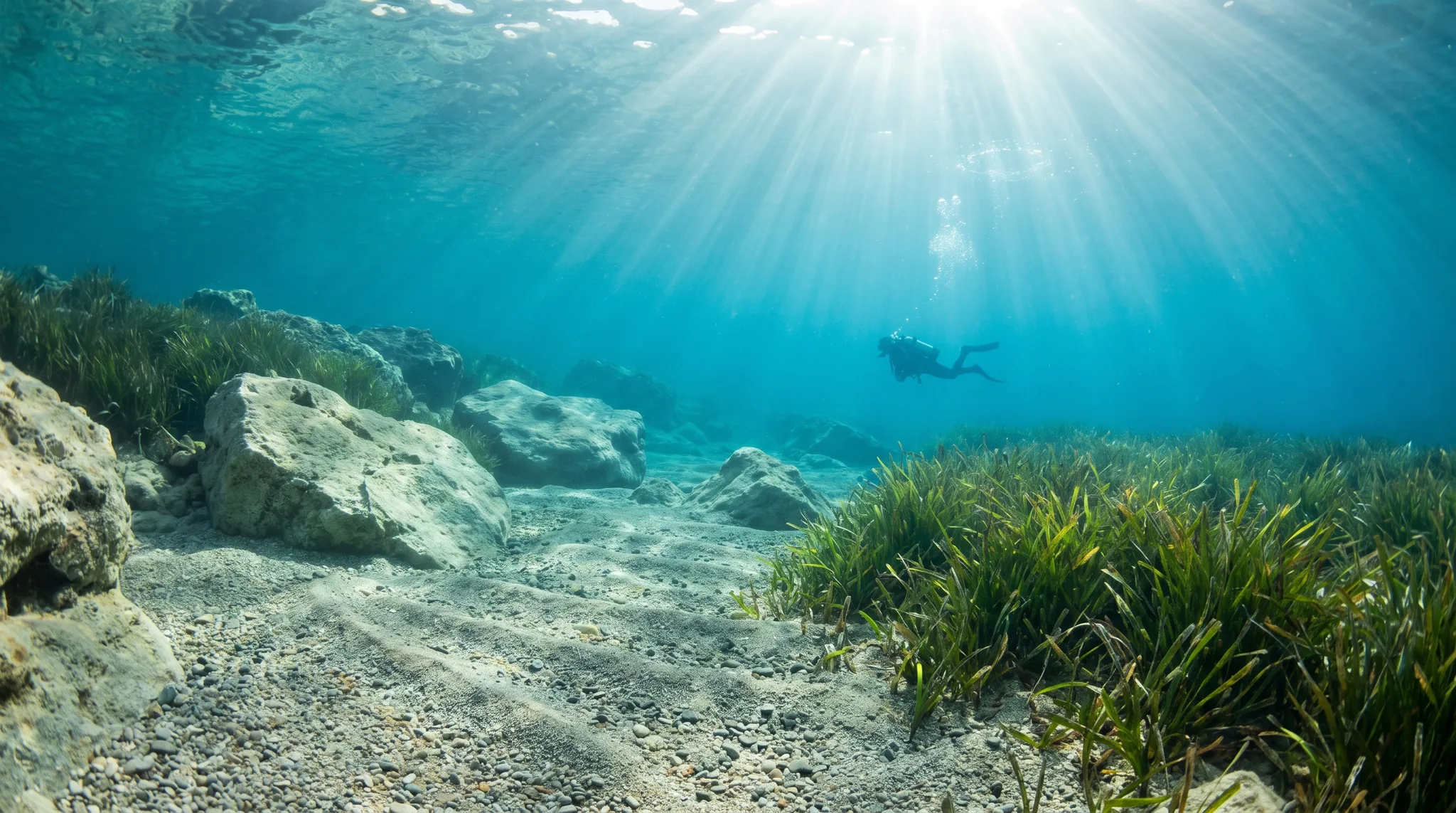
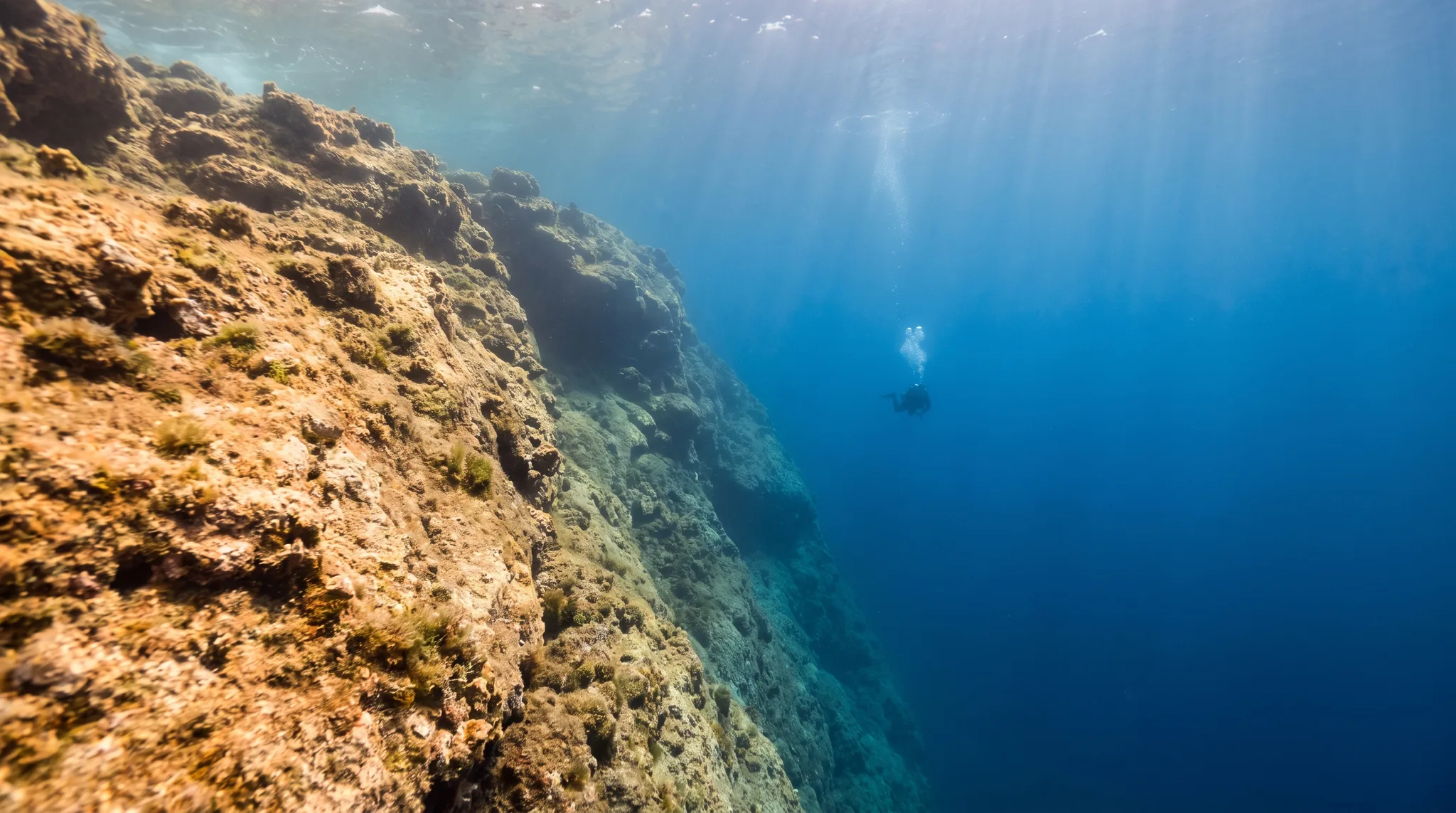
Zadar's dive sites are built around reef, wall, and cave topography, with sites ranging from shallow caves accessible to beginners through to deep walls that demand advanced certification. Cephalopods define the underwater character here: Common Octopus and European Common Cuttlefish are observed across virtually every site. Conger Eel, Grey Triggerfish, Scorpionfish, and Salema Porgy round out a reliably diverse fish community, while the occasional Grouper or Purple Sea Fan rewards attentive divers on deeper terrain.
Monthly water temperature across Zadar's sites, from satellite sea-surface data corrected for depth. The band shows the site-to-site spread.
Water temperatures peak through the summer months, making July, August, and September the most comfortable for diving with thinner exposure suits. Spring and early autumn offer a solid window with moderate warmth and generally good visibility. Winter temperatures drop noticeably, so a thicker wetsuit or drysuit becomes the sensible choice for anyone diving outside the main season.
8 operators
9 more sites to explore
Water temperature around Zadar ranges from about 13°C in March to 25°C in August, based on satellite sea-temperature data for its dive sites.
In the warm season (about 25°C) a 3mm full suit is comfortable in Zadar; in the coldest months (about 13°C) step up to a 7mm or semi-dry suit.
Fin maps 11 sites in Zadar (11 scuba diving sites and 2 snorkelling spots, with some suited to both).
Across Zadar's dive sites, May, June, July, August, September and October are most often reported as the best months to visit.
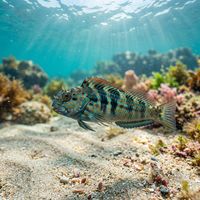
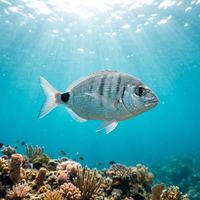
Common Octopus and European Common Cuttlefish are observed across the full range of sites, making them the defining encounters in Zadar. Conger Eel, Grey Triggerfish, Scorpionfish, Peacock Blenny, and Saddled Seabream are also consistently present. Castagnole appear commonly on many sites, and patient divers may encounter Grouper, Purple Sea Fan, or, more rarely, Eagle Ray and Seahorse.
The site mix covers both beginner and advanced levels. Brbiscica Cave, for example, sits at a shallow and consistent depth and is rated as a beginner site, though its overhead environment does require appropriate certification. More advanced divers have access to deeper reef, wall, and cave combinations such as Brava, which reaches significant depths.
Both entry types are represented across Zadar's sites. Some sites, including Brbiscica Cave, can be reached from shore or by boat, while deeper sites like Brava require a boat. Checking the entry type for each site before planning is worthwhile, particularly if you are organising independent access rather than joining a guided dive.
Zadar's sites are predominantly reef, wall, and cave dives, often combining more than one type in a single site. Cave diving is a recurring feature, so divers unfamiliar with overhead environments should ensure they hold the relevant certification before entering those sites. The variety of topography means both naturalist-focused and technically inclined divers will find suitable options.