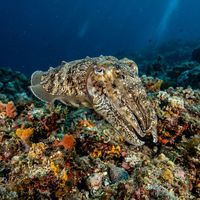
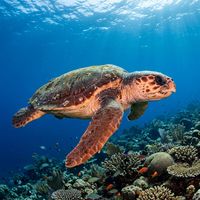
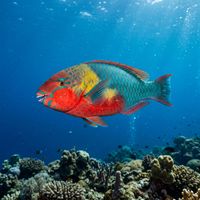
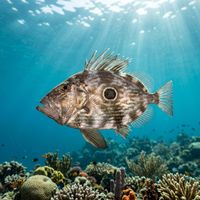
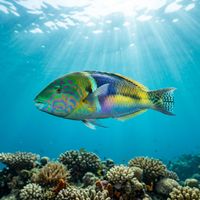
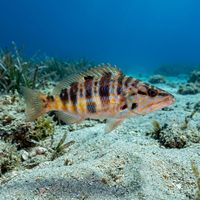
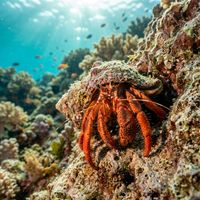
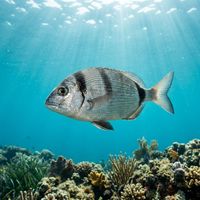
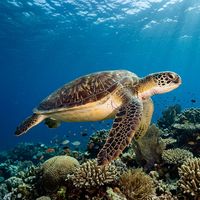
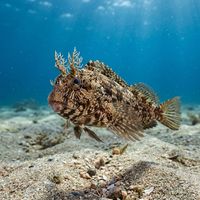
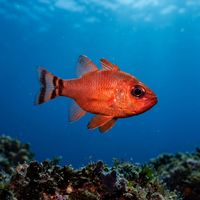
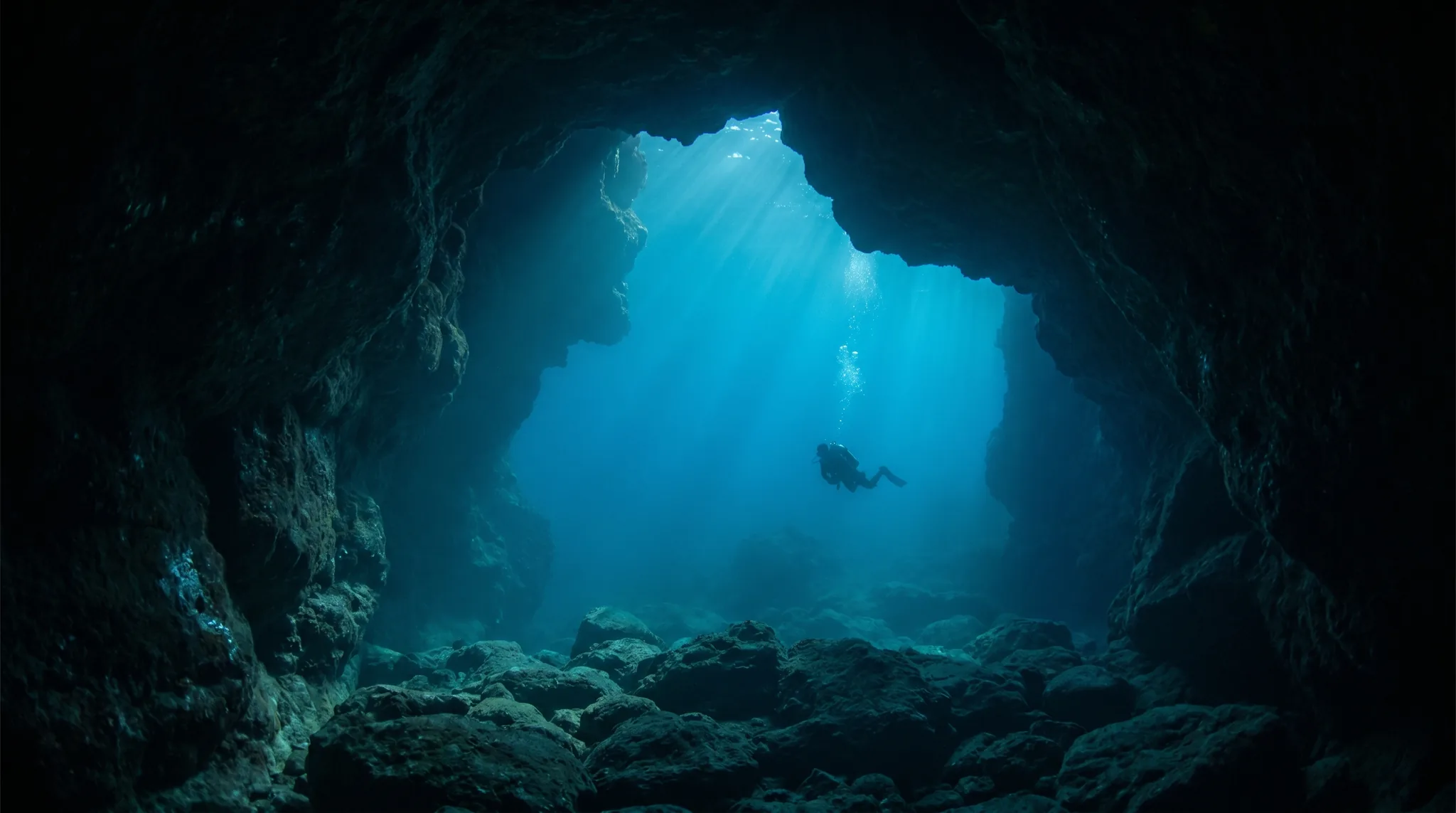
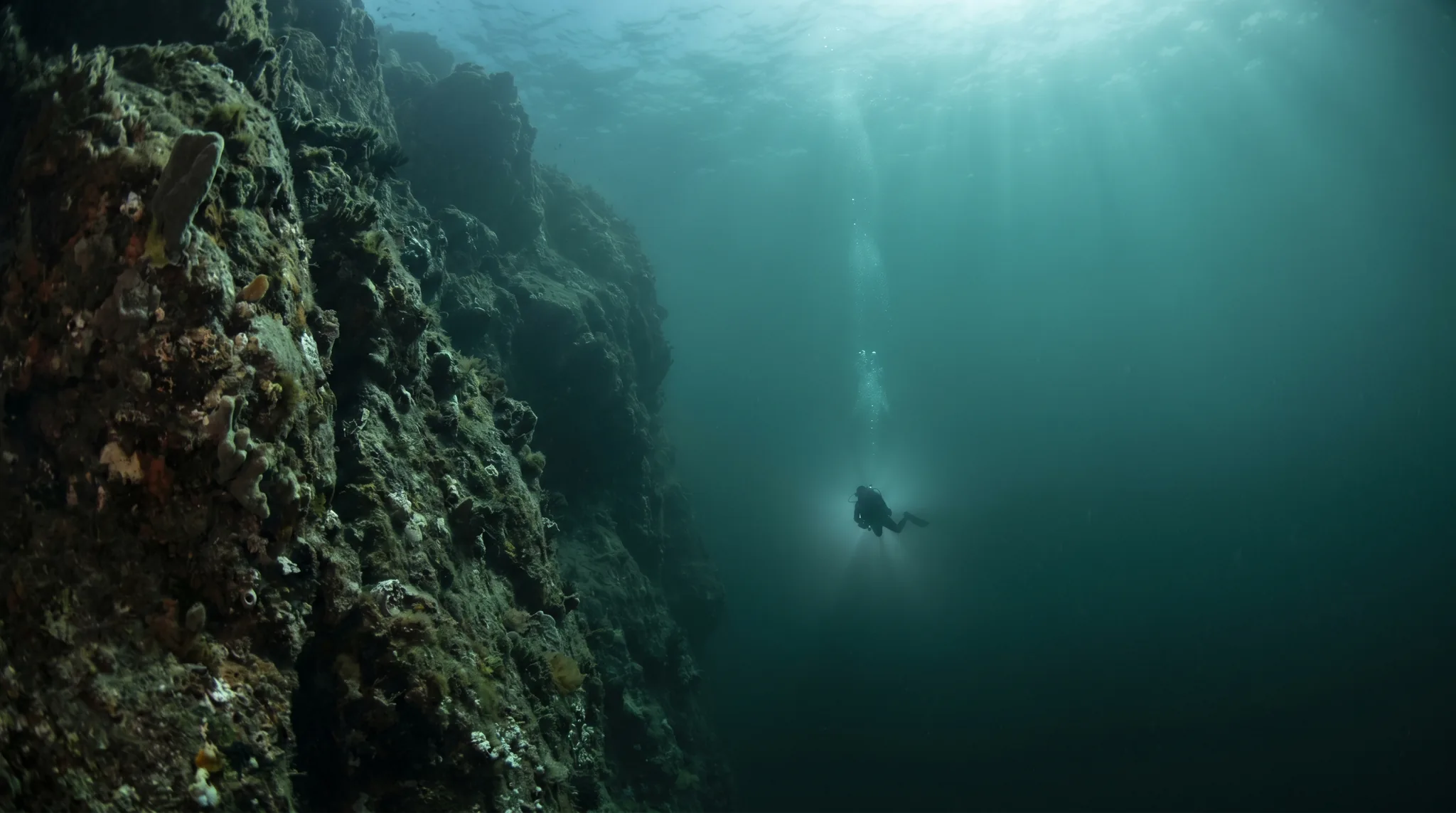
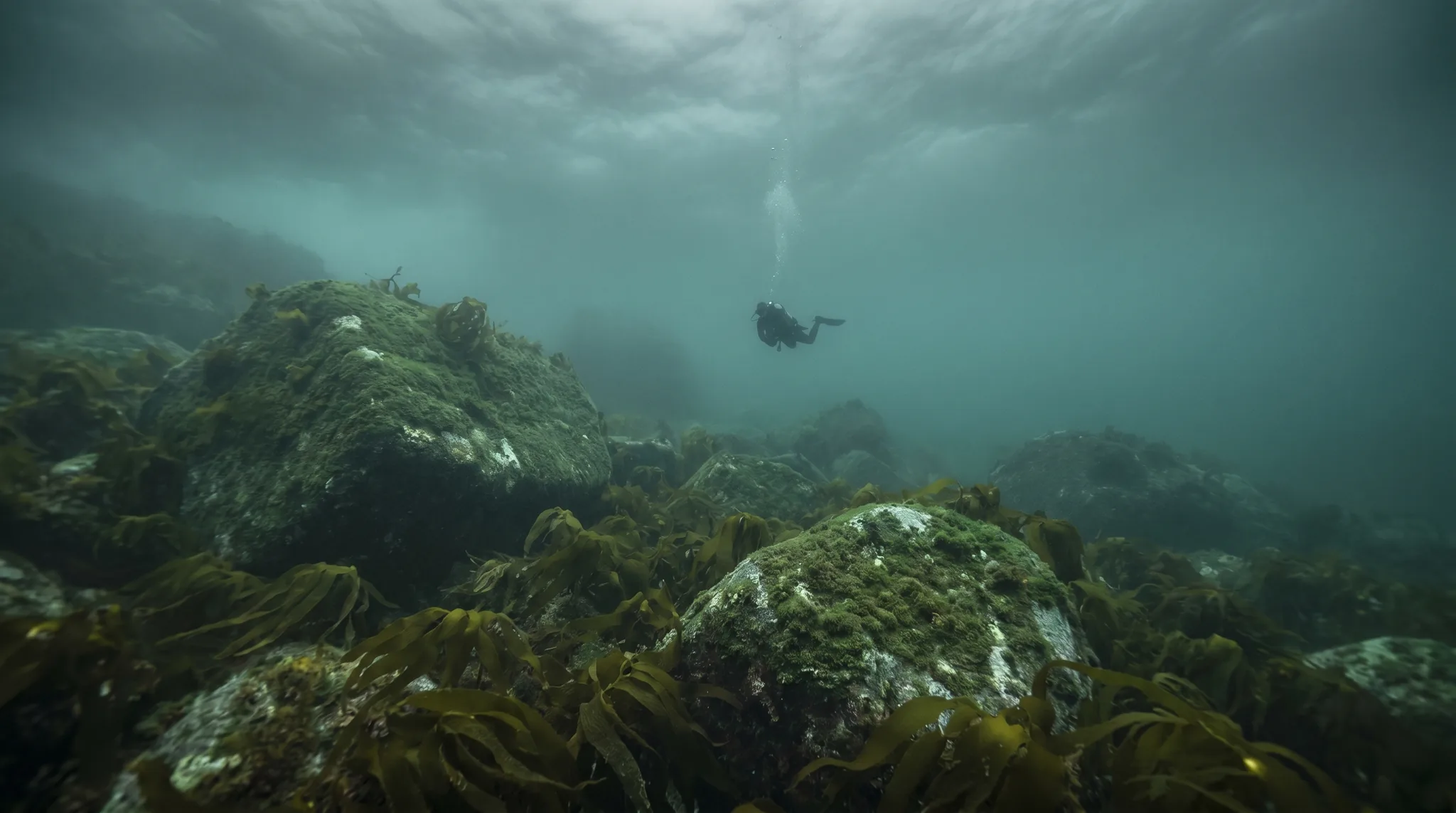
Šibenik's diving is defined by variety: walls that begin shallow and drop deep, wrecks across a range of skill levels, caves, reefs, and even a freshwater site at Visovac. Almost every site requires a boat, pushing divers out into open water where the Painted Comber and European Common Cuttlefish are near-constant companions. The Loggerhead Sea Turtle appears regularly, and deeper dives at sites like Francesca da Rimini and Plic Grmeni reward advanced divers with substantial wreck structures.
Monthly water temperature across Šibenik's sites, from satellite sea-surface data corrected for depth. The band shows the site-to-site spread.
Water is at its coolest in spring, warming gradually through summer and peaking in autumn. The warmest months align closely with the busiest diving window, from late spring through to early autumn, when conditions are most settled. Outside this period, cooler water and variable conditions favour experienced divers comfortable with thicker exposure suits.
11 operators
7 more sites to explore
Water temperature around Šibenik ranges from about 13°C in March to 18°C in October, based on satellite sea-temperature data for its dive sites.
In the warm season (about 18°C) a 5mm suit is comfortable in Šibenik; in the coldest months (about 13°C) step up to a 7mm or semi-dry suit.
Fin maps 19 sites in Šibenik (19 scuba diving sites and 1 snorkelling spots, with some suited to both).
Across Šibenik's dive sites, May, June, July, August and September are most often reported as the best months to visit.
The European Common Cuttlefish and Painted Comber are among the most reliably encountered species across Šibenik's sites. The Loggerhead Sea Turtle is a well-documented presence, and divers also regularly spot the Two-banded Seabream, Turkish Wrasse, John Dory, and Tompot Blenny. Conger Eel and Mediterranean Moray have been observed on rockier structures, and Bottlenose Dolphin sightings, while less frequent, do occur.
Several sites in Šibenik are appropriate for beginner divers, including Kakan, Rt Murteric, Hrid Bacvica, and the wreck at Plavi Jadran. These offer manageable depths and straightforward profiles. That said, the majority of sites are rated intermediate or advanced, and all require boat access, so even newer divers should be comfortable on a dive boat and confident with open-water conditions.
All of the listed dive sites in Šibenik require boat access. There are no shore-entry sites in the current data, so divers will need to arrange boat transport for every dive, whether independently or through an organised trip.
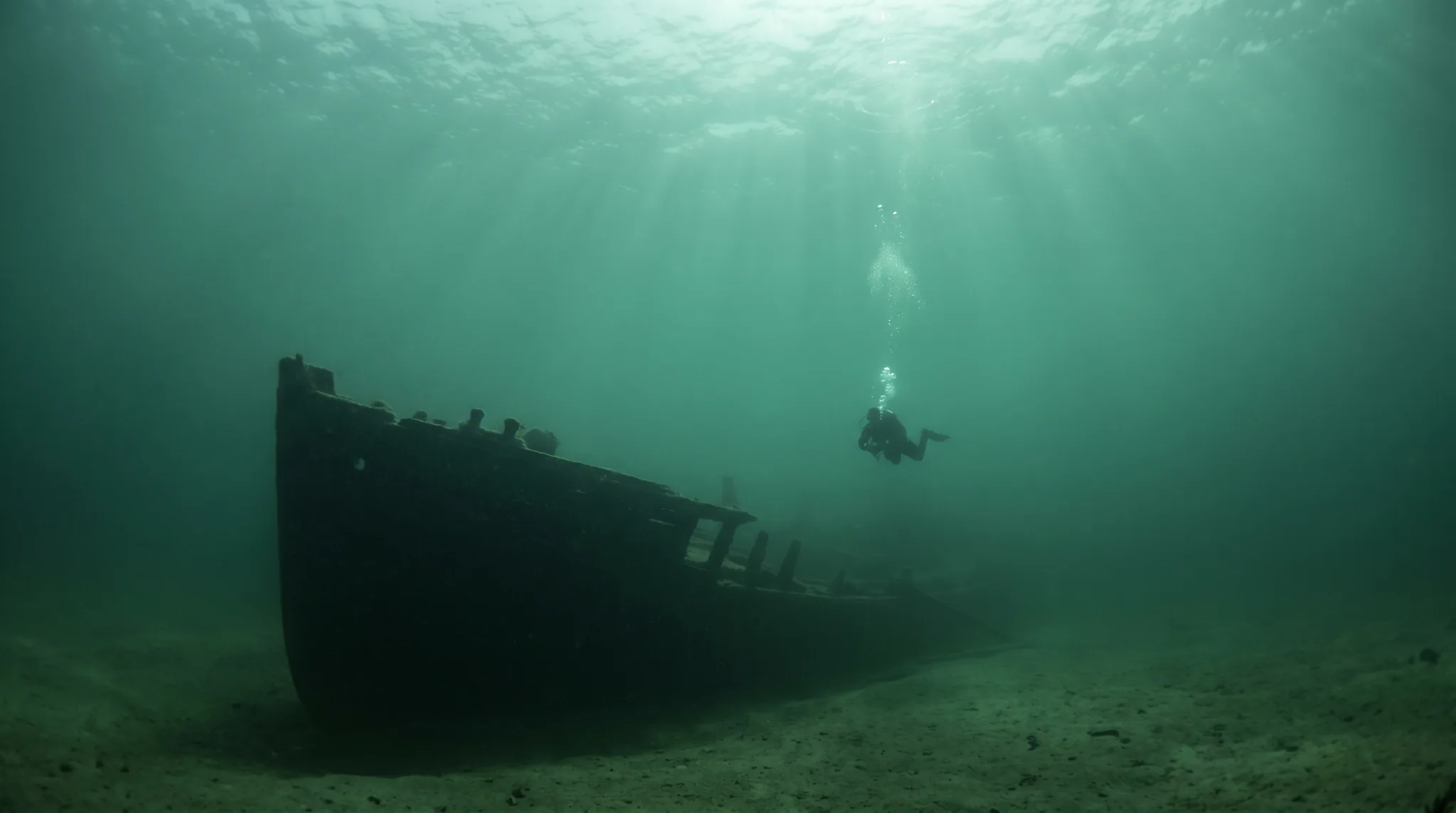
Šibenik has several wreck dives spanning a wide range of depths and skill requirements. Plavi Jadran is the most accessible, sitting at a single moderate depth and rated for beginners. Stuka and Plic Grmeni are advanced dives, with Plic Grmeni also featuring a wall, pinnacle, and reef around the wreck. Francesca da Rimini is the deepest and most demanding, sitting partly beyond the recreational depth range and suited strictly to advanced divers. Kaprije adds a wreck to a broader landscape of reef, wall, and cave.