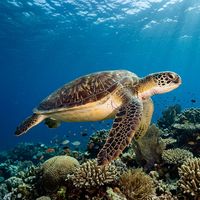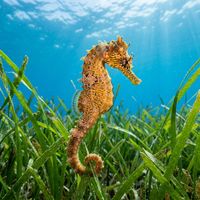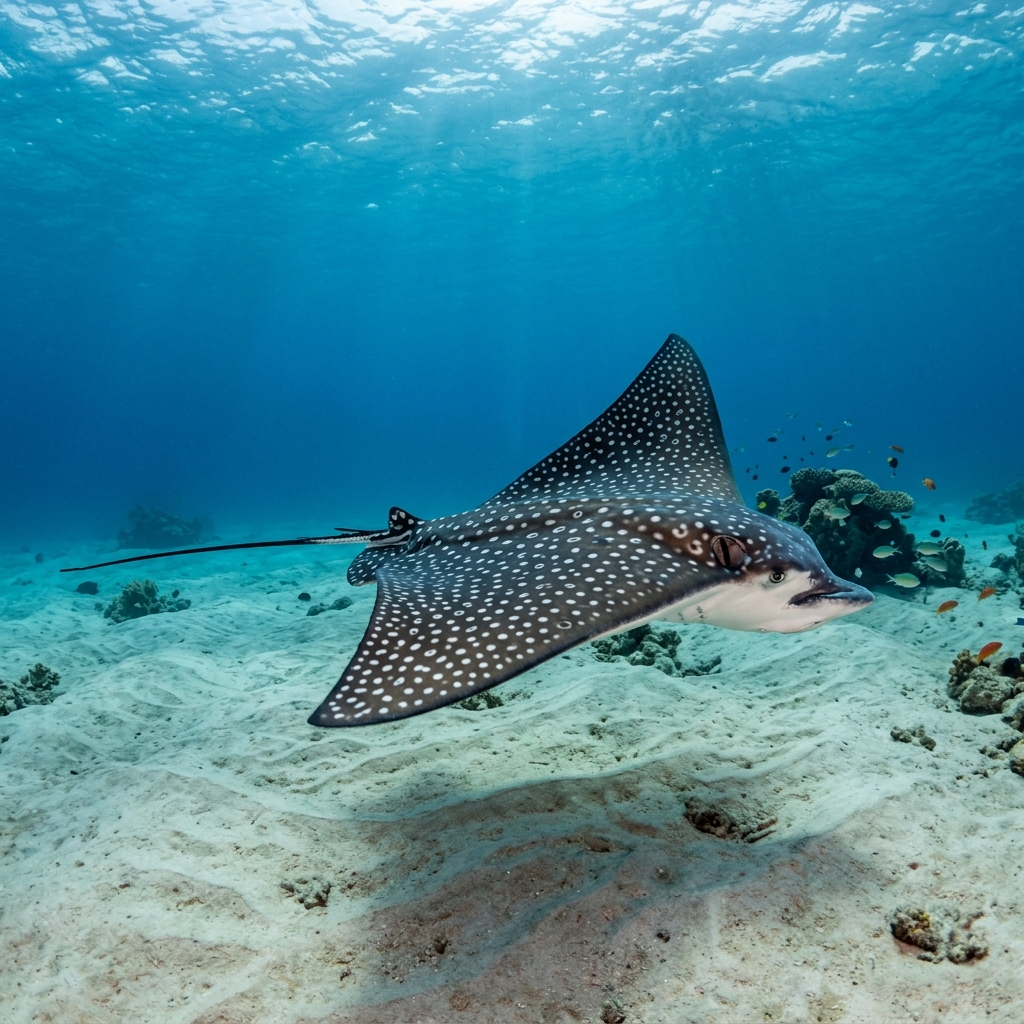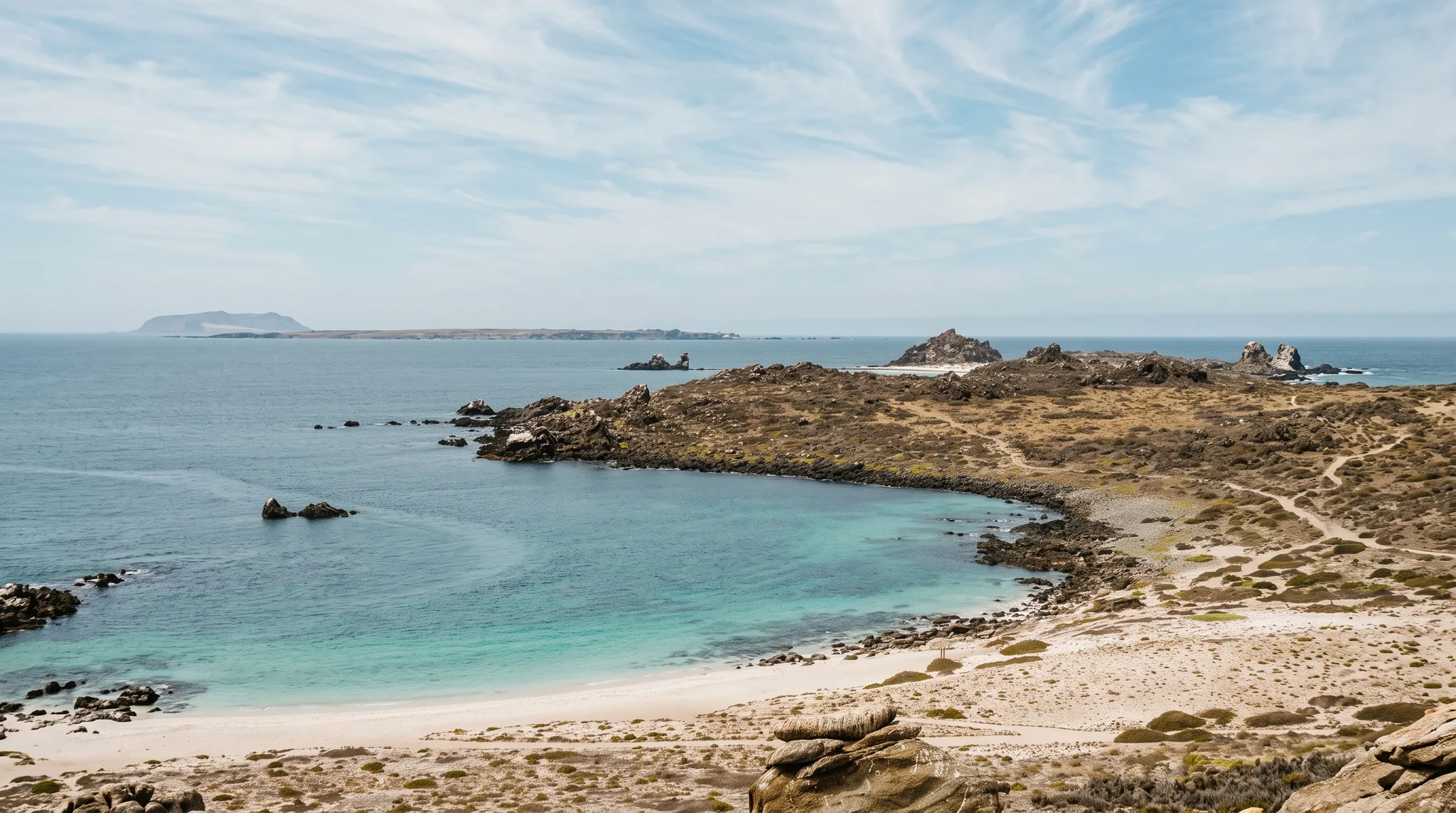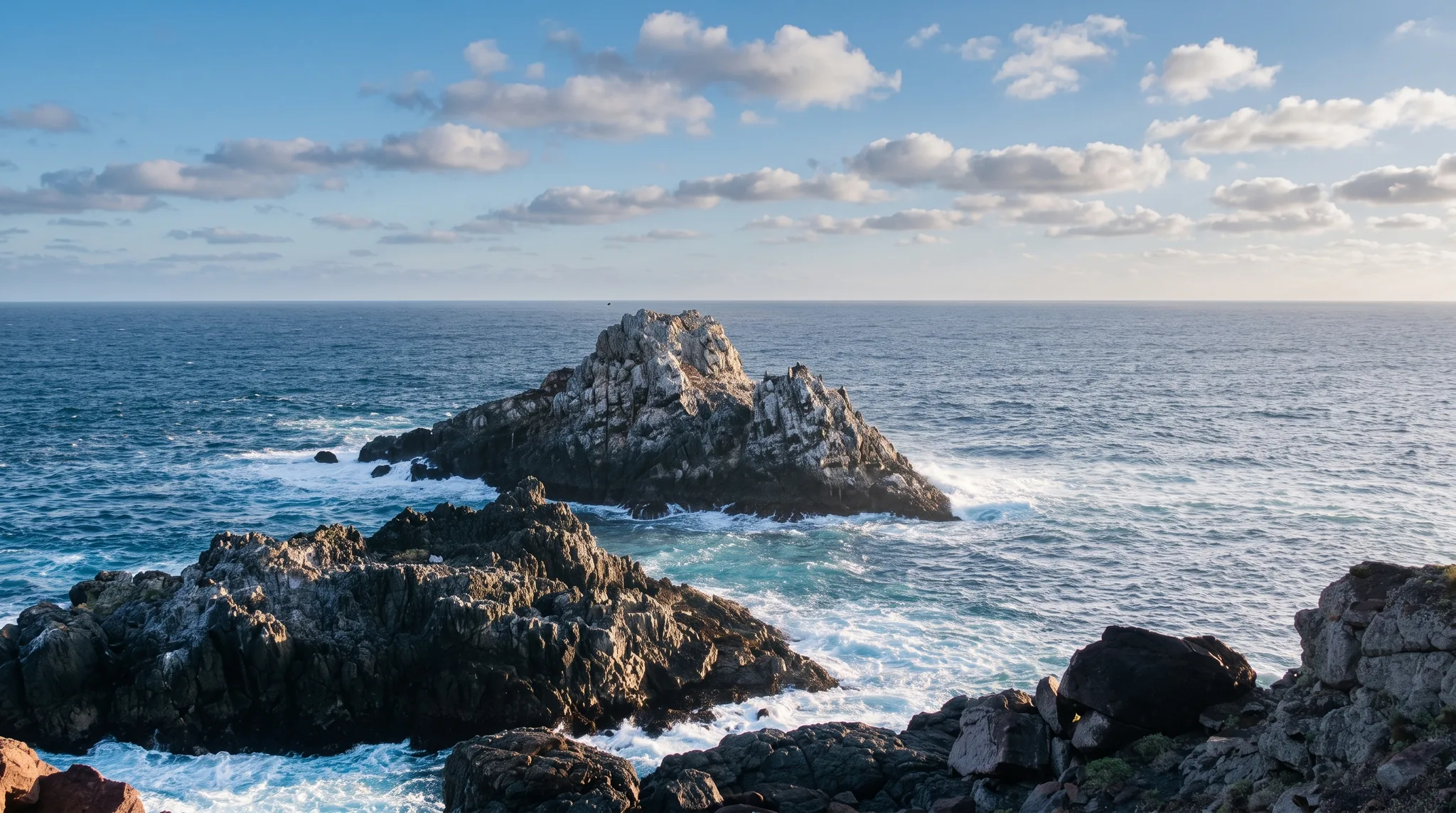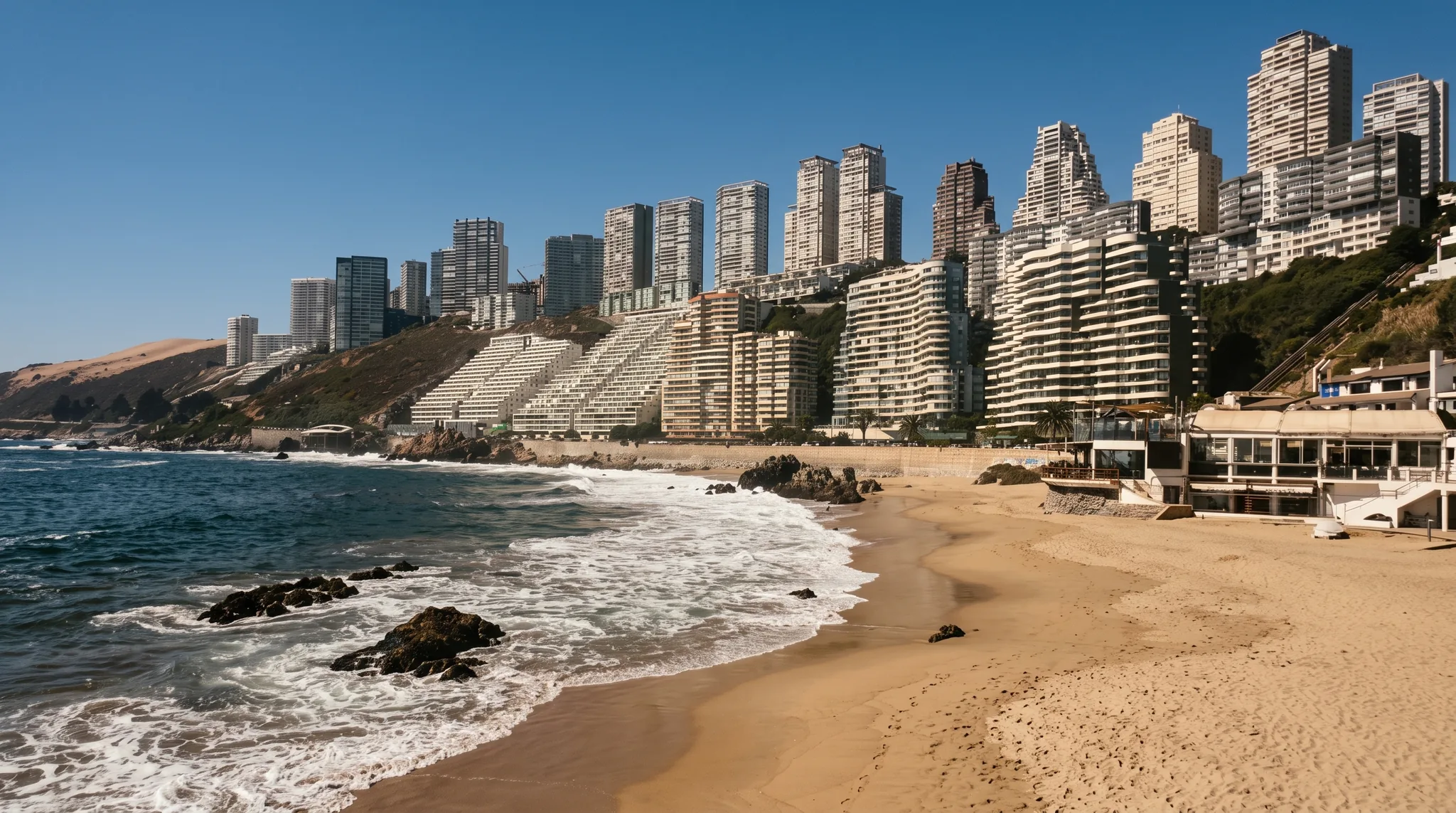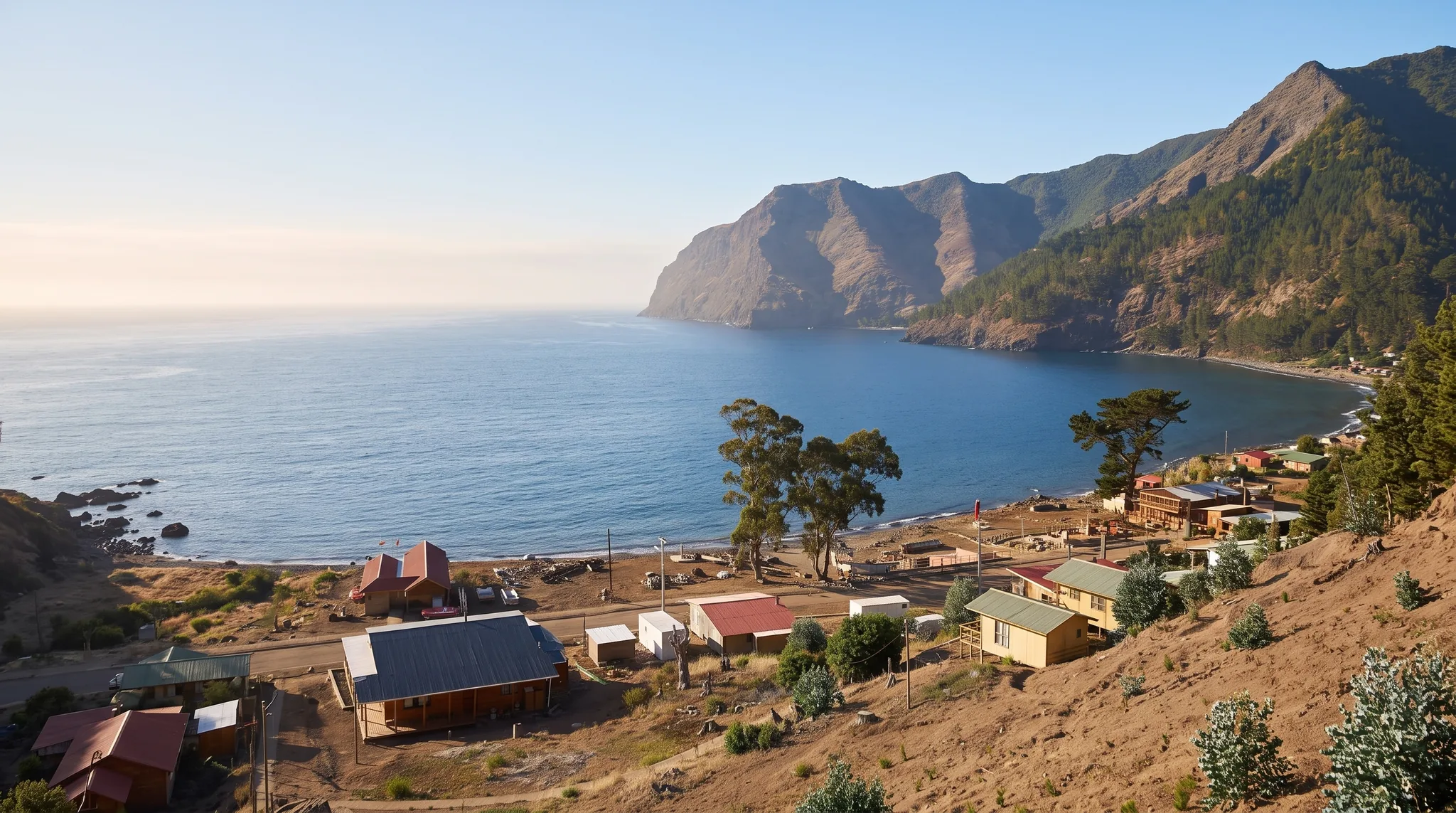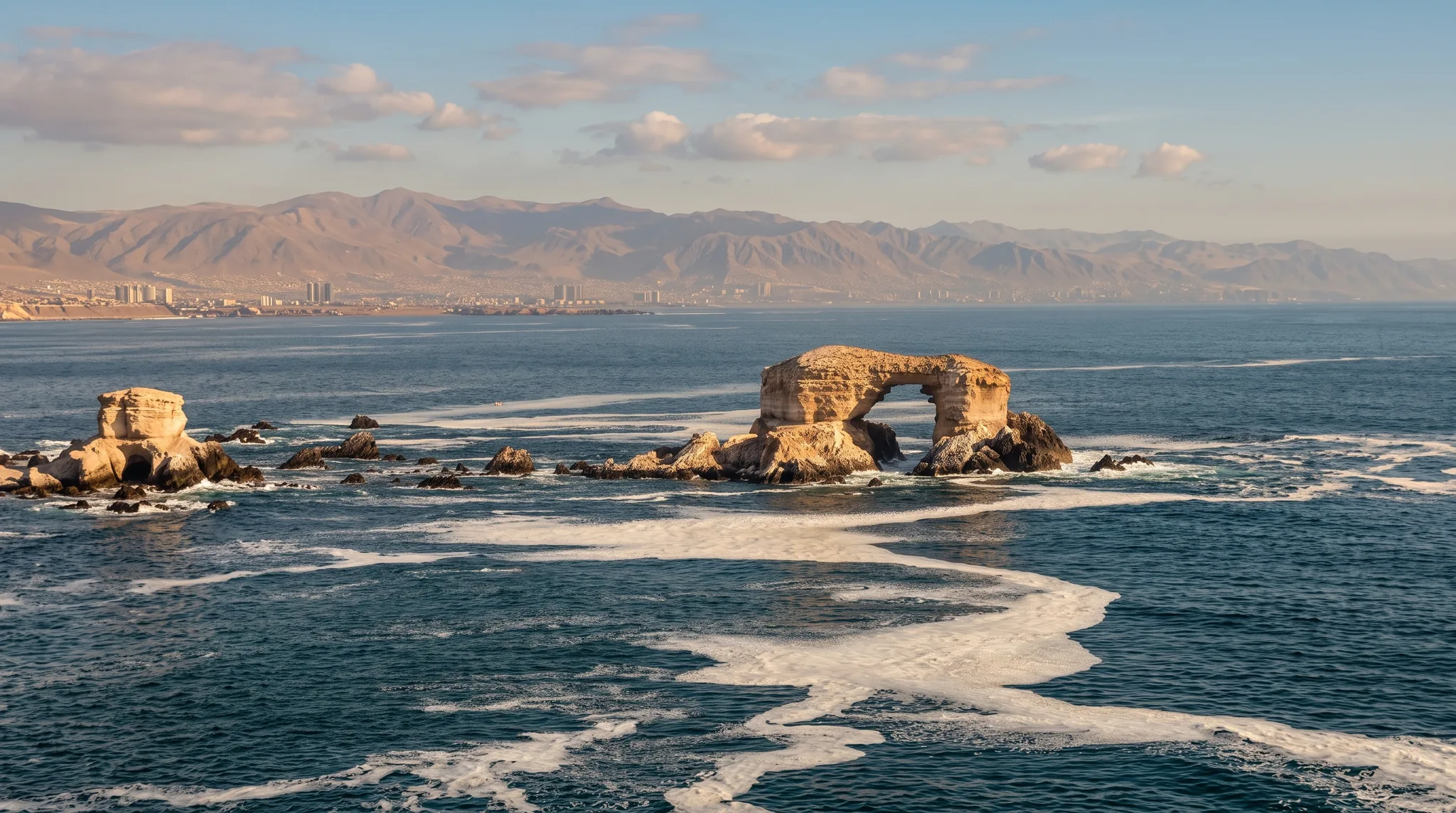
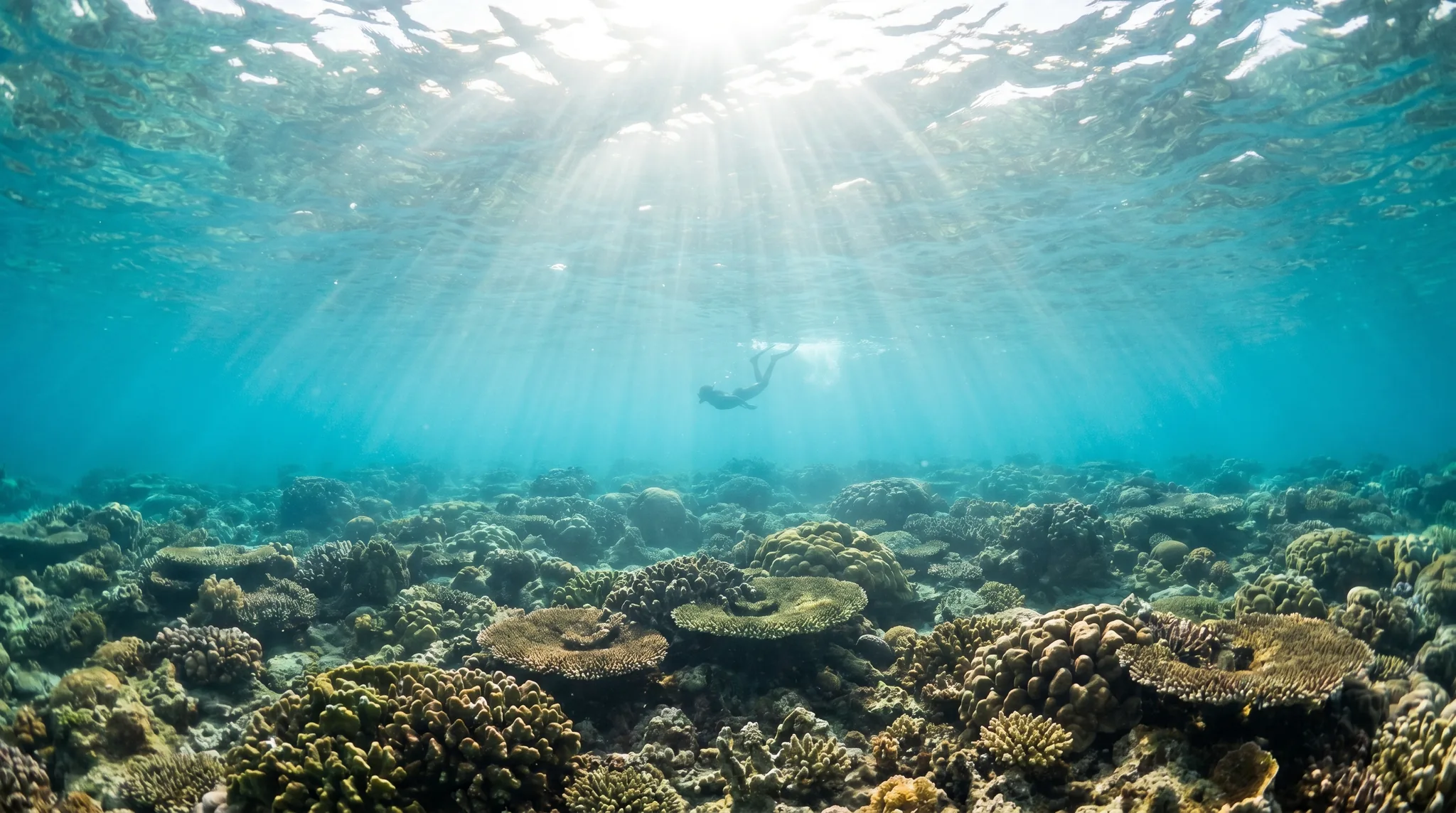
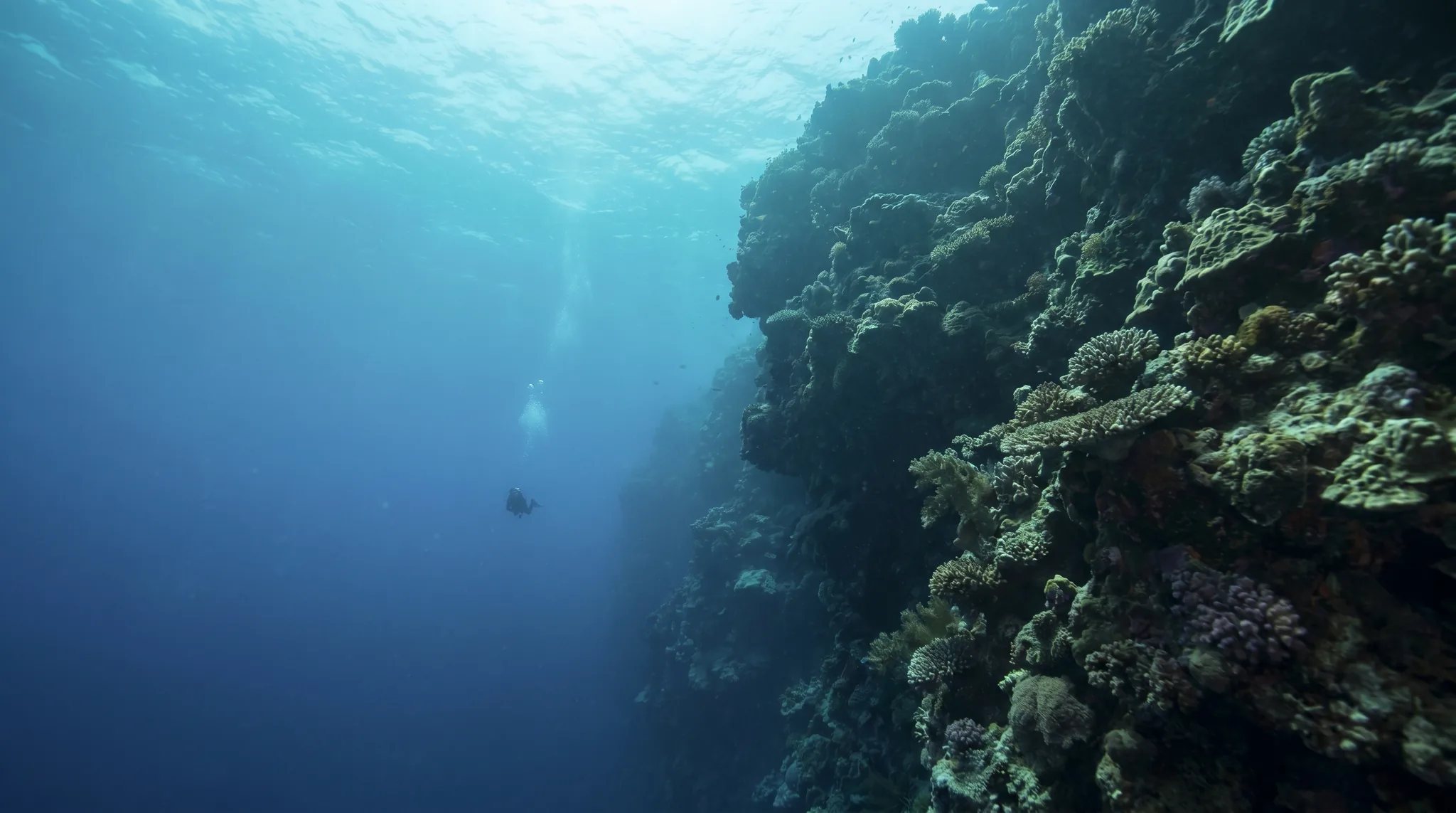
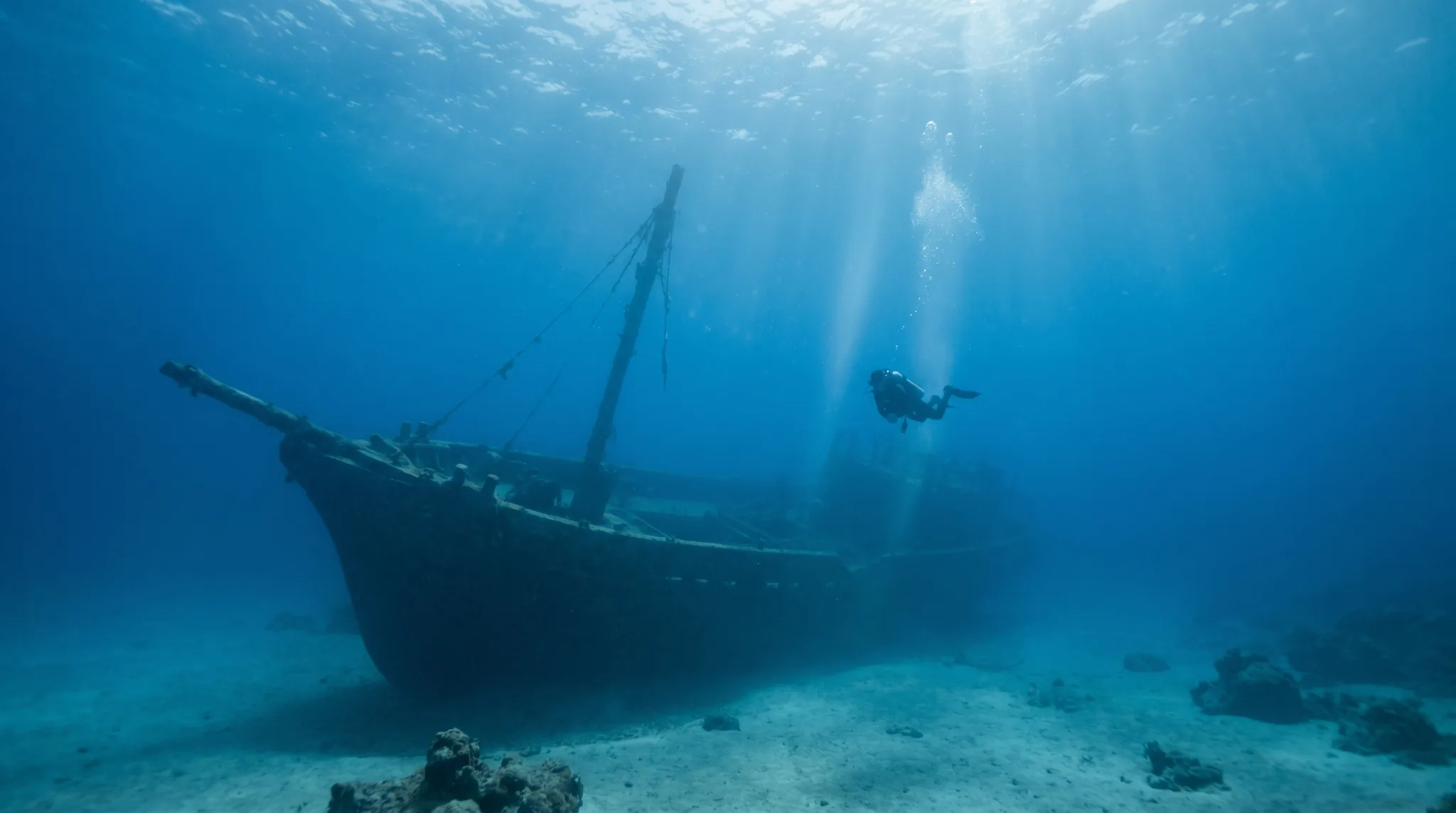
Antofagasta offers a varied mix of reef, wall, kelp forest, cave and wreck diving across a range of skill levels. Kelp-draped walls and drop-offs define many sites, while the Maria Elizabeth Wreck and Vapor Lima add wreck diving to the roster. Green Sea Turtle and Seahorse are reliably observed across many sites, and Eagle Ray, Bottlenose Dolphin and occasional Whale Shark appearances raise the stakes on deeper dives. Water stays cool year-round, so exposure protection is always worth planning carefully. Shore entries suit beginners, while boat-access sites like El Buey and Pared Sur reward more experienced divers.
Monthly water temperature across Antofagasta's sites, from satellite sea-surface data corrected for depth. The band shows the site-to-site spread.
Water temperature remains cool and relatively stable across all months, with a slight dip in the austral spring around September. January draws the strongest concentration of diver activity, suggesting calmer and clearer conditions early in the year. Visibility can vary considerably between sites, so conditions are worth checking with a local operator before committing to deeper boat dives.
5 operators
4 more sites to explore
Water temperature around Antofagasta ranges from about 14°C in September to 16°C in January, based on satellite sea-temperature data for its dive sites.
With water around 14–16°C, a 7mm or semi-dry suit works in Antofagasta year-round.
Fin maps 16 sites in Antofagasta (16 scuba diving sites and 1 snorkelling spots, with some suited to both).
Across Antofagasta's dive sites, January are most often reported as the best months to visit.
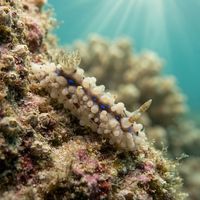
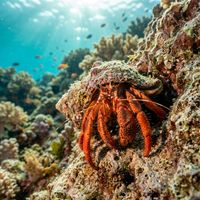
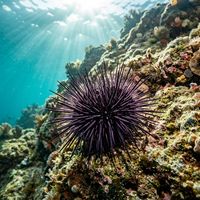
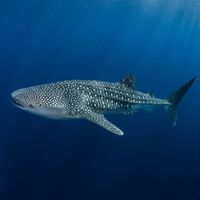
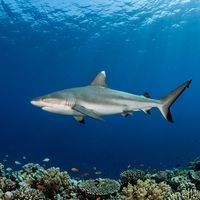
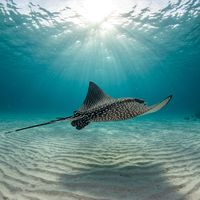
Green Sea Turtle and Seahorse are observed across the majority of sites and are the species you are most likely to encounter. Eagle Ray and Bottlenose Dolphin are also commonly sighted, while Grey Reef Shark and Whale Shark appear on occasion. Hermit Crab, Sea Urchin, Anchovy and Sponge are found at virtually every site and form the backbone of the reef community.
Several sites are rated beginner-friendly, including The beach, The Abyss, The Moai Trail and Colin's Double Strike. Most of these are shore-entry dives, which removes the added complexity of boat access. The Vapor Lima wreck is also beginner-rated and sits very shallow, making it a good introductory wreck experience.
Shore-entry sites such as Anemone Wall and Jardines de Copeton are generally more accessible and cover a good range of terrain including walls, reefs and kelp forest. Boat-access sites like El Buey, Pared Sur and El Acuario de Santa Maria tend to sit deeper and are rated intermediate or advanced, rewarding divers who make the trip offshore with more dramatic topography and a greater chance of pelagic encounters.
There are several dive operators active in the region, including Centro de Buceo Océano, Buceo Oceano, Escuela de Buceo Sub-Aqua and Escuela de Buceo Magallanes. Between them they cover both shore and boat diving, so it is worth contacting a local operator to match your skill level and target sites before you arrive.