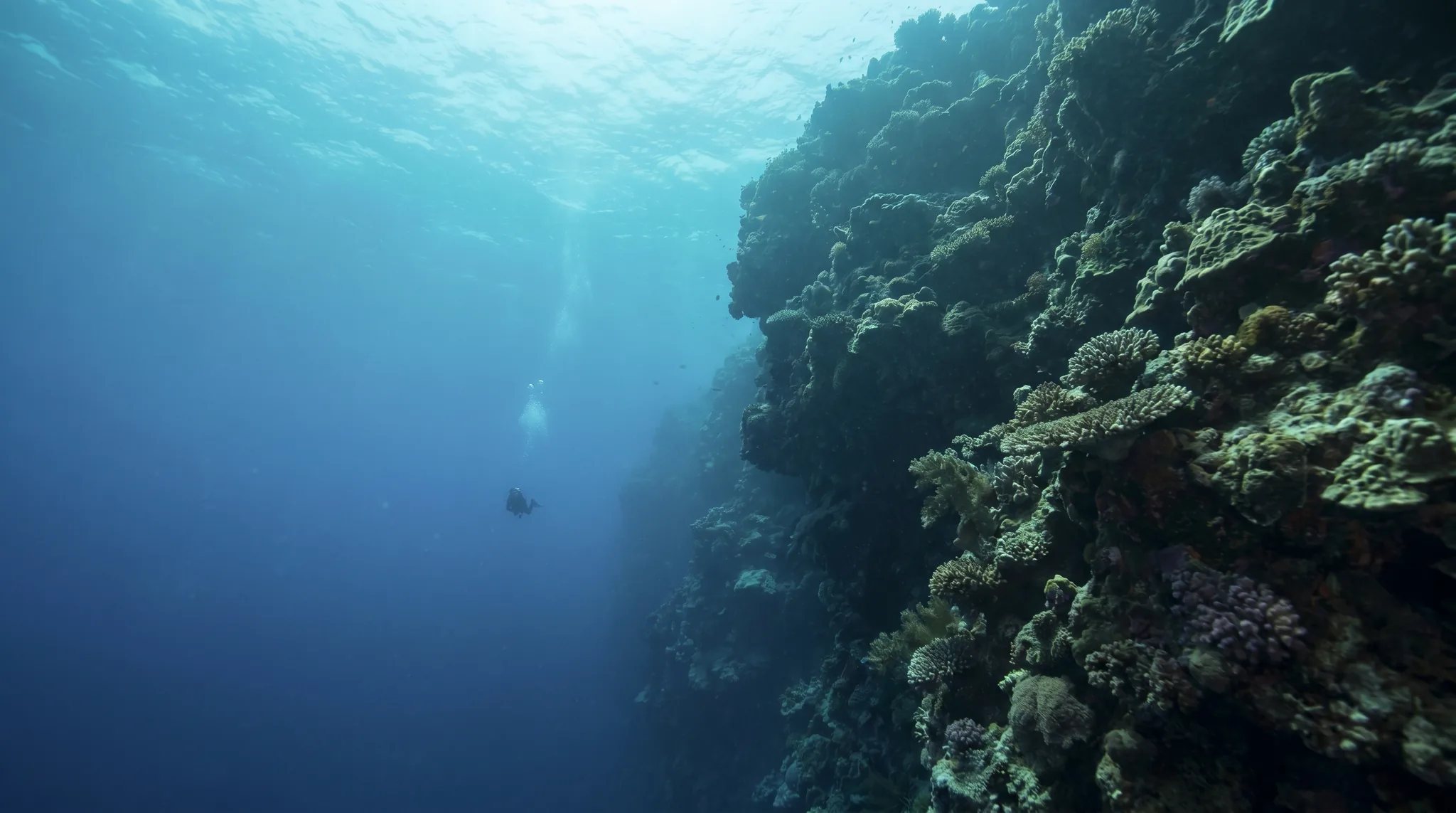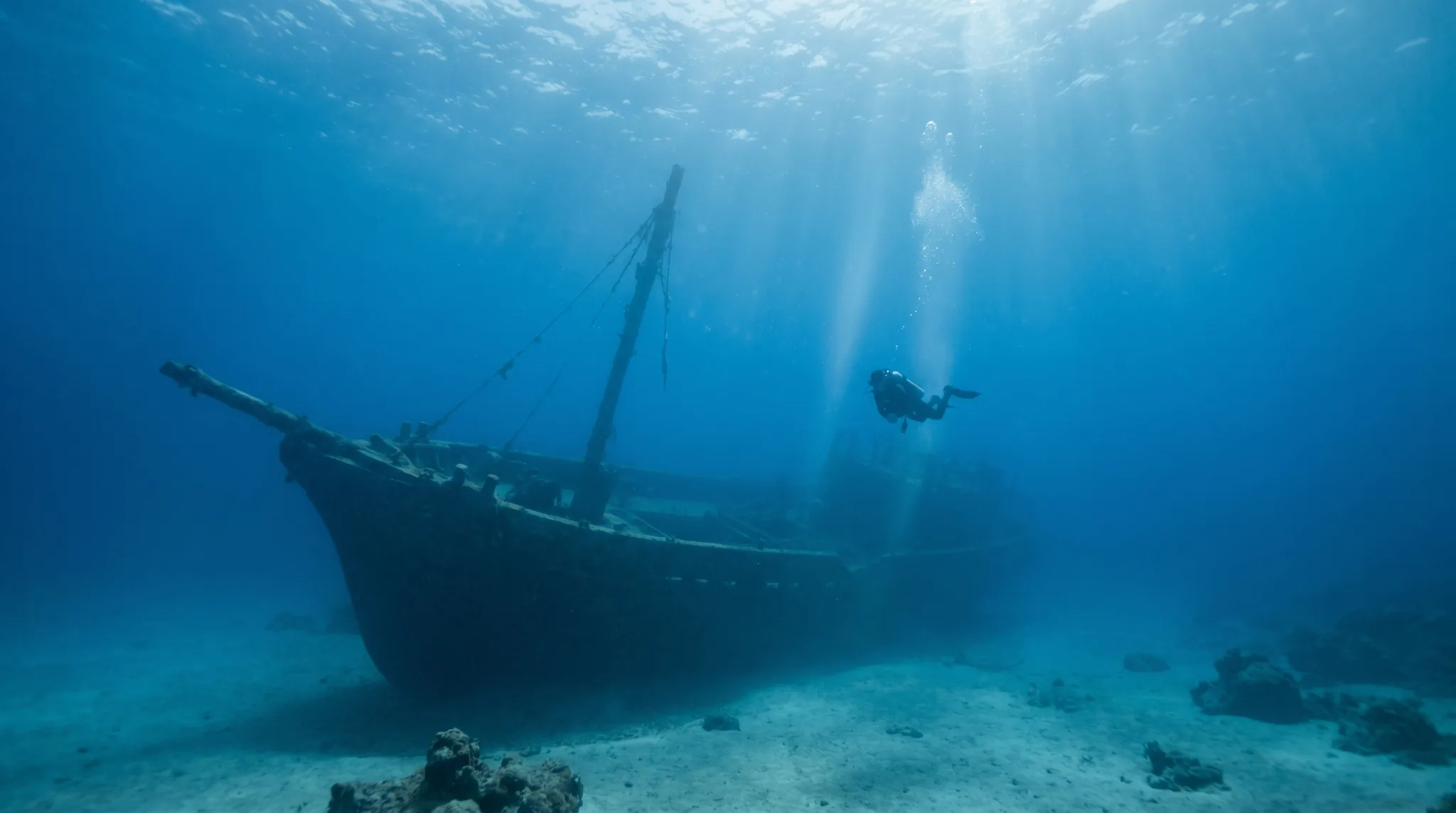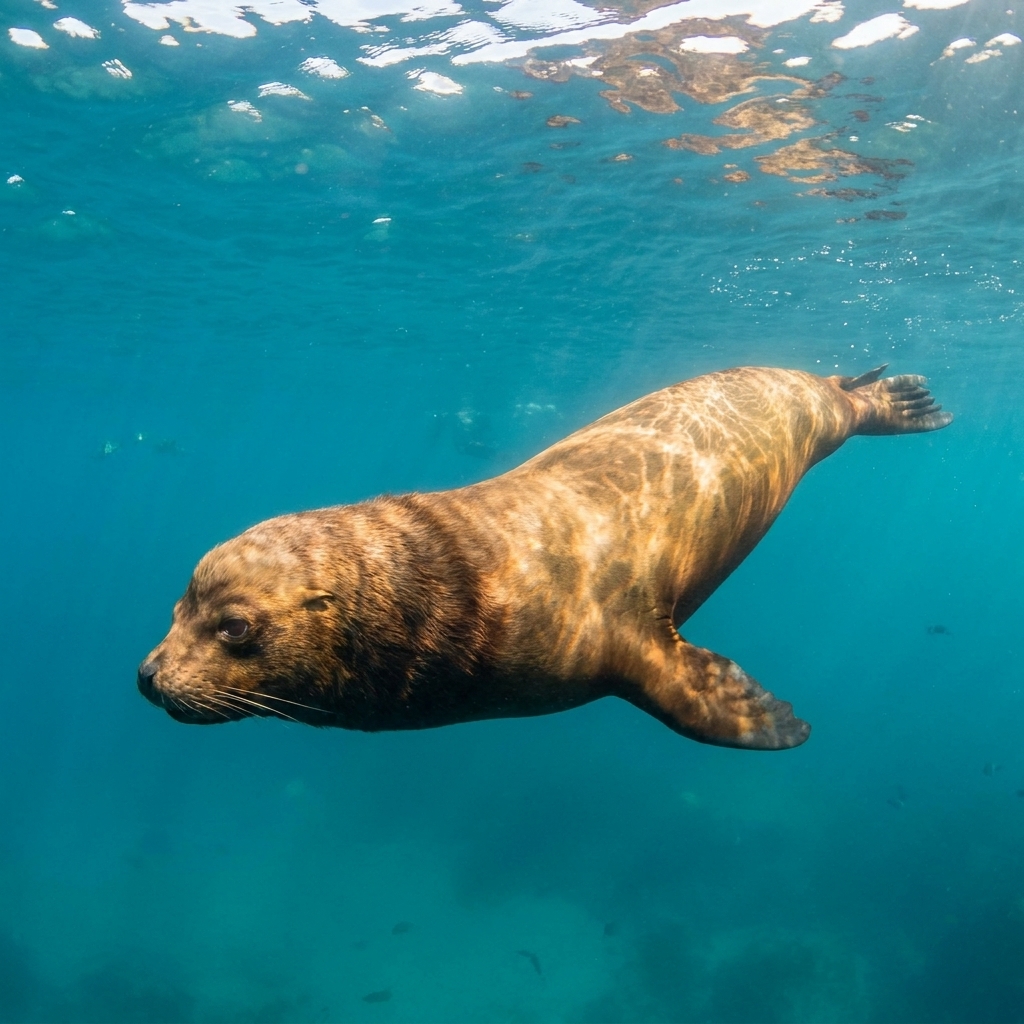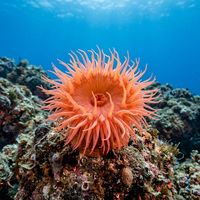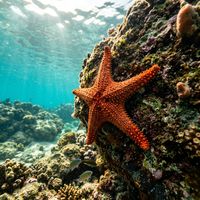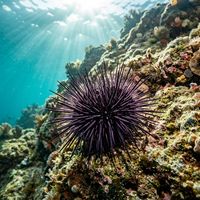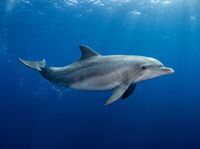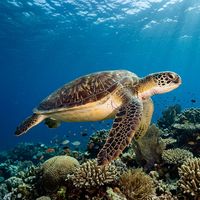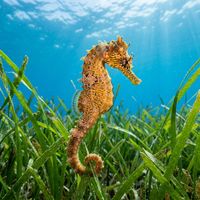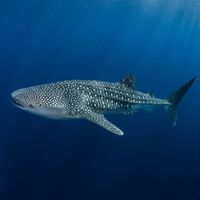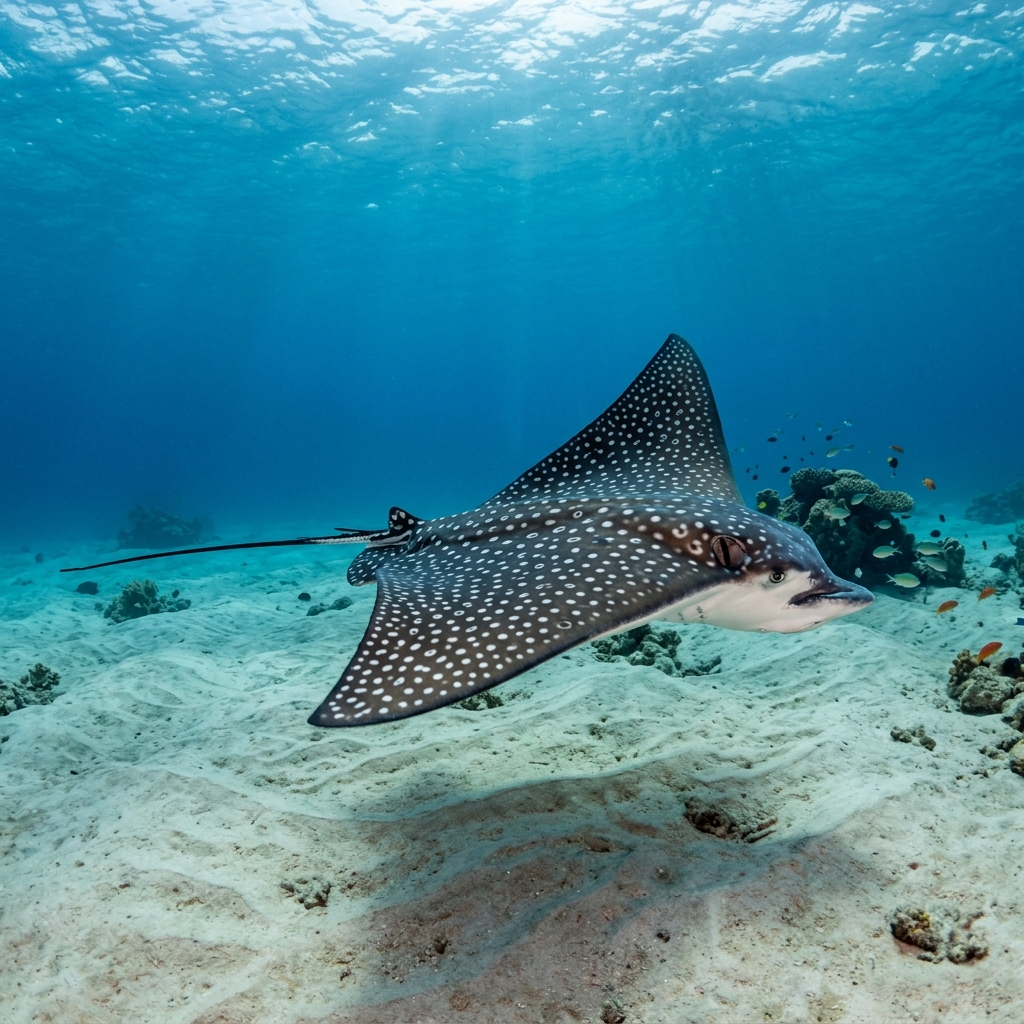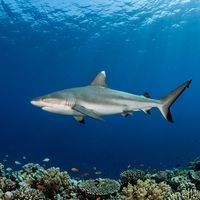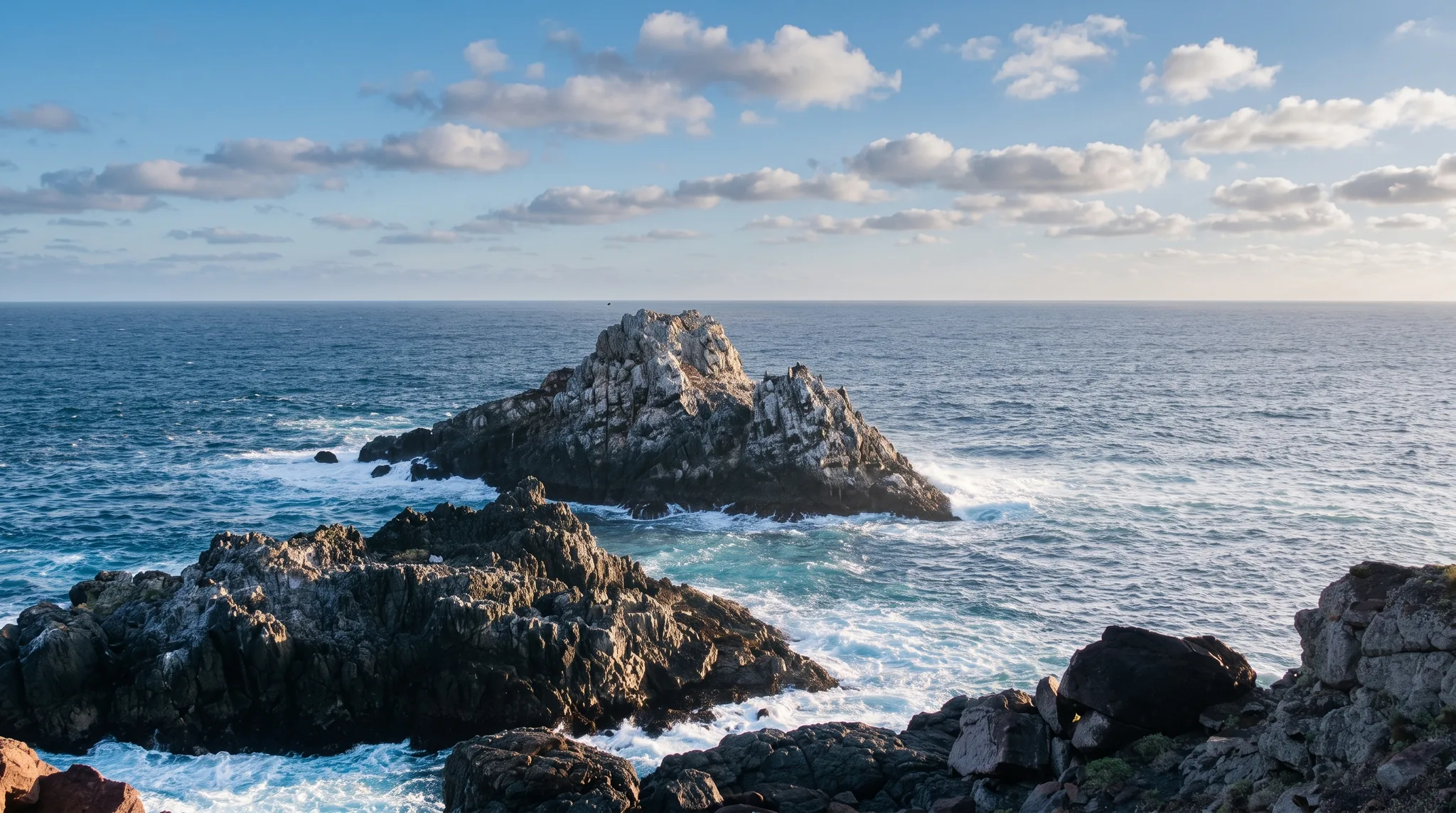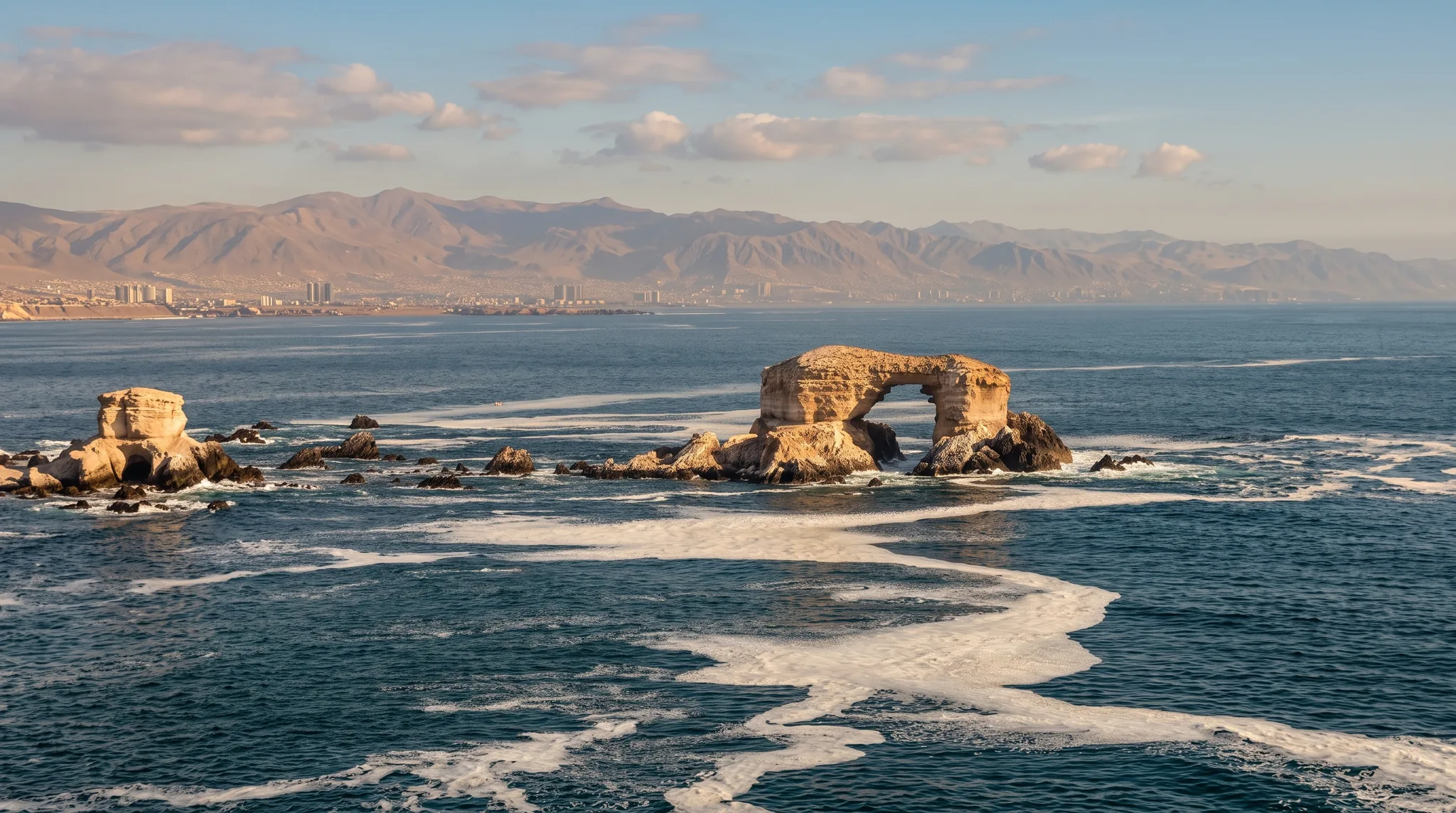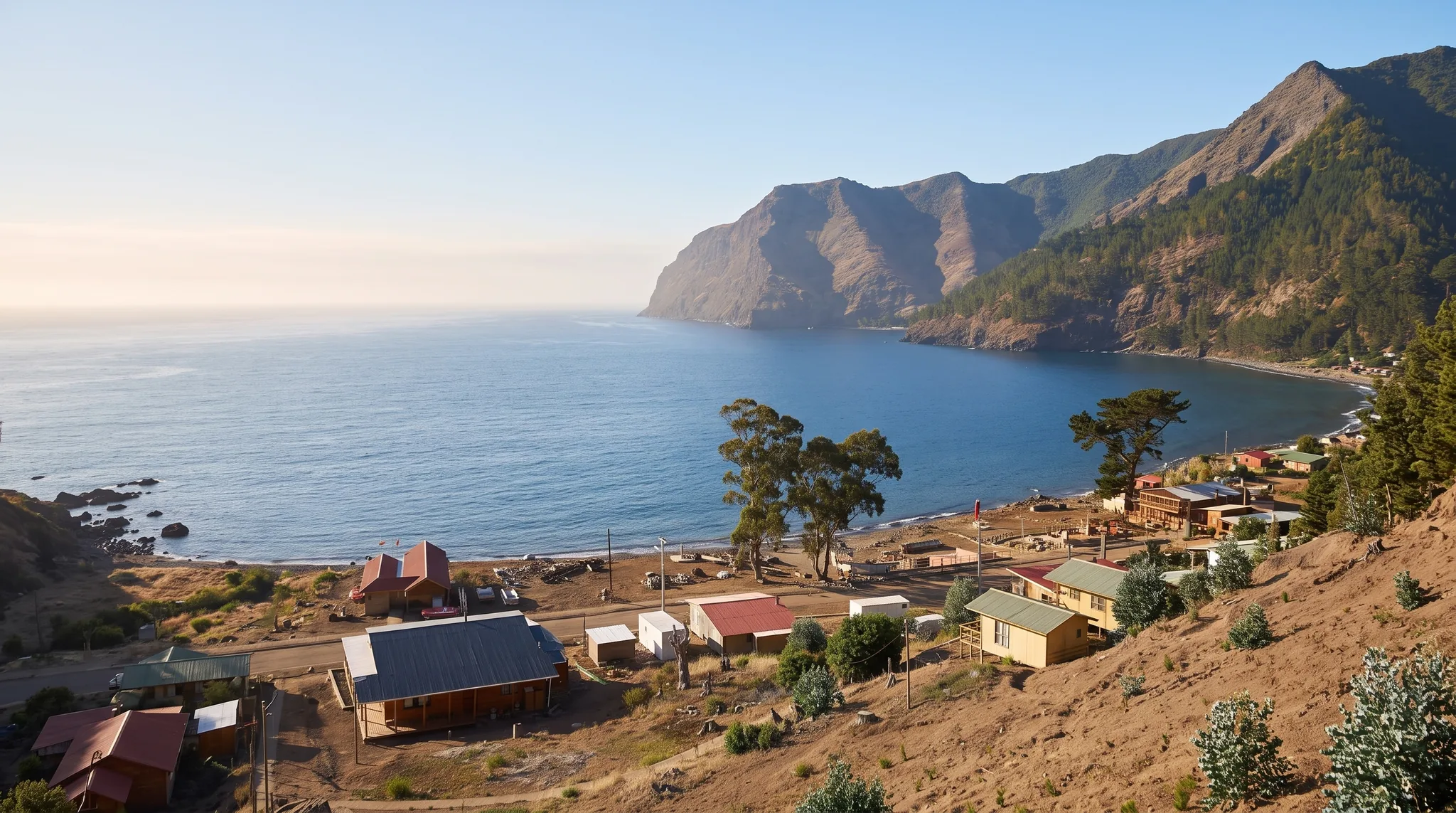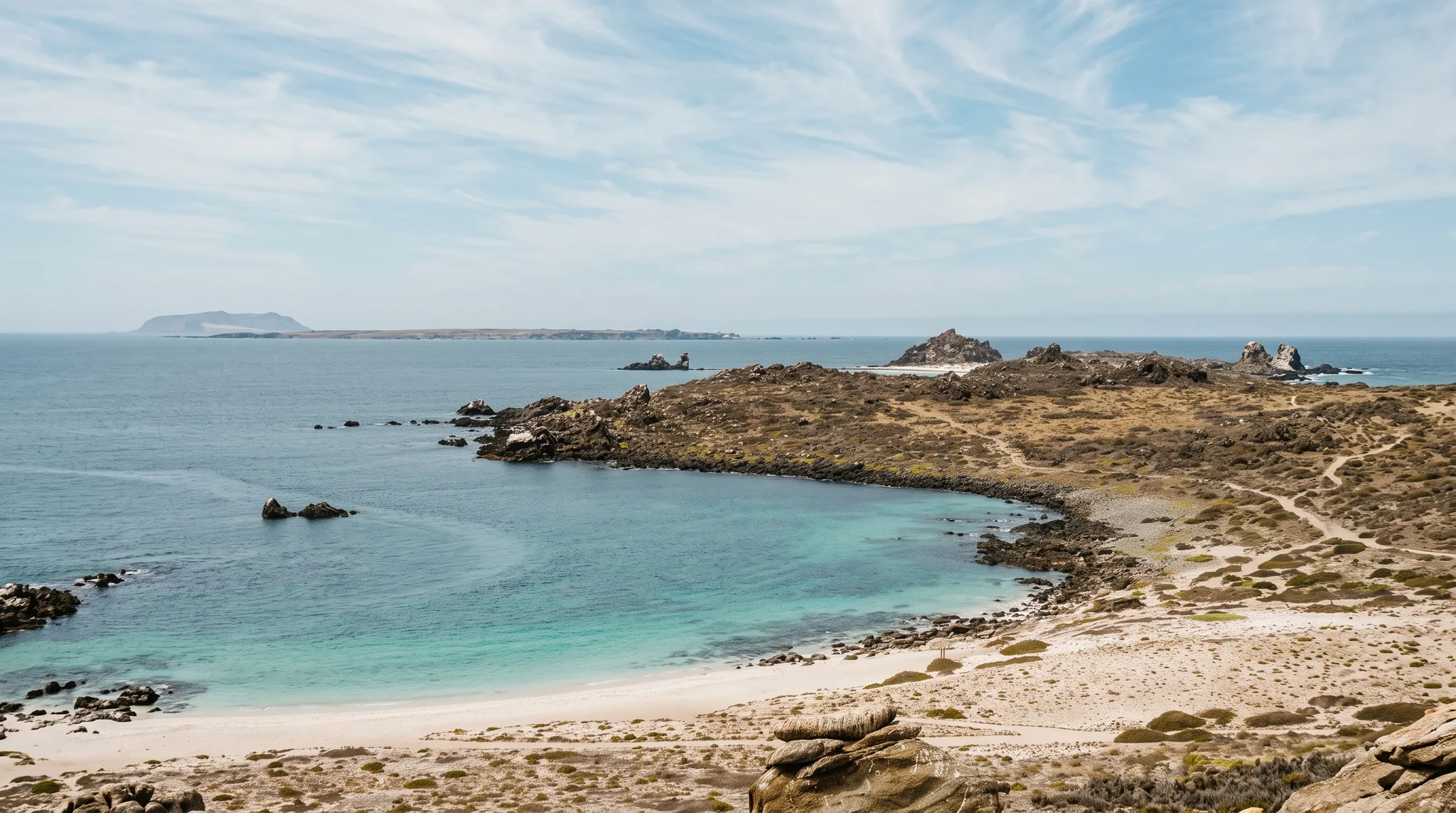
Coquimbo sits on the Pacific coast of northern Chile where the Humboldt Current keeps water cool year-round, rarely exceeding the mid-teens Celsius even in summer. That cold, nutrient-rich flow supports an unusually varied mix of site types: rocky reefs, kelp forests, vertical walls, and wrecks including the Lynch. Sites range from shallow enough for beginners to deep walls that suit more experienced divers, and both shore and boat entries are available. Operators are based mainly in La Serena and serve access points including Punta de Choros. Species recorded here include south American sea lions, eagle rays, conger eels, torpedo rays, and nudibranchs.
Monthly water temperature across Coquimbo's sites, from satellite sea-surface data corrected for depth. The band shows the site-to-site spread.
Water temperature stays cold throughout the year, sitting in the low-to-mid teens Celsius in summer and dropping toward twelve degrees in late winter. A seven-millimetre wetsuit is the minimum recommended; conditions in autumn and winter call for more thermal protection. Visibility varies between sites, with some walls clearing to thirty metres and shallower reefs often closer to five to ten metres.
6 operators
Water temperature around Coquimbo ranges from about 13°C in July to 16°C in January, based on satellite sea-temperature data for its dive sites.
With water around 13–16°C, a 7mm or semi-dry suit works in Coquimbo year-round.
Fin maps 7 sites in Coquimbo (7 scuba diving sites).
Across Coquimbo's dive sites, January, February, March, April, November and December are most often reported as the best months to visit.
2 more sites to explore