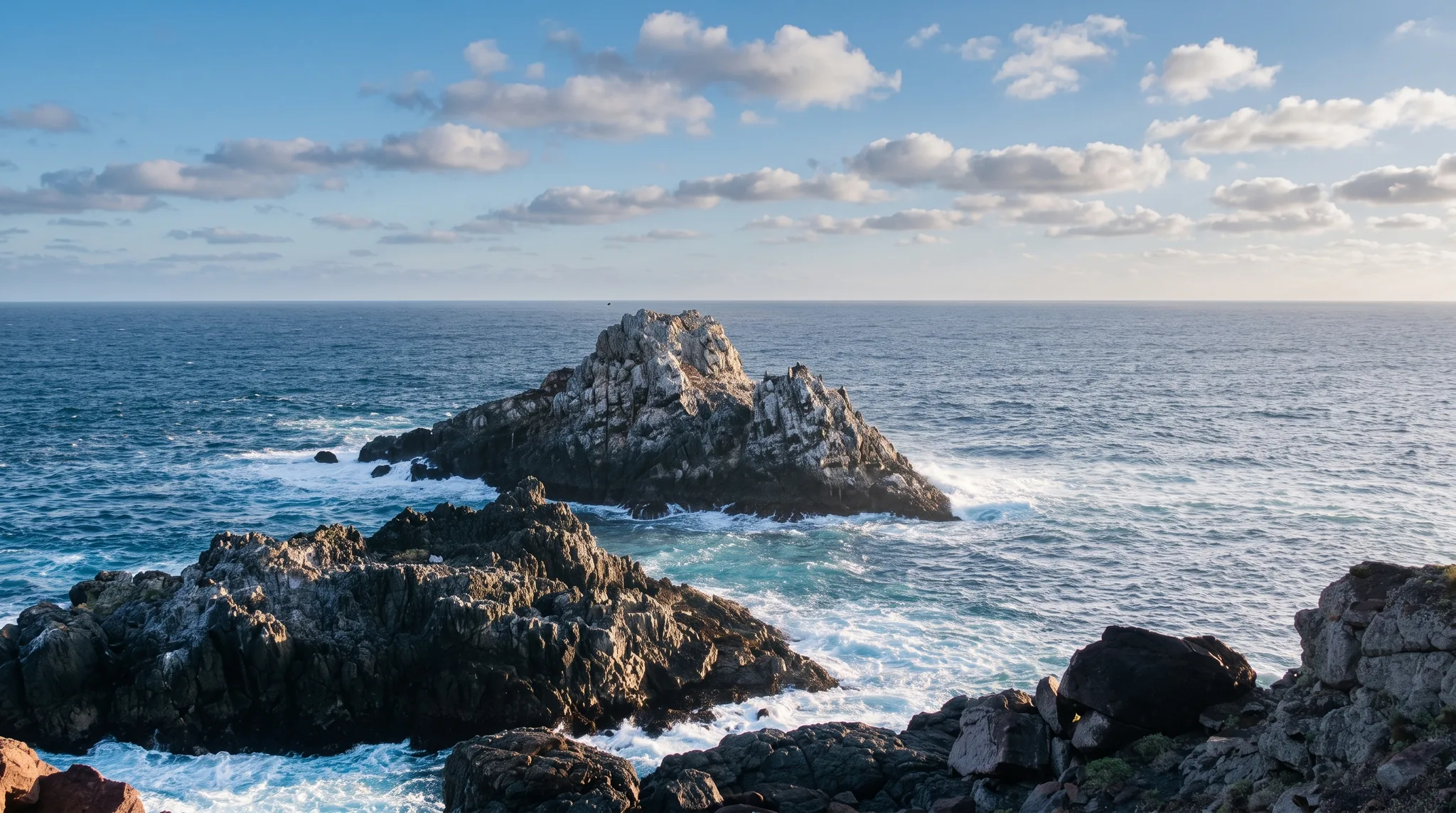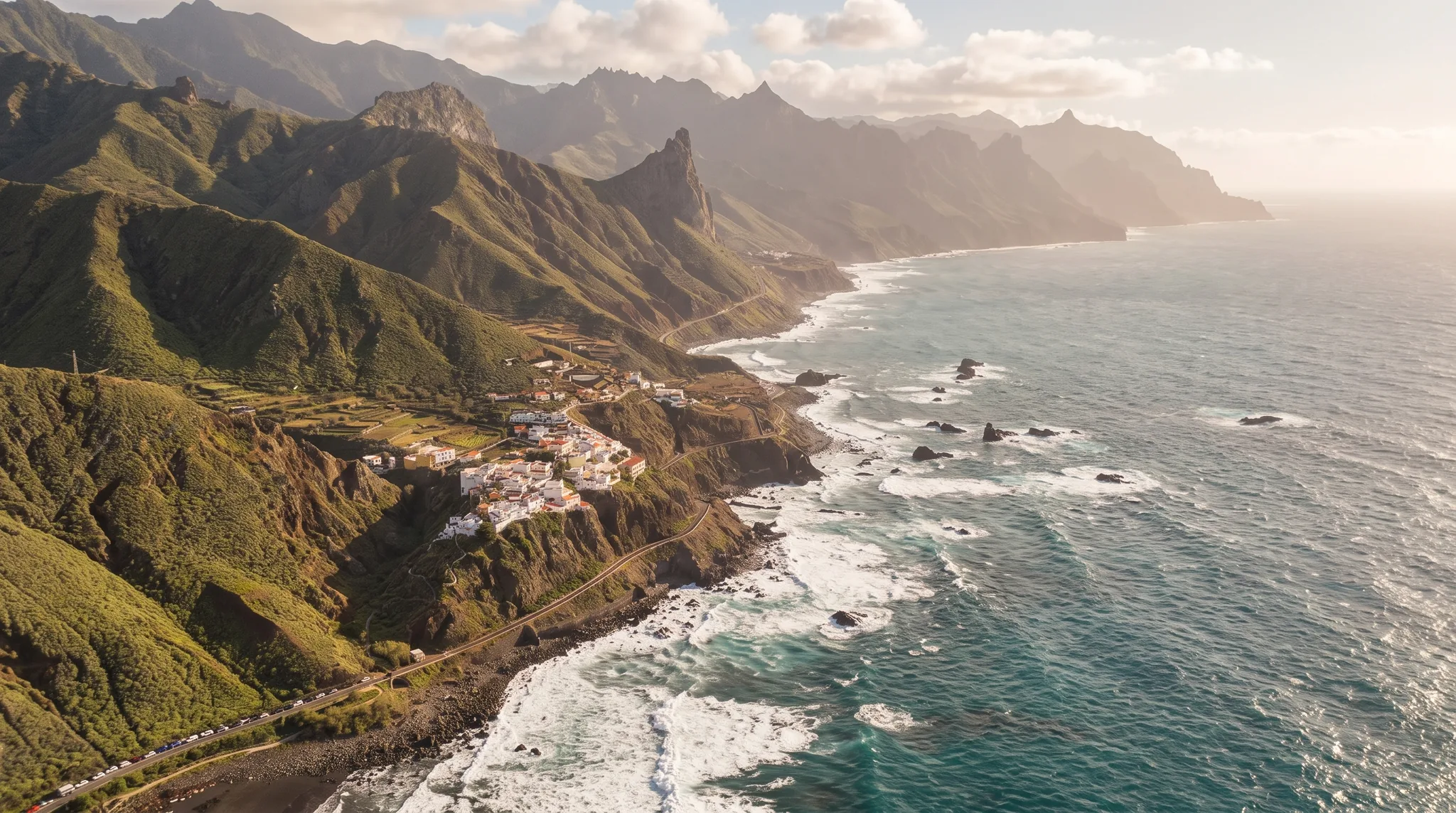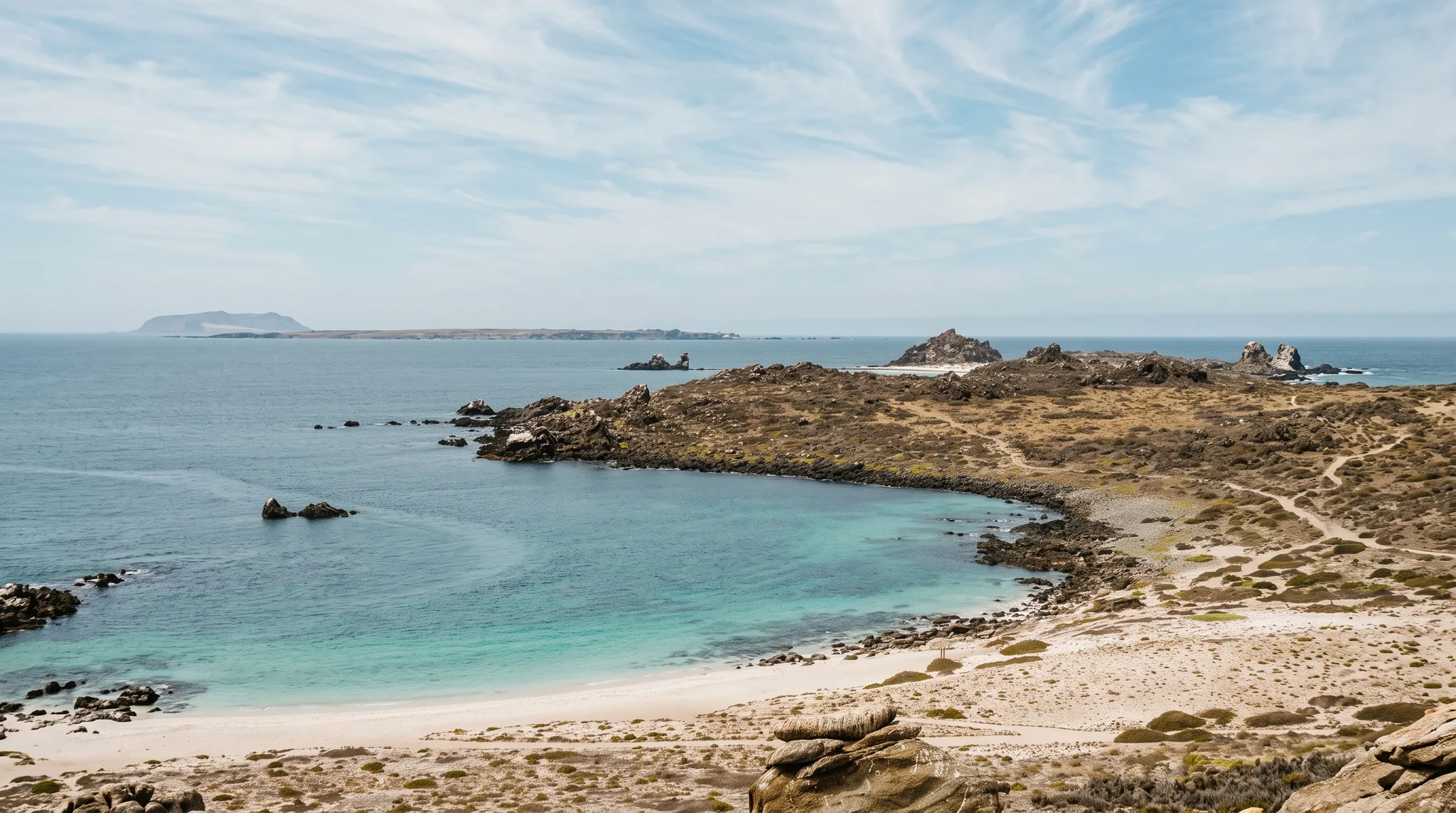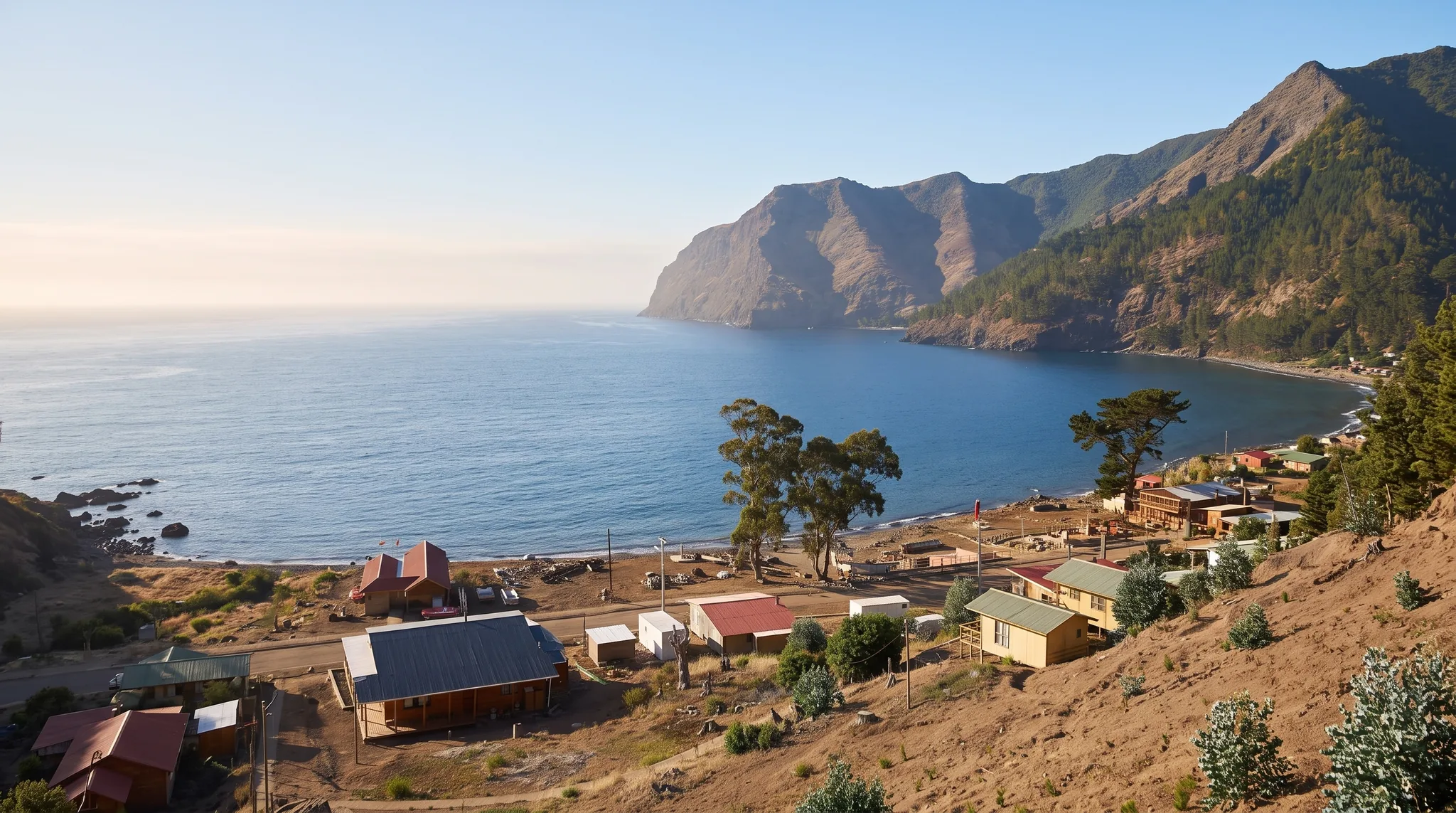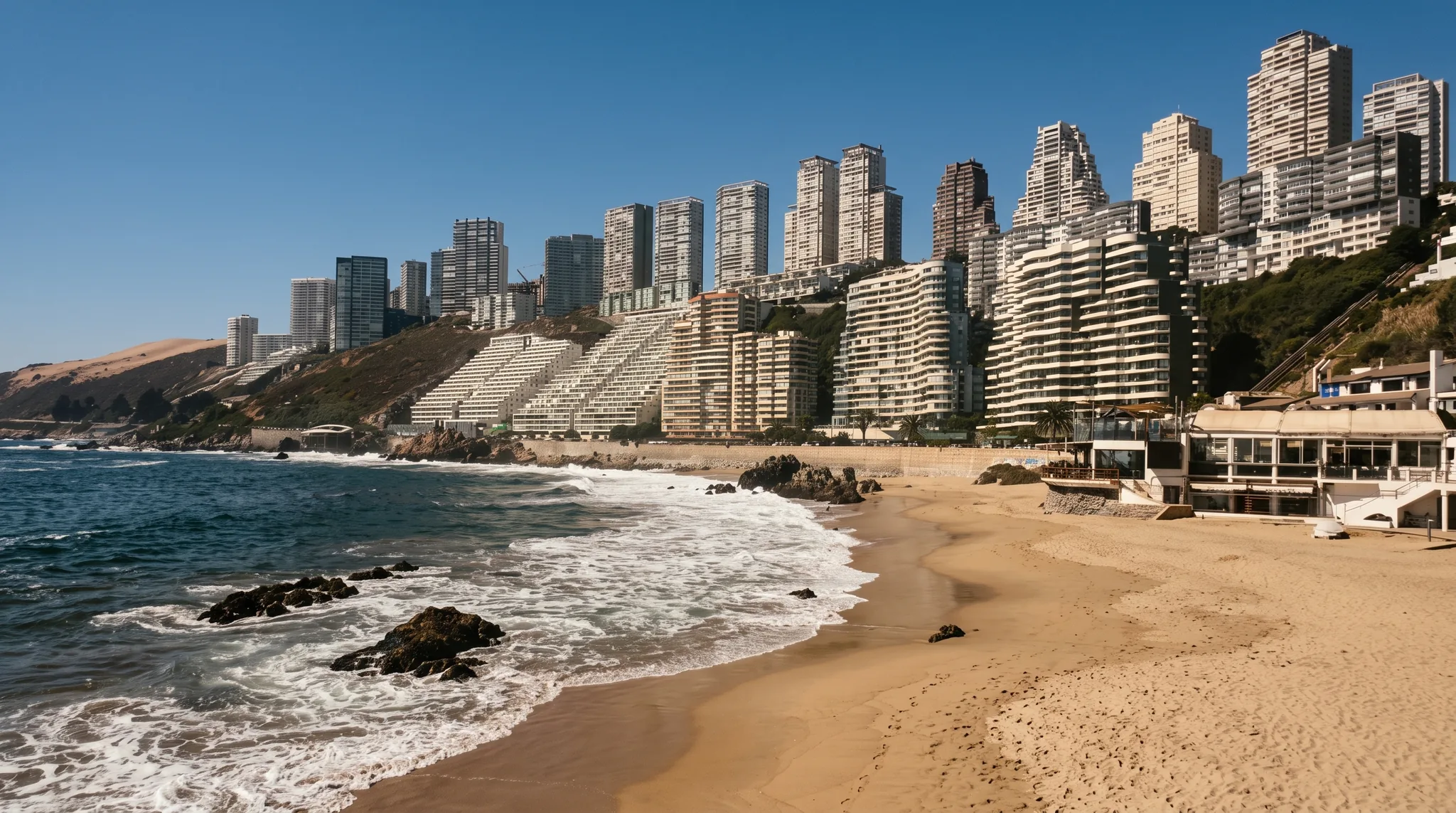
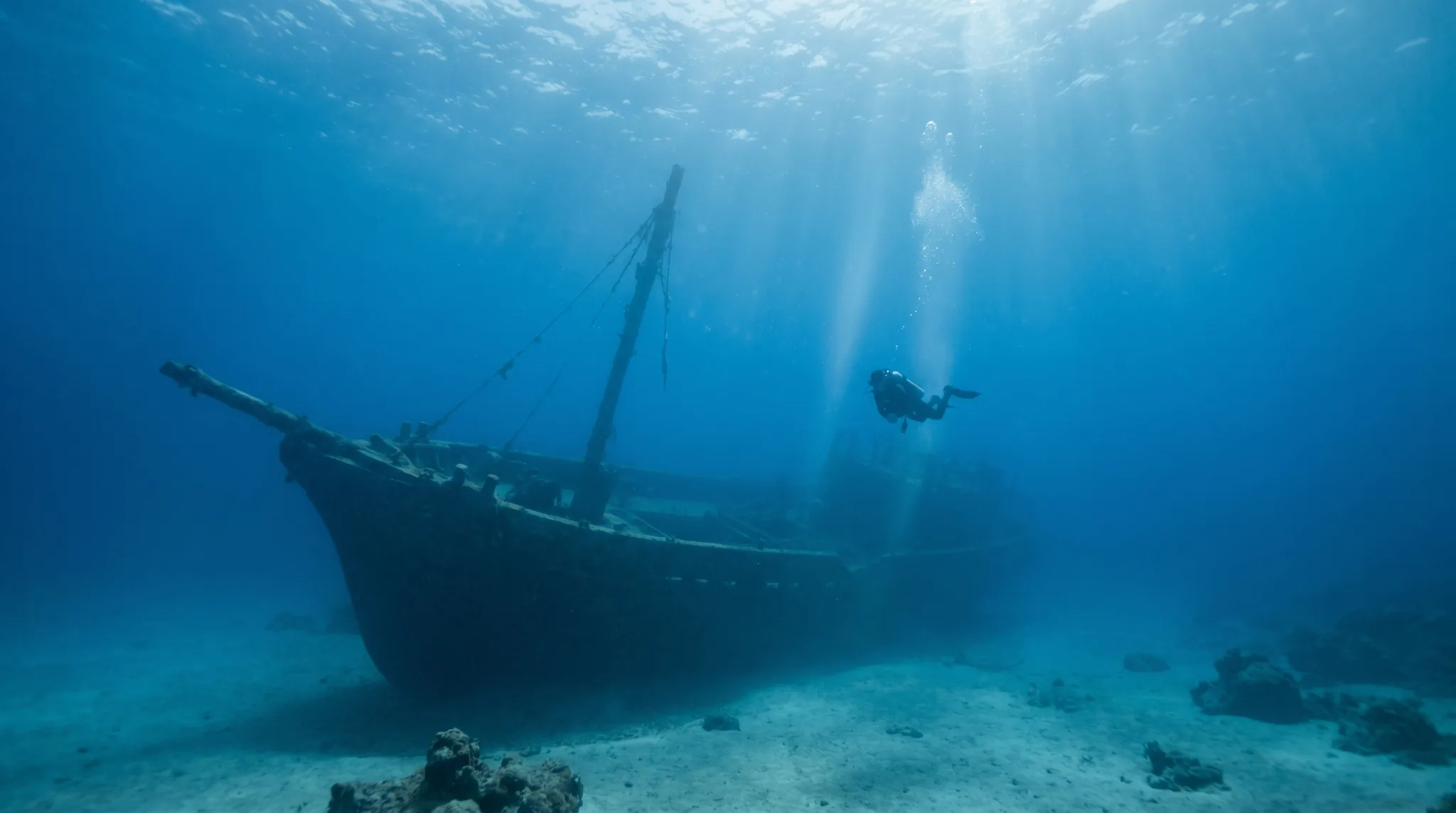
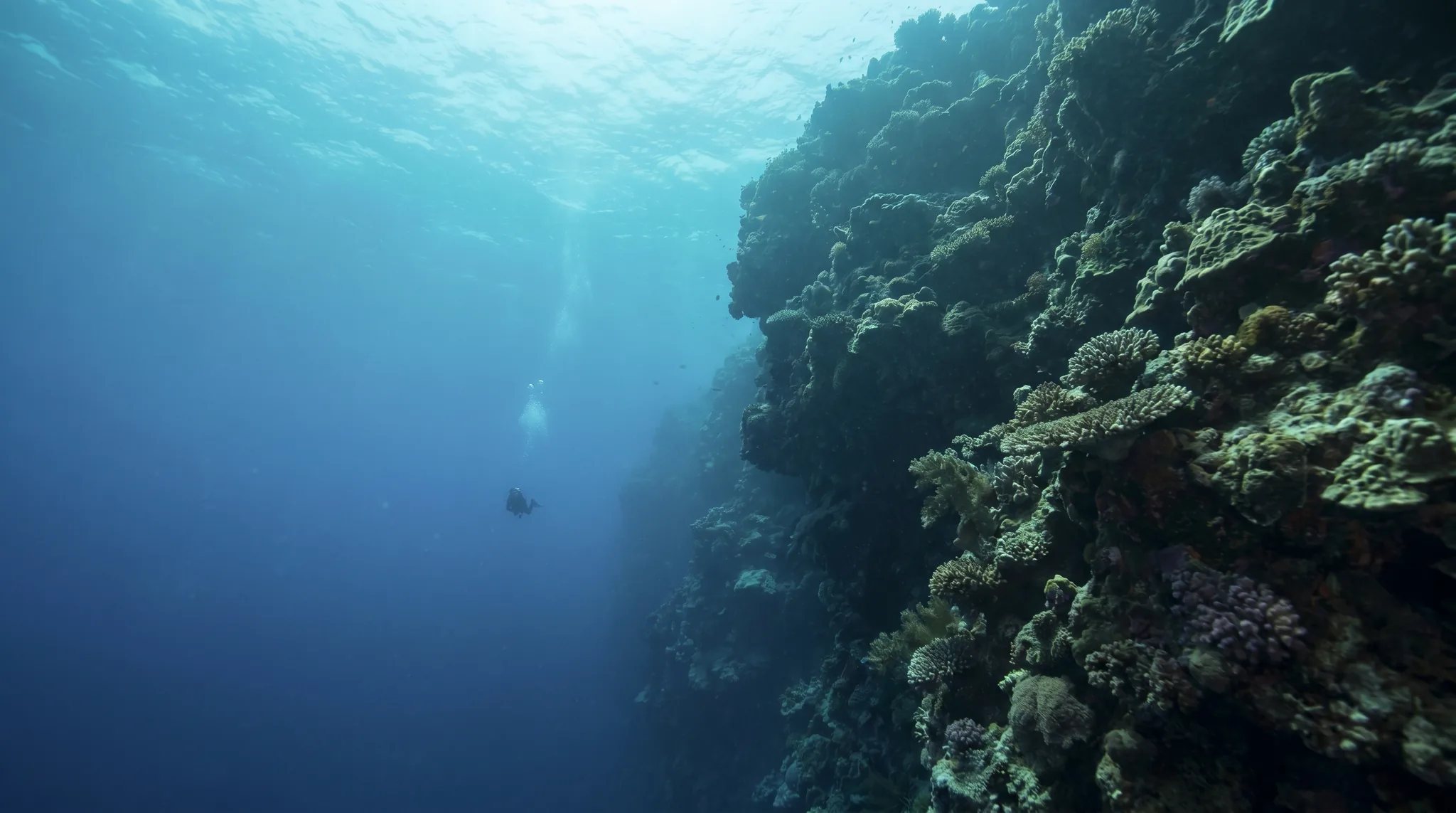
Valparaíso's diving is defined by cold, productive upwelling waters and a site roster that spans wrecks, kelp forests, reef corridors, walls, and cavern systems. The Remolacador Caupolican offers classic wreck diving on a tugboat resting upright on sand, while kelp-draped reefs such as Ventanas del Canelo and El Arco suit those building confidence in cooler water. Deeper walls at La Isla challenge experienced divers. South American Sea Lion is a constant presence across sites, alongside Eagle Ray, Green Sea Turtle, Camel Shrimp, and the occasional Whale Shark. Most sites require boat access, and conditions reward divers who come prepared for a real cold-water environment.
Monthly water temperature across Valparaíso's sites, from satellite sea-surface data corrected for depth. The band shows the site-to-site spread.
Water temperature sits at its warmest from December through March, making the southern summer the most comfortable window for diving in Valparaíso. The coolest months fall around September and October, when temperatures dip to their lowest point on the annual curve. The best-months data peaks in December, January, February, March, and April, suggesting conditions for visibility and sea state are most favourable across the late summer and early autumn period.
17 operators
5 more sites to explore
Water temperature around Valparaíso ranges from about 12°C in September to 15°C in January, based on satellite sea-temperature data for its dive sites.
With water around 12–15°C, a 7mm or semi-dry suit works in Valparaíso year-round.
Fin maps 15 sites in Valparaíso (15 scuba diving sites and 1 snorkelling spots, with some suited to both).
Across Valparaíso's dive sites, April and December are most often reported as the best months to visit.
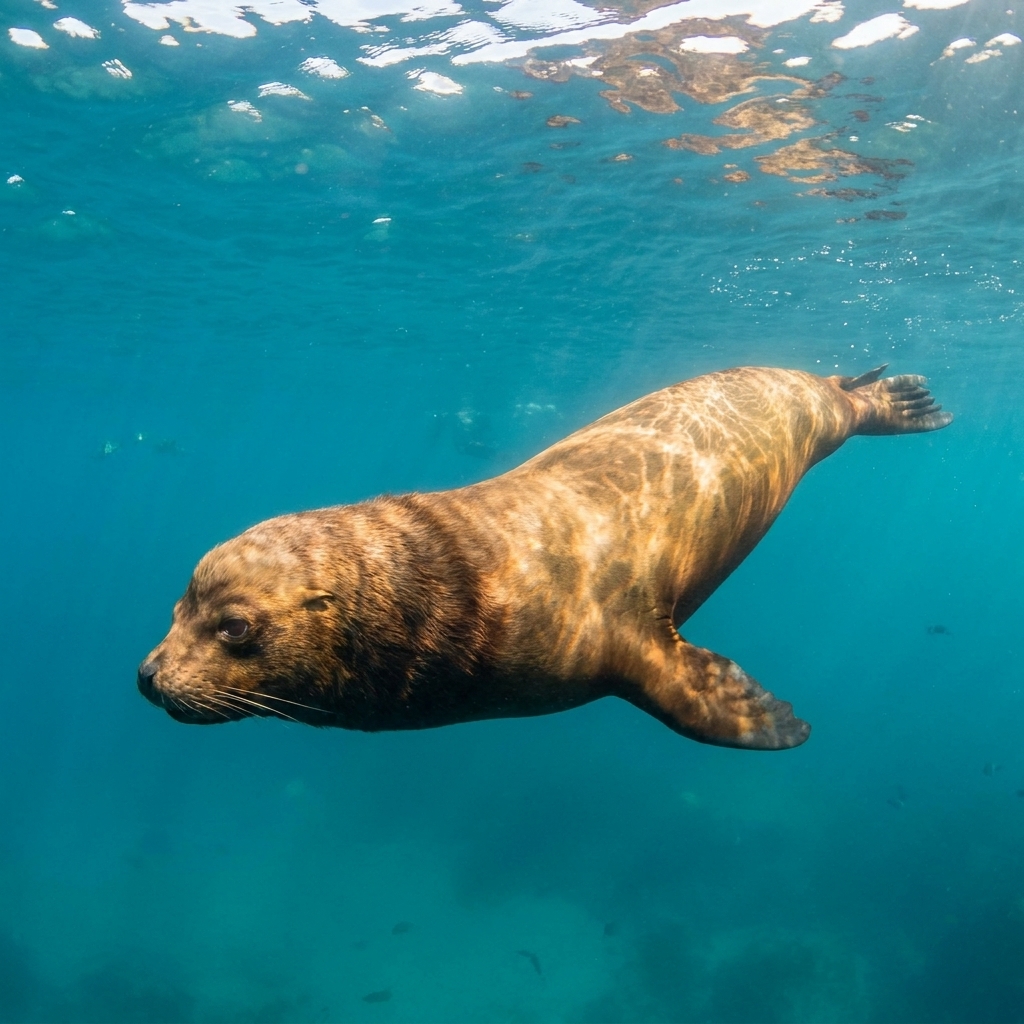
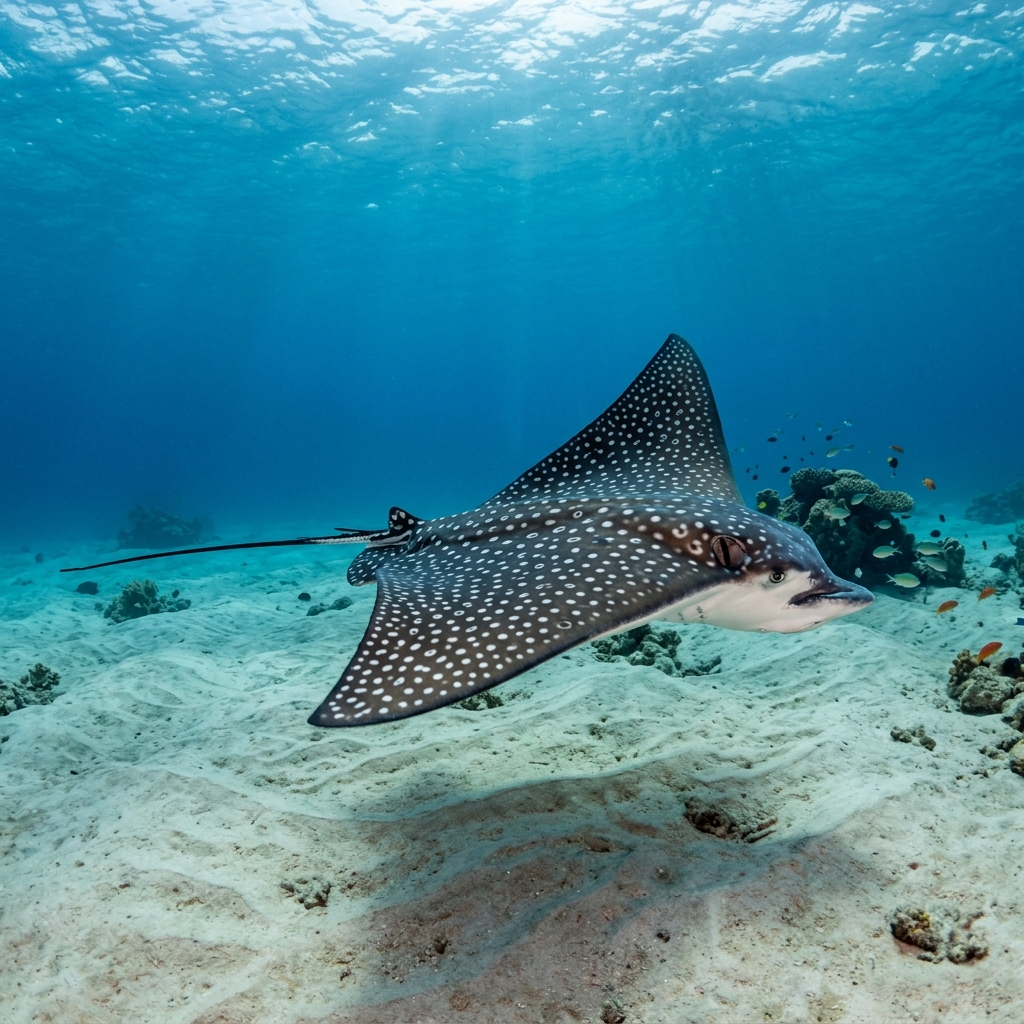
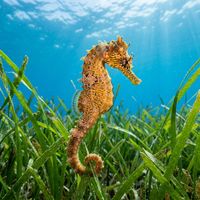
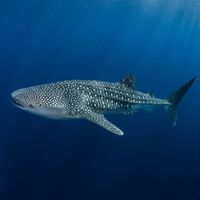
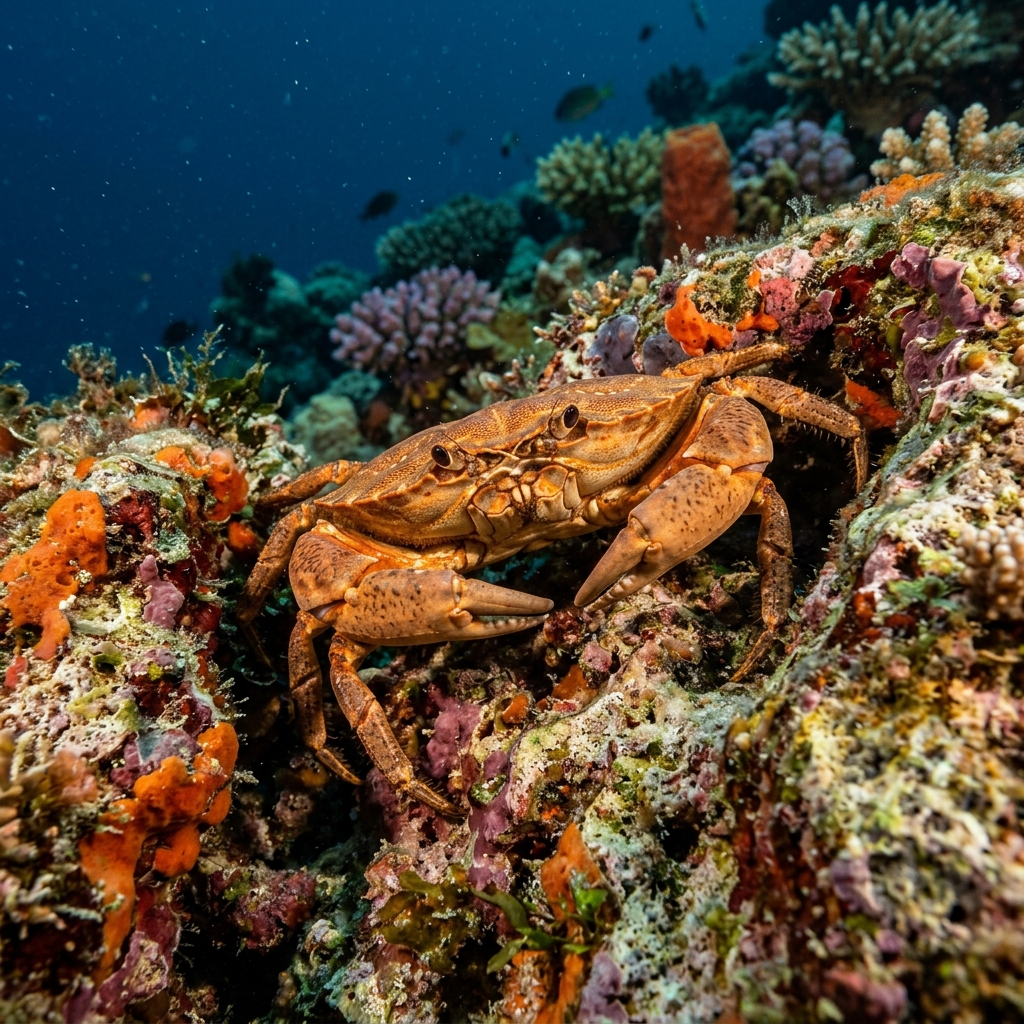
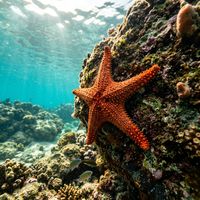
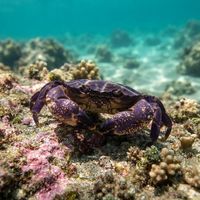
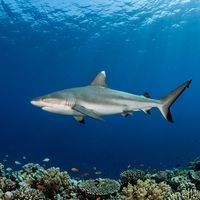
The South American Sea Lion is observed across virtually all sites and is the region's most reliable encounter. Eagle Ray and Green Sea Turtle are commonly sighted, while Camel Shrimp, Rock Crab, Sea Star, and Triplefin appear frequently on the reefs. Less predictable but observation-backed sightings include Whale Shark, Bottlenose Dolphin, Seahorse, Grey Reef Shark, Scorpionfish, Conger Eel, and Electric Ray.
Several sites in Valparaíso are rated for beginners, including Ventanas del Canelo, El Arco, La Caldera, Lobera de Curaumilla, and Los Jardines. These offer shallower reef and kelp forest environments well suited to those acclimatising to cold-water conditions. Intermediate-rated sites such as Laberinto Del Lobo, Bajo El Norte, and La Isla involve greater depth or overhead features and require more experience.
The majority of dive sites in Valparaíso are accessible by boat only, making local operators an important part of the experience. Shore and boat entry is possible at Remolacador Caupolican. Operators including Formasub, Centro de Buceo Cinco Océanos, Tamarugo Dive, CaboSub, Buceo Quintay, and Austral Divers run trips in the region.
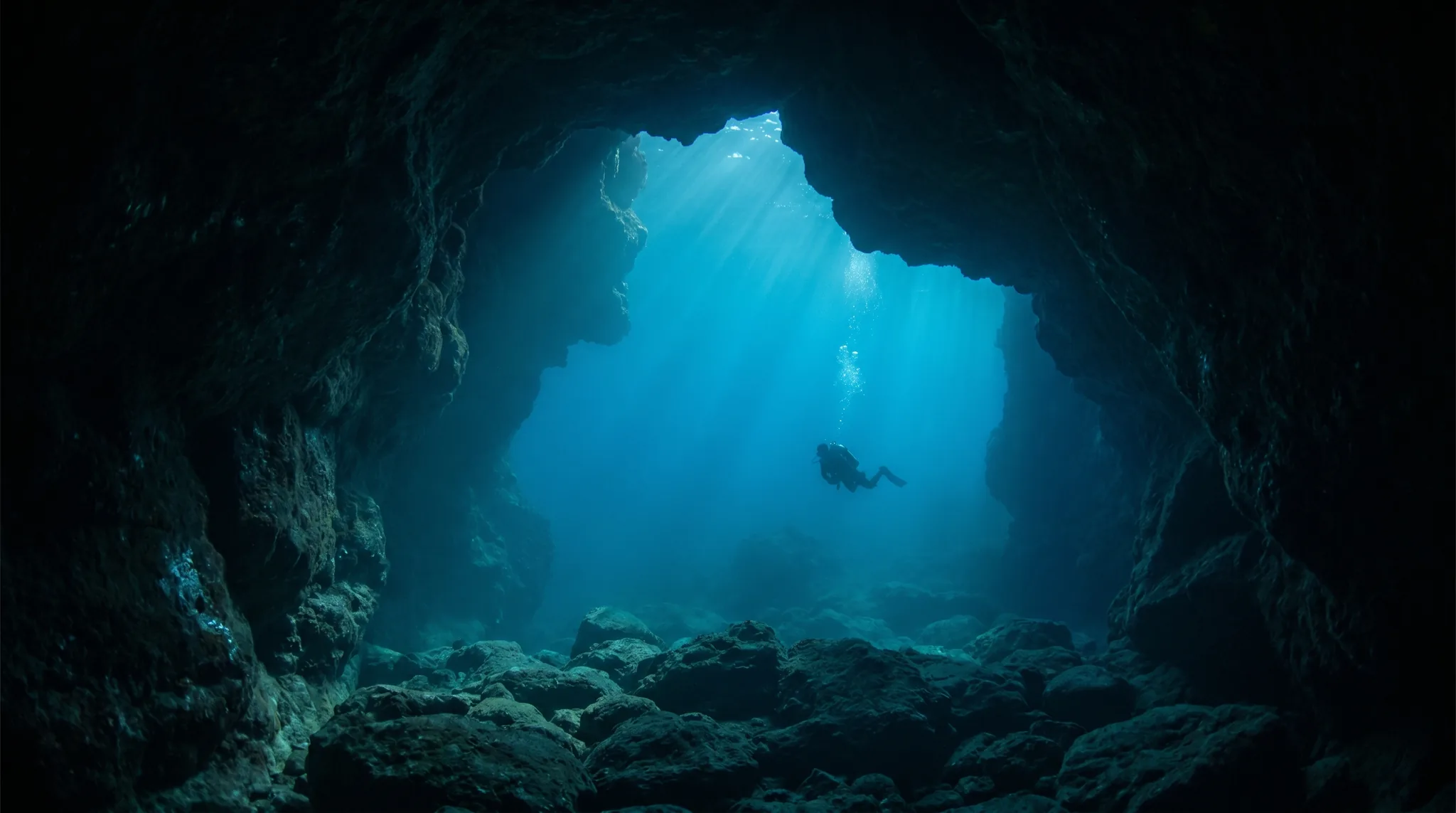
Valparaíso has notable variety for a single region. Wreck sites include the Remolacador Caupolican and La Caldera, both of which function as artificial reefs. Kelp forest dives are found at Ventanas del Canelo and Los Jardines, while El Arco and Bajo El Norte offer archways and cavern systems. Wall diving is available at Laberinto Del Lobo and La Isla, the latter being the deepest option in the roster.