

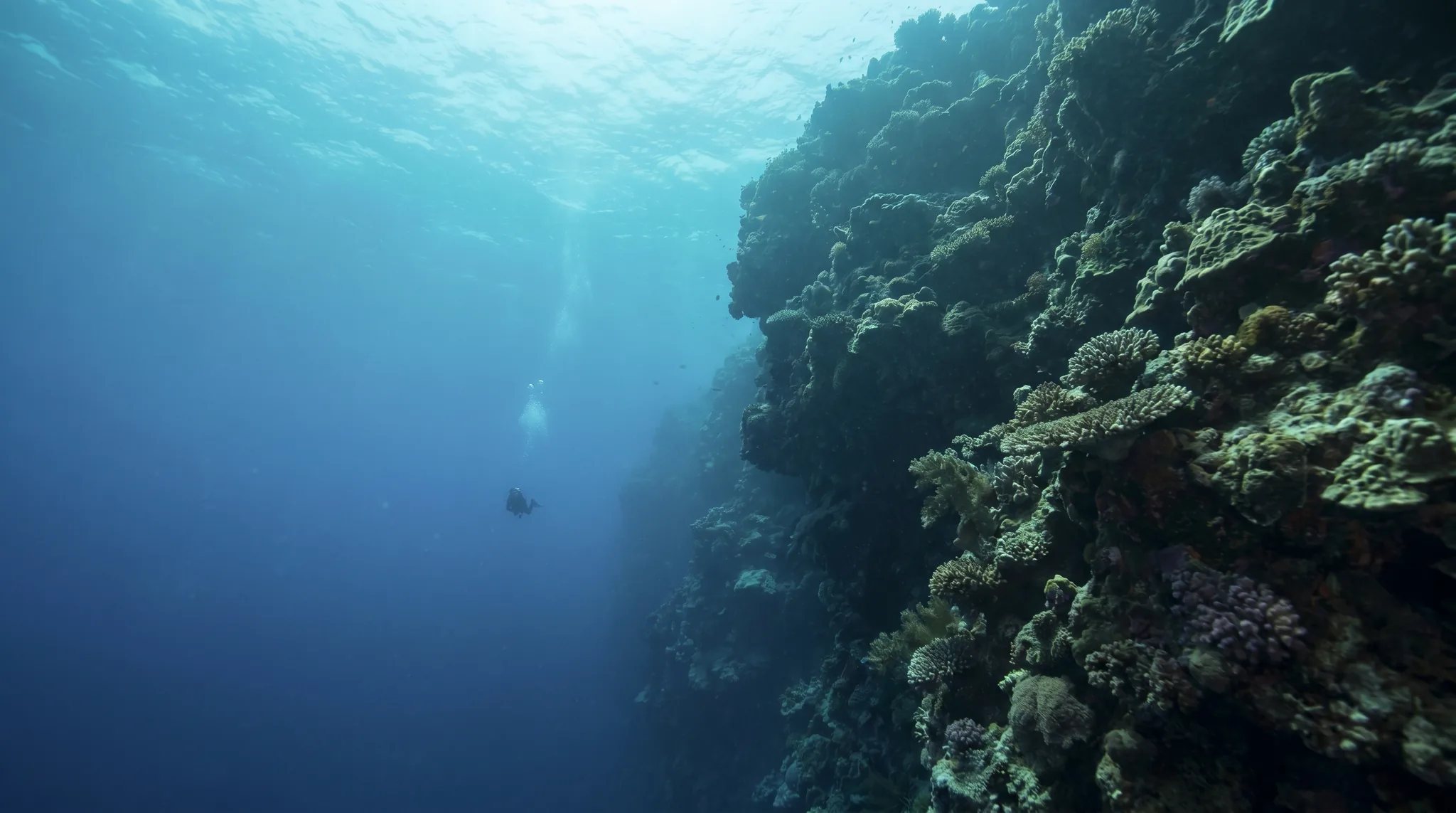
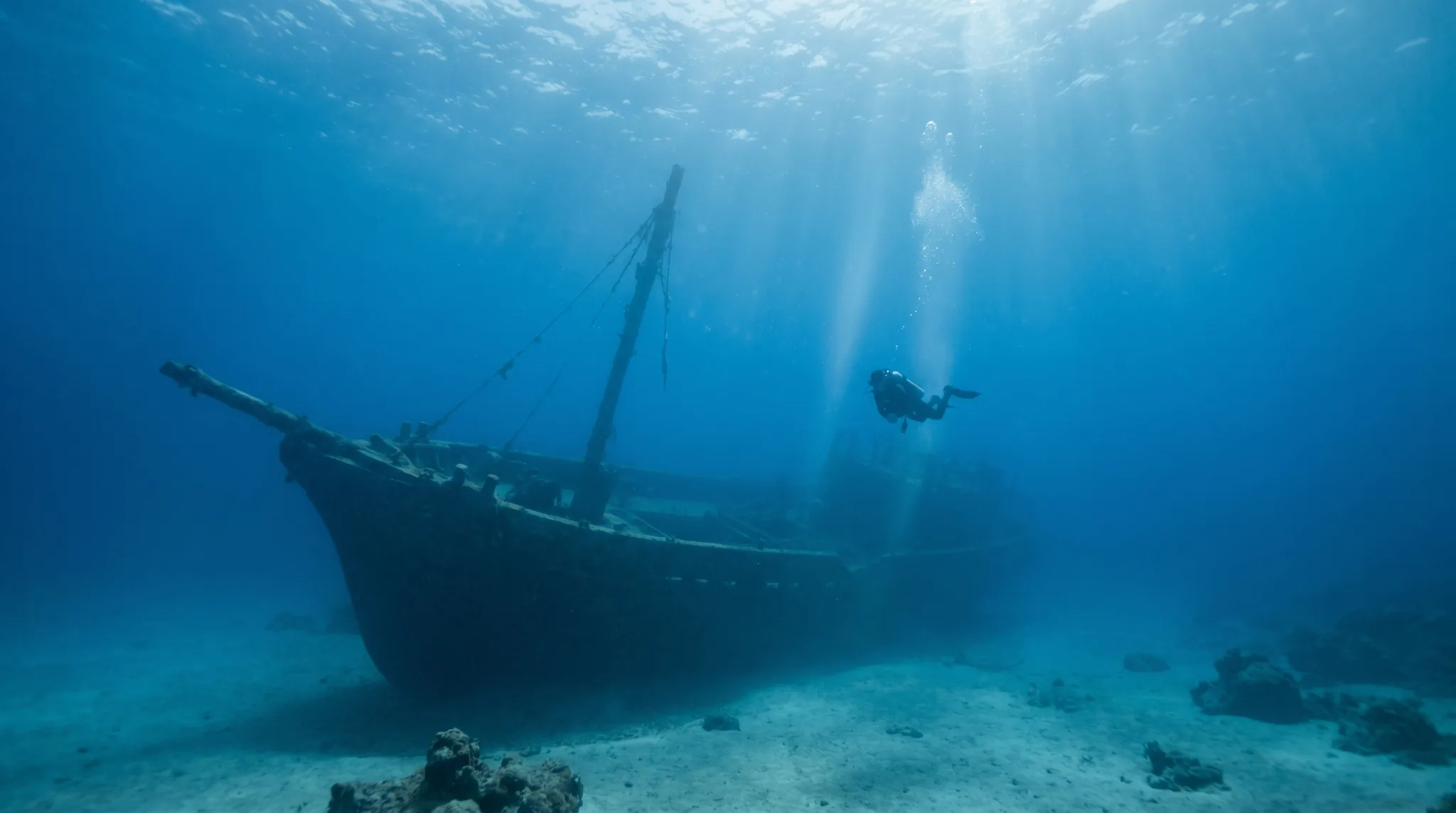
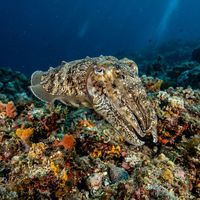
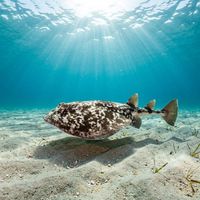
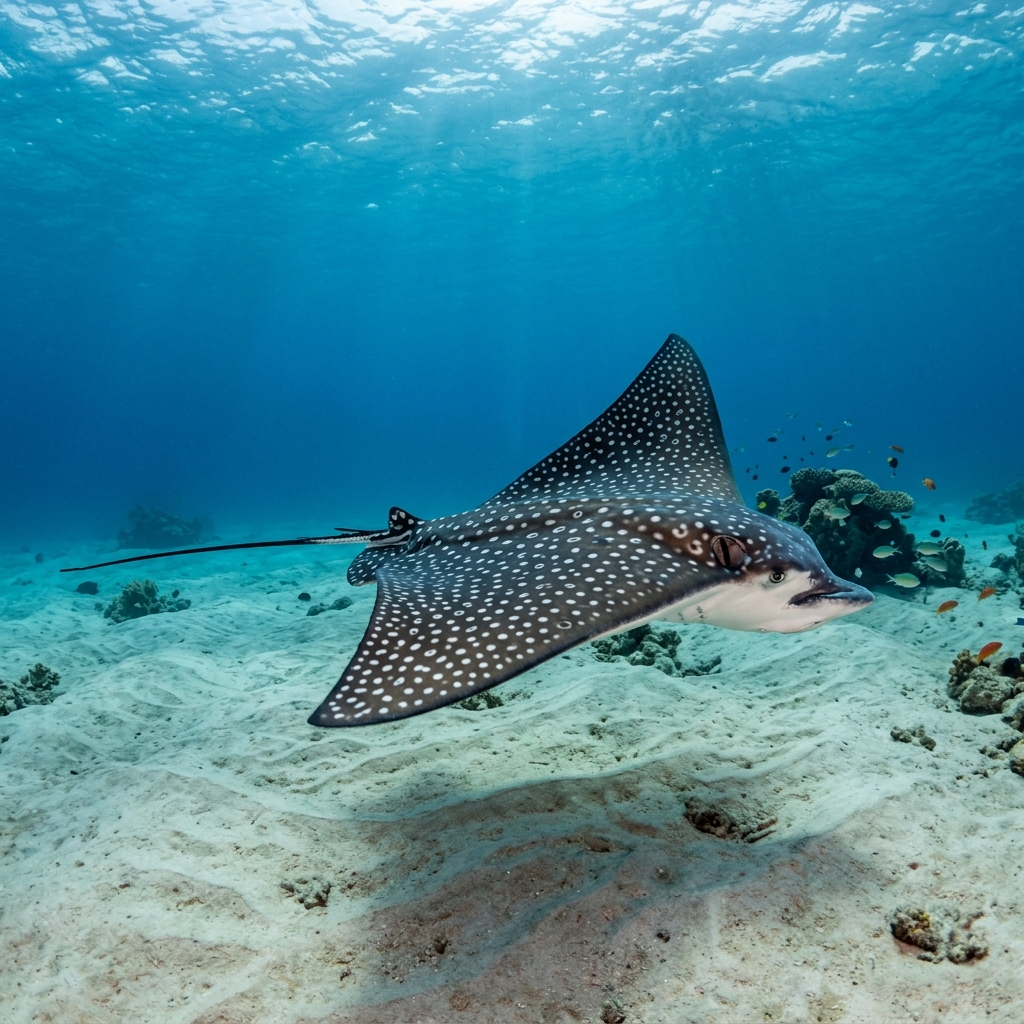
Lanzarote offers a varied underwater landscape shaped by volcanic geology: reefs, walls, caves, canyons, and wrecks sit within reach across four distinct sub-areas. Puerto del Carmen holds the largest concentration of sites, including the multi-feature Cathedral and the wreck La Patera. Costa Teguise and Arrecife adds drift dives, deep reefs, and cave systems. La Graciosa and Chinijo brings a remoter, less-visited character. The marine life is consistently strong, with Common Octopus, European Common Cuttlefish, Marbled Electric Ray, and Eagle Ray observed across the island. Visibility is reliably good, and conditions suit everything from first dives to advanced cave exploration.
4 areas
 31
31Shore and boat diving with wrecks, walls, and caves, plus one of the densest cephalopod encounters in the Canary Islands.
 21
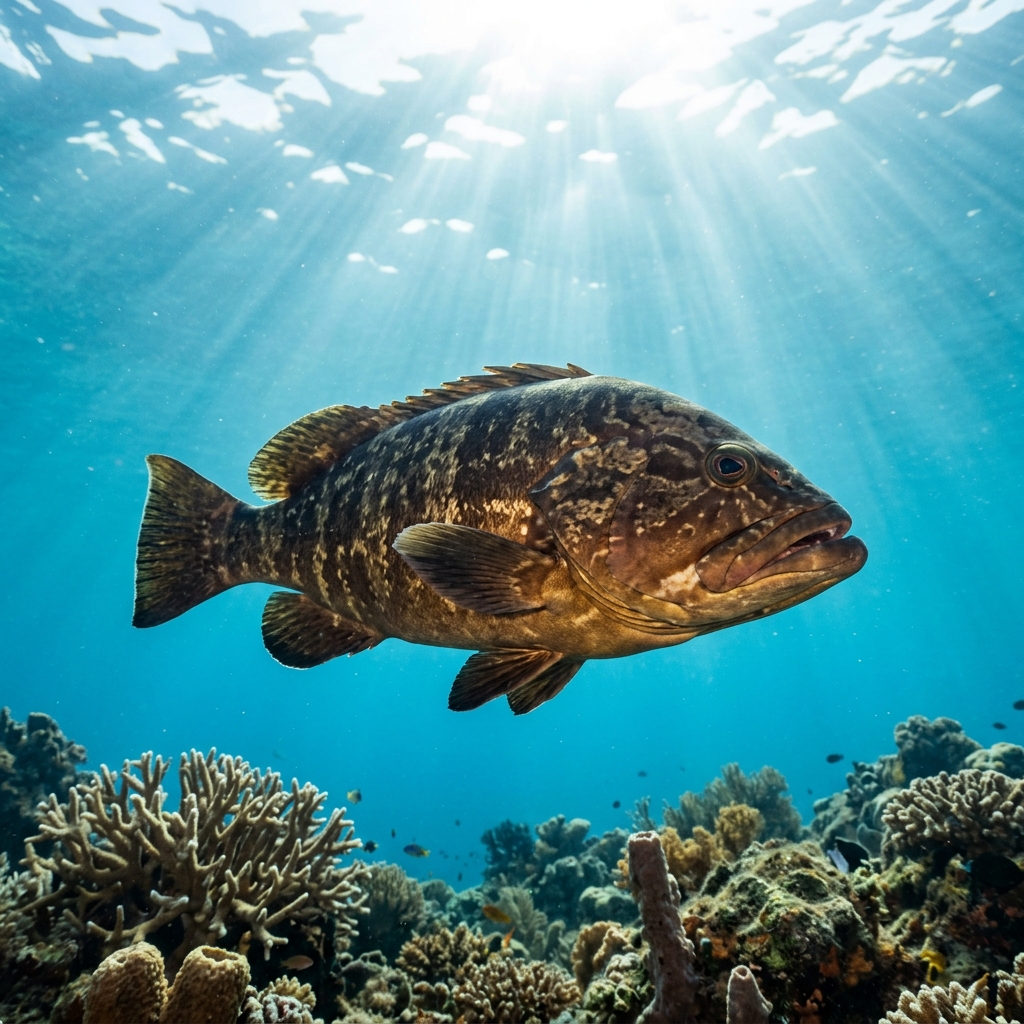
21Volcanic reefs blended with artificial structures and a strong cast of resident species, including Common Octopus and Dusky Grouper.
 18
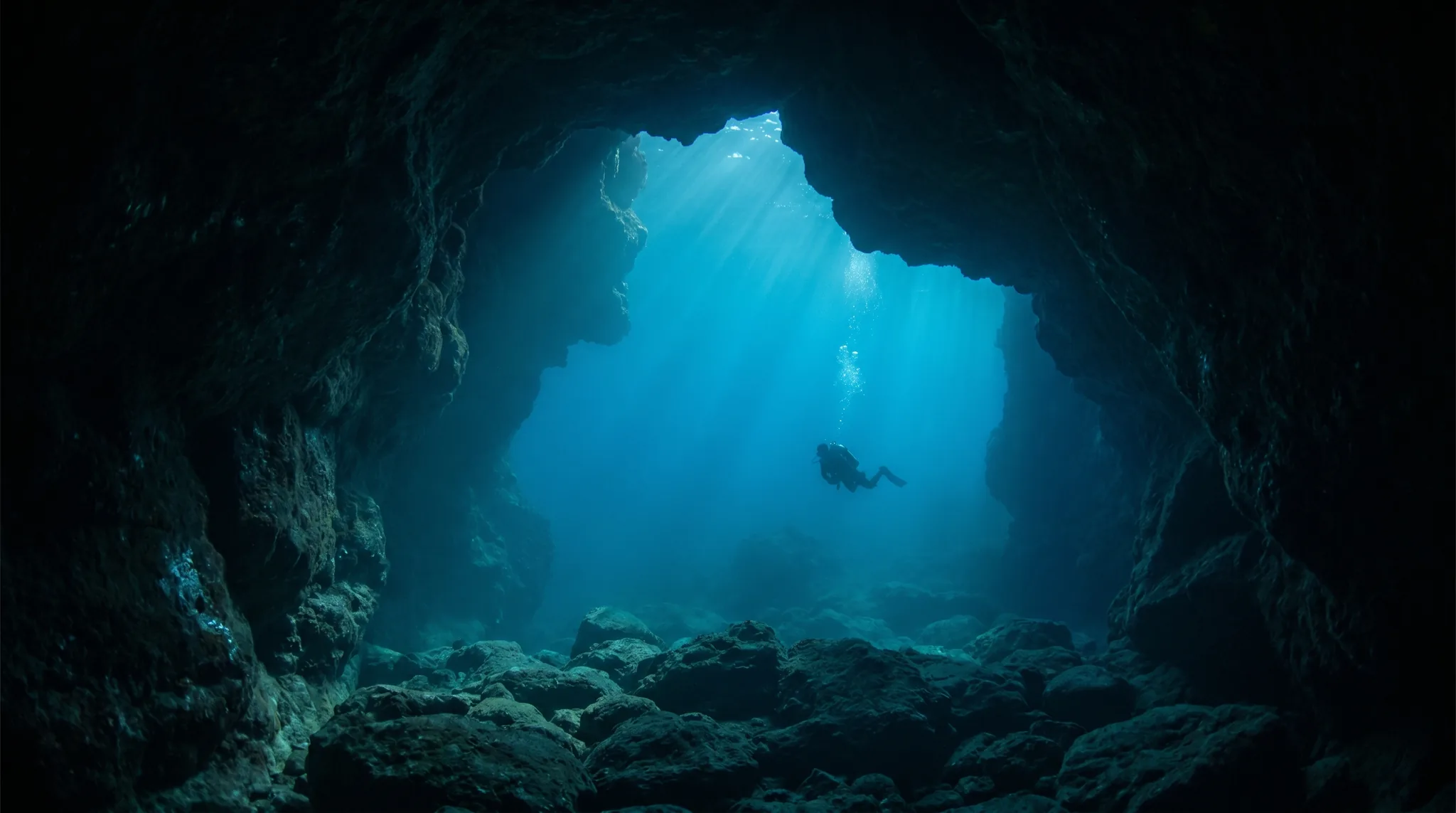
18Volcanic lava tubes, caverns and walls with frequent cuttlefish, rays and octopus sightings across a wide range of skill levels.
Monthly water temperature across Lanzarote's sites, from satellite sea-surface data corrected for depth. The band shows the site-to-site spread.
Water temperature stays within a narrow range year-round, dipping slightly in late winter and peaking in autumn, so cold is rarely a concern. The strongest diver activity is recorded in March, August, October, and November, reflecting both settled conditions and good visibility. Sites on the exposed northern and western coasts can carry currents, while the sheltered bays around Puerto del Carmen and Costa Teguise offer calmer conditions for most of the year.
74 operators
Playa Blanca, Canary Islands
Playa Blanca, Canary Islands
Playa Blanca, Canary Islands
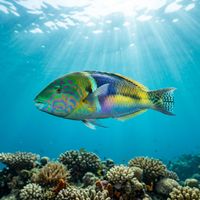
Boat-access reef diving off La Graciosa, with multiple ray species, moray eels, and barracuda across sites ranging from shallow beginner reefs to a deep advanced dive.
Water temperature around Lanzarote ranges from about 19°C in February to 22°C in September, based on satellite sea-temperature data for its dive sites.
In the warm season (about 22°C) a 3mm full suit is comfortable in Lanzarote; in the coldest months (about 19°C) step up to a 5mm suit.
Fin maps 80 sites in Lanzarote (80 scuba diving sites and 15 snorkelling spots, with some suited to both), organised into 4 areas.
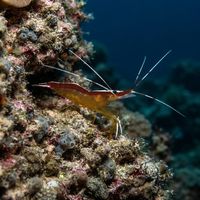
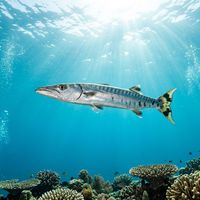
Lanzarote's reefs are home to an impressive range of observed species. Common Octopus and European Common Cuttlefish are encountered very frequently across most sites. Signature species include the Marbled Electric Ray, Eagle Ray, Dusky Grouper, and Great Barracuda. Invertebrate life is also strong, with Arrow Crab, Cleaner Shrimp, Slipper Lobster, and Giant Doris recorded across the island.
Yes, a good portion of Lanzarote's sites are rated for beginners. Shore-entry sites such as Punta Mujeres Ramp and Coloradas Reef offer sheltered, shallow conditions ideal for new divers. Boat sites like Pandora and Timanfaya also keep to comfortable depths. Intermediate and advanced options such as La Patera, Gerardias, and Puerto Moro are available for those with more experience.
Puerto del Carmen has the greatest number of sites and covers everything from shallow beginner reefs to deeper wrecks and drift dives. Costa Teguise and Arrecife offers walls, canyons, and cave systems, with some sites exposed to stronger currents. Playa Blanca provides another solid base with a varied site mix. La Graciosa and Chinijo, the smallest sub-area by site count, gives a more remote and less-trafficked diving experience.
Both options are well represented across Lanzarote. Shore entries include Punta Mujeres Ramp, La Pared, Charco Natural, Coloradas Reef, Veril Chico, and Black Beach, among others. Boat access is needed for deeper or more exposed sites such as La Patera, Shark Point, and Gerardias. Many operators listed on Fin, including Manta Diving Lanzarote, Native Diving, and Atlantis Diving Lanzarote, run guided boat trips alongside shore dive guiding.


