

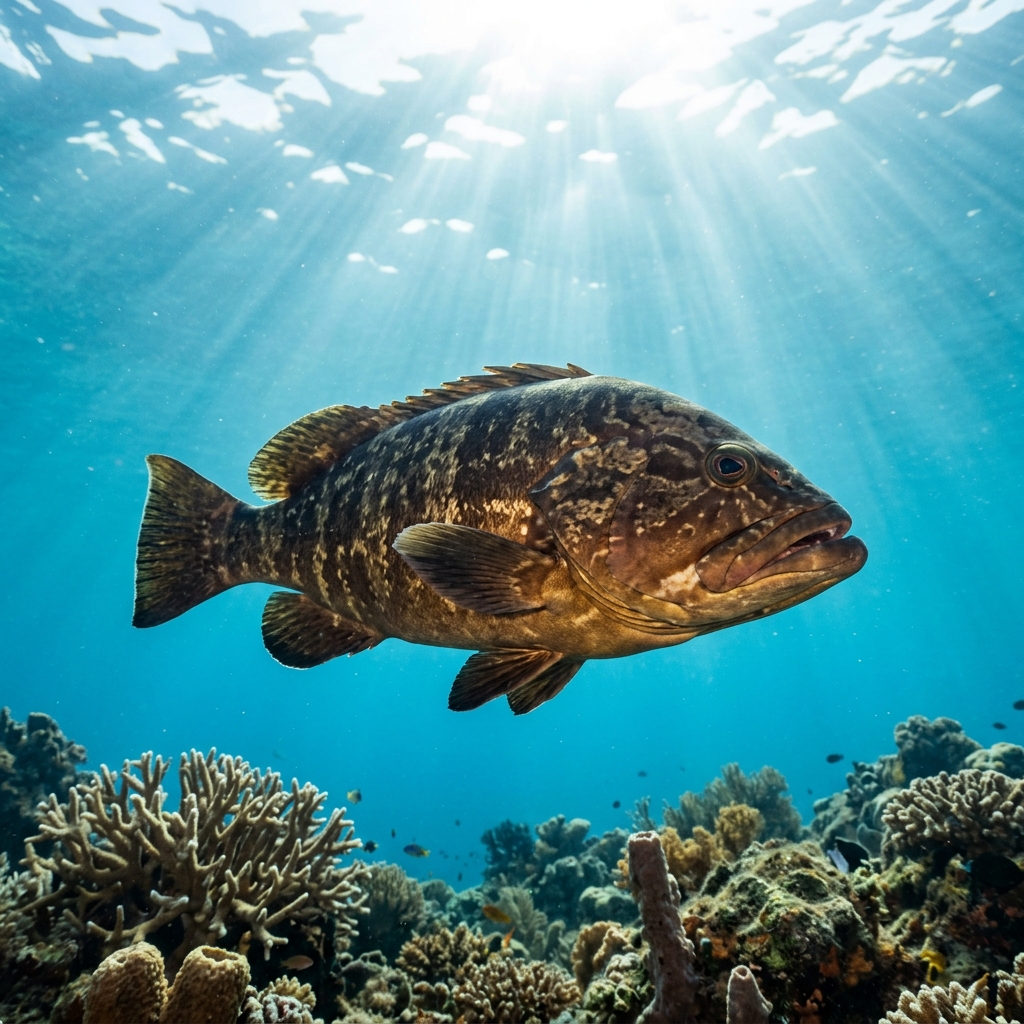
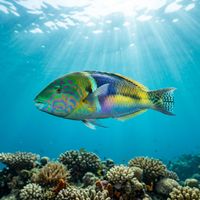
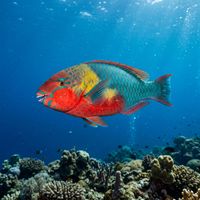
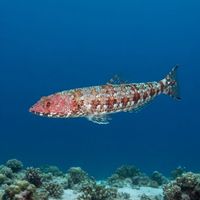
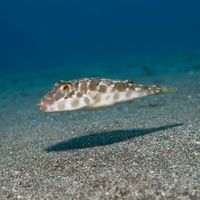
Gran Canaria offers one of the most varied dive landscapes in the Canary Islands, with sites spread across four distinct sub-areas: the wreck-rich waters off Mogán and Arguineguín, the reef systems of El Cabrón and Arinaga, the cave networks around Sardina del Norte, and the wall and cavern dives near Las Palmas and Taliarte. Wrecks, reefs, caves, walls, and drift sites all feature across a wide range of skill levels. The signature species here are consistently observed: European Common Cuttlefish, Great Barracuda, Common Octopus, and Dusky Grouper are encountered across much of the island, alongside Turkish Wrasse, European Parrotfish, and Round Fantail Stingray.
4 areas
 43
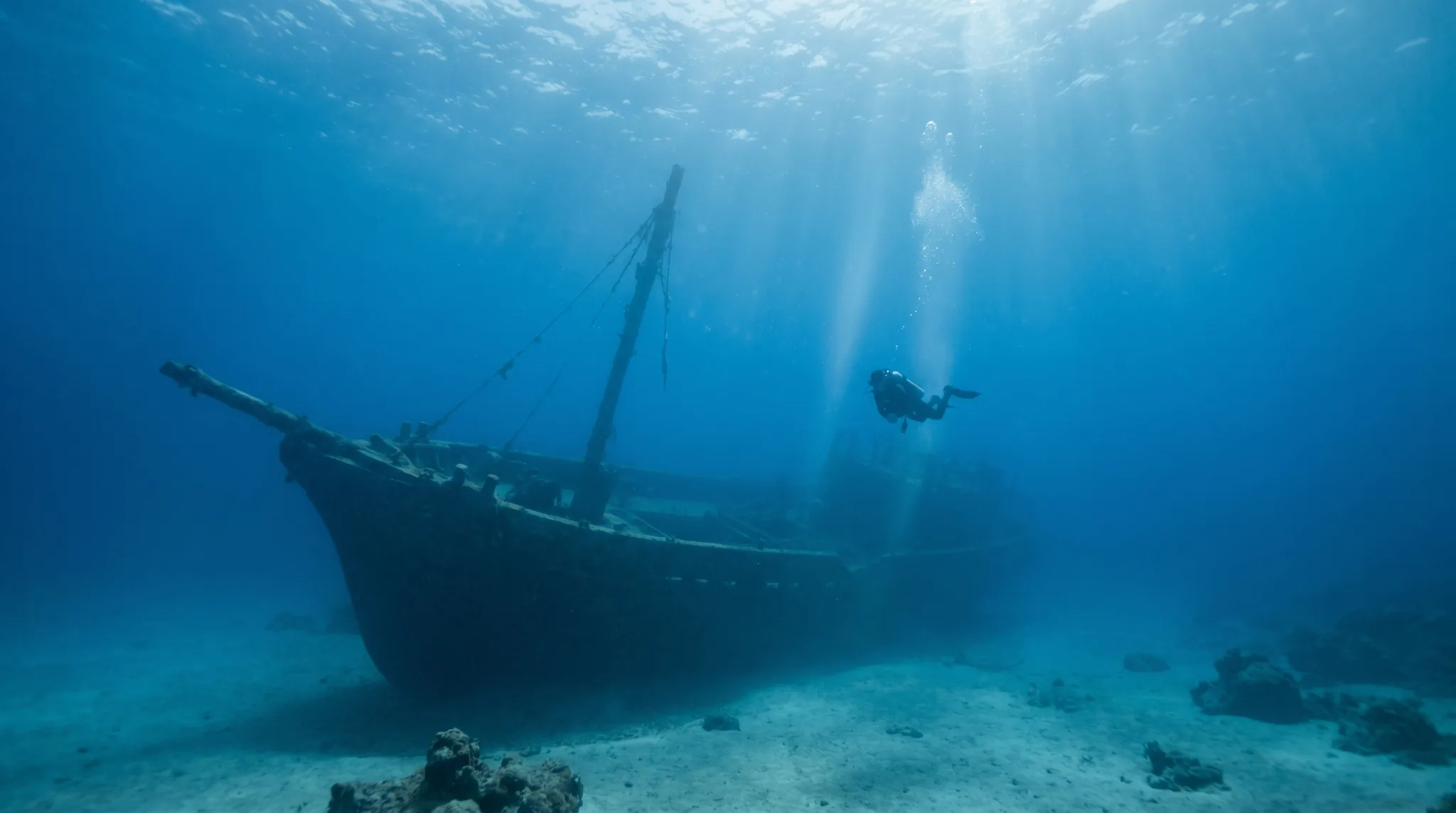
43A wreck-rich diving area off Gran Canaria, with artificial reefs hosting Great Barracuda, Cuttlefish and Dusky Grouper across a wide range of depths and skill levels.
 15
15Shore-entry volcanic reefs and walls harbouring Angel Shark, Dusky Grouper and European Common Cuttlefish in Gran Canaria.
 13
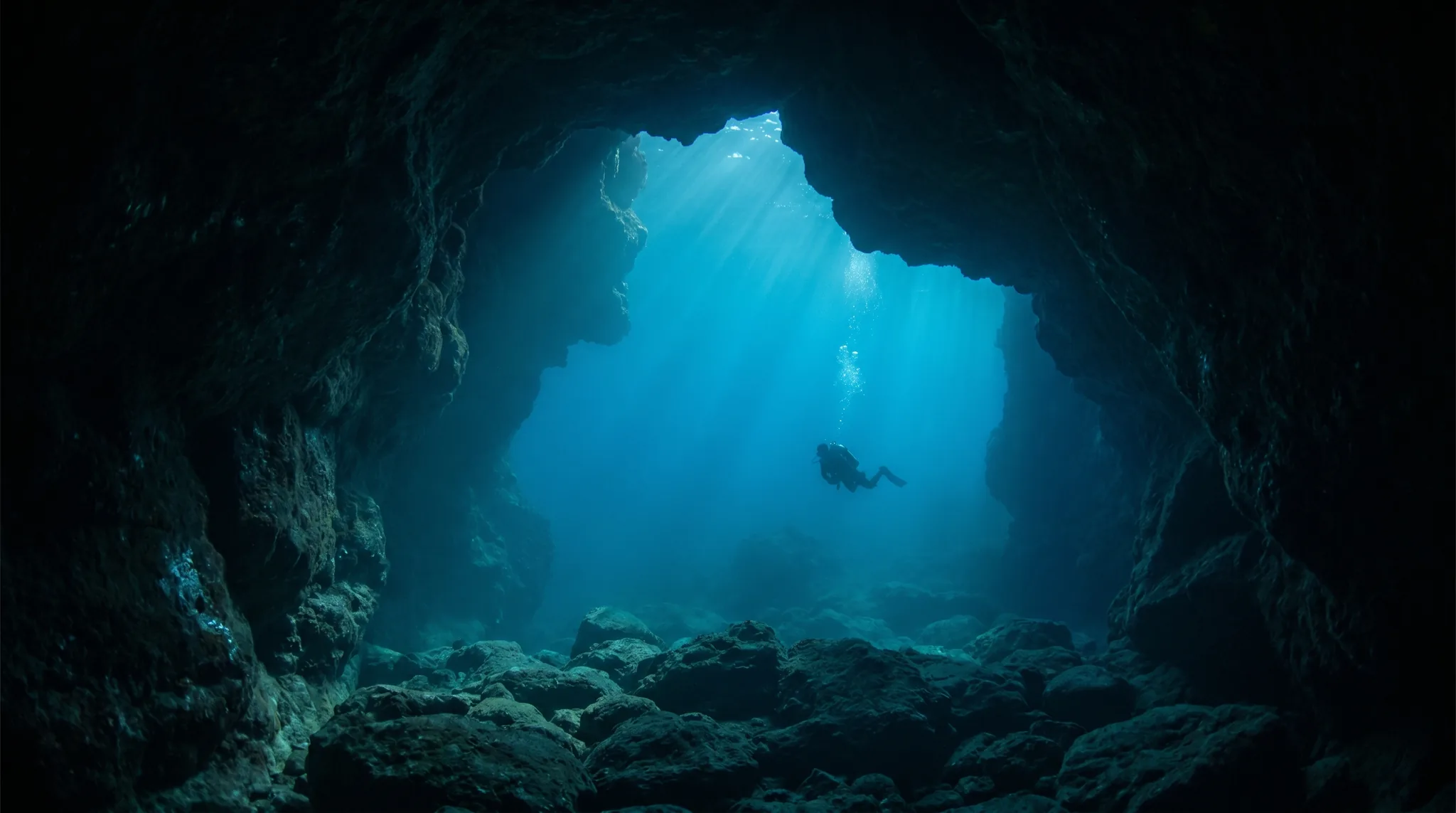
13Shore-accessible reef and cave diving with consistent octopus, cuttlefish and Marbled Electric Ray sightings on Gran Canaria's northern coast.
Monthly water temperature across Gran Canaria's sites, from satellite sea-surface data corrected for depth. The band shows the site-to-site spread.
Water temperatures remain warm throughout the year, dipping only slightly in the cooler months and peaking in late summer and early autumn. This steady range means diving is practical year-round, though the histogram of favoured months points to spring and late autumn as particularly productive periods. Visibility varies considerably across sites and seasons, so exposed coastal sites can shift with swell and local conditions.
48 operators

A wreck-rich dive area off Gran Canaria where sunken vessels, cave systems, and abundant grouper define the experience.
Water temperature around Gran Canaria ranges from about 20°C in January to 24°C in September, based on satellite sea-temperature data for its dive sites.
In the warm season (about 24°C) a 3mm full suit is comfortable in Gran Canaria; in the coldest months (about 20°C) step up to a 5mm suit.
Fin maps 81 sites in Gran Canaria (79 scuba diving sites and 11 snorkelling spots, with some suited to both), organised into 4 areas.
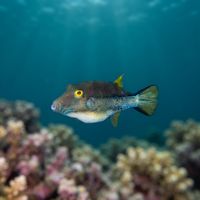
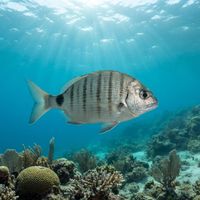
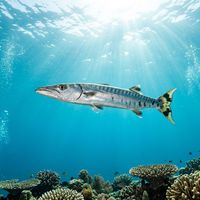
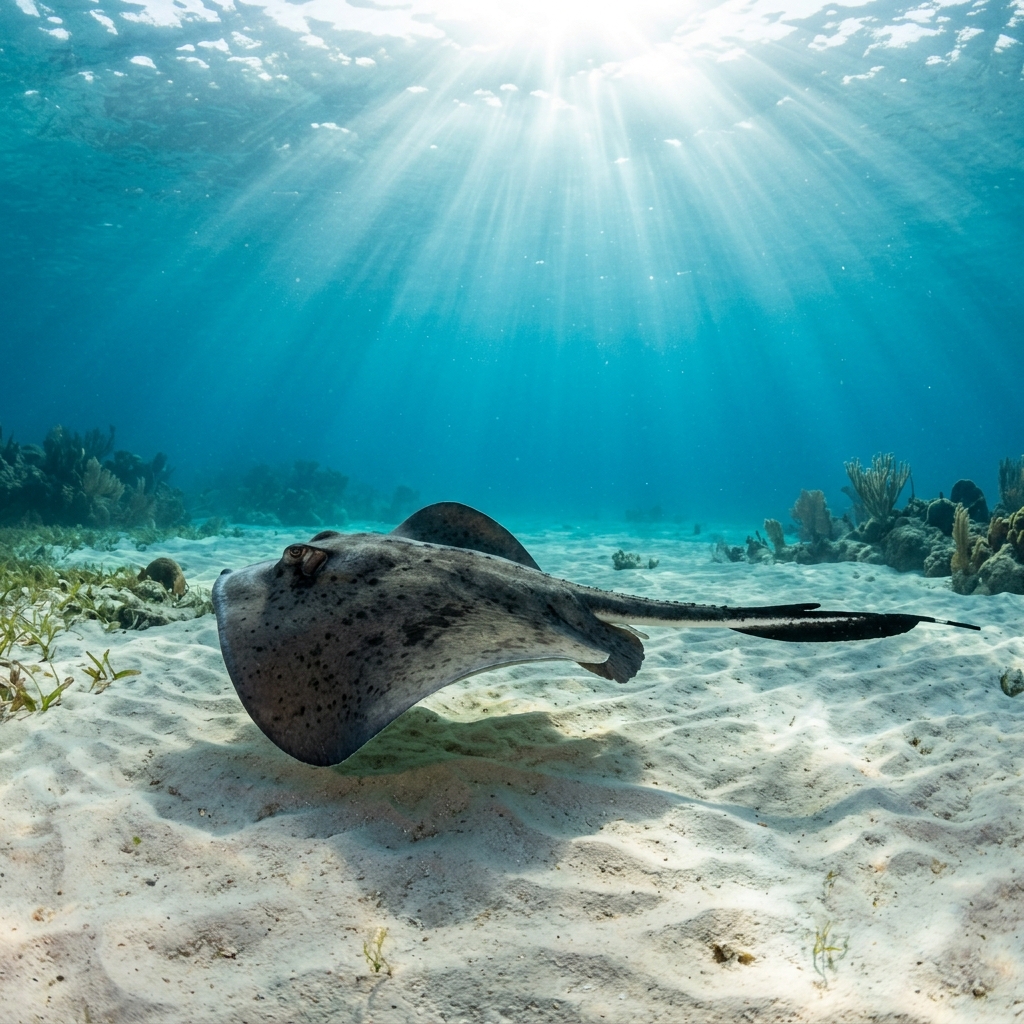
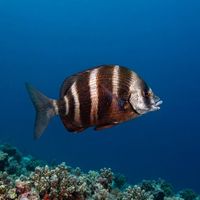
Observation-backed sightings across the island include European Common Cuttlefish, Great Barracuda, Common Octopus, and Dusky Grouper as the most distinctive species. Turkish Wrasse and European Parrotfish are encountered across virtually every site, while Round Fantail Stingray, Black Moray, Trumpetfish, and Giant Doris appear regularly. Arrow Crab and Sea Hare are also well-documented finds for observant divers.
Yes, a good portion of the sites cater to beginners and intermediates. Shallow shore-entry reefs such as Taliarte and La Cuevita offer gentle conditions, while the wreck Cermona II is accessible to newly qualified divers from a boat. Advanced sites like El Narcótico and the deeper wrecks off Las Palmas are reserved for those with more experience and appropriate certification.
Mogán and Arguineguín has the largest concentration of sites and is the main hub for wreck diving in the south. El Cabrón and Arinaga on the east coast is known for its accessible reefs and is a popular spot for shore diving. Sardina del Norte, in the north, features cave and cavern terrain. Las Palmas and Taliarte combines urban access with wall dives, caverns, and seagrass beds close to the capital.
Both options are available. Shore-entry sites include Cruentats Cave, El Bufadero, La Cuevita, La Deriva, and Taliarte, making self-guided or guided shore diving straightforward. Many of the wreck sites, including El Narcótico, Sailboat, and Kalais, require a boat. Operators such as Brothers Diving, Scuba Gran Canaria, Gran Canaria Divers, and others across the island run regular boat trips to these sites.


