

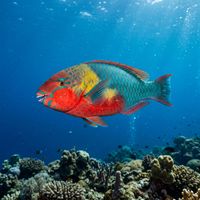
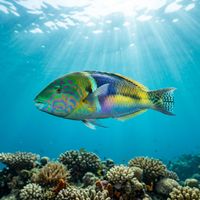
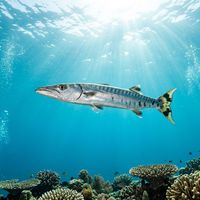
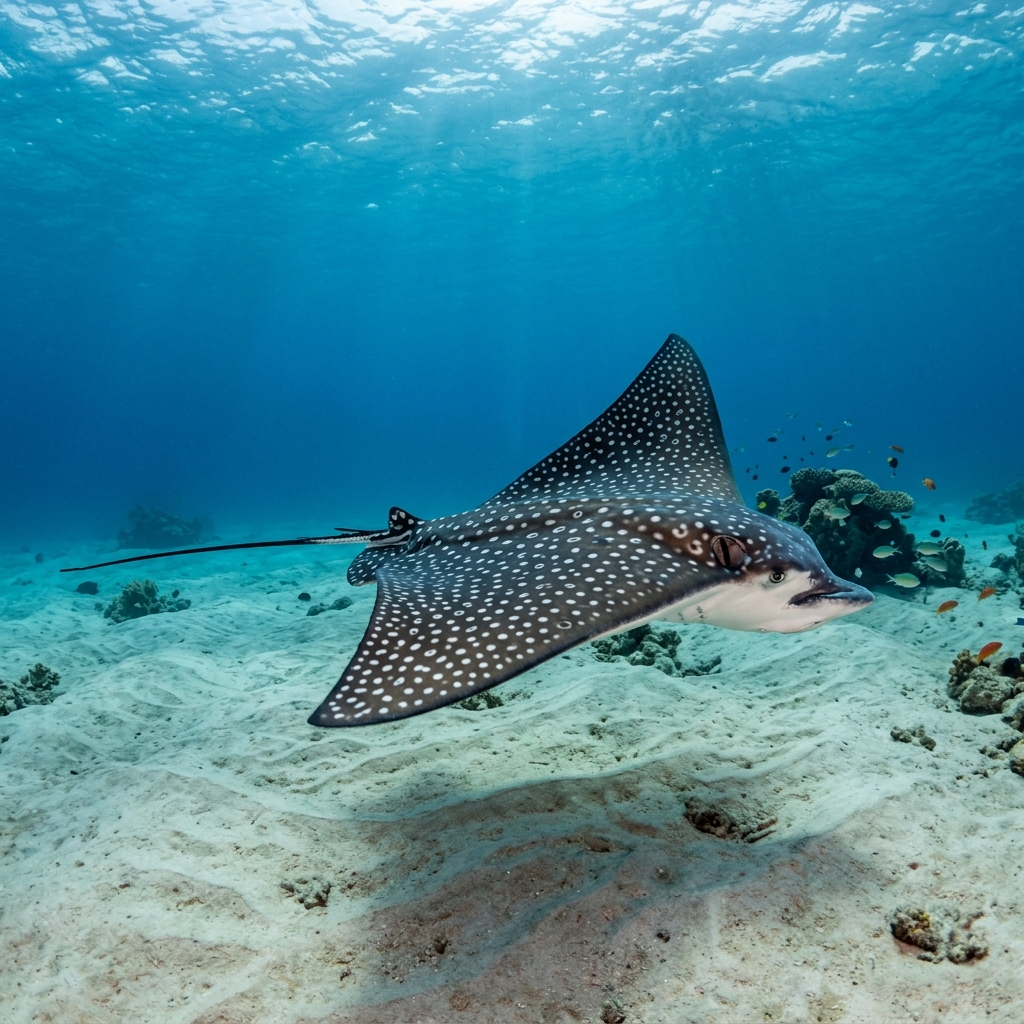
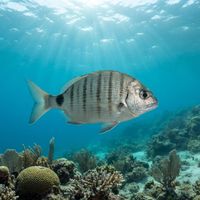
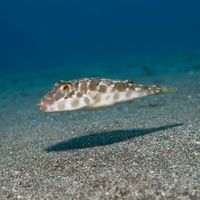
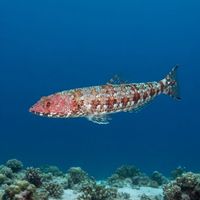
Tenerife offers a broad range of site types, from shallow volcanic reef pools and seagrass beds to deep walls, caves, and canyon systems. The five sub-areas each have a distinct character: Las Galletas and Los Cristianos holds the largest concentration of sites, while Playa San Juan and Los Gigantes is known for dramatic topography, and Abades draws divers to its calmer eastern shores. Artificial reef structures appear across the island, supplementing the natural volcanic terrain. European Parrotfish, Bream, Turkish Wrasse, Trumpetfish, and Great Barracuda are recorded across the great majority of sites, and Eagle Ray and Dusky Grouper make regular appearances.
5 areas
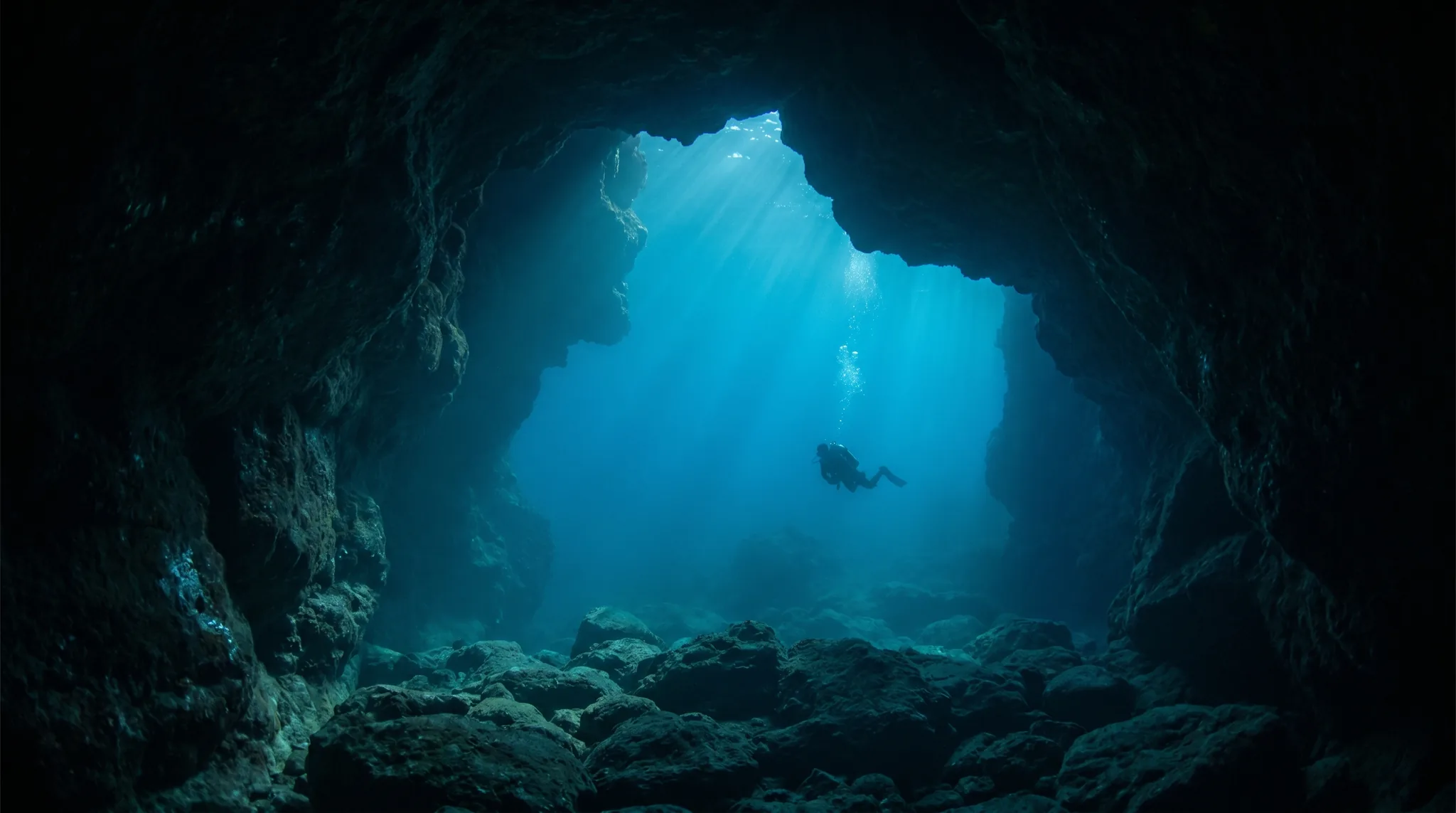 43
43A dense cluster of south Tenerife dive sites mixing wrecks, caves, and reef, with Eagle Ray, cuttlefish, and barracuda among the regulars.
33Volcanic reef diving on Tenerife's south-west coast, with easy shore entries, caves, walls and a rich cast of resident species.
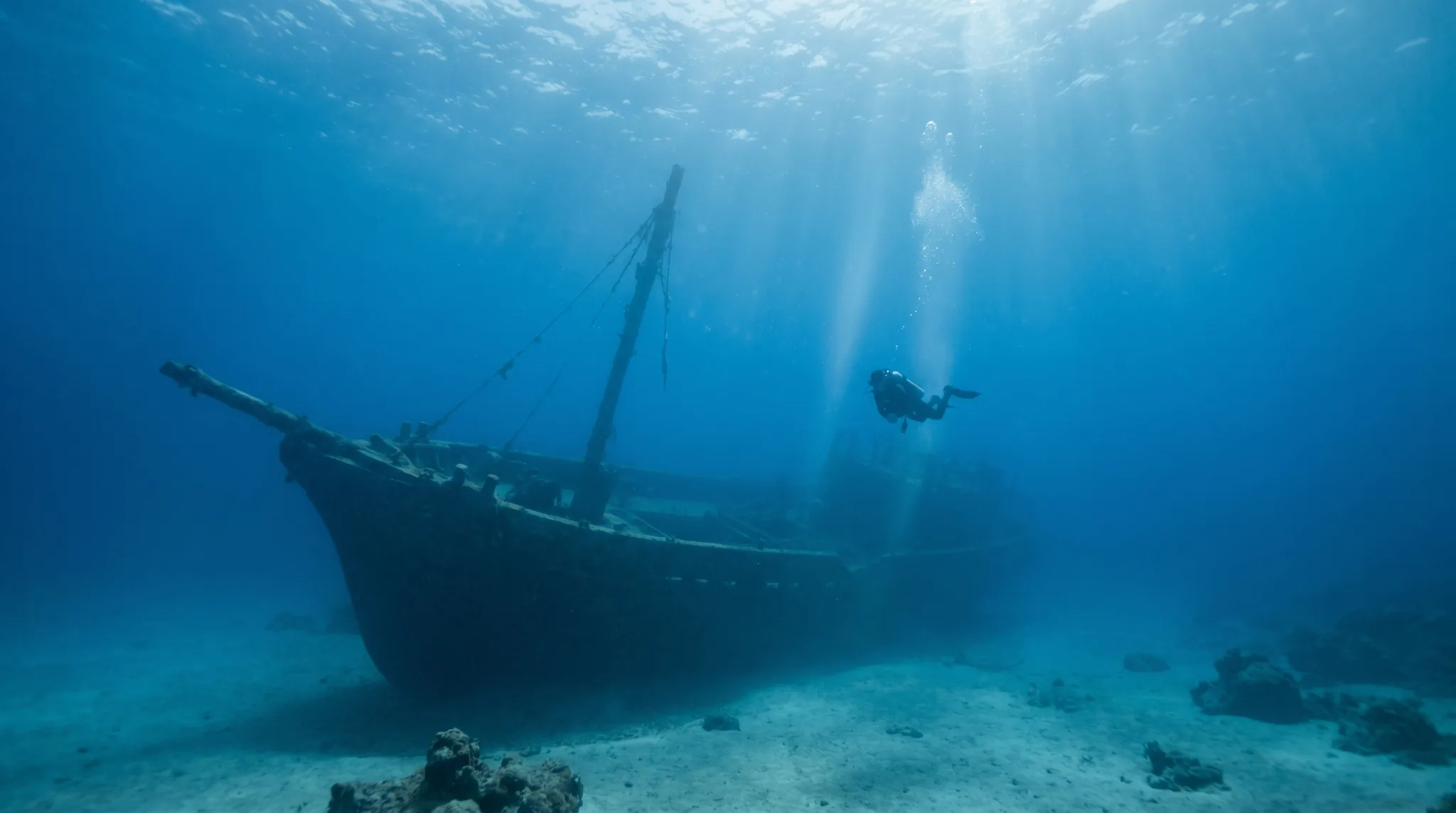 19
19Shore and boat diving on volcanic reefs, walls, and wrecks with outstanding cephalopod and ray encounters off eastern Tenerife.
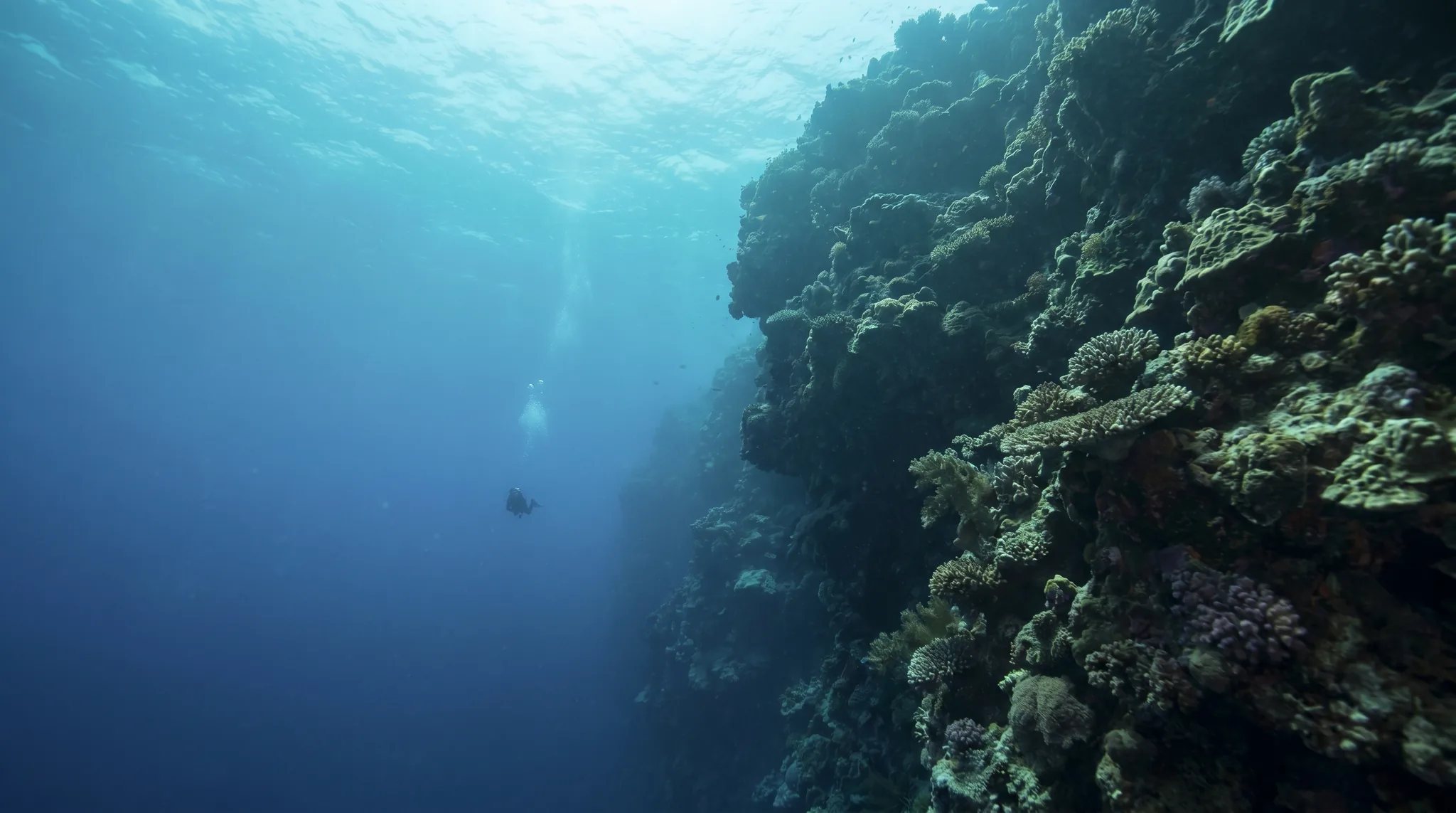

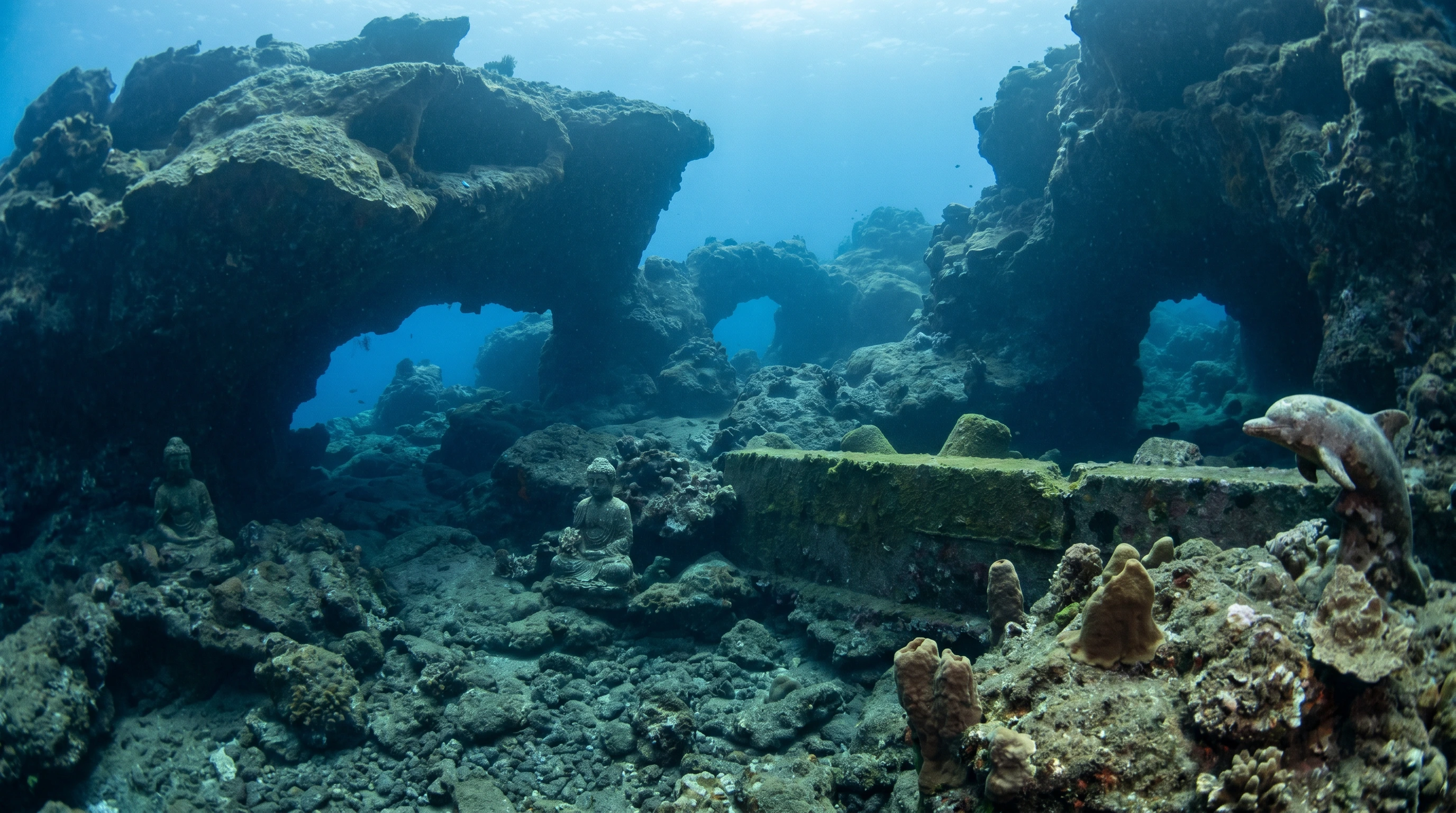
Monthly water temperature across Tenerife's sites, from satellite sea-surface data corrected for depth. The band shows the site-to-site spread.
Water temperature holds steady and warm from late spring through autumn, peaking in September and October, making those months particularly comfortable for extended dives. The cooler, consistent conditions through winter and early spring still attract strong visitor numbers, especially from March onward. Exposure and current vary considerably by sub-area, with the more sheltered eastern sites around Abades and Radazul offering calmer conditions than the exposed western coasts.
82 operators

Volcanic reefs, deep walls, and a plane wreck off northern Tenerife, with Great Barracuda and Common Octopus as standout encounters.
Water temperature around Tenerife ranges from about 20°C in January to 24°C in September, based on satellite sea-temperature data for its dive sites.
In the warm season (about 24°C) a 3mm full suit is comfortable in Tenerife; in the coldest months (about 20°C) step up to a 5mm suit.
Fin maps 132 sites in Tenerife (130 scuba diving sites and 15 snorkelling spots, with some suited to both), organised into 5 areas.
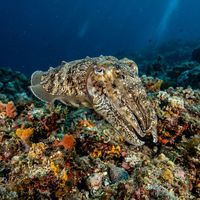
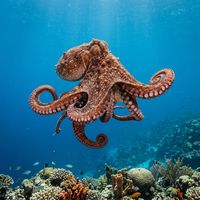
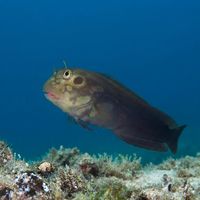
Tenerife's waters support a wide variety of species recorded across observation-backed sightings. European Parrotfish, Turkish Wrasse, Bream, Great Barracuda, and Trumpetfish are very commonly encountered. Divers also regularly spot Eagle Ray, Common Octopus, European Common Cuttlefish, Conger Eel, and Arrow Crab. Less frequent but reliably present species include the Fangtooth Moray, Dusky Grouper, and Common Stingray.
Tenerife has a good mix of sites pitched at every level. Several shore-entry sites, including Fonsalía, Turtle Village, and La Jaca Pool, are rated for beginners and offer shallow, calm conditions. Intermediate divers will find cave and wall systems at sites like Neptune's Cave and Radazul, while advanced divers can explore deeper walls at Galeones, El Coral, and Bocacangrejo La Pared. With many operators offering guided dives, newer divers are well catered for.
Las Galletas and Los Cristianos has the greatest number of sites and is a natural base for many divers. Playa San Juan and Los Gigantes offers dramatic wall and canyon topography. Radazul and Tabaiba is well regarded for its variety of site types within a compact area, including reef, wall, cave, and artificial reef. Abades, on the calmer eastern coast, tends to suit divers looking for more sheltered conditions, while Puerto de la Cruz offers deep, atmospheric sites such as La Catedral and La Chimenea.
A large number of Tenerife's sites are accessible directly from shore, which means boat access is not always necessary. Sites such as Radazul, Turtle Village, Fonsalía, Playa Chica, and The Mushrooms all offer shore entries. Some sites, including Playa Paraiso, can be reached by either shore or boat. Boat-only sites tend to be the deeper, more exposed locations such as Galeones, El Coral, and La Catedral.


