

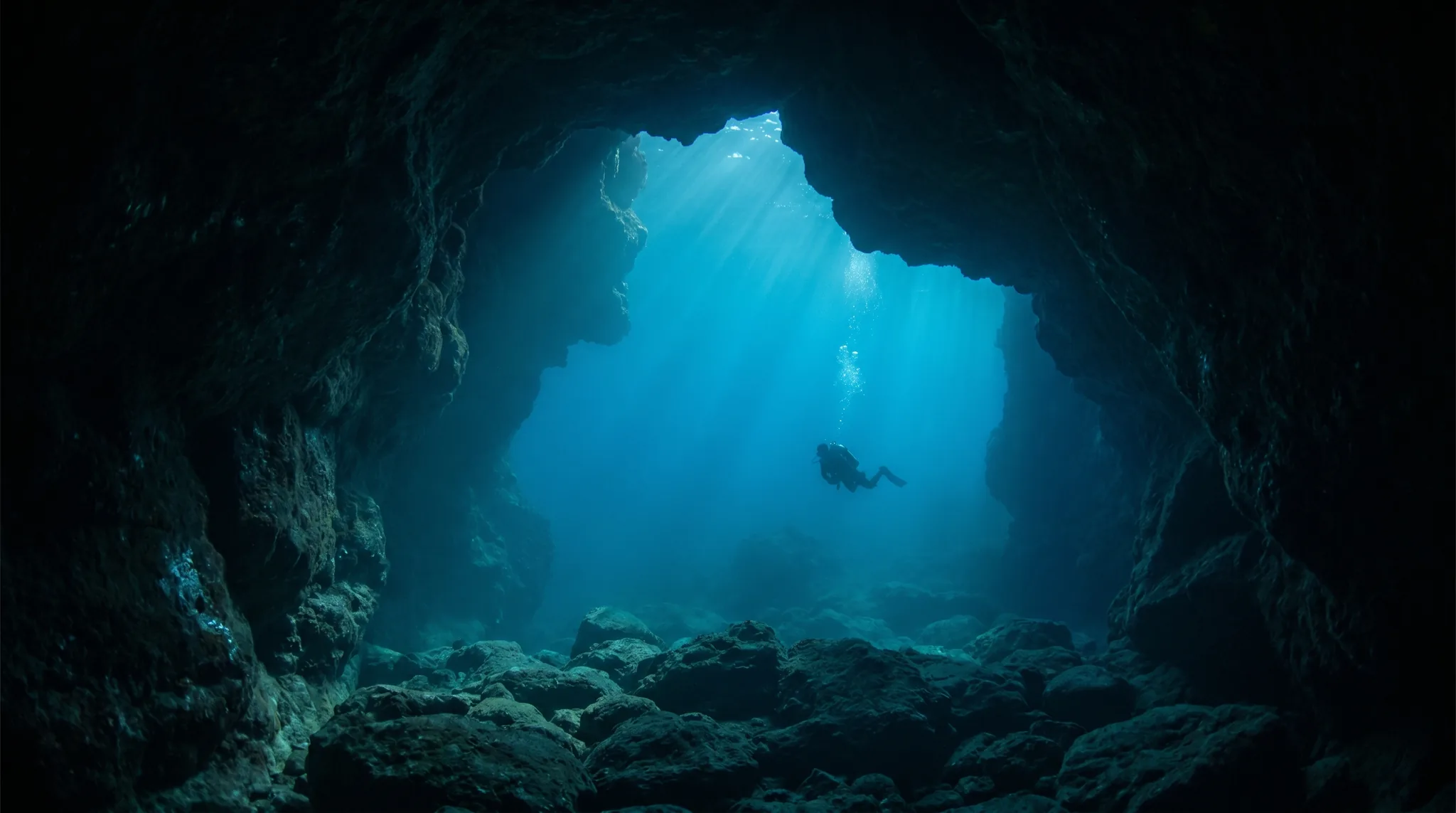
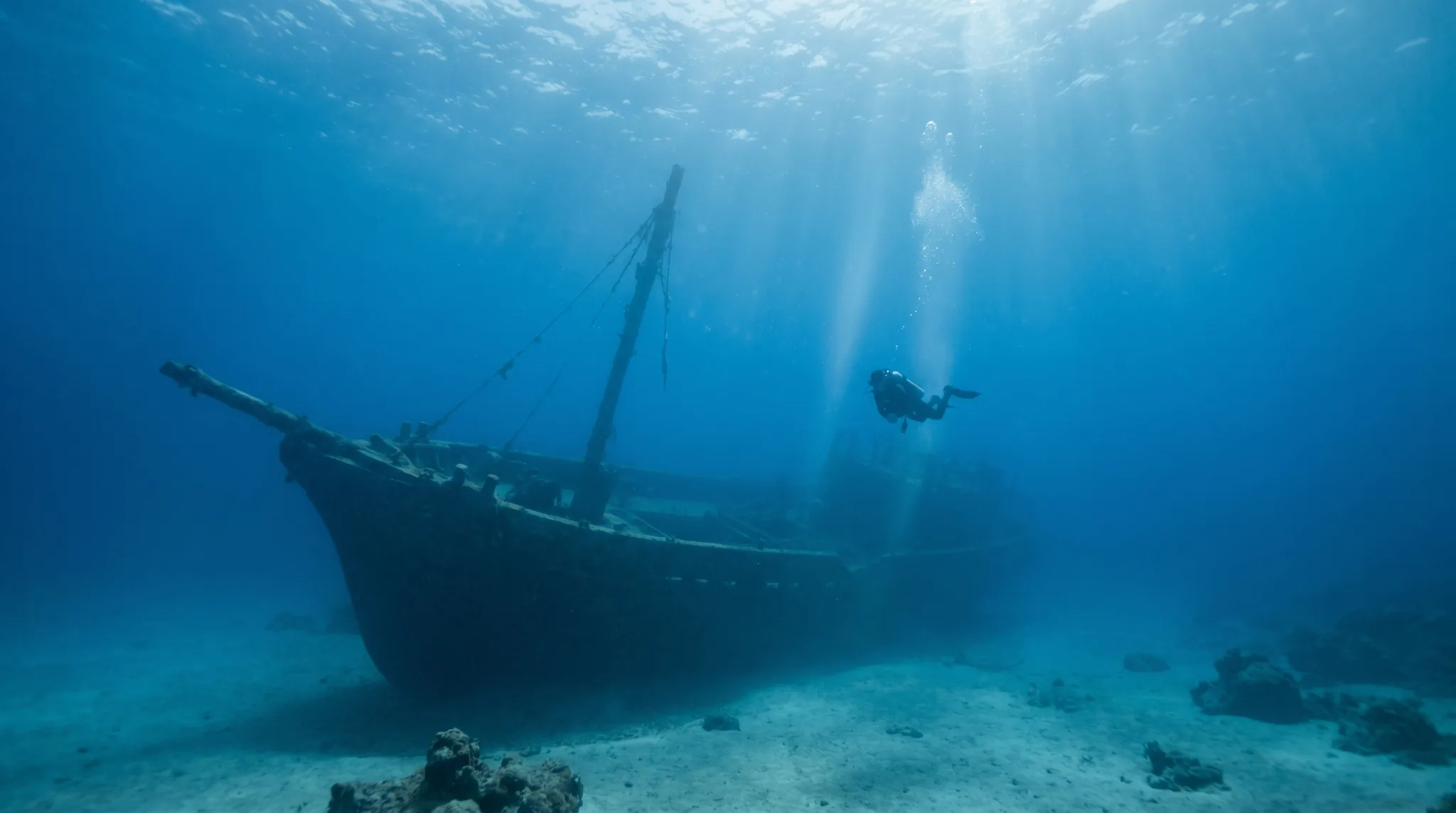
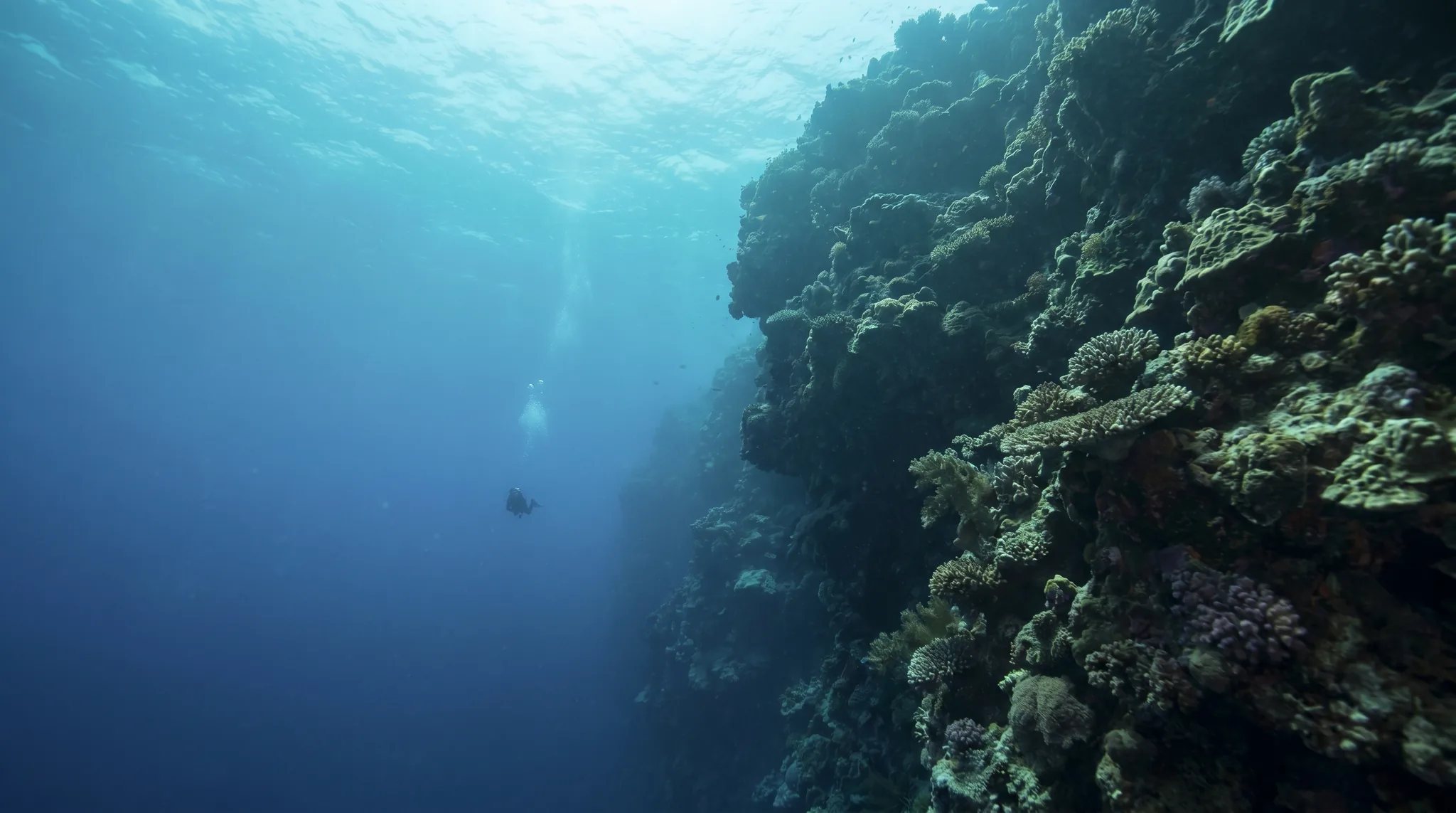
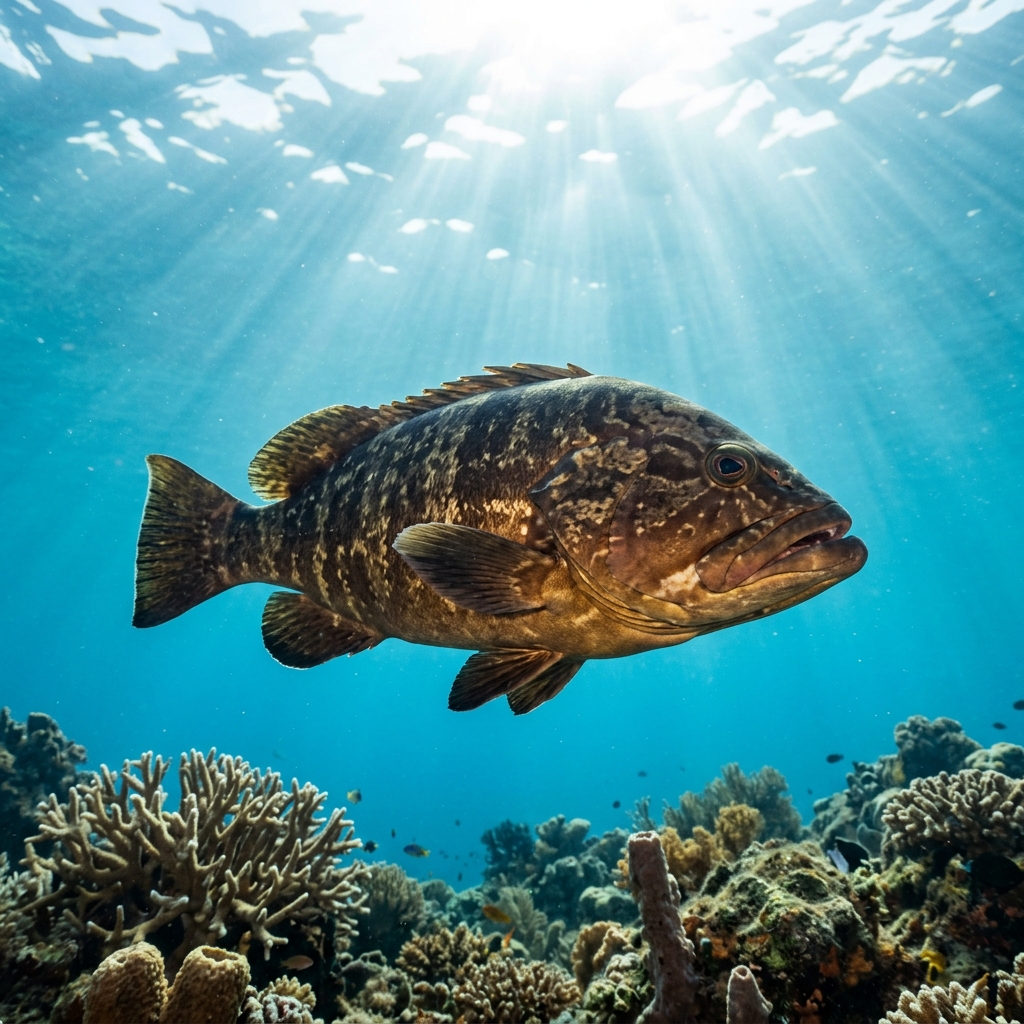
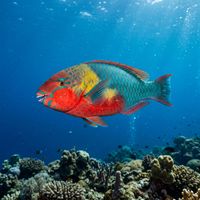
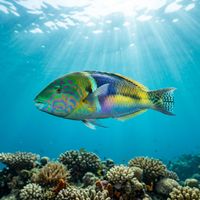
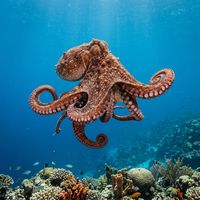
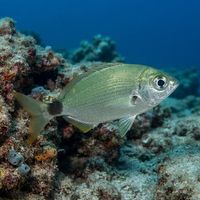
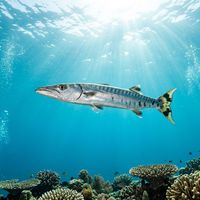
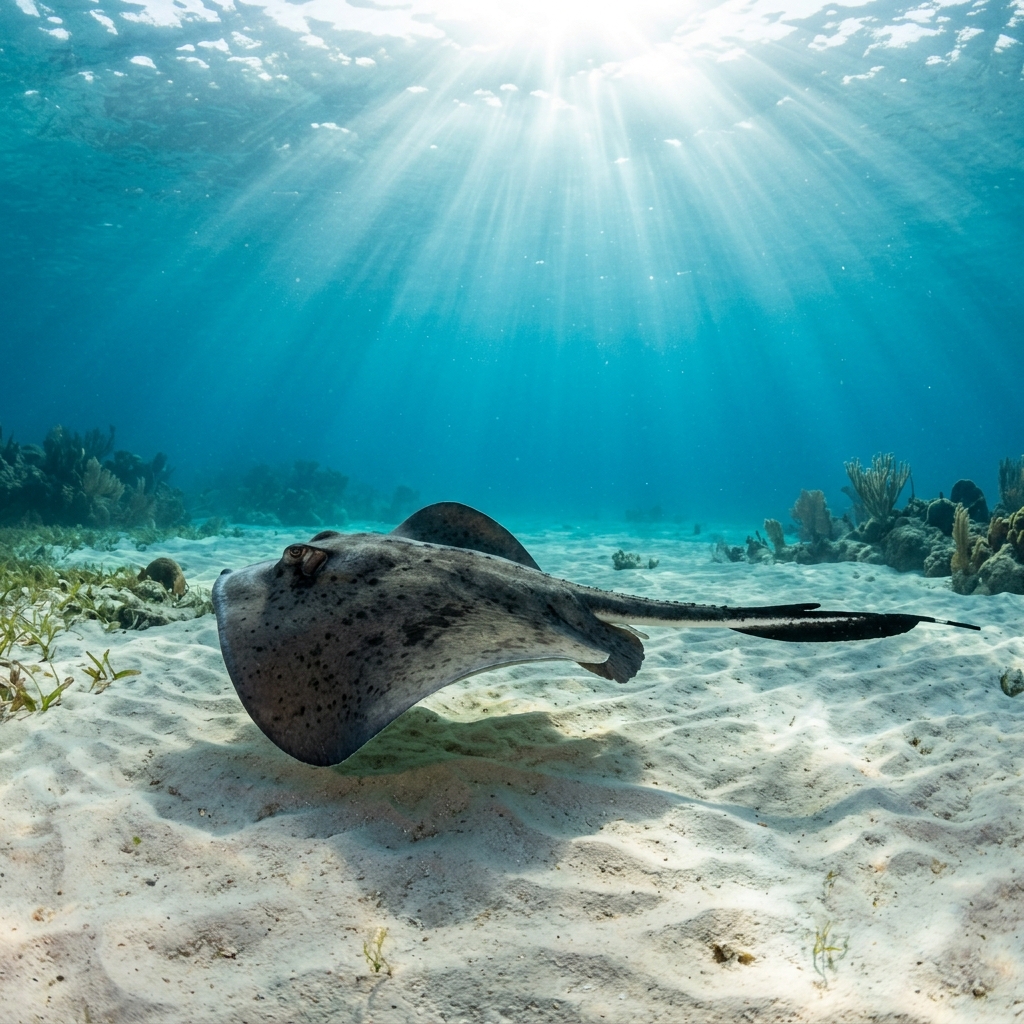
Fuerteventura's diving is built around volcanic reef architecture: walls, drop-offs, caves and artificial structures that run from shallow beginner terrain to deep advanced descents. The island divides into two distinct hubs, Corralejo in the north and Jandía in the south, each with its own character and site concentration. Boat access dominates, putting divers above reef systems where the European Parrotfish, Canary Damsel and Turkish Wrasse are ever-present, while the Dusky Grouper, Great Barracuda and Round Fantail Stingray are reliably encountered across the water column. The Common Octopus and Black Moray reward slower, attentive diving.
2 areas

Monthly water temperature across Fuerteventura's sites, from satellite sea-surface data corrected for depth. The band shows the site-to-site spread.
Water temperature holds comfortably warm through the whole year, with its warmest period running from late summer into autumn and a modest dip through winter and early spring. The best-months data points clearly to late spring and summer as peak season, when conditions and marine activity combine most favourably. Exposed sites, particularly around Corralejo, can carry current, which calls for careful planning on advanced sites like Nuevo Horizonte and Faro del Lobos.
26 operators


Water temperature around Fuerteventura ranges from about 19°C in February to 23°C in August, based on satellite sea-temperature data for its dive sites.
In the warm season (about 23°C) a 3mm full suit is comfortable in Fuerteventura; in the coldest months (about 19°C) step up to a 5mm suit.
Fin maps 60 sites in Fuerteventura (59 scuba diving sites and 9 snorkelling spots, with some suited to both), organised into 2 areas.
Across Fuerteventura's dive sites, May, June, July, August, September and October are most often reported as the best months to visit.
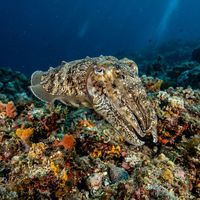
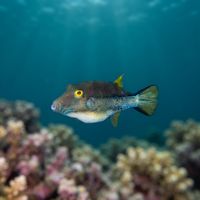
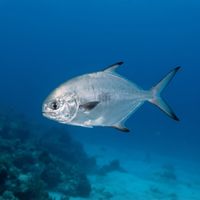
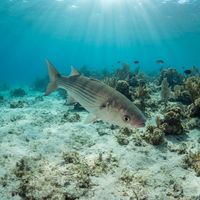
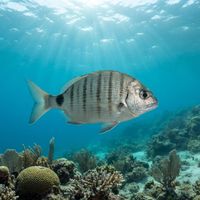
The European Parrotfish and Canary Damsel are present across almost every site, making them a constant backdrop to any dive. The Dusky Grouper, Turkish Wrasse and Pufferfish are all very commonly observed, while the Great Barracuda and Round Fantail Stingray add excitement at many sites. Patient divers who check crevices and rubble are often rewarded with the Common Octopus, Black Moray, Conger Eel and Scorpionfish.
The site mix truly covers all levels. Beginners have accessible options including the shore-entry artificial reef at Sea Lion Experience in Jandía and the shallow reef at Cebada, as well as several boat sites pitched at entry-level divers. Intermediate divers will find rewarding reef, wall and cave combinations at sites like Bocayna and El Tazar. Advanced divers have deep walls and complex overhead environments at Faro del Lobos, El Fafo and El Portal.
Corralejo, in the north, holds the larger concentration of sites and includes many of the island's most challenging dives, with deep walls, drop-offs and cave systems accessed by boat. Jandía, in the south, has a smaller site count but offers shore-entry options and shallower beginner-friendly sites, including the purpose-built artificial reef at Sea Lion Experience. Both areas share the same broad species community.
The majority of sites across Fuerteventura require a boat, and most operators offer guided boat dives as their core product. Shore entry is available at a handful of sites, notably Cebada and Sea Lion Experience in Jandía, which makes them particularly practical for those without their own transport or who prefer to avoid boat trips. The island has a strong operator network centred on both Corralejo and Jandía.


