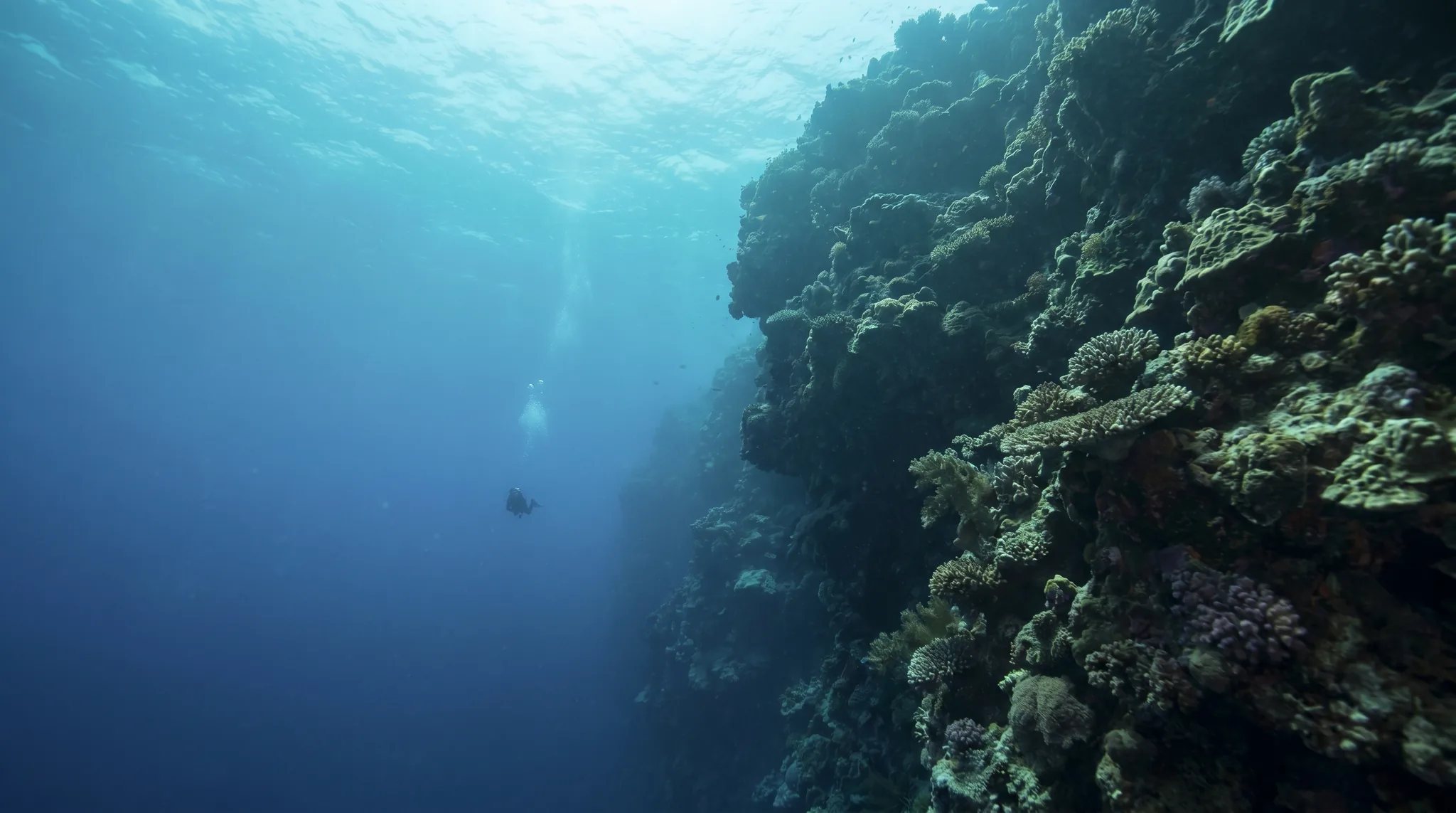
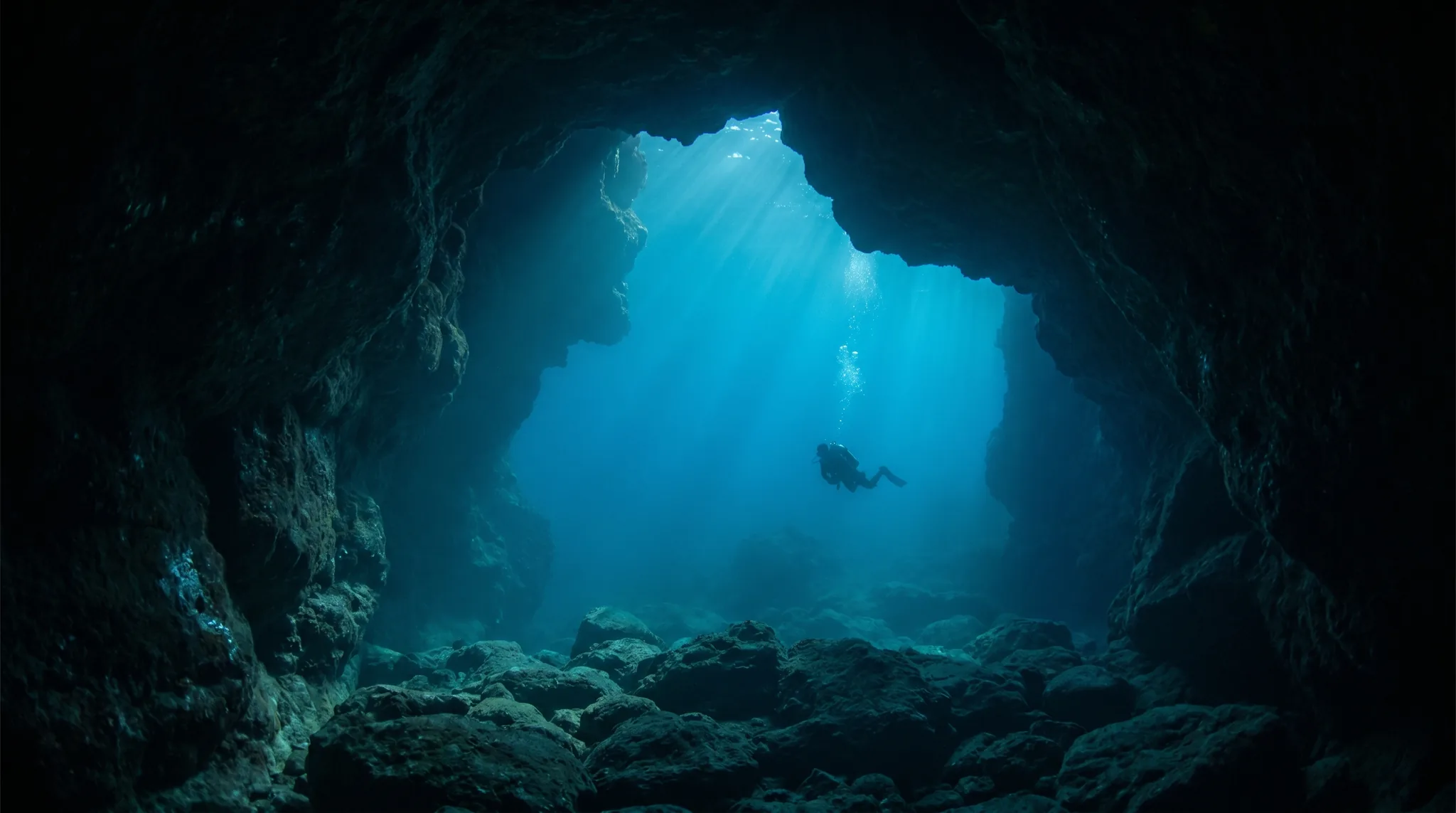
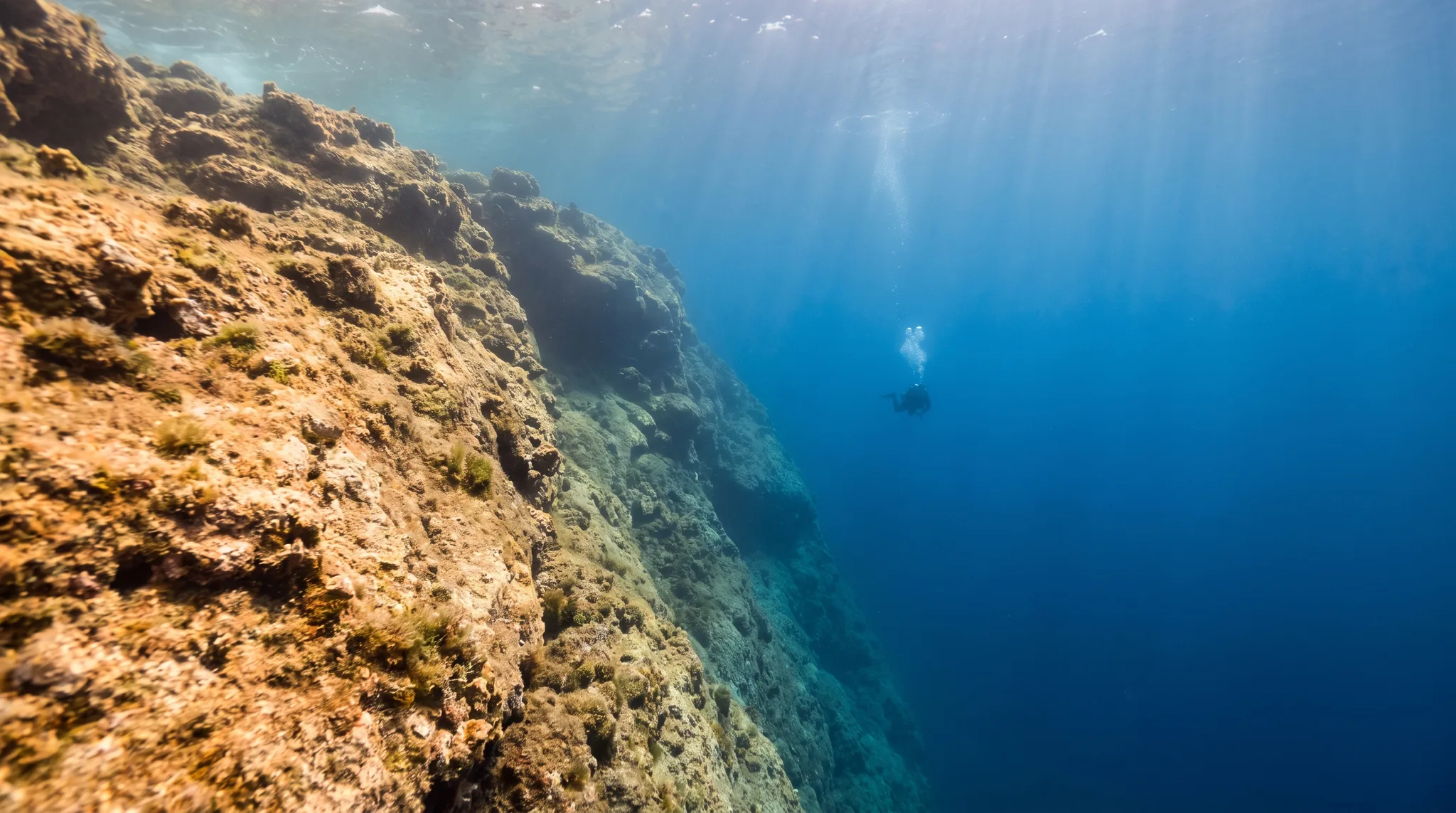
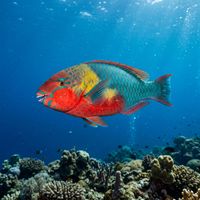
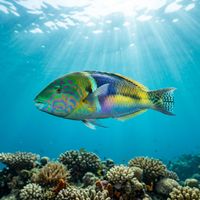
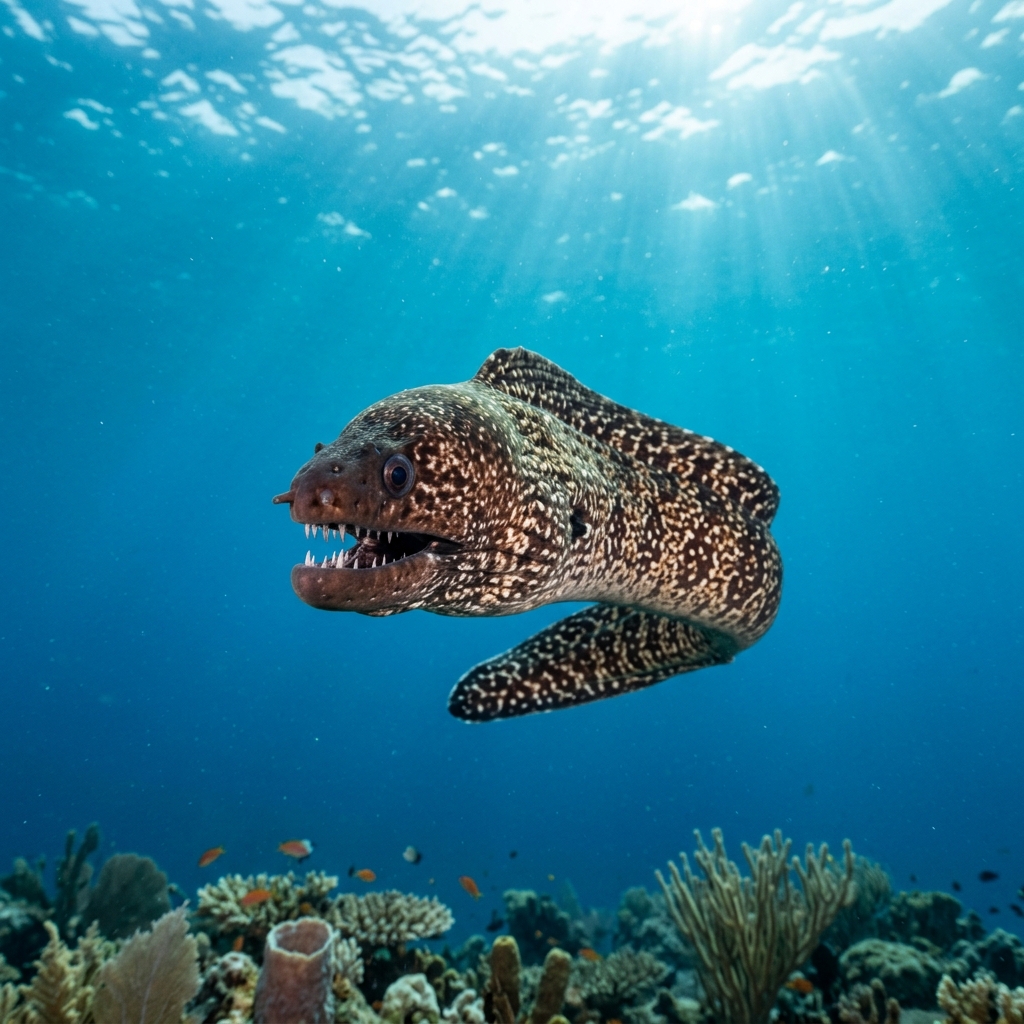
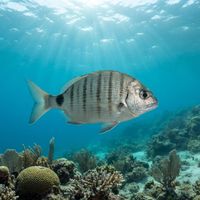
Playa Blanca's diving is defined by volcanic reef topography layered with artificial structures, from sculpture-based sites like Museo Atlantico to pipe and wall formations at Emisario and The Tongues. The majority of sites suit beginners, with shore entries at Coloradas Reef, Calimera and Playa Dorada making independent access straightforward. European Parrotfish, Turkish Wrasse, Bream and Common Octopus are observed across nearly every site, while the Fangtooth Moray, Dusky Grouper and occasional Marbled Electric Ray reward attentive divers on the reefs.

Monthly water temperature across Playa Blanca's sites, from satellite sea-surface data corrected for depth. The band shows the site-to-site spread.
Water temperature stays mild throughout the year, dipping slightly in late winter and peaking in late summer and autumn. March and November see the highest diver activity, suggesting these shoulder months offer favourable conditions. Summer through autumn brings the warmest water, making that period appealing for those who prefer lighter exposure protection.
30 operators
Playa Blanca, Canary Islands
Playa Blanca, Canary Islands
Playa Blanca, Canary Islands
Playa Blanca, Canary Islands
9 more sites to explore
Water temperature around Playa Blanca ranges from about 19°C in February to 23°C in August, based on satellite sea-temperature data for its dive sites.
In the warm season (about 23°C) a 3mm full suit is comfortable in Playa Blanca; in the coldest months (about 19°C) step up to a 5mm suit.
Fin maps 21 sites in Playa Blanca (21 scuba diving sites and 3 snorkelling spots, with some suited to both).
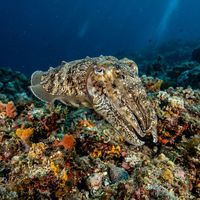
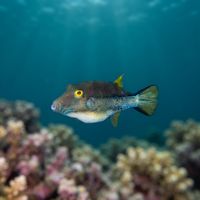
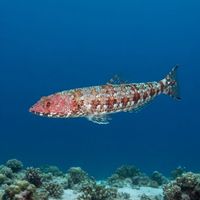
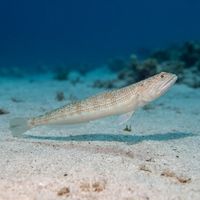
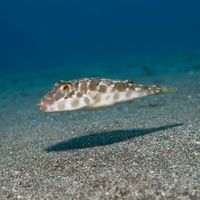
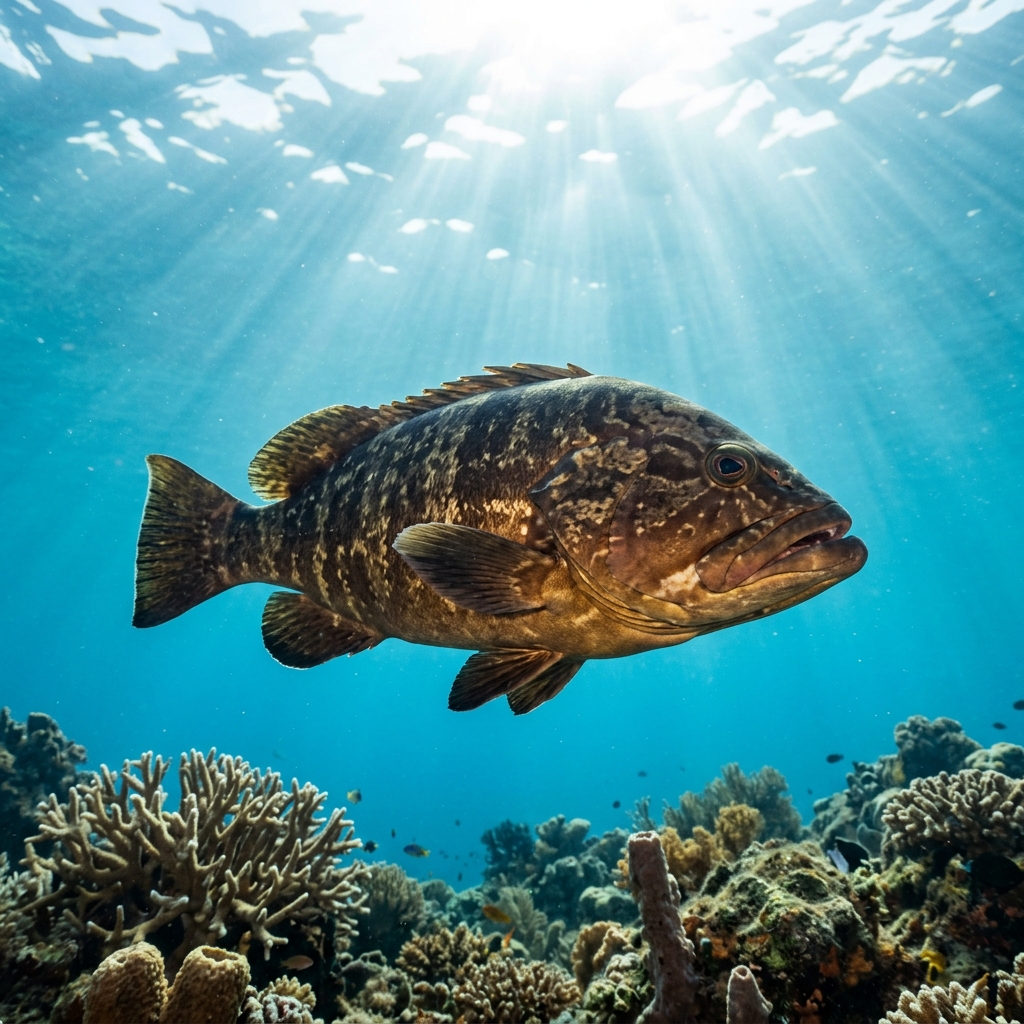
The reefs here have a strong resident population of European Parrotfish, Turkish Wrasse, Bream, Lizardfish and Common Octopus, all observed across the vast majority of sites. Fangtooth Moray and Dusky Grouper are commonly encountered in crevices and on reef structures. Keep an eye on sandy patches for the Wide Eyed Flounder, and on quieter dives the Marbled Electric Ray or Australian Angel Shark may appear.
Yes, the majority of sites in Playa Blanca are rated for beginner divers. Shore-entry options like Calimera, Playa Dorada and Rubicon Marina Ramp offer shallow, sheltered conditions ideal for those building confidence. Even several boat-access sites, including Timanfaya and Punta Gines, are beginner-friendly.
A good number of sites are reachable directly from shore, including Coloradas Reef, Montaña Roja and Playa Dorada, which suits independent divers. Boat access opens up sites further from the coast, such as Shark Point, a drift reef suited to intermediate divers, and the sculpture reef at Museo Atlantico. A handful of sites, including Flamingo Reef and Cuesta del Faro, offer both entry options.
Several sites combine natural volcanic reef with purpose-built artificial structures. Museo Atlantico features pH-neutral cement sculptures designed to function as an artificial reef. Emisario is navigated around twin pipes with crevices beneath, and The Tongues mixes wall topography with artificial formations. This variety of structure types supports a wide range of species and makes repeated dives feel fresh.