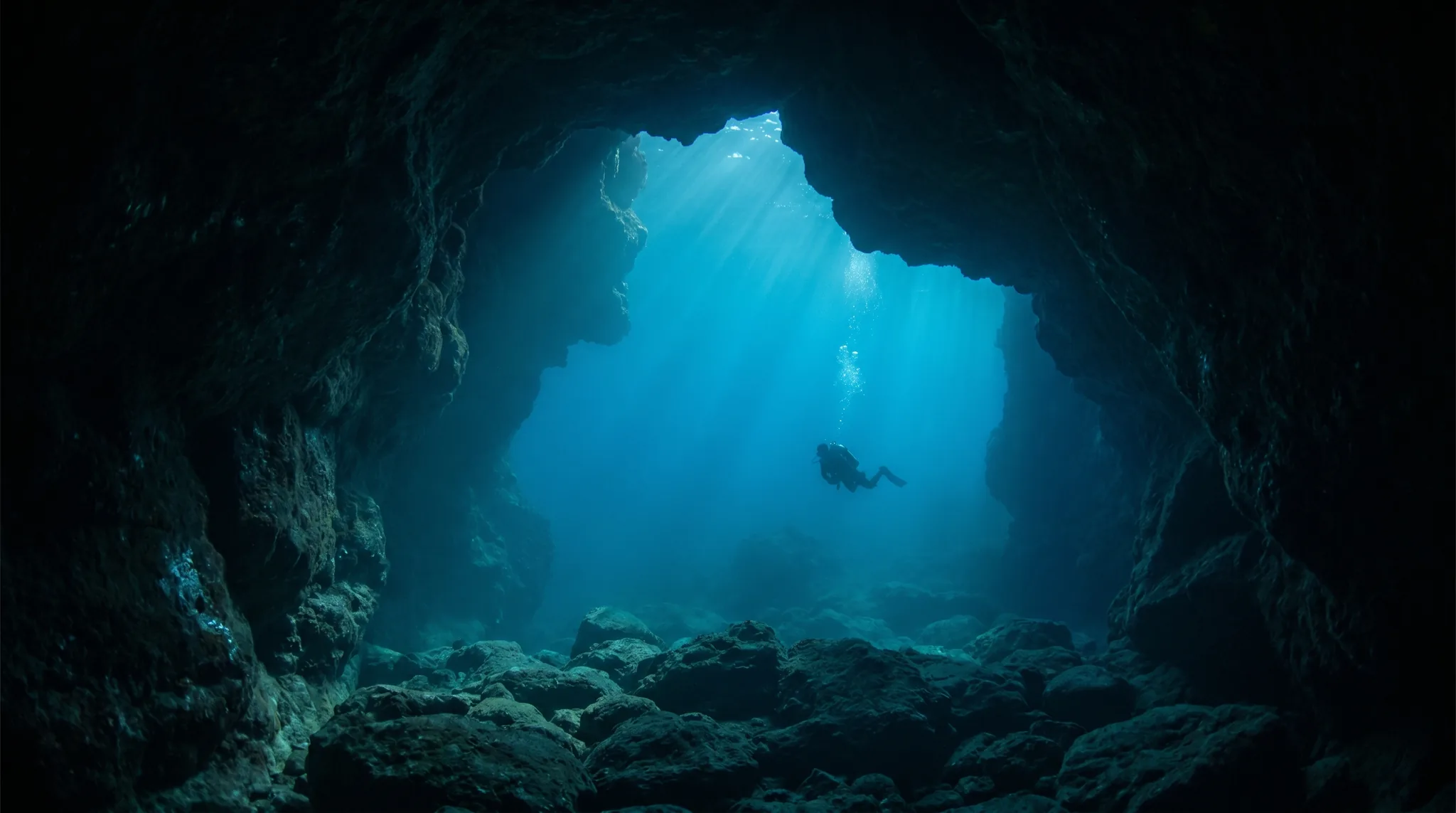
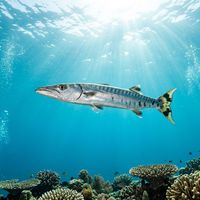
La Graciosa and Chinijo is a boat-access reef diving destination where the sites range from shallow beginner reefs to deep advanced dives. The signature marine life is notably ray-heavy, with Bull Ray, Eagle Ray, and Marbled Electric Ray all observed regularly alongside Dusky Grouper, Fangtooth Moray, and Great Barracuda. La Burrera adds kelp forest and drift to the reef mix, while Cueva de los Jureles offers wall and cave terrain. Most sites are intermediate in character, with a handful suited to beginners and one deep reef, Gerardias, reserved for advanced divers.
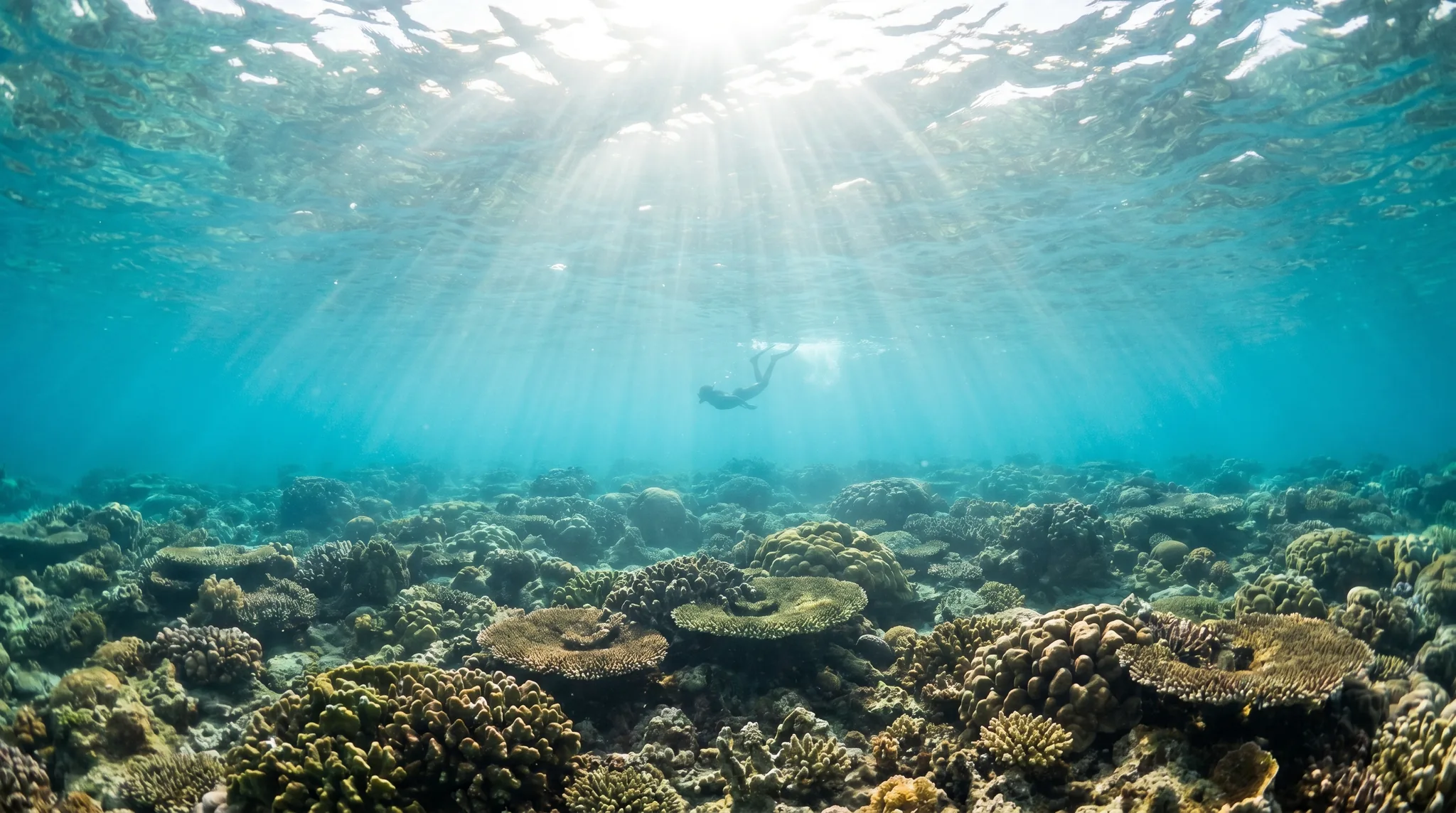
Monthly water temperature across La Graciosa & Chinijo's sites, from satellite sea-surface data corrected for depth. The band shows the site-to-site spread.
Water temperature stays warm throughout the year, with the coolest months running from late winter through spring and the warmest period arriving in autumn. Conditions peak from summer through to late autumn, when visibility can be exceptional and the water is at its warmest. Sites are predominantly boat access, and several carry current, so divers should factor in exposure and drift potential when planning.
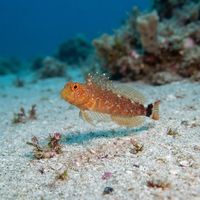
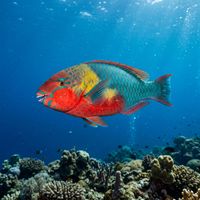
1 more site to explore
Water temperature around La Graciosa & Chinijo ranges from about 19°C in February to 23°C in October, based on satellite sea-temperature data for its dive sites.
In the warm season (about 23°C) a 3mm full suit is comfortable in La Graciosa & Chinijo; in the coldest months (about 19°C) step up to a 5mm suit.
Fin maps 10 sites in La Graciosa & Chinijo (10 scuba diving sites and 1 snorkelling spots, with some suited to both).
Across La Graciosa & Chinijo's dive sites, July, August, September and October are most often reported as the best months to visit.
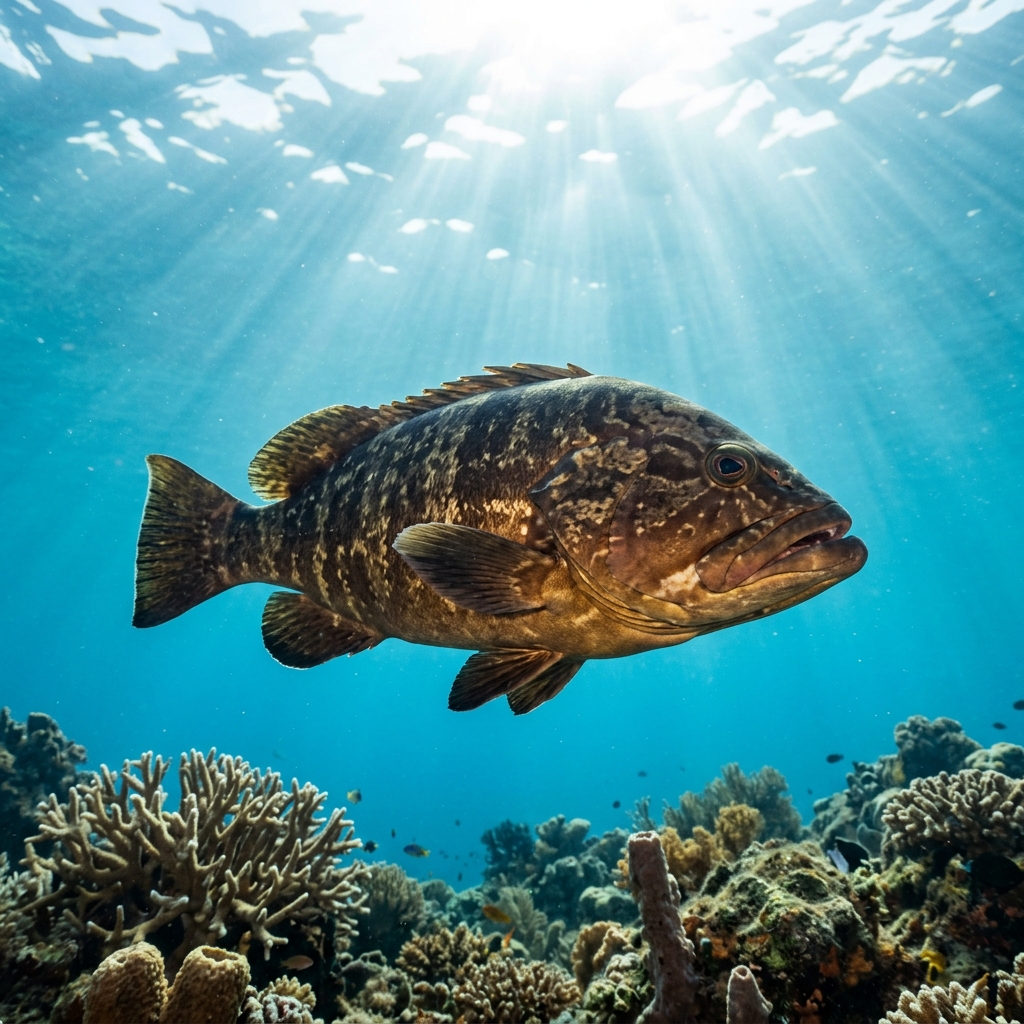
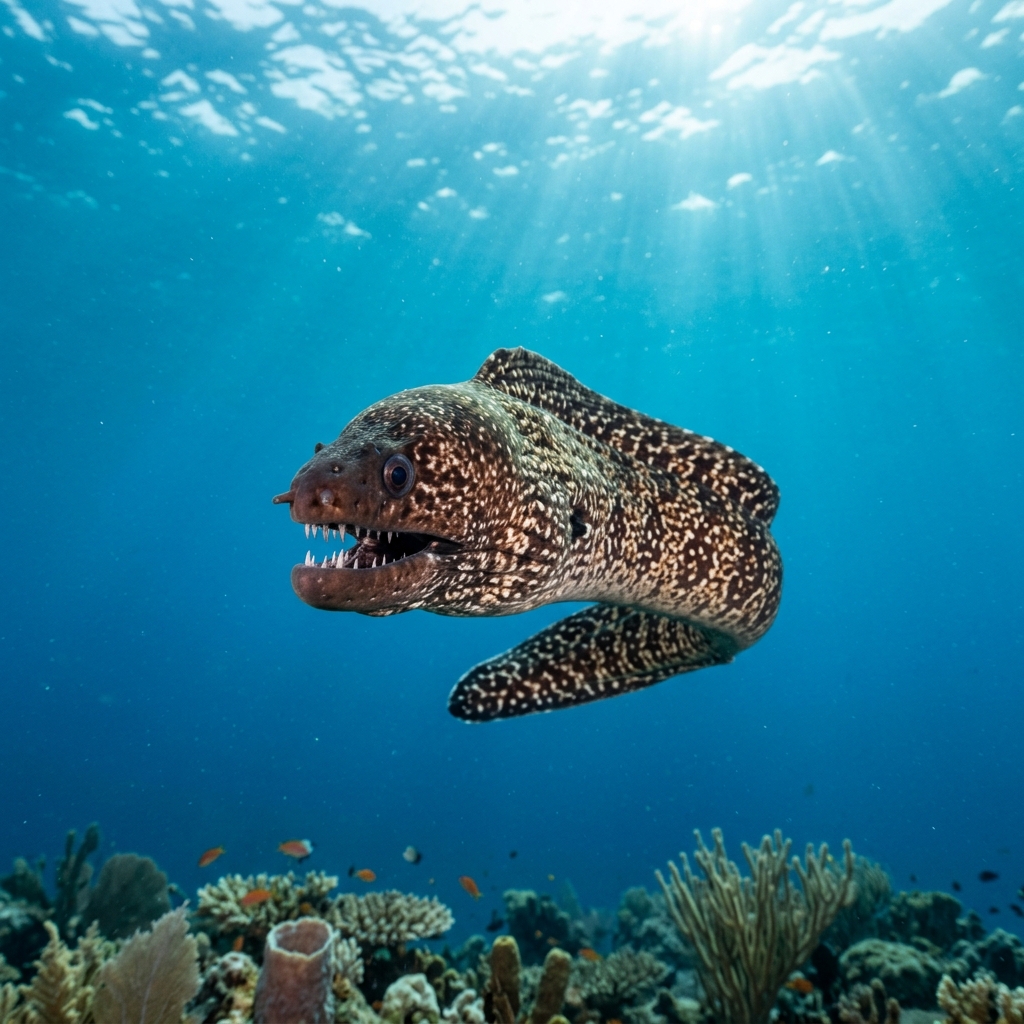
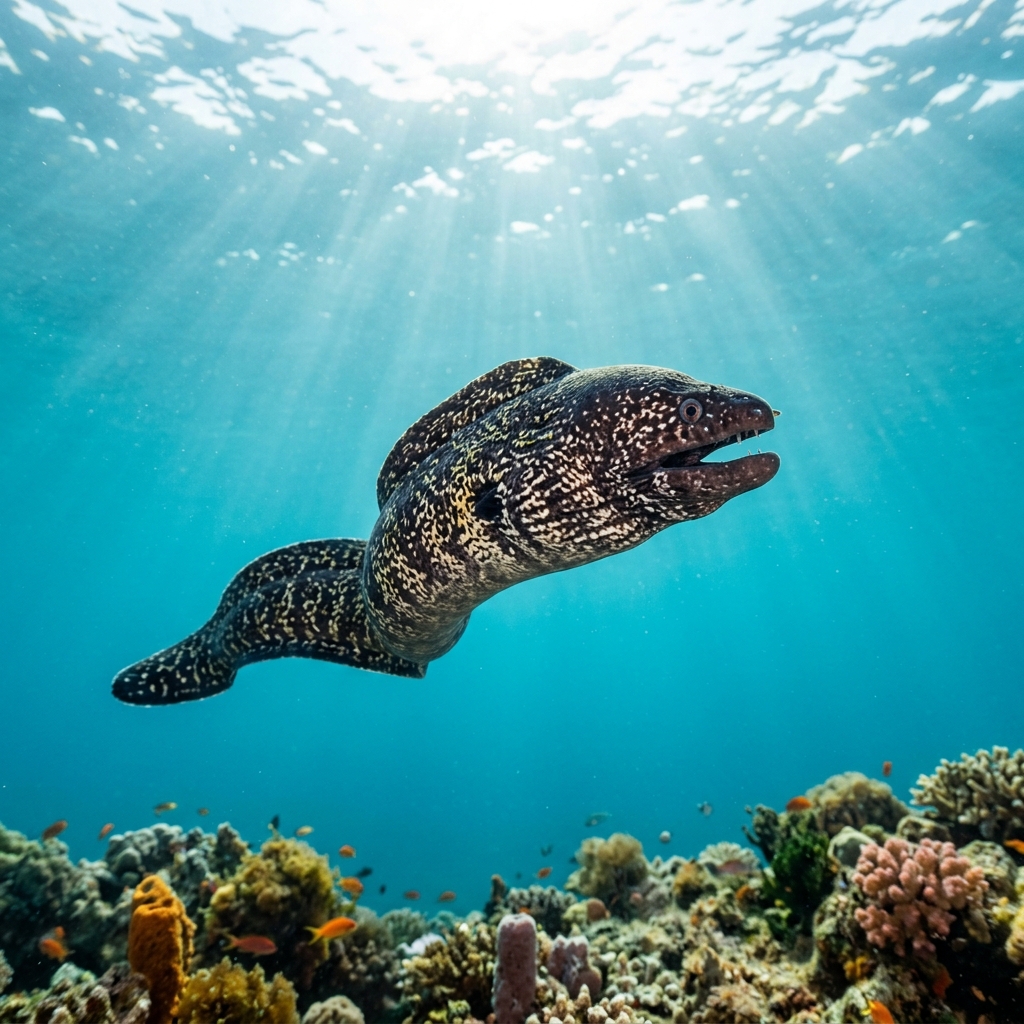
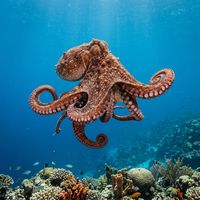
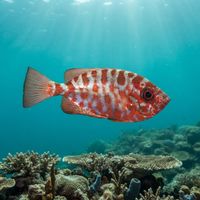
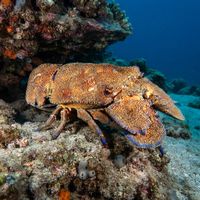
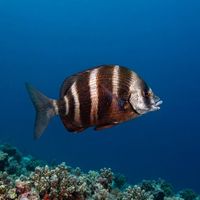
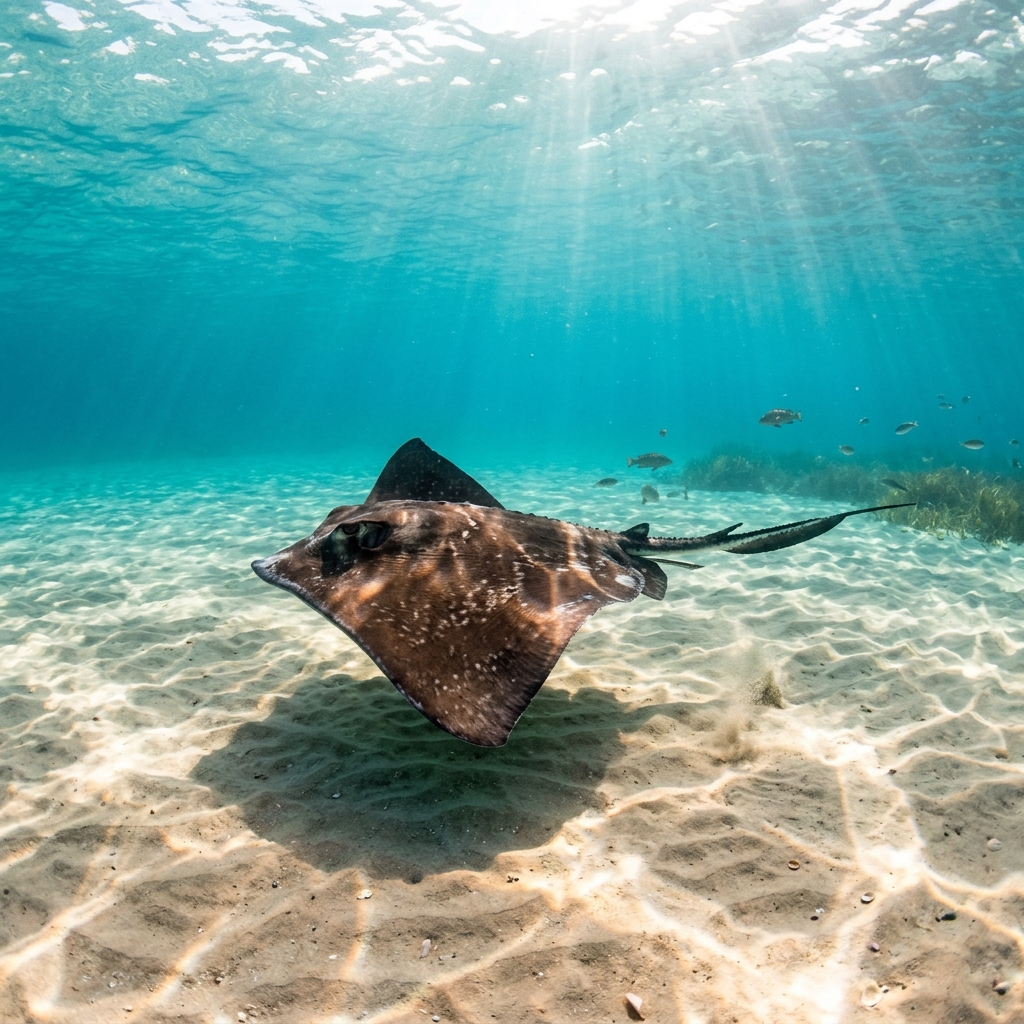
The region has a strong showing of rays, including Bull Ray, Eagle Ray, and Marbled Electric Ray, all with observation-backed records. Dusky Grouper, Fangtooth Moray, Mediterranean Moray, and Great Barracuda are very commonly encountered across sites. Common Octopus, Slipper Lobster, Scorpionfish, and European Parrotfish round out the reef community.
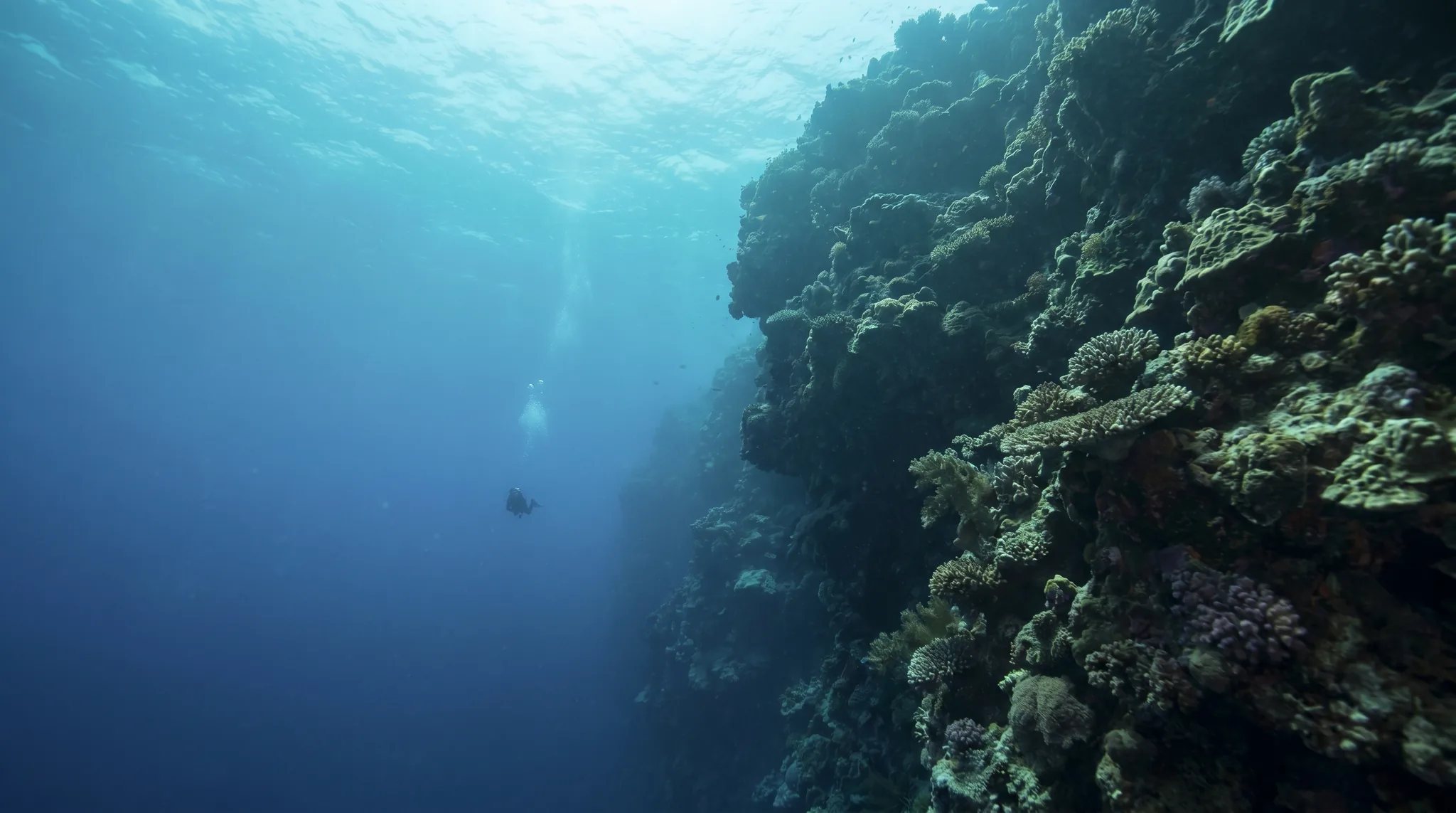
Several sites are rated for beginners, including Pandora, La Cocina, and Roque del Oeste, covering reef and wall terrain at accessible depths. The majority of sites are intermediate, so divers with some experience will find more of the area open to them. Gerardias is the one site strictly for advanced divers, descending to depth on a deep reef.
Almost all sites in the region require a boat, with La Cocina being the one exception that also offers shore entry. Sites sit at varying distances from the coast, and some are located well offshore, so diving here is organised around boat trips rather than independent shore diving for most locations.
Reefs dominate the site list, but the region also includes wall dives, a cave at Cueva de los Jureles, a kelp forest at La Burrera, and drift opportunities at both La Burrera and Roque del Oeste. This mix means divers can choose between relaxed reef exploration, current-driven drift dives, or more structured wall and cave diving across a single trip.