
Puerto del Carmen packs an unusually varied dive portfolio into a compact stretch of coastline. Shore entries sit alongside boat-only sites, and the terrain shifts from shallow artificial reefs and caverns to deep wrecks and dramatic walls. Cephalopods dominate: the European Common Cuttlefish and Common Octopus appear at nearly every site. Eagle Ray, Dusky Grouper, and multiple ray species round out an active, observation-backed species list. Water temperatures stay mild year-round, keeping conditions welcoming across all seasons.

Monthly water temperature across Puerto del Carmen's sites, from satellite sea-surface data corrected for depth. The band shows the site-to-site spread.
Water temperatures remain narrow and mild throughout the year, with the coolest months falling in late winter and the warmest in autumn. This stability means diving is truly feasible year-round, though visitor and operator data point to a peak around March and again in November. Visibility can vary with swell and surge on exposed sites, but calmer periods tend to coincide with the warmer months from late summer into autumn.
29 operators
Puerto del Carmen, Canary Islands
19 more sites to explore
Water temperature around Puerto del Carmen ranges from about 19°C in February to 22°C in October, based on satellite sea-temperature data for its dive sites.
In the warm season (about 22°C) a 3mm full suit is comfortable in Puerto del Carmen; in the coldest months (about 19°C) step up to a 5mm suit.
Fin maps 31 sites in Puerto del Carmen (31 scuba diving sites and 7 snorkelling spots, with some suited to both).
Across Puerto del Carmen's dive sites, March, August, October and November are most often reported as the best months to visit.
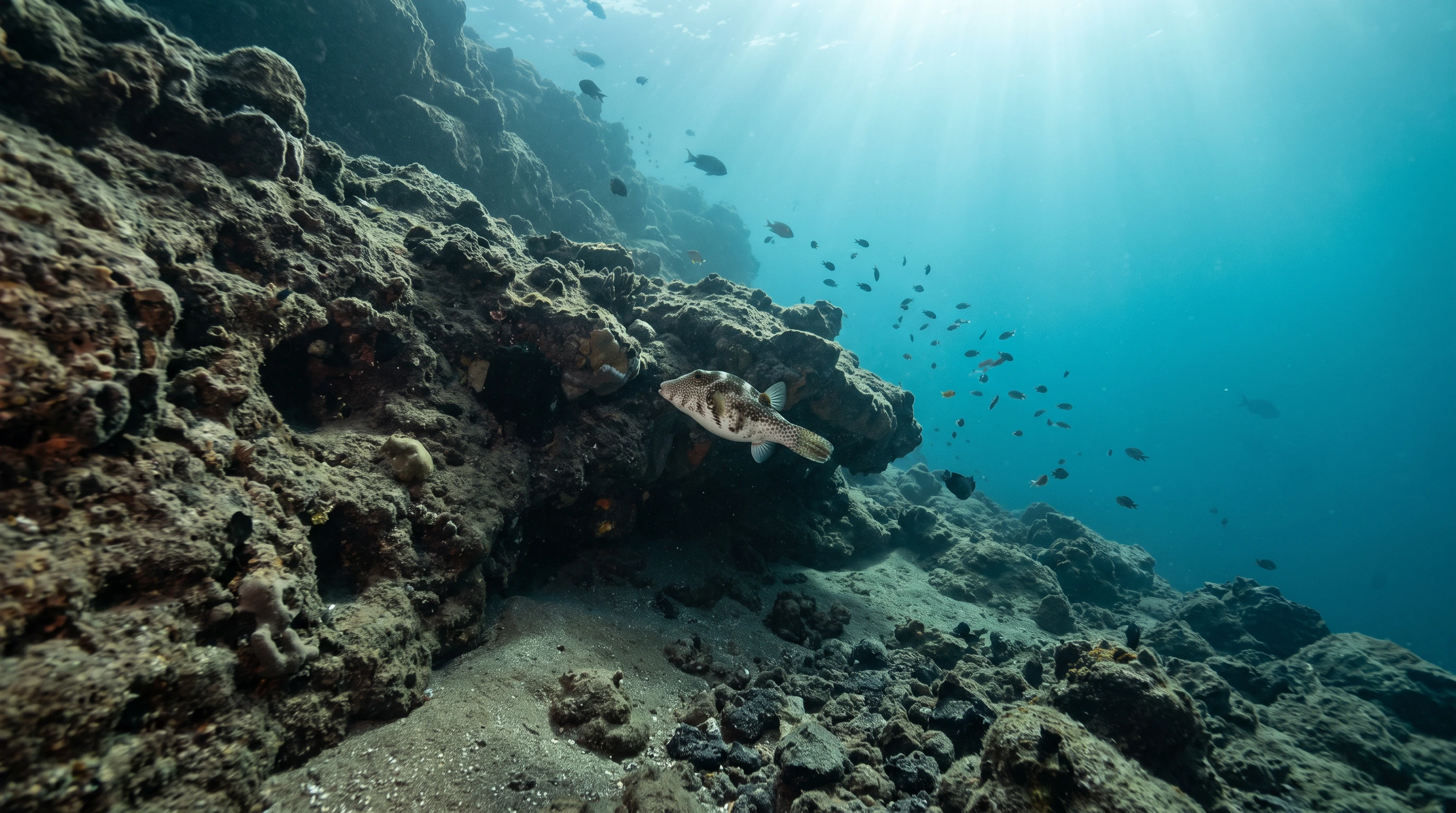
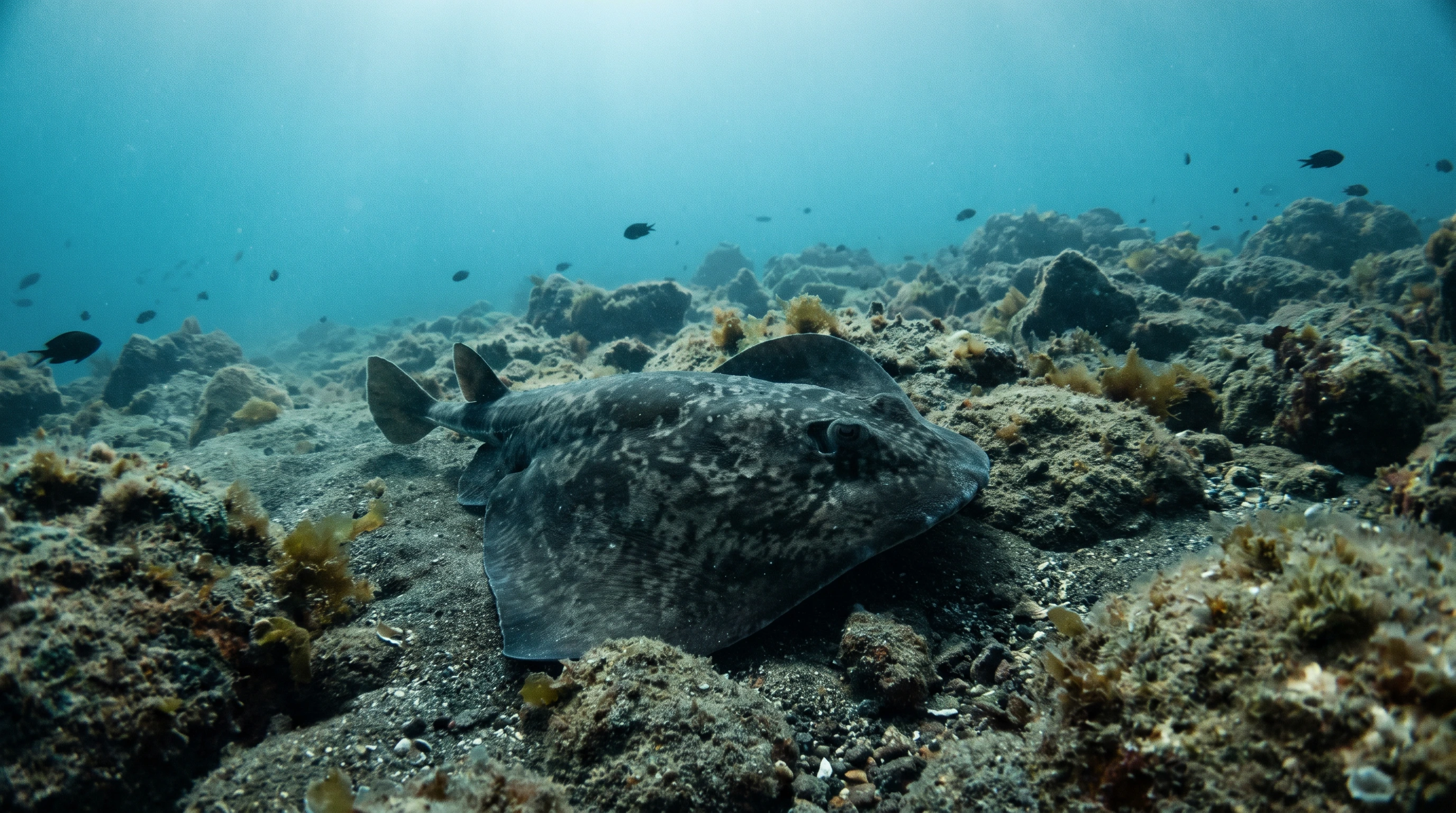
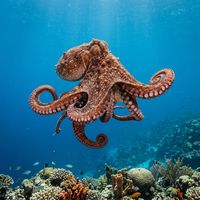
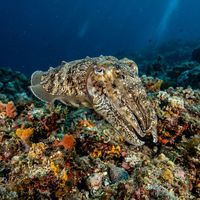
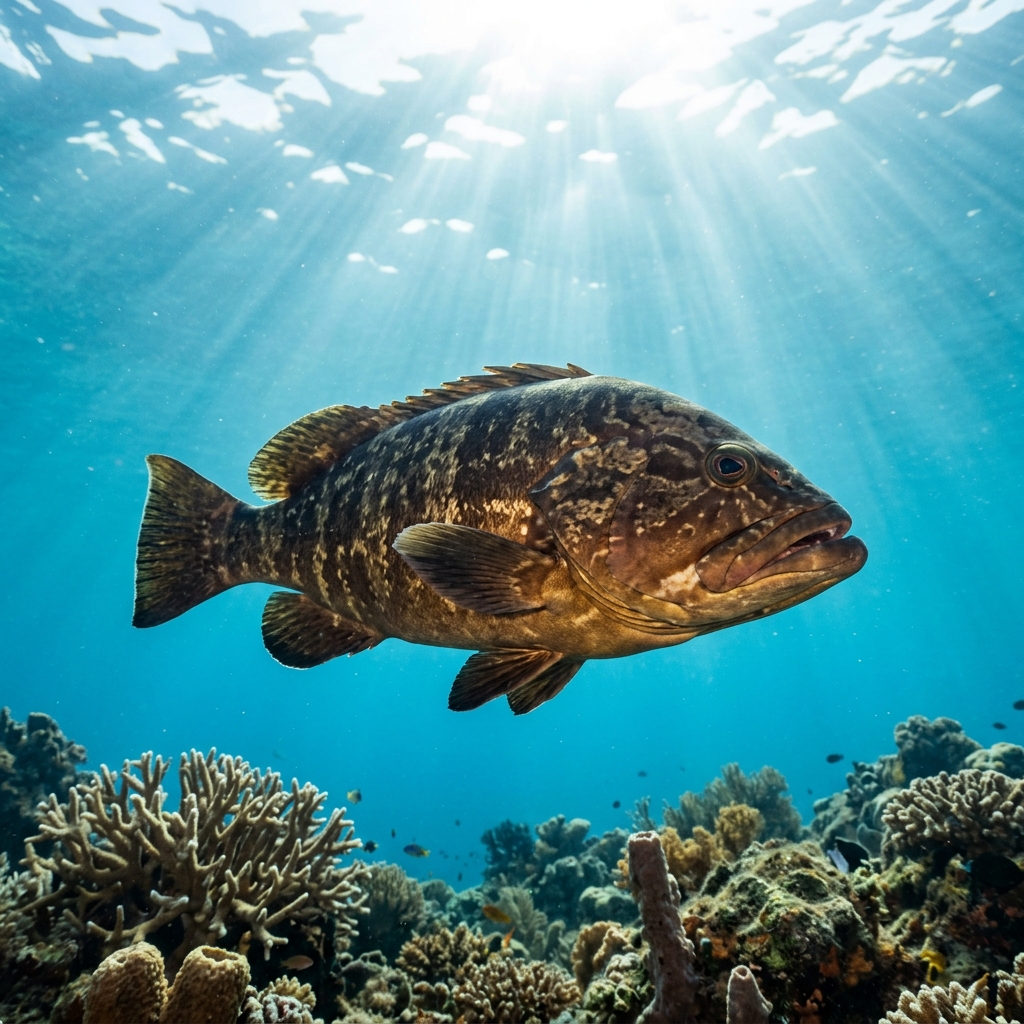
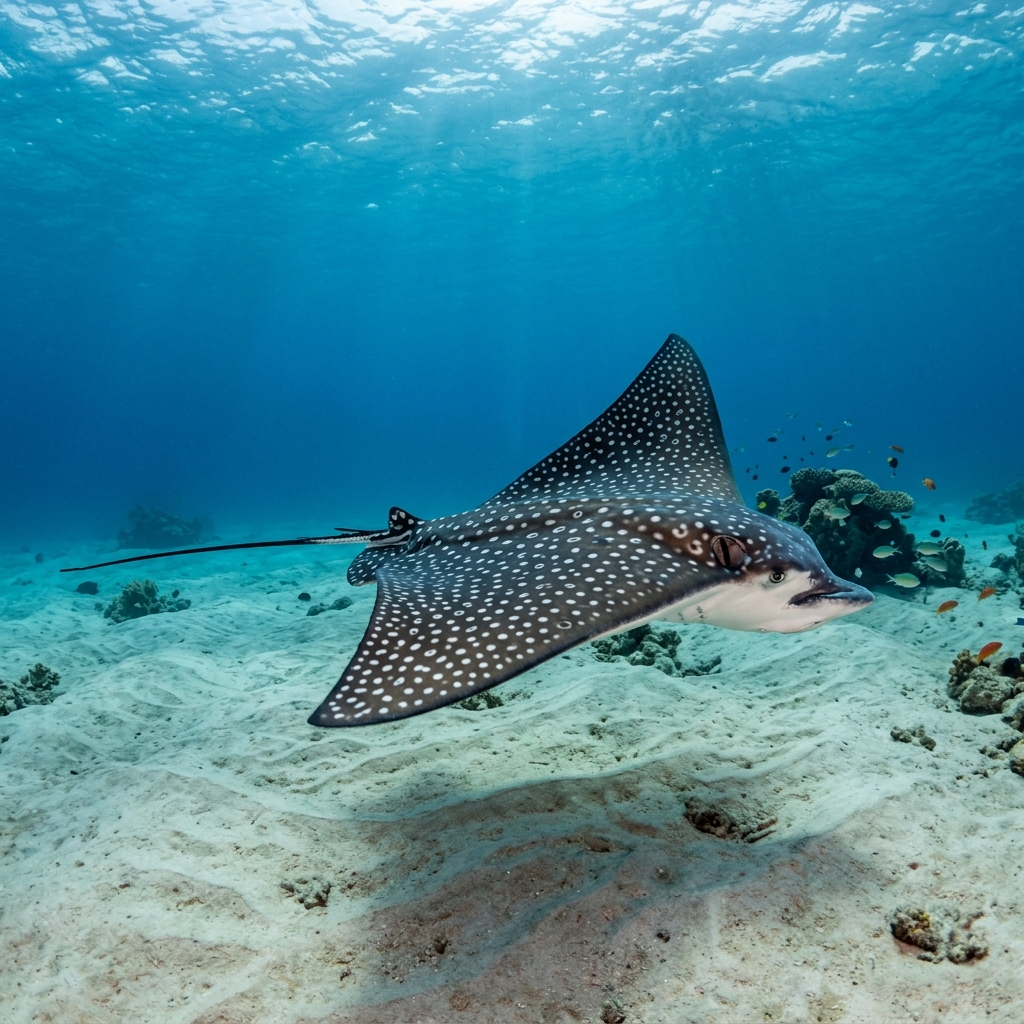
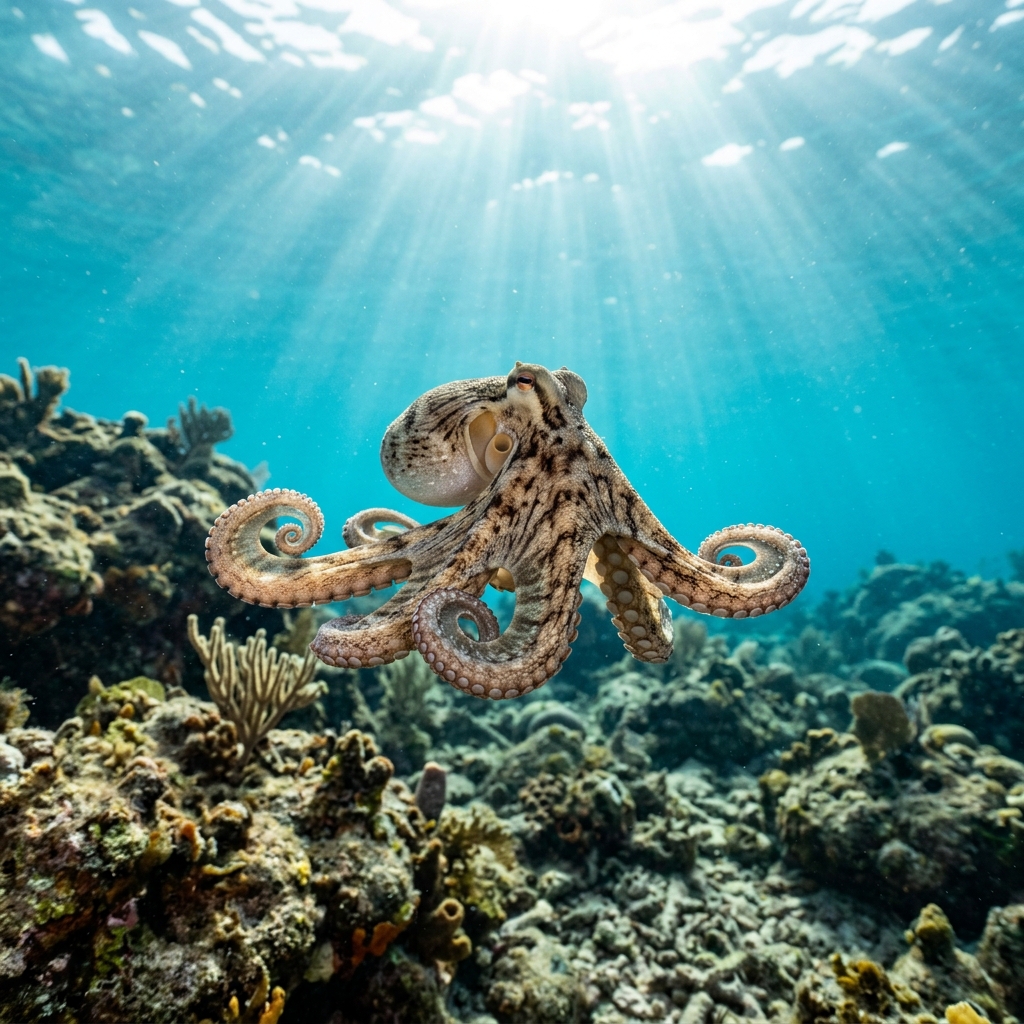
The European Common Cuttlefish and Common Octopus are observed across almost every site, making cephalopod encounters near-certain. Eagle Ray, Common Stingray, Round Fantail Stingray, and Marbled Electric Ray are all frequently recorded, as is the Dusky Grouper. Conger Eel, Scorpionfish, Great Barracuda, and Trumpetfish are also well-represented, and the Seahorse is listed among the region's signature species.
A good portion of the sites are rated for beginners, including Playa Chica, Black Beach, El Veril, and The Ramp, all accessible from shore. These sites offer shallow to moderate depths with varied terrain, making them well-suited to newly certified divers. Intermediate and advanced sites also exist, so more experienced divers will find plenty to progress to without leaving the area.
Both options are available. Sites such as Playa Chica, Black Beach, El Veril, and The Ramp are shore-accessible, while others like La Patera, El Champiñon, and Pecio Rabat require a boat. Several sites, including The Cathedral and Museo Atlántico, offer both entry types. The large number of local operators, including Manta Diving Lanzarote, Titan Blue Divers, and Mojo Dive, makes boat access straightforward to arrange.
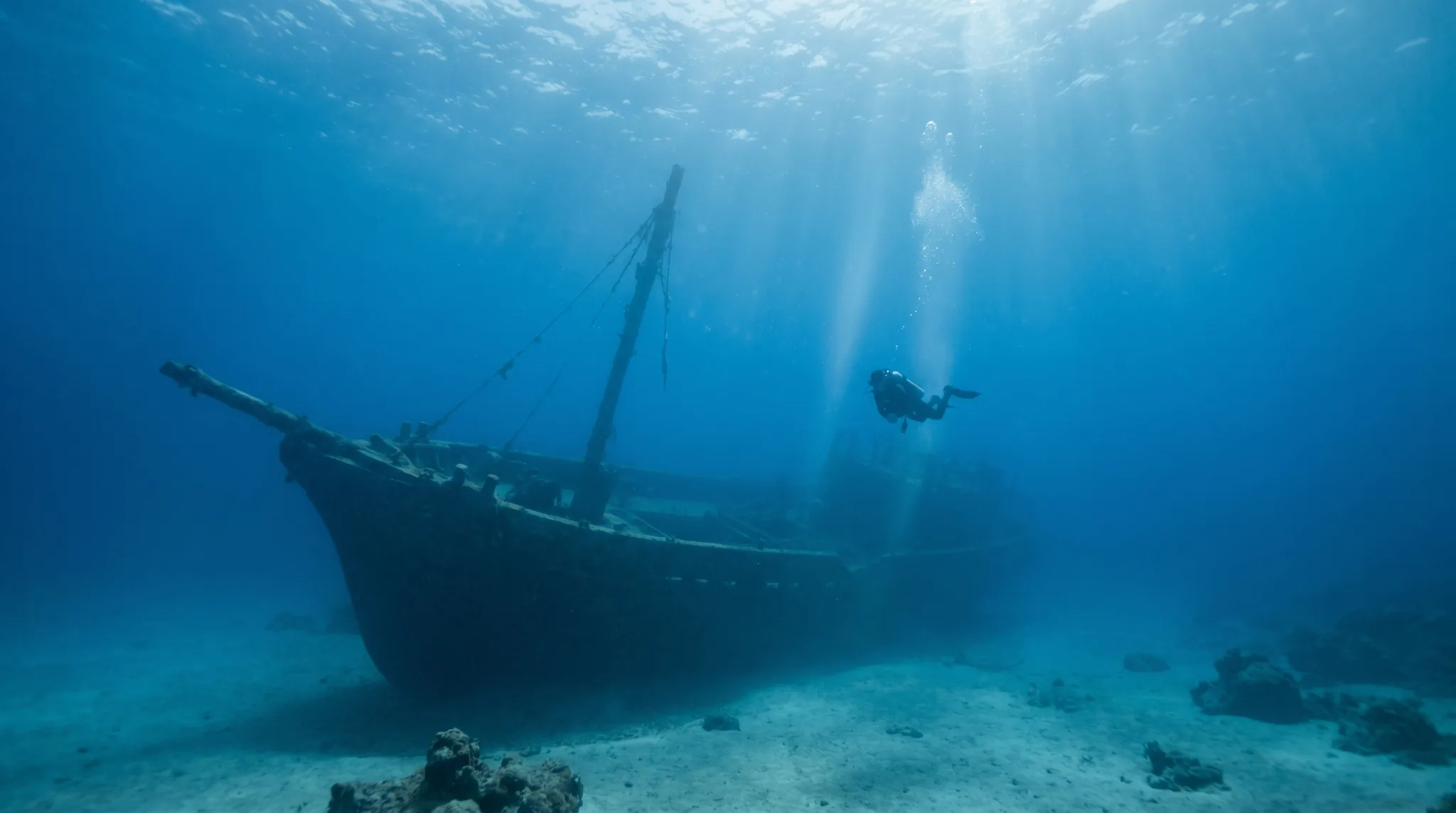
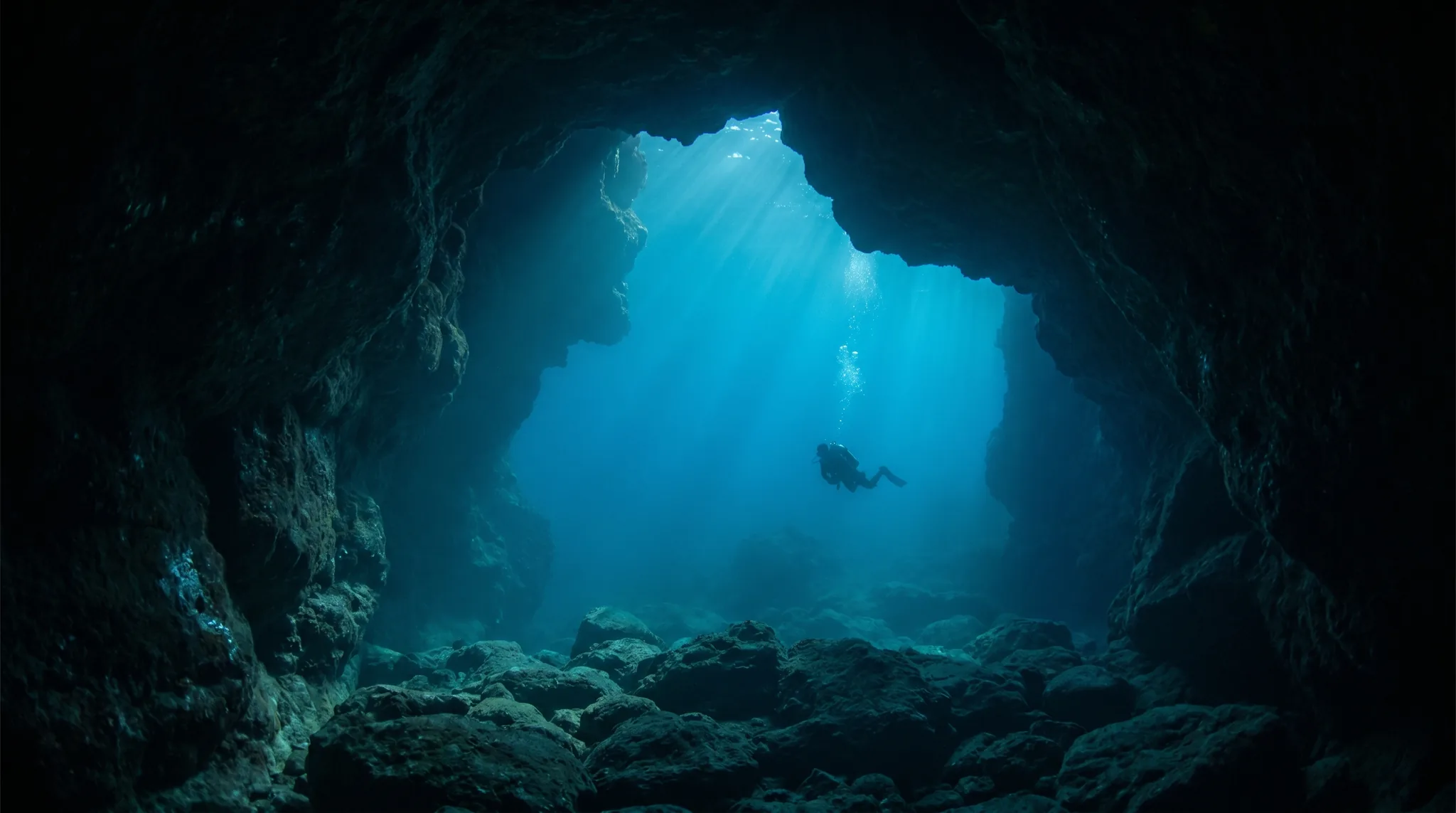
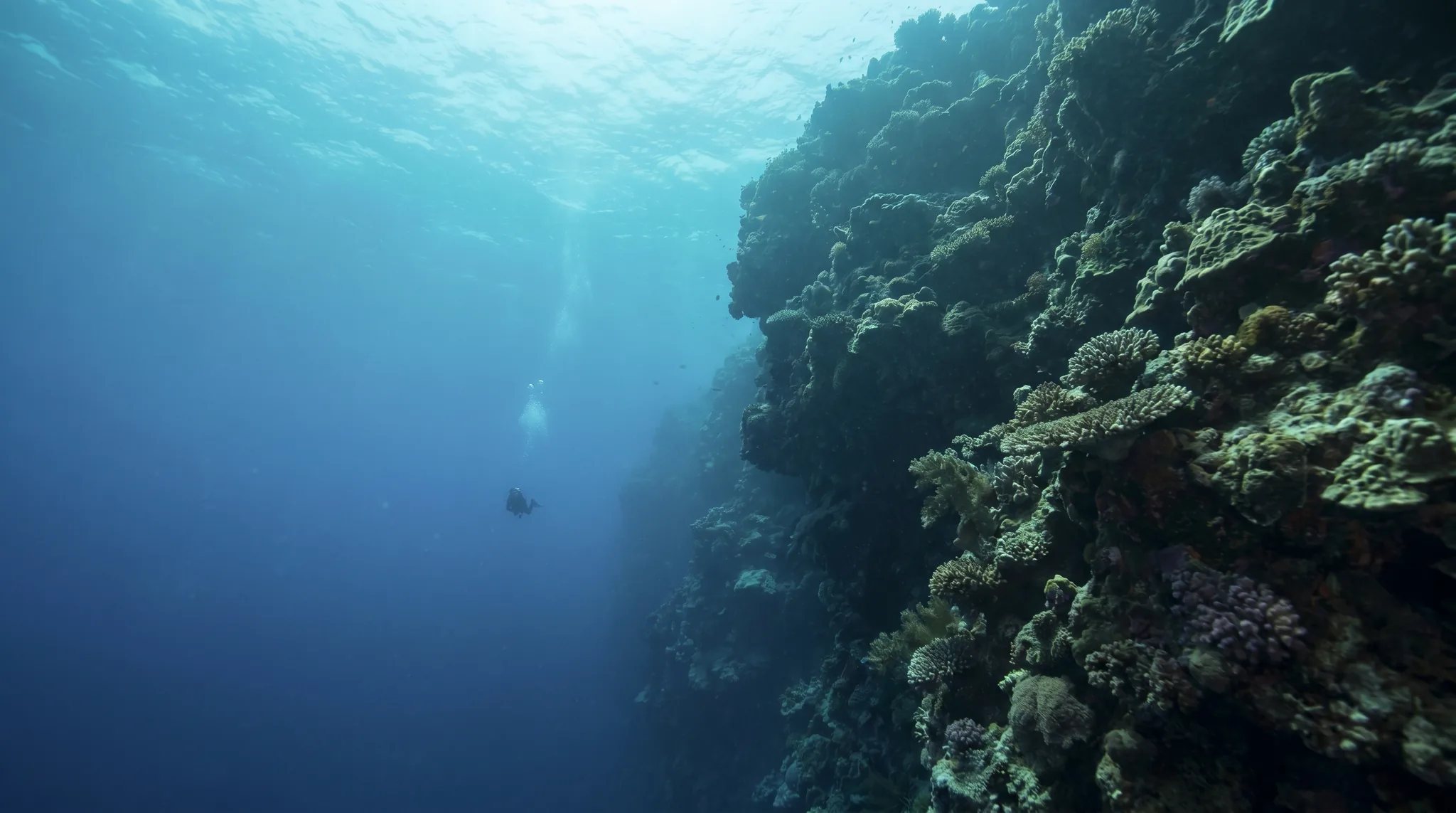
The site mix is unusually broad for a single resort area: wrecks, walls, caves, caverns, artificial reefs, and drift dives all appear within a compact zone. Museo Atlántico is a purpose-built underwater sculpture installation, which sets it apart from conventional reef diving. The Cathedral combines reef, wall, cave, and wreck features in one site, and Richies Reef adds canyons and arches for divers seeking more complex terrain.