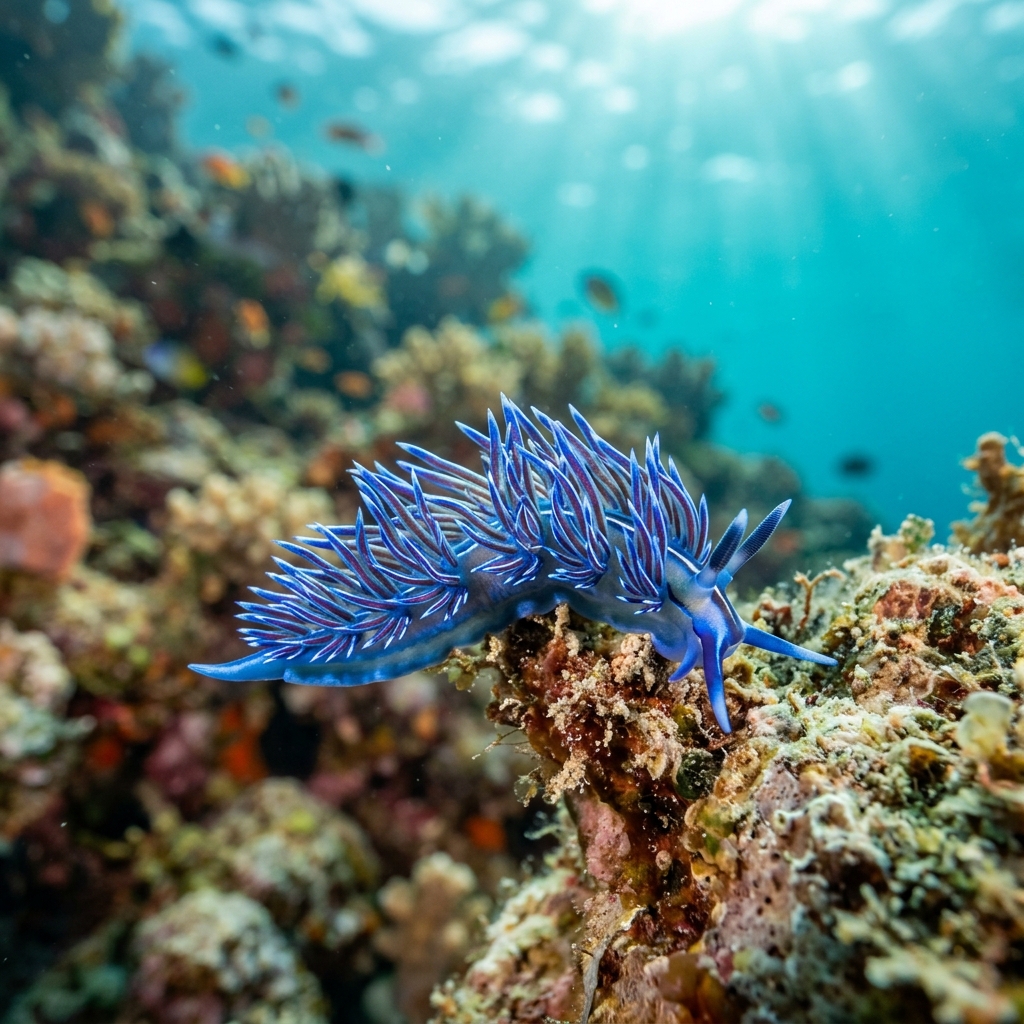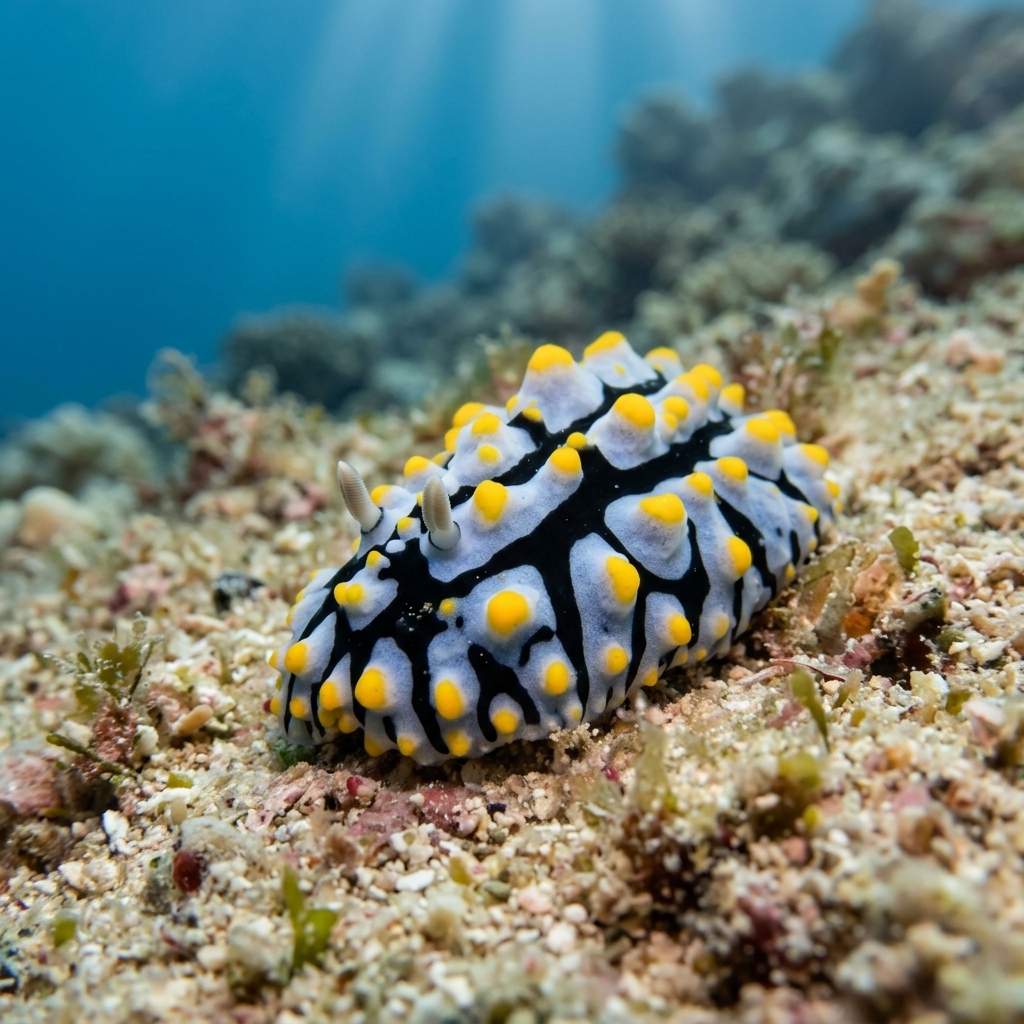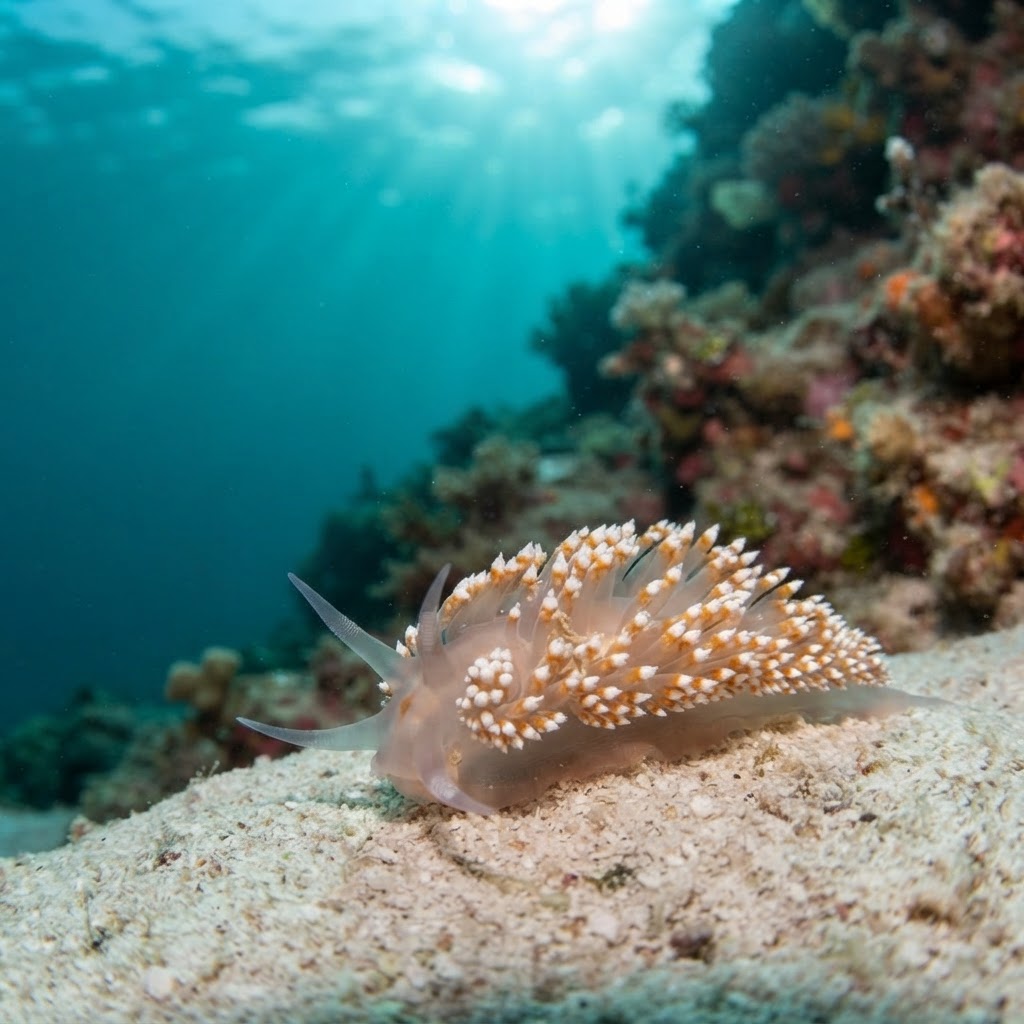
Coryphella verrucosa
A frilly white-and-orange nudibranch turning up in Bohuslan, Nova Scotia and Norway's cold, 6 to 12C waters year-round.
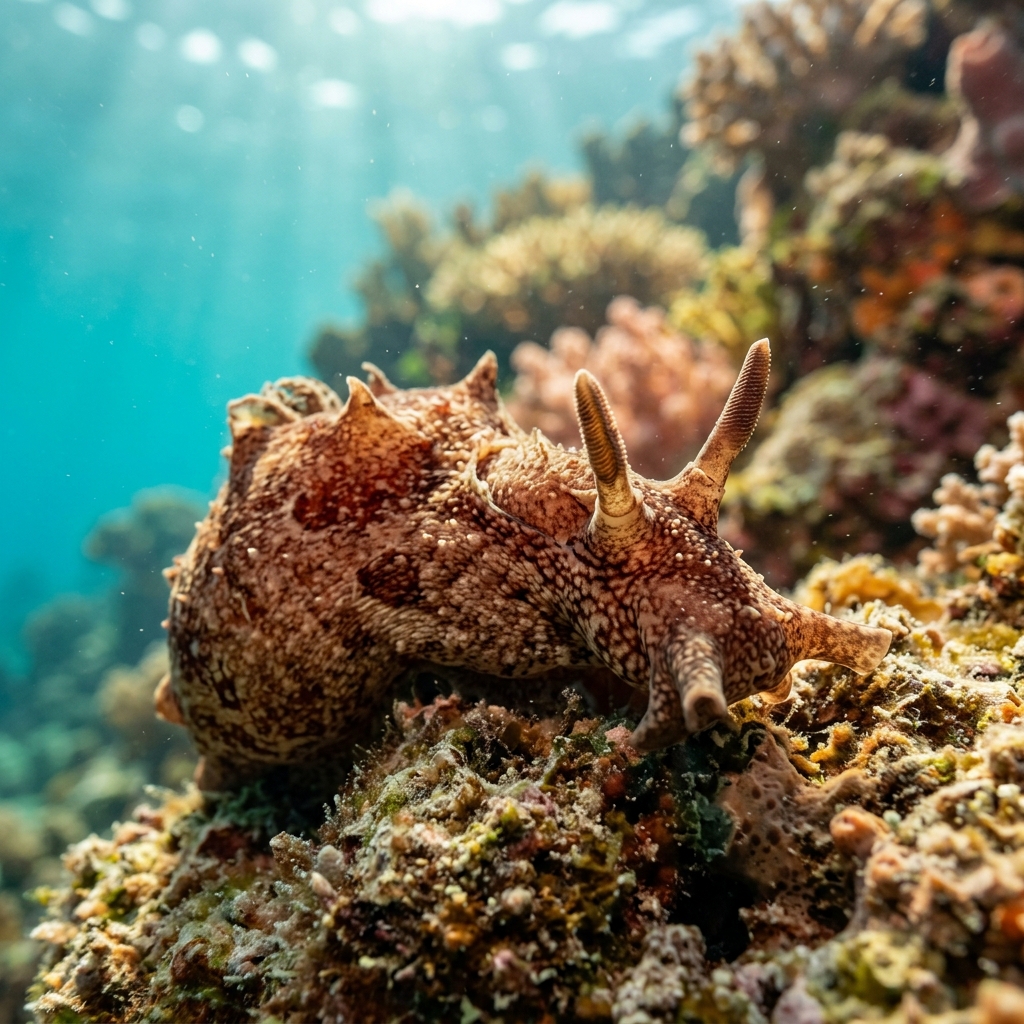
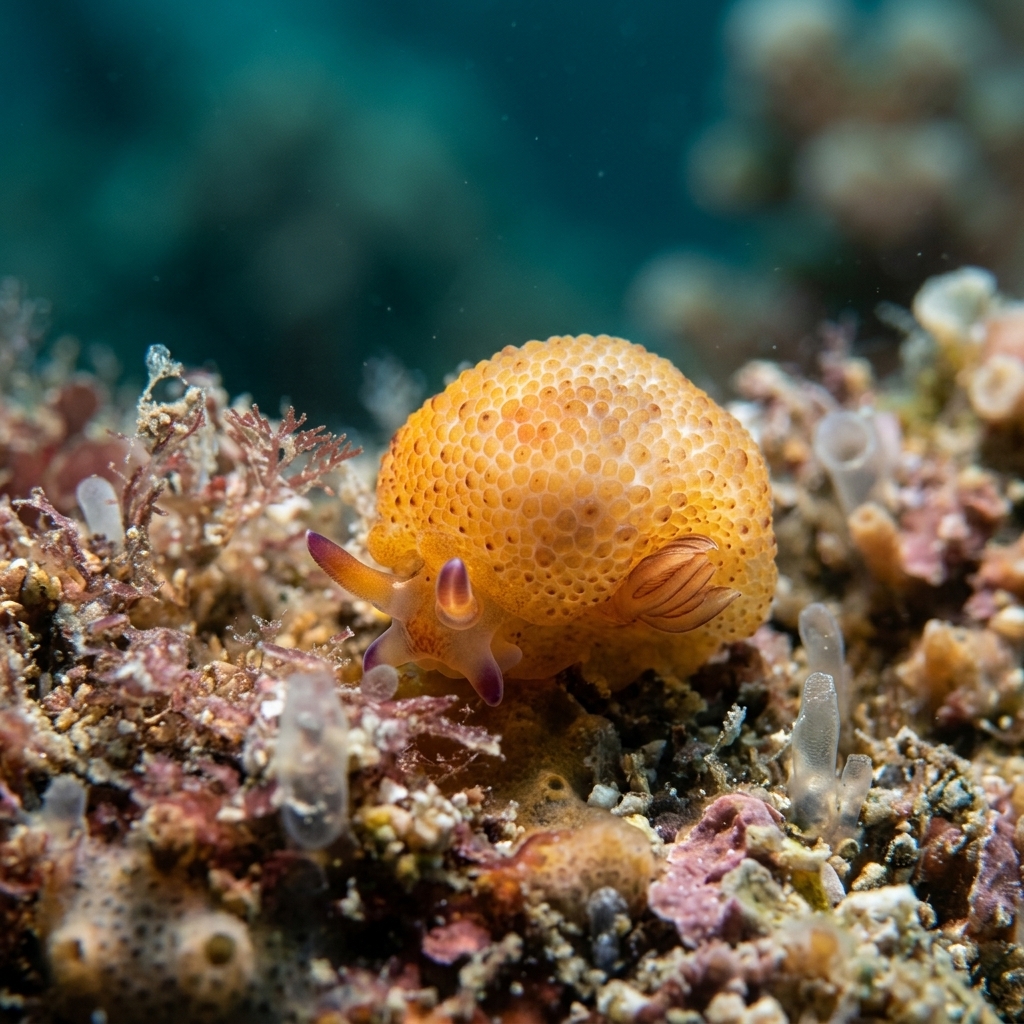
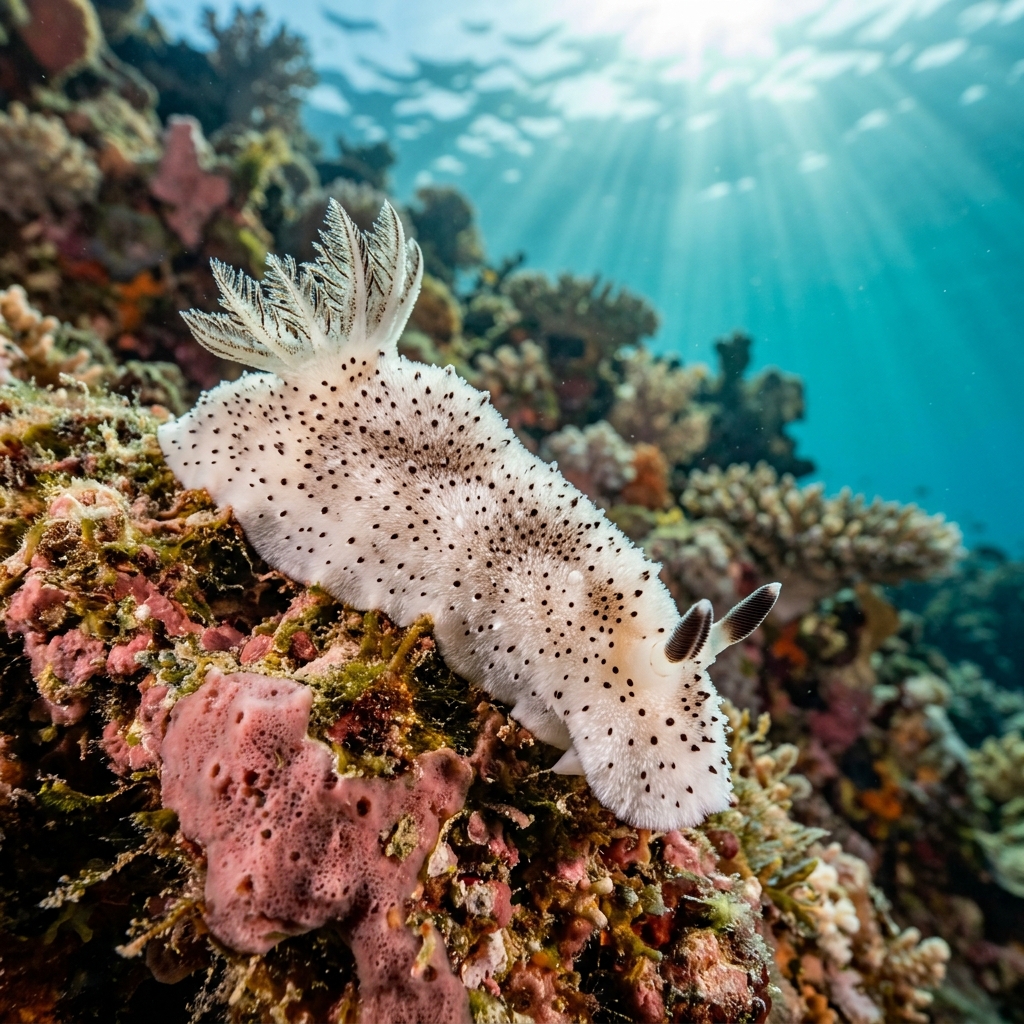
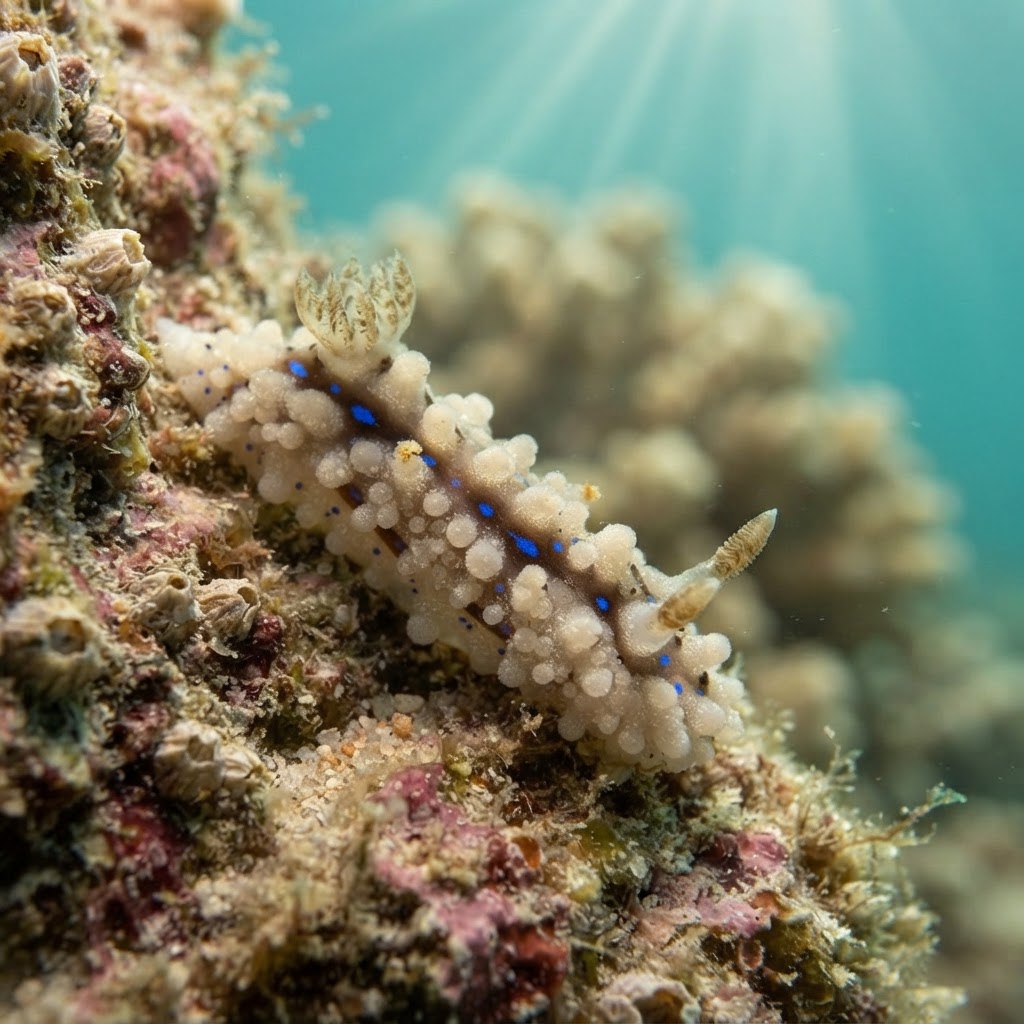
Small, slender-bodied sea slug covered in finger-like projections (cerata) along its back that carry a bright orange-red or pinkish tip over a translucent white body. Look for a pair of tentacle-like rhinophores on the head, often ringed or banded, which help separate it from plain-coloured slugs nearby. It moves slowly over rock and algae and rarely exceeds a few centimetres, so divers usually spot it by scanning close to the substrate rather than in open water.
Divers typically find it parked on rock, algae or hydroid growth, moving at a nudibranch's usual unhurried pace while grazing. It shows no reaction to divers beyond simple withdrawal if touched, and most logs describe it as an uncommon to rare find that rewards a slow, close look rather than mid-water scanning. Bring a torch and check kelp holdfasts and rocky crevices where it tends to sit still long enough for a photo.
Like other aeolid nudibranchs, it likely stores stinging cells from the hydroids it feeds on in the tips of its cerata, turning a meal into a passive defence against predators.
Sighting data shows no strong seasonal pattern, and its comfort range of roughly 6.4 to 12.4C matches the year-round conditions of the cold-water sites where it's found, so it can turn up on any dive in season for that region.
Most reliably logged in cold-water regions: Nova Scotia in Canada, Bohuslan in Sweden, and Ostlandet in Norway carry the bulk of sightings, with further records from the Northeast United States, Northern Ireland, and Jutland in Denmark. It's a species of temperate rock and kelp diving rather than tropical reefs, so look for it on cold-water sites across the North Atlantic and North Sea coasts.
Mapping where Red-fingered Coryphella is logged…
Cold-water sites are the best bet, especially Nova Scotia in Canada, Bohuslan in Sweden, and Ostlandet in Norway. It also turns up in the Northeast United States, Northern Ireland, and Jutland in Denmark.
There's no clear seasonal peak in the sighting data, and its 6.4 to 12.4C temperature niche matches these cold-water sites year-round, so any dive season at these regions works.
Look for a slender, pale to translucent body covered in orange-tipped cerata running down its back, with banded rhinophores on the head. It's small and slow-moving, usually found sitting on rock or algae rather than swimming.
Exact size data isn't confirmed, but like most Coryphella nudibranchs it's a small species, typically a few centimetres long, best spotted by looking closely at rock and algae rather than scanning open water.
It likely feeds on stinging hydroids and repurposes their stinging cells in the tips of its cerata as a passive defence, a trick common to aeolid nudibranchs.
No, it poses no threat to divers. It's a small, slow-moving nudibranch that simply withdraws if disturbed.
Site and sighting data is aggregated from diver logs, iNaturalist and GBIF. For taxonomy and conservation status:
Light-spotted Aegires
3,168 sites