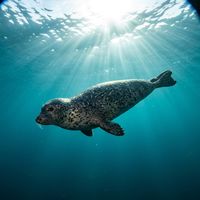
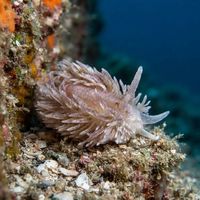
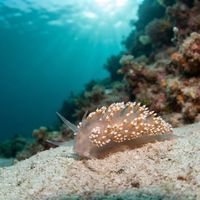
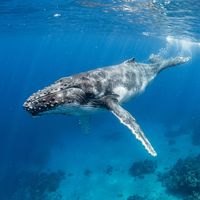
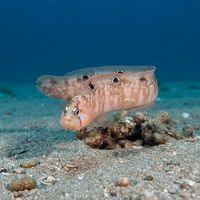
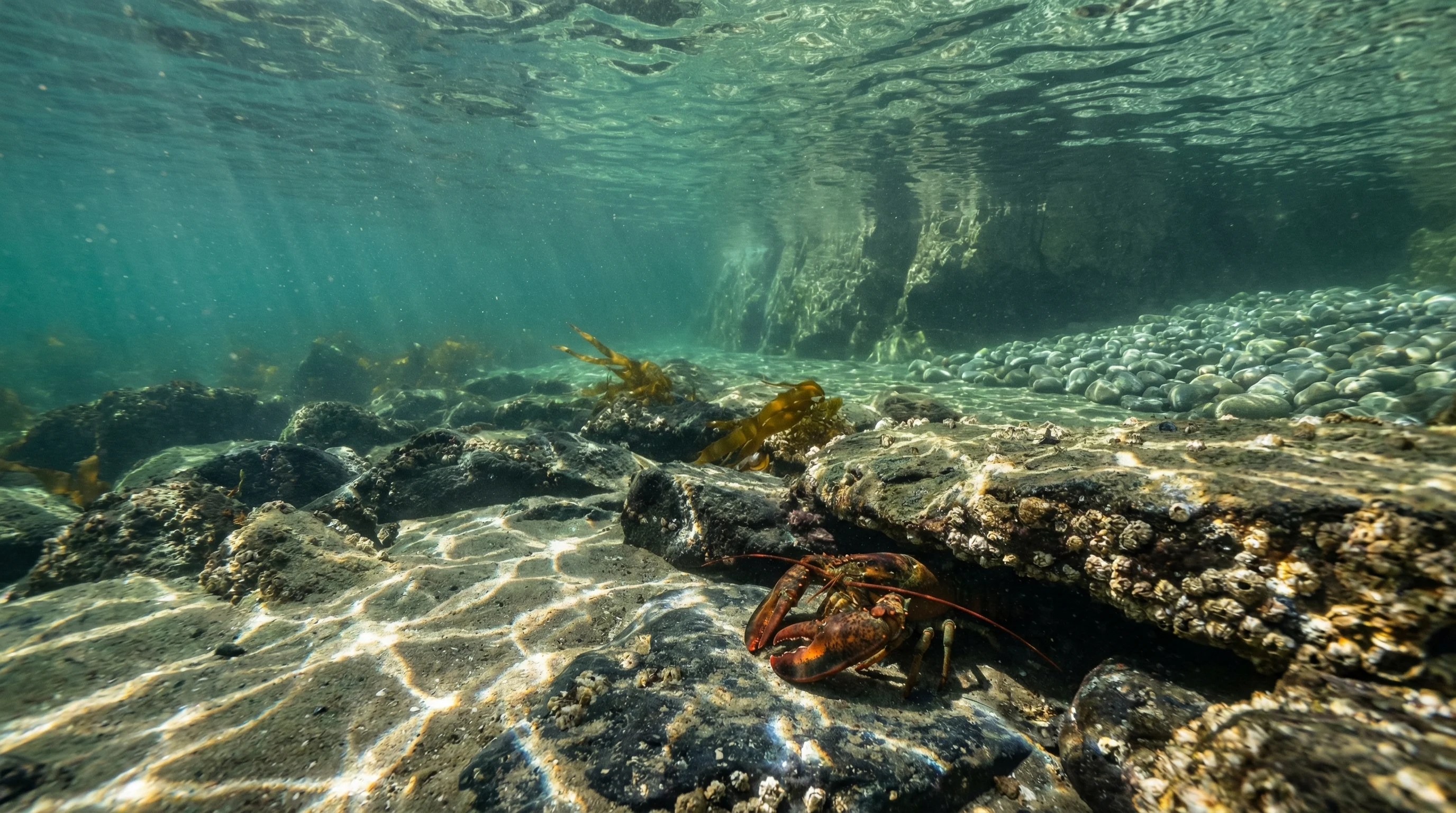
Les Escoumins and Bergeronnes offer cold-water diving and snorkelling shaped by strong tidal currents, dramatic drop-offs, and reef topography. The Lumpfish and Brittle Star are encountered across almost every site, while the Atlantic Wolffish, Gray Seal, and Harbor Seal draw divers seeking larger encounters. Nudibranch variety, including the Bushy-backed Nudibranch and Shag-rug Aeolis, rewards slower, more observational dives. Sites range from beginner-friendly shore entries to intermediate drift dives with real depth.
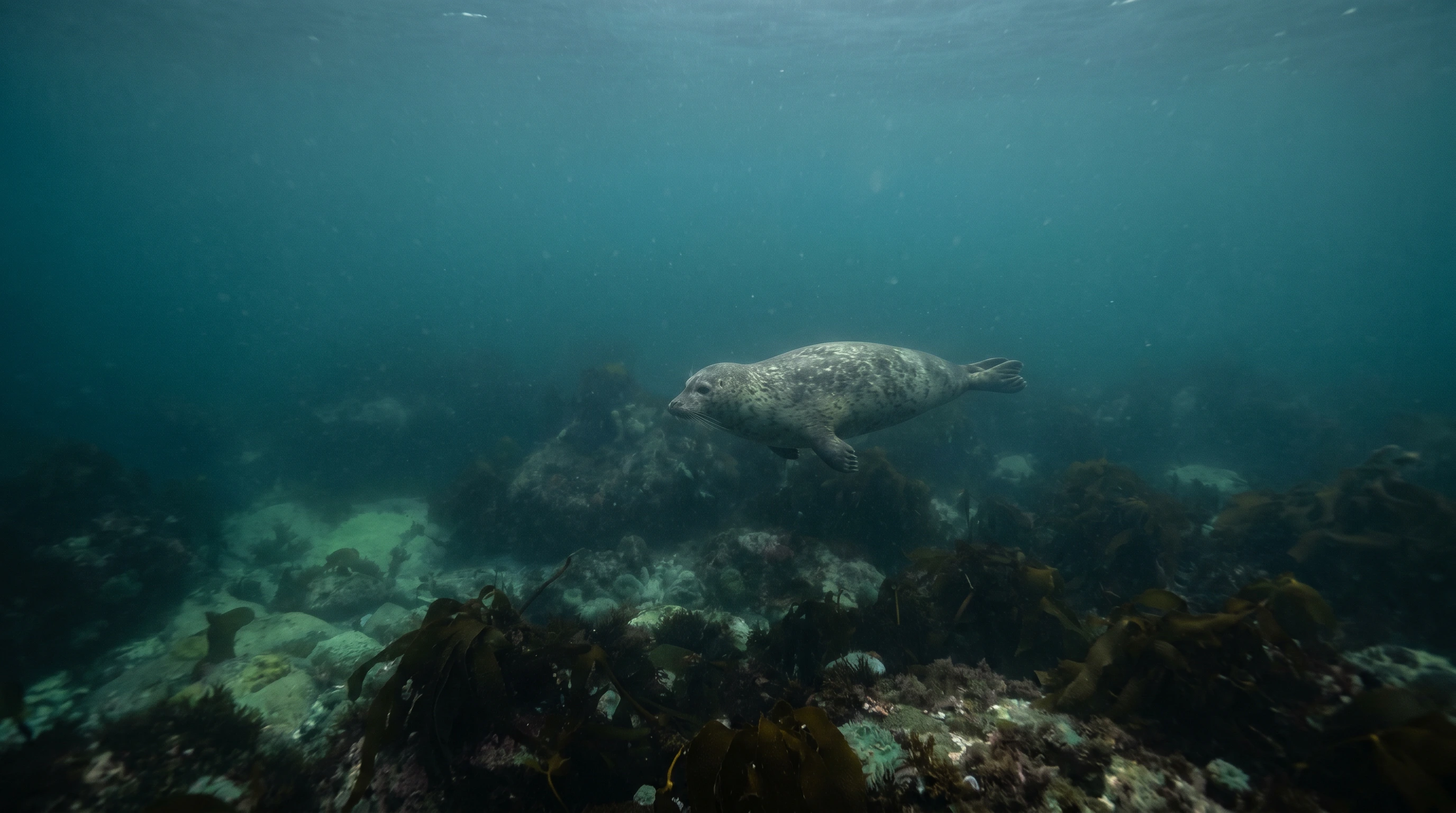
Monthly water temperature across Les Escoumins & Bergeronnes's sites, from satellite sea-surface data corrected for depth. The band shows the site-to-site spread.
Water temperatures rise from late spring through summer, peaking in July before easing off through autumn. October sits among the most popular months despite cooling water, often rewarding divers with strong visibility and reduced surface activity. A drysuit is essential for much of the season given consistently cold conditions throughout the year.
15 operators
Riviere-du-Loup, Canada
22 more sites to explore
Water temperature around Les Escoumins & Bergeronnes ranges from about 0°C in January to 11°C in July, based on satellite sea-temperature data for its dive sites.
With water around 0–11°C, a drysuit works in Les Escoumins & Bergeronnes year-round.
Fin maps 24 sites in Les Escoumins & Bergeronnes (15 scuba diving sites and 14 snorkelling spots, with some suited to both).
Across Les Escoumins & Bergeronnes's dive sites, June, August and October are most often reported as the best months to visit.
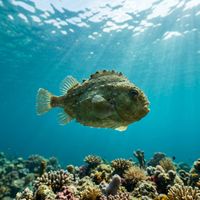
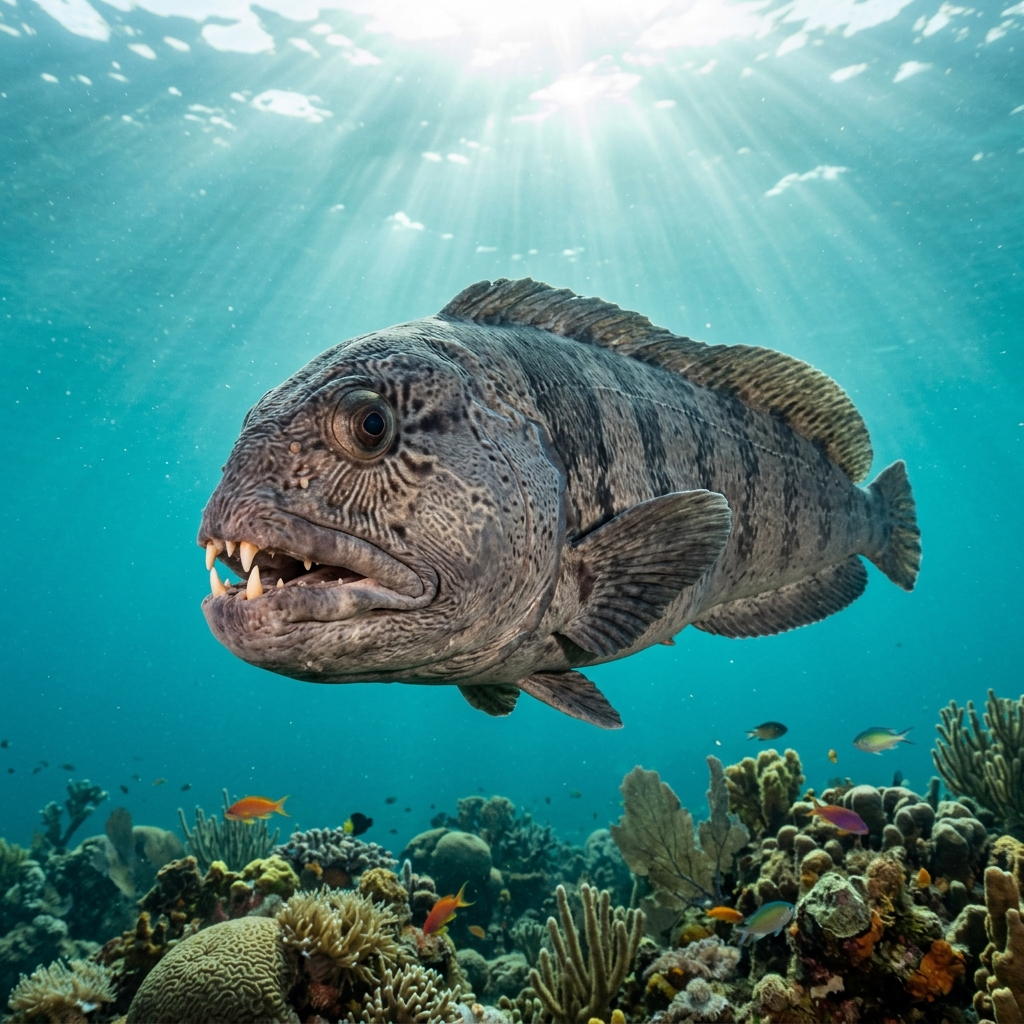
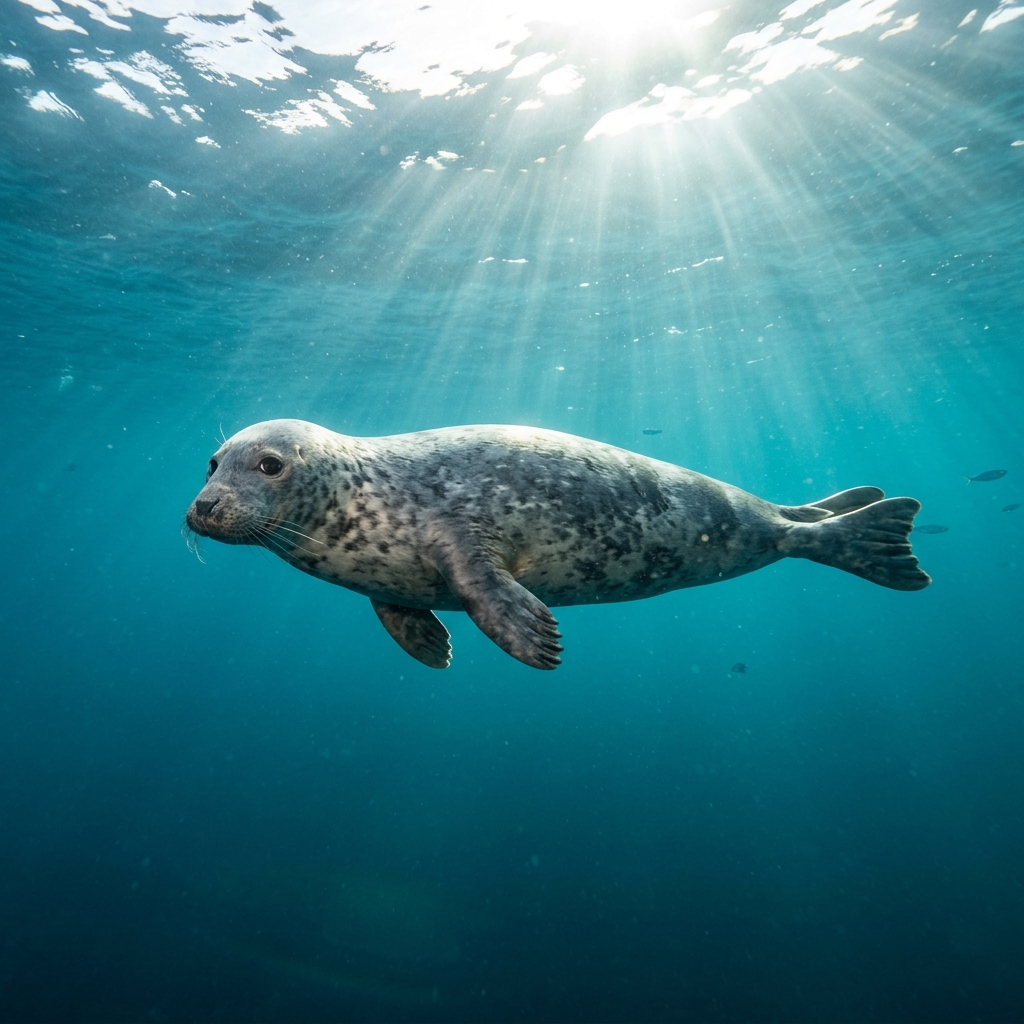
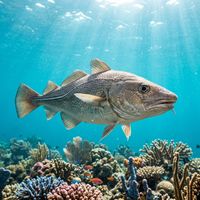
Lumpfish and Brittle Star appear across the vast majority of sites and are reliable sightings on almost any dive. Cod are commonly encountered, and with patience divers have observed Atlantic Wolffish, Harbor Seal, and Gray Seal. The area also has an impressive nudibranch community, with the Bushy-backed Nudibranch, Shag-rug Aeolis, and Coryphella Verrucosa all recorded here.
The site mix includes both beginner and intermediate options, so newer divers are not excluded. Baie des anémones, for example, is rated for beginners and offers reef, wall, and drift topography all from a shore entry. Intermediate sites such as Crique Ouest involve drop-offs and mild currents, so divers should match their choice of site to their experience with moving water.
Shore entry is the standard approach for the top sites in this region, which keeps logistics relatively straightforward. A number of local operators, including Base de plongée Les Escoumins, Immersion Côte-Nord, and the Centre de plongée du CDMM, can assist with equipment, guiding, and local knowledge. Several accommodation providers such as Manoir Bellevue and Auberge de la Baie also cater specifically to visiting divers.
Tidal currents are a defining feature of this region and shape the character of many sites. Drift diving is possible at several locations, and the current brings nutrients that support the rich invertebrate life found here. Snorkellers and less experienced divers should plan entries around the tidal cycle and seek local advice from operators familiar with conditions on the day.