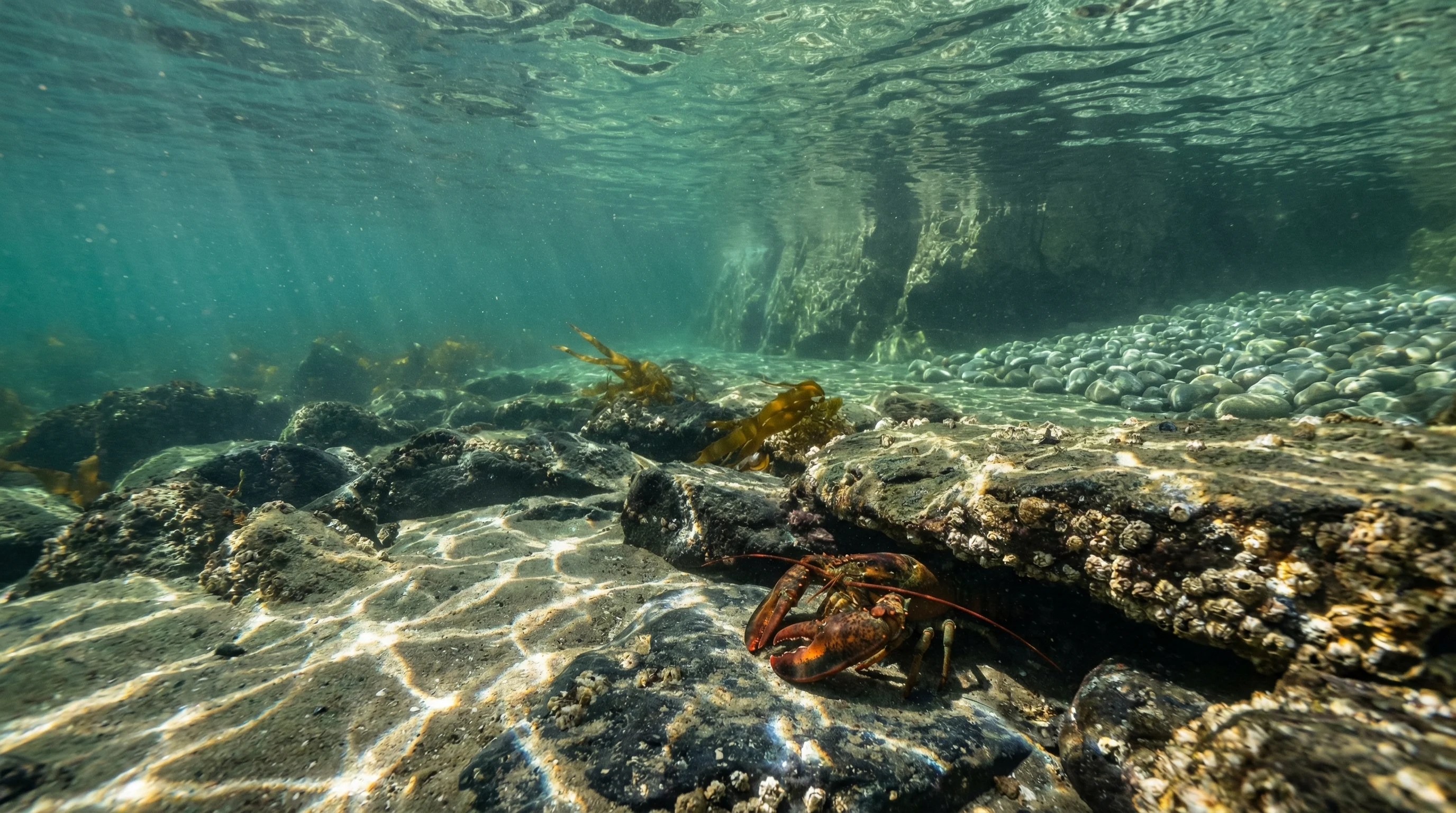
Charlevoix offers cold-water snorkelling along the St. Lawrence Estuary, where observation-backed encounters include Temperate Bass, Humpback Whale, Sea Star, Sea Urchin, Brook Charr, Rainbow Trout, and Snail. Sites skew heavily toward snorkelling, with calm entry points suited to a range of experience levels. Water reaches its warmest through July and August, making summer the natural window for comfortable exploration. Operators include community harbours, ecological centres, and salmon conservation bodies, reflecting the diversity of the waterways here.
Monthly water temperature across Charlevoix's sites, from satellite sea-surface data corrected for depth. The band shows the site-to-site spread.
3 operators
22 more sites to explore
Water temperature around Charlevoix ranges from about 0°C in February to 11°C in July, based on satellite sea-temperature data for its dive sites.
With water around 0–11°C, a drysuit works in Charlevoix year-round.
Fin maps 22 sites in Charlevoix (5 scuba diving sites and 18 snorkelling spots, with some suited to both).
Across Charlevoix's dive sites, June, July, August and September are most often reported as the best months to visit.
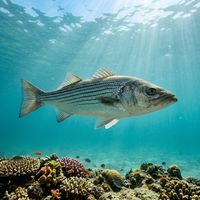
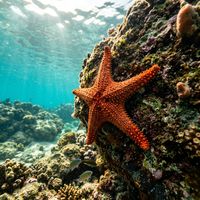
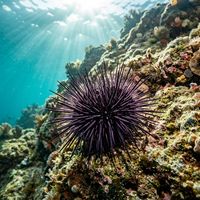
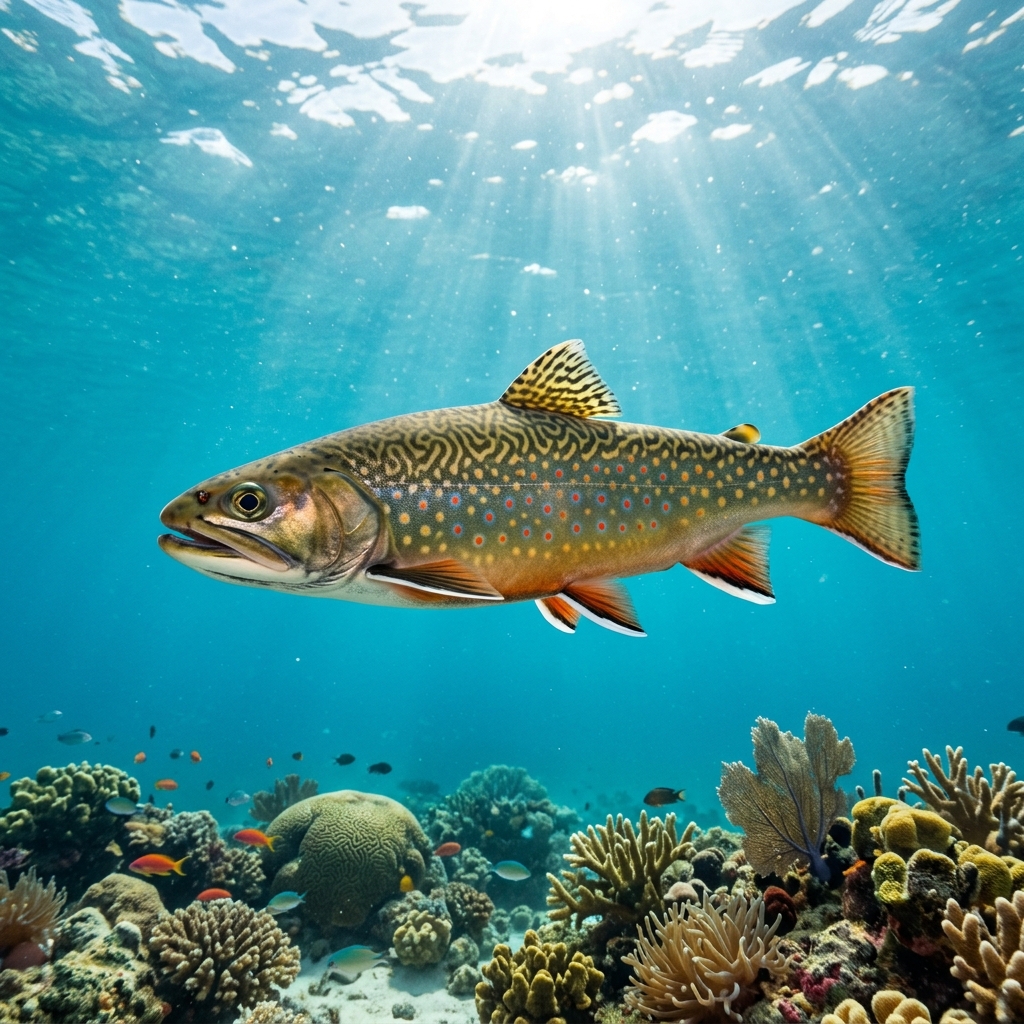
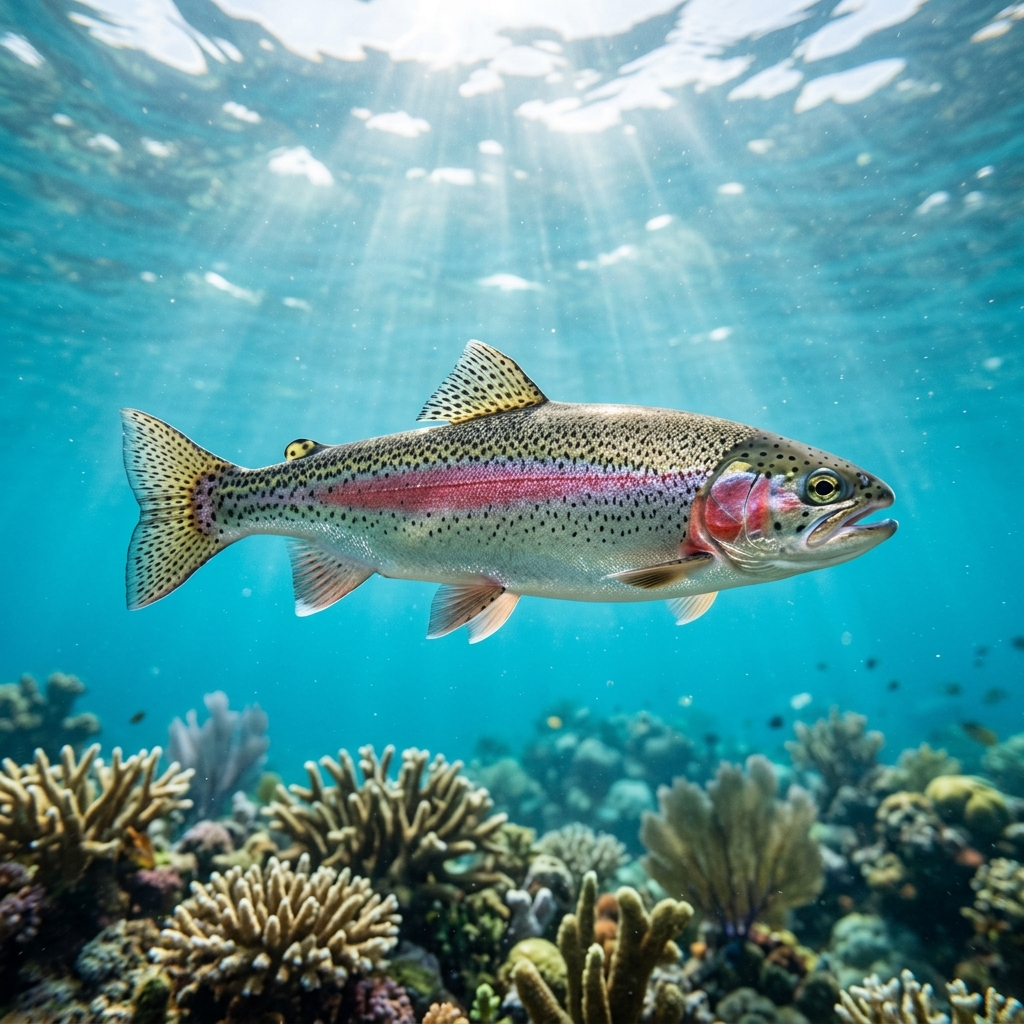
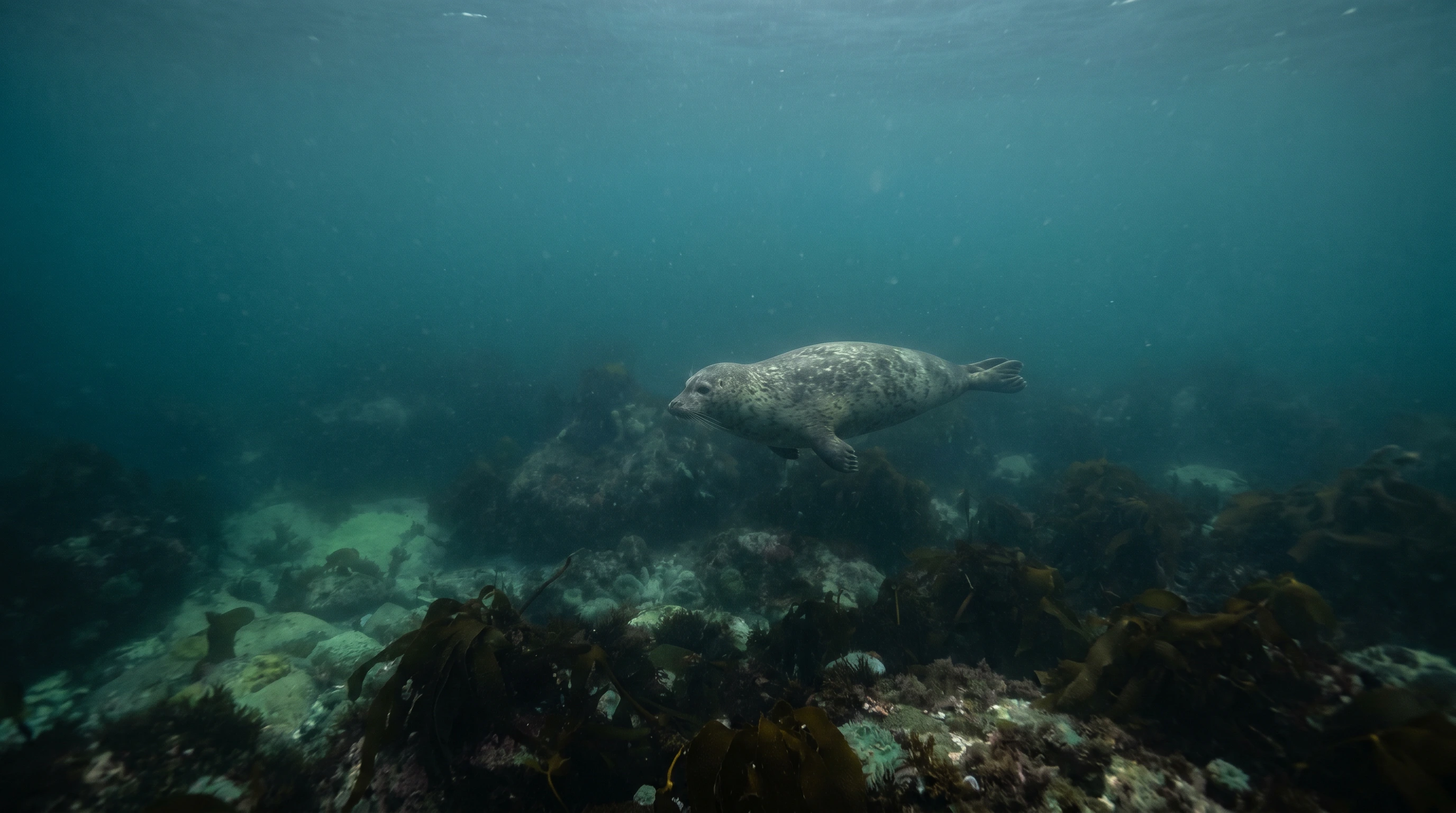
Observation-backed species include Temperate Bass, which appears across nearly all sites, along with Humpback Whale, Sea Star, Sea Urchin, Brook Charr, Rainbow Trout, and Snail. Temperate Bass is by far the most consistently reported species. Wildlife encounters vary by site type, so river mouths and sheltered bays tend to offer different species mixes.
The region has a large number of snorkel-only sites, many of which are calm and accessible from shore. Operators such as Centre écologique de Port-au-Saumon (CÉPAS) and Parc municipal de la Baie des Rochers provide structured access points that suit less experienced snorkellers. Water temperatures are cold year-round, so a good wetsuit is important regardless of skill level.
Access is largely shore-based, with community harbours, municipal parks, and ecological centres all operating as entry points. Named operators include Port de Refuge de Cap-à-l'Aigle, Municipalité de Saint-Irénée, and Club nautique de Rivière-du-Loup, covering a spread of locations across the region. This variety means most sites are reachable without a boat.
The operator mix in Charlevoix is notably varied, ranging from a salmon conservation body (Corporation du saumon de la Rivière Malbaie) to a community ecological centre (Centre écologique de Port-au-Saumon) and several harbour and municipal park authorities. This reflects the region's mix of freshwater river, bay, and estuary environments rather than a single coastal strip.