Entry Island offers a mix of reef, kelp forest, and shallow rocky terrain that rewards both divers and snorkellers. The water runs cold for much of the year, warming noticeably through summer to make July and August the most comfortable months. Observation-backed species include Feather Star and Sponge across most sites, with Atlantic Wolffish, Sea Star, Sea Anemone, and Crab also recorded. Neils Harbour provides a representative shore-entry experience suitable for intermediate divers.
Monthly water temperature across Entry Island's sites, from satellite sea-surface data corrected for depth. The band shows the site-to-site spread.
Water temperatures sit near freezing in winter and early spring before climbing through summer to a warm peak in August, then dropping steadily into autumn. The most comfortable diving window runs from late spring through early autumn, when conditions are at their most accessible. Visibility varies and can be moderate, so divers should plan accordingly.
2 operators
16 more sites to explore
Water temperature around Entry Island ranges from about -1°C in February to 19°C in August, based on satellite sea-temperature data for its dive sites.
In the warm season (about 19°C) a 5mm suit is comfortable in Entry Island; in the coldest months (about -1°C) step up to a drysuit.
Fin maps 17 sites in Entry Island (7 scuba diving sites and 10 snorkelling spots).
Across Entry Island's dive sites, June, July, August and September are most often reported as the best months to visit.
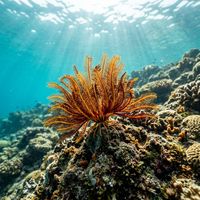
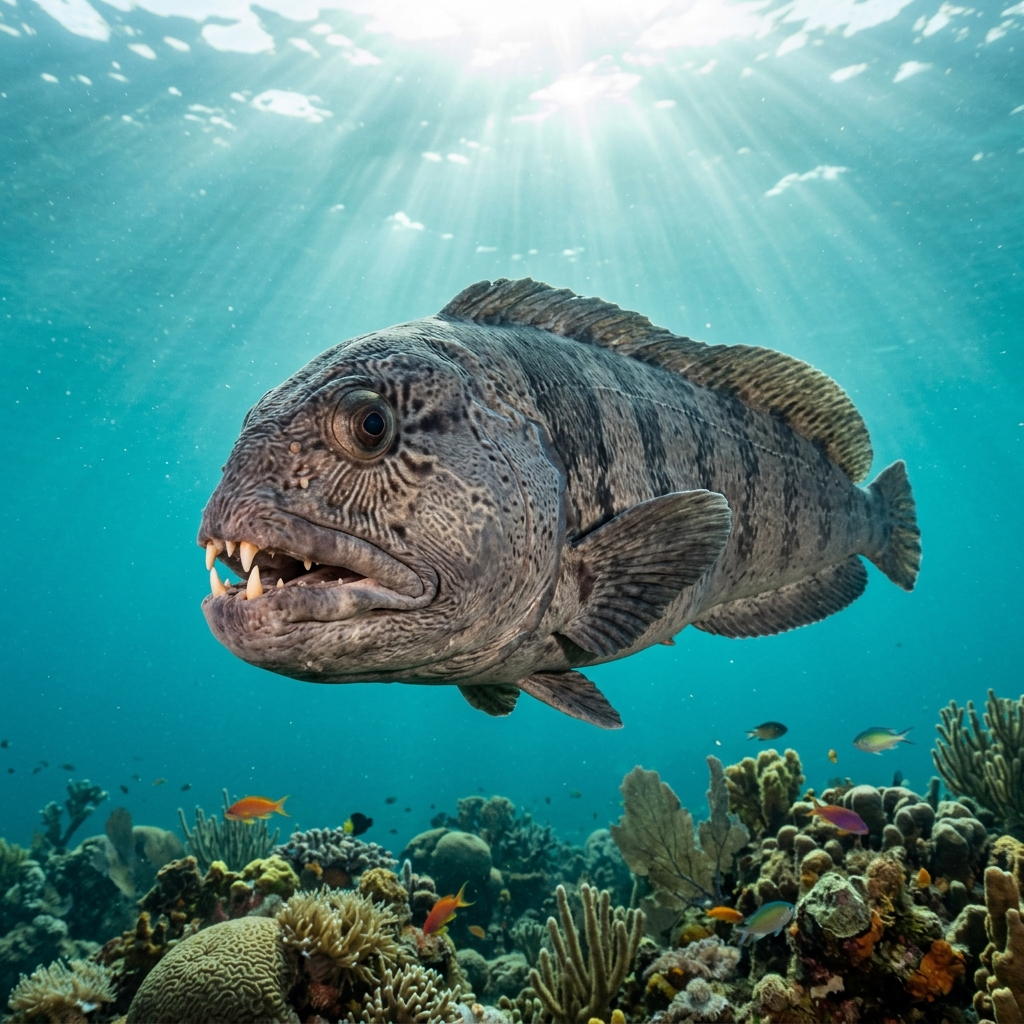
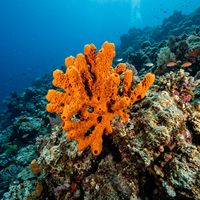
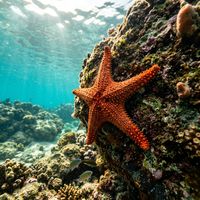
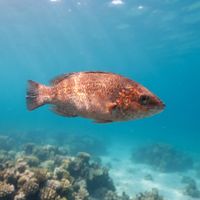
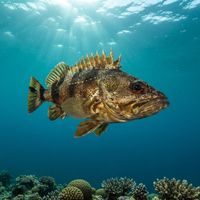
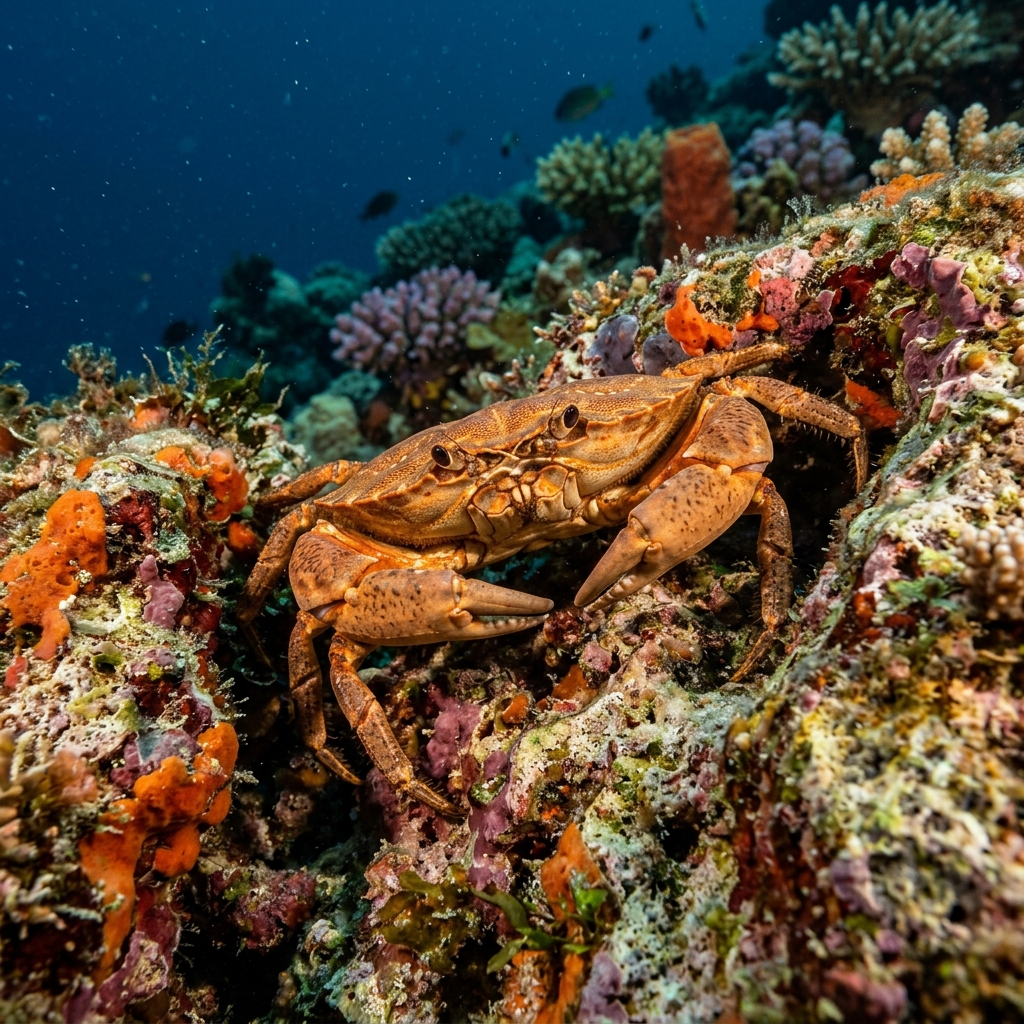
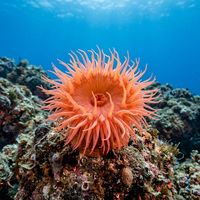
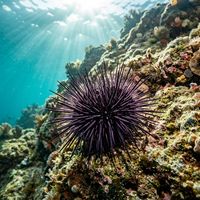
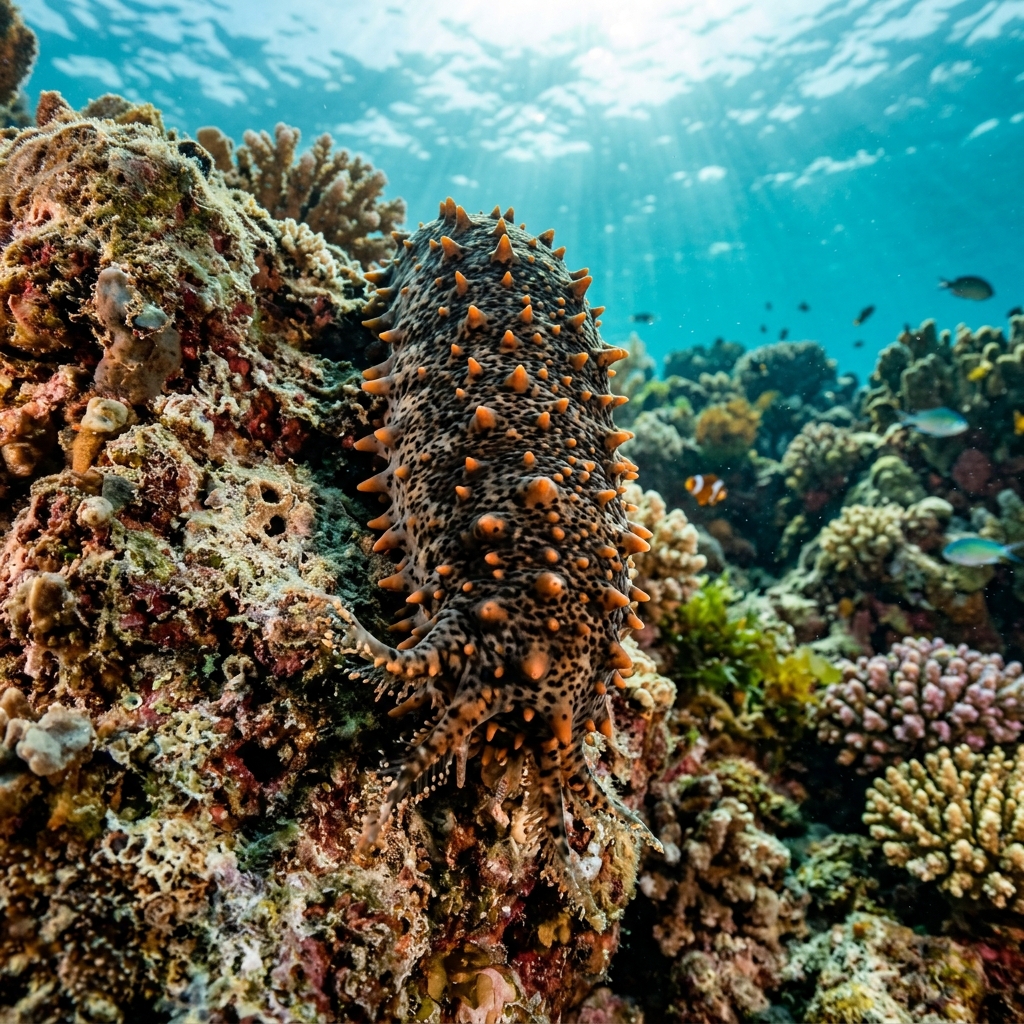
Observation-backed species include Feather Star and Sponge, which appear across the majority of sites. Atlantic Wolffish, Sea Star, Sea Anemone, Crab, Sea Urchin, Cunner, and Ocean Perch have all been recorded here as well. The reef and kelp forest habitats support a varied range of cold-water invertebrates and fish.
The dive site data for Entry Island currently reflects intermediate skill levels, as seen at Neils Harbour. Beginners may find the cold water and variable visibility challenging without prior cold-water experience. Operators such as Académie de plongée sous-marine du Québec can advise on site suitability for different experience levels.
Shore entry is available at sites such as Neils Harbour, making independent access straightforward for those with their own equipment. Local operators including Excursions en mer and Corporation du Parc de Gros-Cap offer guided options. Checking with operators before your visit is a good way to confirm current conditions and logistics.
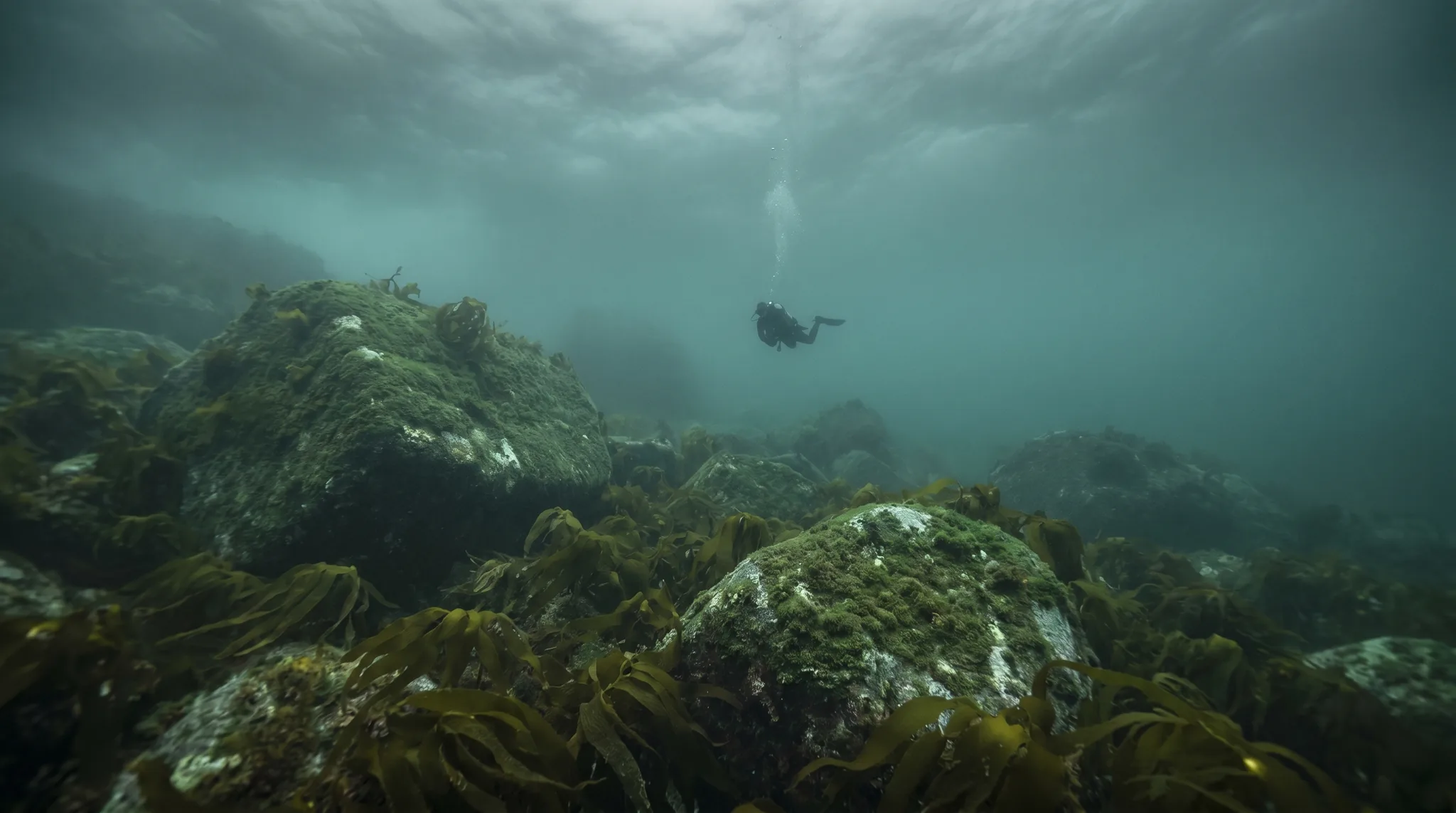
Entry Island sites feature reef and kelp forest environments, providing varied underwater scenery within a relatively compact area. The kelp forest at Neils Harbour in particular offers a distinctive cold-water habitat quite different from tropical reef diving. Shallow sections are well suited to snorkelling, while deeper reef zones cater to intermediate divers.