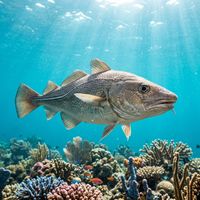
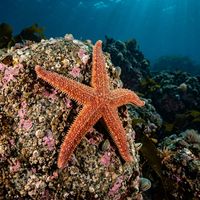
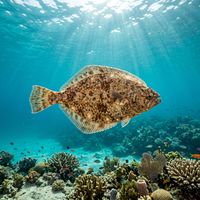
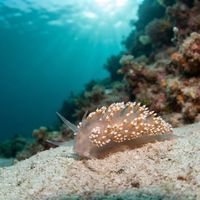
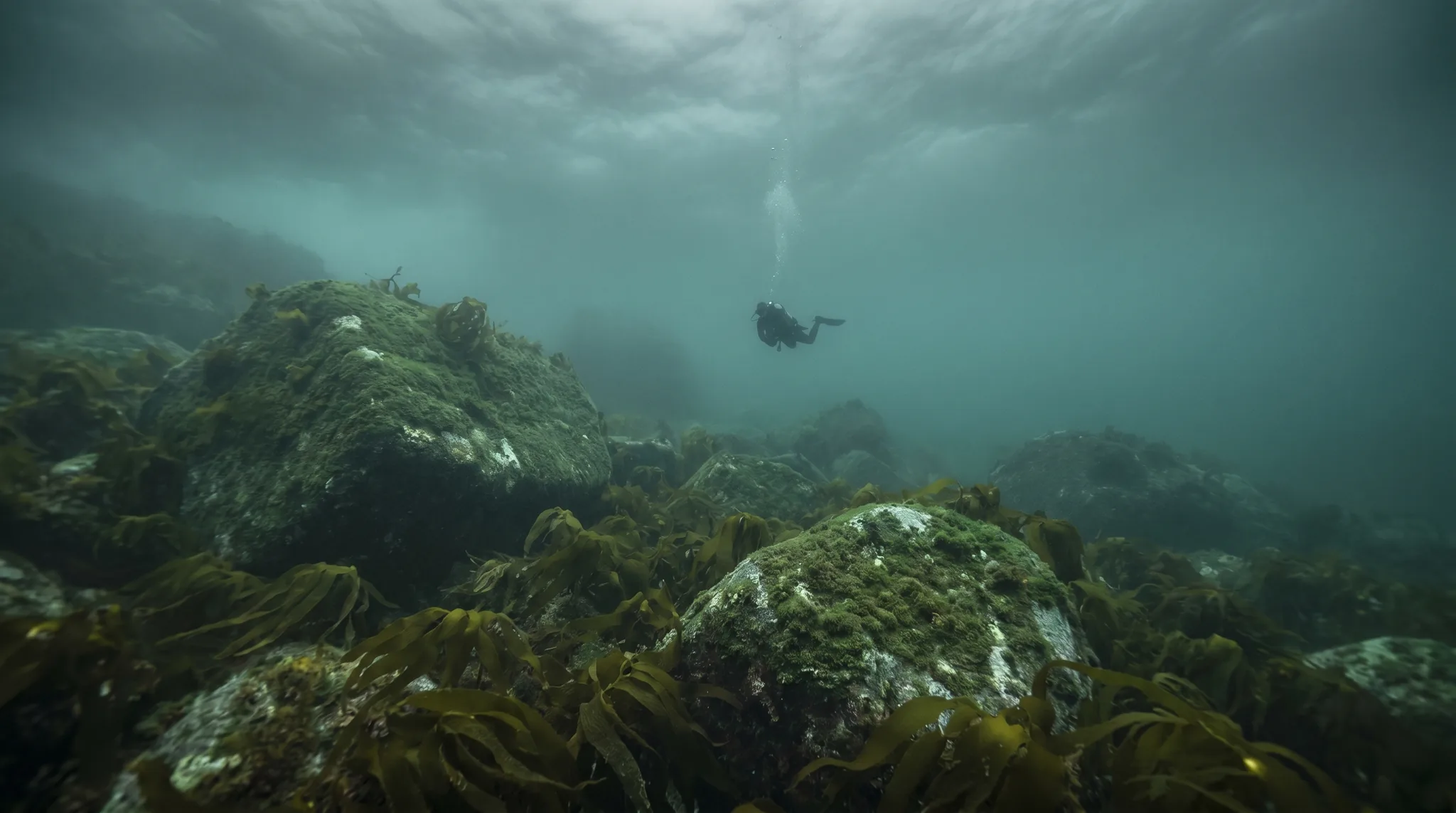
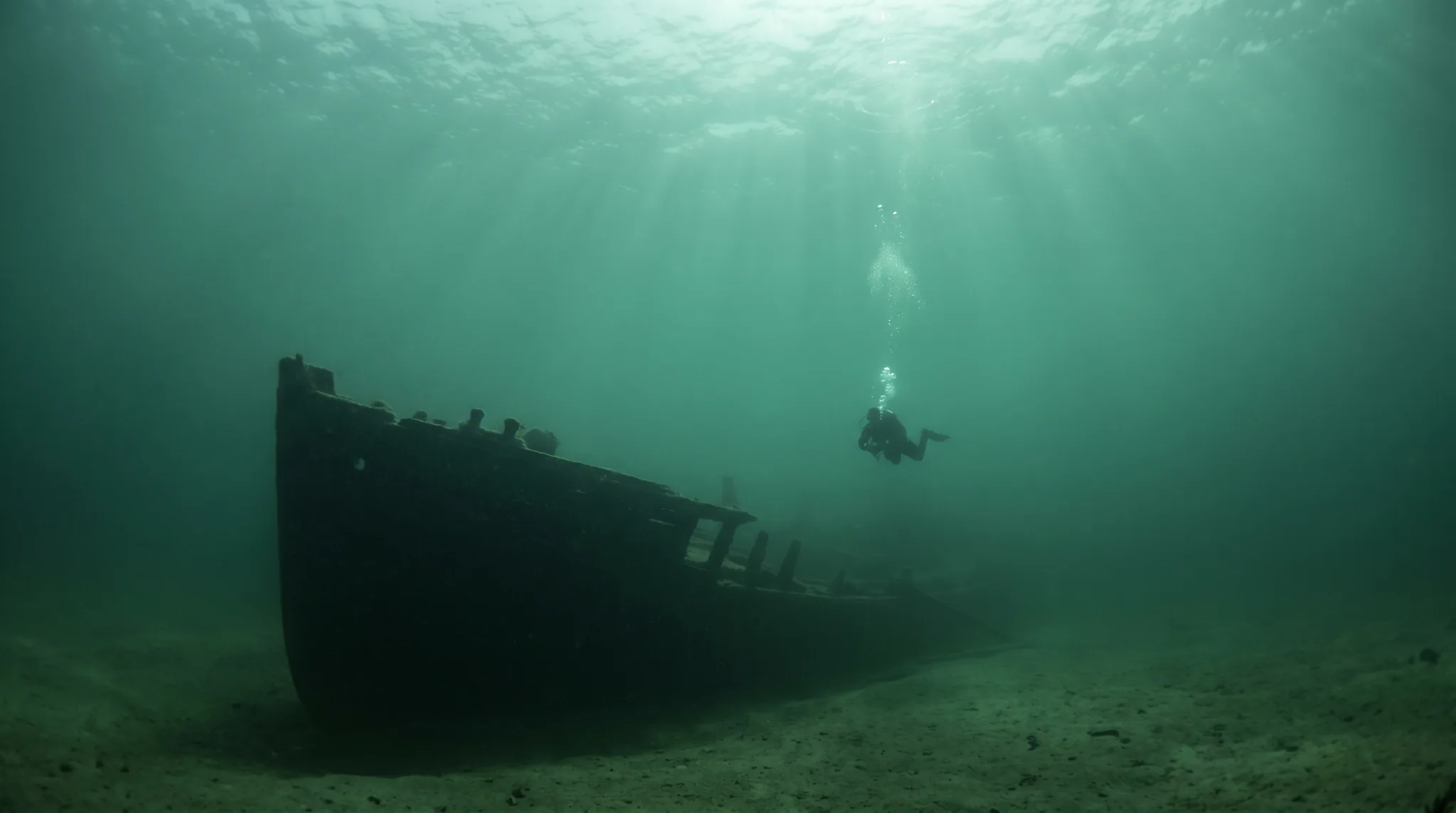
The Nova Scotia Eastern Shore mixes wreck diving, kelp forest, reef, and wall sites across three distinct sub-areas: the Northumberland Strait, Canso and Guysborough, and the Halifax Eastern Shore. Wrecks dominate the dive roster, ranging from shallow shore-accessible hulls to deep boat-only sites suited to advanced divers. Harbor Seal is the signature encounter, and Cod, Common Sea Star, and Righteye Flounder appear consistently. Snorkelling is well represented across the region, with shallow reef entries suitable for all levels.
Monthly water temperature across Nova Scotia Eastern Shore's sites, from satellite sea-surface data corrected for depth. The band shows the site-to-site spread.
Water temperatures drop sharply through winter, hovering near freezing from January to April, before climbing steadily into summer warmth by August. The most favoured diving months run from late spring through autumn, when conditions are most comfortable and visibility is at its seasonal best. Exposed sites can carry current, and the temperature range demands appropriate thermal protection year-round.
12 operators
Charlottetown, Canada
Charlottetown, Canada
Charlottetown, Canada
33 more sites to explore
3 areas
24Shore-friendly snorkelling on Nova Scotia's Eastern Shore, with Harbor Seal as the standout resident and warm summer waters.
13A wreck-heavy dive region off Nova Scotia's eastern shore, with cold clear water, Harbor Seal, Cod, and occasional Blue Shark encounters.
5Cold North Atlantic shore diving with kelp forests, rocky reefs and a shallow accessible shipwreck along Nova Scotia's eastern coast.
Water temperature around Nova Scotia Eastern Shore ranges from about -1°C in February to 20°C in August, based on satellite sea-temperature data for its dive sites.
In the warm season (about 20°C) a 5mm suit is comfortable in Nova Scotia Eastern Shore; in the coldest months (about -1°C) step up to a drysuit.
Fin maps 42 sites in Nova Scotia Eastern Shore (17 scuba diving sites and 26 snorkelling spots, with some suited to both), organised into 3 areas.
Across Nova Scotia Eastern Shore's dive sites, June, July, August, September and October are most often reported as the best months to visit.
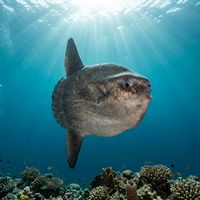
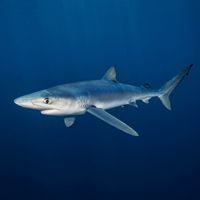
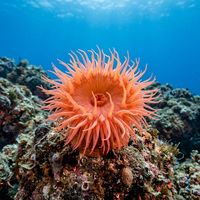
Harbor Seal is the signature species and is observed across the region. Cod and Righteye Flounder are very commonly encountered, and Sea Anemone appears at a good number of sites. Less frequent but observation-backed sightings include Blue Shark, Ocean Sunfish, Wolf-eel, Common Octopus, and Bottlenose Dolphin.
Most of the dive sites are rated intermediate, but there are beginner-friendly shore entries such as Murray Point, which offers very shallow reef diving. Advanced divers are catered for by deeper wreck sites like Baleine, accessible by boat only. Snorkelling is broadly suitable for all levels given the number of shallow, calm-entry reef sites.
The Northumberland Strait is the largest sub-area by site count and offers the widest variety. Canso and Guysborough contributes a solid selection of sites with a more remote character. The Halifax Eastern Shore is the smallest cluster, anchored by easily accessible shore dives including the shallow Arctic Trader shipwreck.
Both access types are represented. Sites like Grand Narrows and Arctic Trader are shore-entry dives, making independent access straightforward. Several wrecks, including Arrow, Evelyn, and Celebre, require a boat. Operators such as JD Marine and Diving Inc., Explore More Watersports, and Diver's Quarters and Diversified Divers Inc are available to assist with boat-access sites.