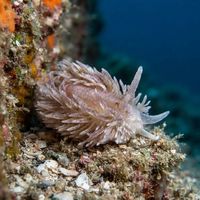
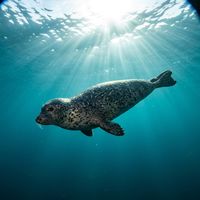
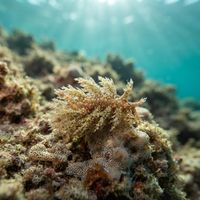
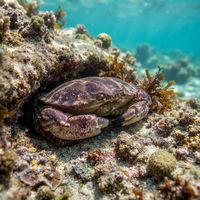
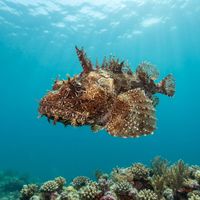
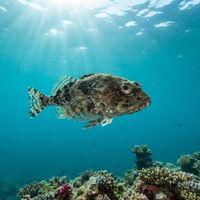
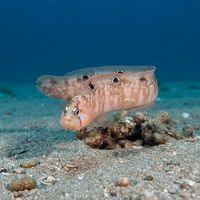
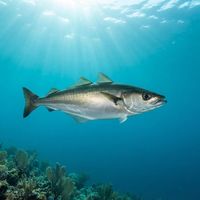
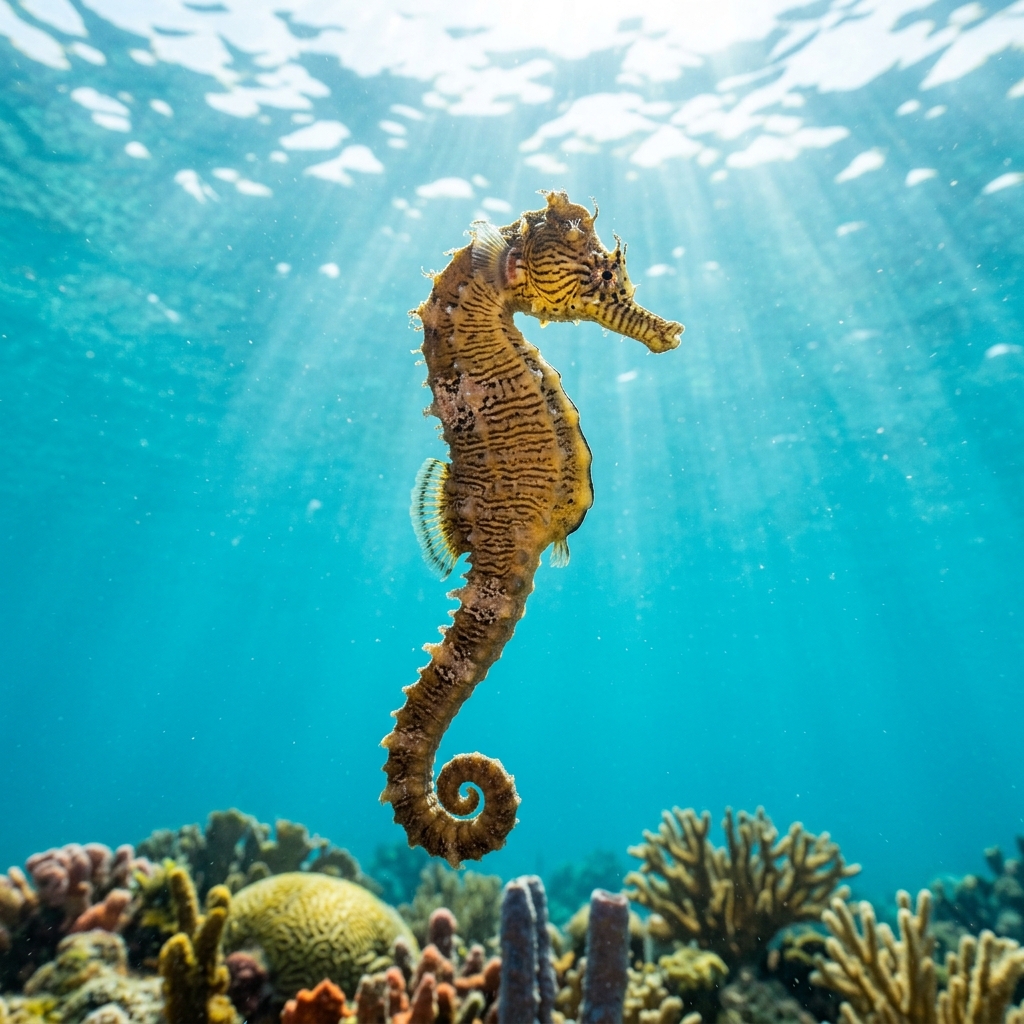
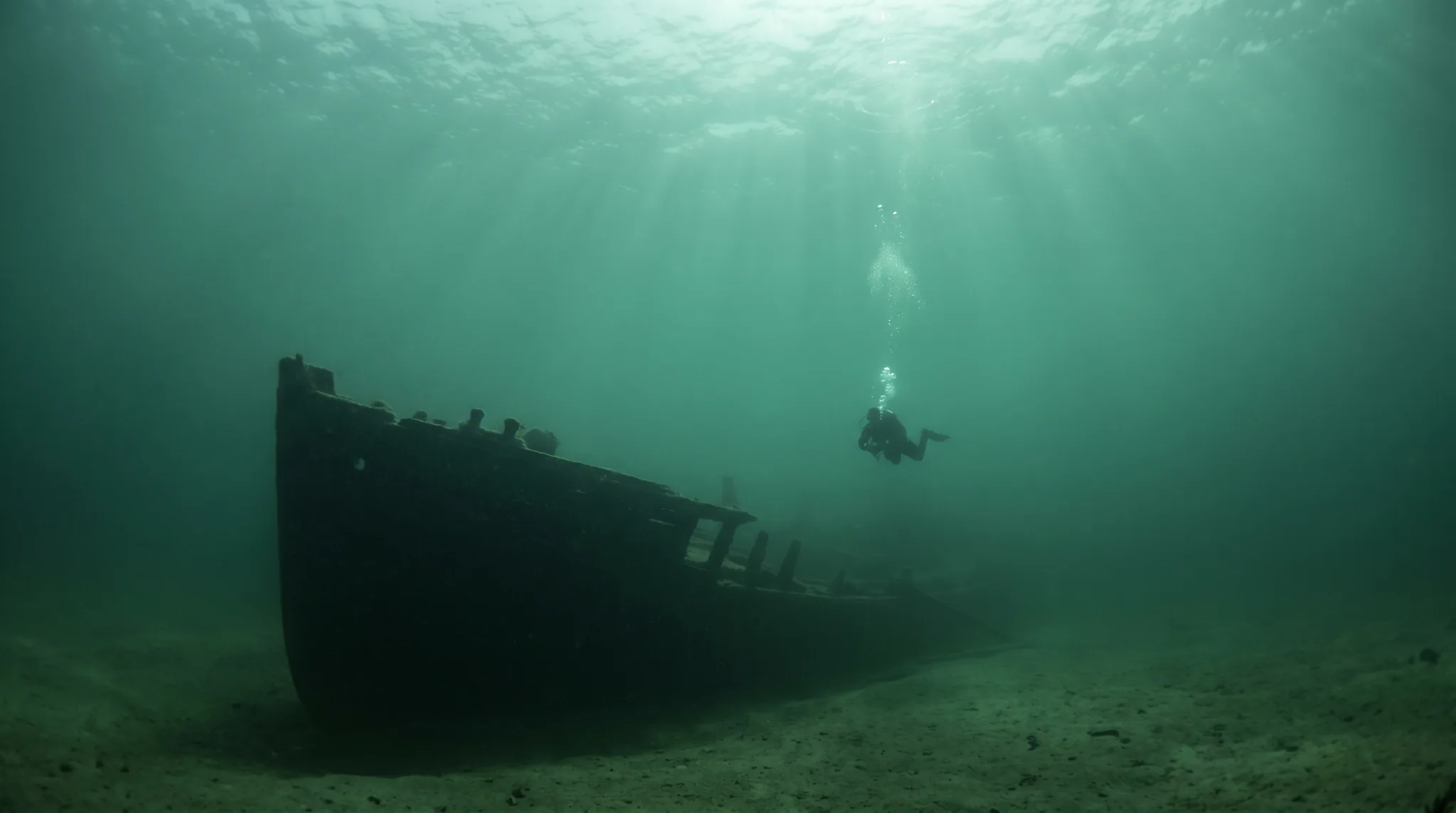
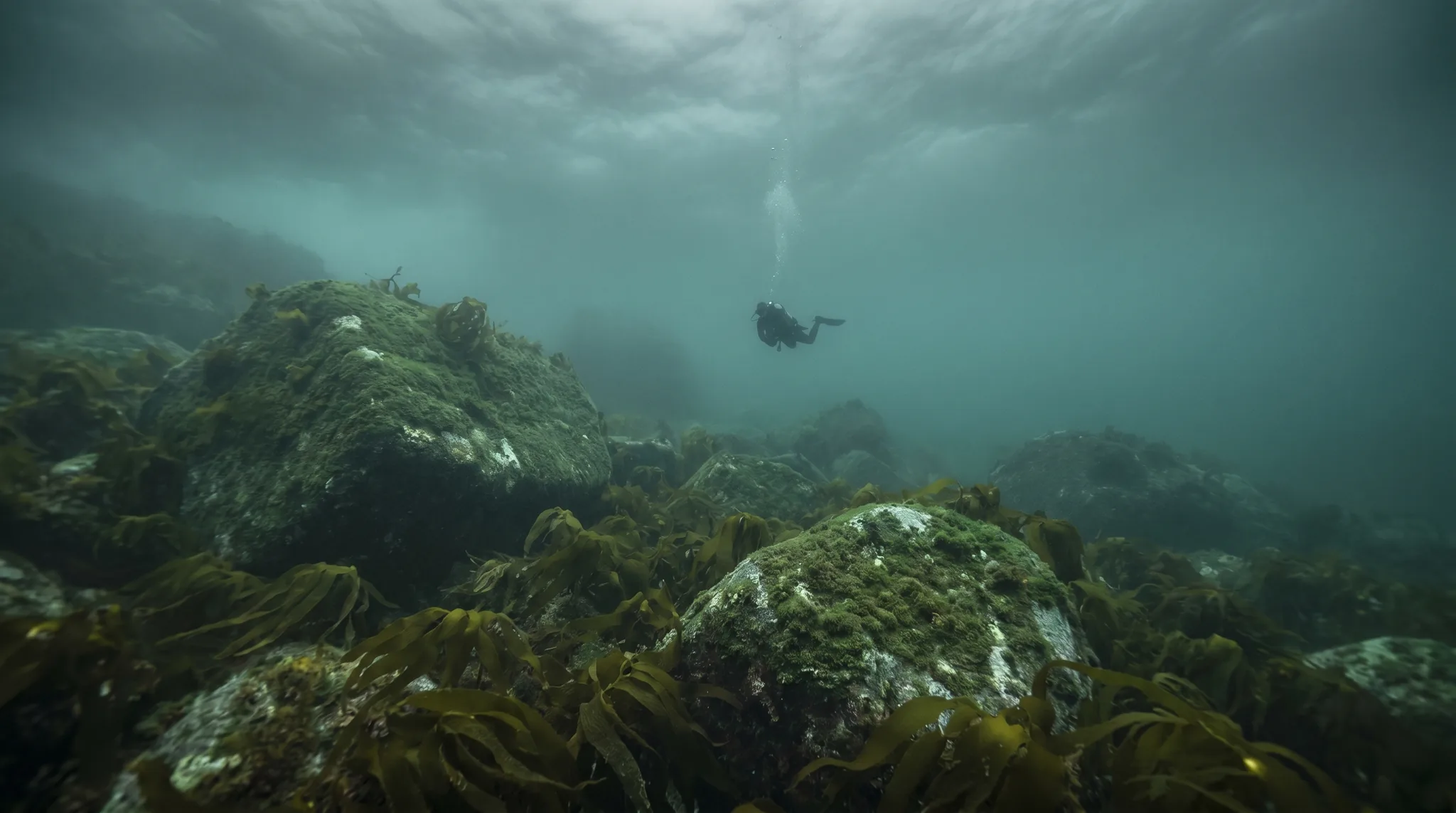
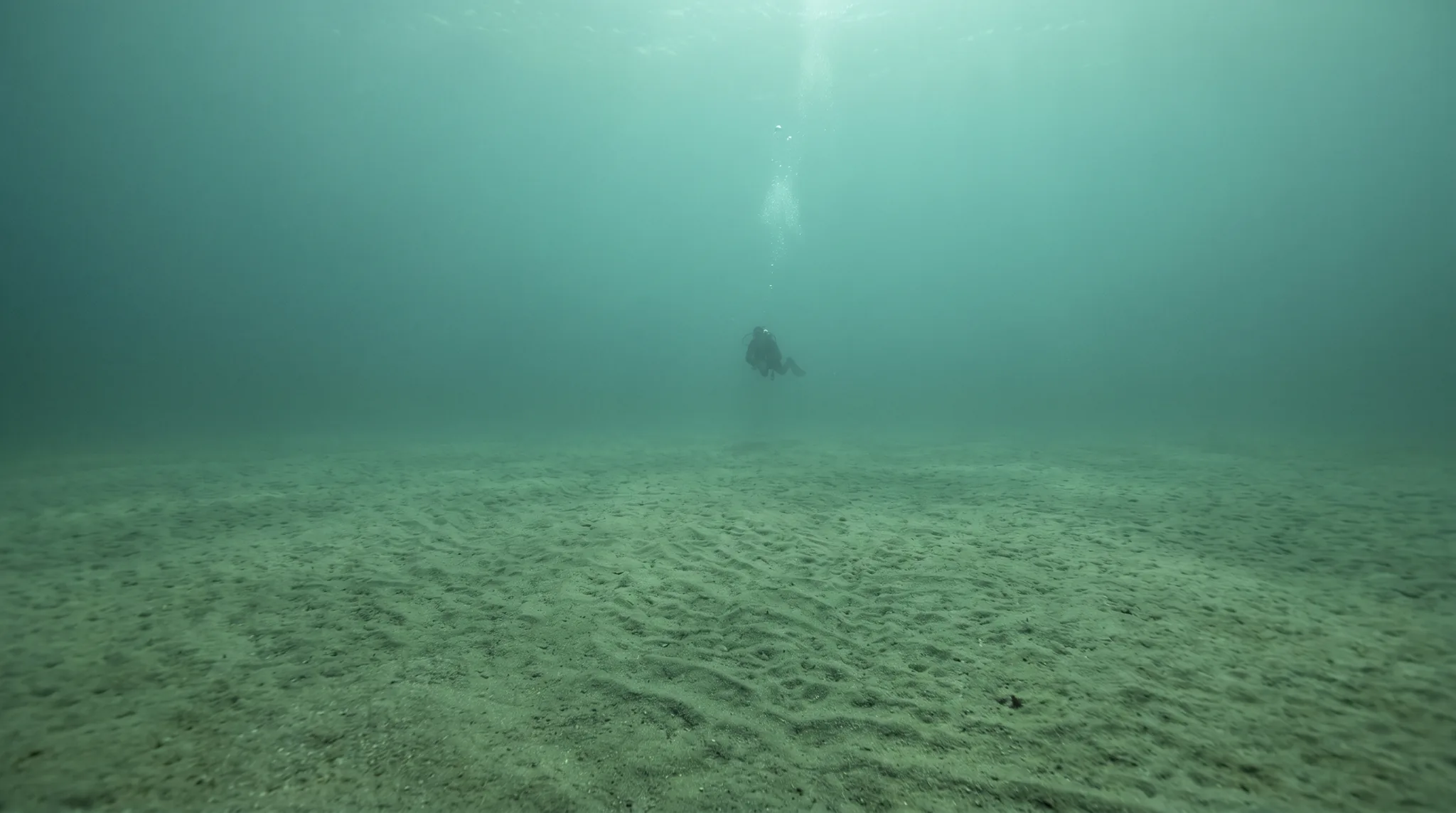
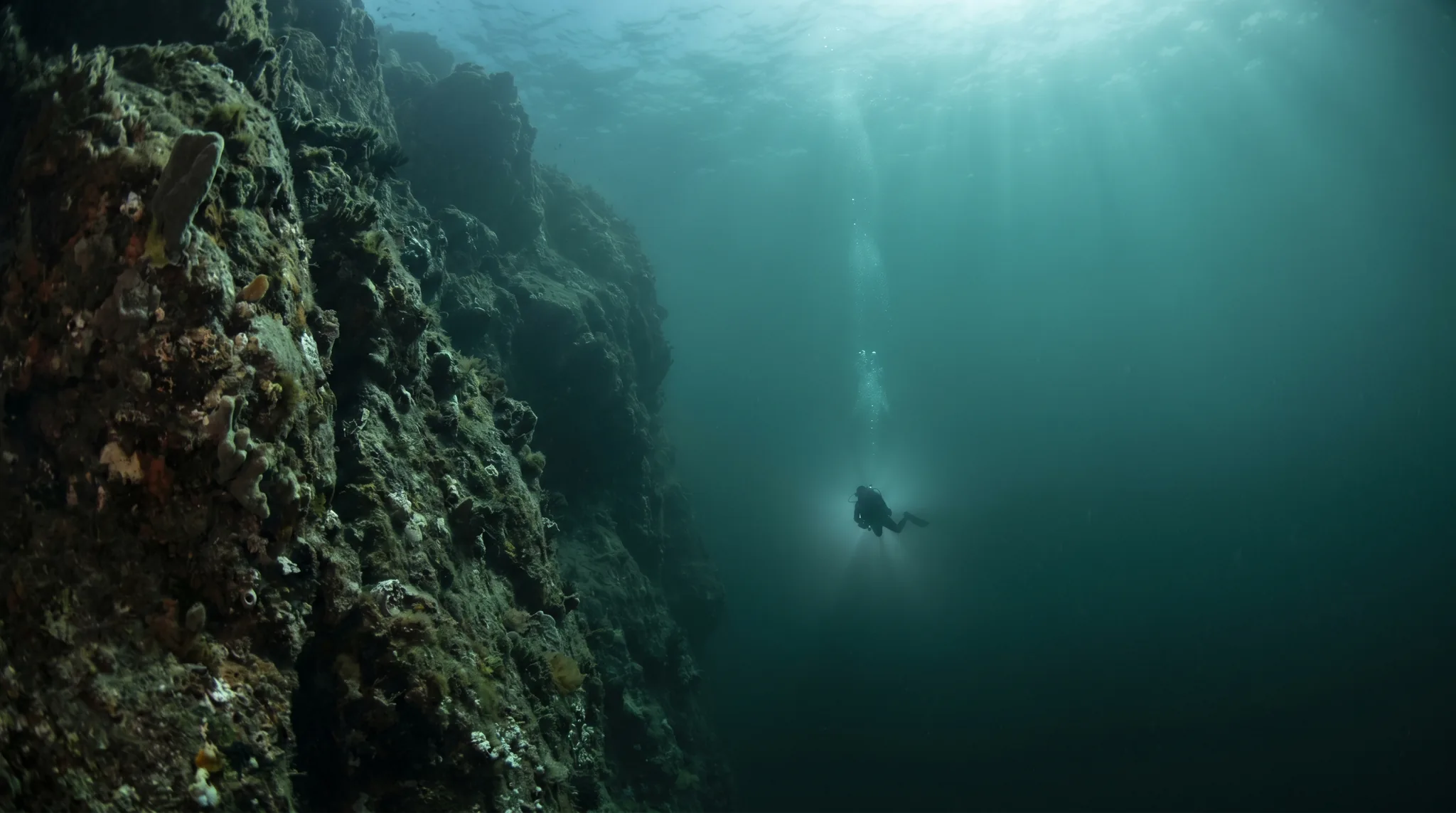
Halifax divides into two distinct sub-areas: St. Margarets Bay, which holds the larger share of sites and leans towards shore-accessible reefs, kelp forests and muck dives, and Halifax Harbour, which concentrates the region's most compelling wrecks. That wreck roster ranges from intermediate-depth artificial reefs to advanced deep vessels. Cold water year-round shapes what you find below: Cod and Sea Raven are encountered at nearly every site, while Gray Seal and Harbor Seal are common, and patient divers turn up Lined Seahorse and Atlantic Wolffish.
Monthly water temperature across Halifax's sites, from satellite sea-surface data corrected for depth. The band shows the site-to-site spread.
Water temperatures climb slowly through summer, peaking in September before dropping sharply through autumn and winter into near-freezing conditions by late winter and early spring. The warmest and most popular diving falls between June and October, when conditions are at their most comfortable and visibility tends to be at its best. Outside those months diving continues year-round, but exposure protection requirements become considerably more demanding.
10 operators
46 more sites to explore
2 areas
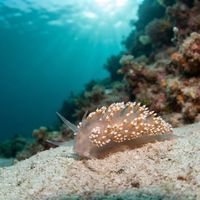
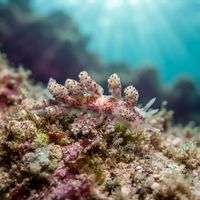
32Cold-water reefs, kelp forests, a warship wreck, and an exceptional nudibranch diversity define diving in St. Margarets Bay.
26A wreck-dense harbour with exceptional nudibranch diversity and frequent seal encounters, spanning beginner shore dives to deep advanced sites.
Water temperature around Halifax ranges from about 2°C in February to 15°C in September, based on satellite sea-temperature data for its dive sites.
In the warm season (about 15°C) a 7mm or semi-dry suit is comfortable in Halifax; in the coldest months (about 2°C) step up to a drysuit.
Fin maps 58 sites in Halifax (58 scuba diving sites and 7 snorkelling spots, with some suited to both), organised into 2 areas.
Across Halifax's dive sites, June, July, August, September and October are most often reported as the best months to visit.
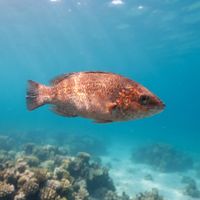
Cod, Sea Raven and Common Sea Star are encountered across nearly all sites, making them reliably present on almost any dive. Common Lobster, Rock Crab, Lumpfish and Brittle Star are also frequently seen. Among the signature species, Gray Seal and Harbor Seal are common, while Lined Seahorse, Atlantic Wolffish and Flying Gurnard appear occasionally but are well worth seeking out.
A good proportion of sites across both St. Margarets Bay and Halifax Harbour are rated beginner-friendly, including a number of shore entries such as Prospect Community Wharf, Burns Point and West Dover Govt Wharf. Intermediate divers are well served by wreck sites like the Costa Rican Trader and the Portia. The deepest wrecks, including the Kolkhosnik and HMCS Saguenay, are reserved for advanced divers.
Both options are available. Many sites in St. Margarets Bay and Halifax Harbour offer shore entry, including Mill Cove Marina, Admirals Point and Polly Cove, making independent diving straightforward for those with their own equipment. The major wrecks, including the Costa Rican Trader and Kolkhosnik, require boat access, and several operators based in the region run guided boat trips to these sites.
St. Margarets Bay holds the greater number of sites and offers a wide variety of environments: shallow reefs, kelp forests, muck and a mix of shore and boat entries that suit all skill levels. Halifax Harbour is more wreck-focused, concentrating several of the region's most notable vessels at varying depths and skill levels. Divers based in Halifax can realistically explore both sub-areas during a single trip.