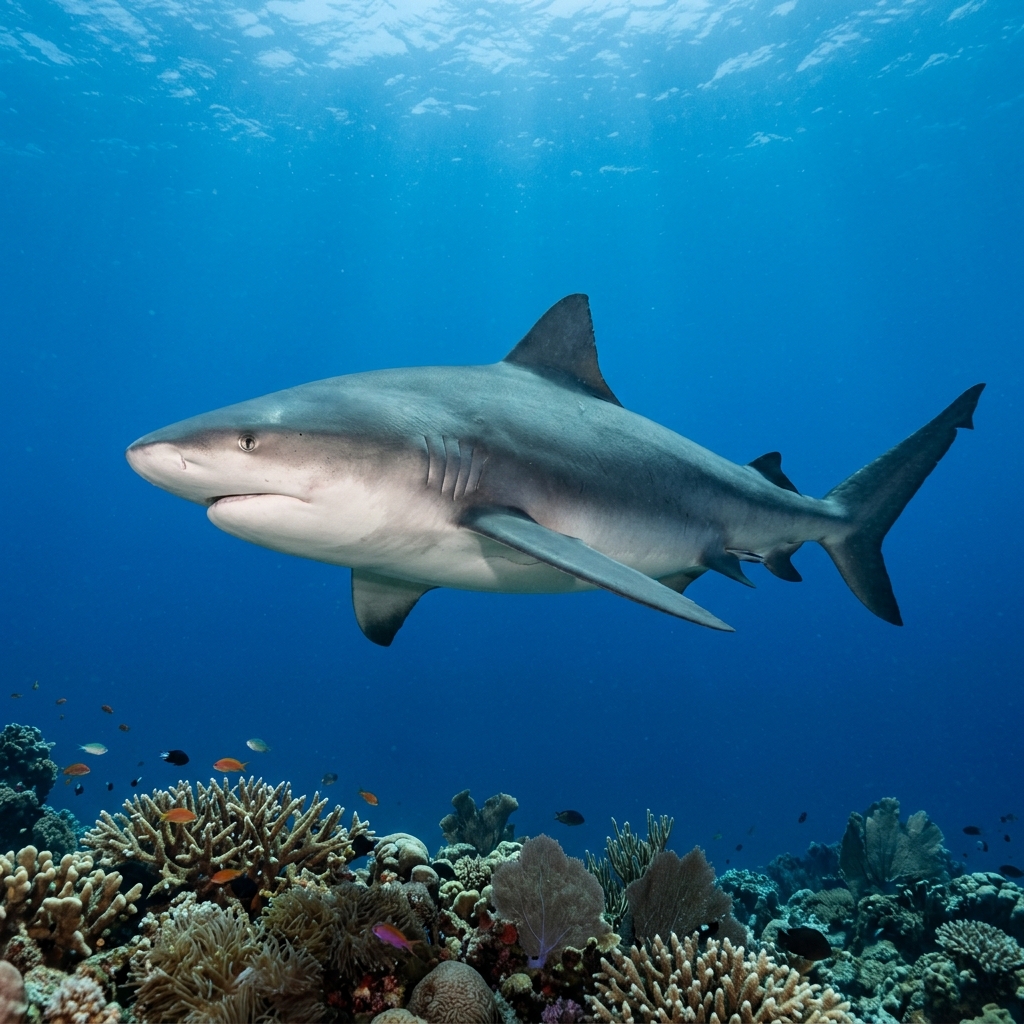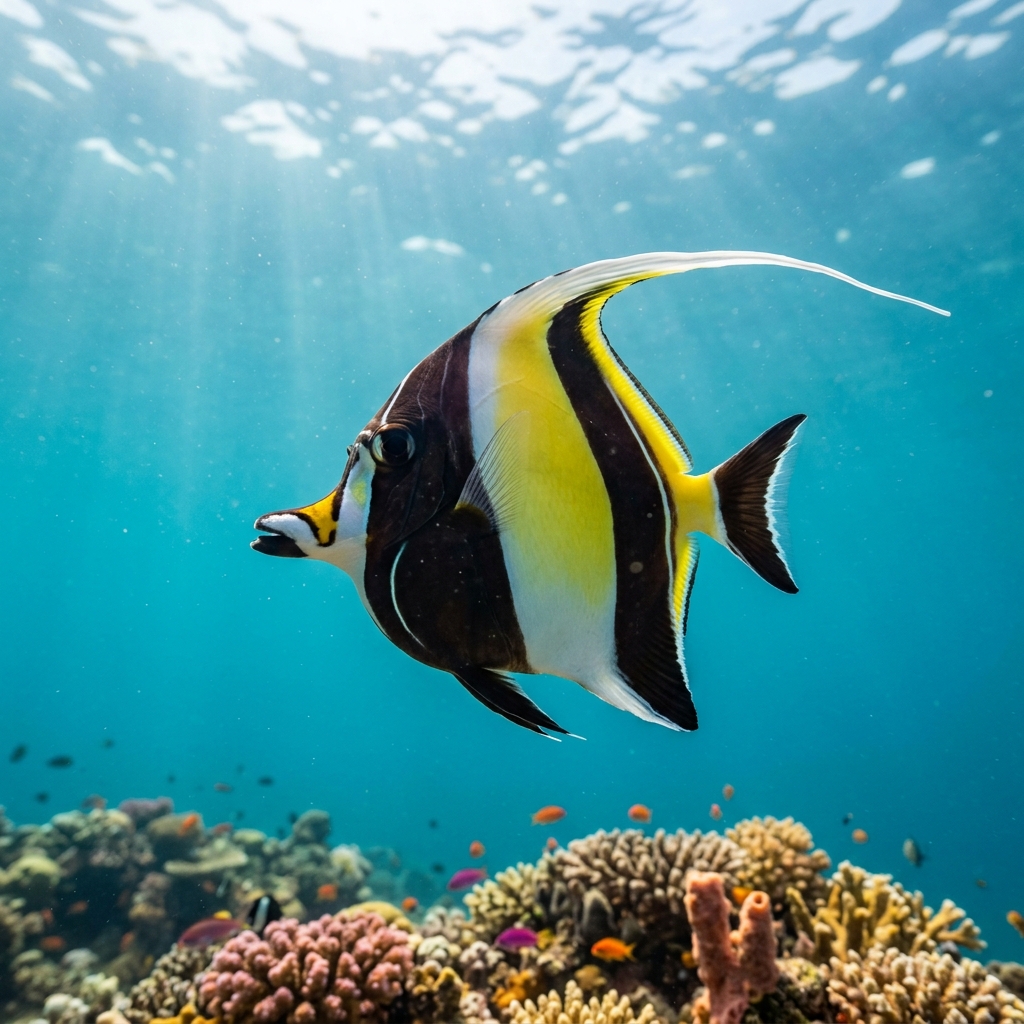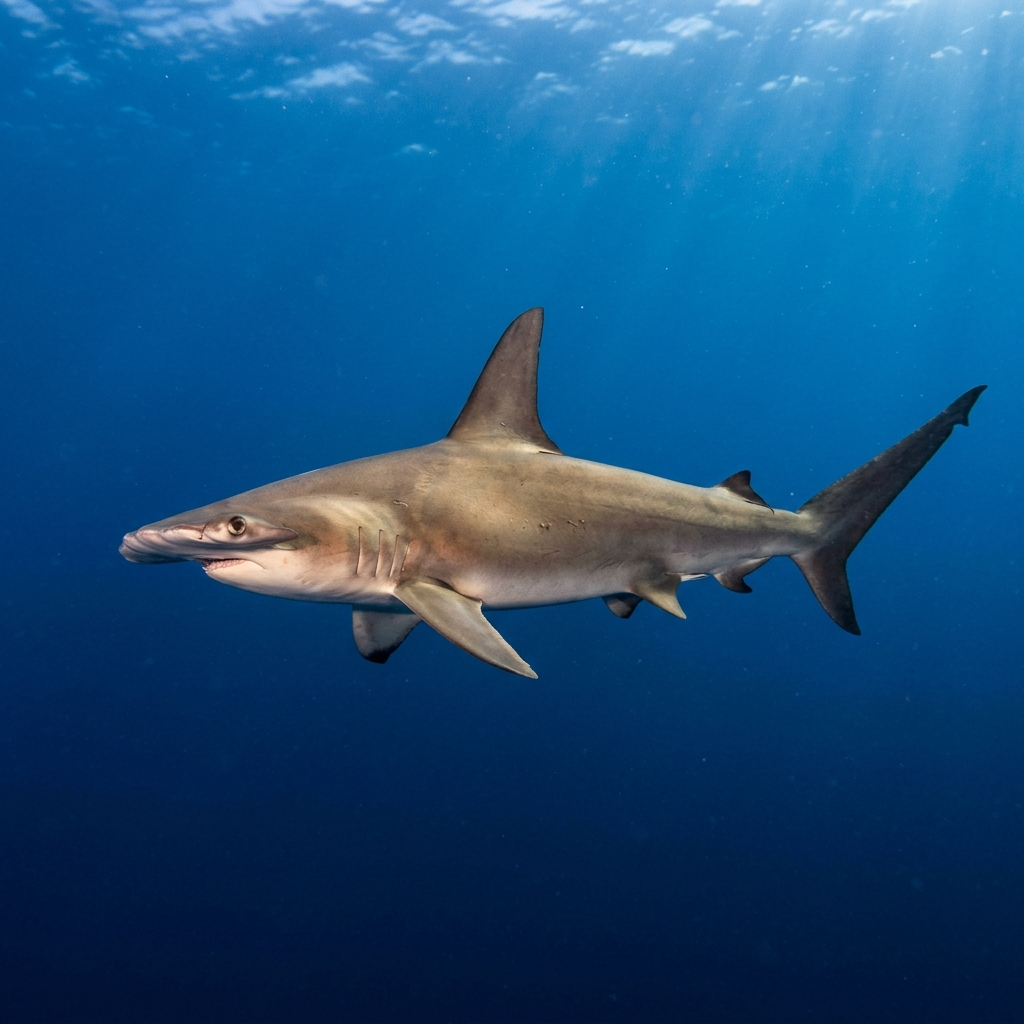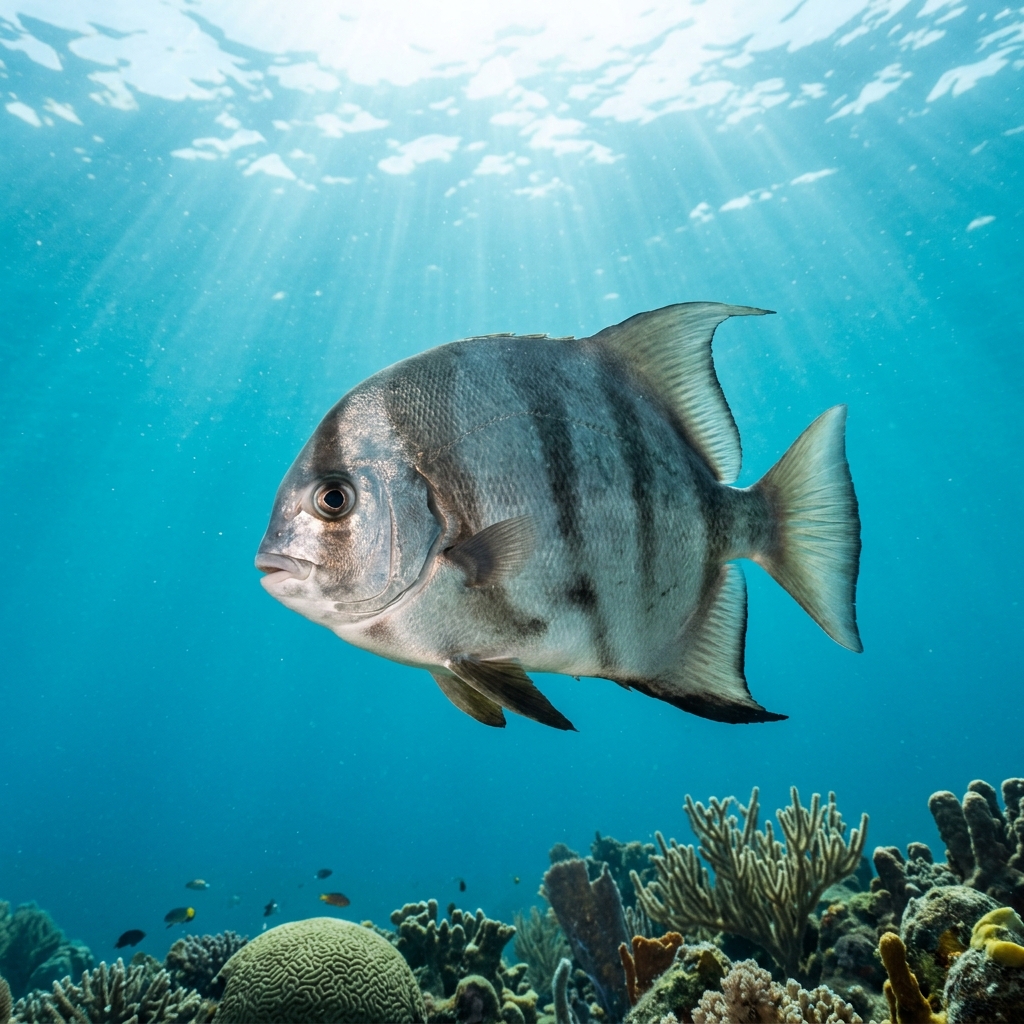
Best for advanced divers, 8-30m, boat entry, extreme current.
Talbot Bay is defined by extreme tidal currents and the Horizontal Falls, where massive tidal movements of up to 10 metres create whirlpools and rapid-like conditions. This advanced site requires boat access and precise timing to navigate the narrow gaps and submerged reef structures. Depths range from 8 to 30 metres, with an average of 20 metres. Visibility is highly variable and can be low due to tidal state. Divers must be prepared for strong currents, down currents, and the presence of crocodiles and sharks. A surface marker buoy is essential due to boat traffic and shifting conditions. Guided tours and boat charters are available for this challenging environment.
-16.29556, 123.84361
Dive timing here is everything - slack water windows are narrow and conditions can shift rapidly, so coordinate closely with your skipper and confirm current predictions before committing to any plan. Given the variable visibility and boat traffic in the bay, a surface marker buoy is non-negotiable.
The site is remote and accessible only by boat or seaplane, typically as part of a guided tour or cruise departing from Broome or Derby.
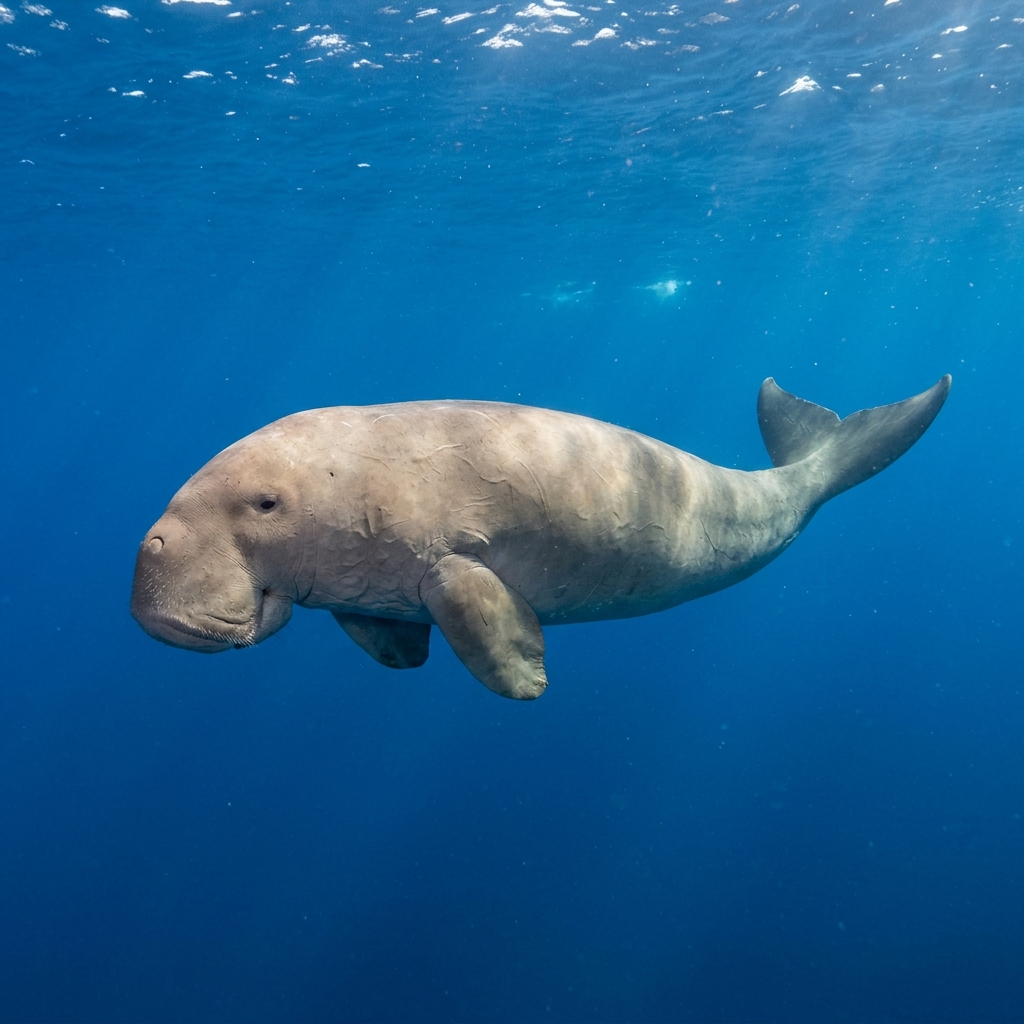
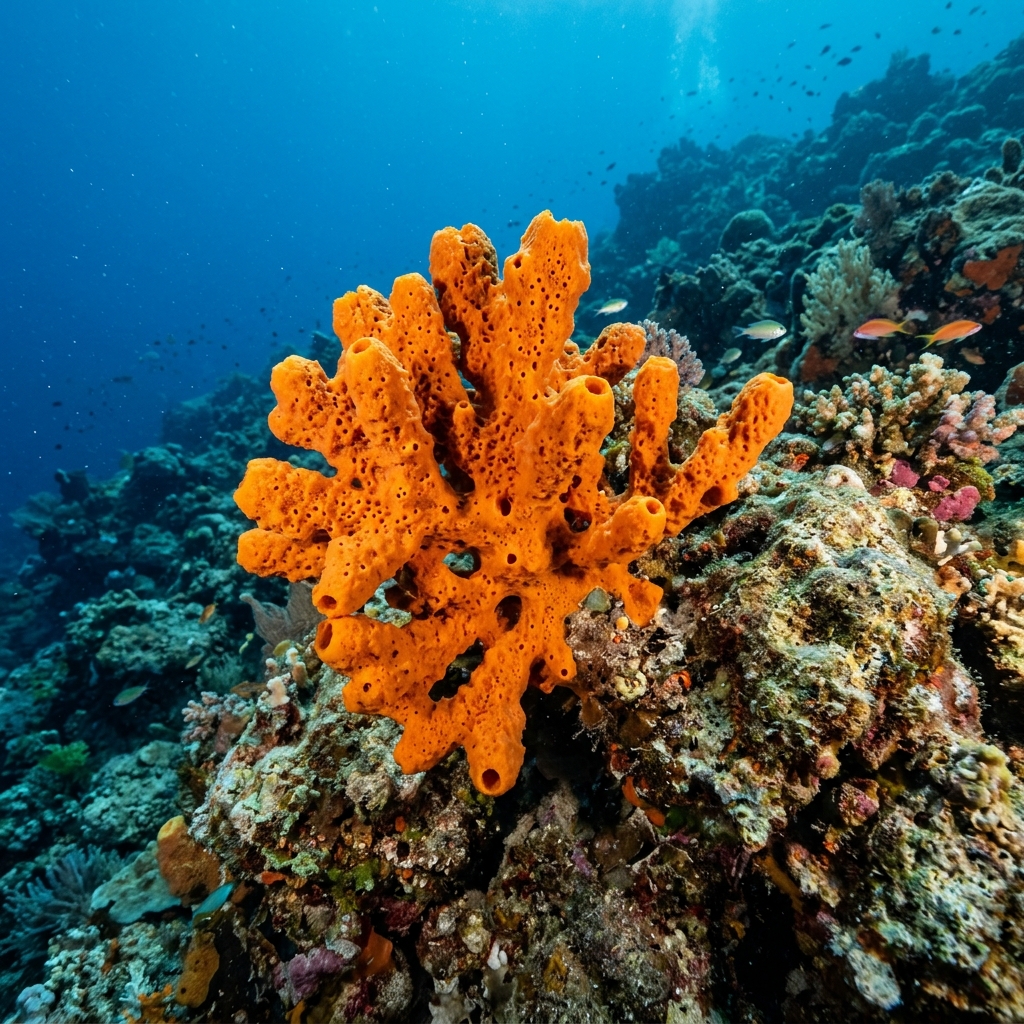
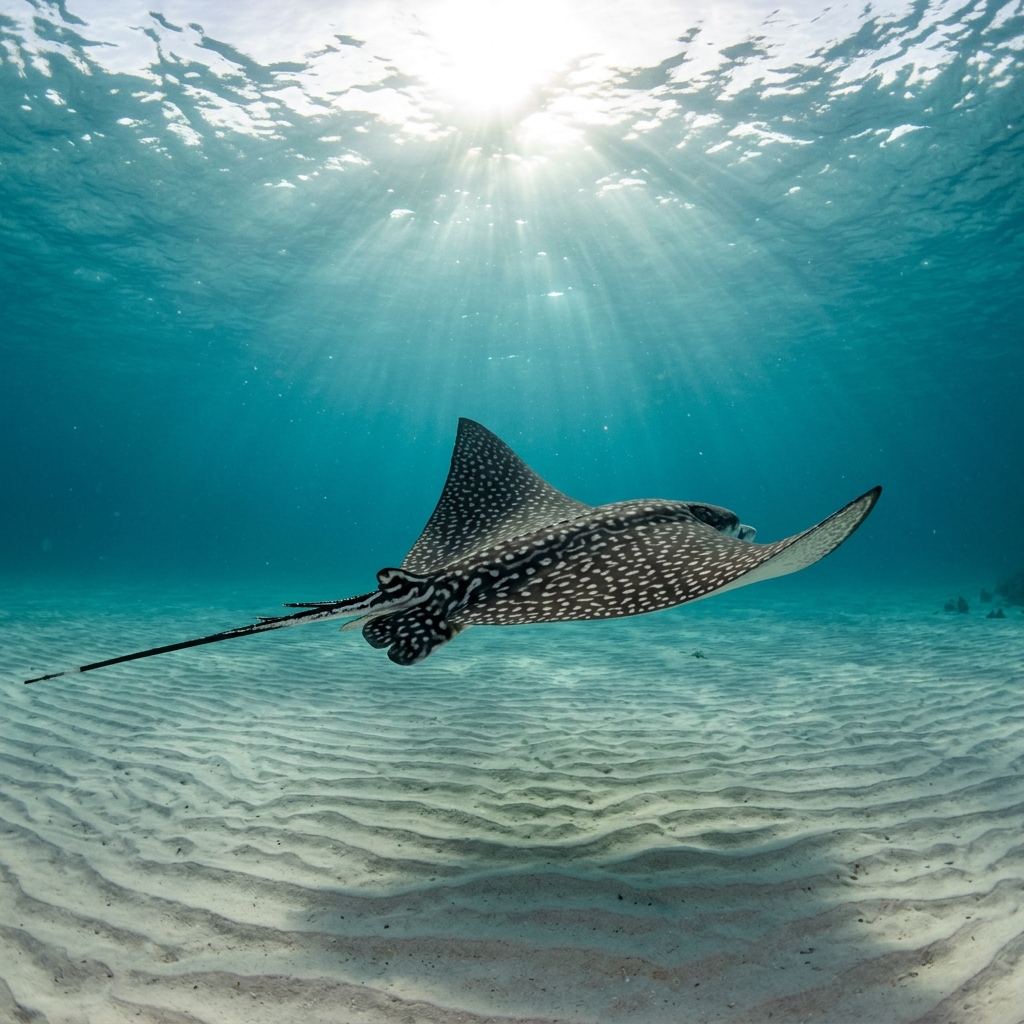
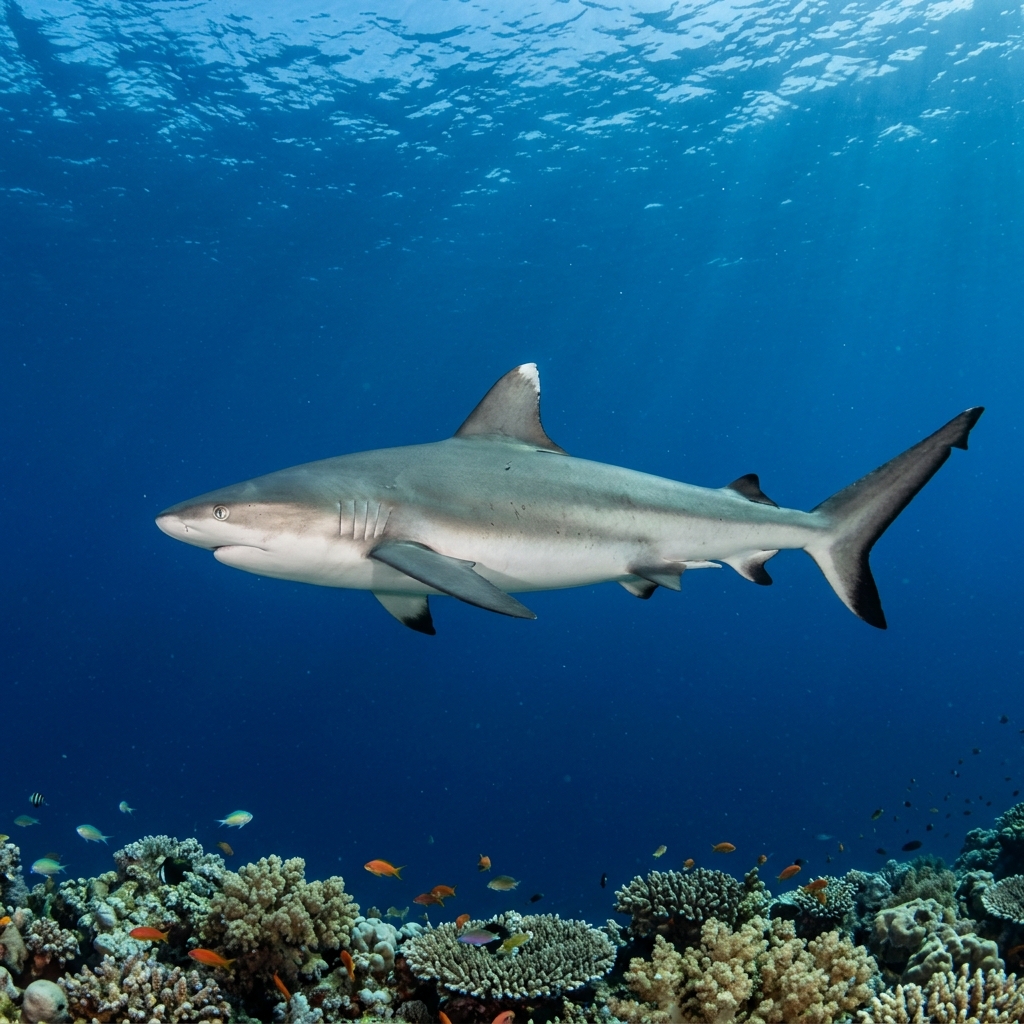
Recorded at this site
Depth
8-30m
Skill Level
Advanced
Entry
Boat
Boat required
Water Temp
26-31°C
Current
Extreme
Typical Dive
60 min
Best Time
Mar, Apr, May, Jun, Jul, Aug, Sep, Oct, Nov
This is an advanced site due to extreme tidal currents, whirlpools, and rapid-like conditions that require significant current-diving experience.
Depths at Talbot Bay range from 8 to 30 metres, with an average depth of 20 metres.
Snorkelling is possible with a rating of 3/5, though the extreme currents and tidal conditions make it a challenging environment.
The best months to visit are March through November.
No, boat access is required to reach the site and navigate the tidal conditions safely.
Diving at Talbot Bay in Kimberley requires the following certifications: Advanced. Always dive within your training limits.
A rashguard or 2mm shorty is recommended for diving at Talbot Bay in Kimberley. Water temperatures range from 26°C to 31°C.
Divers at Talbot Bay in Kimberley should be aware of crocodiles. These encounters are generally rare and avoidable with proper awareness. Follow local safety guidance and maintain a respectful distance from all marine life.
Talbot Bay in Kimberley is known for extreme currents. Only very experienced divers should attempt this dive, and only under favourable conditions.