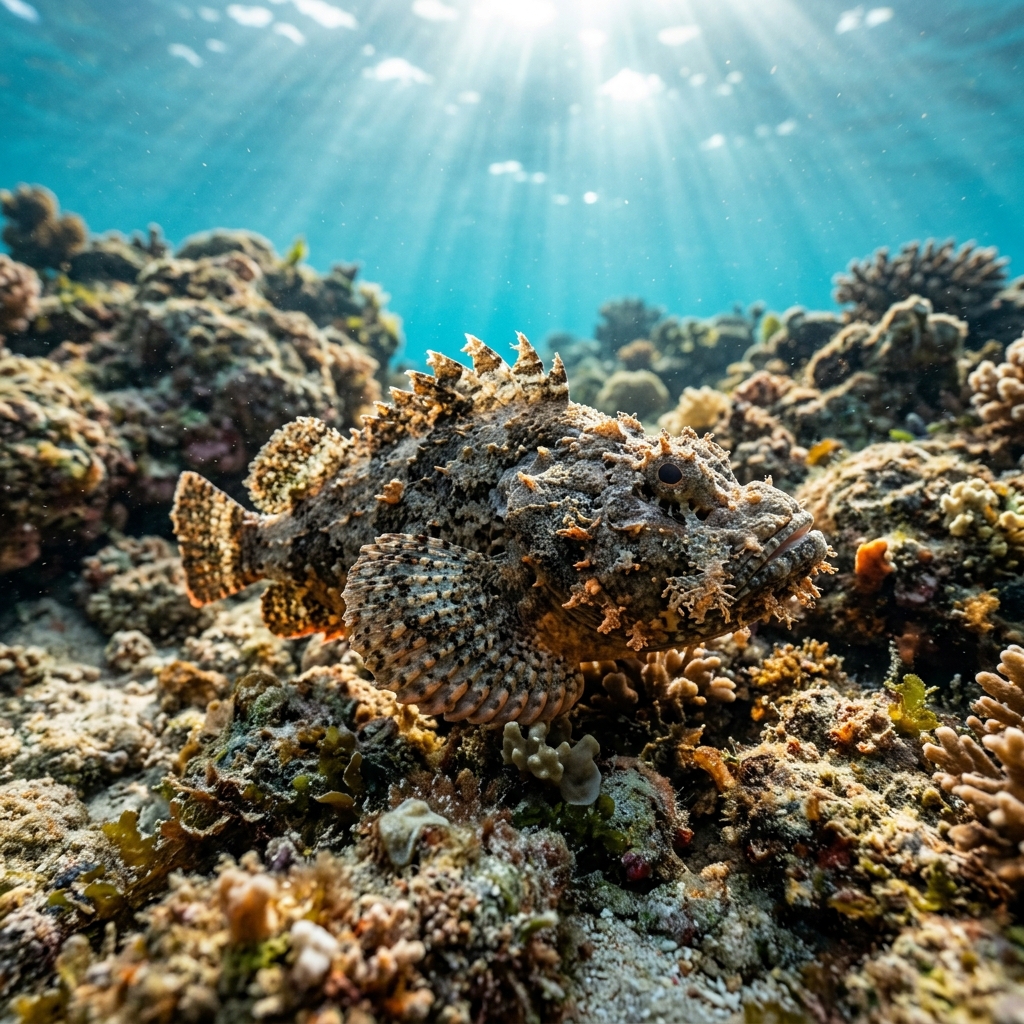
Synanceiidae spp.
Stonefish are masters of disguise logged across Australia, the Philippines and Indonesia. Here's how to find and identify them underwater.
Safety warning
The spines carry venom and snap off easily in the skin. Do not touch it, and never rest a hand or knee on the reef near one; the spines drive in on the lightest contact.
If you're stung
Venomous spinesGeneral first-aid guidance, not a substitute for professional medical care. In an emergency, call your local emergency number.
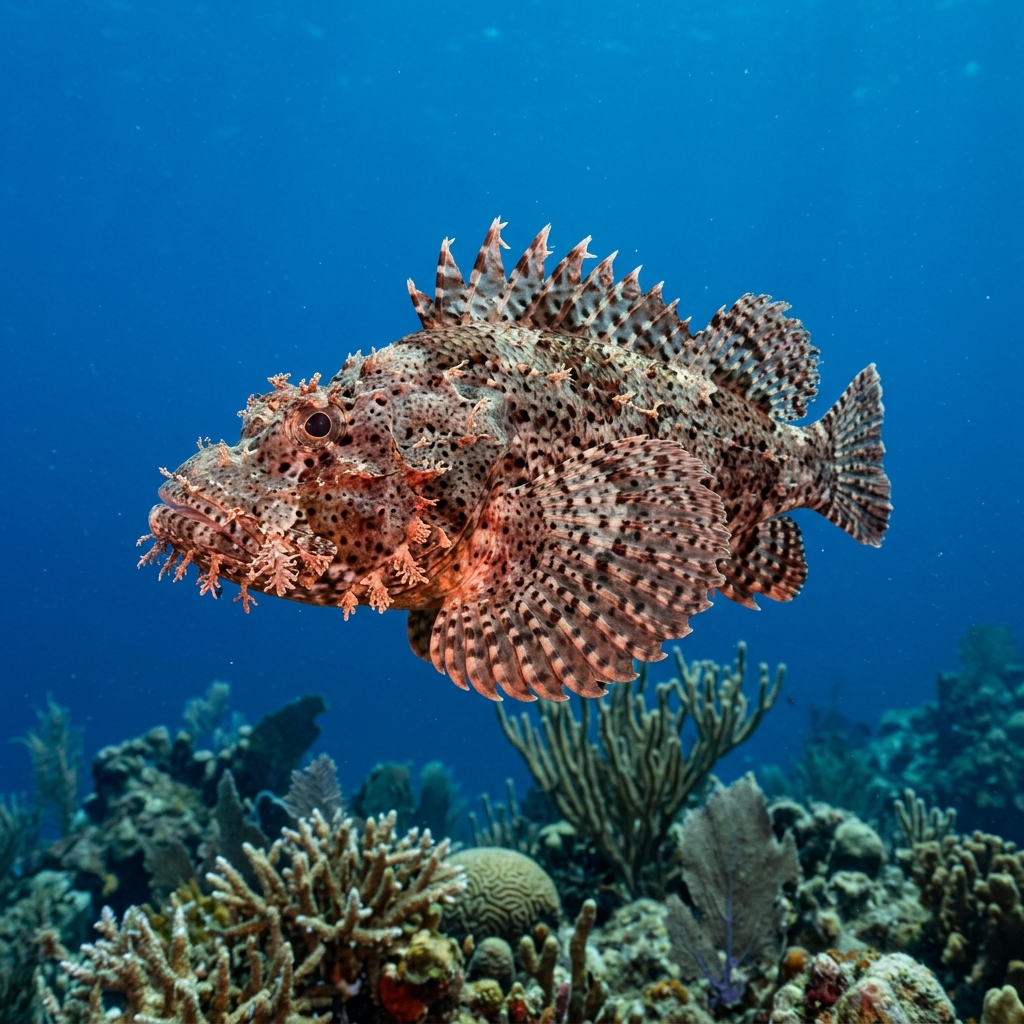
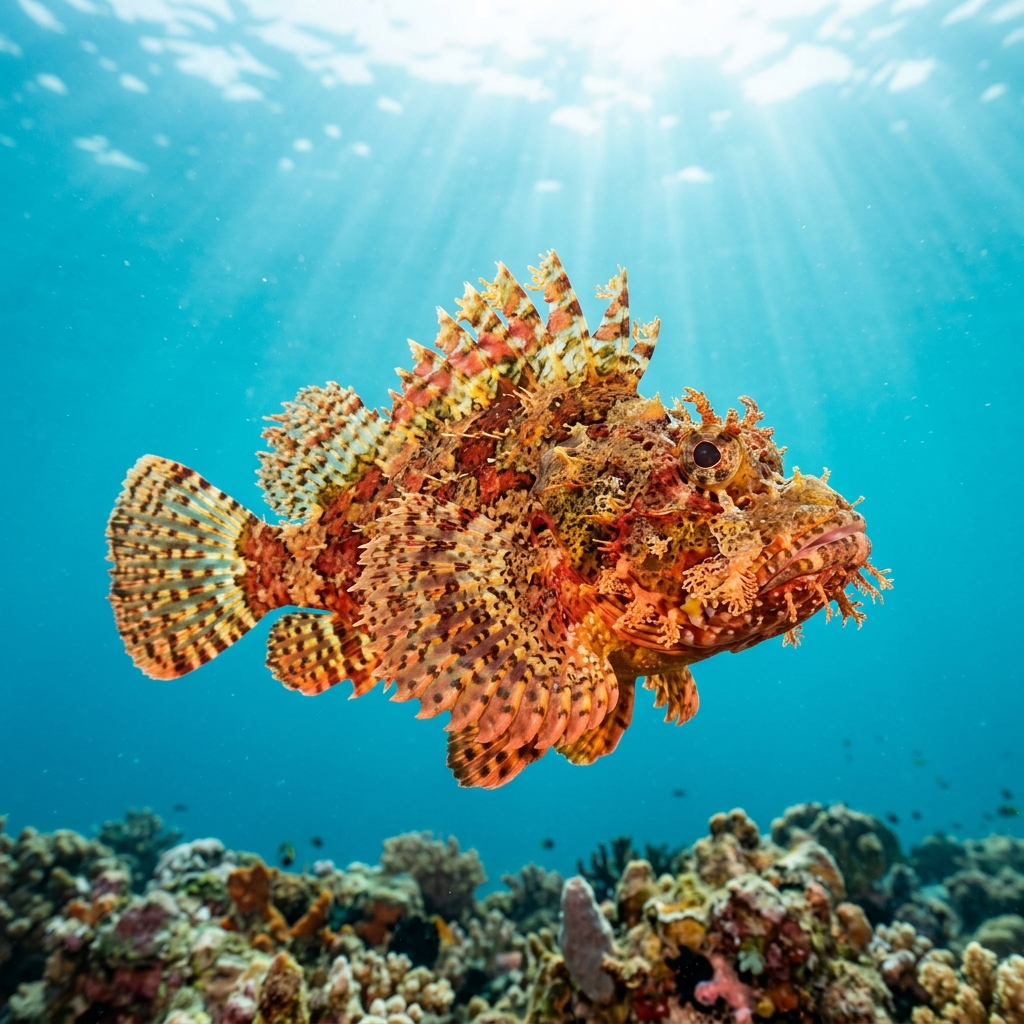
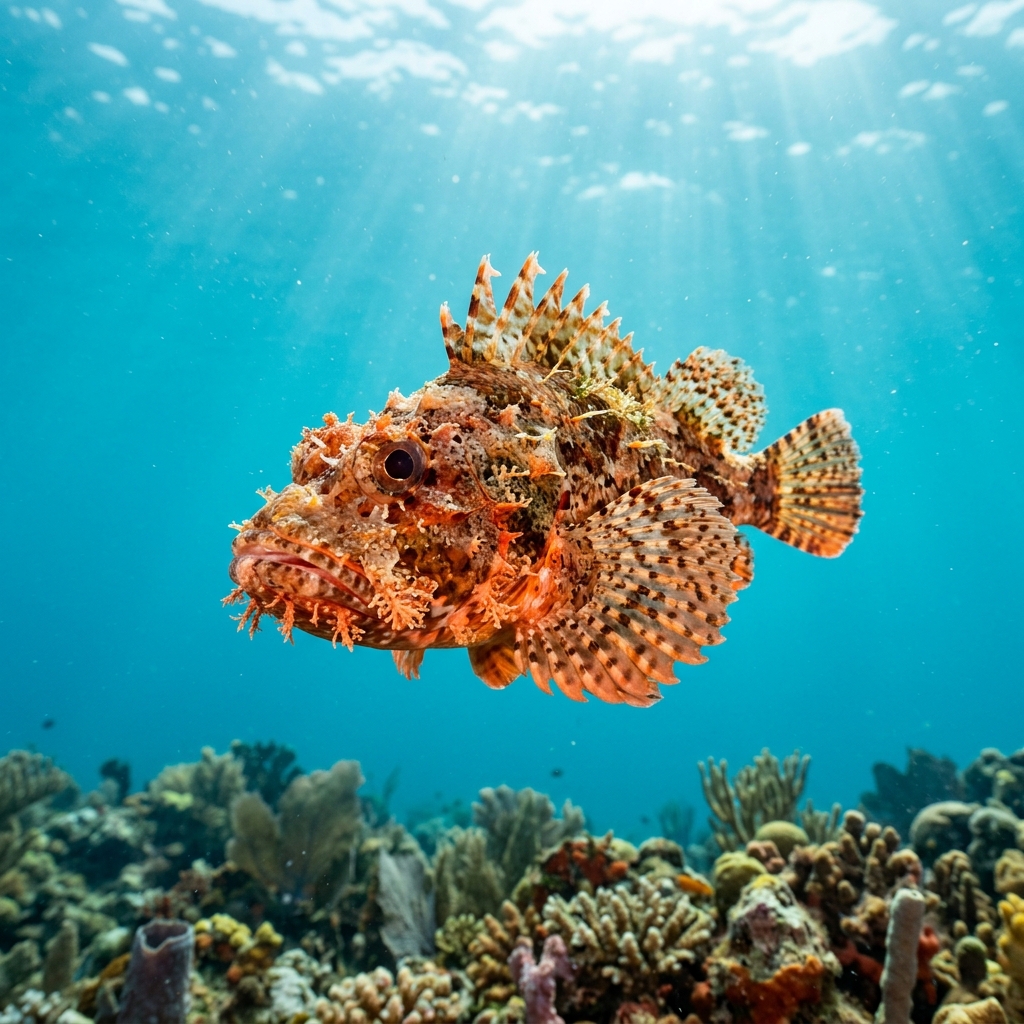
Stonefish are the ultimate ambush predators: squat, heavy-bodied fish that look almost exactly like a barnacle-encrusted rock or a lump of coral rubble. Their skin is covered in warty, irregular tubercles (fleshy bumps) and mottled in browns, greys, and rust-reds that shift to match the substrate. The giveaway, if you look closely, is the large upturned mouth and the row of stout dorsal spines along the back. The eyes are set high on the head and have a distinctive hooded, downward-staring expression that no actual rock possesses.
Stonefish spend most of their time completely motionless on the seafloor, tucked against rubble, coral heads, or under ledges, relying entirely on camouflage rather than flight. When a diver approaches, they almost never move, which is exactly what makes them so hard to spot. Encounters tend to be in shallow reef areas and on mixed sand-and-rubble bottoms; the fish only betrays itself when it blinks, shifts its gill covers, or makes a short, sudden lunge at prey.
Stonefish are the most venomous fish in the world, with hollow dorsal spines capable of injecting venom if stepped on or handled. The venom causes intense pain and, in severe cases, tissue damage, but fatalities in healthy adults are rare and envenomation is almost always the result of an accidental contact rather than an attack.
Southern hemisphere sightings concentrate between July and April, suggesting activity drops off during the coldest winter months. The group is observed across water temperatures of roughly 21 to 30 °C, so in tropical destinations like the Philippines and Thailand they can be encountered year-round.
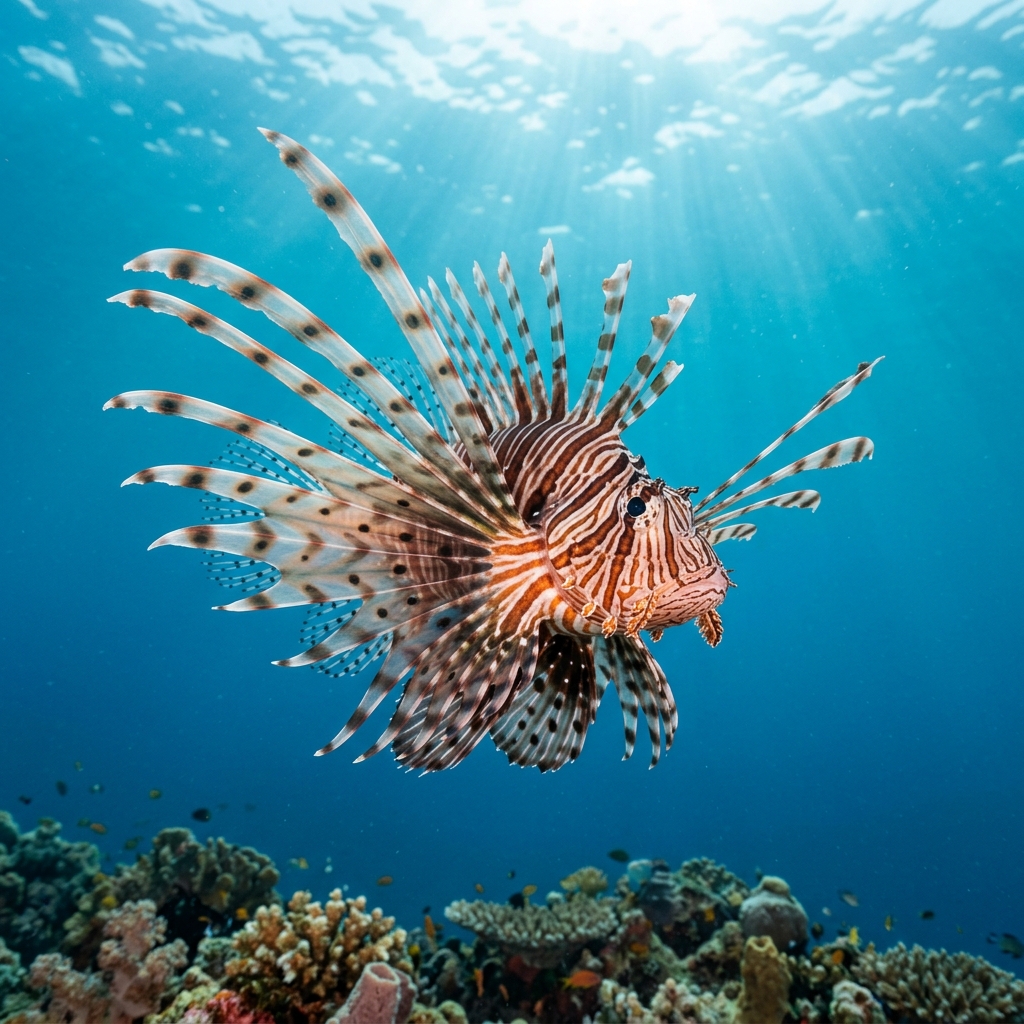
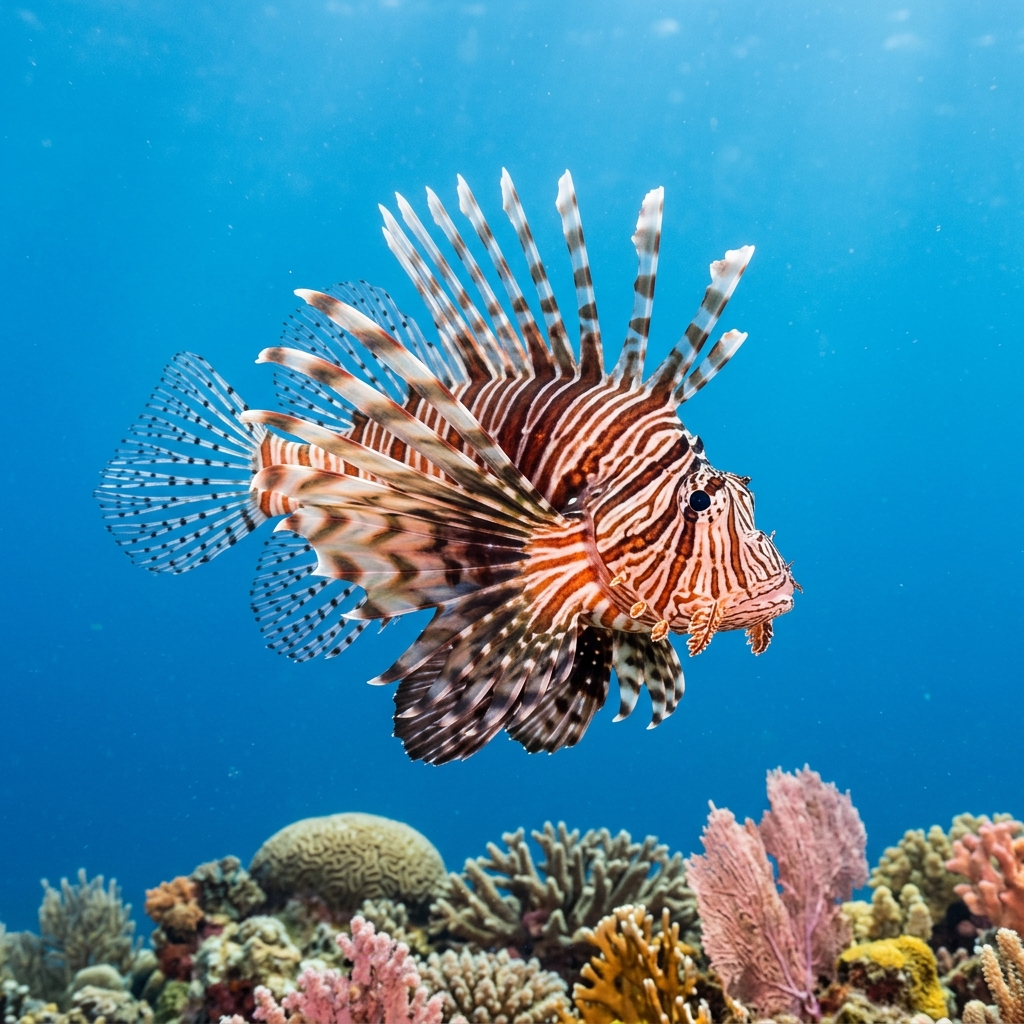
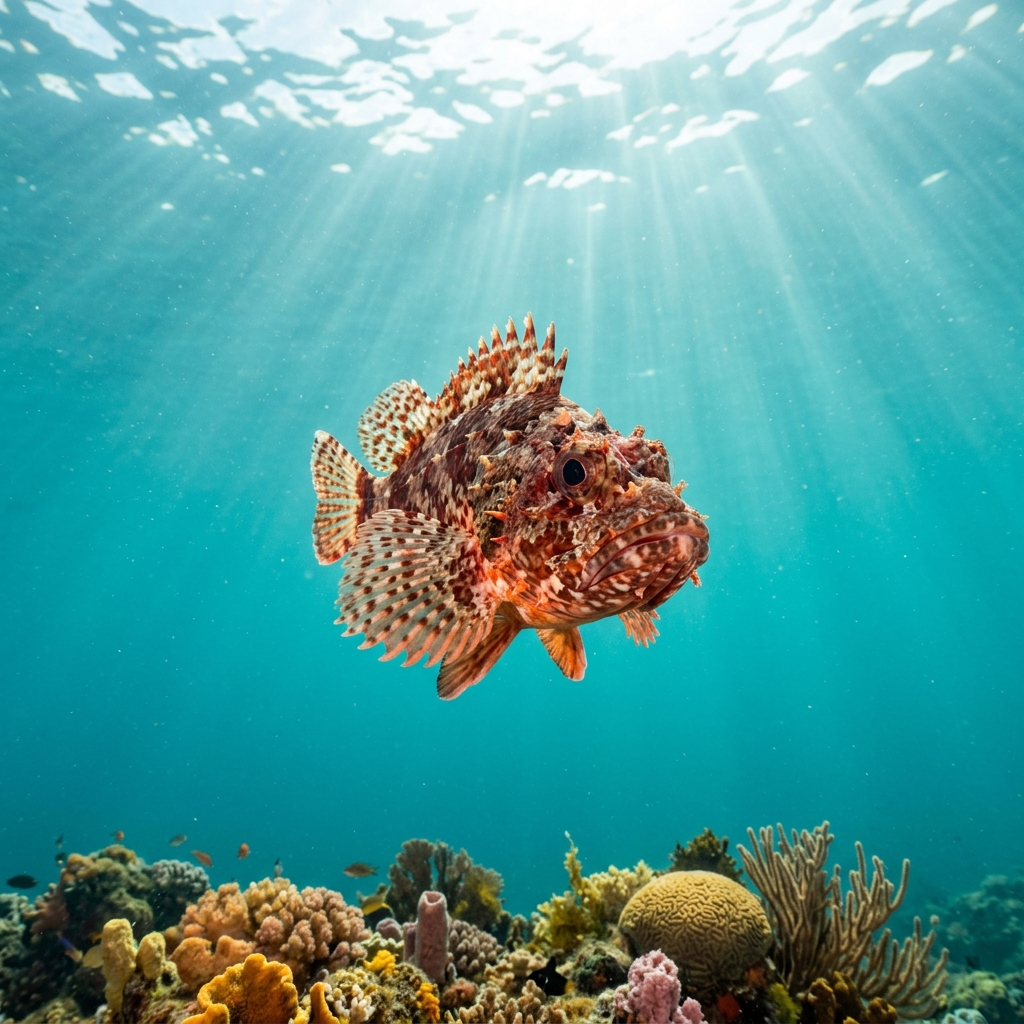
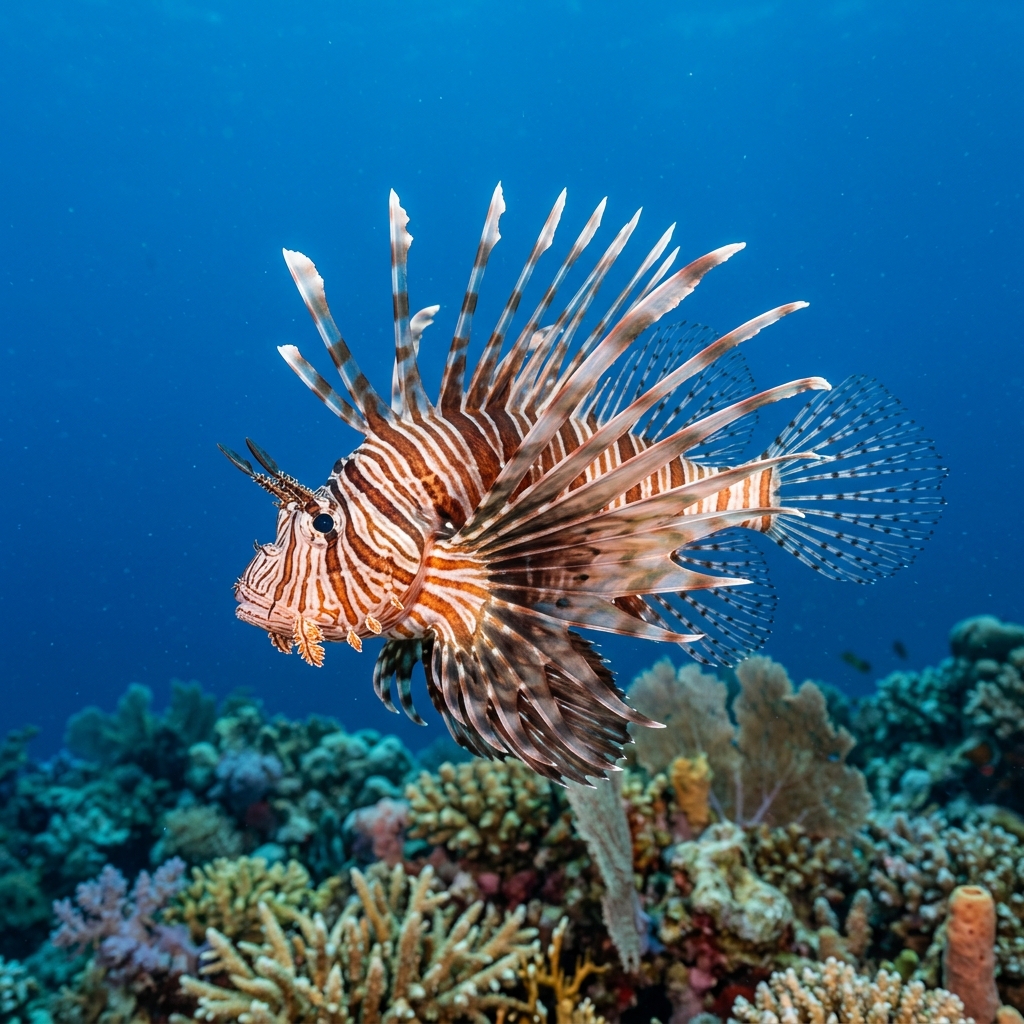
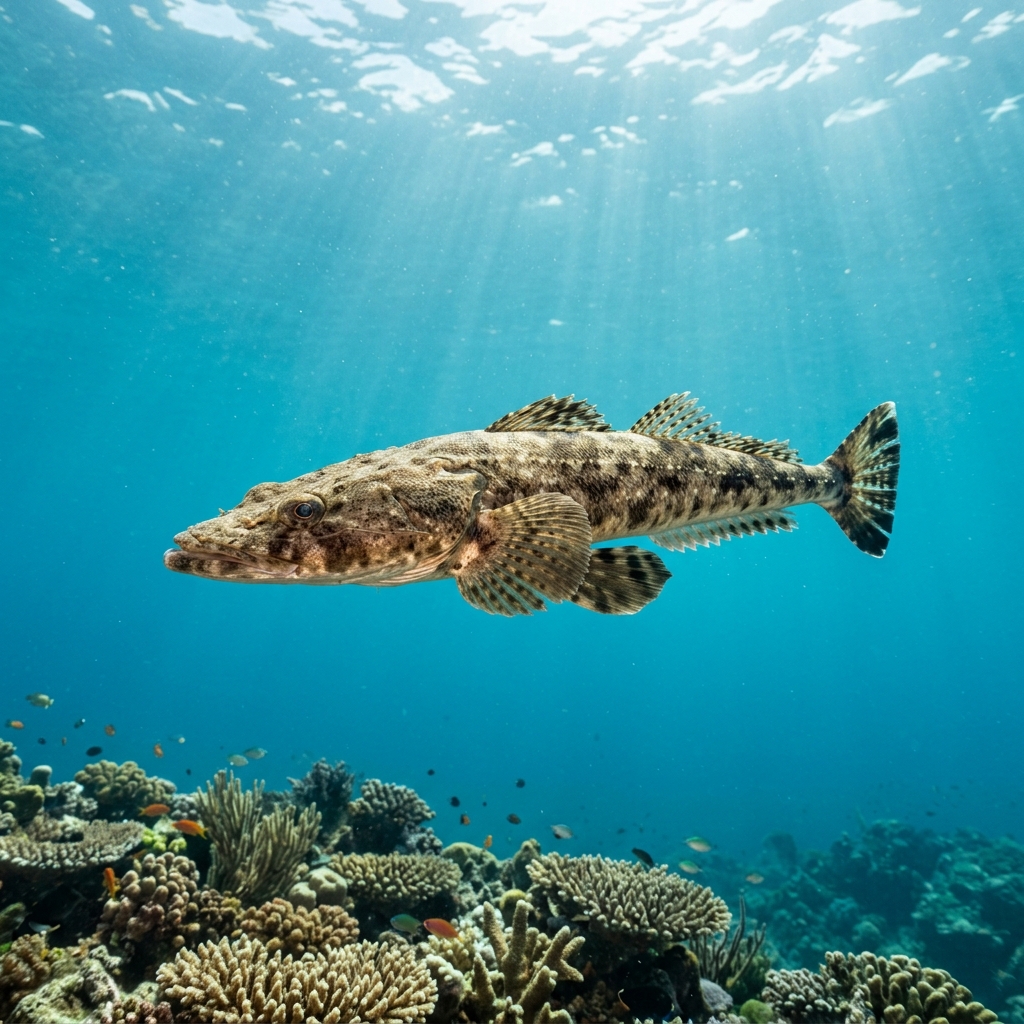
Reef neighbours a diver could mistake it for. Use the identification notes above to tell them apart.
Australia accounts for by far the most stonefish sightings, with New South Wales and Victoria being the standout regions, followed by Western Australia. Outside Australia, the Philippines, Indonesia, Thailand, and Mauritius all have solid records, with Phuket and Phi Phi, Sulawesi, and North Mauritius among the most productive regions for an encounter.
Mapping where Stonefish is logged…
Australia is the world leader for stonefish encounters, particularly in New South Wales, Victoria, and Western Australia. Strong populations are also logged in the Philippines, Indonesia, and Thailand, with Phuket and Phi Phi, Sulawesi, and North Mauritius among the top regional picks.
In the southern hemisphere, sightings are most concentrated from July through April. In tropical destinations like Thailand and the Philippines, the comfortable temperature range means they can turn up on any dive at any time of year.
The main risk is accidental contact, not aggression. Stonefish never move to attack a diver, but their hollow dorsal spines inject potent venom if pressed. Wearing reef boots and never placing hands on unidentified rubble or rock essentially eliminates the risk.
Look for a rock that has eyes. The upward-facing, hooded eyes, warty lumpy skin, and large upturned mouth distinguish stonefish from actual rubble. The row of stout dorsal spines is visible from above if you look carefully, and a slow blink or gill movement often gives the fish away.
Stonefish carry the most potent venom of any fish, delivered through up to 13 hollow spines along the dorsal fin. The venom is protein-based and breaks down with heat, which is why immersing the affected area in hot water is the recommended first aid while seeking medical treatment.
Site and sighting data is aggregated from diver logs, iNaturalist and GBIF. For taxonomy and conservation status:
Madeira Rockfish
2,773 sites