Safety warning
Tiger sharks are responsible for a significant proportion of serious unprovoked shark incidents worldwide and should be treated with great respect in the water. Keep movements calm and avoid erratic swimming, splashing, or wearing high-contrast gear. Maintain a clear view of the animal at all times; if it begins making tight circles or displays a stiffened posture, calmly and slowly exit the water. Never dive with one after spearfishing or when carrying bait.
If you're bitten
BiteGeneral first-aid guidance, not a substitute for professional medical care. In an emergency, call your local emergency number.
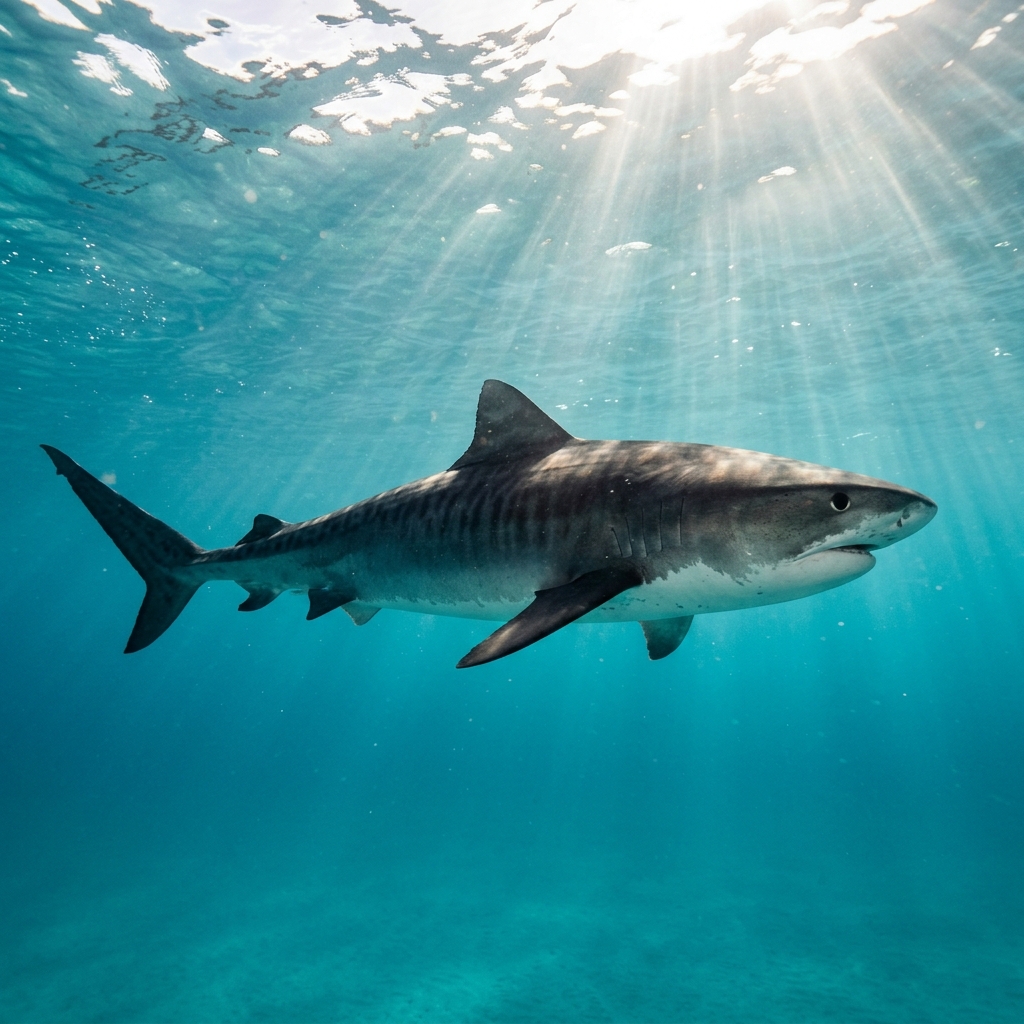
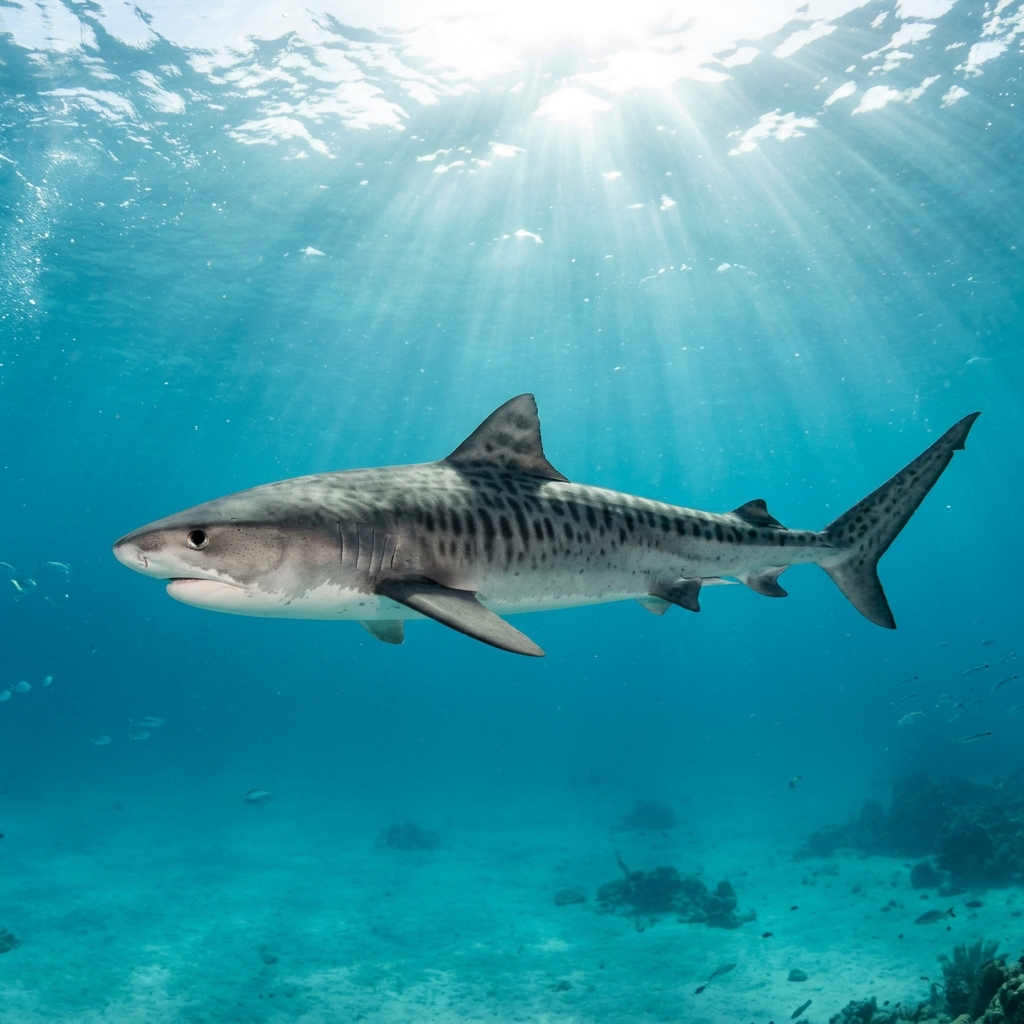
Reaching over five metres, this is a massively built shark with a broad, blunt snout and a distinctively squared-off head that is unlike most other large sharks. The body is grey to grey-brown with darker vertical bars or blotchy saddle markings along the flanks; on large adults these can be quite faint, but the pattern is rarely absent entirely. The underside is pale white or cream, and a prominent keel (a lateral ridge) runs along each side of the caudal peduncle (the narrowing just before the tail fin), a useful close-up feature. Adults are large enough in the water that size alone narrows the field considerably.
Tiger sharks are wide-ranging, often solitary hunters that move between shallow coastal areas and deeper open water, so encounters tend to be brief and unpredictable rather than reliable reef appearances. When seen by divers they usually cruise steadily and purposefully, showing little interest in a stationary diver but making extended circles if curious. They are most active around dusk and into the night, and sightings in open or sandy-bottomed areas tend to be more frequent than on the reef itself.
Tiger sharks are one of the least selective feeders of any large shark; their stomach contents have included licence plates, tyres, and birds alongside their typical prey, a result of a combination of strong curiosity and an almost uniquely undiscriminating appetite.
No clear seasonal peak emerges from the available sighting data, so encounters should be treated as possible year-round wherever the species is present. Their observed temperature niche of roughly 16 to 29 °C spans both warm tropical reefs and cooler subtropical waters, reflecting a wide-ranging animal rather than one tied to a single season.
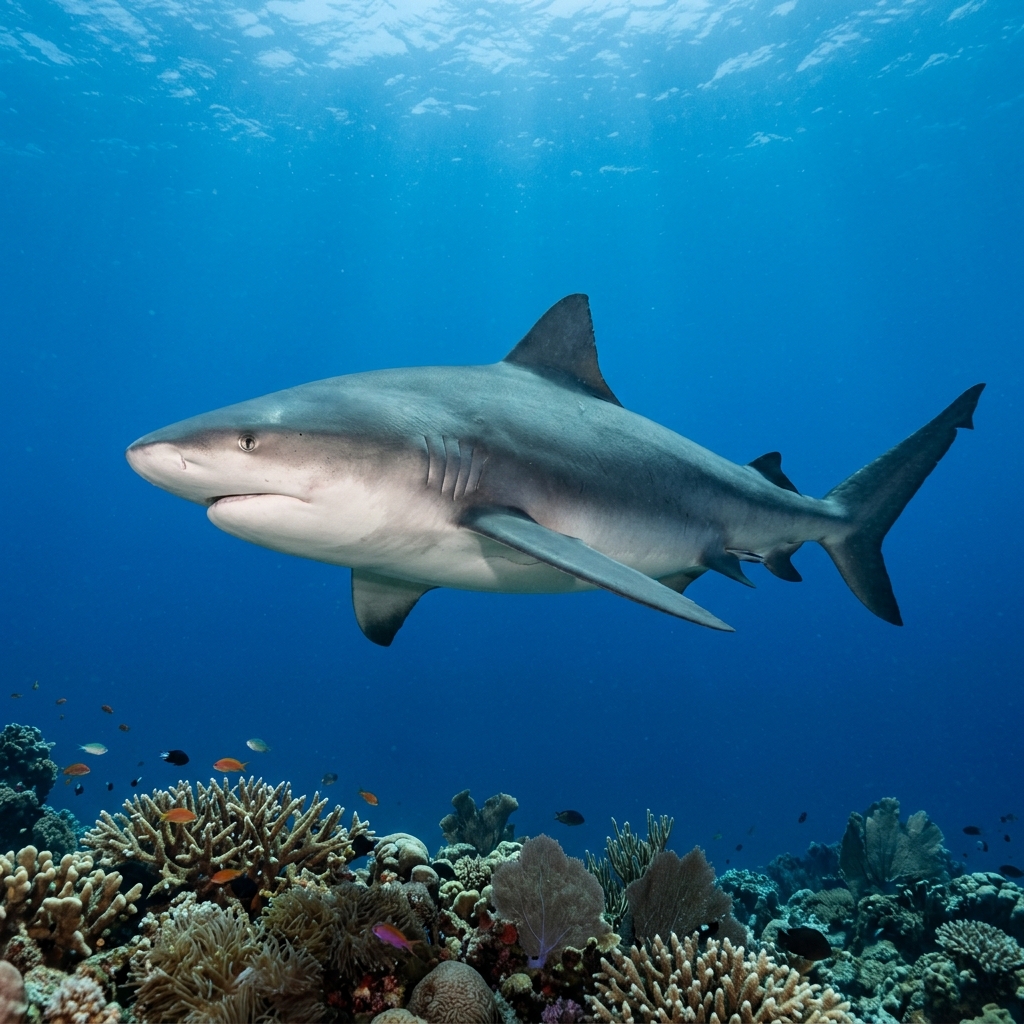
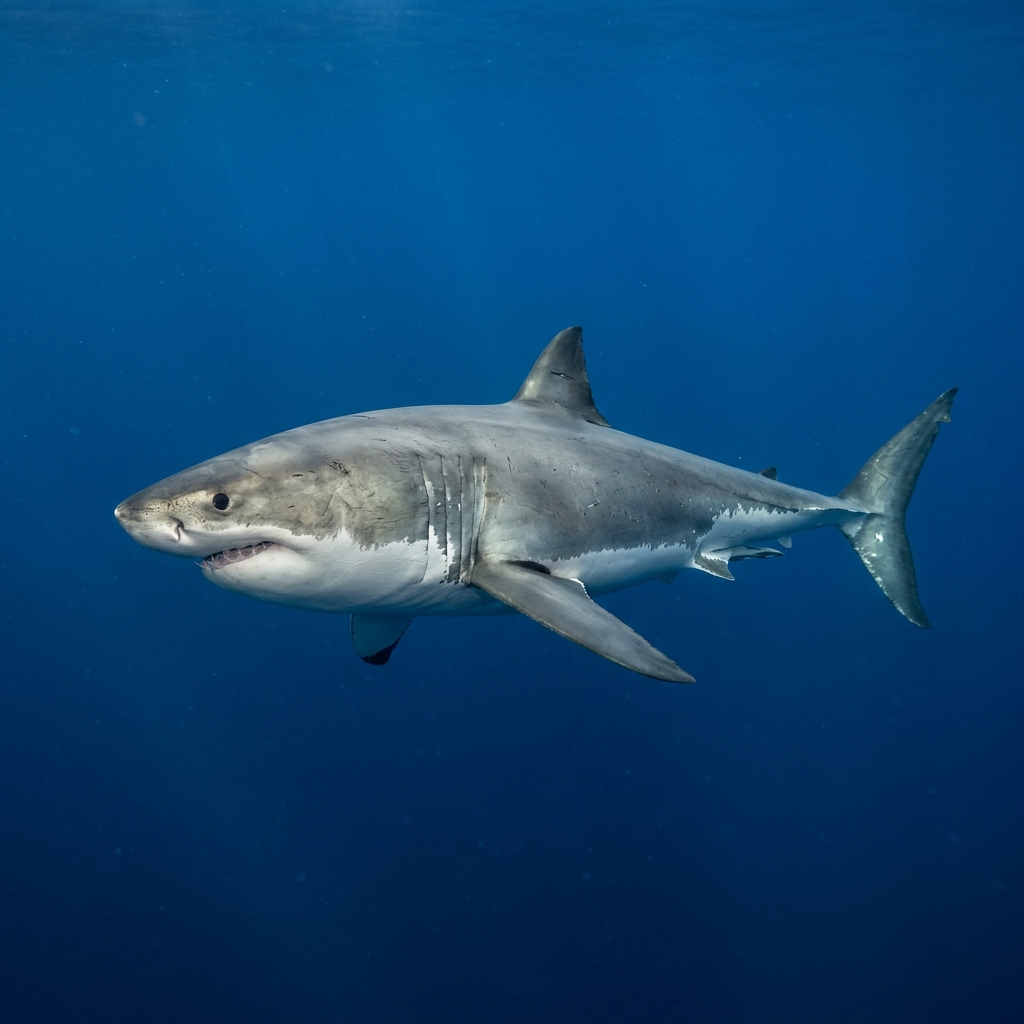
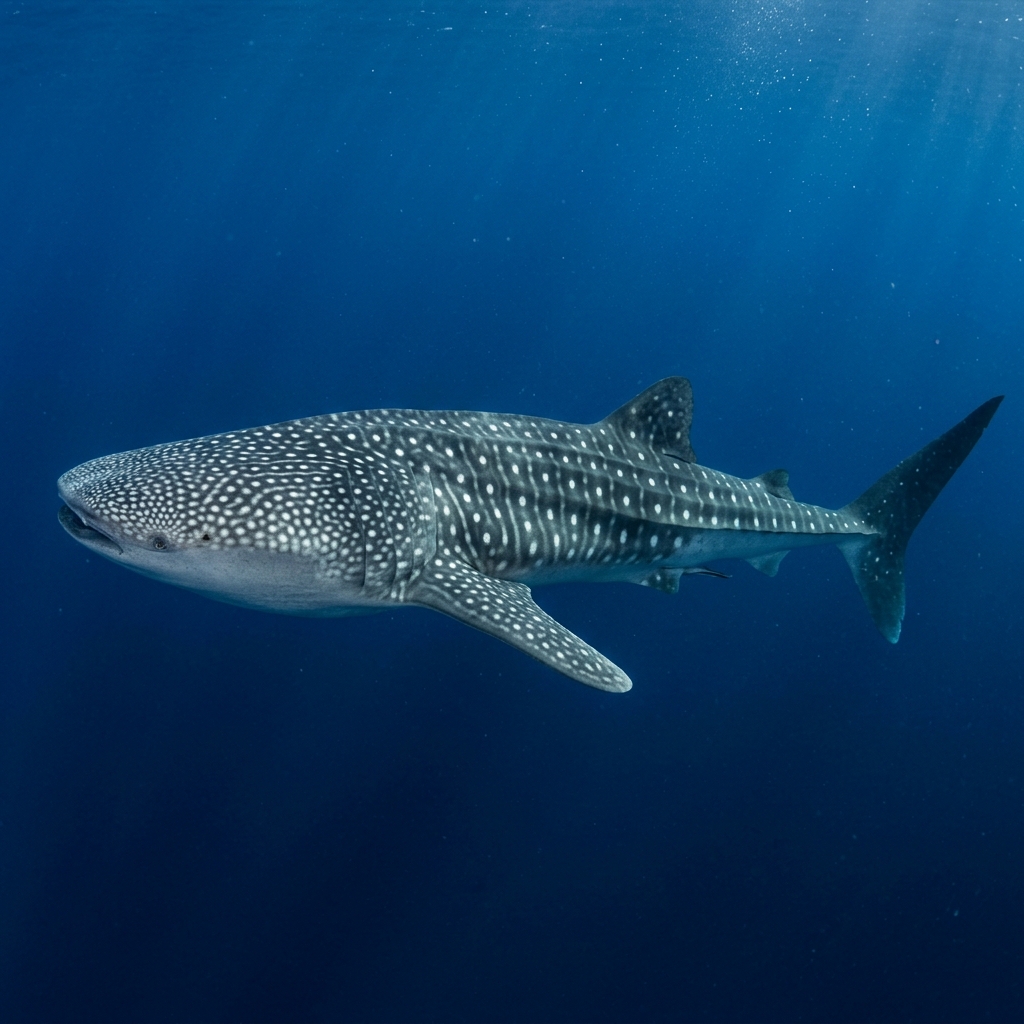
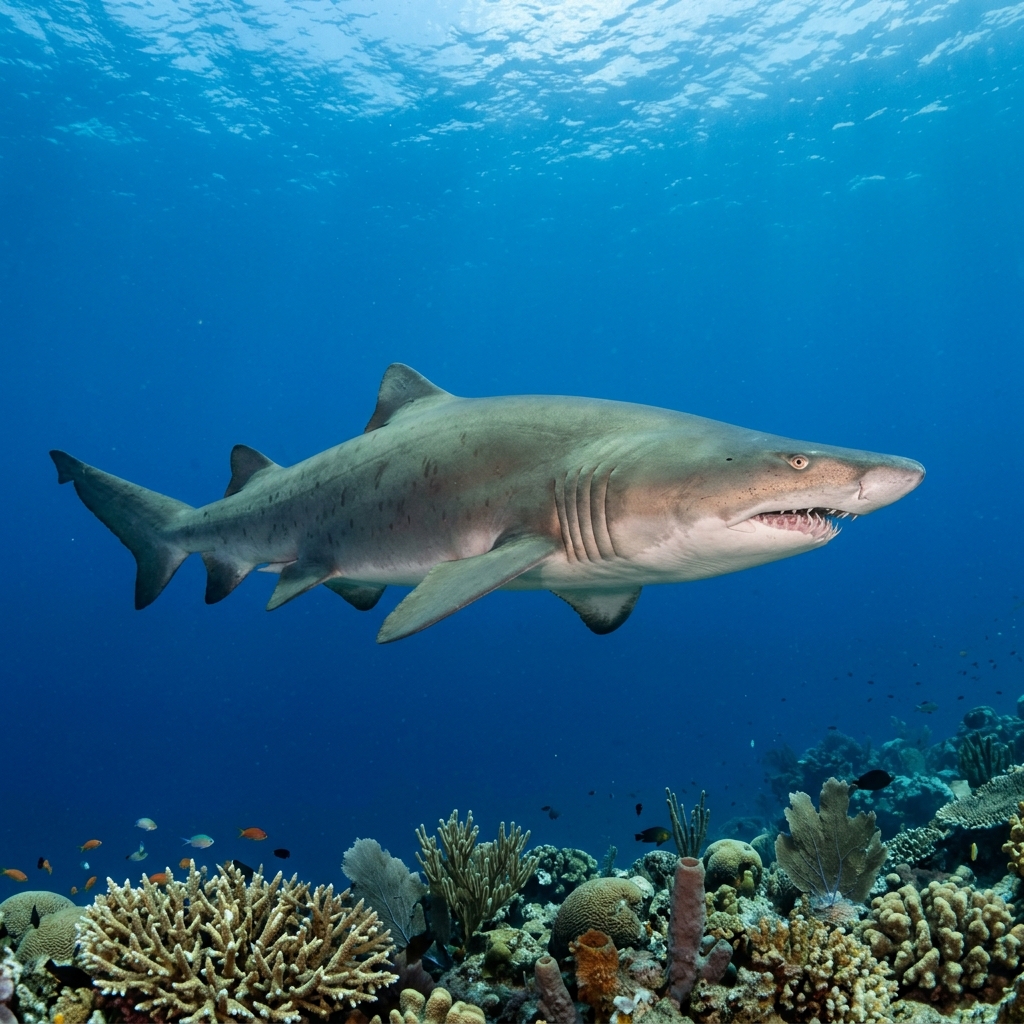
Reef neighbours a diver could mistake it for. Use the identification notes above to tell them apart.
Tiger sharks are modelled across a wide tropical and warm-temperate range, with the strongest concentration of dive sites in the Maldives, particularly the North and Central Atolls, Felidhoo and Mulaku, and Huvadhoo and Laamu. The United States is another major hotspot, especially Florida and the Southeast, followed by Queensland in Australia. The Philippines, Indonesia, Brazil, Thailand, and Mexico also have substantial ranges within the model.
Mapping where Tiger Shark is logged…
The strongest coverage of dive sites is in the Maldives, particularly the North and Central Atolls, with Florida and the Southeast United States a close second. Queensland in Australia, Palawan in the Philippines, and the Northeast Coast of Brazil are also well-represented in the range model.
There is no firmly established seasonal peak in the current sighting data, so encounters are treated as year-round possibilities. Their wide temperature tolerance, from around 16 to 29 °C, means they move through both tropical and subtropical waters across different months rather than concentrating in one season.
They are among the largest predatory sharks in the ocean, typically reaching around five metres in length. Females tend to be larger than males at full maturity. Their bulk and broad, blunt head make them appear even larger underwater than measurements suggest.
Key features are the very broad, blunt snout and squared-off head, the vertical dark bars or blotchy markings along the flanks (fainter on large adults), a pale underside, and the prominent ridge running along each side of the tail base. Overall size helps too; adults are hard to mistake once you know what to look for.
Yes. Tiger sharks are considered one of the higher-risk large shark species for divers and swimmers. They are curious and persistent, and their size means an investigatory bite can cause serious injury. Calm, controlled behaviour in the water, avoiding bait or spearfished fish, and always keeping the animal in sight are the core safety principles.
Site and sighting data is aggregated from diver logs, iNaturalist and GBIF. For taxonomy and conservation status:
Galeocerdo cuvier
One of the ocean's most recognisable sharks, tiger sharks are most logged in the Maldives and Florida. Here's where, when, and how to spot one.
Blue Shark
1,527 sites