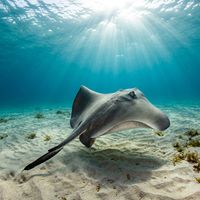
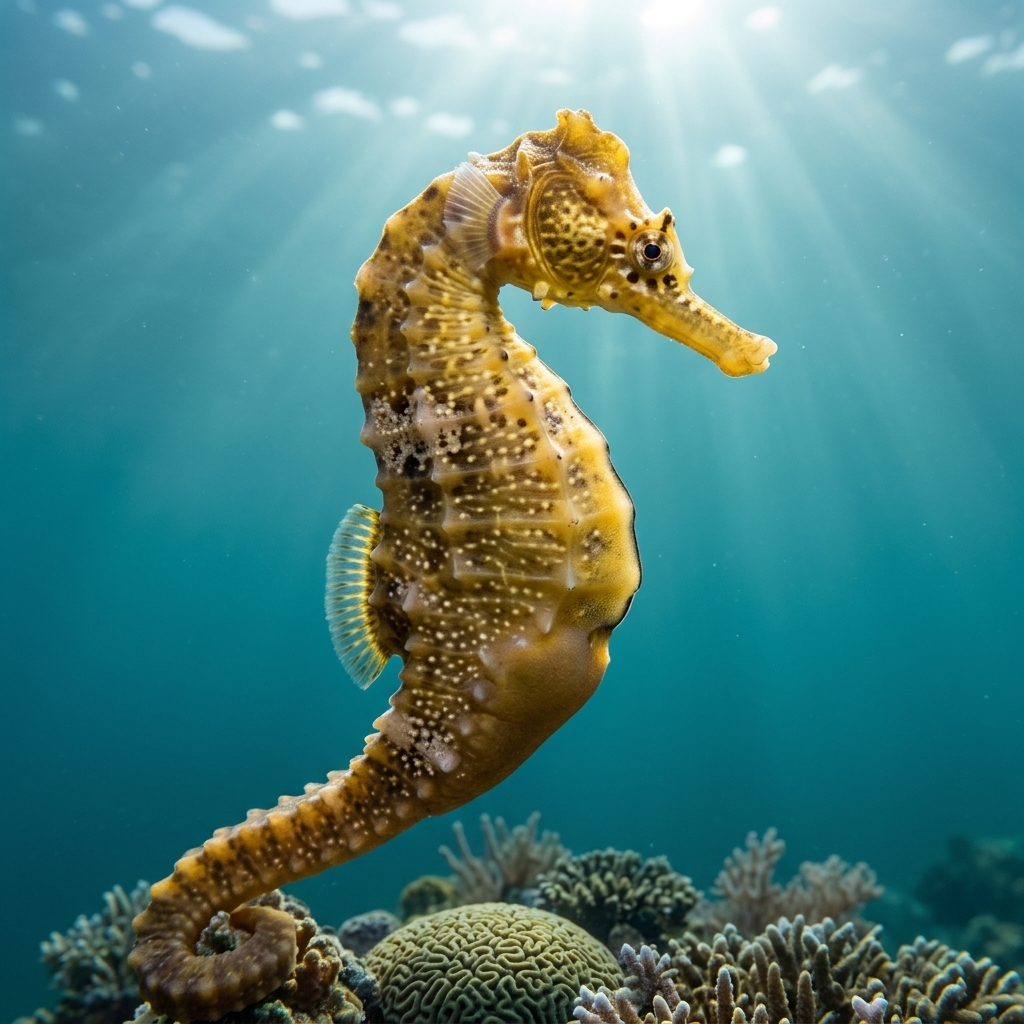
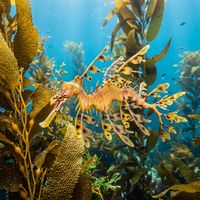
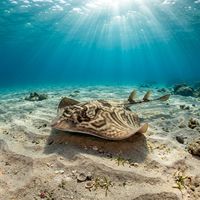
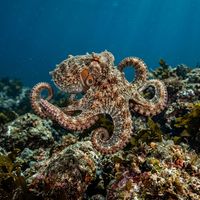
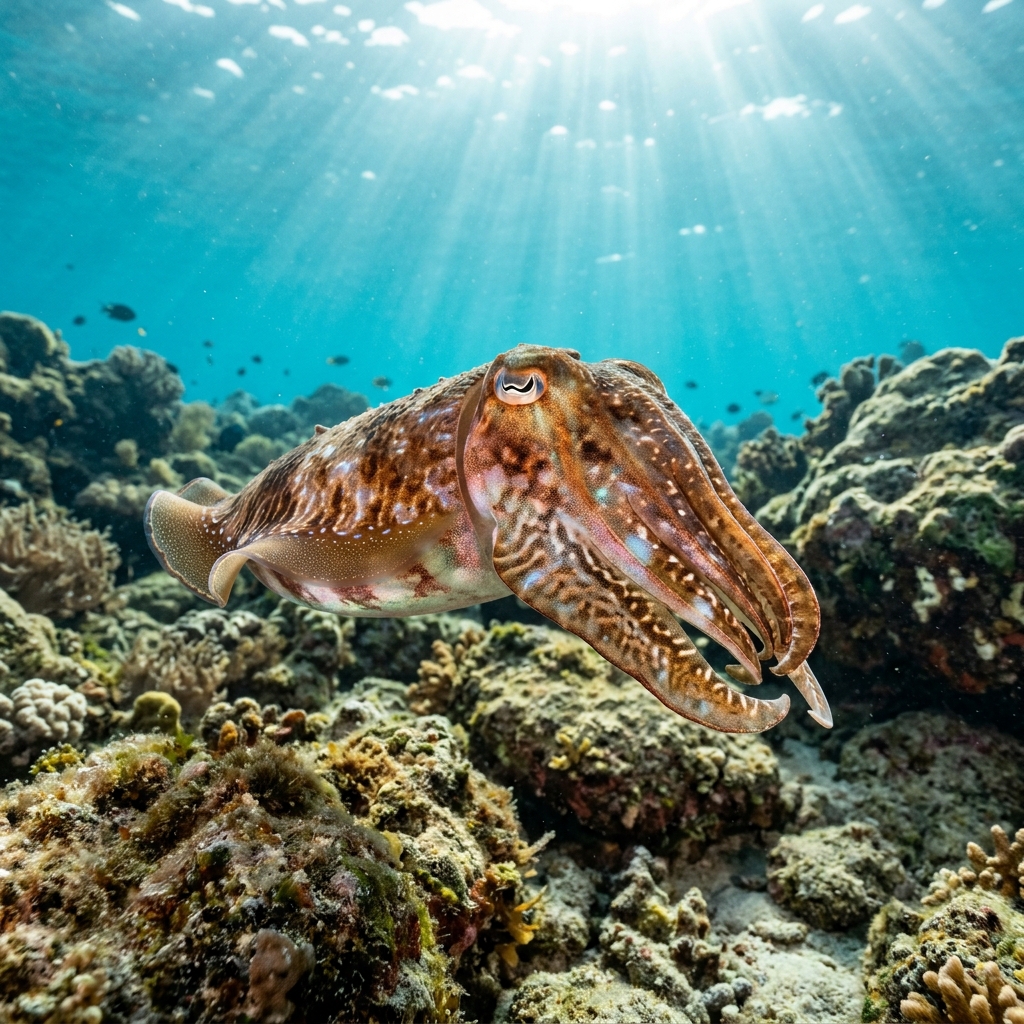
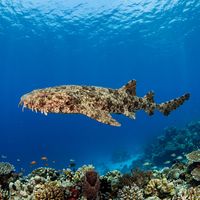
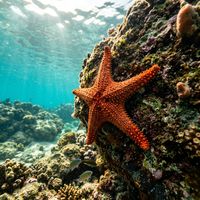
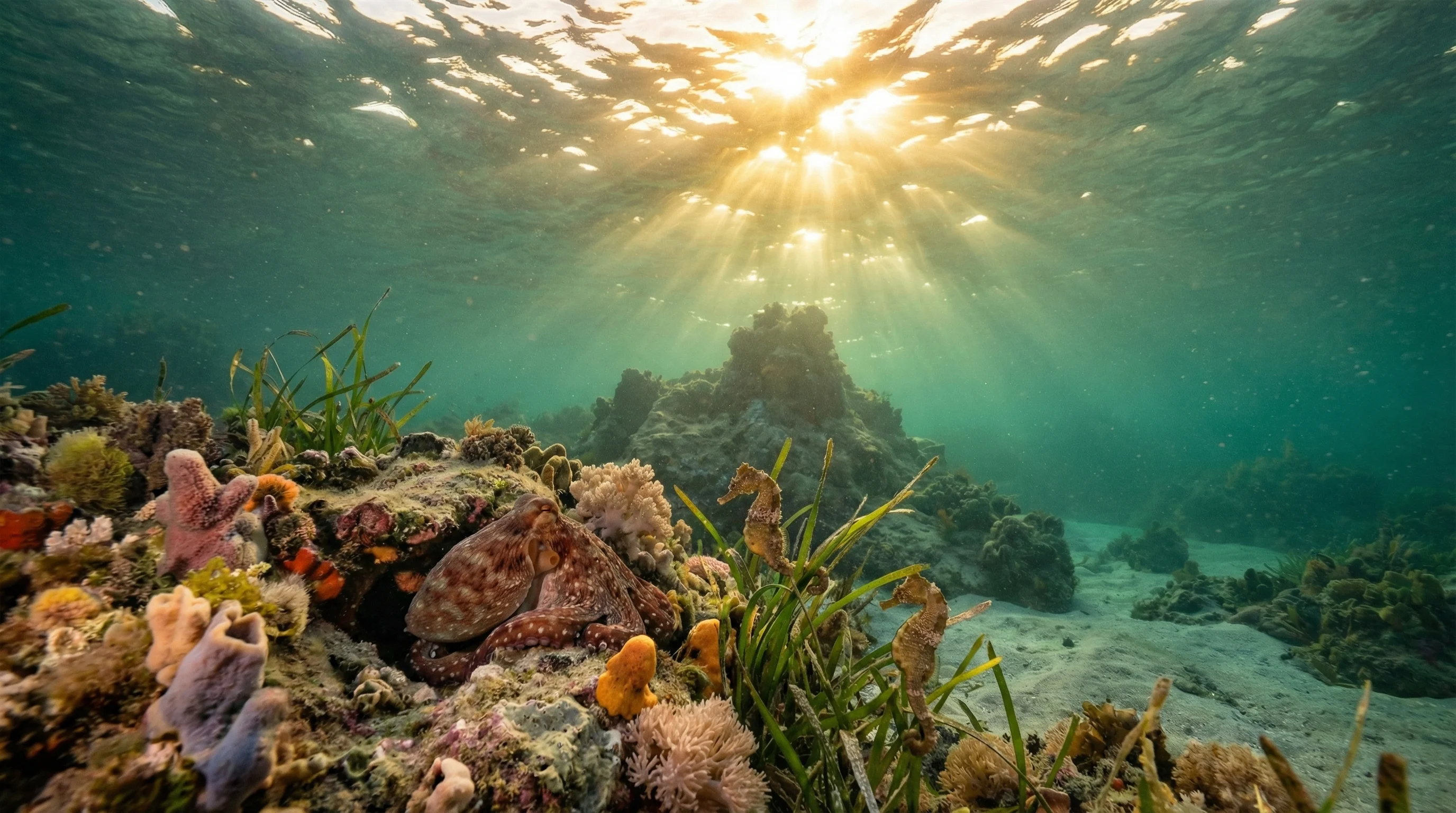
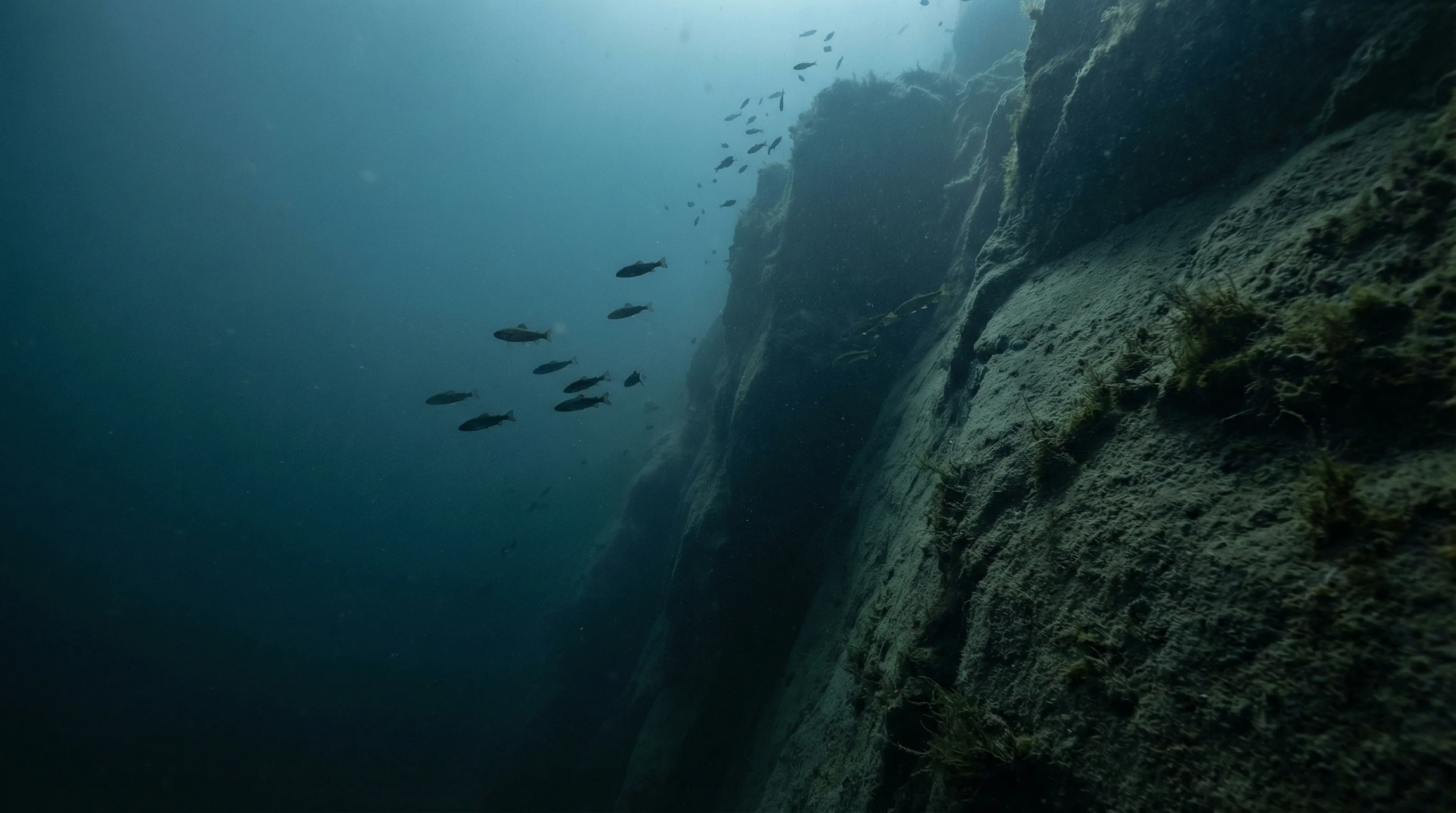
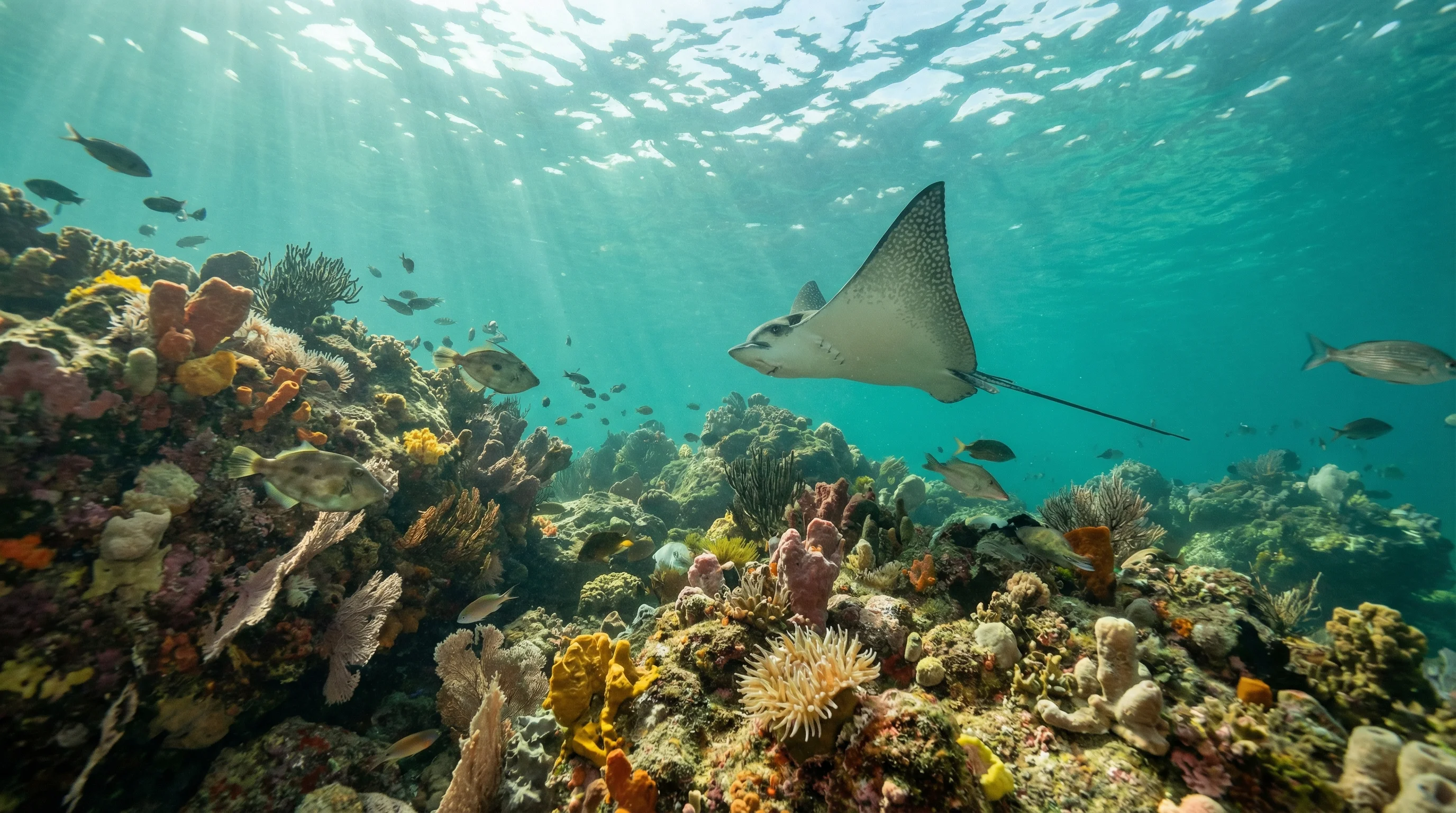
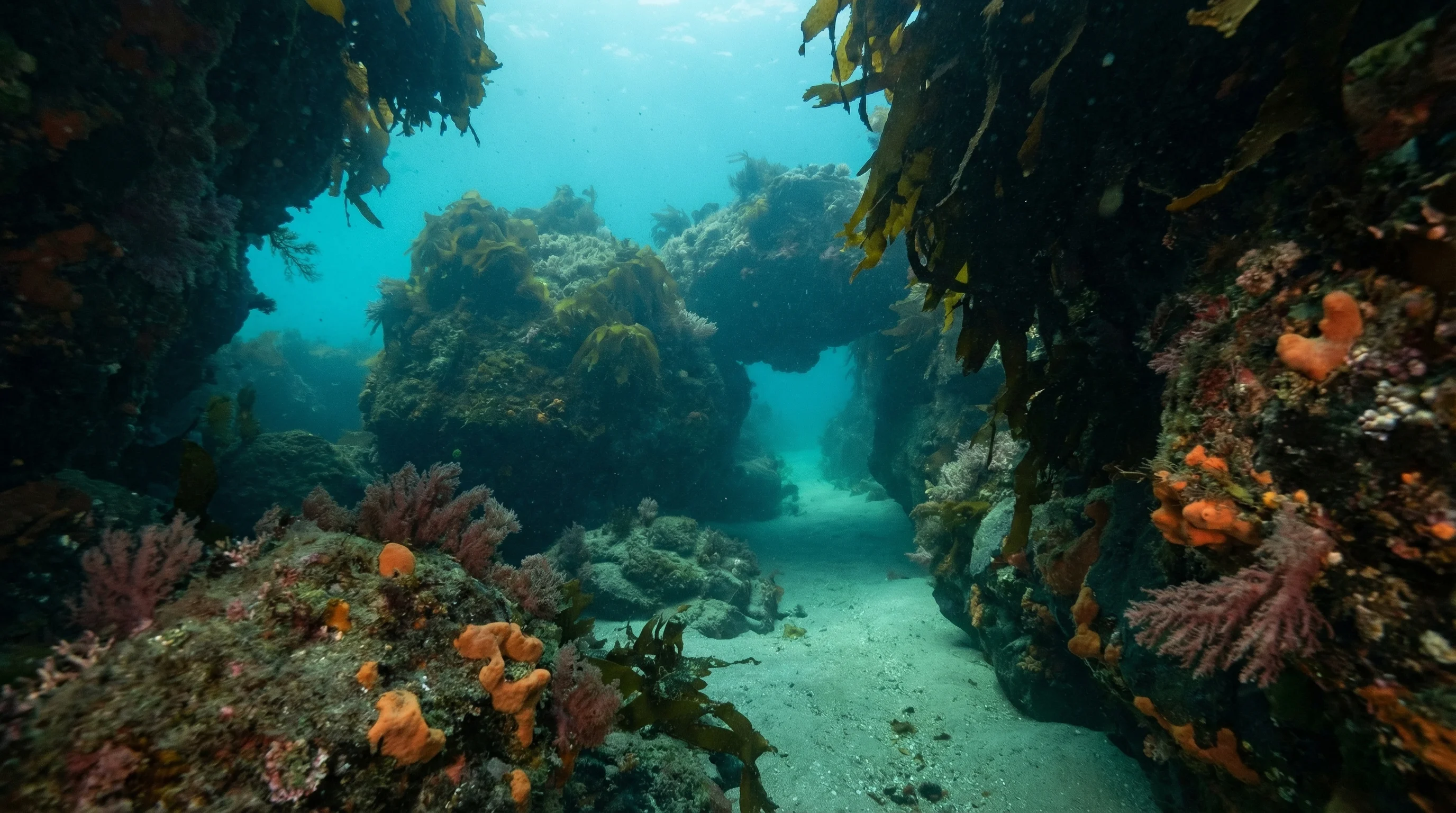
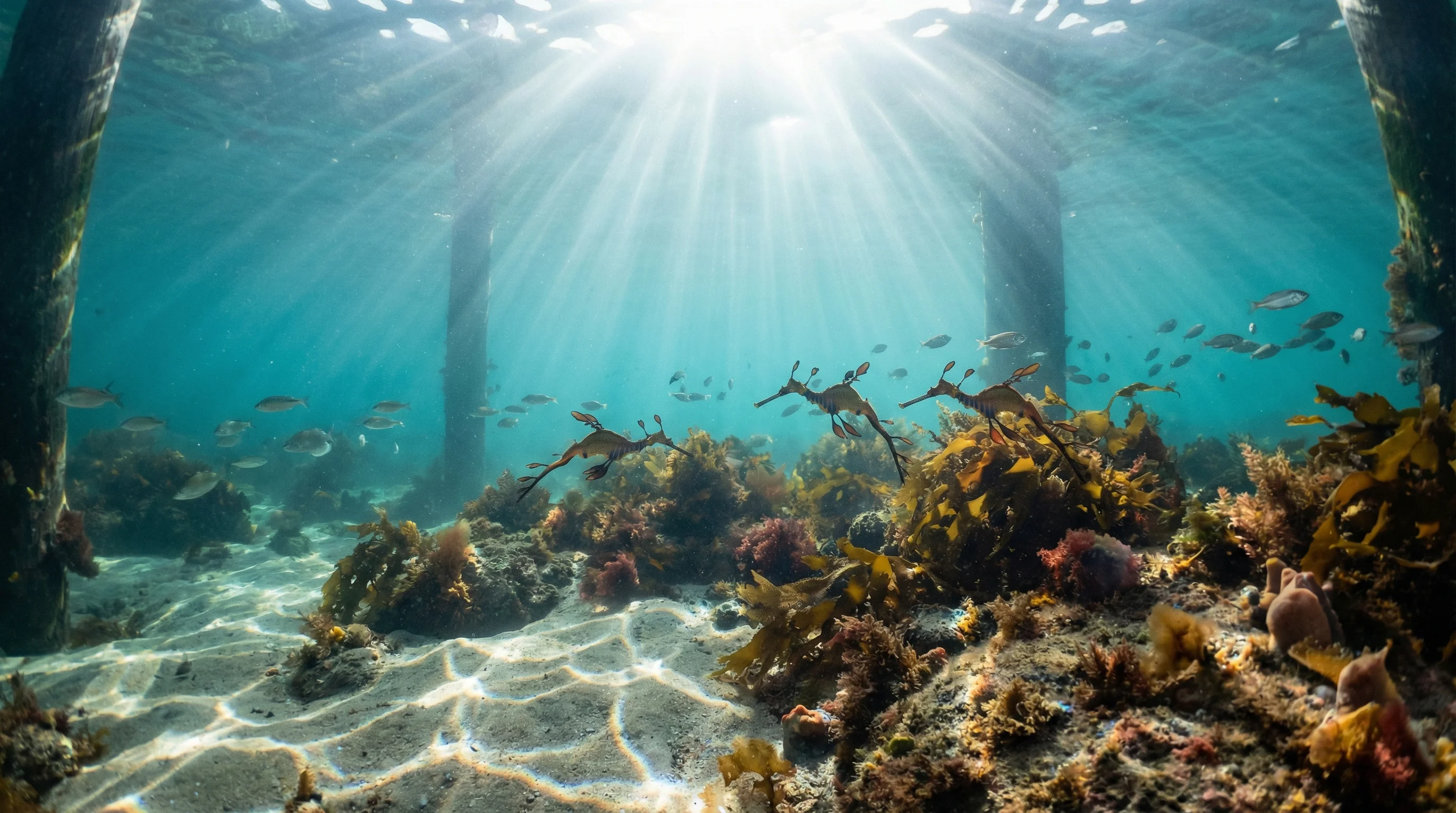
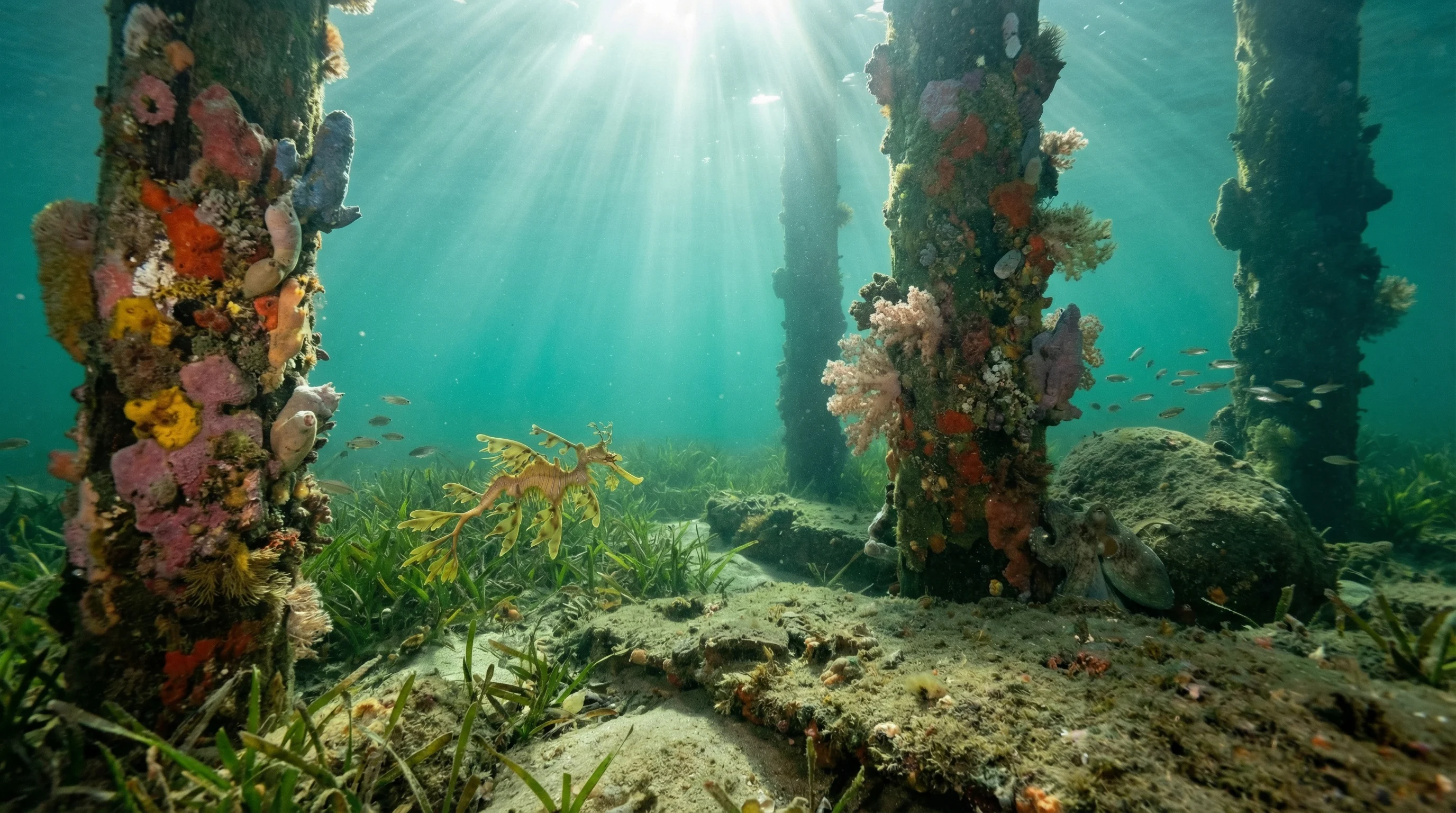
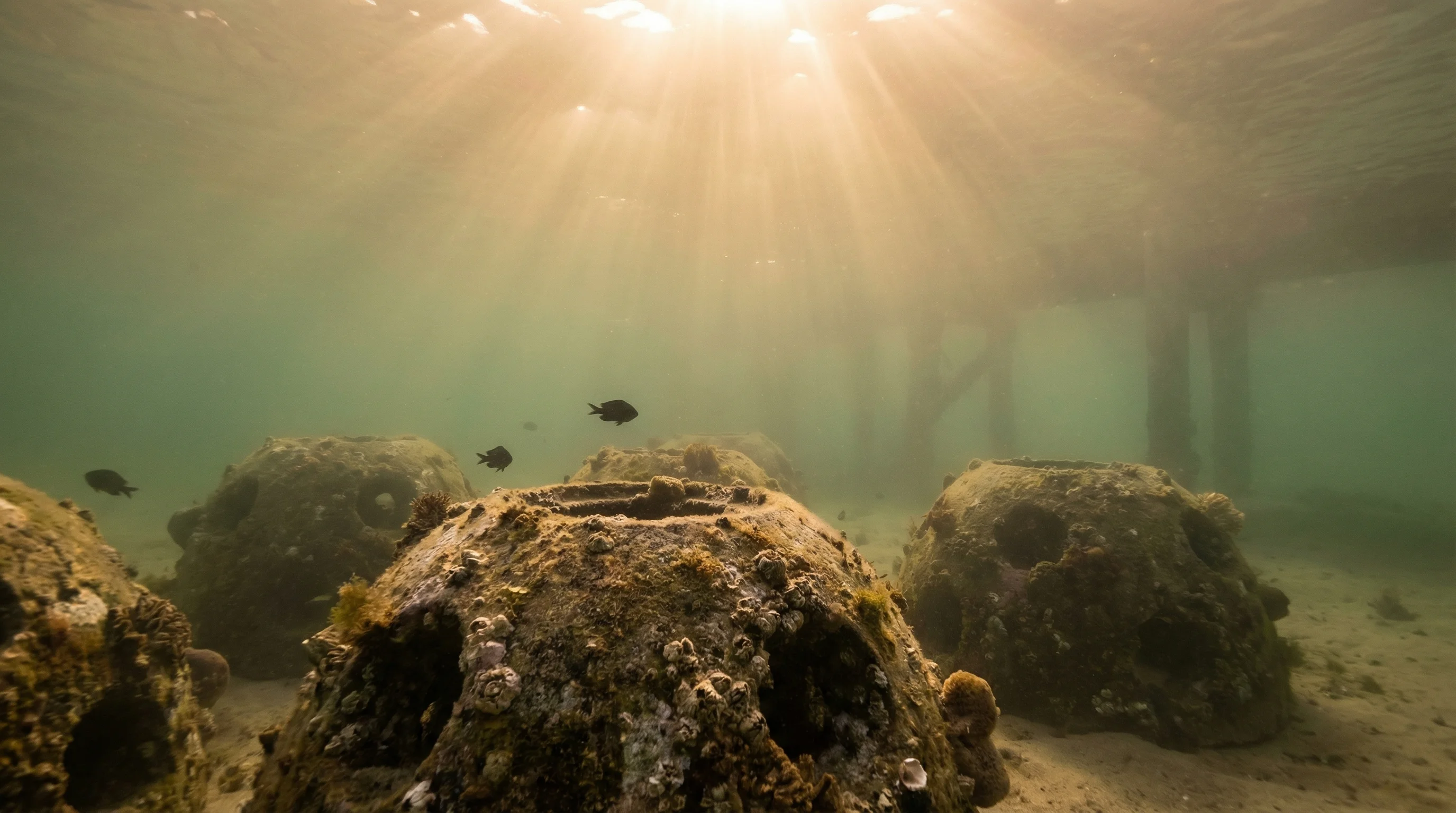
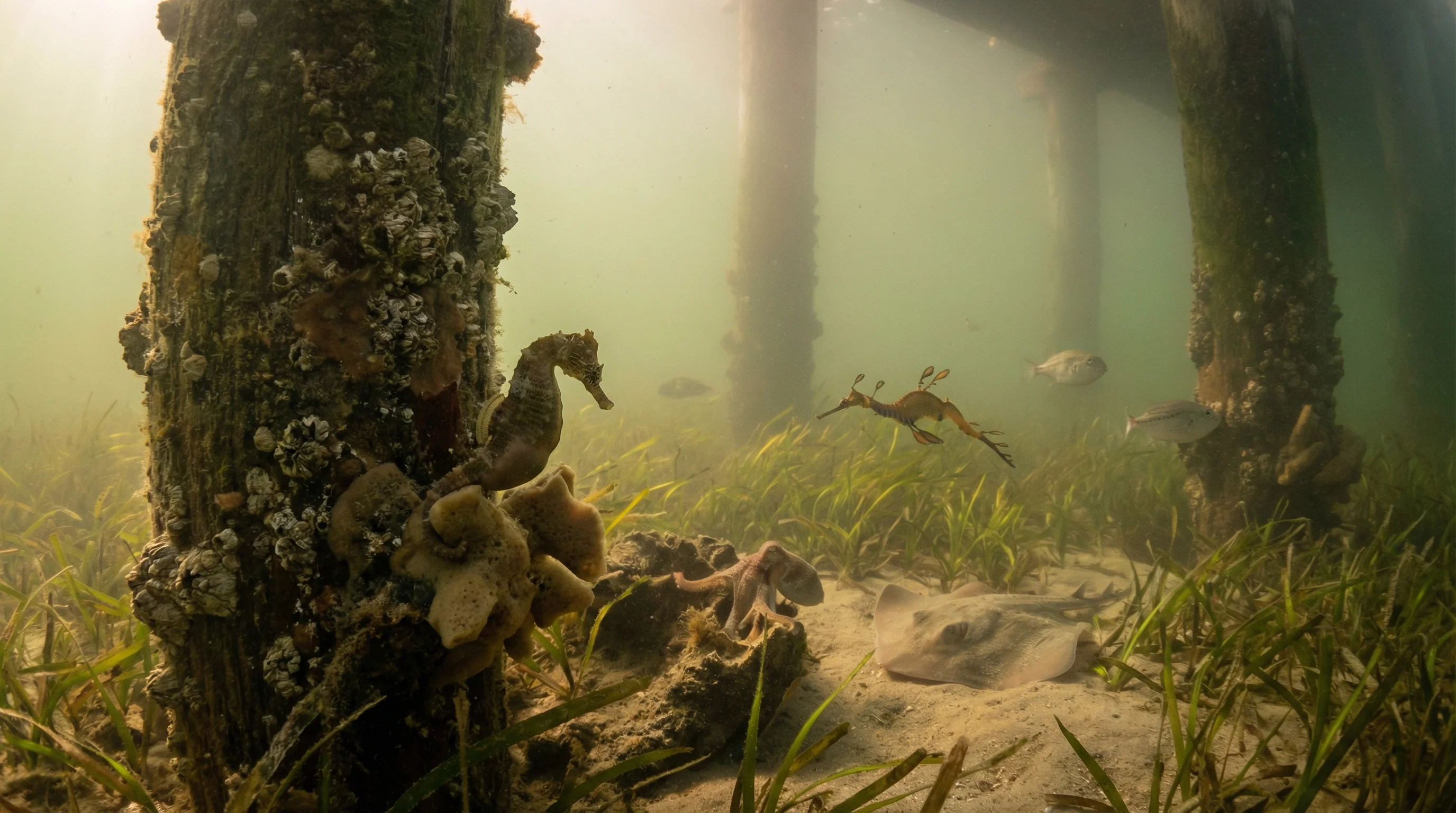
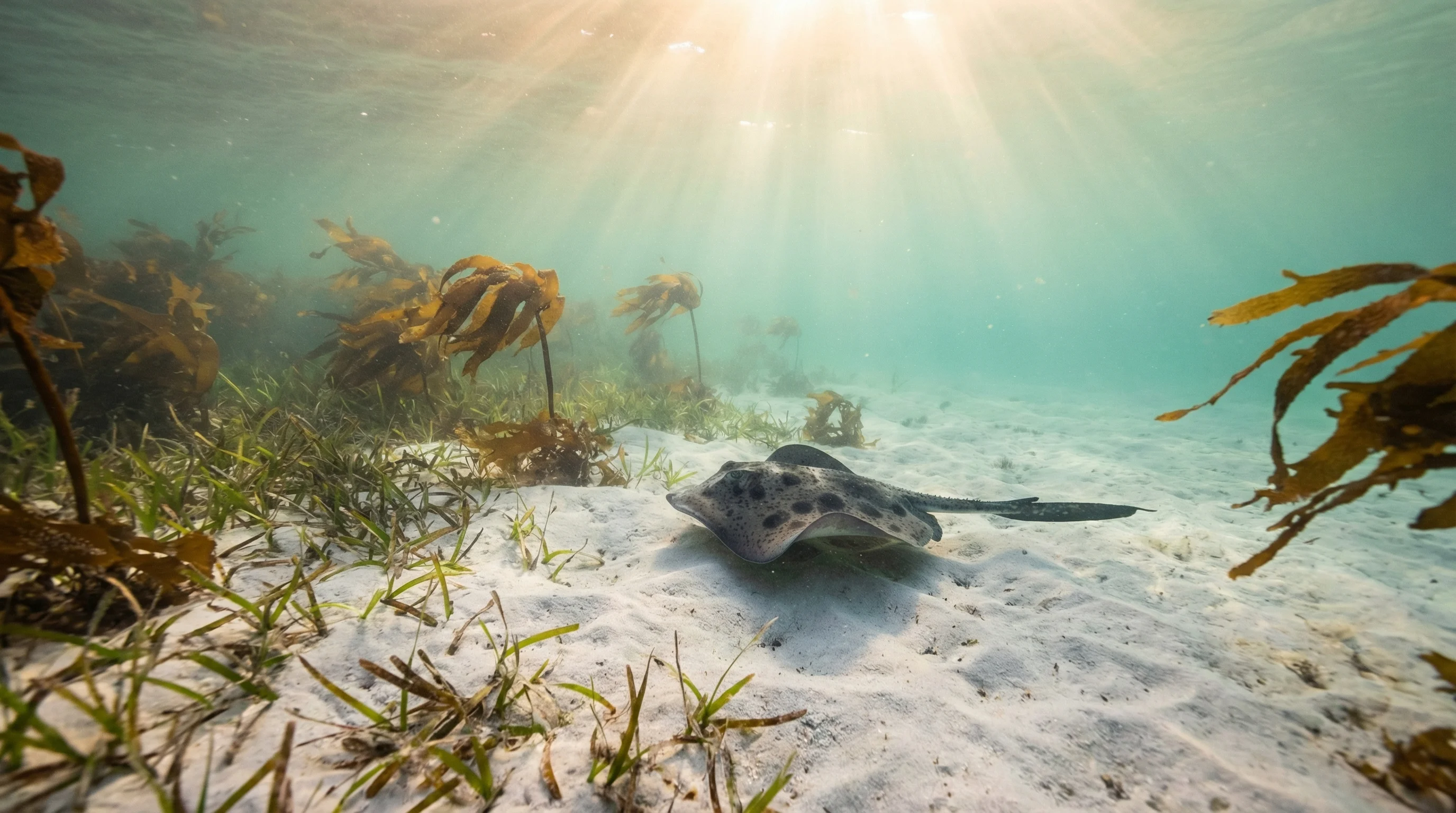
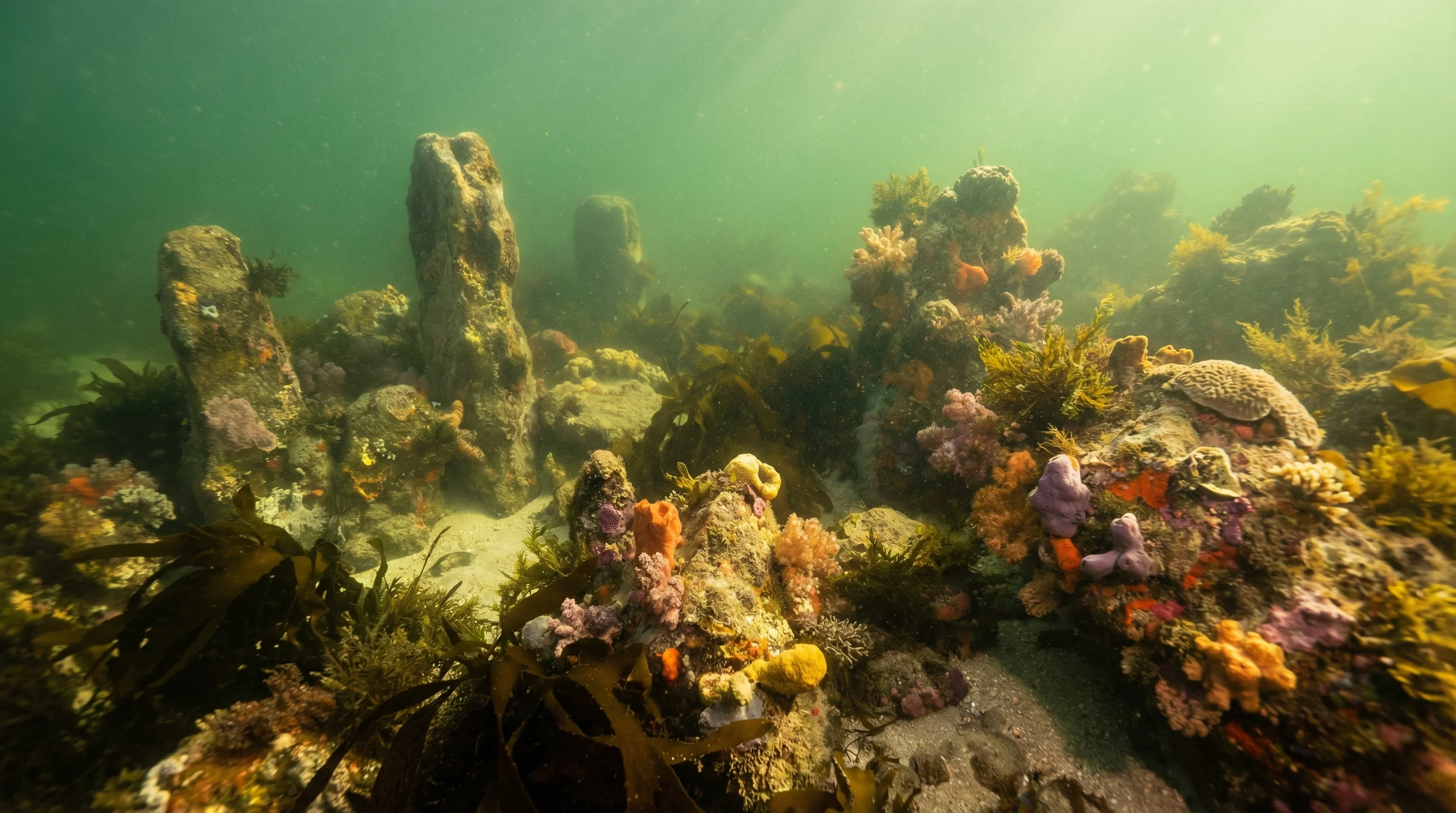
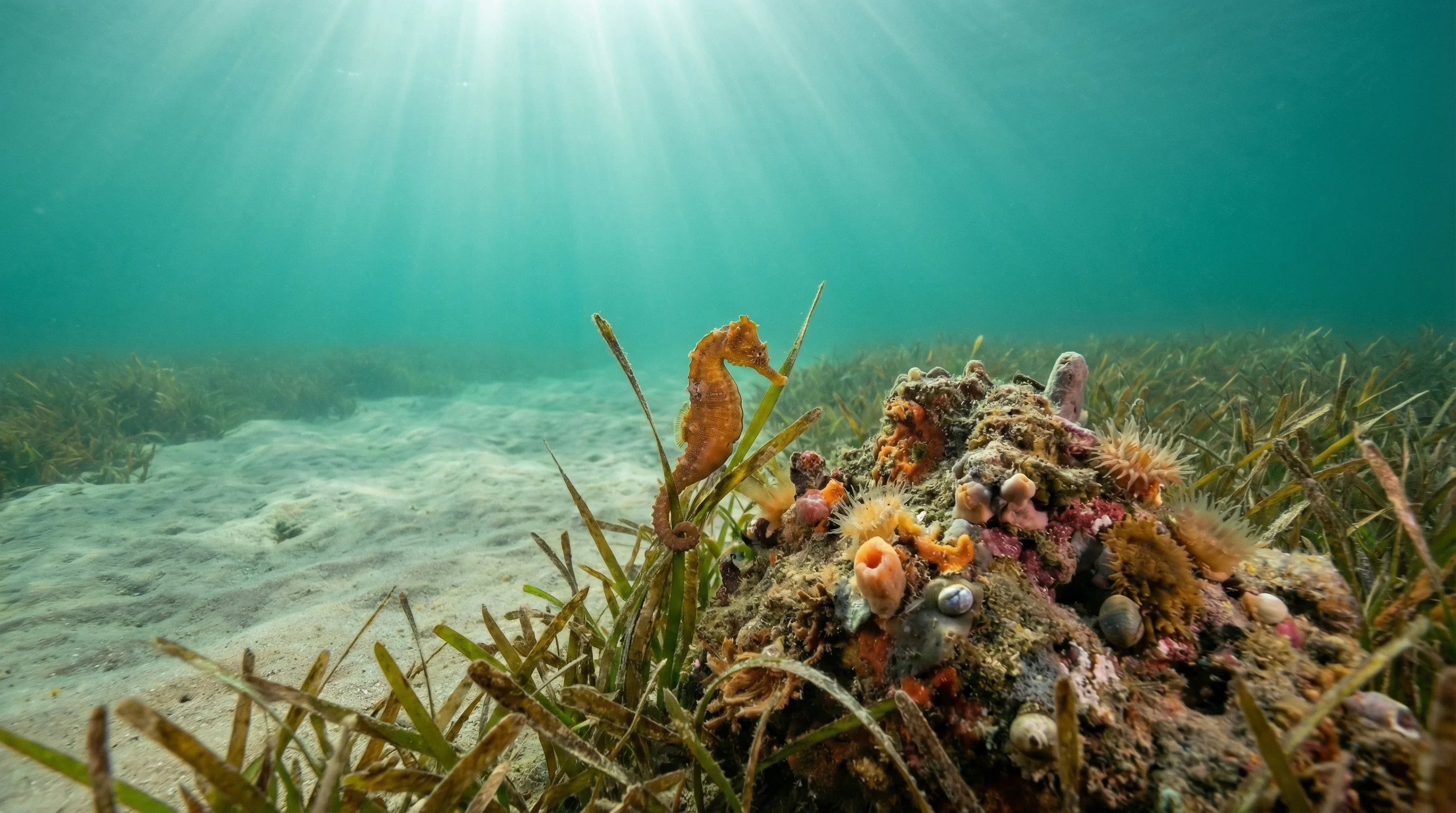
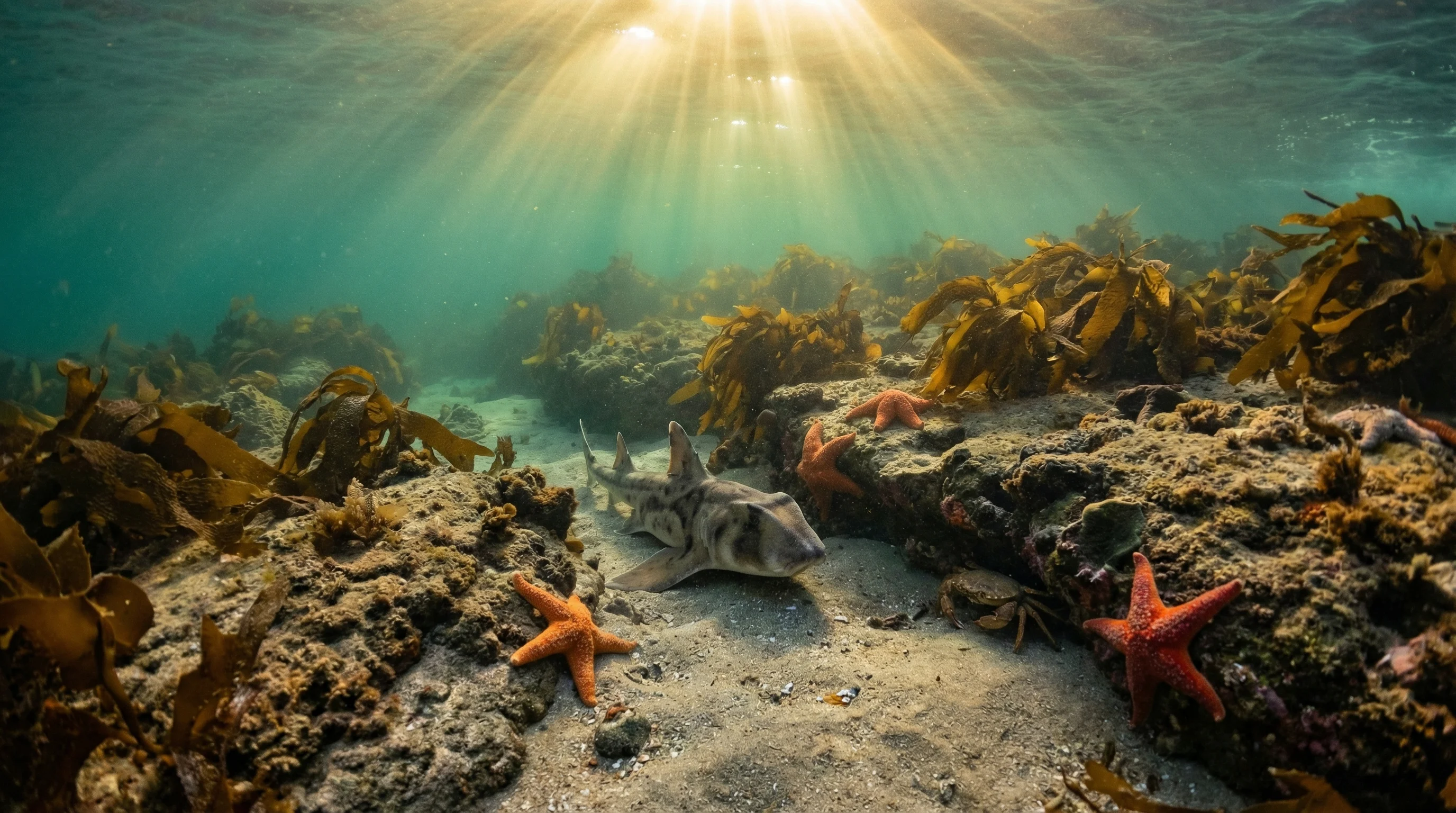
Western Port Bay Side blends pier dives, sandy reef, seagrass and rocky shoreline into an accessible package that suits beginners and rewards the curious. Pier pylons at Frankston Pier and Flinders Pier act as artificial reefs, drawing Weedy Seadragon, Pot-bellied Seahorse and Giant Cuttlefish. The Smooth Ray is a near-constant presence, while Port Jackson Shark and Spotted Wobbegong favour the reef edges. Point Leo and Flinders anchor the two main pockets of sites, each with distinct character.
2 areas
Monthly water temperature across Western Port Bay Side's sites, from satellite sea-surface data corrected for depth. The band shows the site-to-site spread.
Water is warmest from December through March, making those months the most comfortable for extended dives without heavy exposure protection. Temperatures drop noticeably through the cooler months, bottoming out mid-winter, and visibility can shift considerably depending on swell and season. The sheltered pier sites hold their conditions well even when exposed reefs are unsettled.
19 more sites to explore
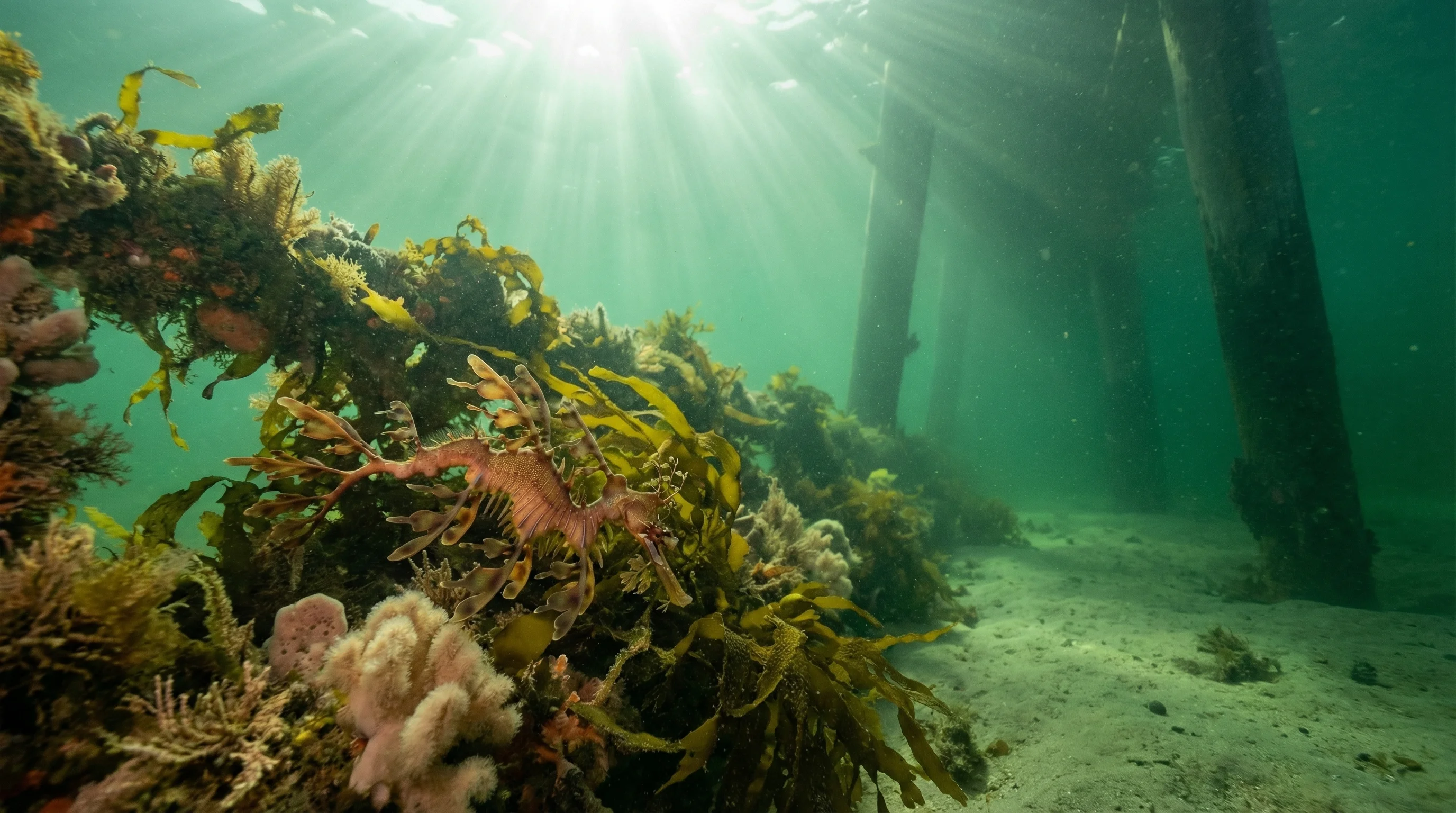
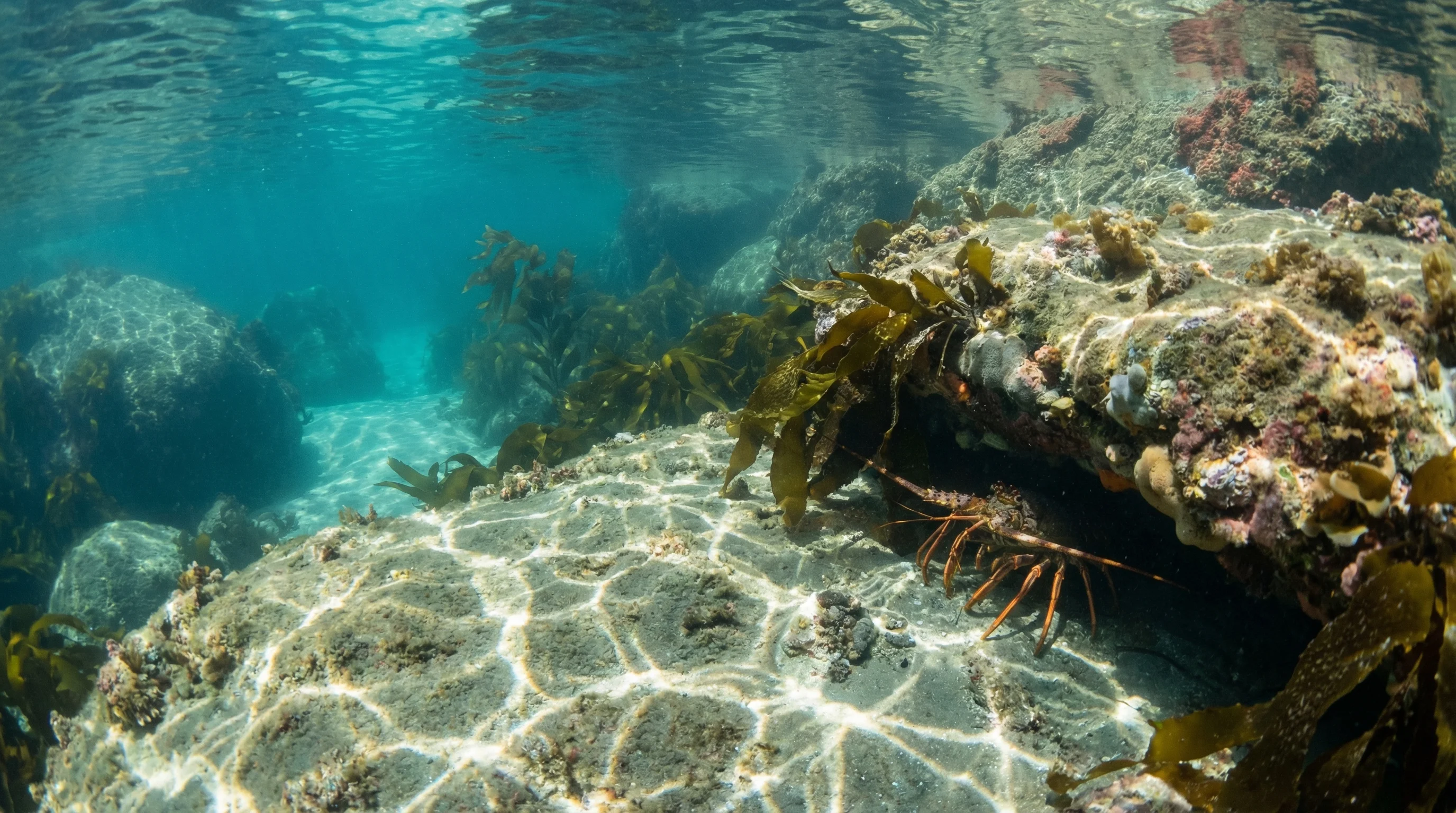
Temperate Port Phillip Bay shore diving on the Mornington Peninsula, with seahorses, cuttlefish, nudibranchs, and fur seals in cool to cold water.
Water temperature around Western Port Bay Side ranges from about 13°C in July to 19°C in January, based on satellite sea-temperature data for its dive sites.
In the warm season (about 19°C) a 5mm suit is comfortable in Western Port Bay Side; in the coldest months (about 13°C) step up to a 7mm or semi-dry suit.
Fin maps 23 sites in Western Port Bay Side (22 scuba diving sites and 9 snorkelling spots, with some suited to both), organised into 2 areas.
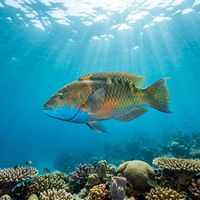
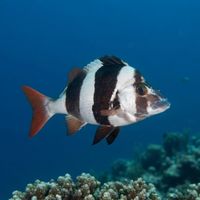
The Smooth Ray is the most consistently encountered species across sites. Signature species include the Weedy Seadragon, Pot-bellied Seahorse, Giant Cuttlefish, New Zealand Octopus and Spotted Wobbegong. Reef fish such as Blue Throated Wrasse and Magpie Morwong are common, and the Port Jackson Shark and Draughtboard Shark appear regularly on reef edges.
The majority of top sites, including Frankston Pier, Flinders Pier, Smiths Beach and Mornington Pier, are rated for beginners. All feature shore entries and relatively shallow depths, removing the need for boat experience. The sheltered pier environments in particular offer a forgiving introduction to Victorian diving.
Flinders holds the pier and beach sites around the southern tip of the peninsula, including Flinders Pier with its seagrass and pylon growth, and Smiths Beach with its reef extending to greater depth. Point Leo offers a larger cluster of sites spread along the bay side. Both areas are shore-accessible and beginner-friendly but provide enough variety to keep more experienced divers engaged.
Shore entry is the dominant access style here. Frankston Pier, Flinders Pier, Smiths Beach and Mornington Pier are all reached directly from shore. Operators Ocean Adventures and Diveline Scuba Centre are available locally for guided experiences, but the site layout means independent divers can explore much of the region under their own steam.