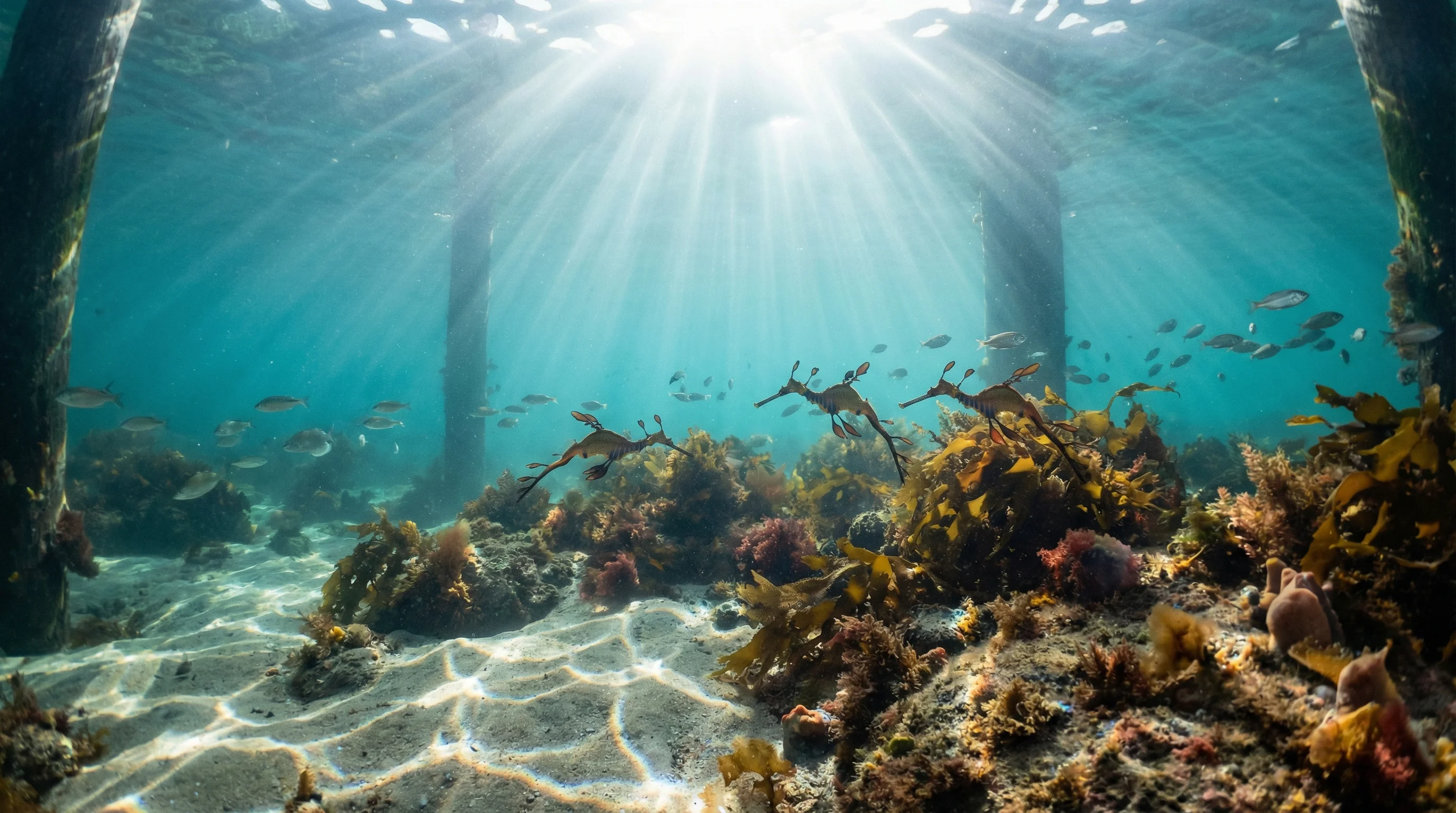
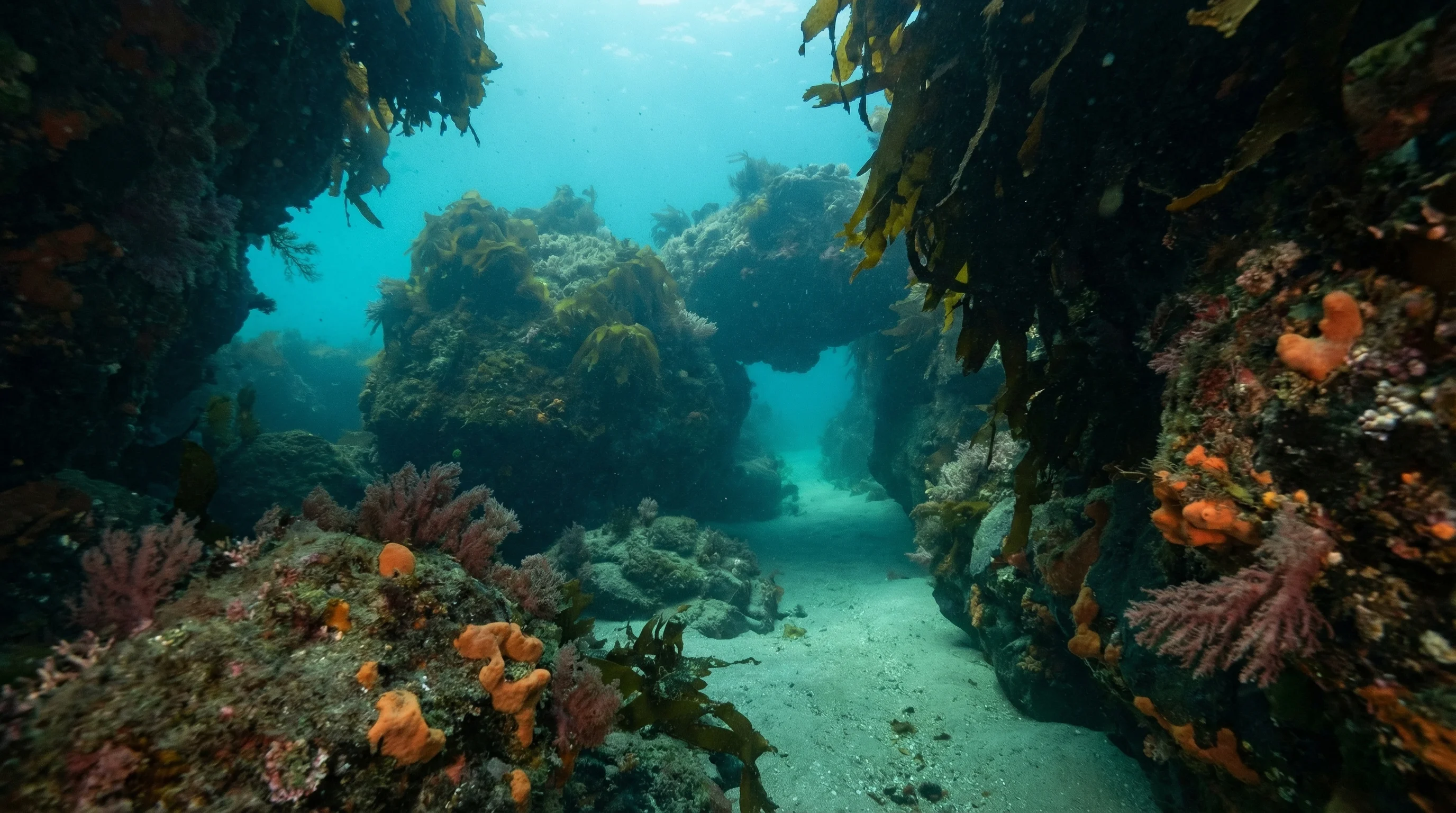
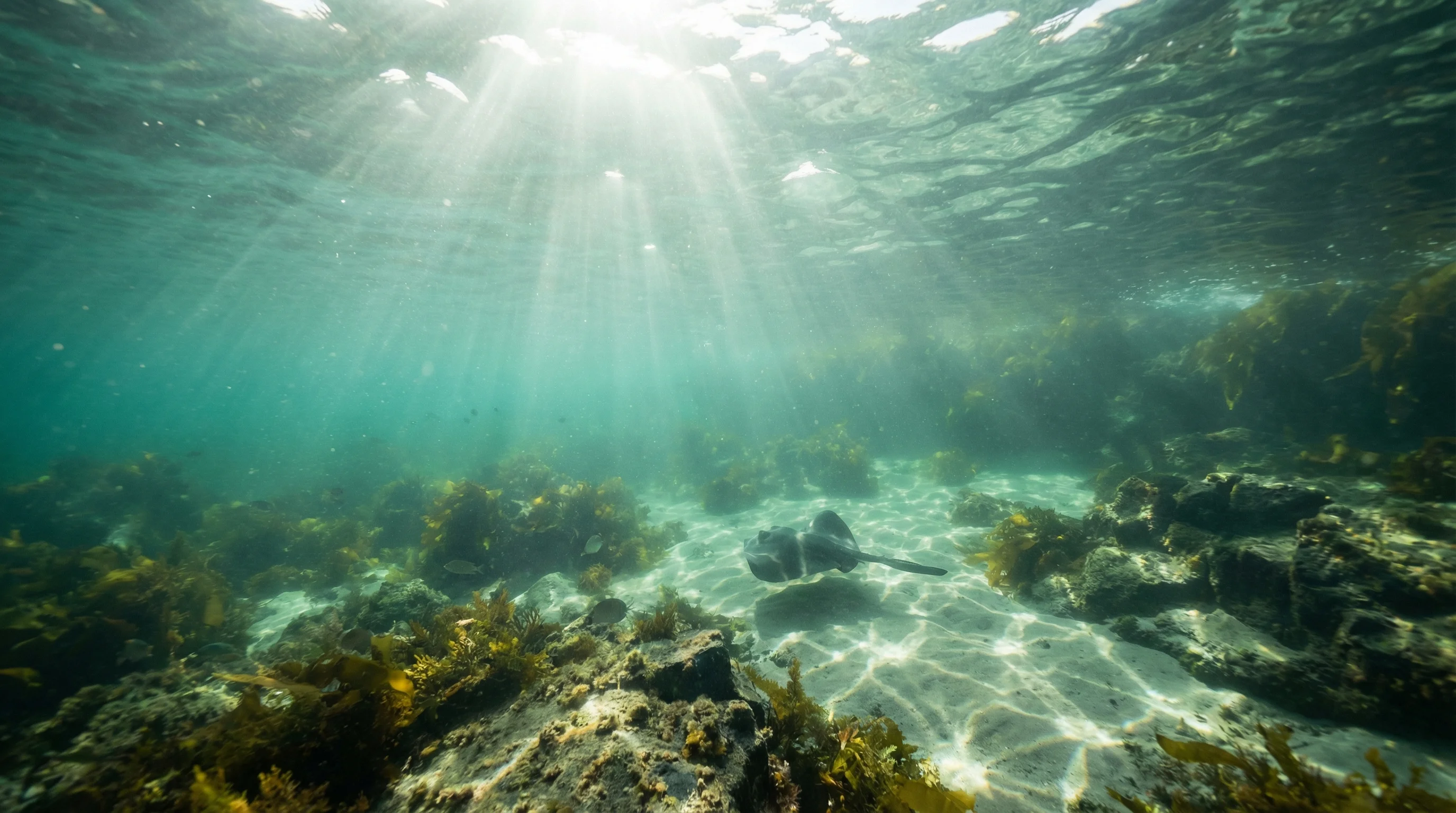
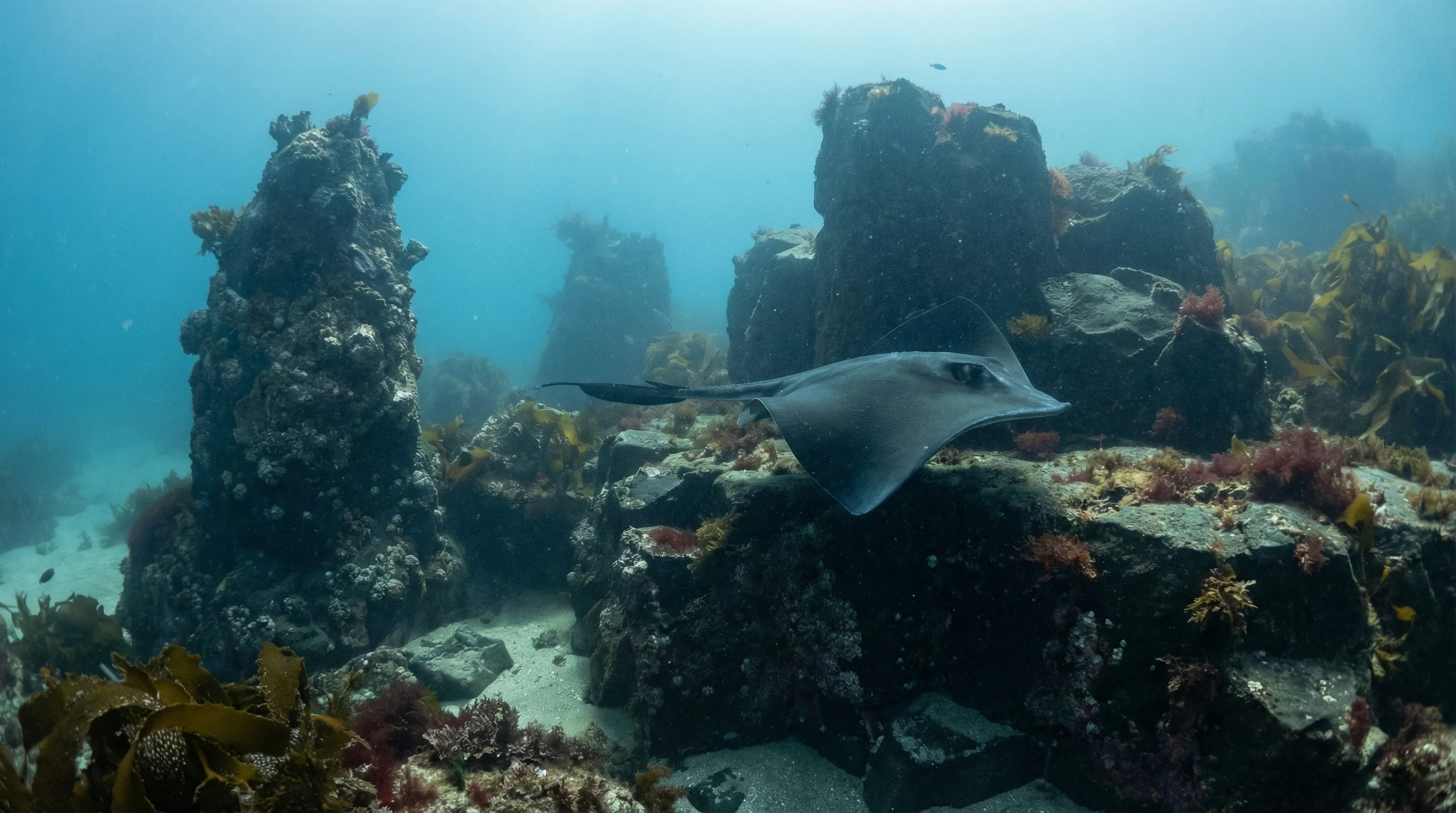
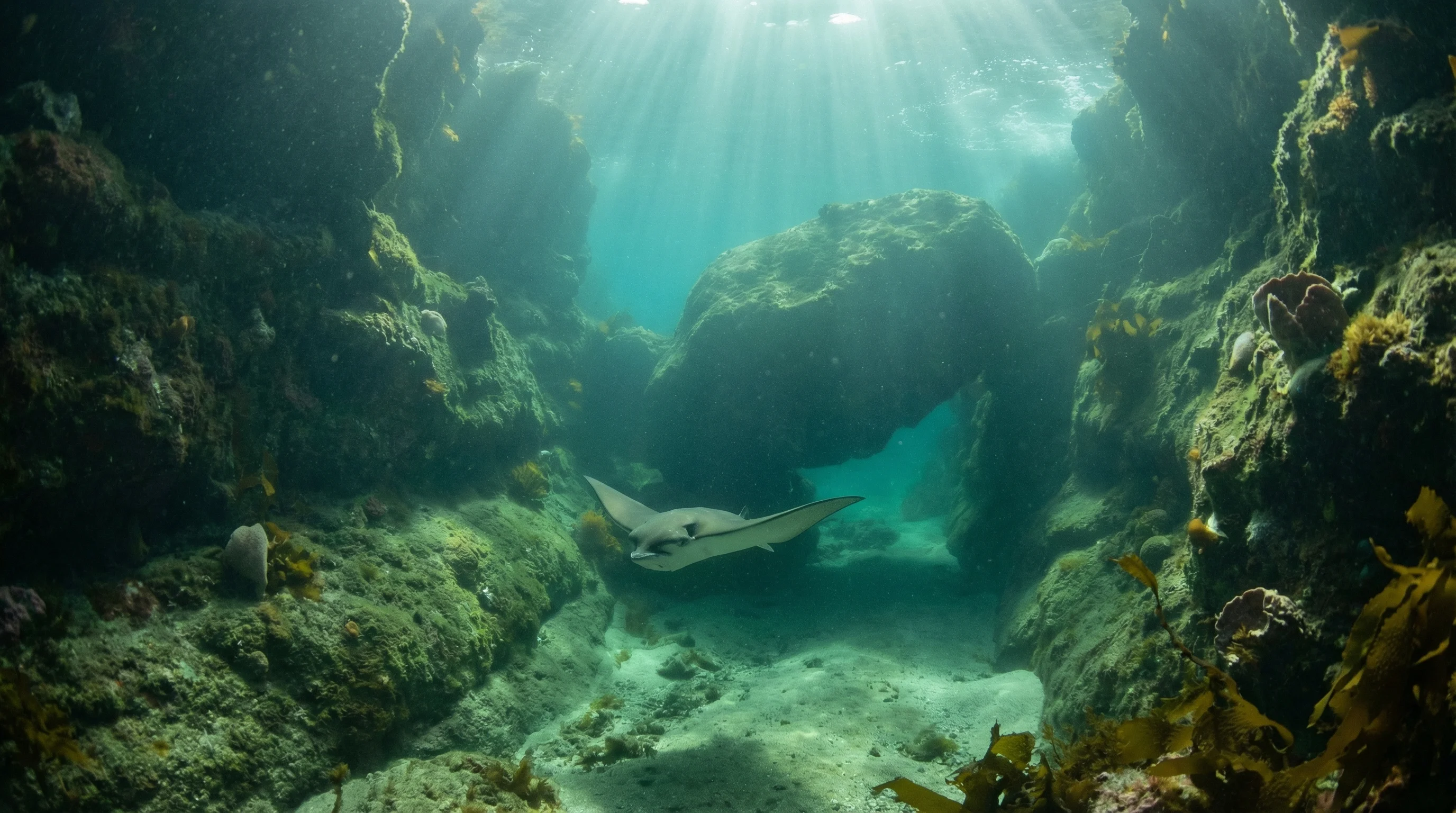
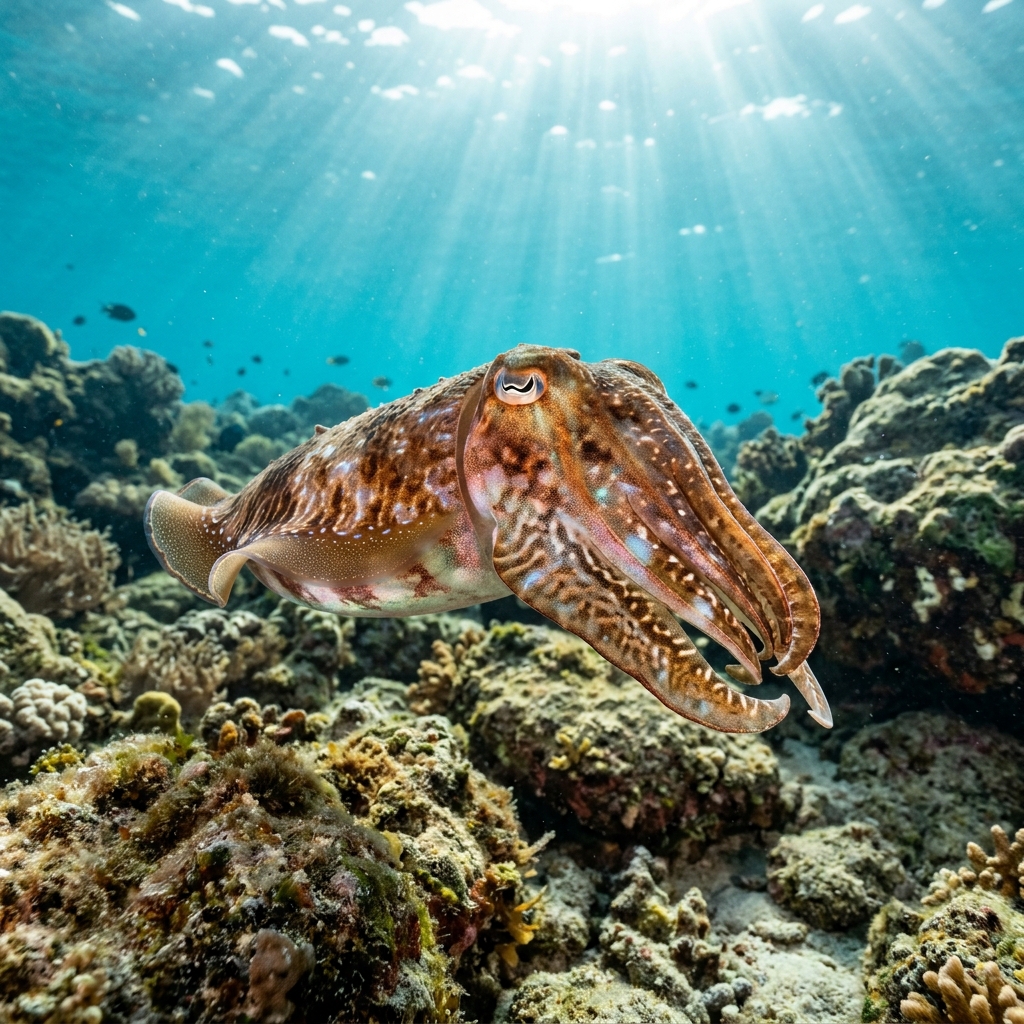
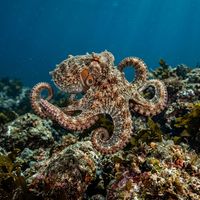
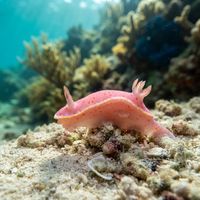
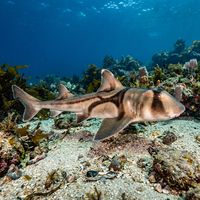
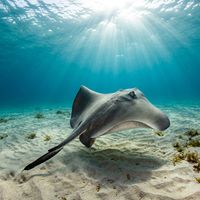
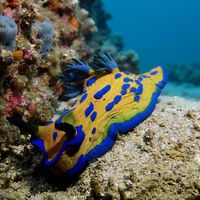
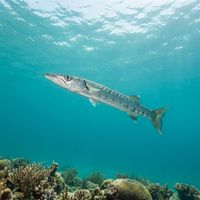
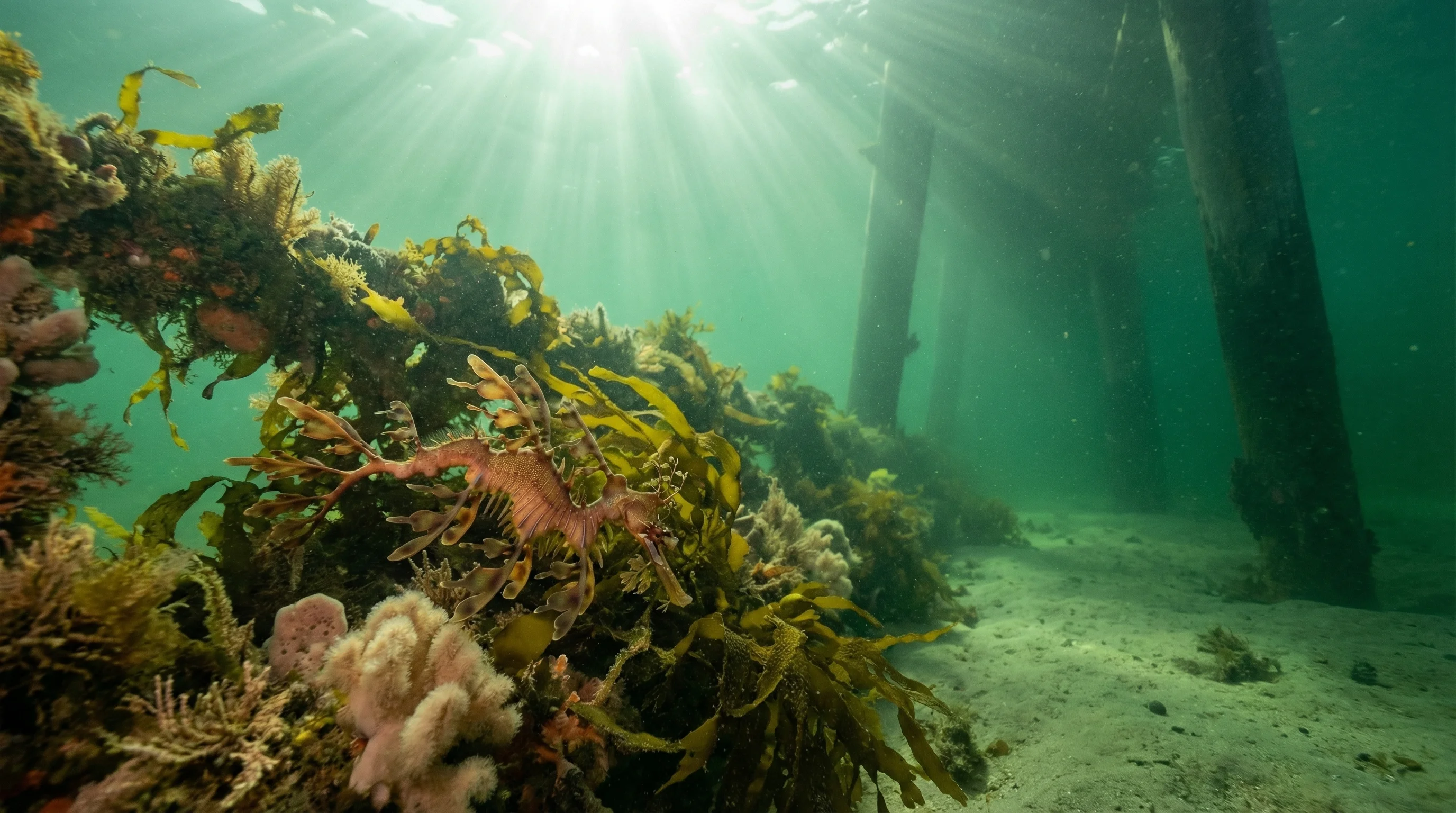
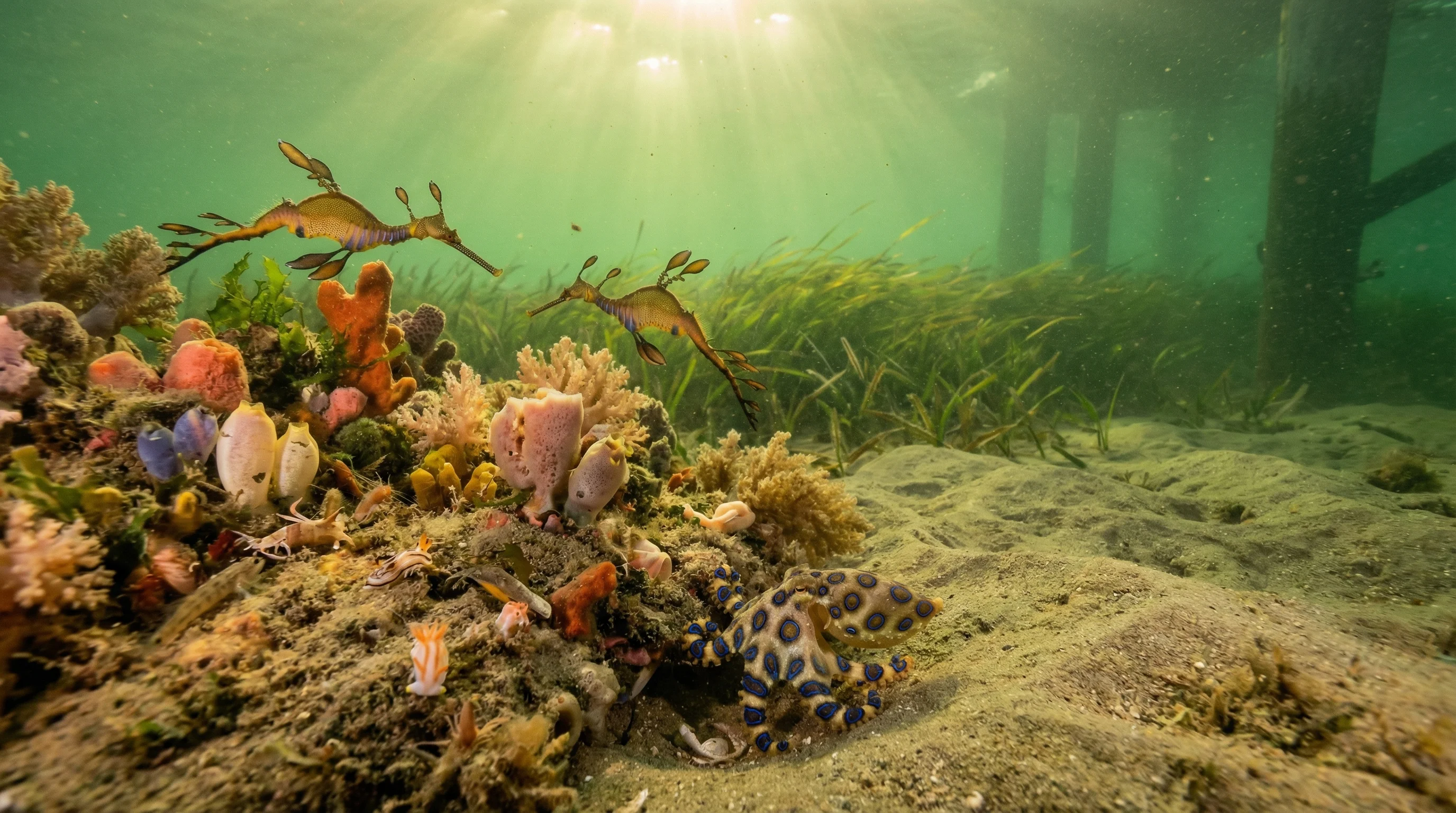
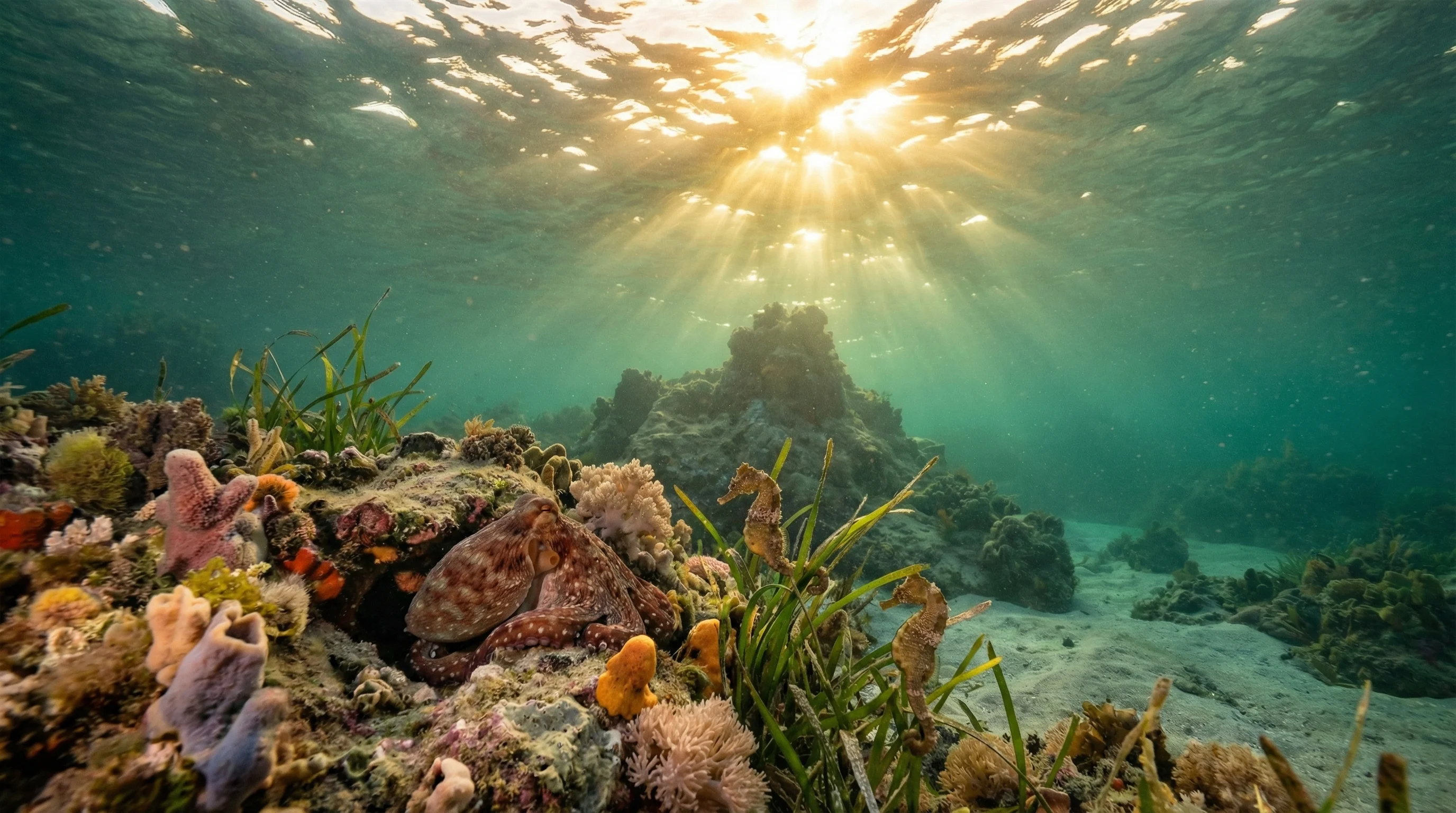
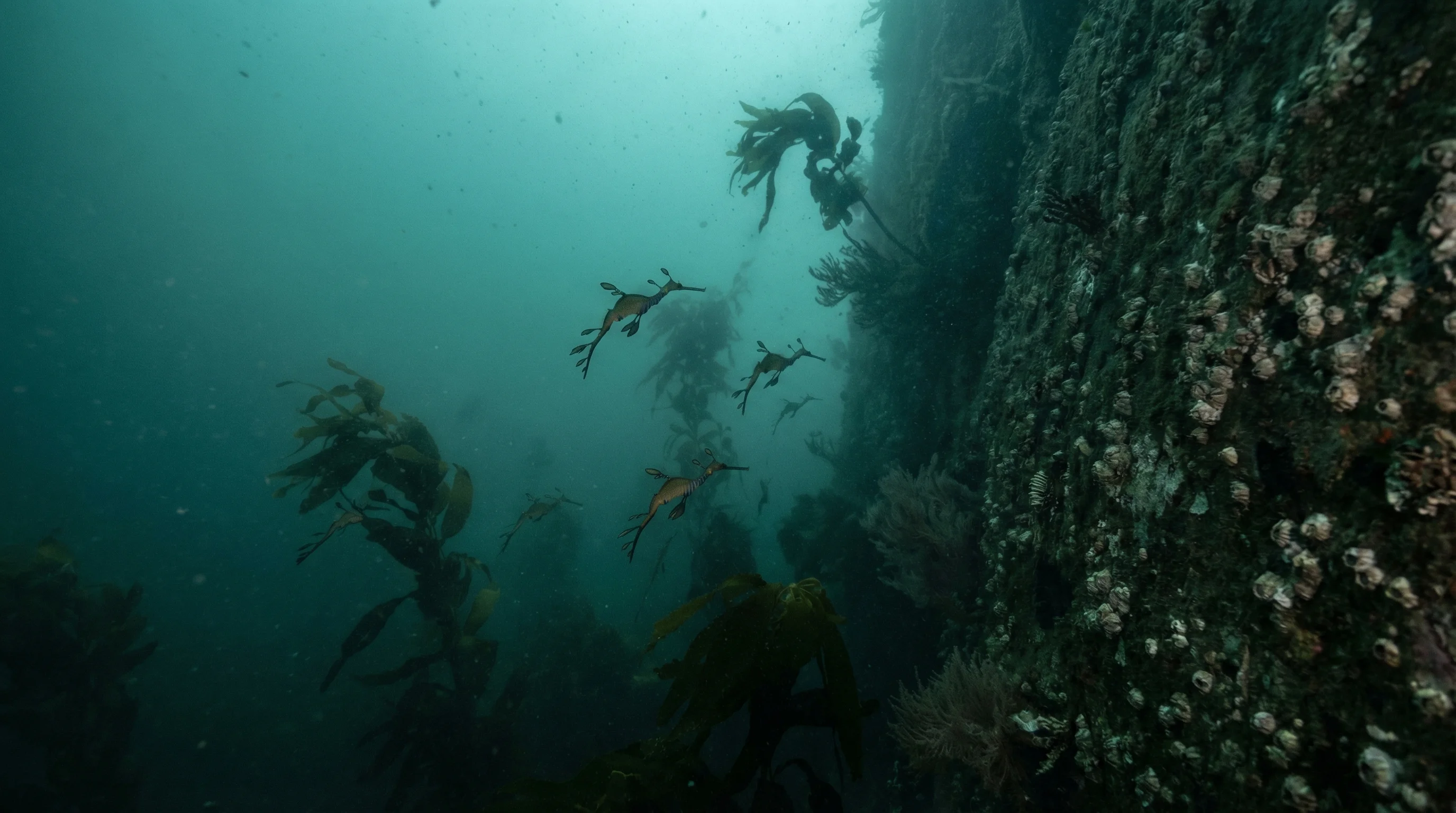
Flinders occupies the Bass Strait side of the Mornington Peninsula in Victoria, offering five sites that range from the sheltered shallows of Flinders Pier and Cowrie Bay to the more exposed reef of The Nobbies offshore. Shore and boat entry are both available. Depths across the area top out at around twenty metres. Water is cold, reaching its lowest in mid-winter and only briefly warming in summer. The species list includes shorthead seahorse, fiddler ray, new Zealand octopus, southern dumpling squid, and several nudibranch species, making this a productive area for macro and temperate reef diving. Conditions at some sites require flat swell, so checking forecasts before heading out is essential.
Monthly water temperature across Flinders's sites, from satellite sea-surface data corrected for depth. The band shows the site-to-site spread.
Water is cold year-round by tropical standards, dropping to its lowest in mid-winter and recovering only partially through summer. A drysuit or thick wetsuit is advisable for most of the year. Conditions vary considerably between the sheltered pier sites and the more exposed offshore reef.
Water temperature around Flinders ranges from about 13°C in July to 19°C in January, based on satellite sea-temperature data for its dive sites.
In the warm season (about 19°C) a 5mm suit is comfortable in Flinders; in the coldest months (about 13°C) step up to a 7mm or semi-dry suit.
Fin maps 5 sites in Flinders (5 scuba diving sites and 3 snorkelling spots, with some suited to both).
3 more sites to explore