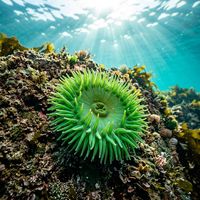
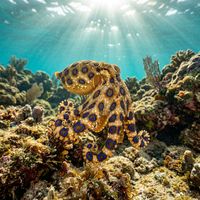
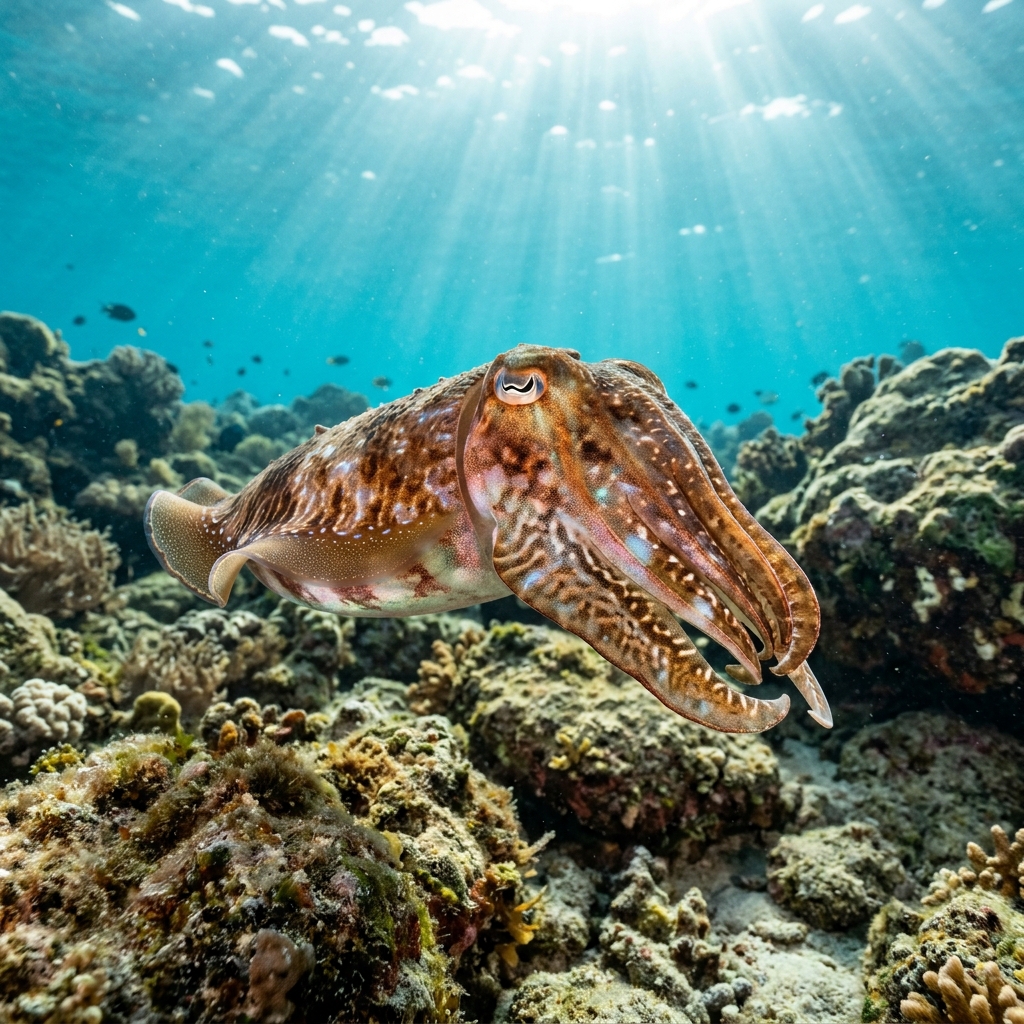
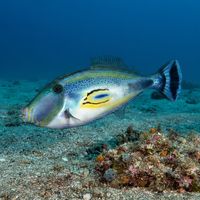
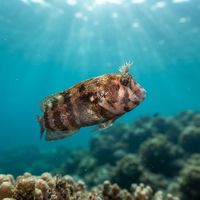
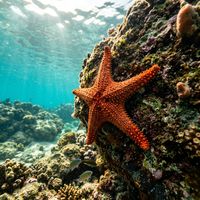
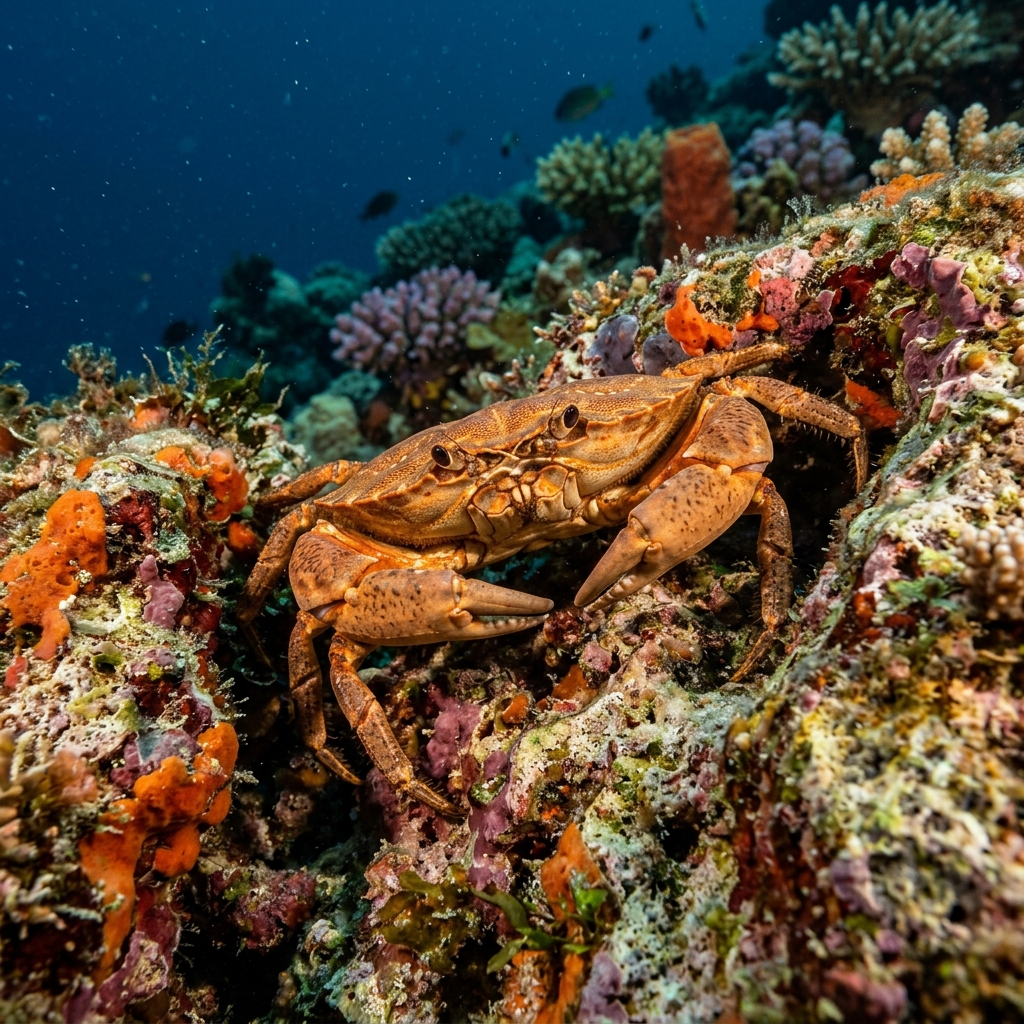
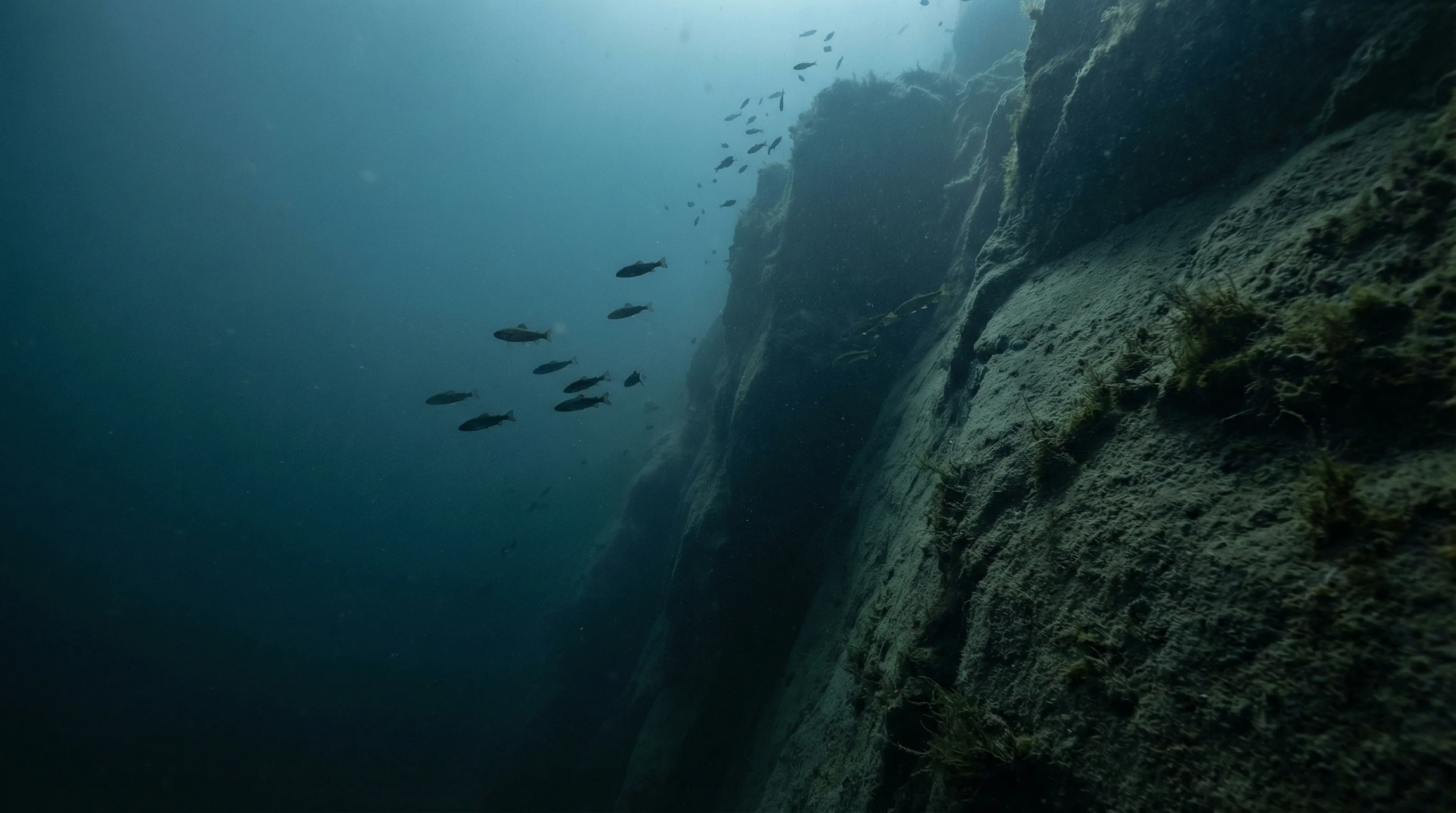
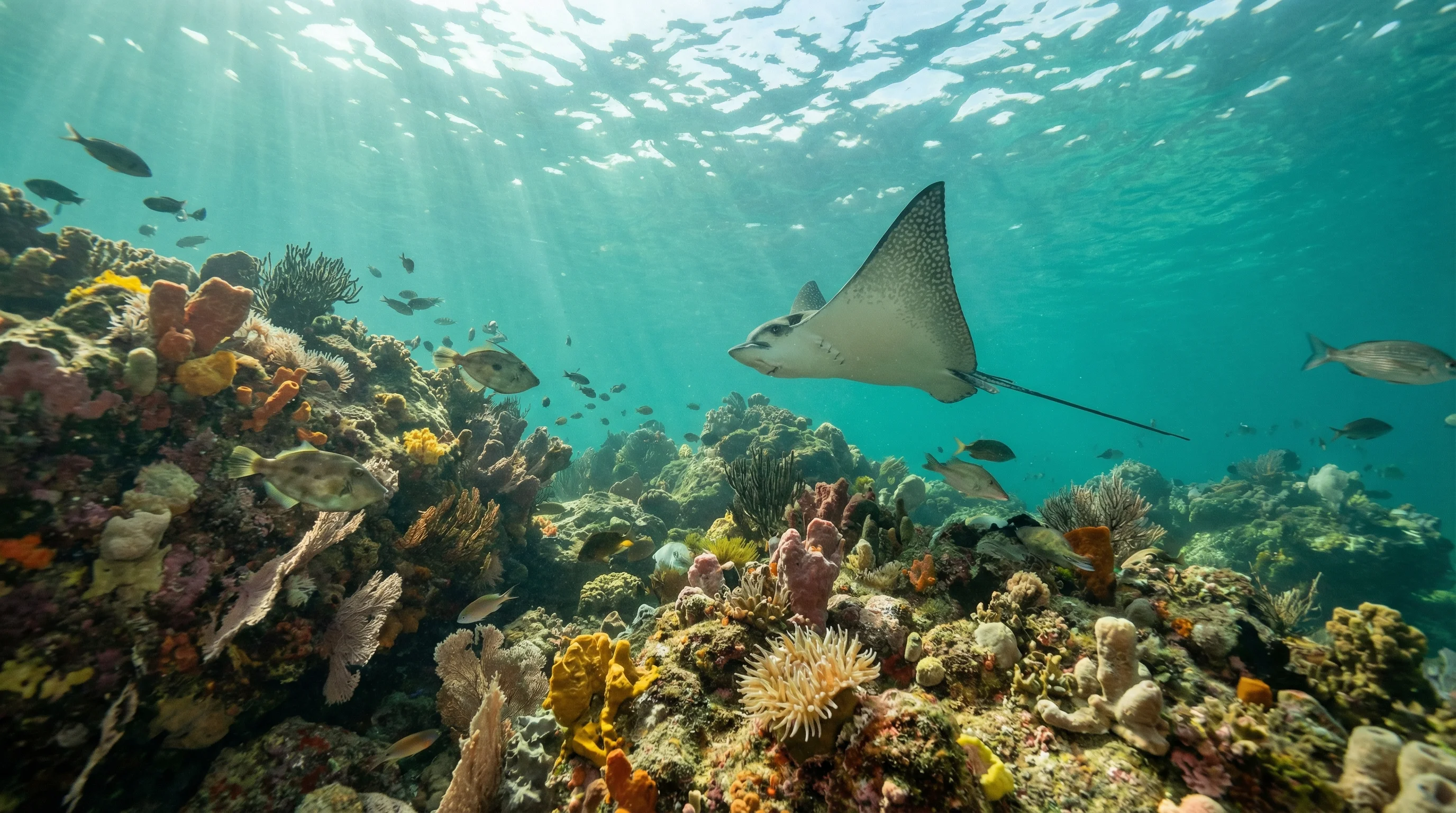
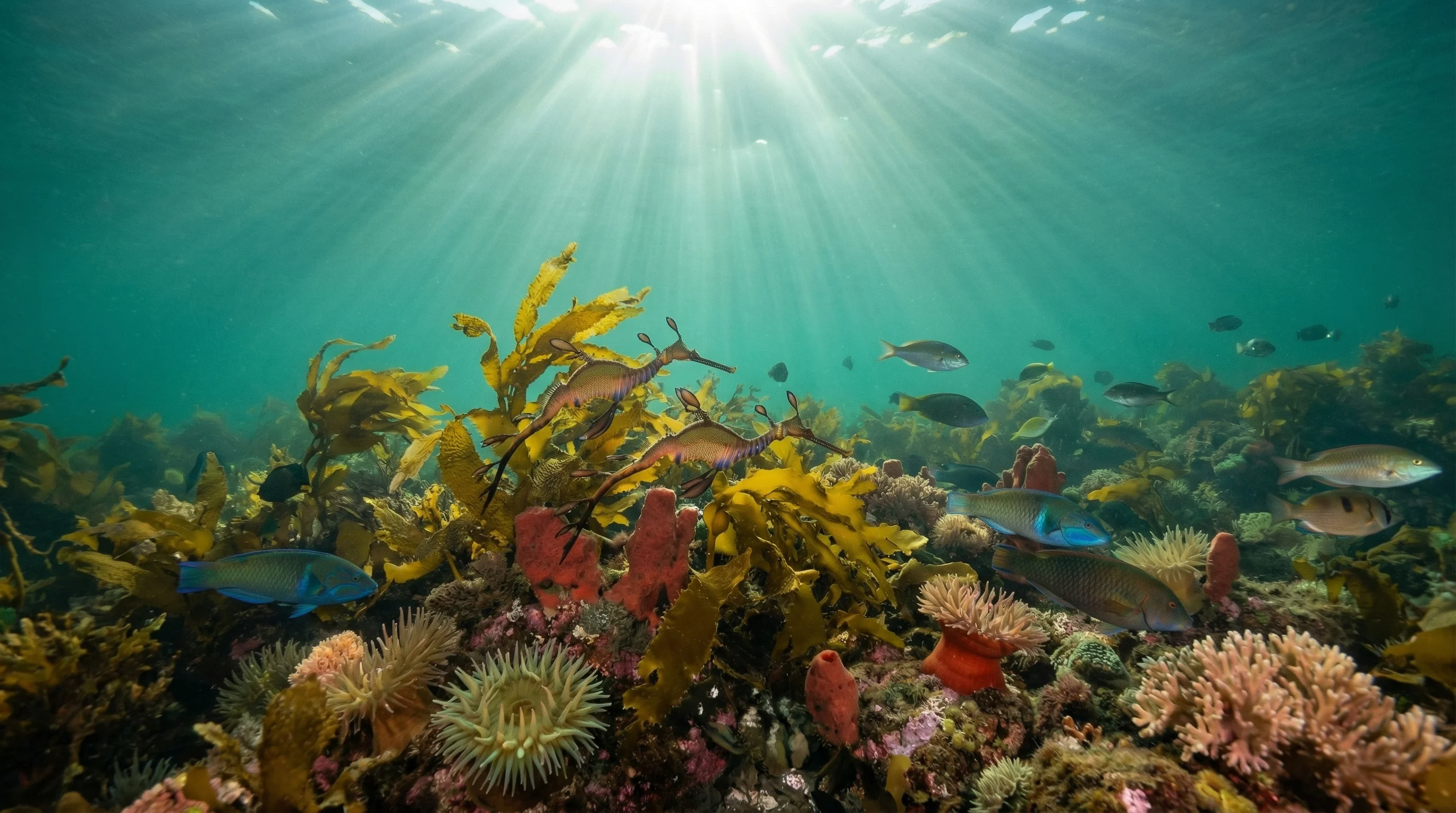
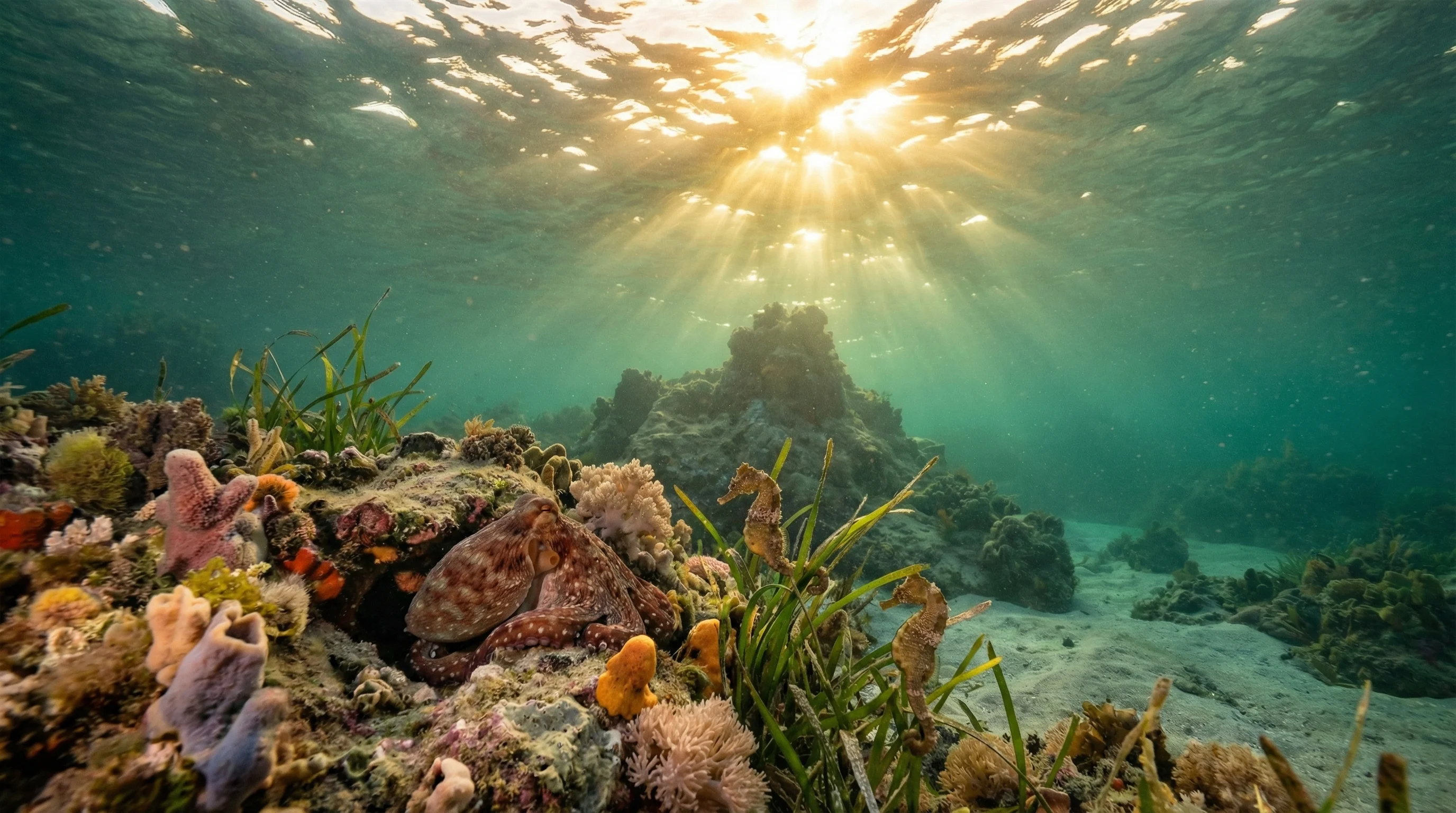
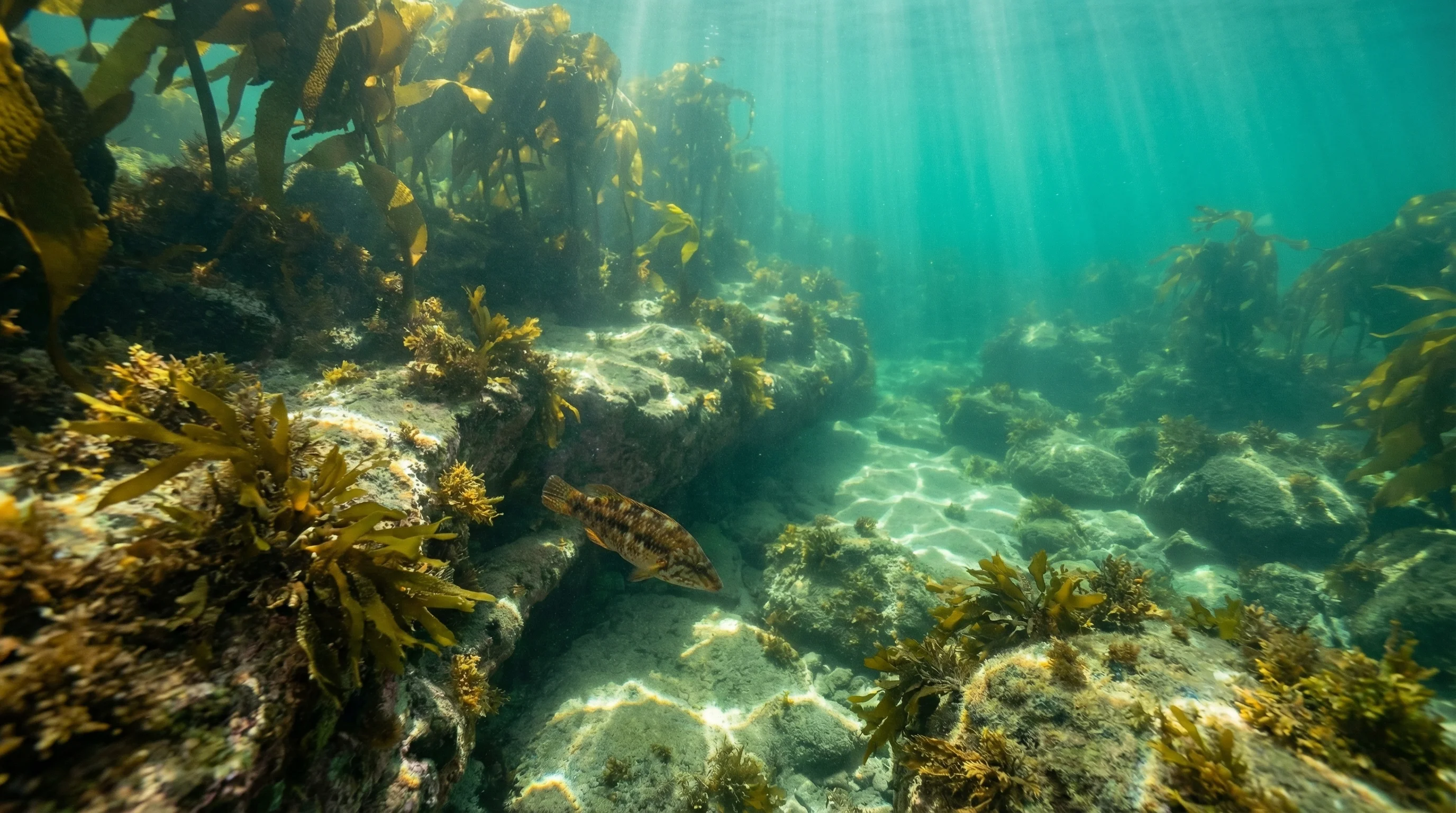
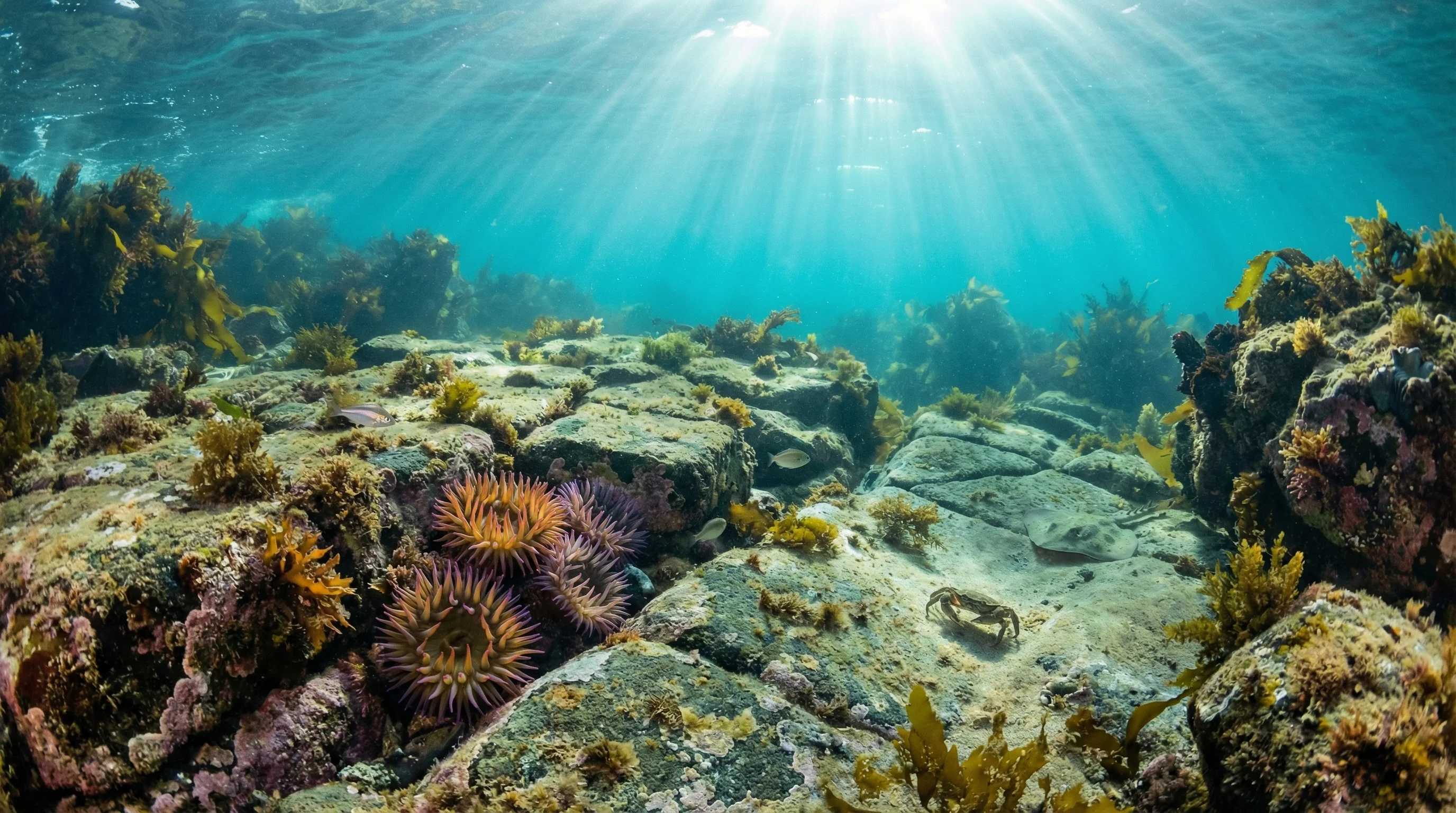
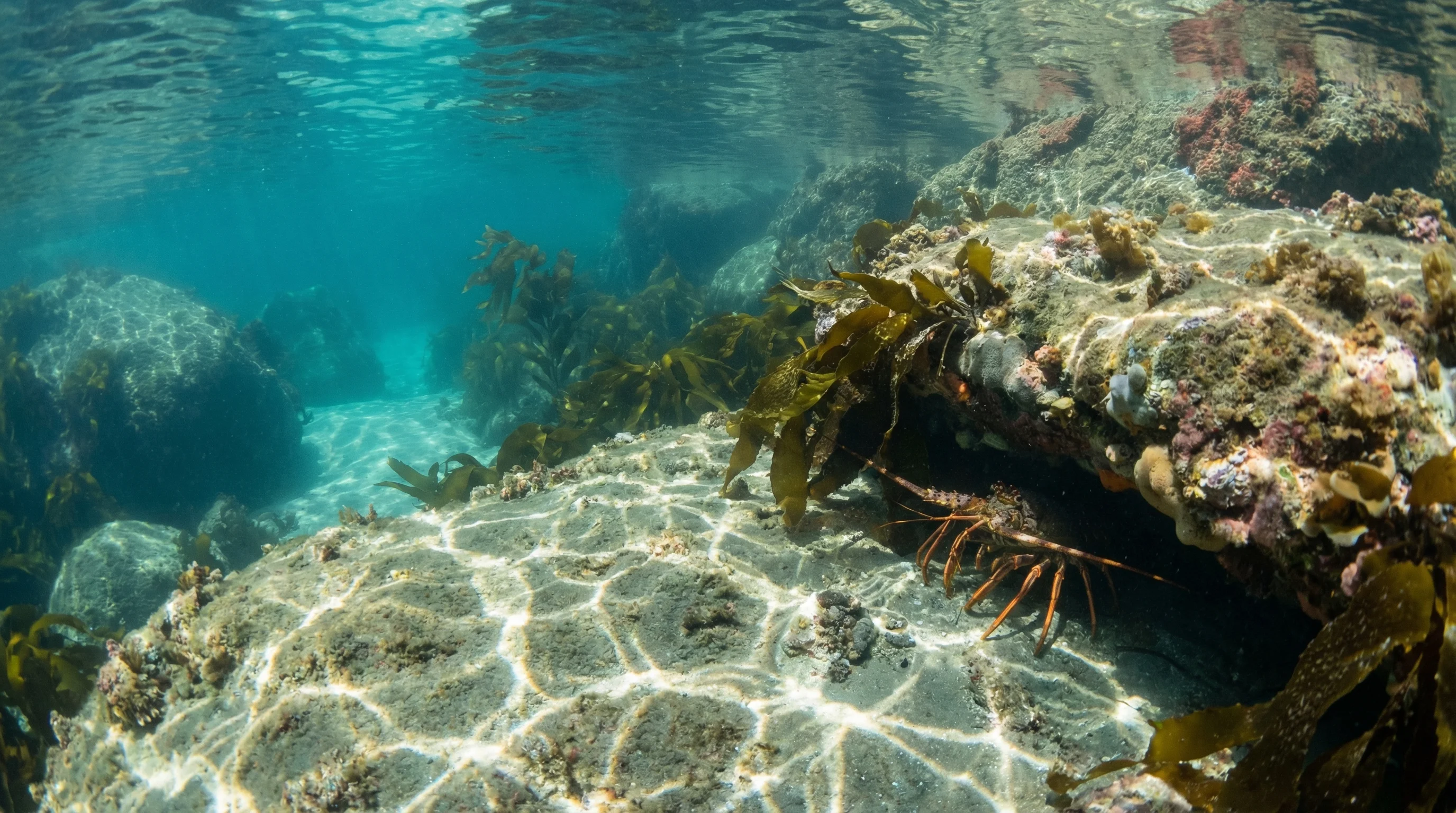
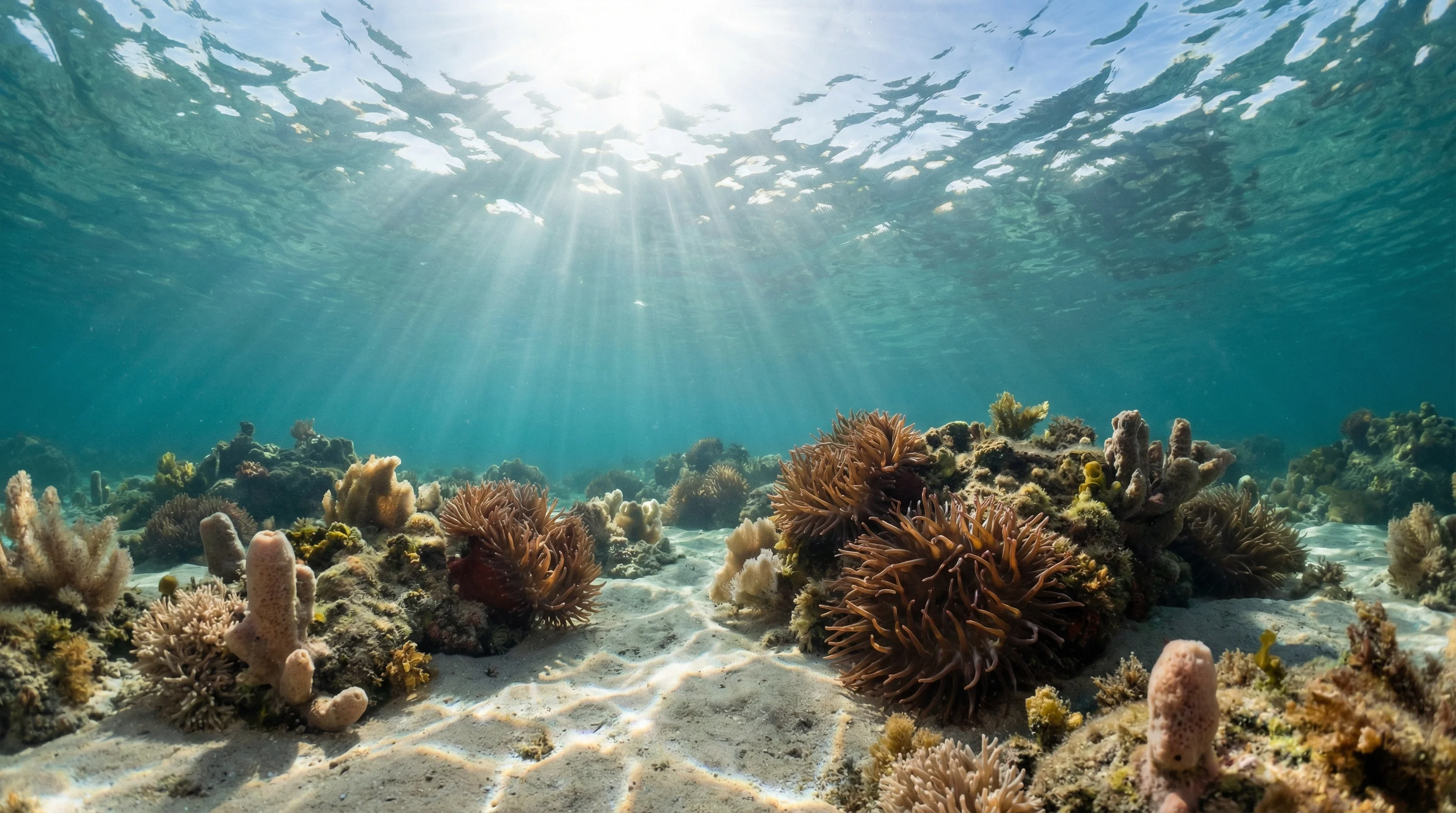
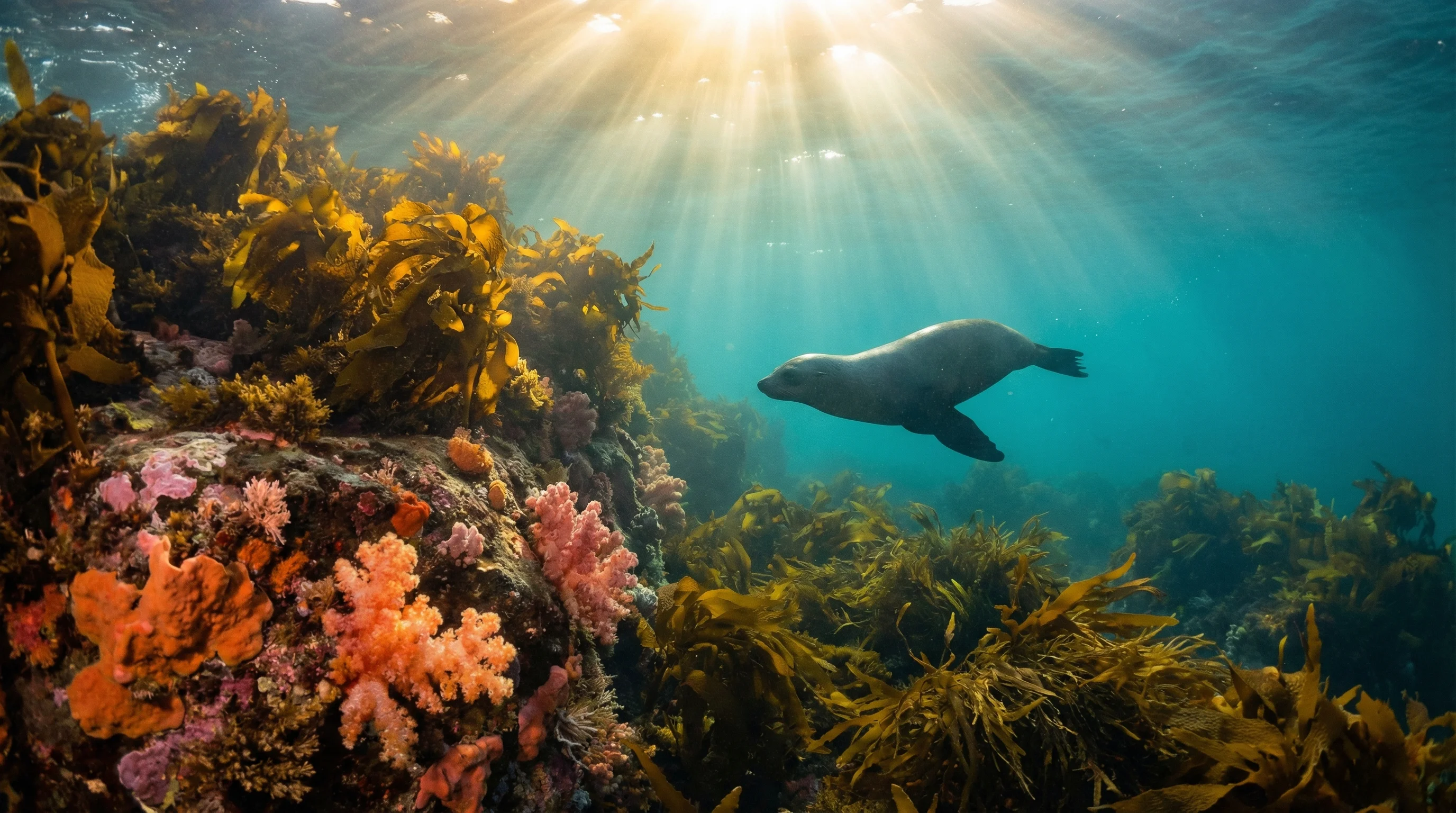
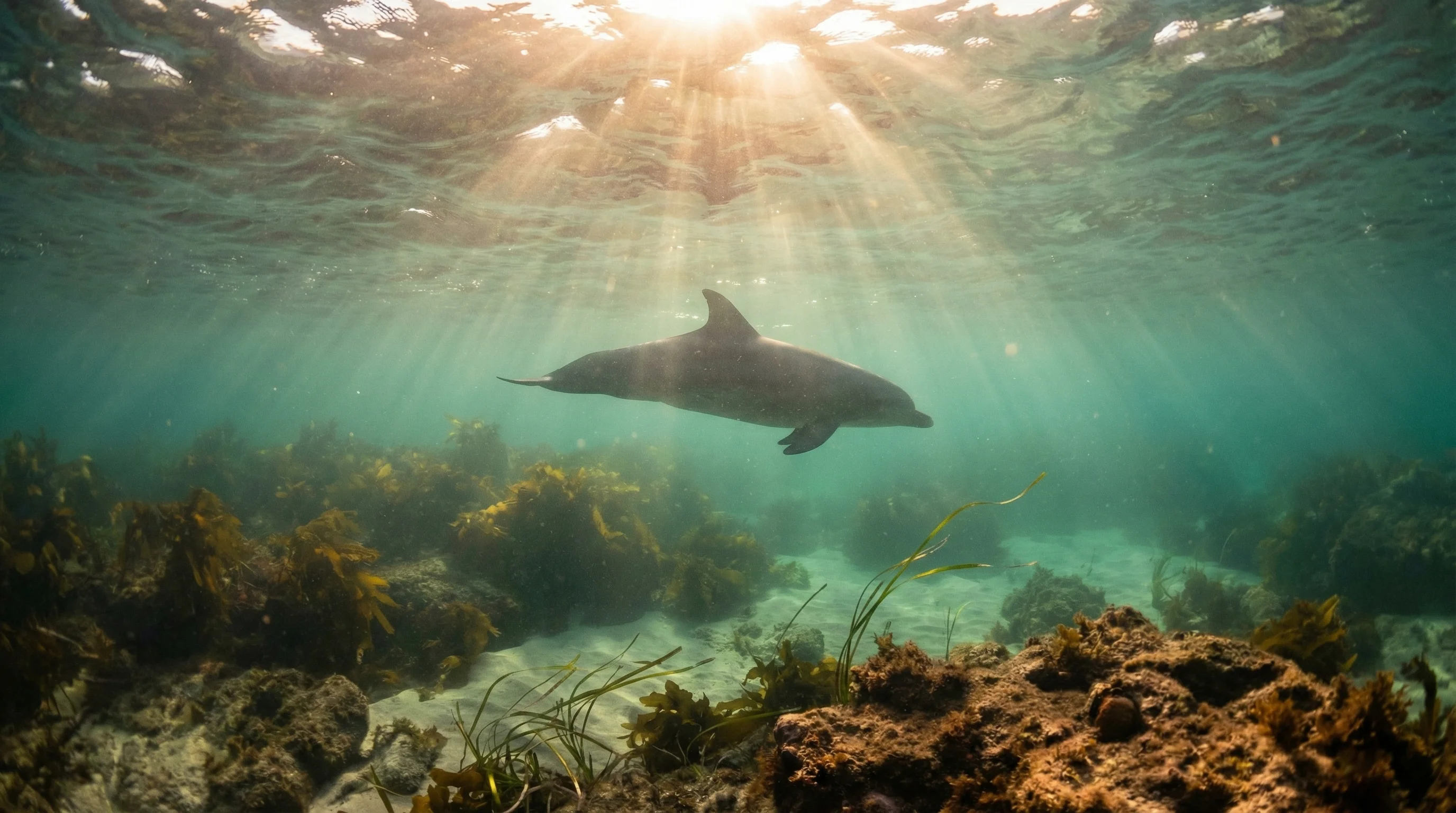
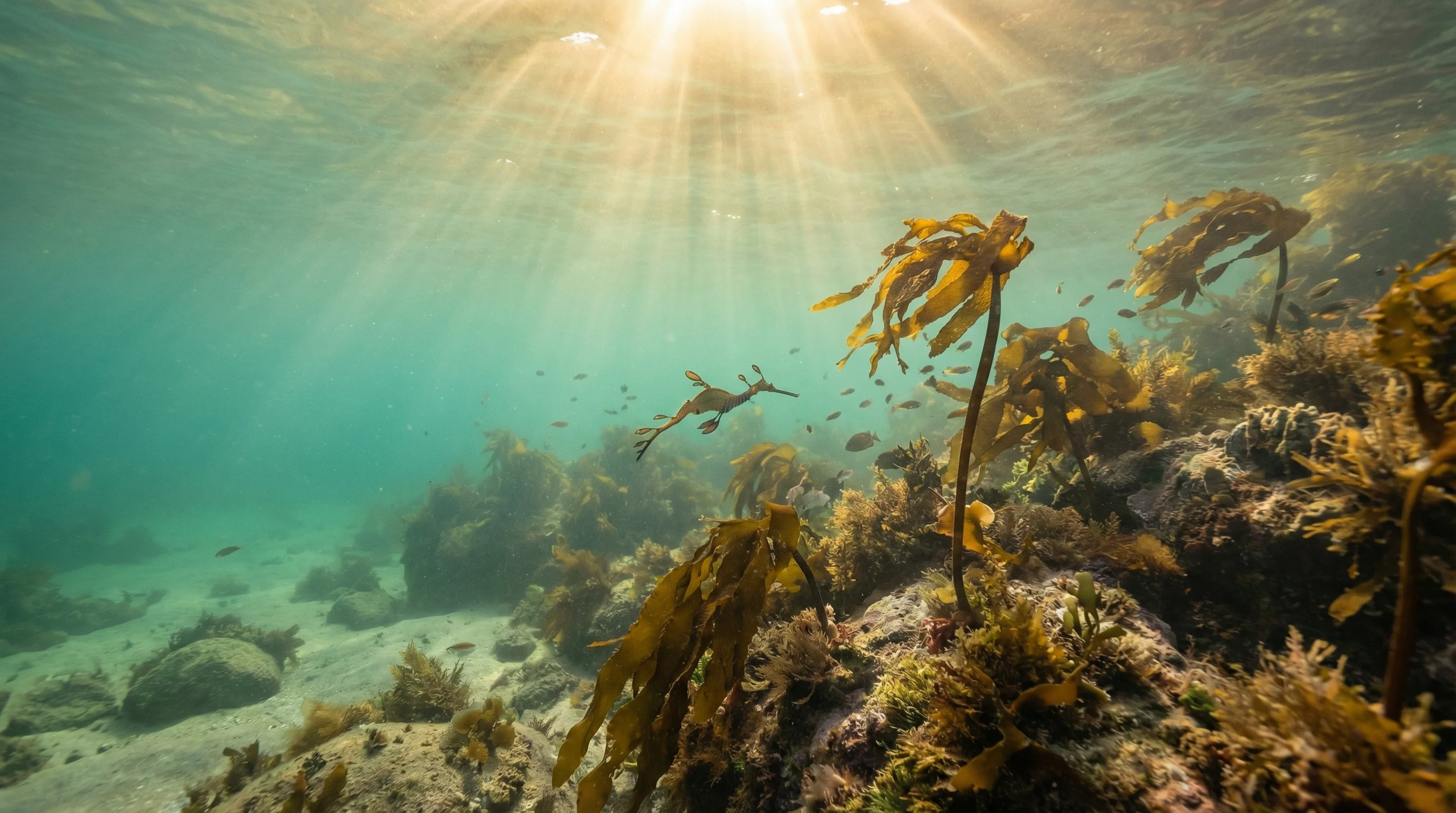
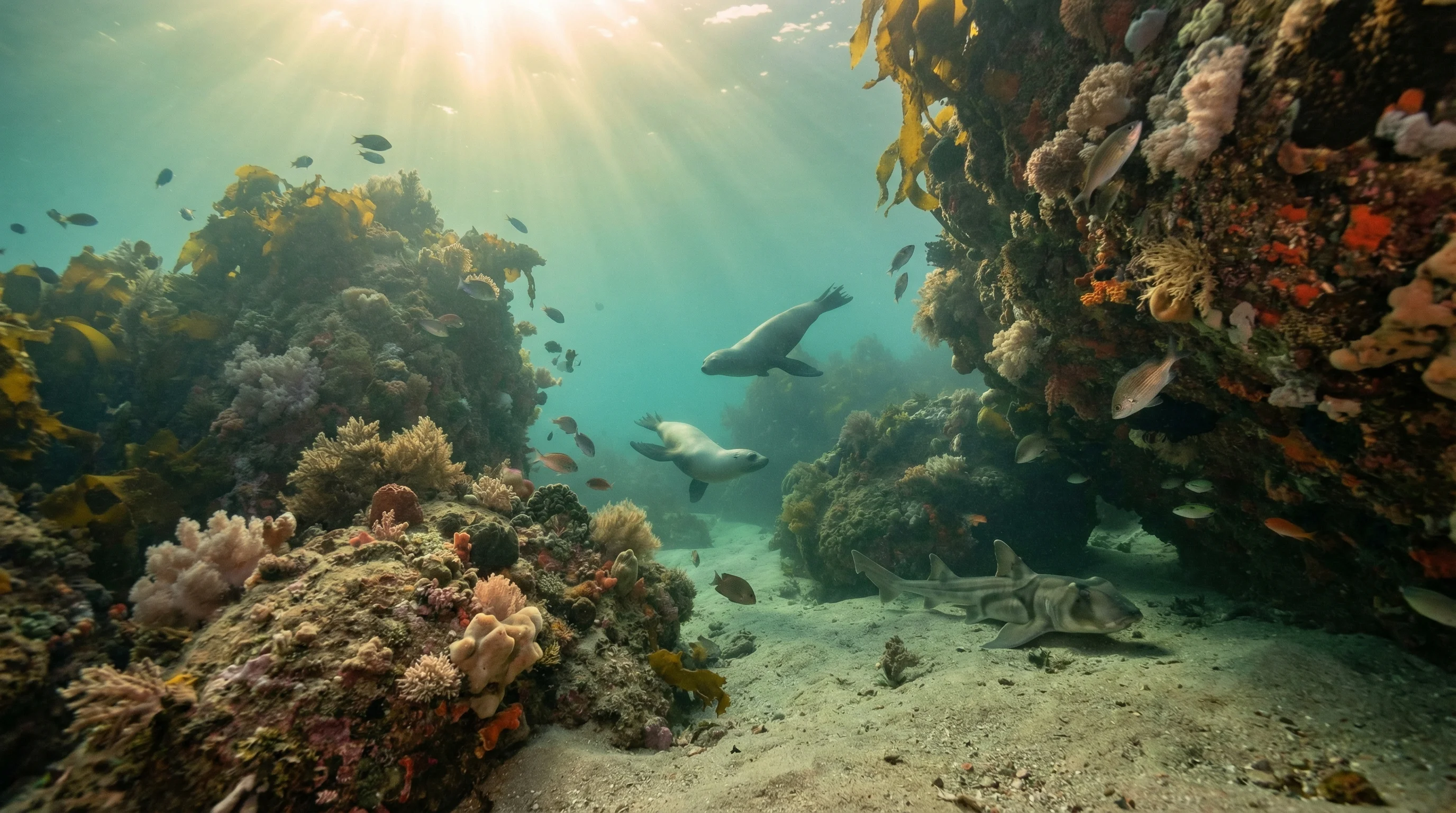
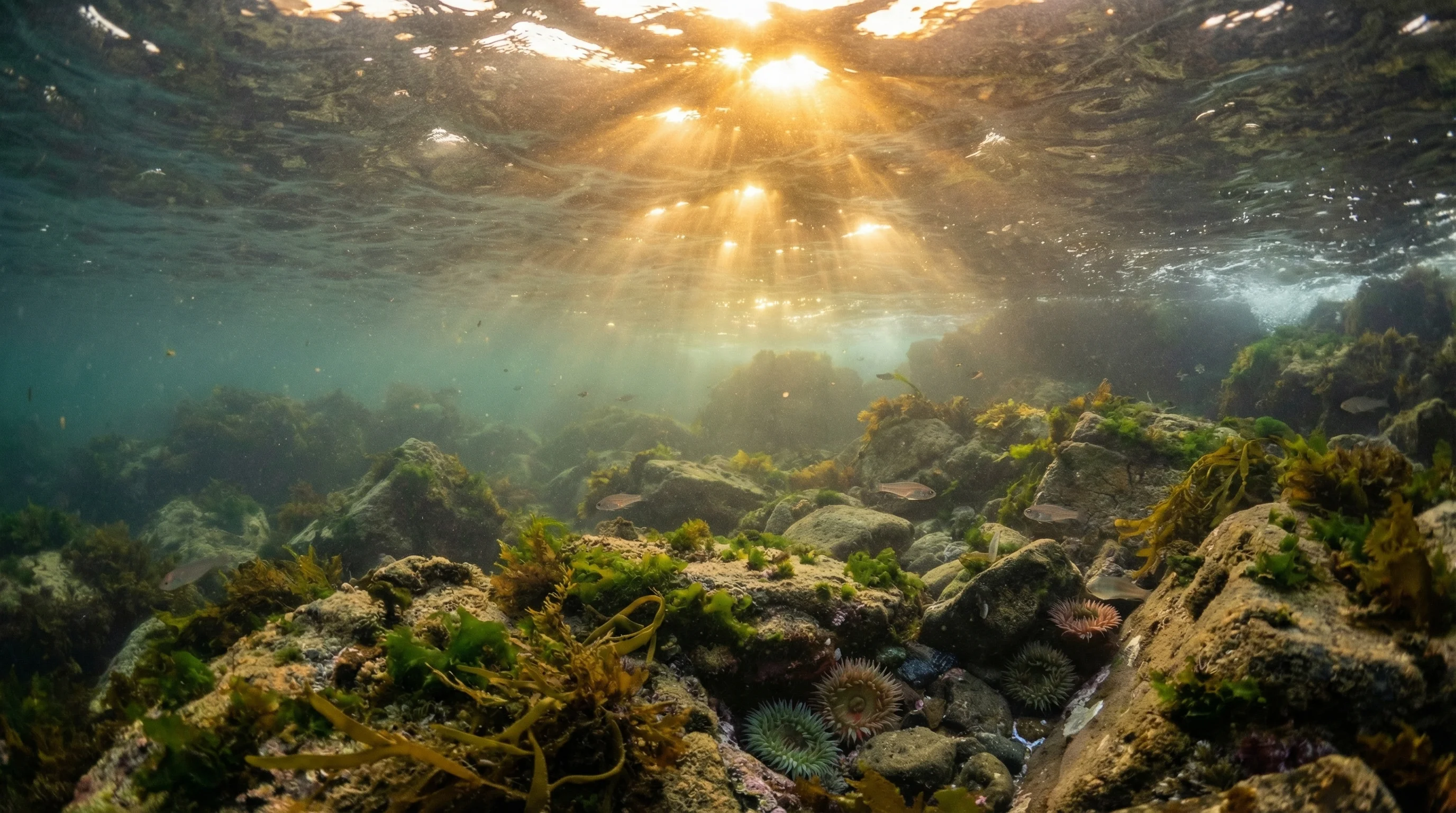
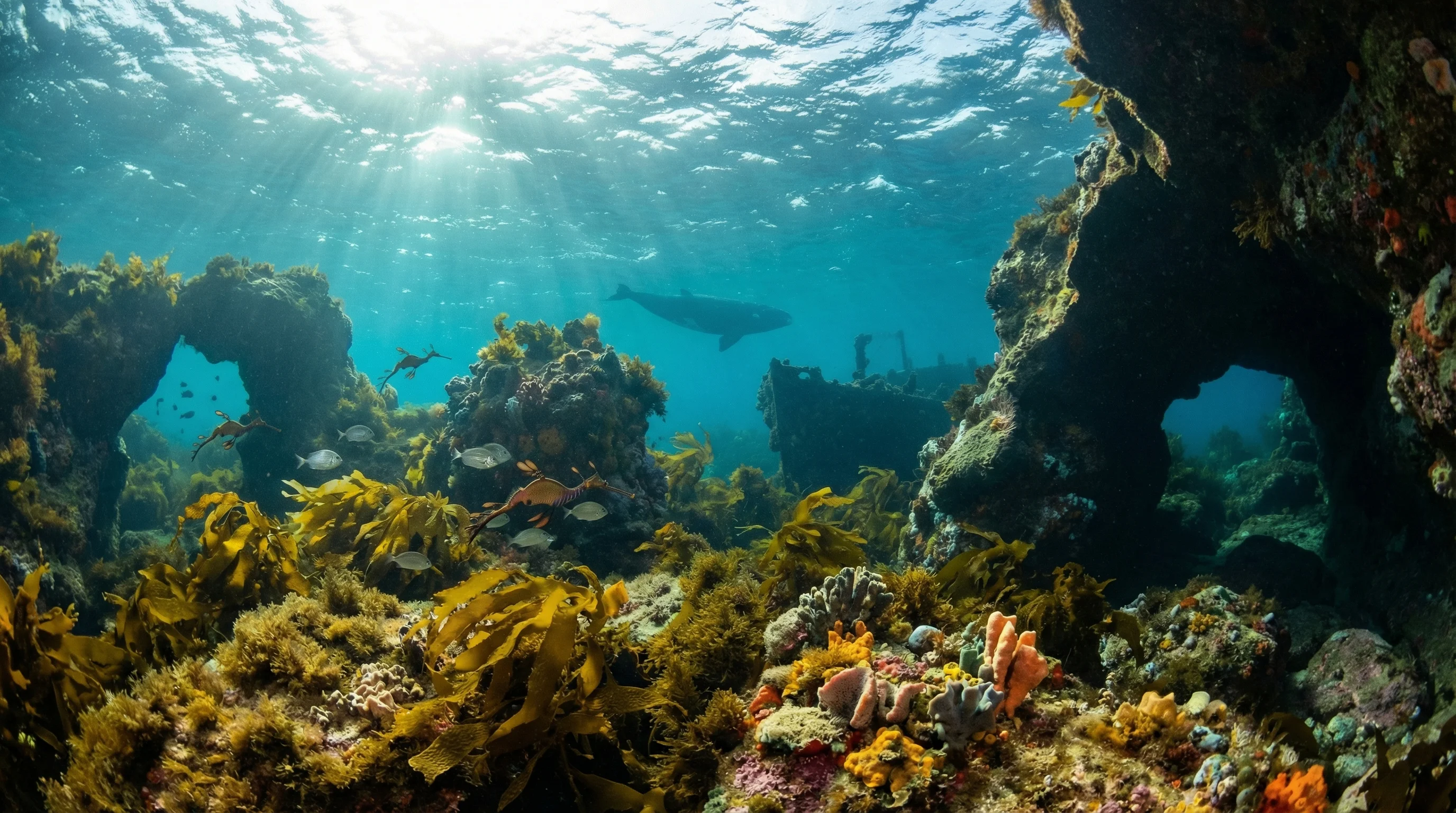
Apollo Bay offers a temperate reef experience shaped by rocky reefs, resident pinnipeds and a diverse invertebrate community. The Long-nosed Fur Seal is the region's signature animal, encountered across the majority of sites. Giant Green Anemone and Sea Star colour the shallows at almost every site, while Abalone, Crab and Horse-shoe Leatherjacket are reliable finds. Cephalopod encounters, including Blue-ringed Octopus and Giant Cuttlefish, reward attentive divers, and the odd Port Jackson Shark or Spotted Wobbegong rests along the reef.
Monthly water temperature across Apollo Bay's sites, from satellite sea-surface data corrected for depth. The band shows the site-to-site spread.
Water is warmest through the summer months and cools steadily into the depths of winter, when temperatures drop to their coldest. The summer and early autumn window brings the most diver activity, with conditions easing compared to the exposed, swell-prone winter months. Visibility varies considerably depending on swell and season, so calmer periods reward divers with the clearest water.
13 more sites to explore
Water temperature around Apollo Bay ranges from about 13°C in August to 19°C in February, based on satellite sea-temperature data for its dive sites.
In the warm season (about 19°C) a 5mm suit is comfortable in Apollo Bay; in the coldest months (about 13°C) step up to a 7mm or semi-dry suit.
Fin maps 13 sites in Apollo Bay (9 scuba diving sites and 9 snorkelling spots, with some suited to both).
Across Apollo Bay's dive sites, January, February, March, April and December are most often reported as the best months to visit.
The Long-nosed Fur Seal is the signature species and is encountered at a large proportion of sites. Invertebrate life is prolific, with Giant Green Anemone, Sea Star, Abalone and Crab appearing almost everywhere. Look more carefully and you may also find Blue-ringed Octopus, Giant Cuttlefish, New Zealand Octopus, Thornfish and Tasmanian Blenny, along with the occasional Port Jackson Shark or Smooth Ray resting on the reef.
Apollo Bay has a mix of sites that spans different skill levels, with shallower reef areas accessible to those with basic experience. However, this is an exposed coastal environment and swell can make entries and conditions challenging at times. Beginners should pick calmer days and check conditions carefully before committing to a site.
The majority of sites are suitable for both diving and snorkelling, with the shallow reef communities accessible from the surface and the deeper sections offering more to certified divers. Invertebrate cover is dense throughout the water column, and seal encounters are possible at snorkel depth as well as on scuba. There are no listed dive operators in the area currently, so most access is self-organised.
With no listed operators currently active in Apollo Bay, divers and snorkellers typically arrange independent access. Shore entry is the primary option for most sites in this part of Victoria's Great Ocean Road coast. Swell and surge can affect entries significantly, so local knowledge and a careful pre-dive site assessment are strongly recommended.