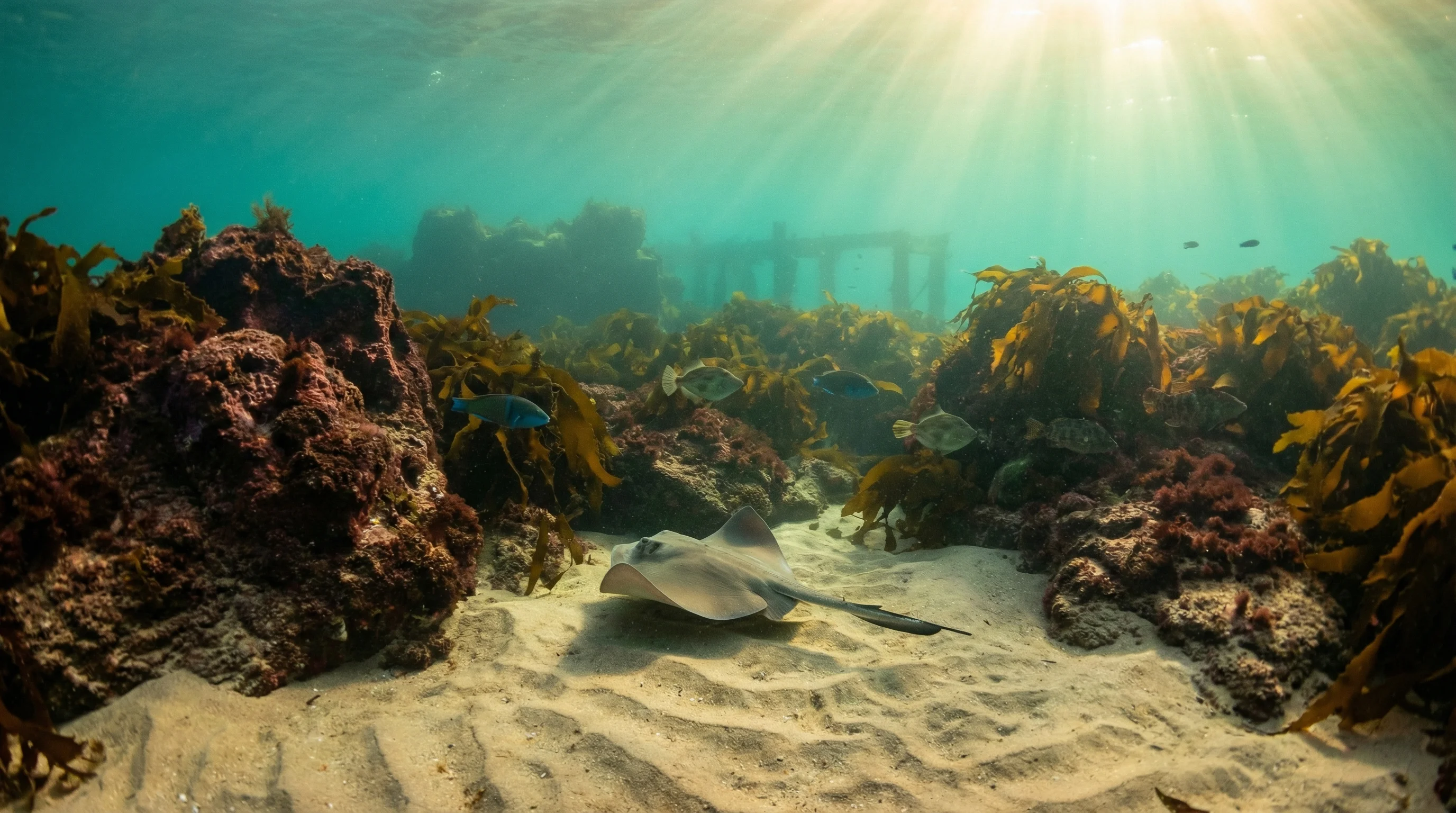
Best for intermediate divers, shore entry, moderate current.
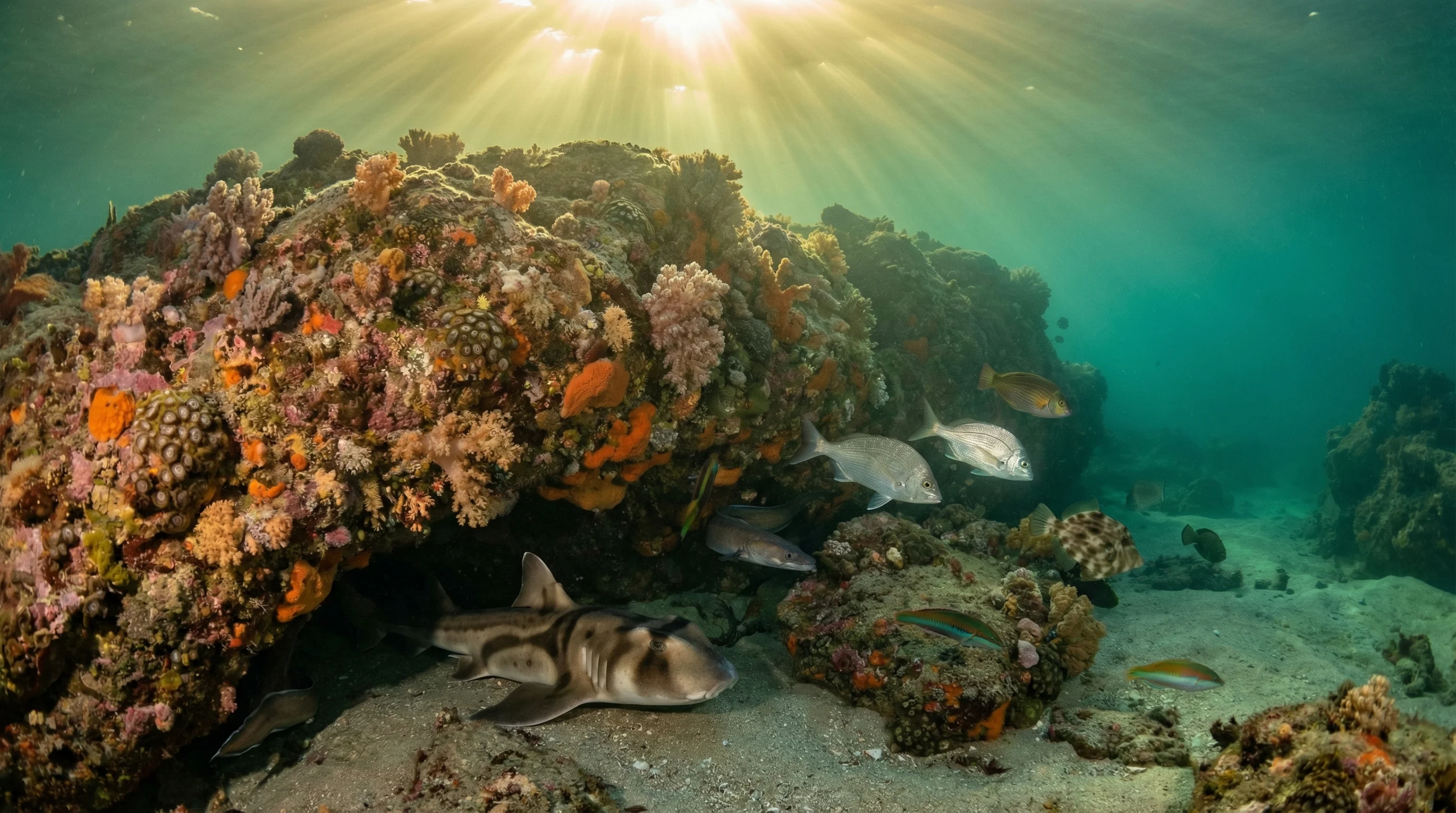
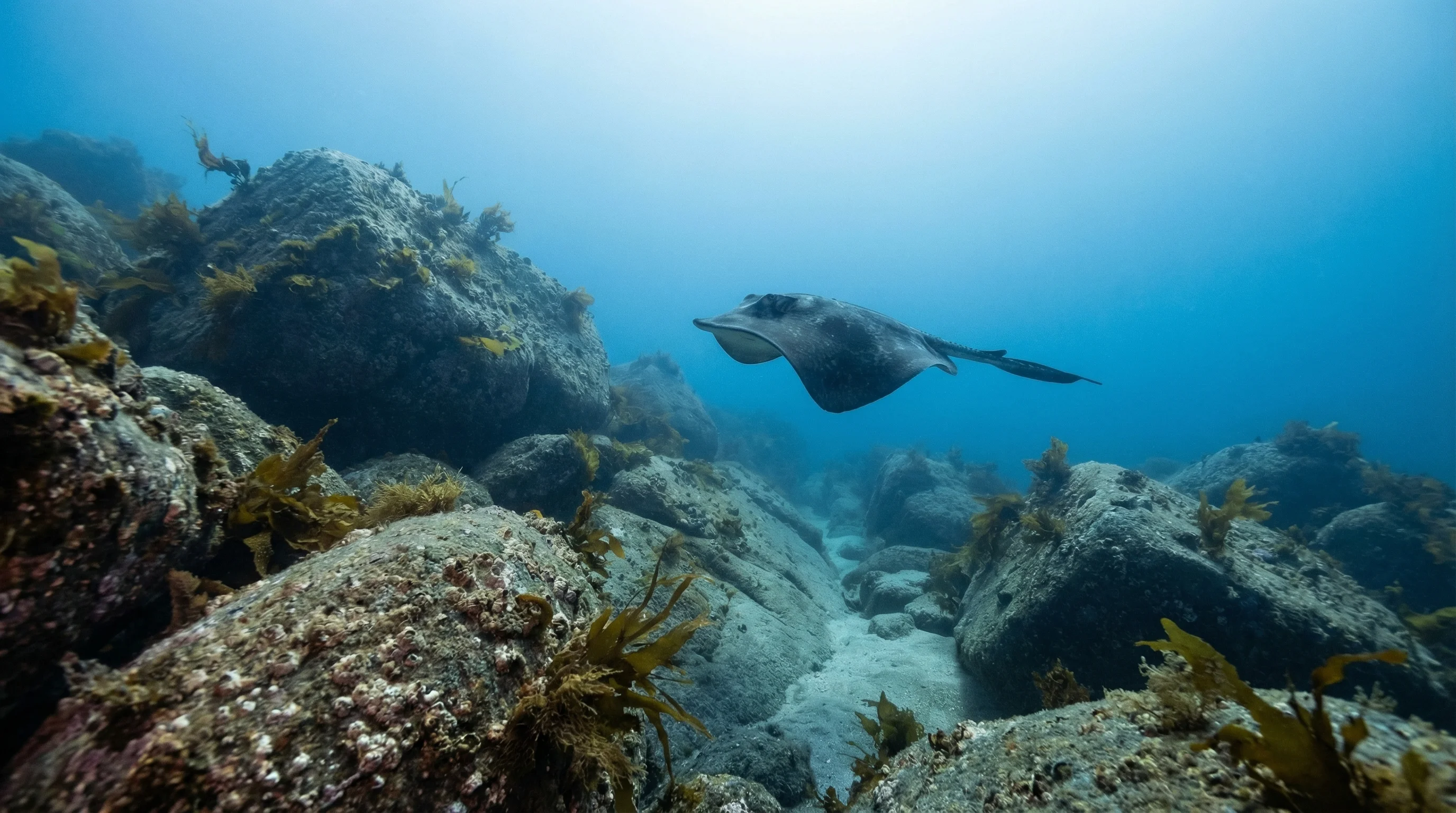
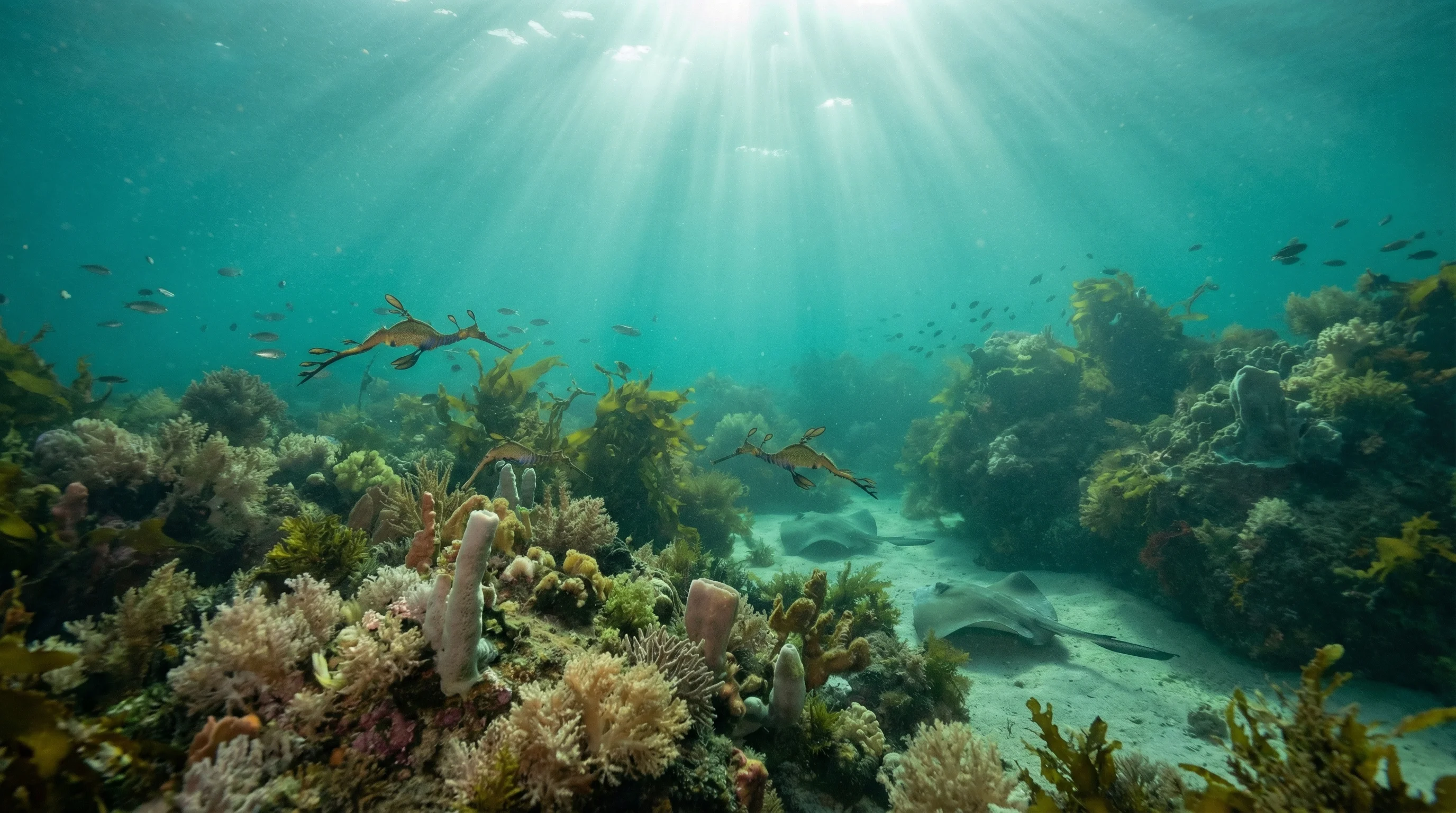
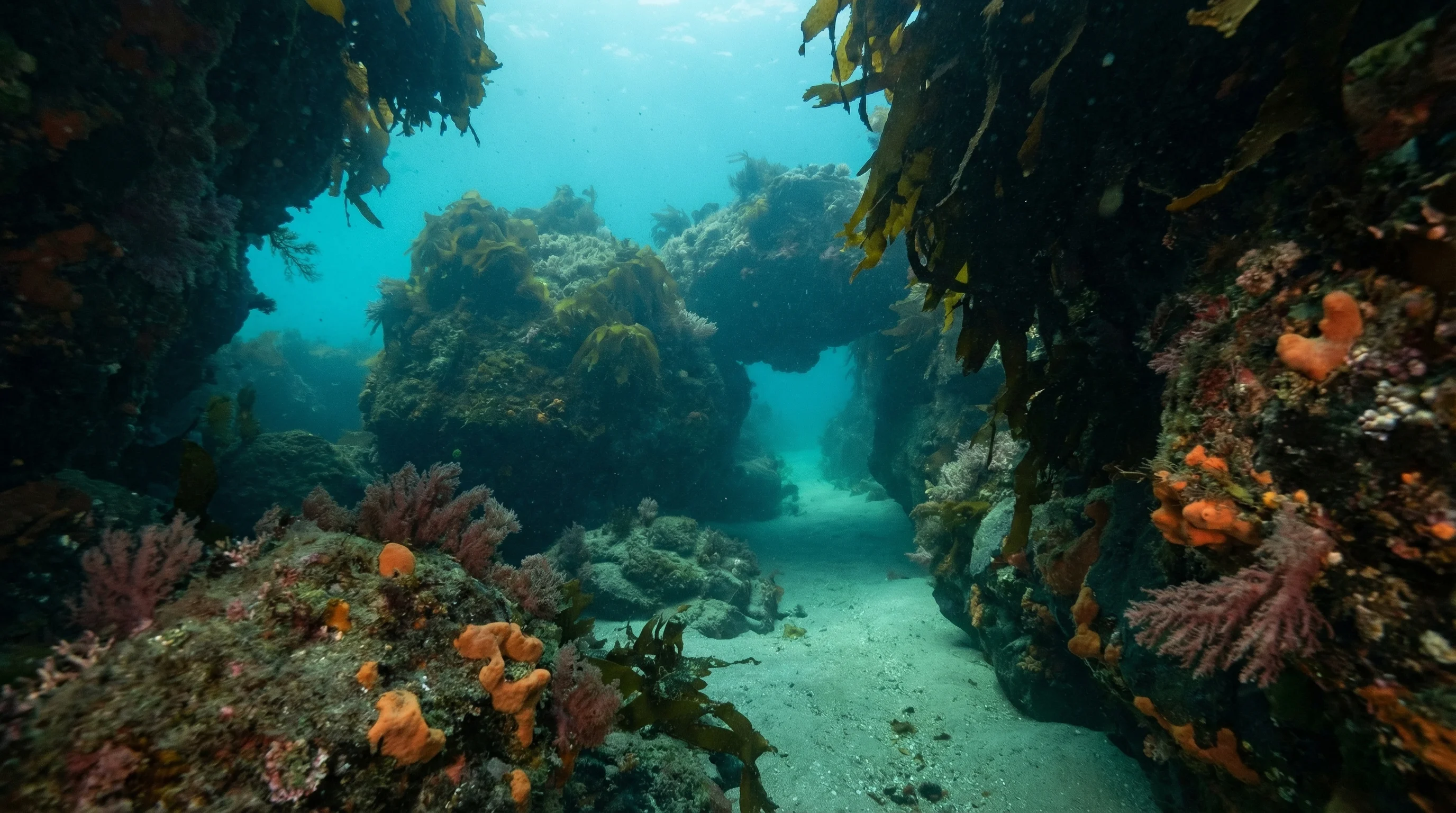
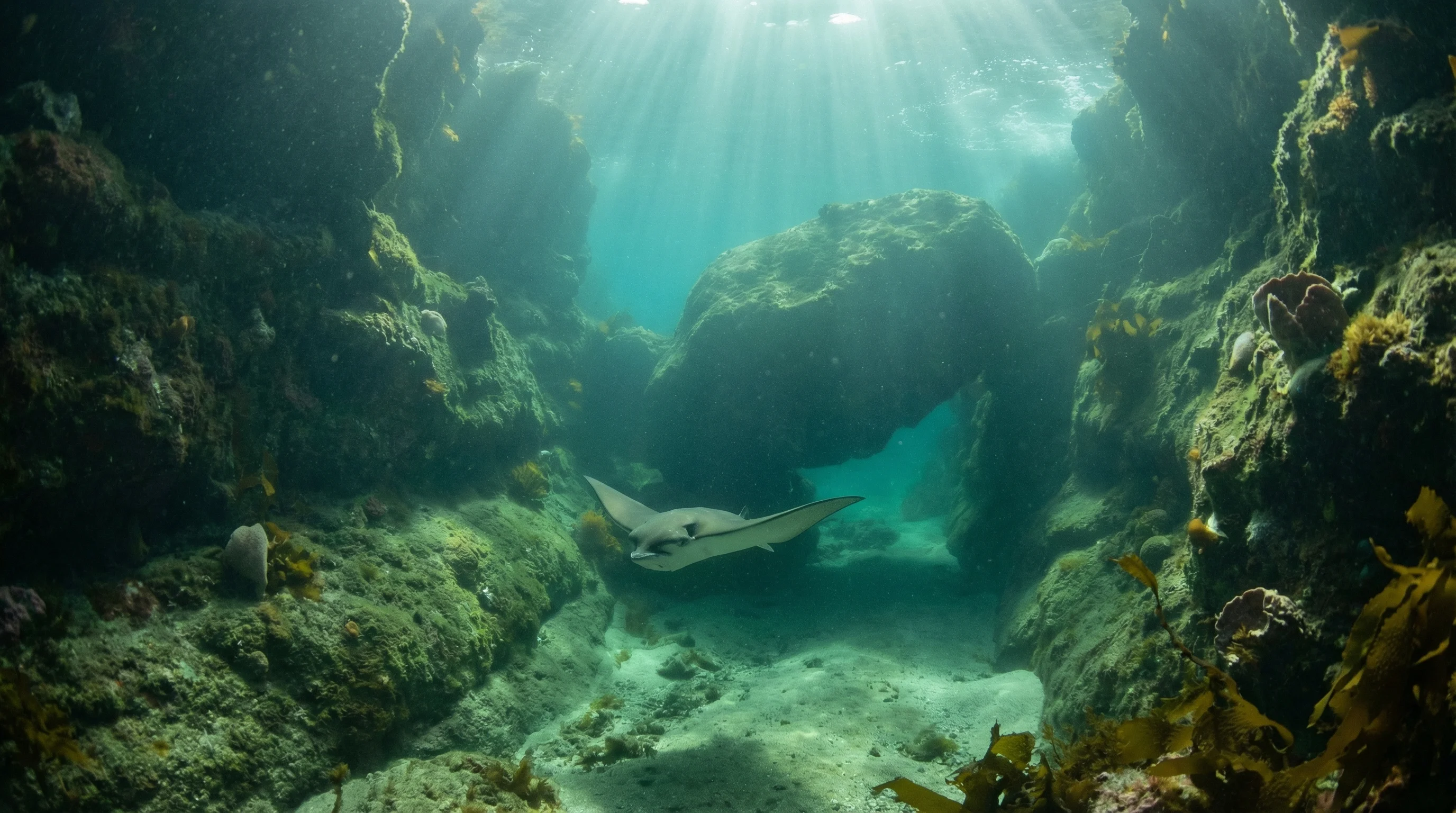
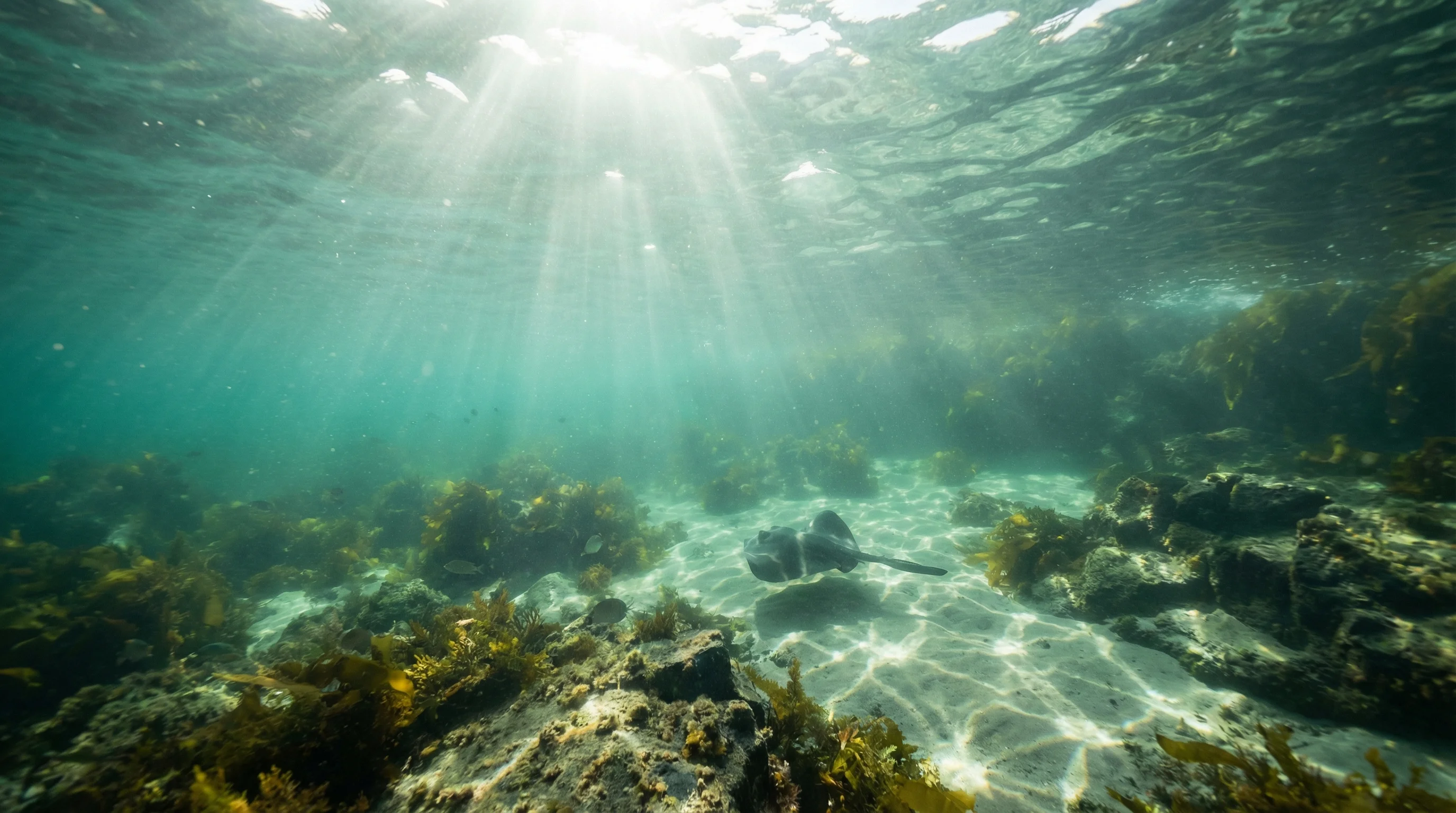
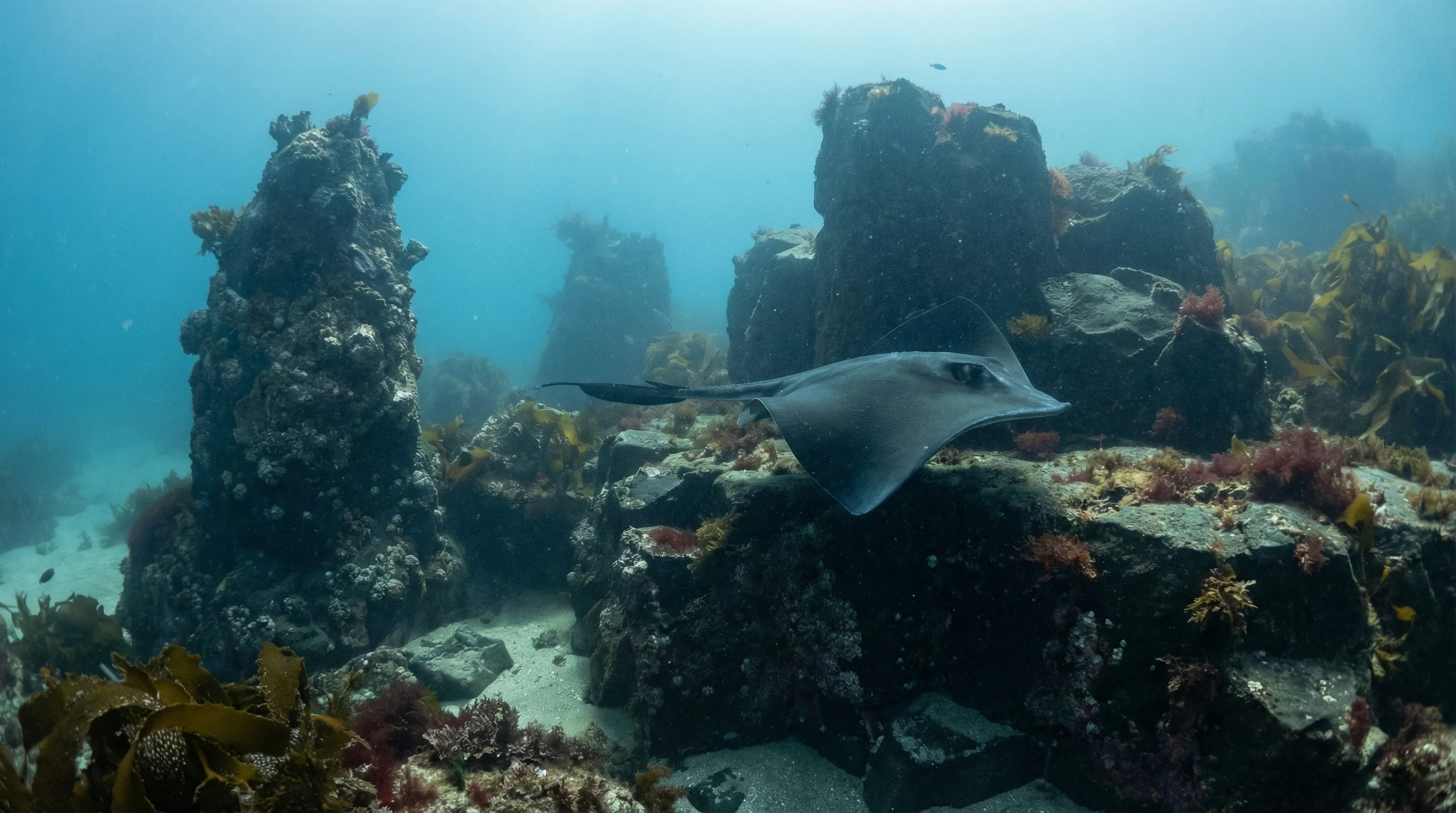
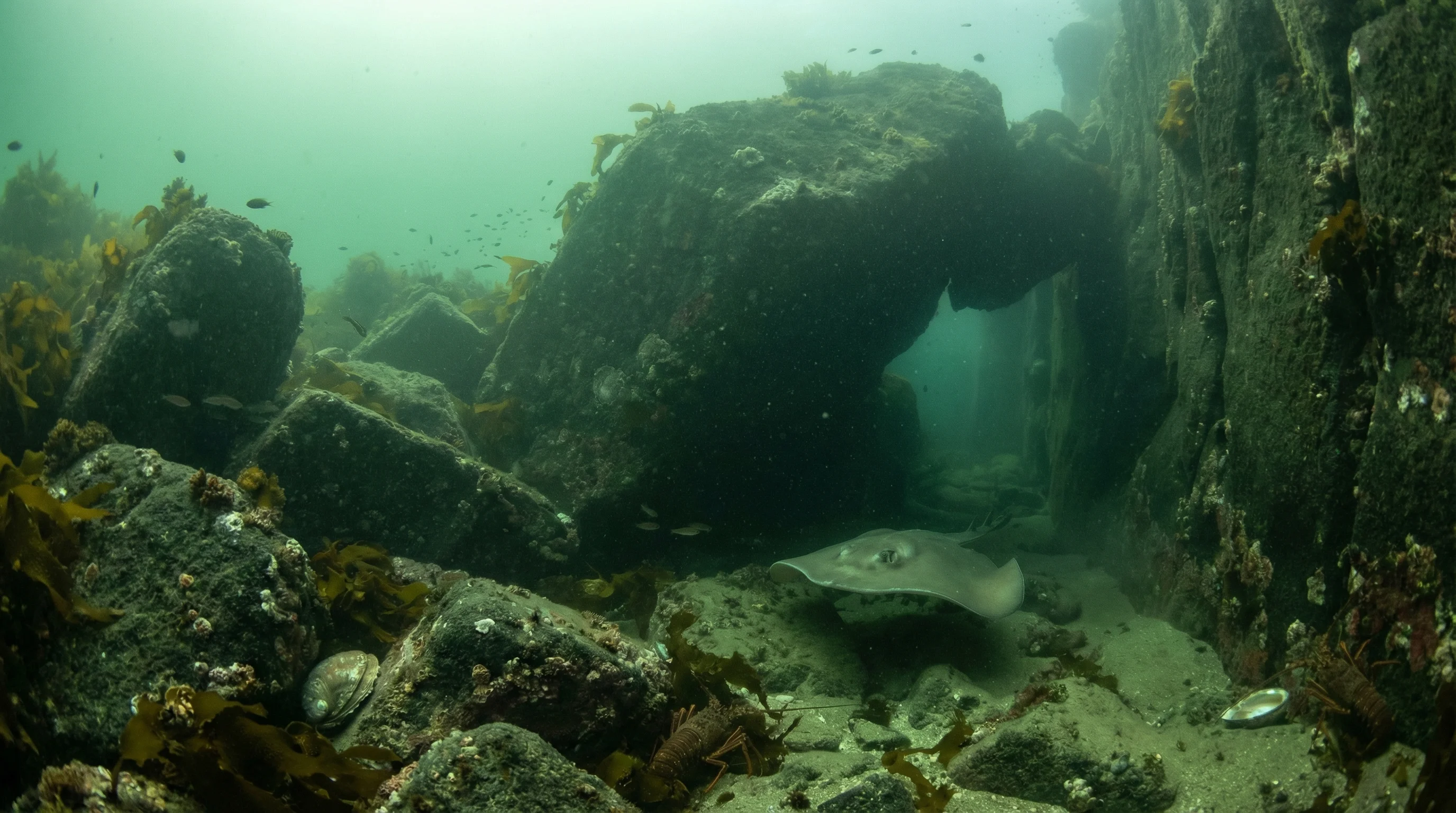
Red Point is a rocky reef shore dive located on the eastern tip of Phillip Island. The site is exposed to open ocean swell, resulting in moderate to strong currents and rip potential. Divers should exercise caution, as access along the beach can be restricted by high tide. Water temperatures range from 13C to 19C, necessitating a thick wetsuit or drysuit. The reef environment supports a variety of temperate marine life and invertebrates typical of the region. Due to the surf and potential for rapid weather changes, this site is best suited for intermediate divers who can manage variable conditions and navigate rocky, potentially sharp terrain.
-38.55120, 145.35810
Surf and rip currents can develop quickly at this site, so enter from the calmer sections of the shoreline and always dive with a buddy who knows the area. A drysuit or thick wetsuit is strongly recommended given Victoria's cold water temperatures.
Access is from the Cape Woolamai Surf Beach car park. From there, it is a walk to the site, either over the headland or along the beach. The beach route is only accessible at low tide.
Recorded at this site
Skill Level
Intermediate
Entry
Shore
Water Temp
13-19°C
Current
Moderate
Best Time
Jan, Feb, Mar, Dec
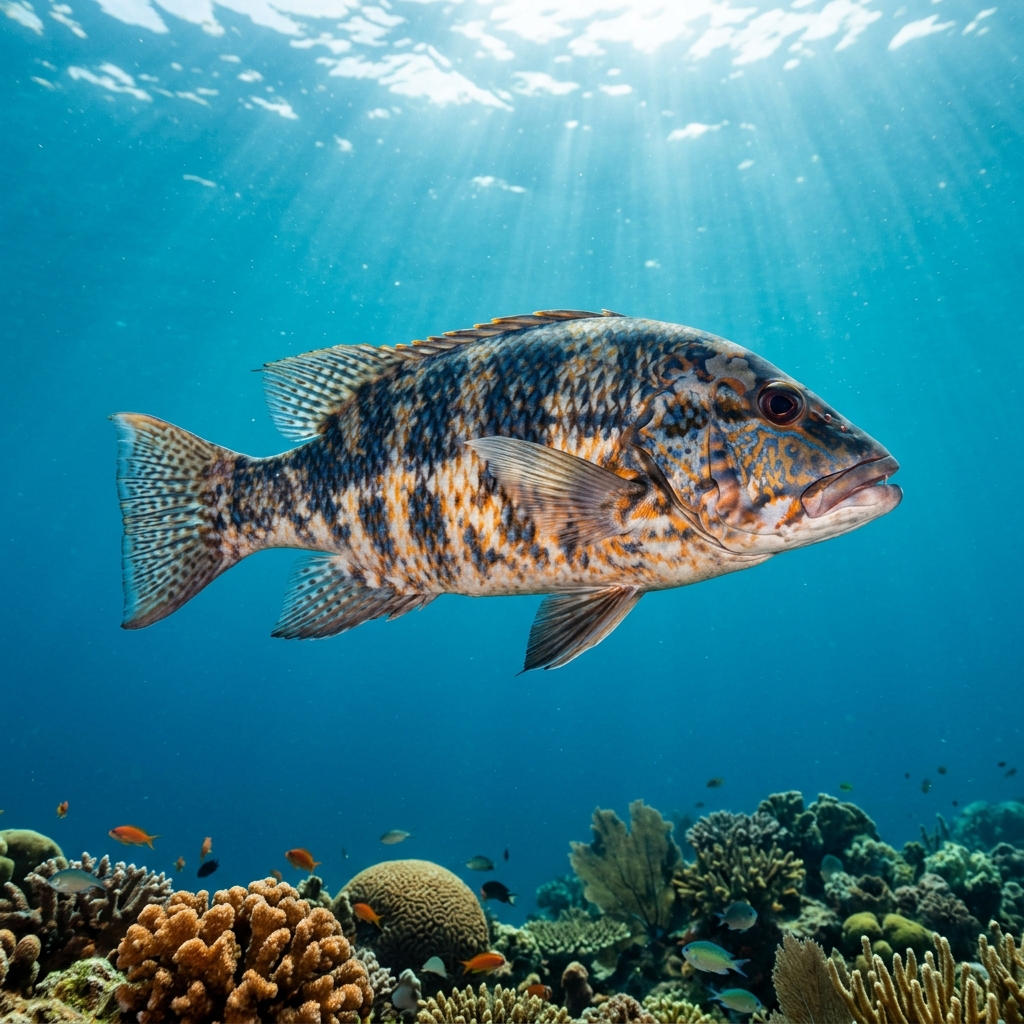
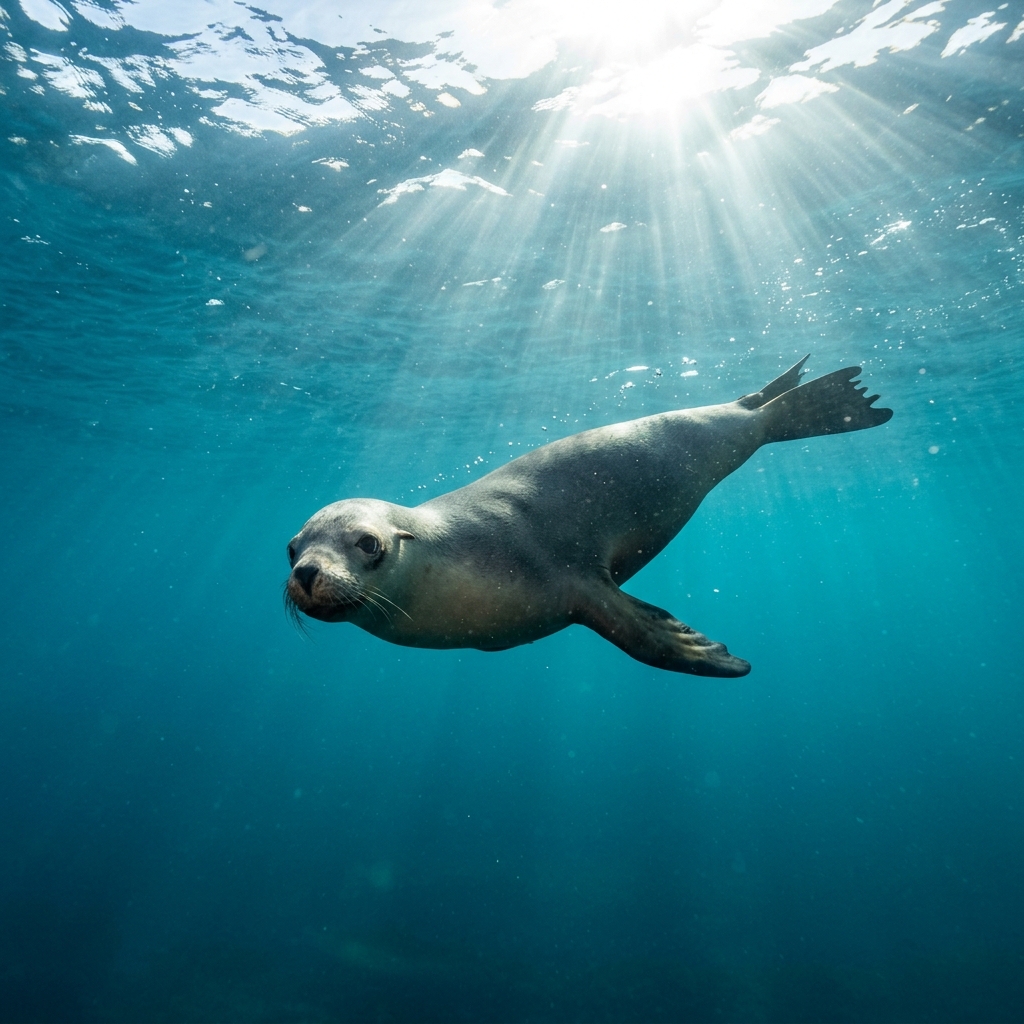
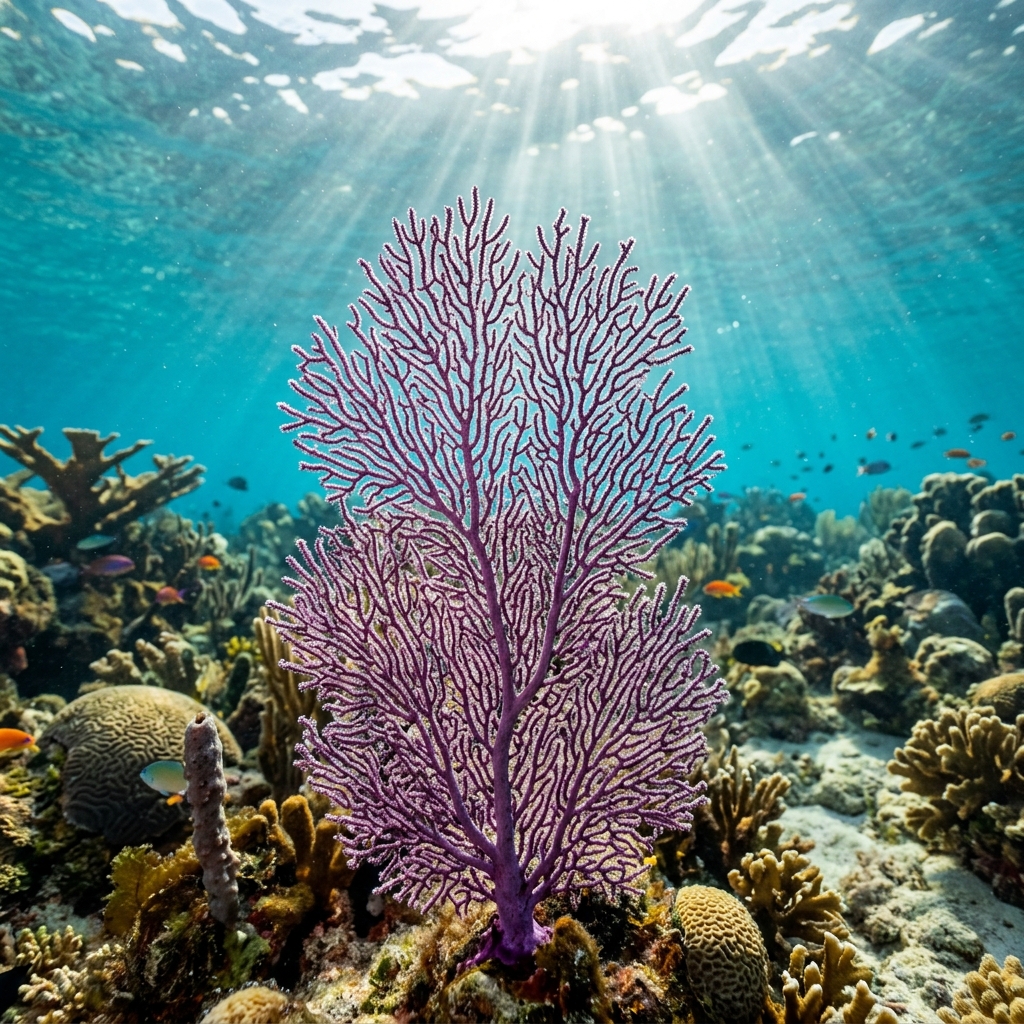
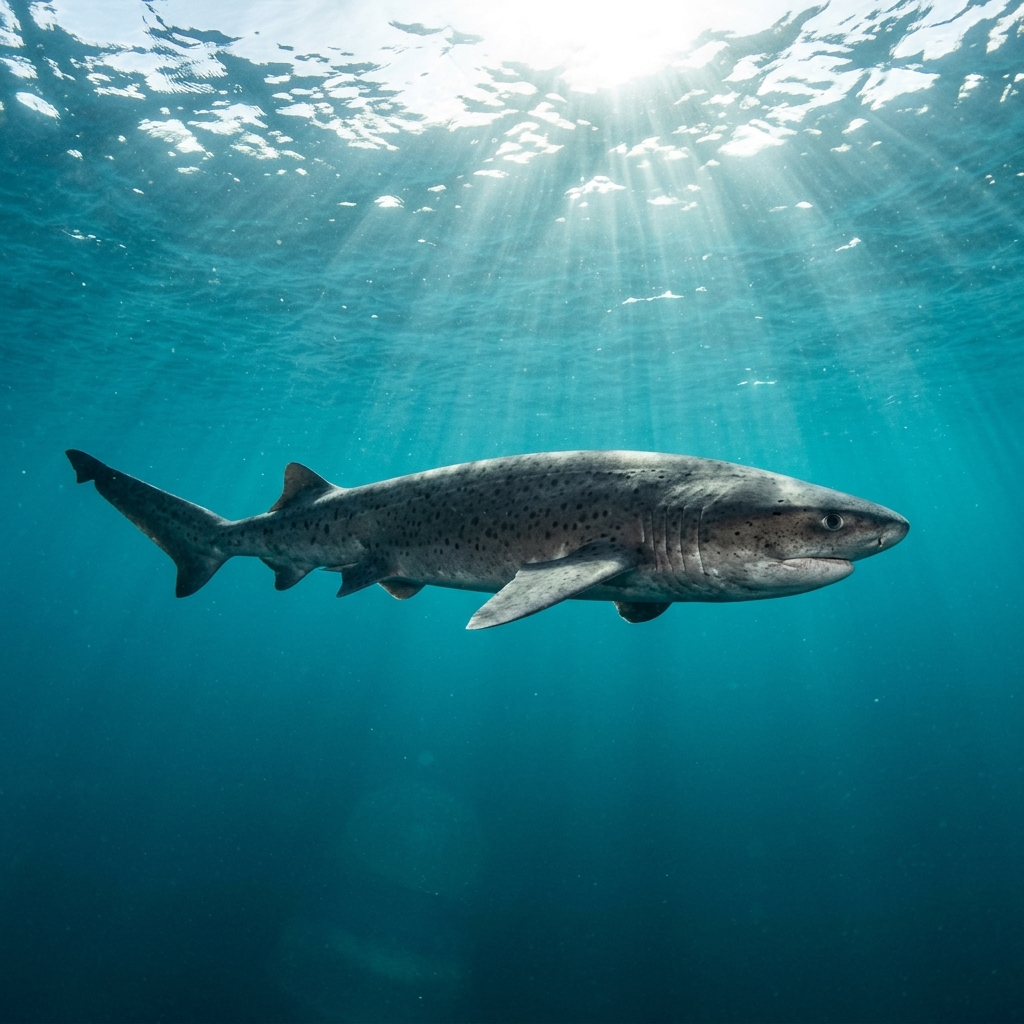
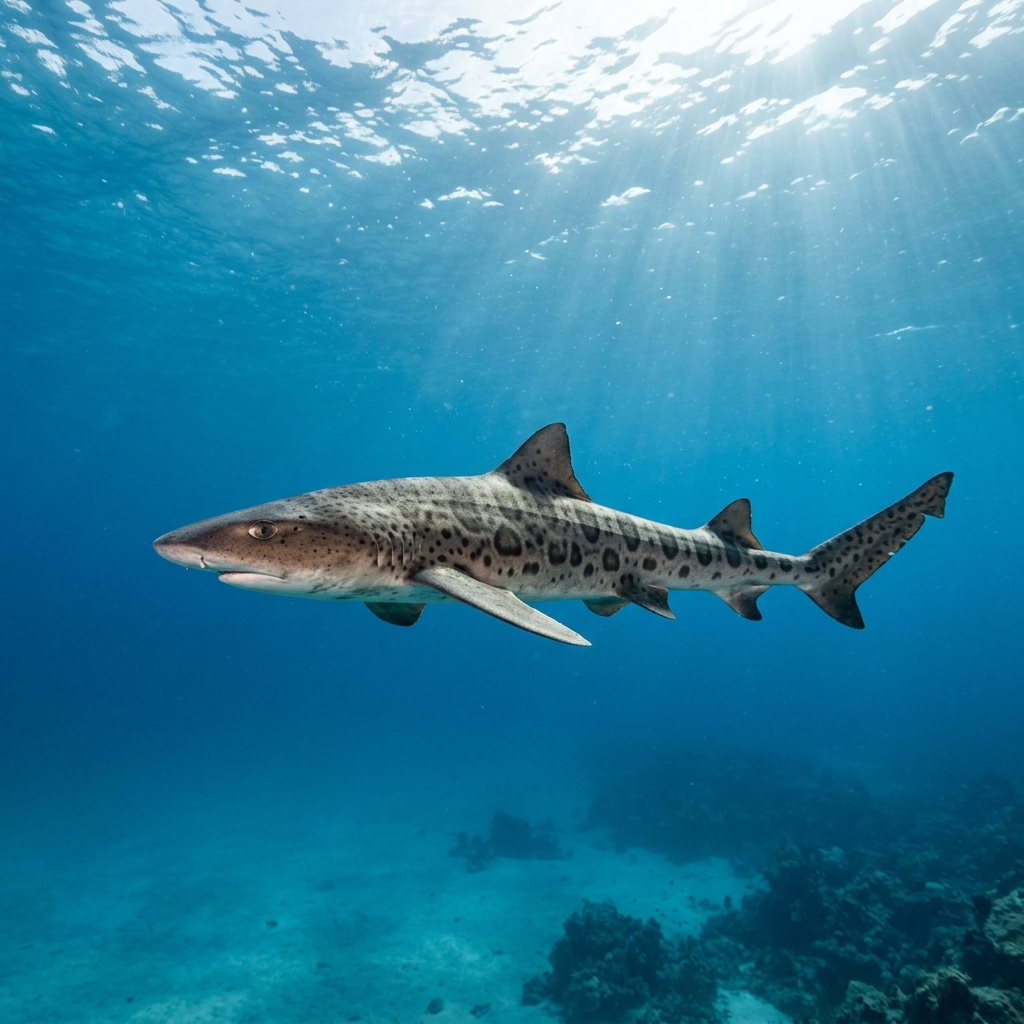
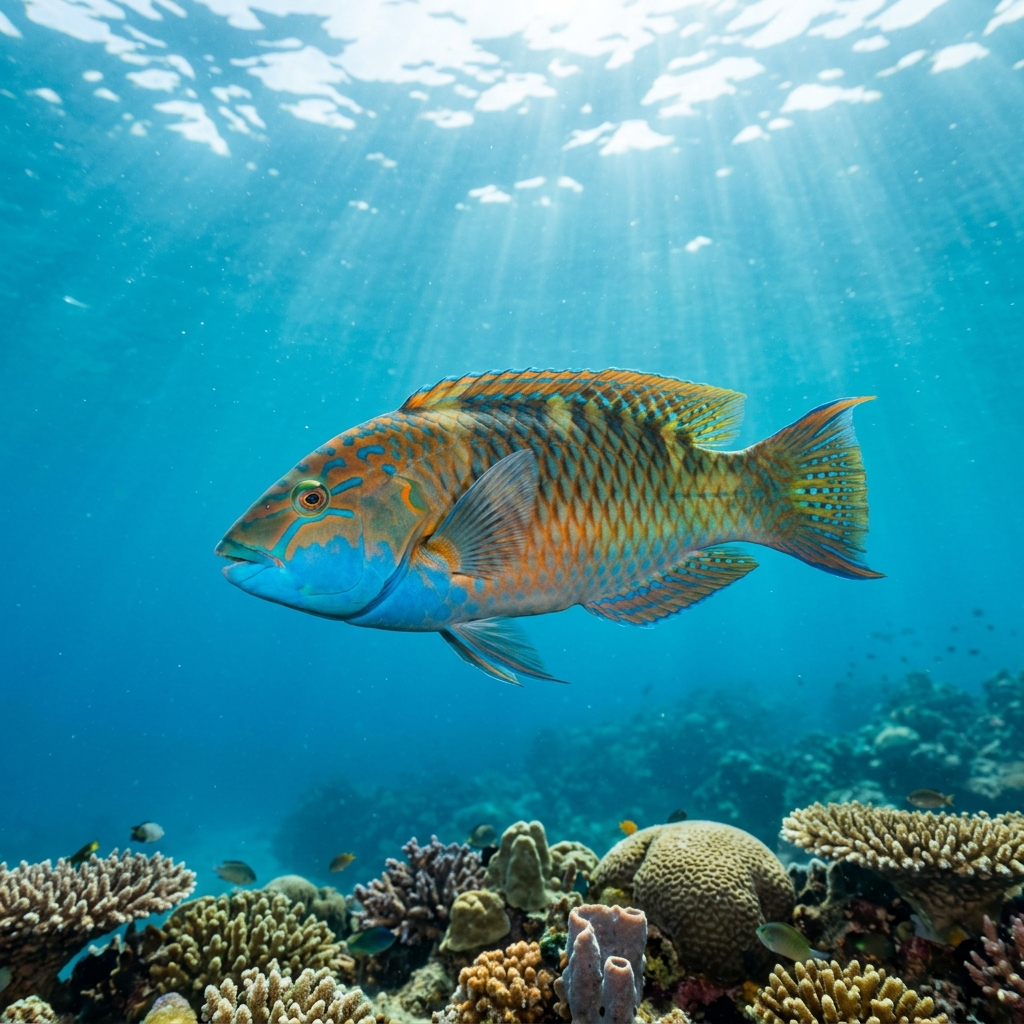
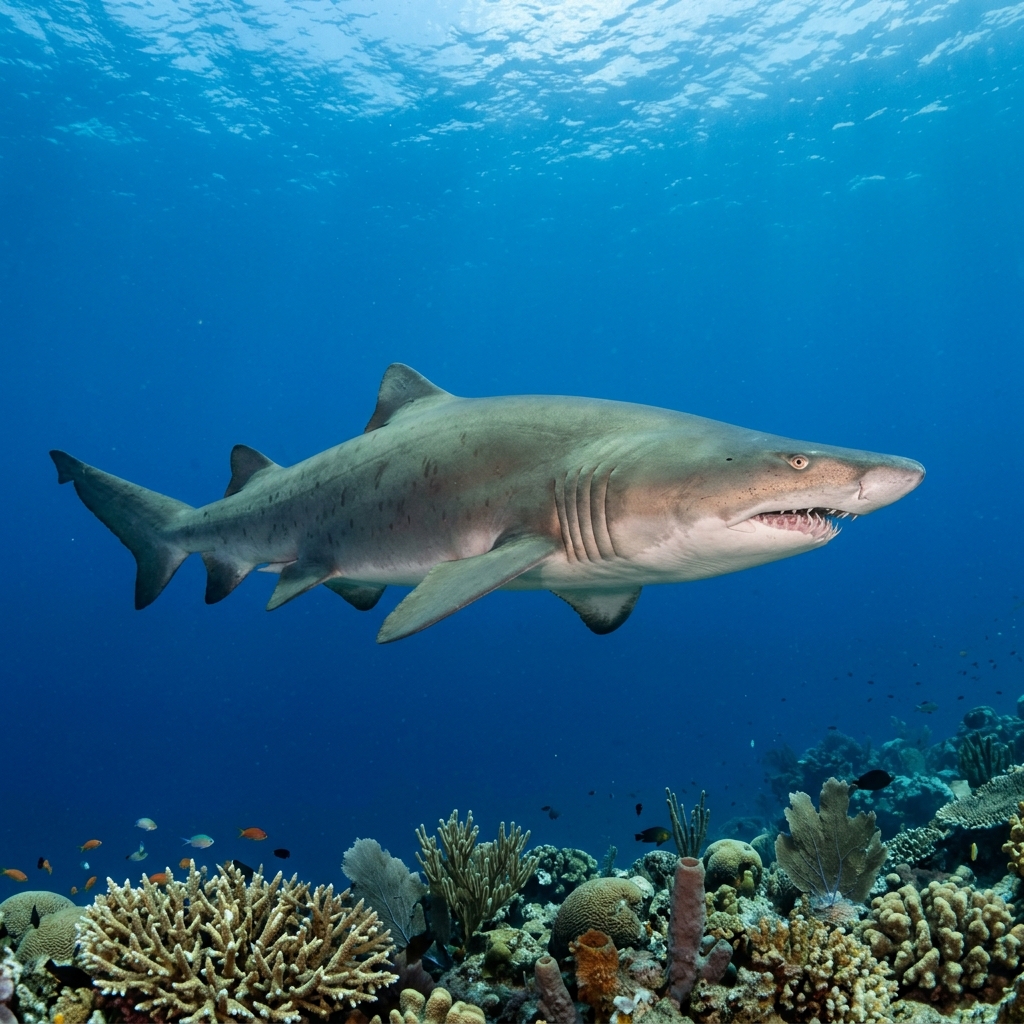
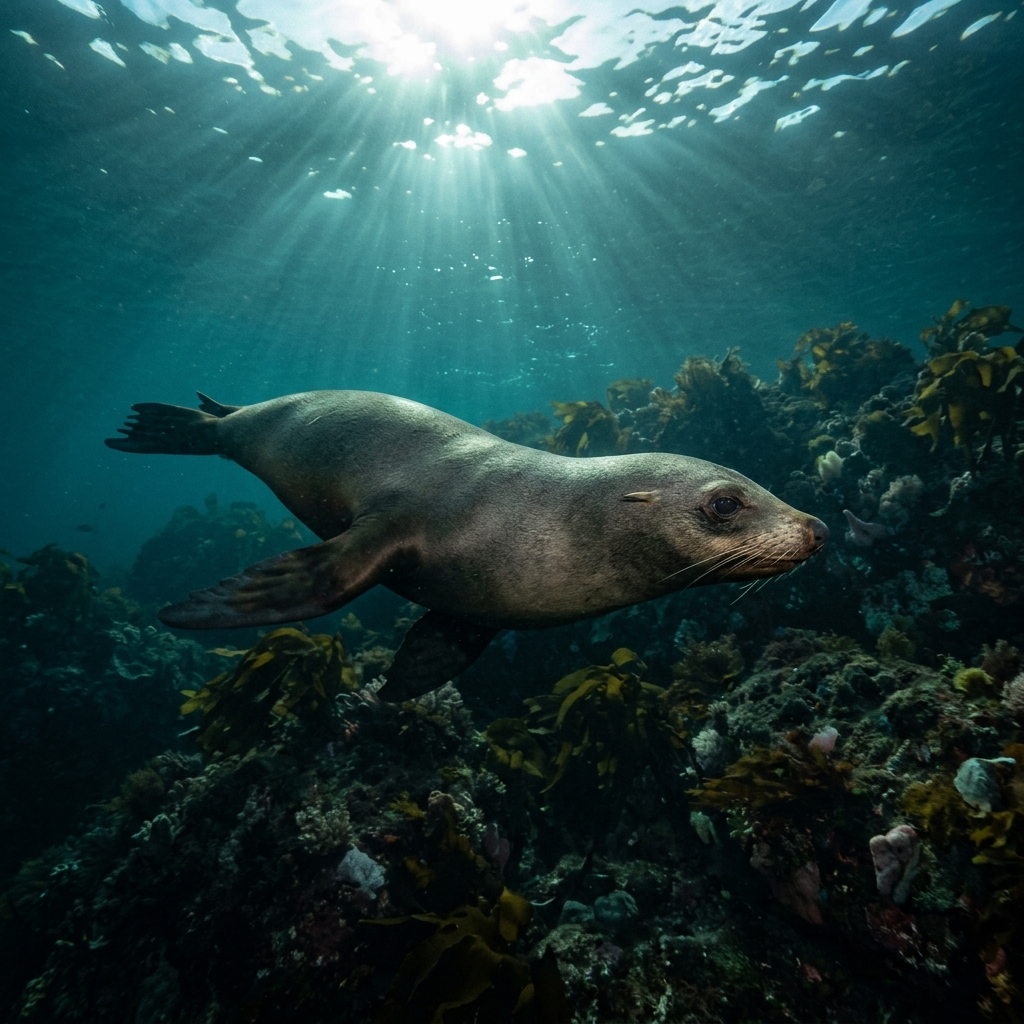
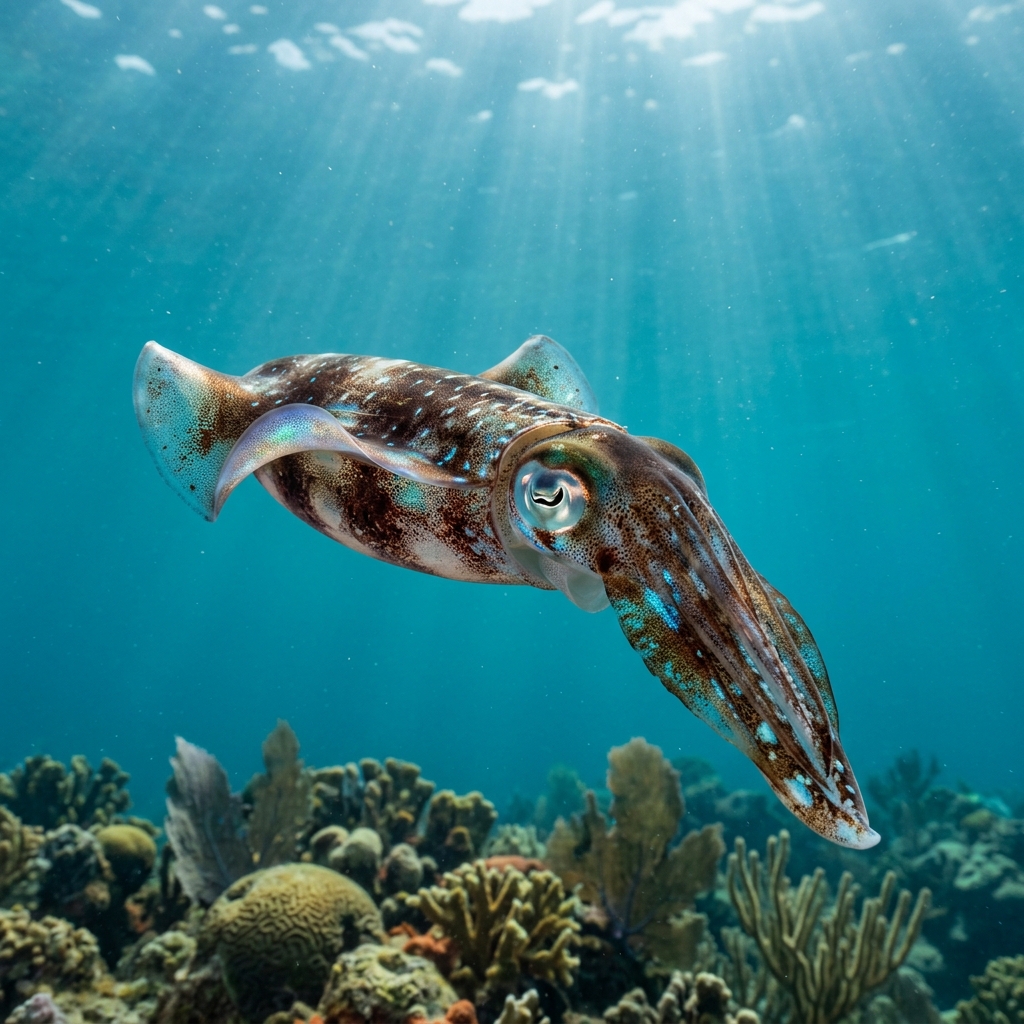
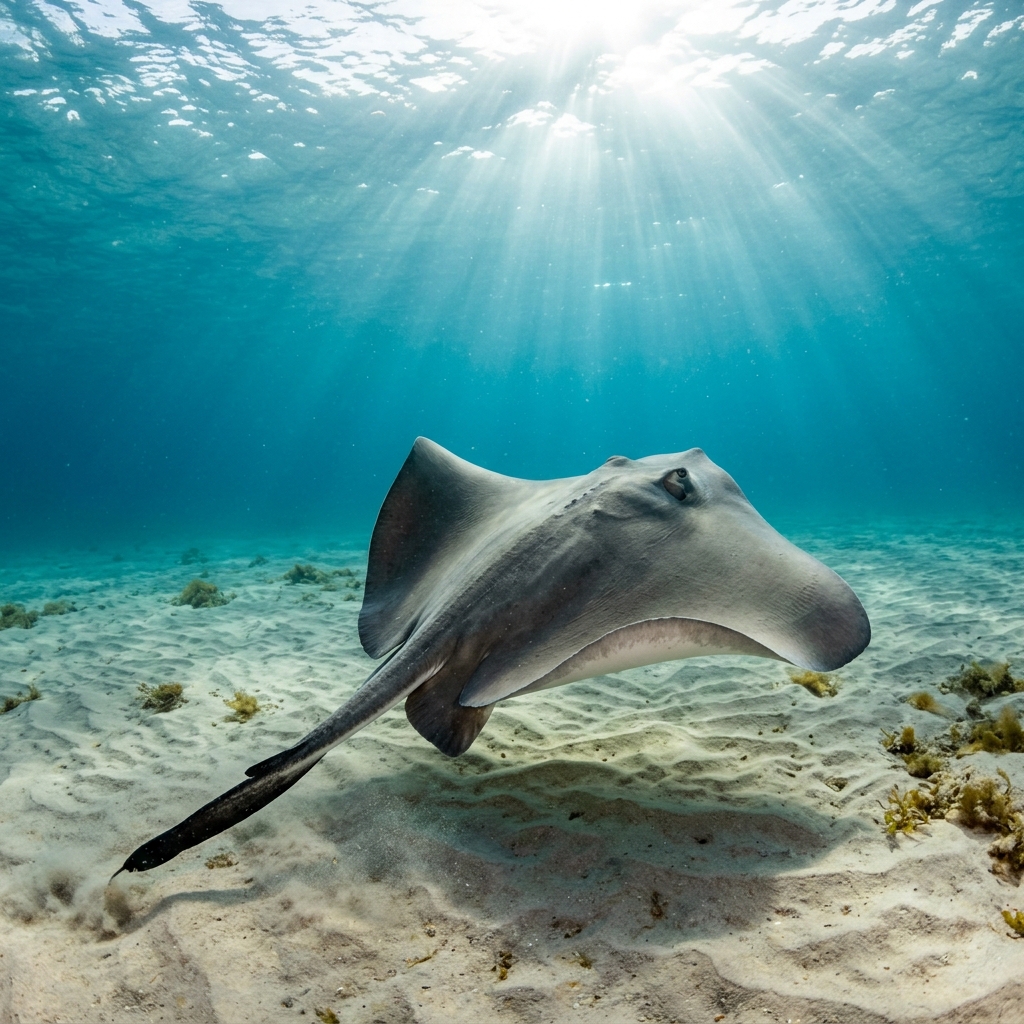
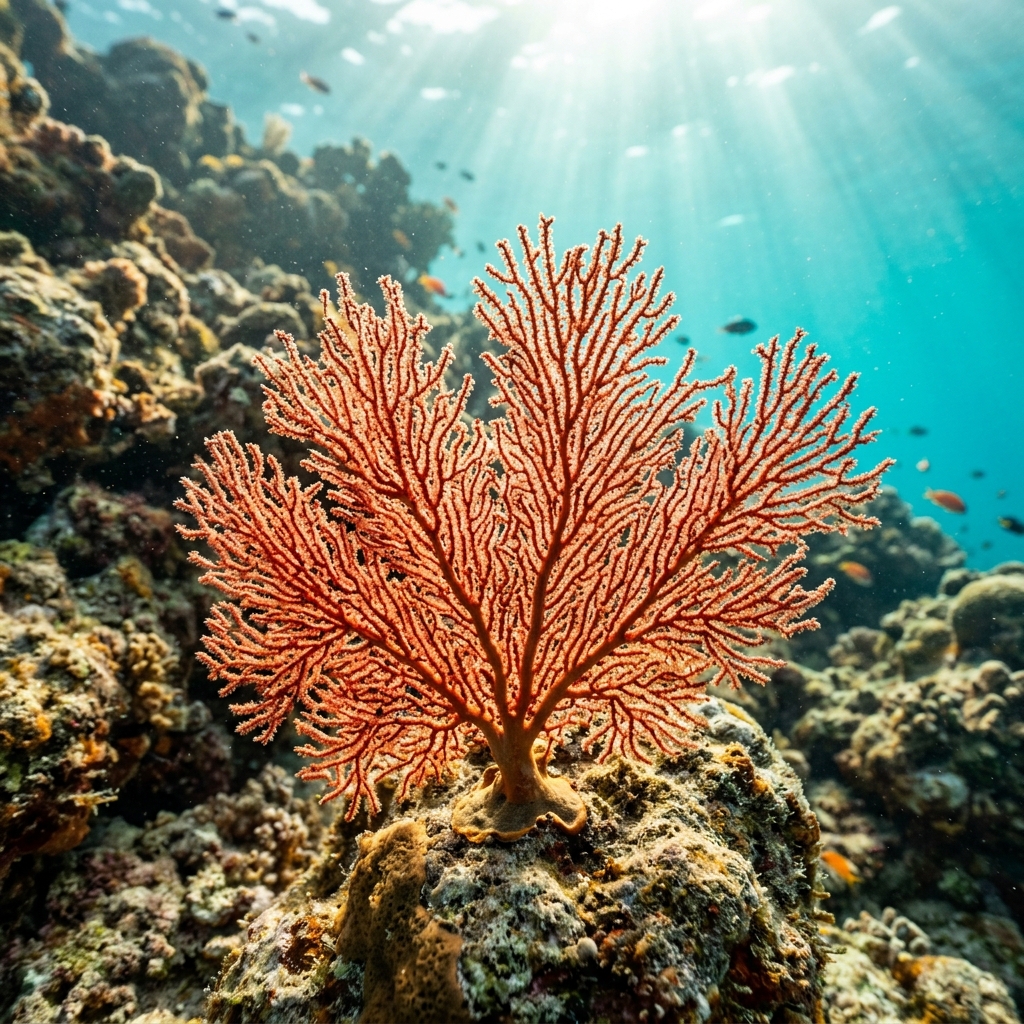
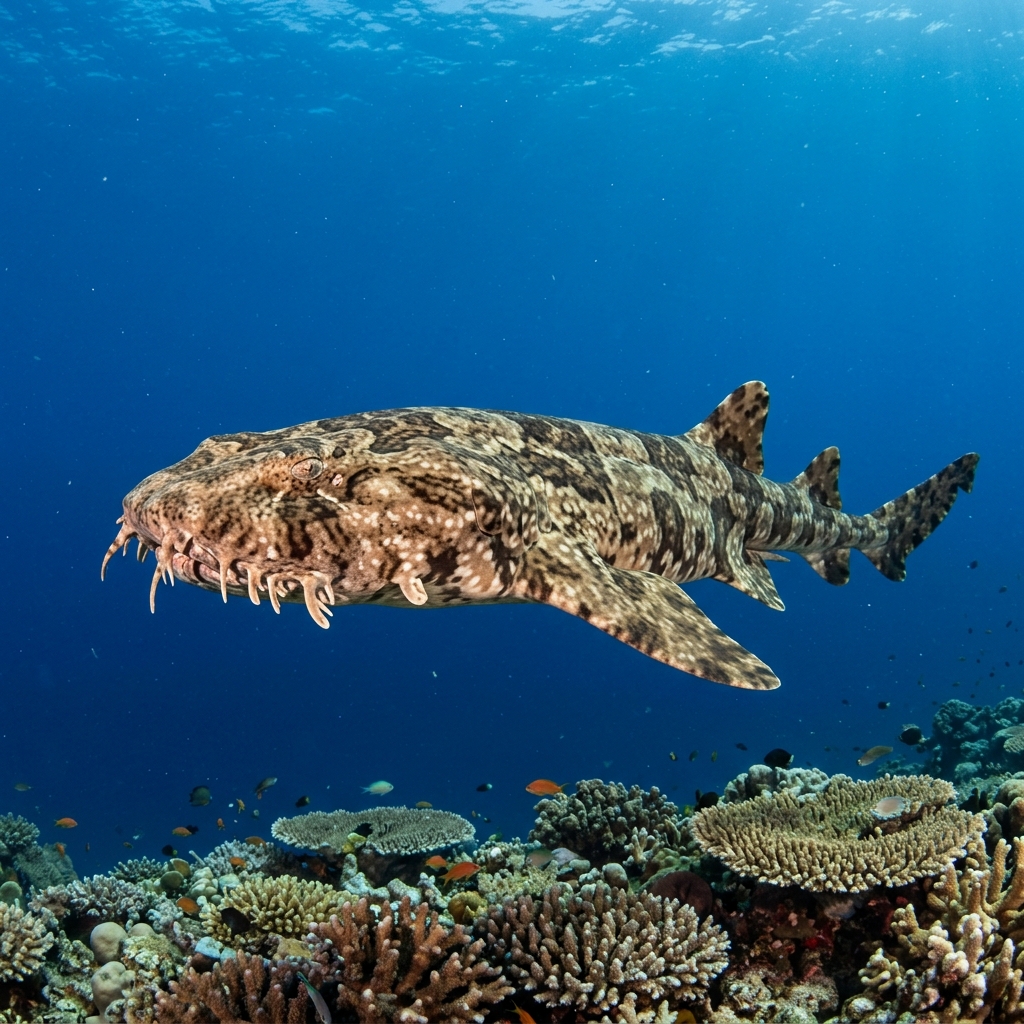
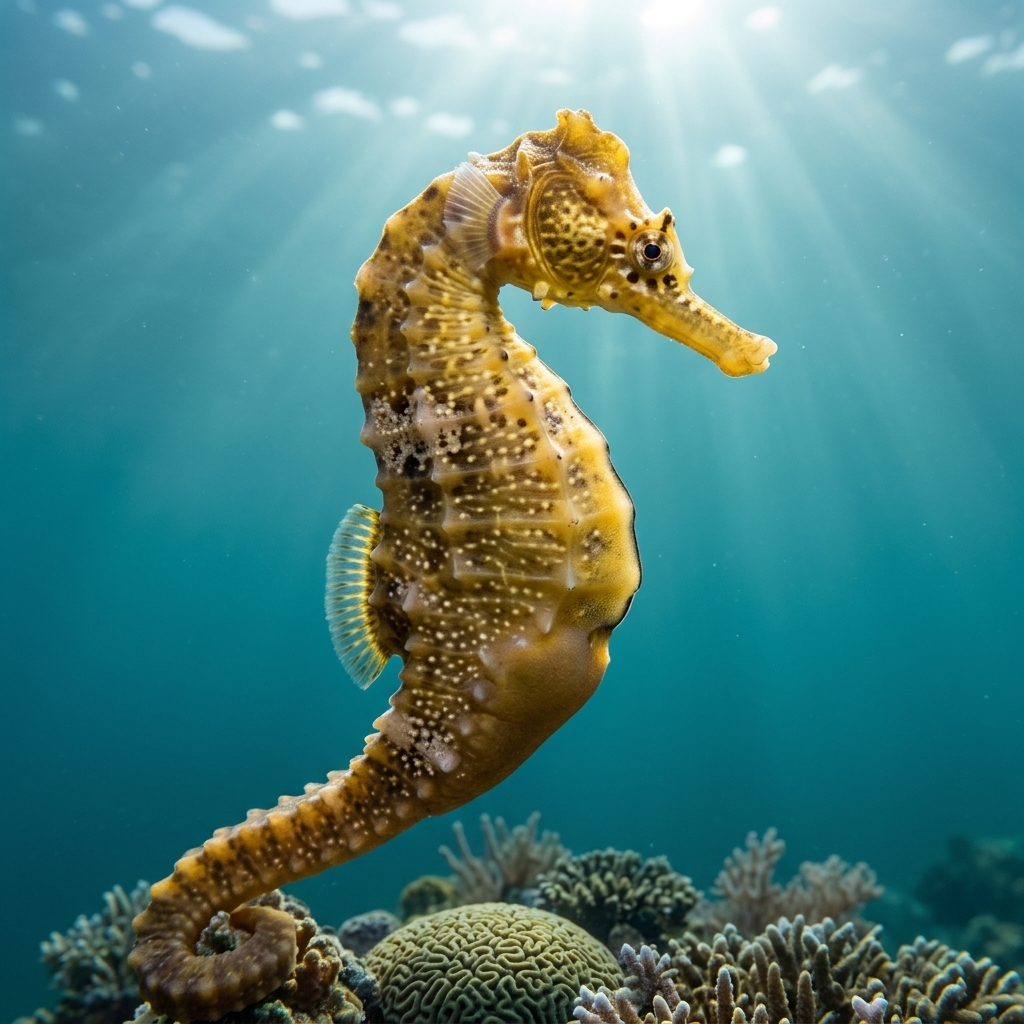
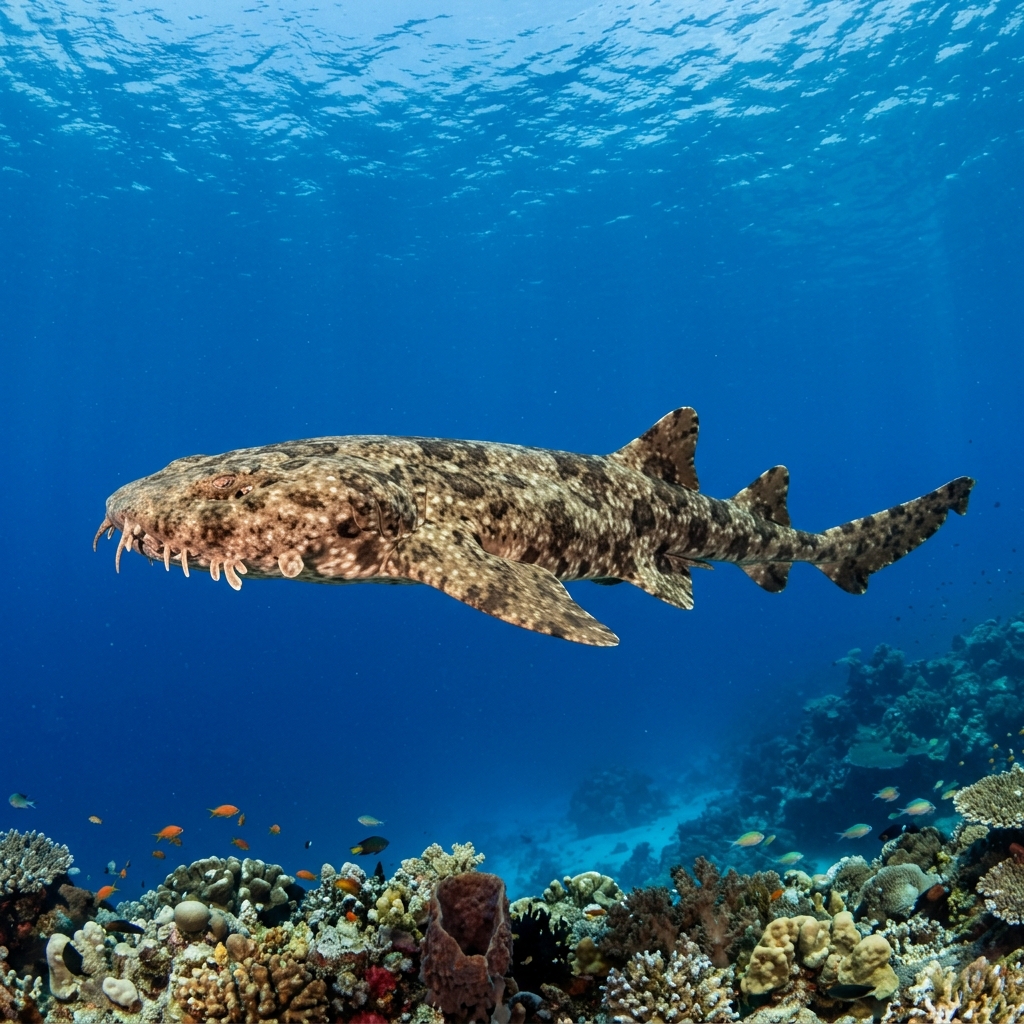
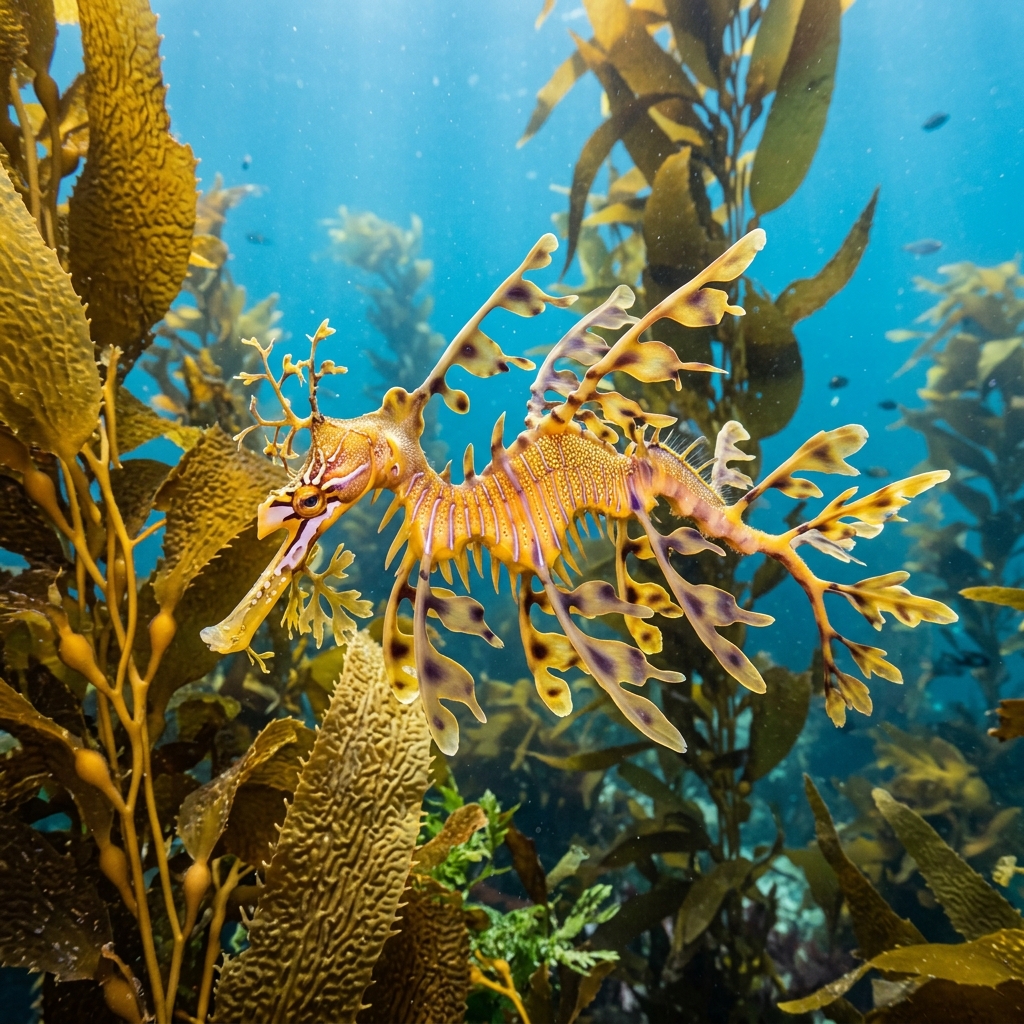
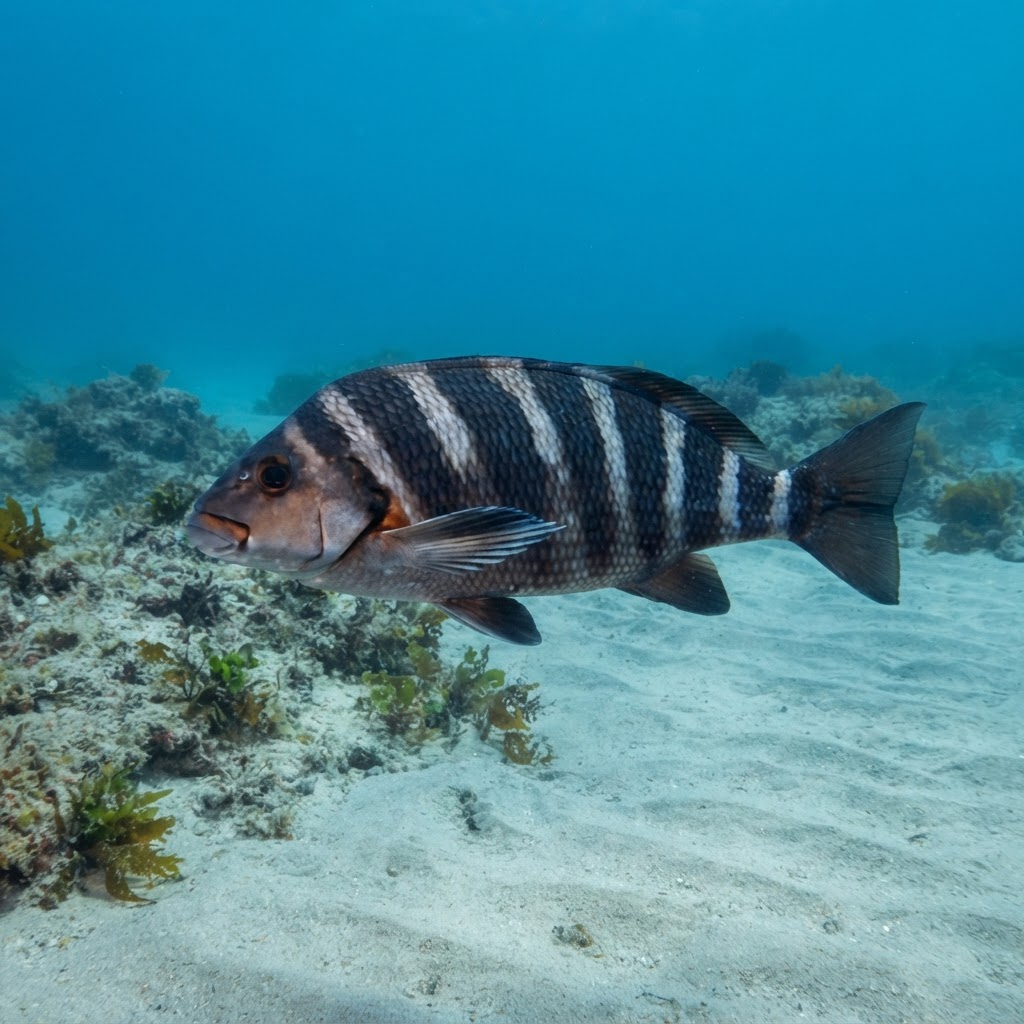
The reef environment supports a diverse range of temperate marine life and invertebrates, including various reef fish and crustaceans common to the Victorian coast.
No, this site is rated for intermediate divers due to the presence of moderate to strong currents, rip potential, and exposure to open ocean swell.
Snorkelling is possible with a rating of 4/5, but you must assess conditions carefully and only enter the water when it is flat due to the risk of rip currents.
Red Point is a shore dive accessed via the beach, though access can be cut off by high tide.
The best months to dive or snorkel at Red Point are December, January, February, and March.
Hazards include cold water, rip currents, strong surf, and sharp rocks. Always dive with a buddy and check conditions before entering.
Diving at Red Point in Phillip Island requires the following certifications: Open Water. Always dive within your training limits.
A 7mm wetsuit or semi-dry is recommended for diving at Red Point in Phillip Island. Water temperatures range from 13°C to 19°C.
Expect moderate currents at Red Point in Phillip Island. Good buoyancy control and some drift diving experience is helpful.