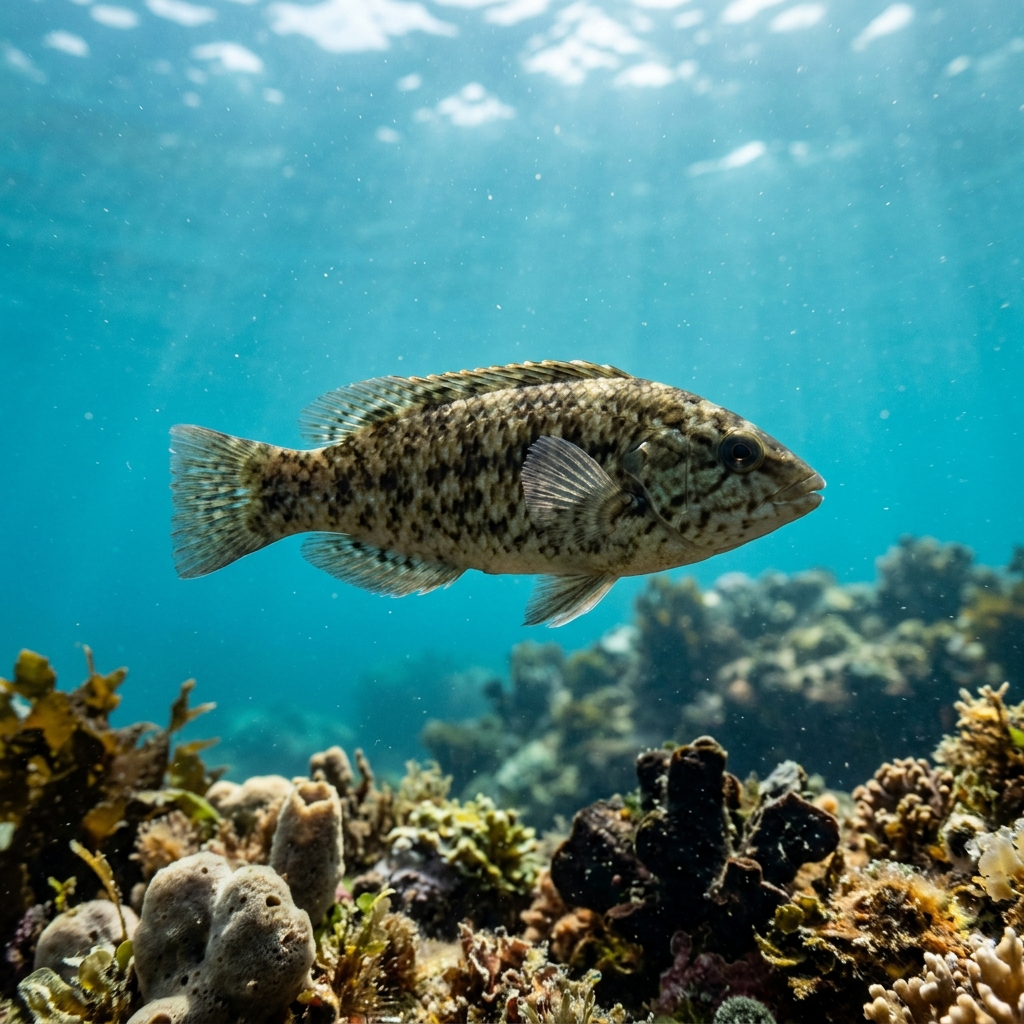
Notolabrus tetricus
Spot Blue Throated Wrasse on temperate Australian reefs from New South Wales to Tasmania. Best sightings Nov, May in cool 14-20 °C waters.
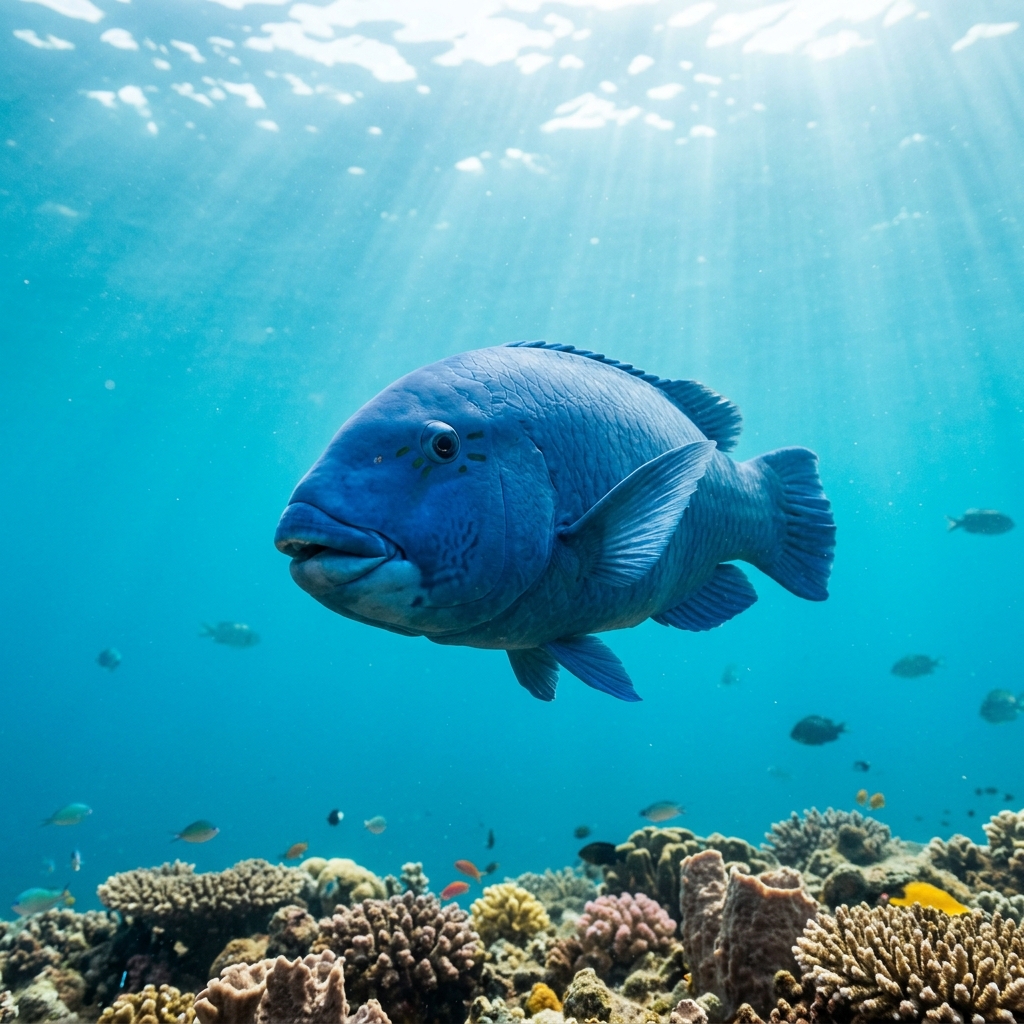
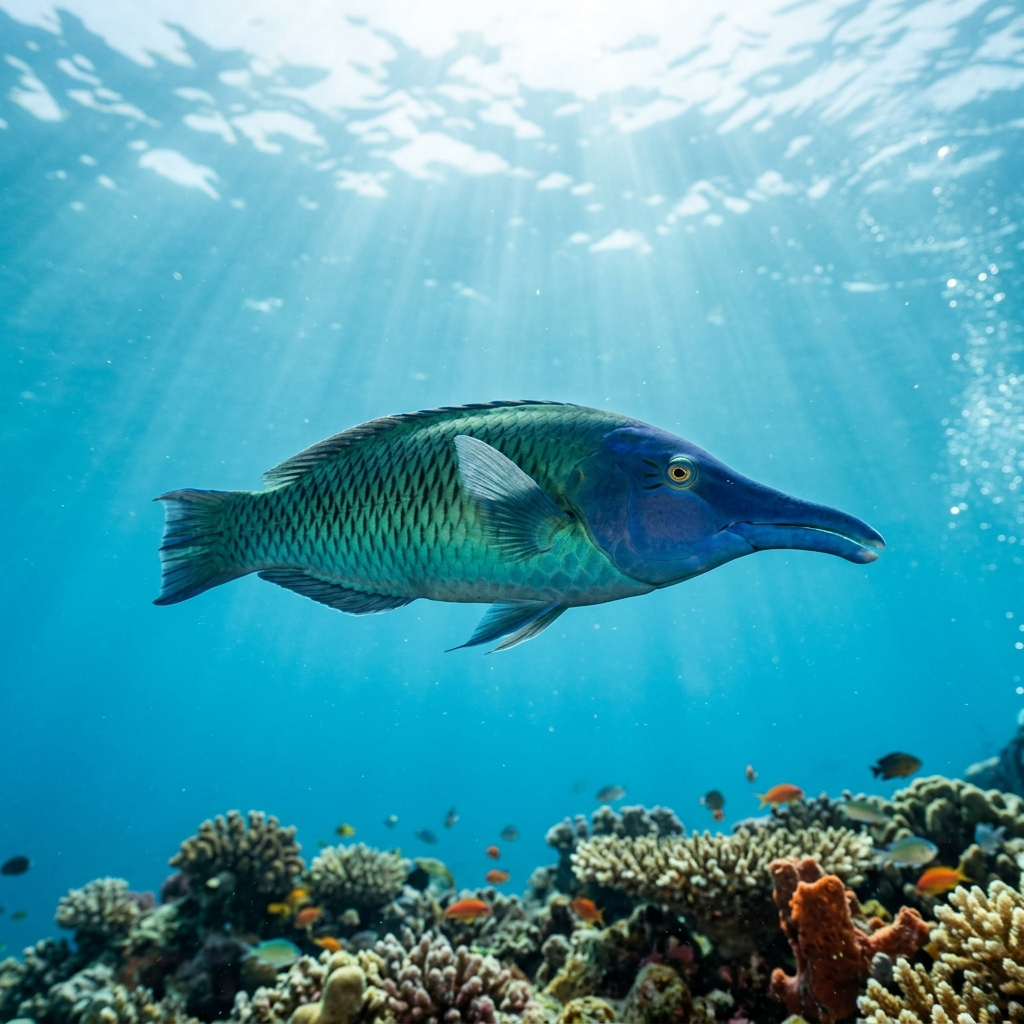
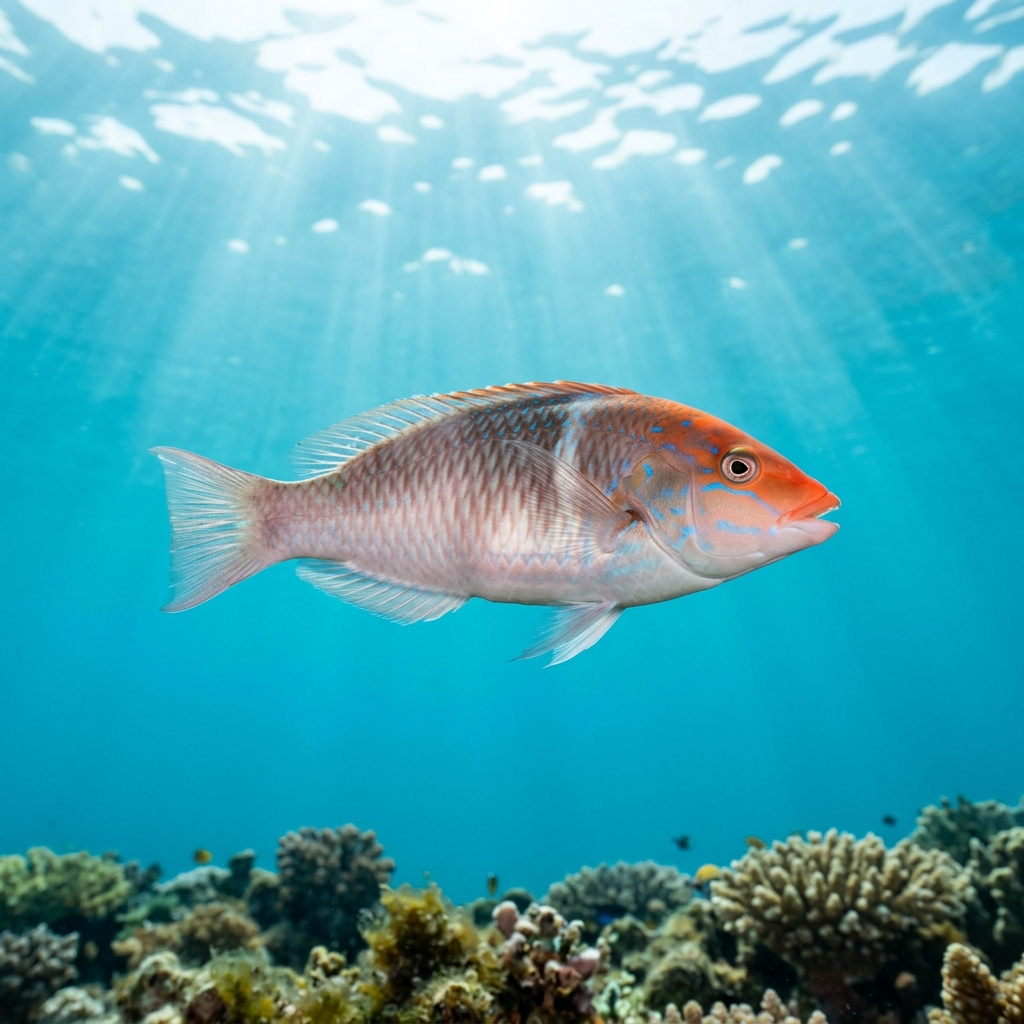
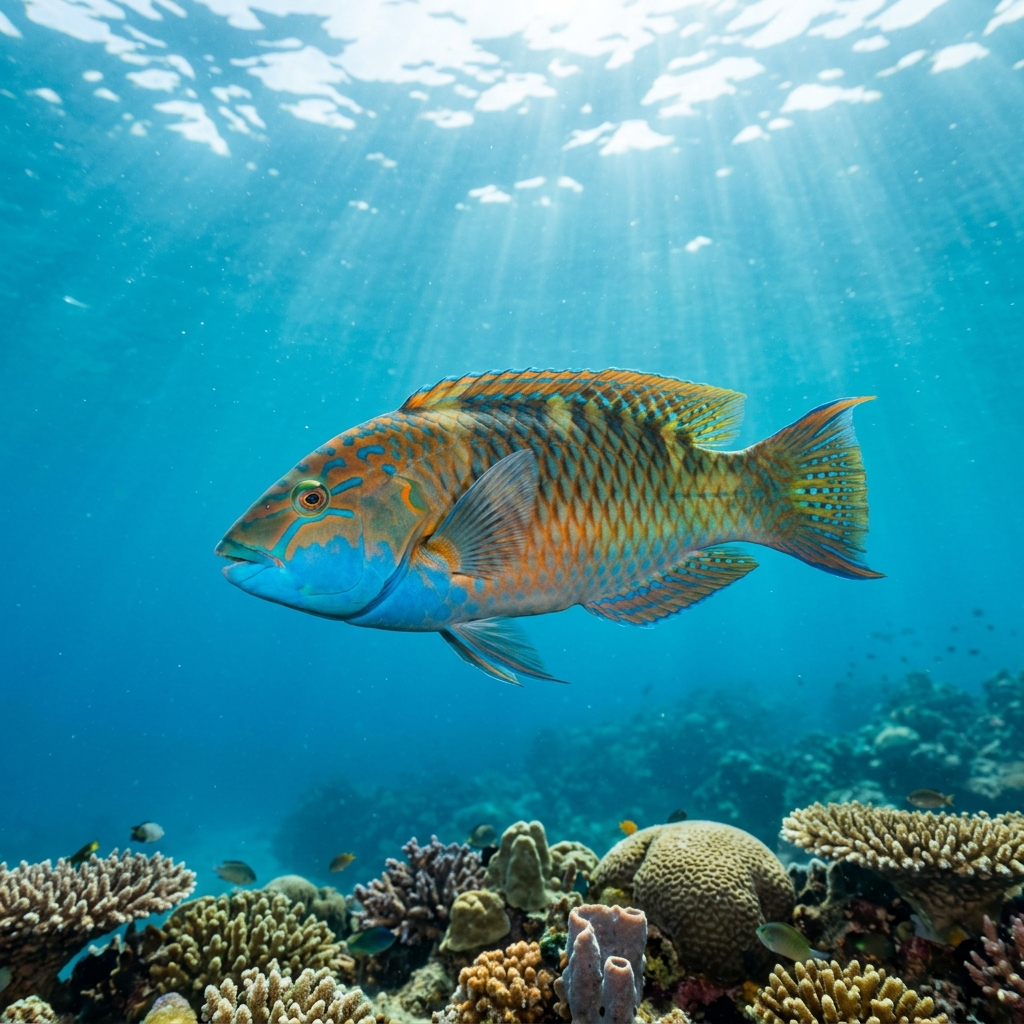
At around 35 cm, this is a solid, thickset wrasse with a rounded snout typical of the family. The adult male's calling card is unmistakable: a bright blue throat patch that glows against his richer, mottled body colouration. Females run plain brown to greenish with no throat marking, so they can look like an entirely different fish at first glance. Look for this species close to rocky reef structure in cool, temperate water.
You'll most often come across blue throated wrasse working along rocky reef surfaces, picking at invertebrates as they go. They tend to be moderately wary of divers but will carry on foraging if you approach slowly and keep your distance. Males are territorial and may display their blue throat patch conspicuously around their patch of reef.
Like many wrasses, blue throated wrasse are protogynous hermaphrodites, meaning females can transition into males as they age and social conditions allow. This is why dominant males look so strikingly different from females and smaller fish.
Sightings concentrate between November and May across southern hemisphere sites, aligning with the warmer end of the species' preferred temperature window of roughly 14 to 21 °C.
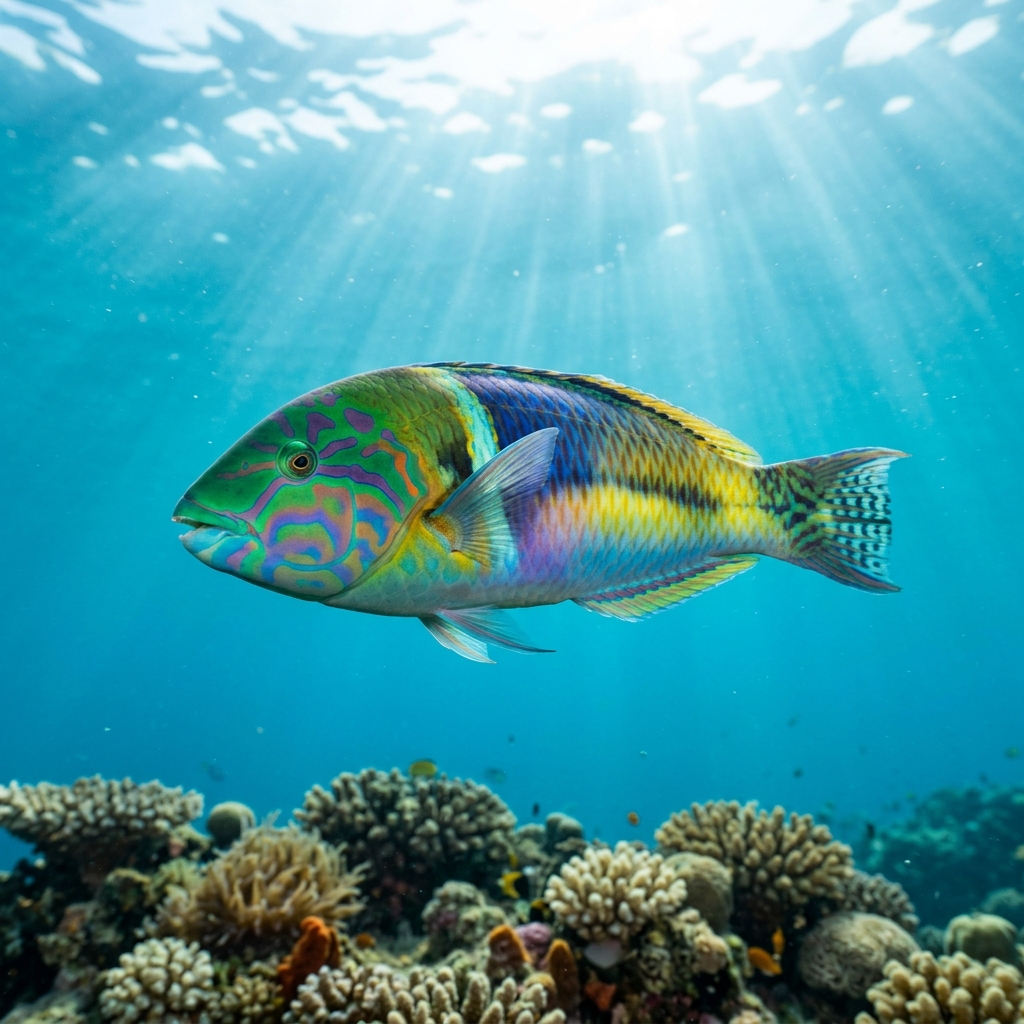
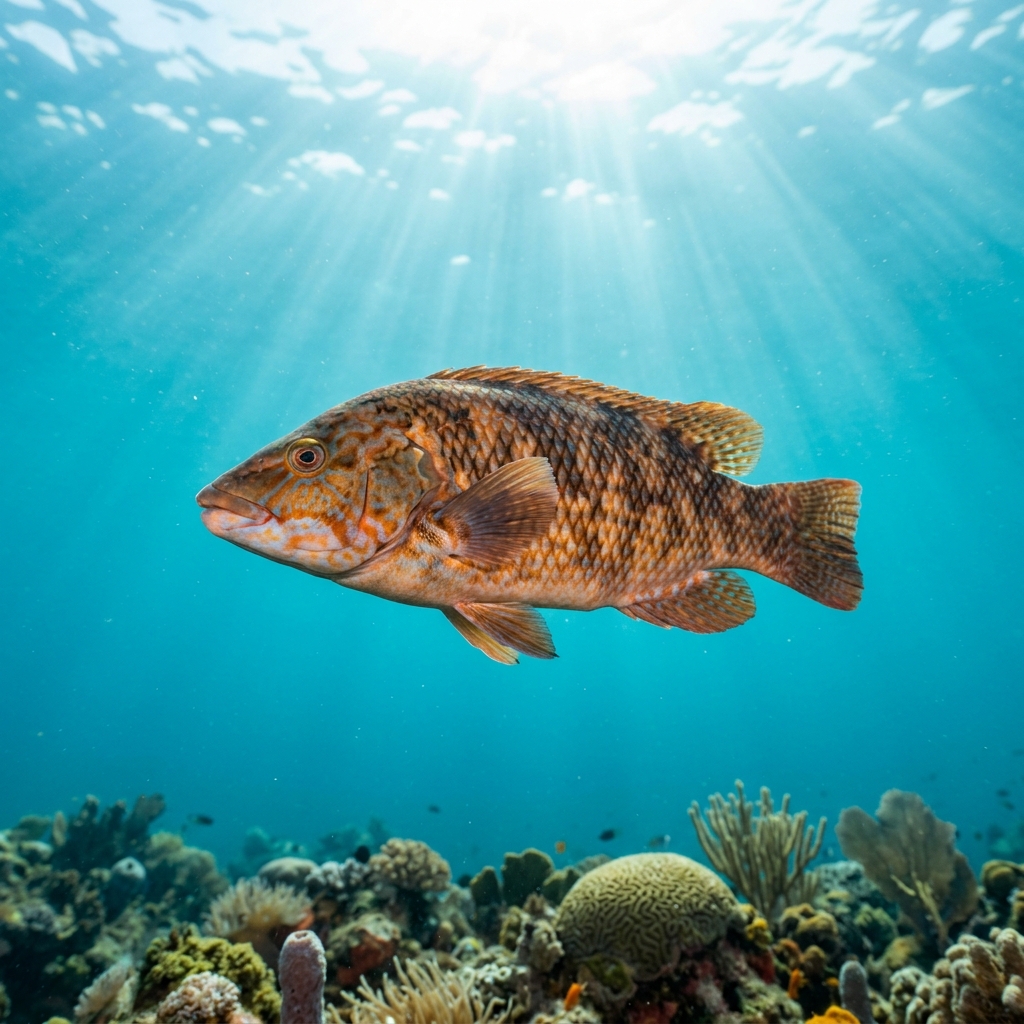
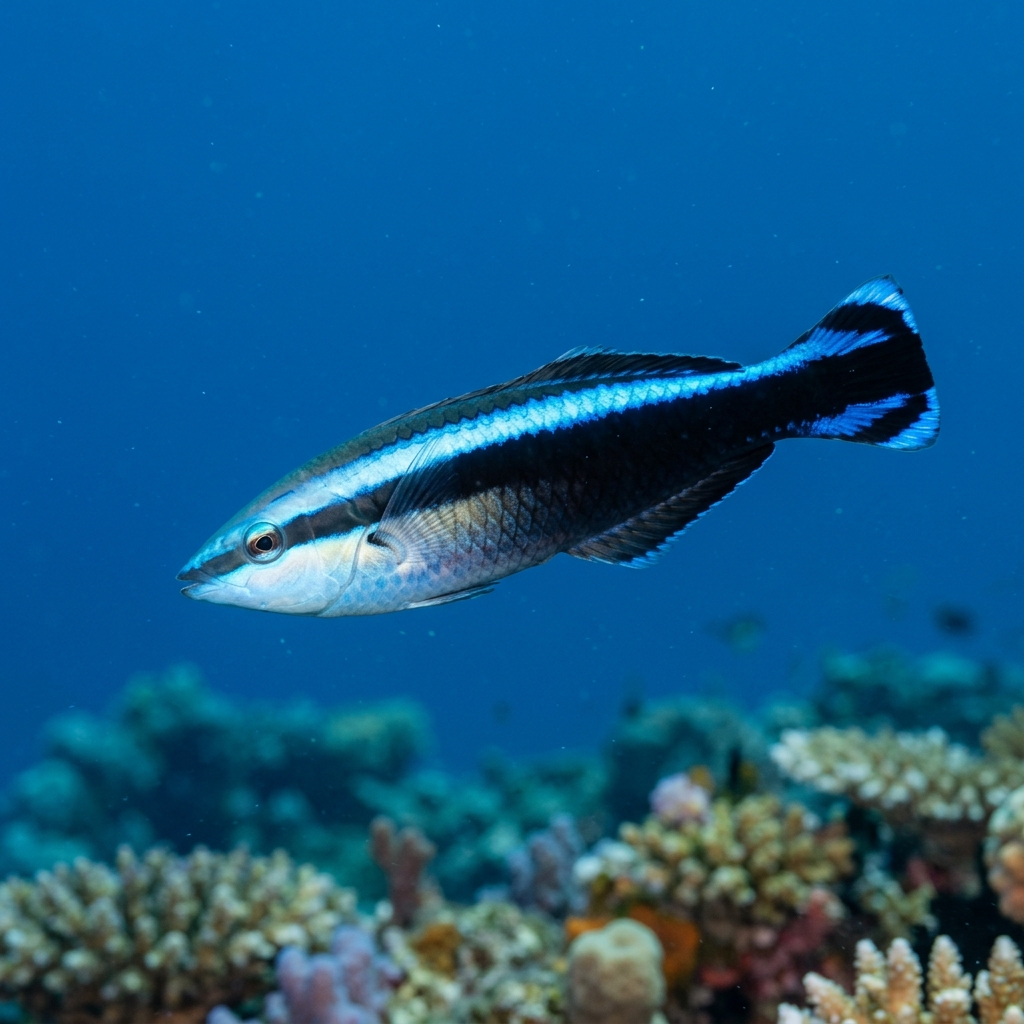
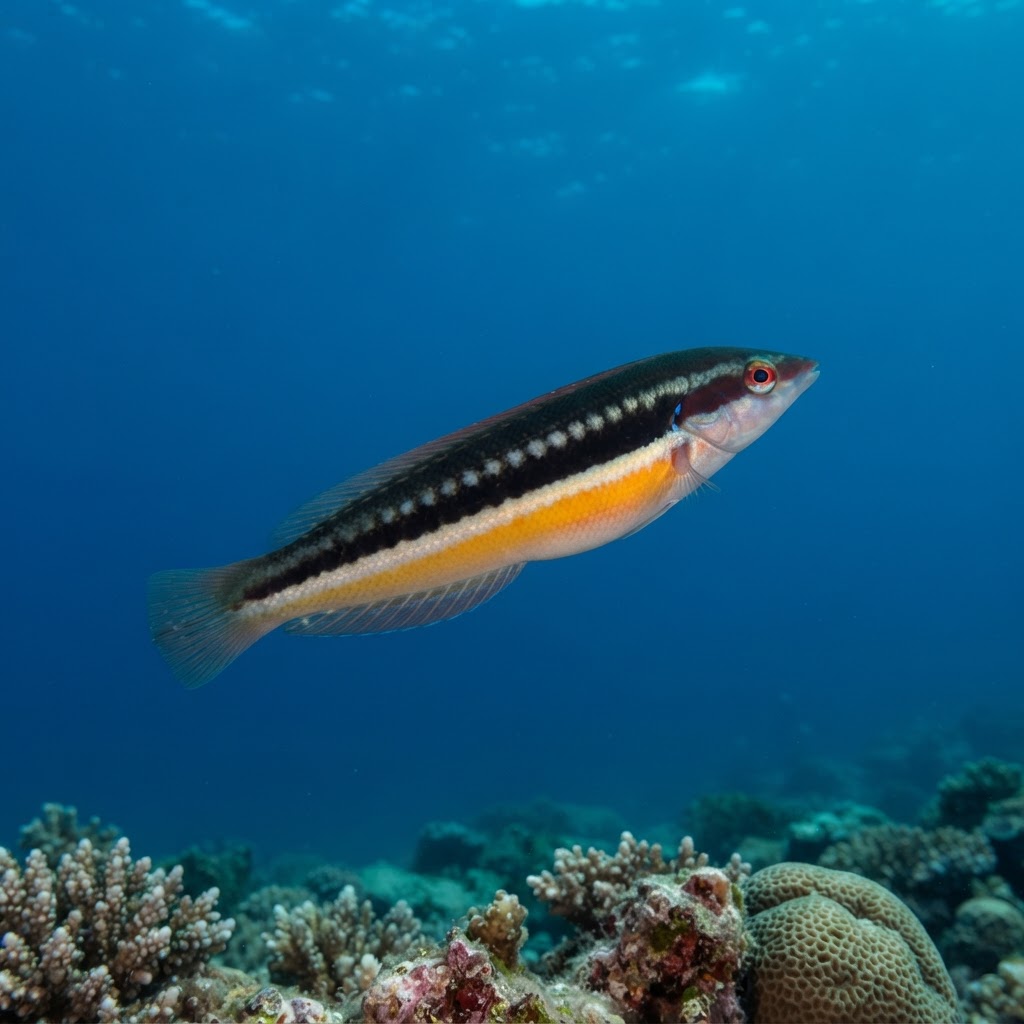
Reef neighbours a diver could mistake it for. Use the identification notes above to tell them apart.
Blue throated wrasse are an almost entirely Australian species, with the overwhelming majority of logged sightings coming from the country's southern and eastern seaboard. New South Wales leads by a wide margin, followed by Victoria, South Australia, and Tasmania, making temperate southeastern Australia the prime destination. A smaller number of sightings come from Western Australia and Queensland.
Mapping where Blue Throated Wrasse is logged…
Blue throated wrasse are found almost exclusively along Australia's southern and eastern coasts. New South Wales has the strongest sighting record, with solid populations also logged in Victoria, South Australia, and Tasmania. Western Australia and Queensland produce sightings too, but less frequently.
Sightings peak between November and May across southeastern Australian sites. This corresponds to spring through autumn in the southern hemisphere, when water temperatures sit in the species' preferred 14 to 21 °C range.
Focus on the adult male's vivid blue throat patch, it's the clearest field mark and stands out even in low visibility. The body is thickset with a rounded snout, around 35 cm long. Females lack the blue throat entirely and are plain brown to greenish, which can cause confusion with other temperate wrasses.
Blue throated wrasse typically reach around 35 cm. They are a medium-sized wrasse, noticeably chunkier in build than many smaller reef wrasses but well short of the bulk of a blue groper.
Yes. Blue throated wrasse are protogynous hermaphrodites (females that can transition to males). When a dominant male disappears from a territory, a large female may change sex and develop the characteristic blue throat and richer colouration of a male. This explains the dramatic difference in appearance between the sexes.
Site and sighting data is aggregated from diver logs, iNaturalist and GBIF. For taxonomy and conservation status:
Bird Wrasses
3,632 sites