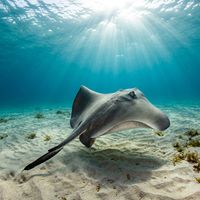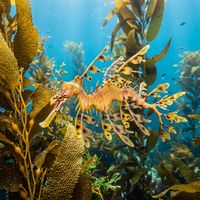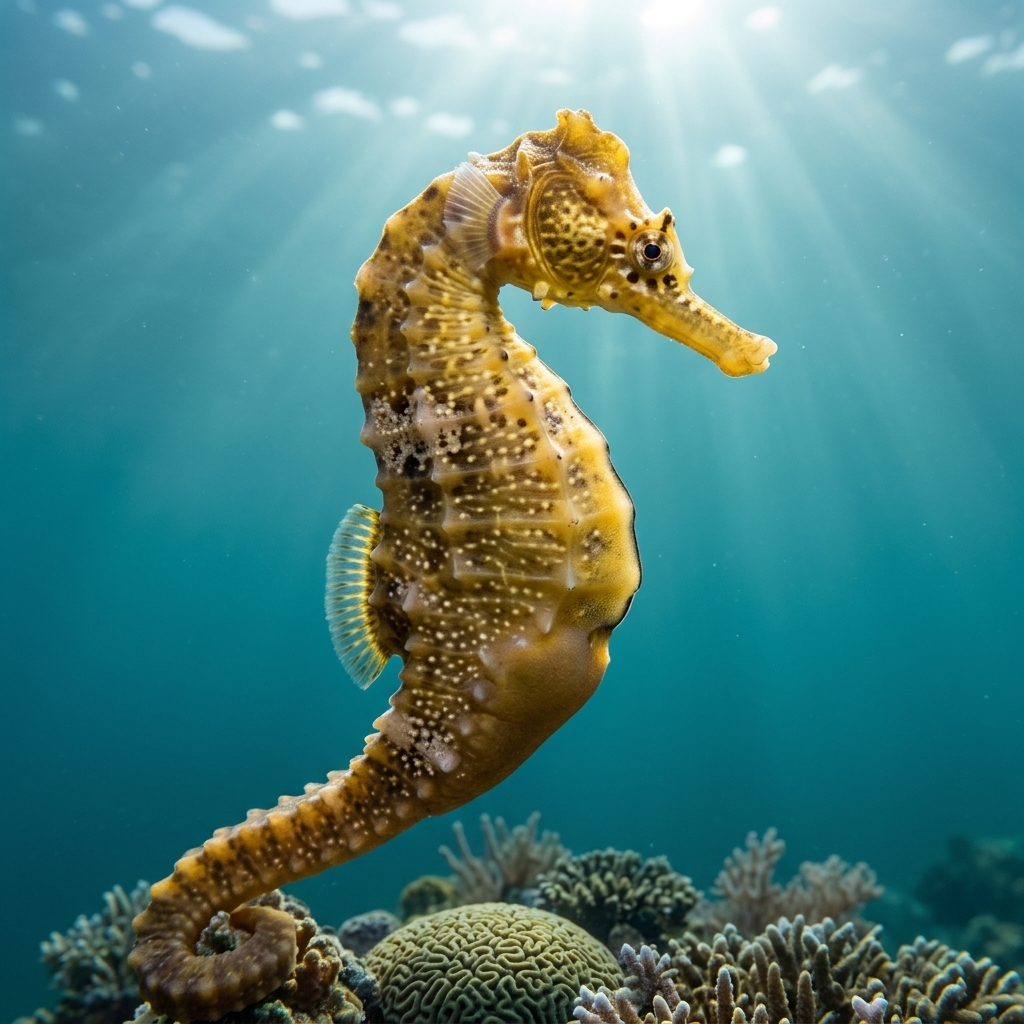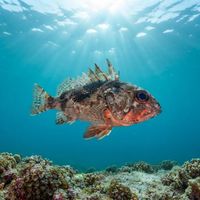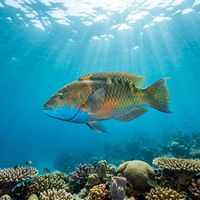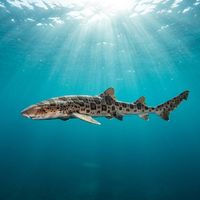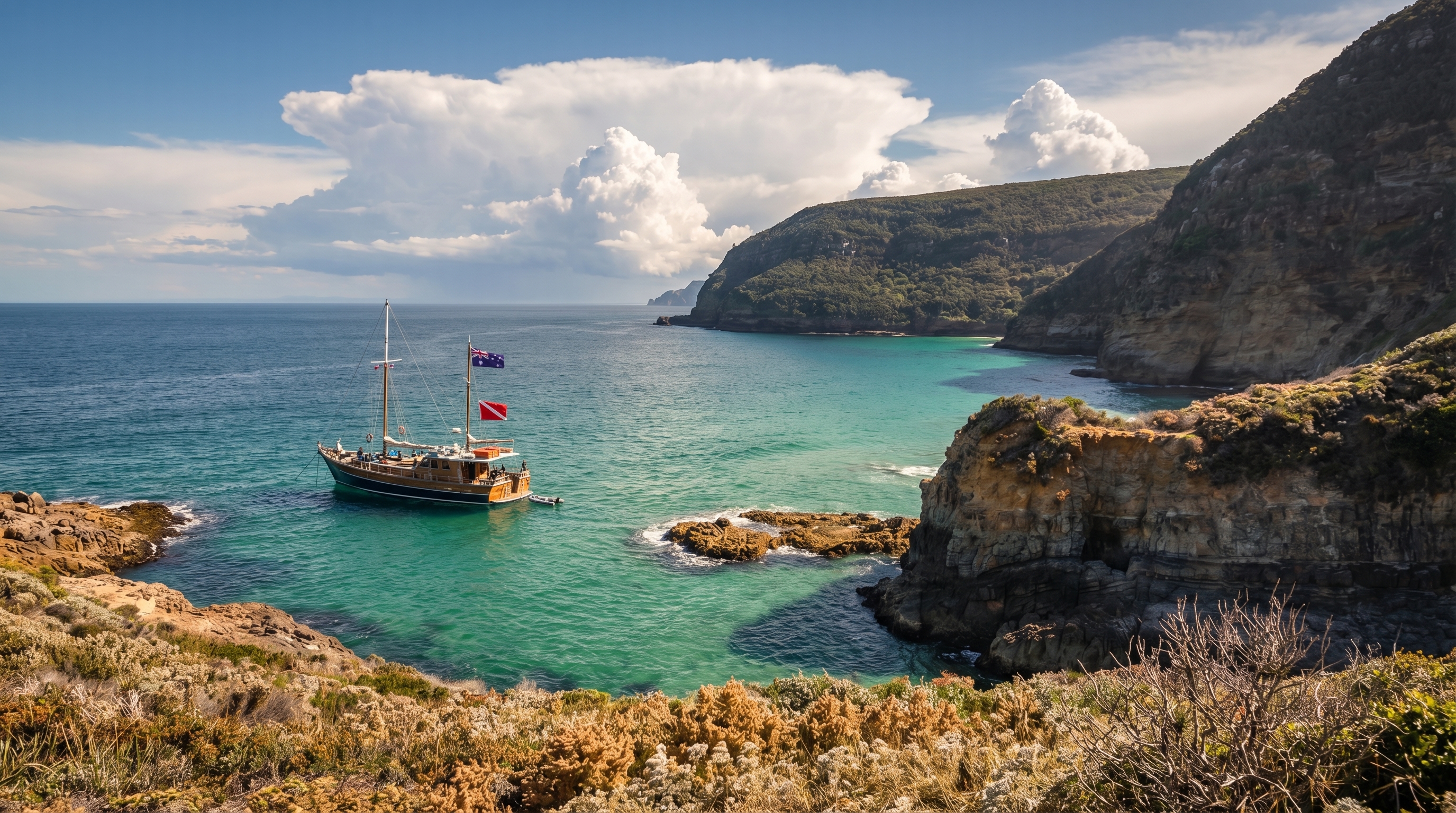
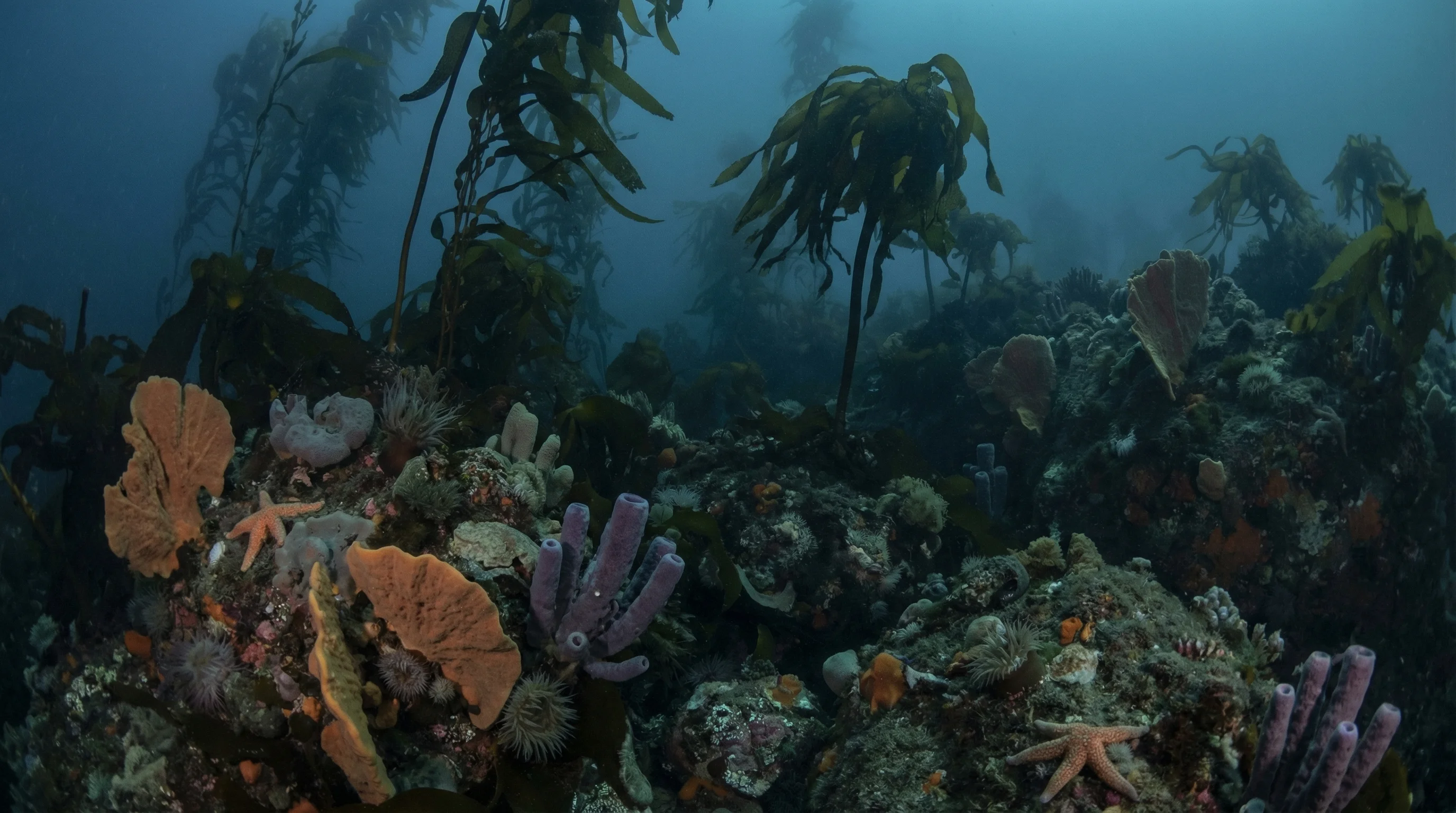
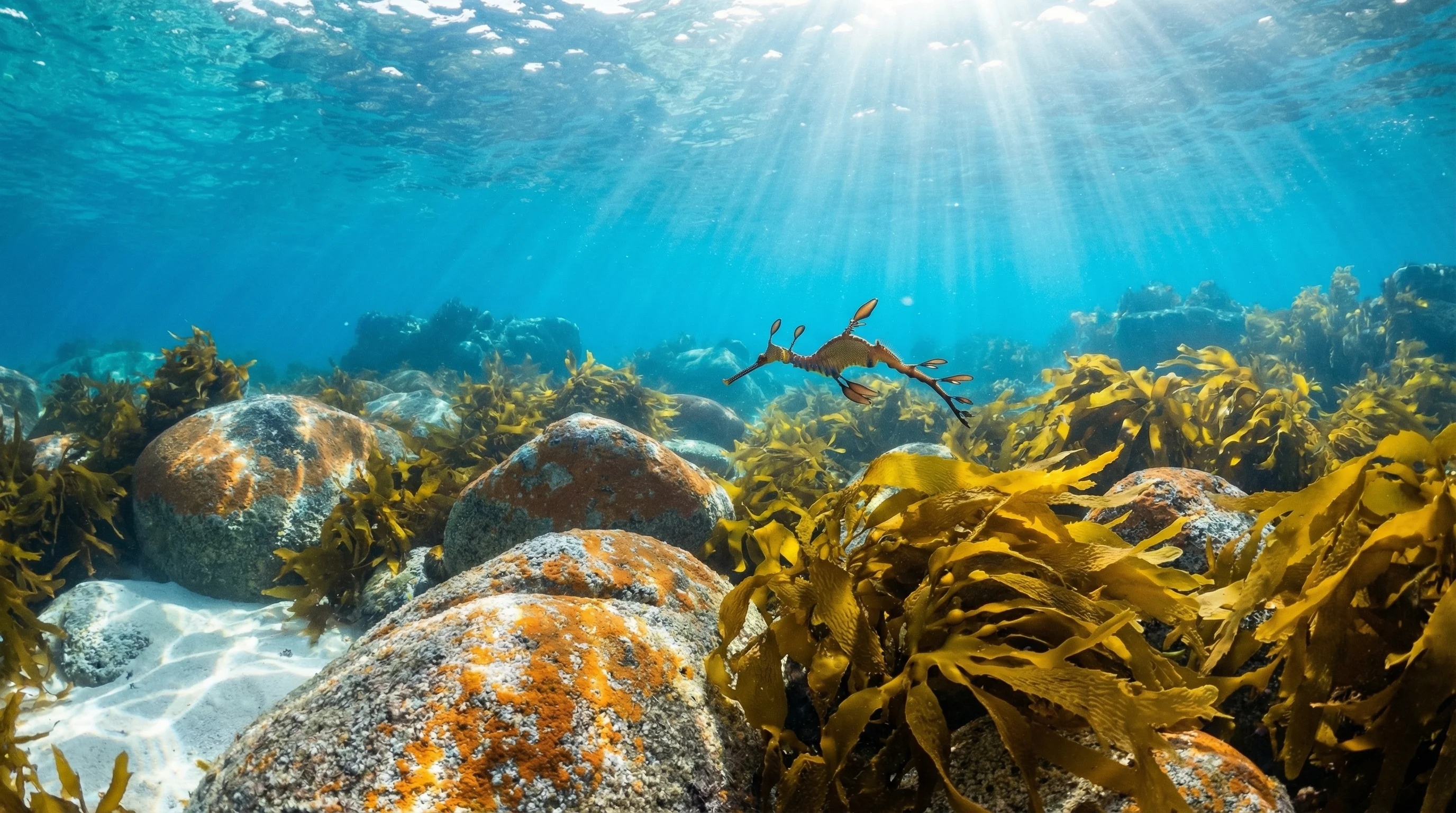
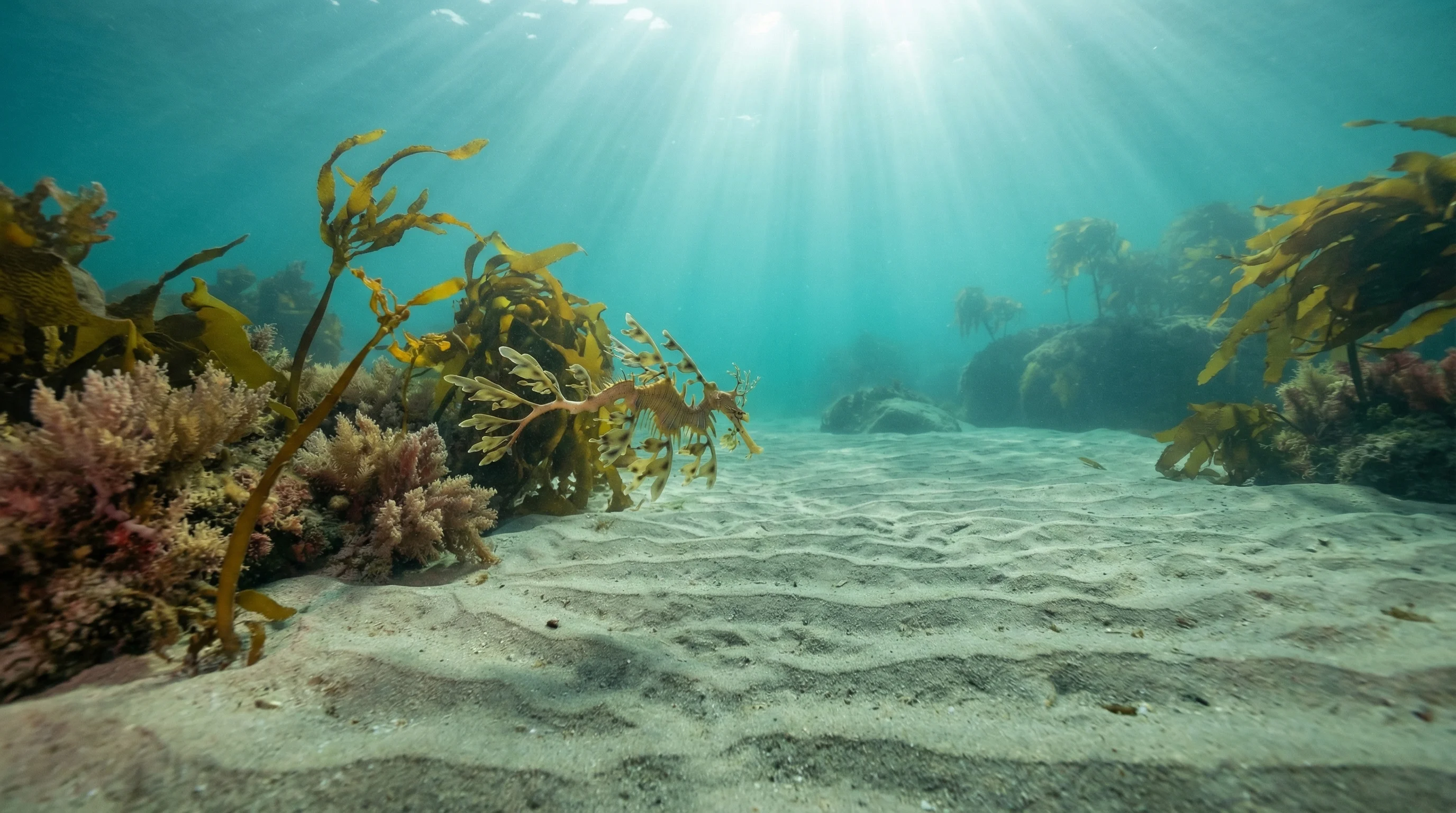
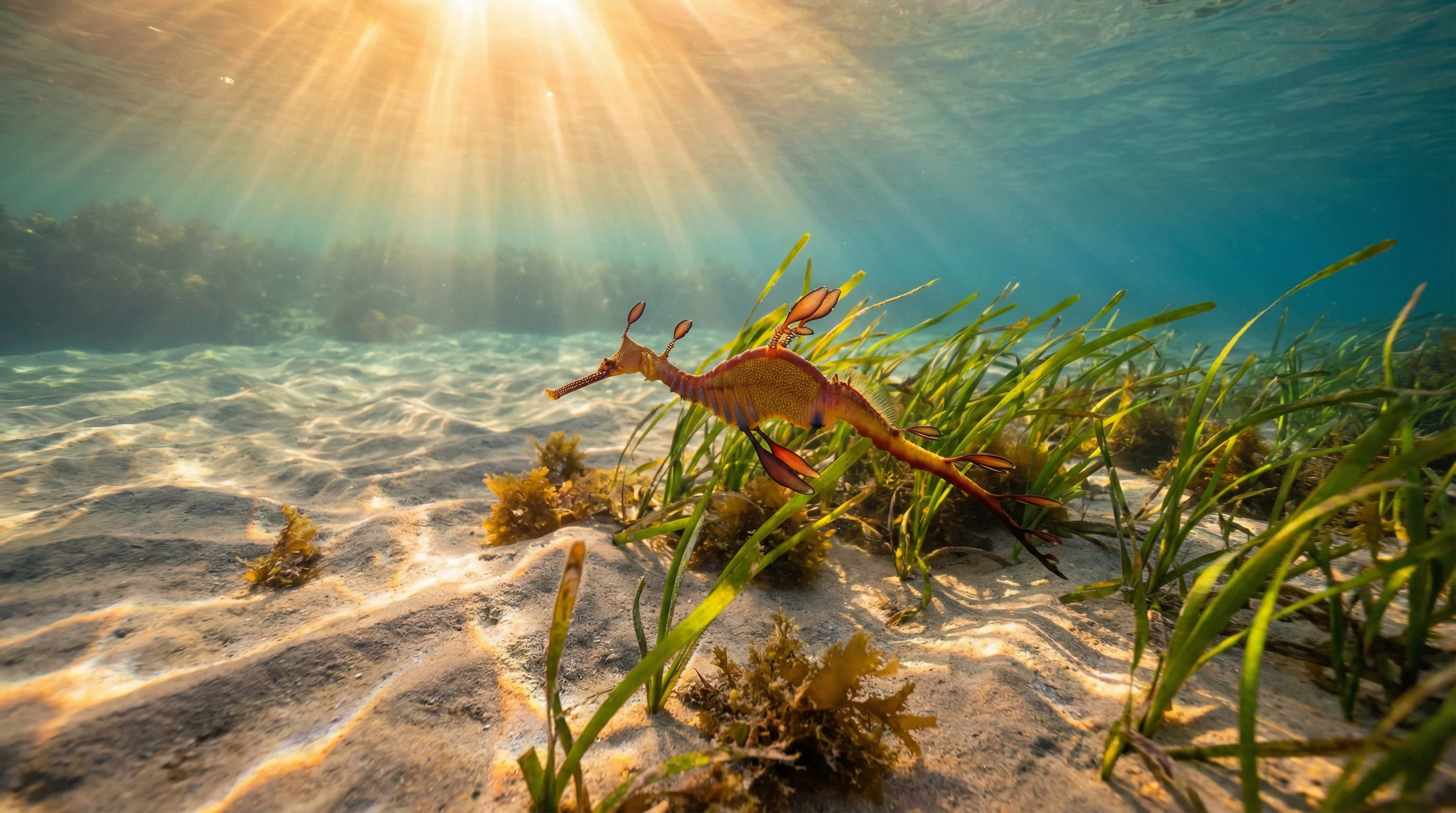
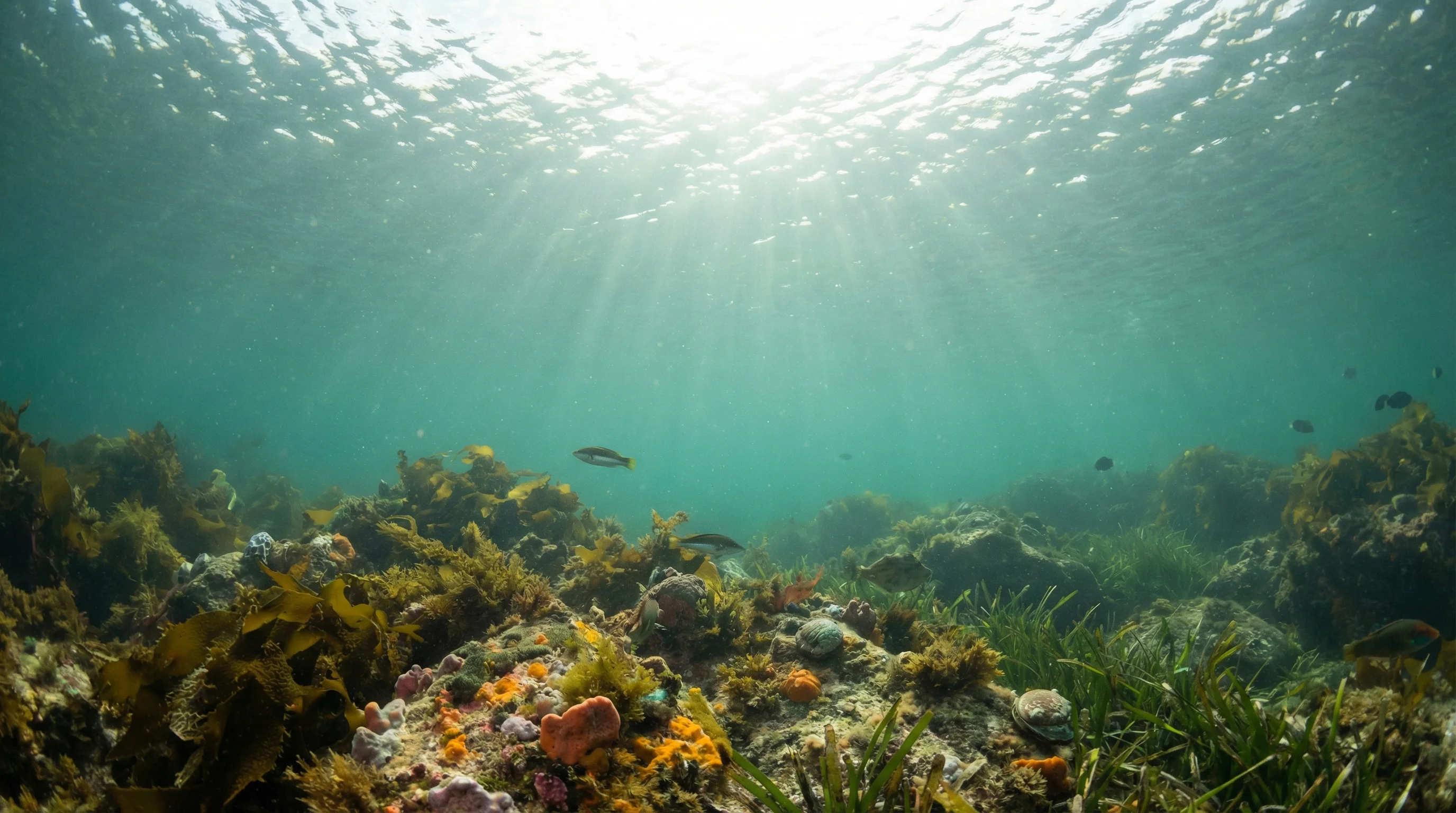
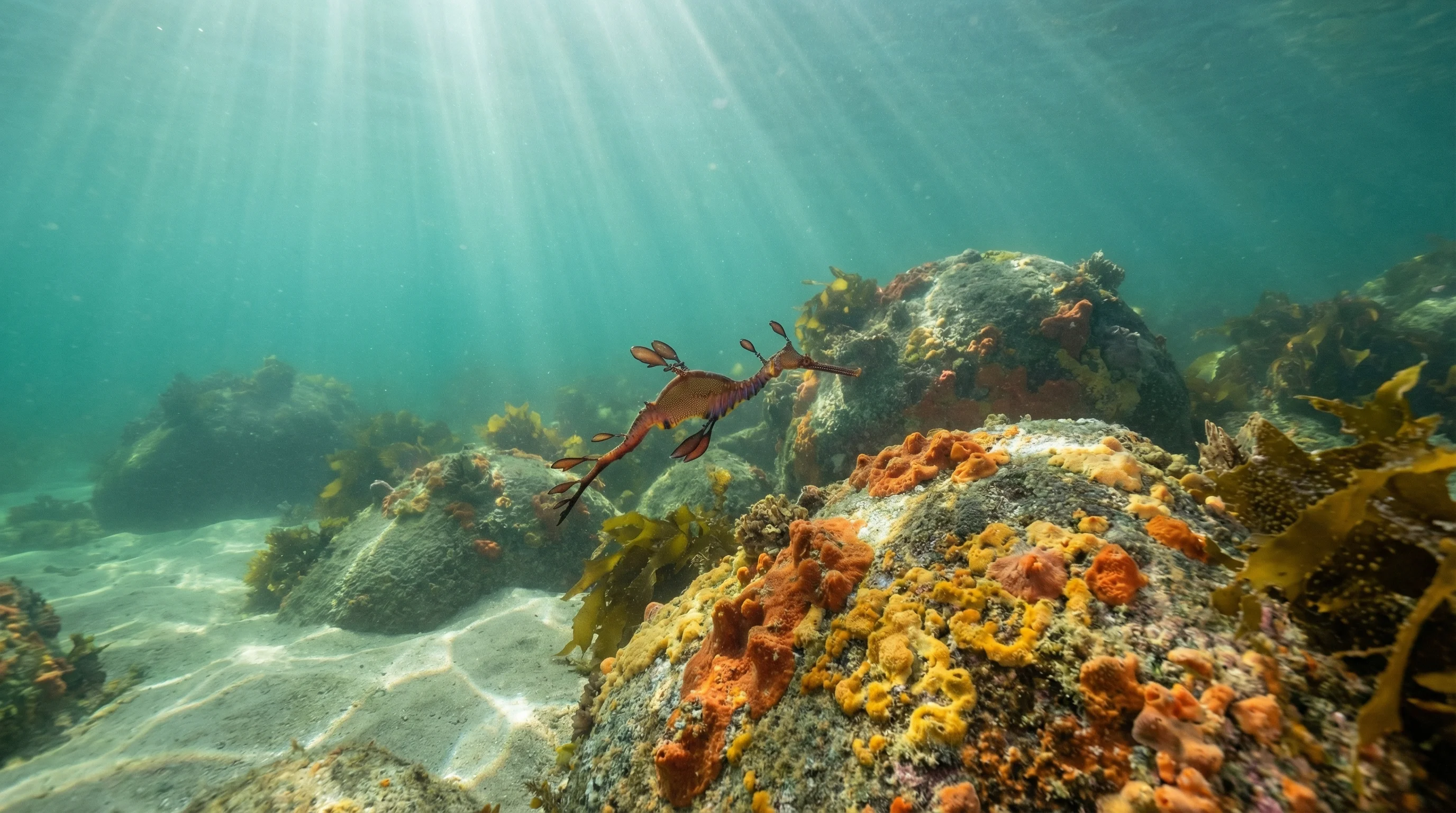
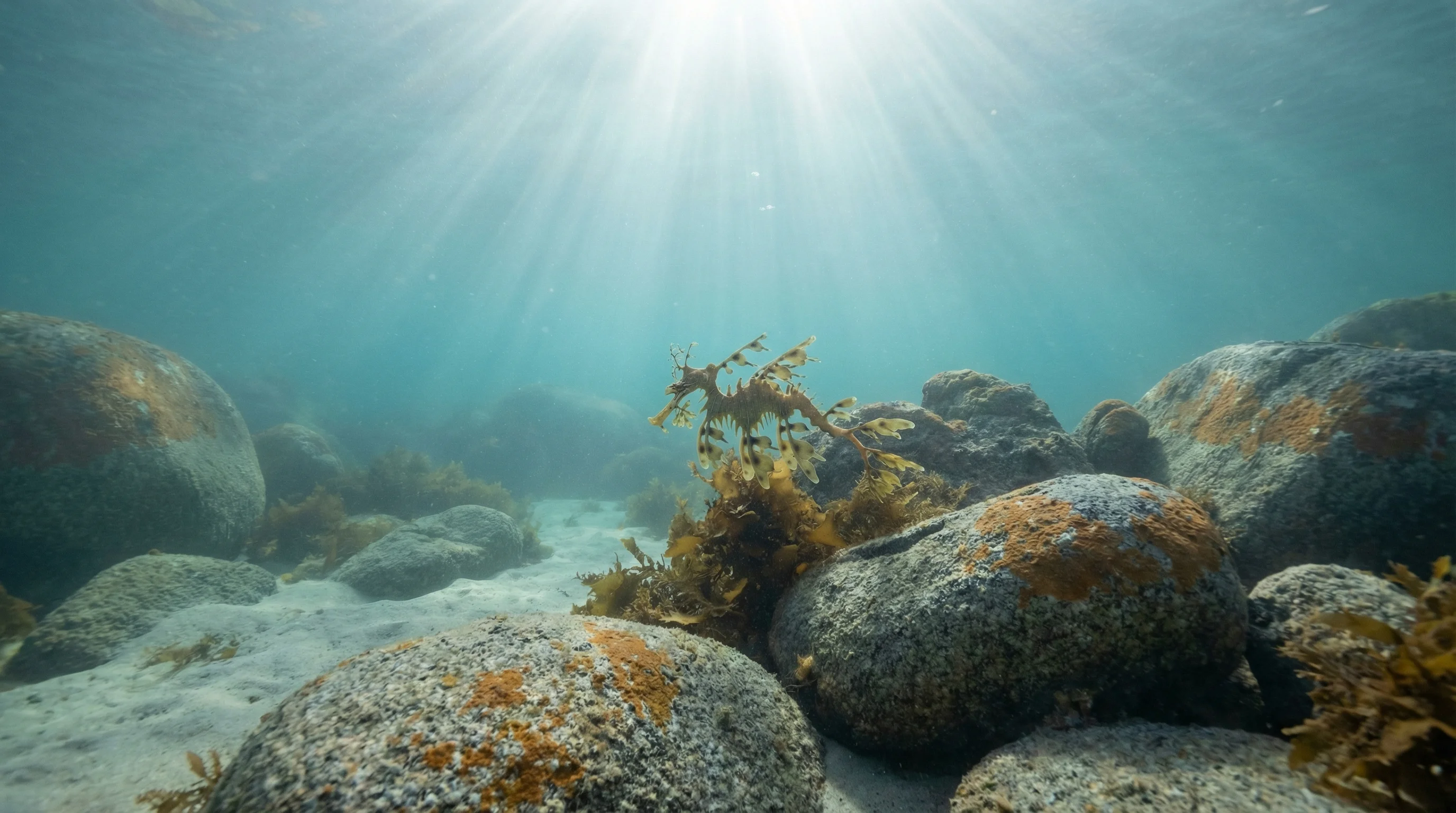
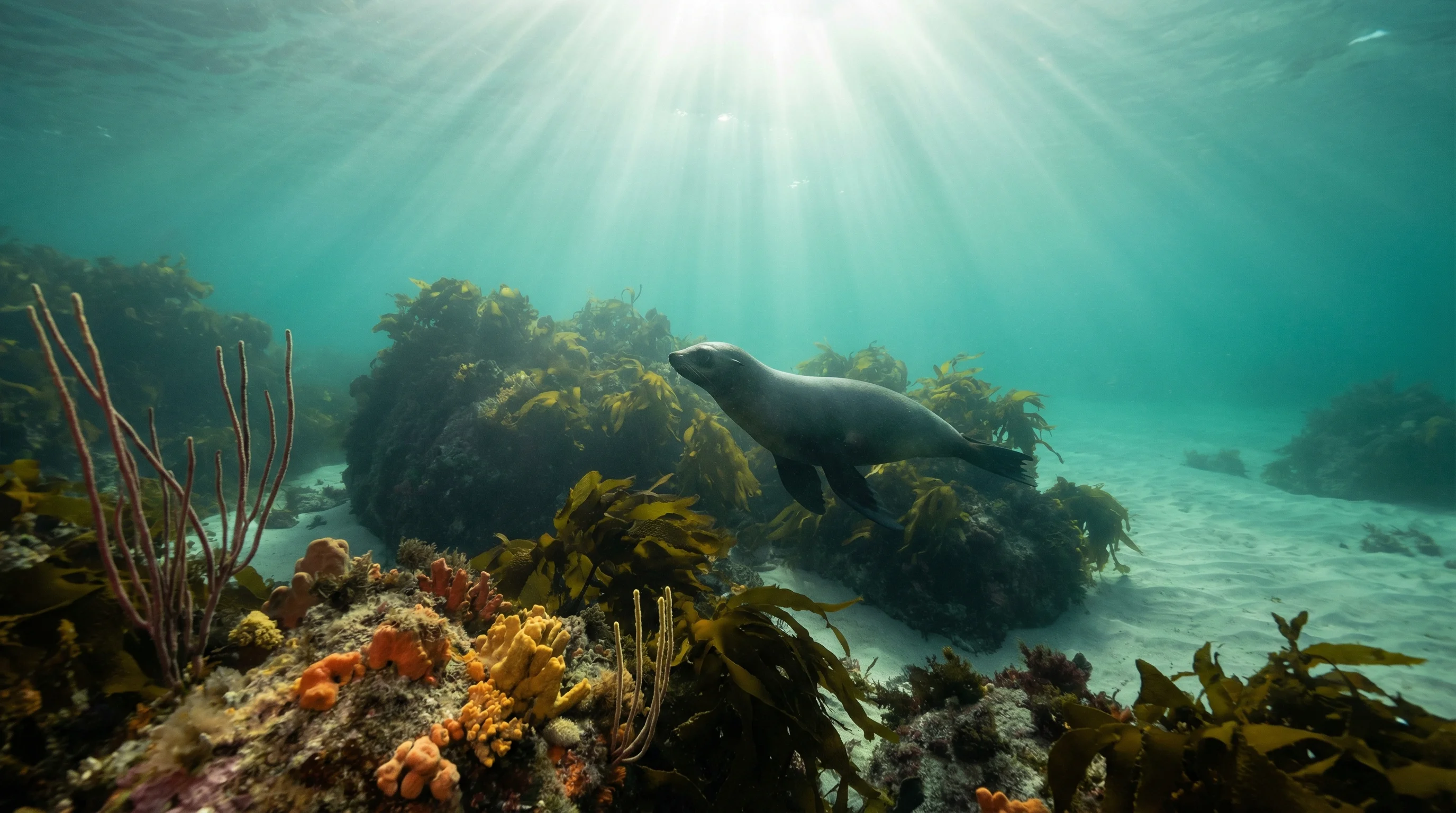
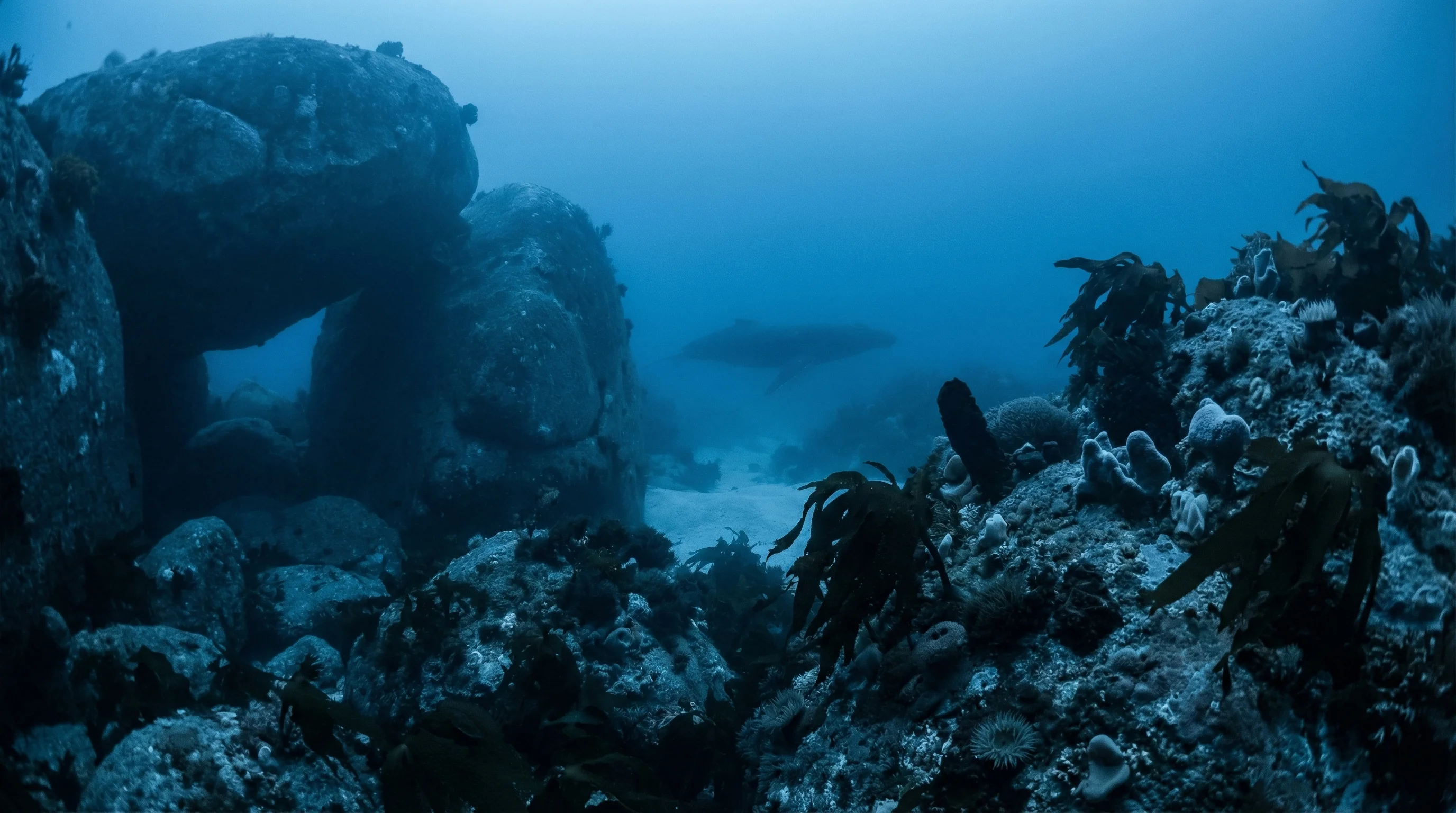
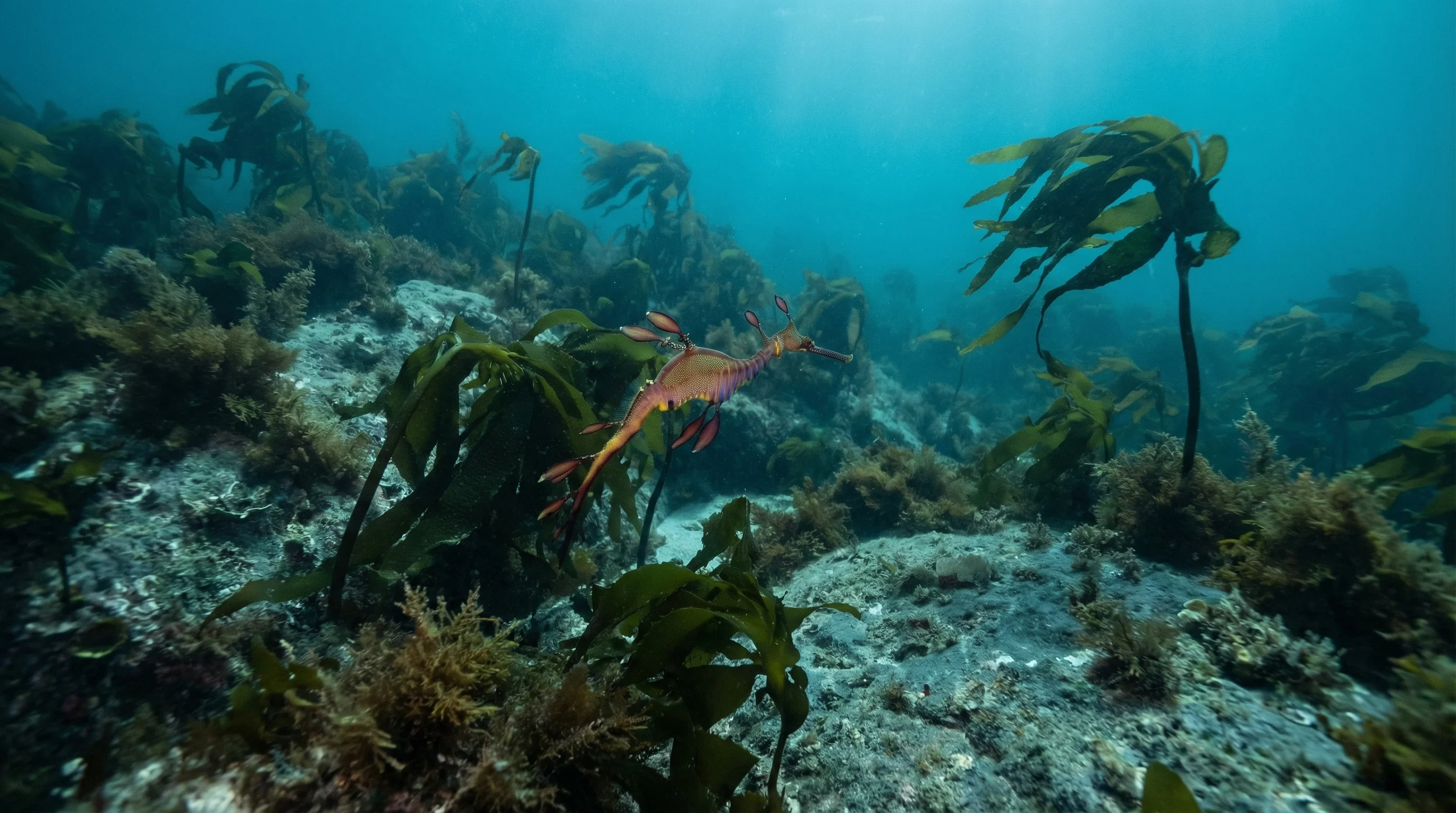
Bicheno's underwater character is defined by kelp forest reefs, a remarkably charismatic species list, and the cool, productive waters of Tasmania's east coast. Smooth Ray, Butterfly Perch and Klipfish are sighted across almost every site, while Weedy Seadragon and Pot-bellied Seahorse are consistent highlights. Long-nosed Fur Seal brings an unpredictable energy to dives, and Draughtboard Shark and Broadnose Sevengill Shark reward those who search the reef carefully. Shore entry at sites like Diamond Island keeps logistics simple.
Monthly water temperature across Bicheno's sites, from satellite sea-surface data corrected for depth. The band shows the site-to-site spread.
Water is at its warmest from late summer into early autumn, when visibility also tends to be at its best, making January through March the most popular period. Cooler months bring colder water and conditions that suit well-equipped divers seeking quieter reefs. The best-months data shows a secondary cluster of activity through the cooler mid-year period, suggesting the diving remains worthwhile year-round for those prepared for the chill.
3 operators
Launceston, Australia
St Helens, Australia
20 more sites to explore
Water temperature around Bicheno ranges from about 13°C in August to 19°C in February, based on satellite sea-temperature data for its dive sites.
In the warm season (about 19°C) a 5mm suit is comfortable in Bicheno; in the coldest months (about 13°C) step up to a 7mm or semi-dry suit.
Fin maps 21 sites in Bicheno (19 scuba diving sites and 11 snorkelling spots, with some suited to both).
Across Bicheno's dive sites, January, February, March and December are most often reported as the best months to visit.
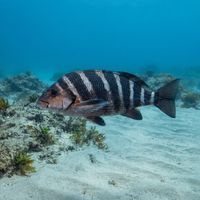
Bicheno is particularly noted for Weedy Seadragon and Pot-bellied Seahorse, both of which are commonly sighted across many of its sites. Smooth Ray and Long-nosed Fur Seal are also very frequently encountered. Those who explore the reef carefully may also come across Broadnose Sevengill Shark, Green Moray, Conger Eel and the beautifully patterned Clown Doris nudibranch.
Diamond Island, one of the top sites in Bicheno, is rated as suitable for beginners and offers shore entry, making it an accessible starting point. The range from shallow reef to deeper kelp forest means beginners and more experienced divers can share the same site at different depths. East Coast Scuba Centre is the local operator able to advise on site selection based on current conditions and experience level.
Shore entry is available at key sites, including Diamond Island, which keeps logistics straightforward and reduces reliance on boat charters. East Coast Scuba Centre is the dedicated local operator for those wanting guided access or equipment support. The mix of shore-accessible and boat-reachable sites means there are options across a range of preferences and experience levels.
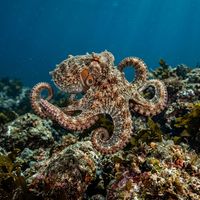
Reef and kelp forest are the defining site types, with Diamond Island being a clear example of how the two environments overlap in Bicheno. The kelp provides shelter and hunting ground for species like Scorpionfish, Reef Squid and Southern Rock Lobster, while the reef structure itself holds resident Draughtboard Shark and New Zealand Octopus. This layered habitat is what gives Bicheno its characteristically dense and varied marine life.