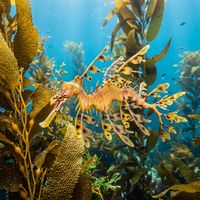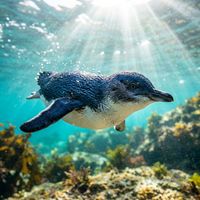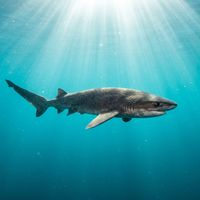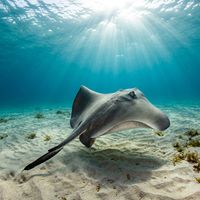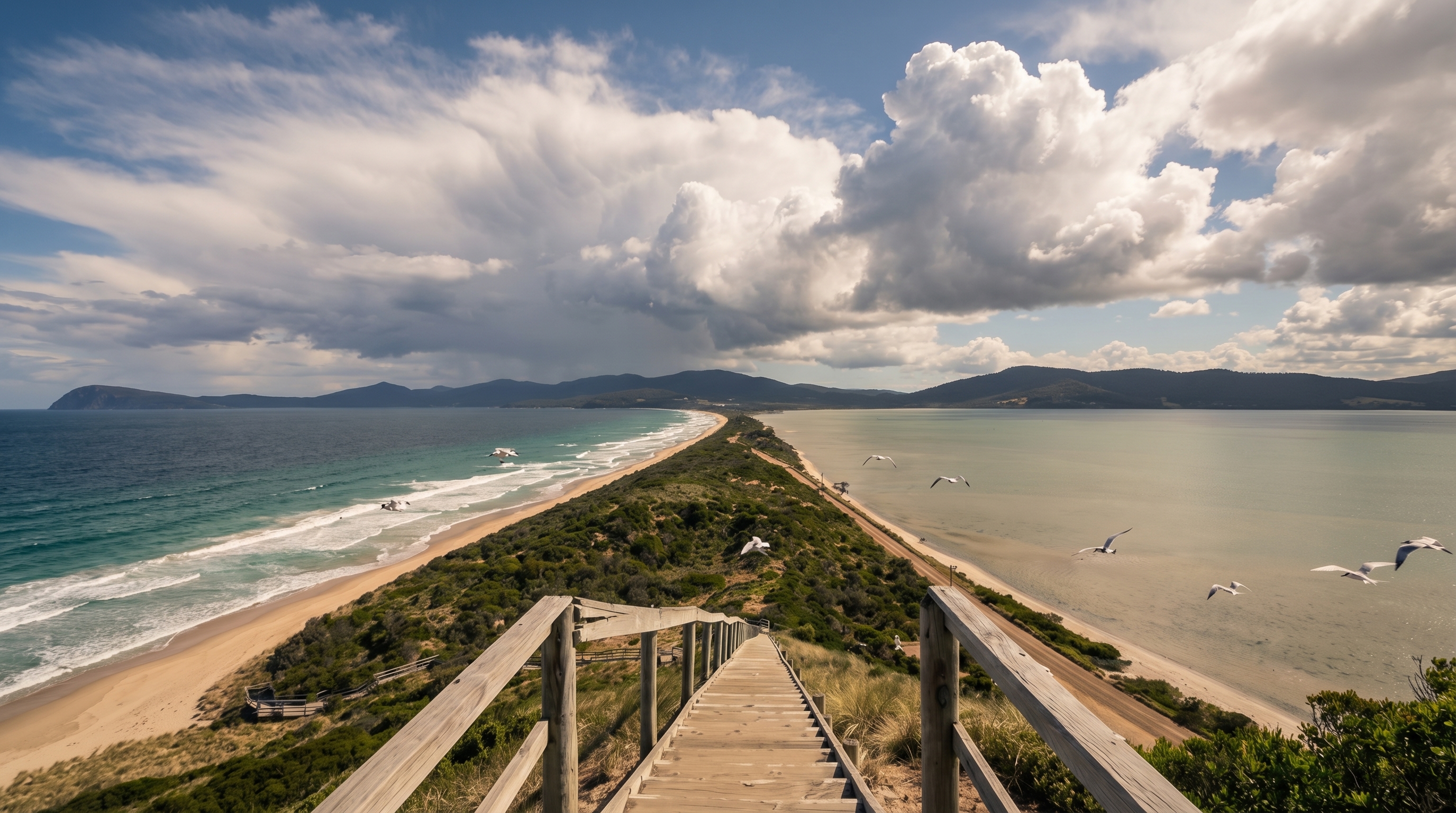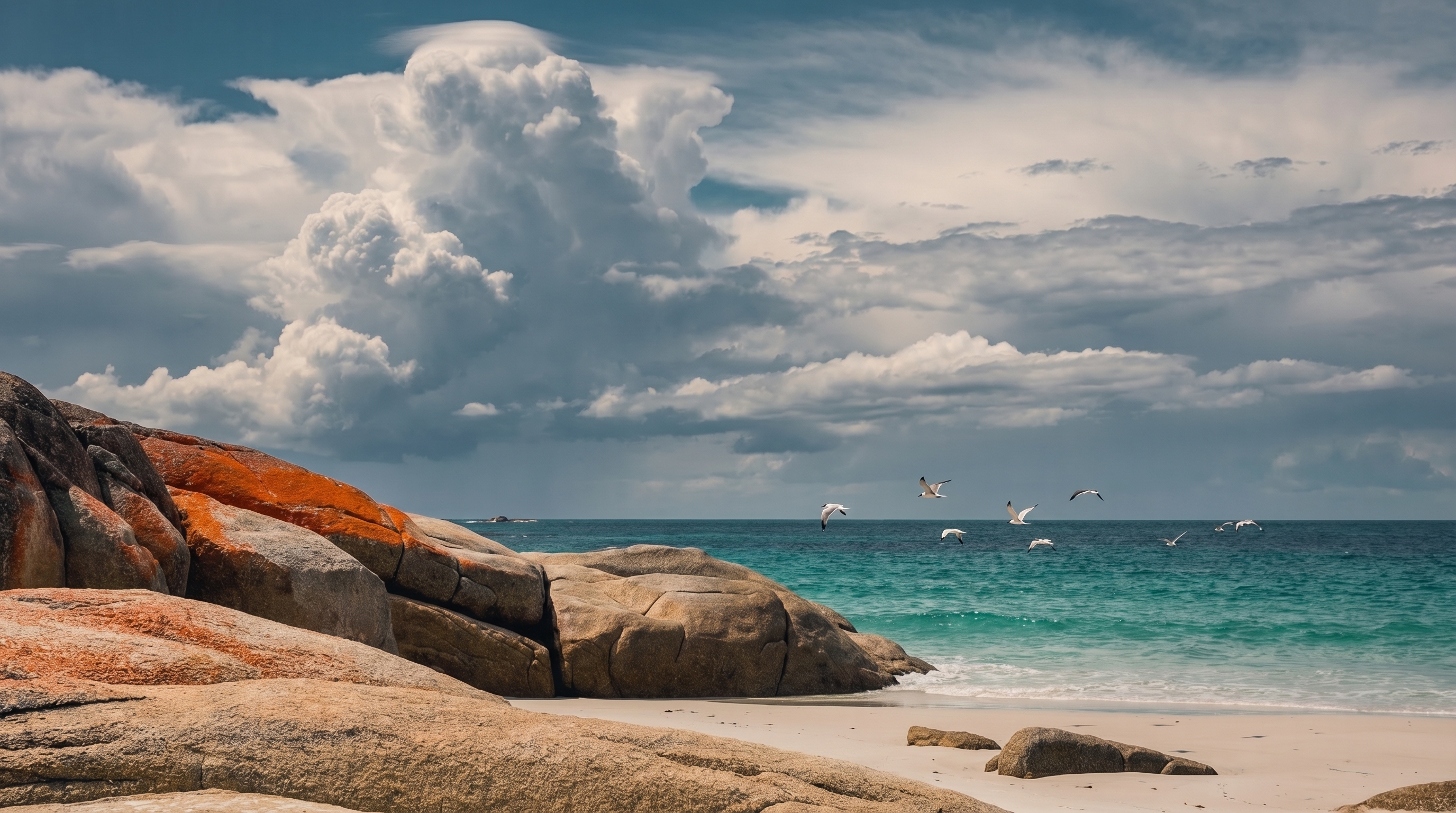
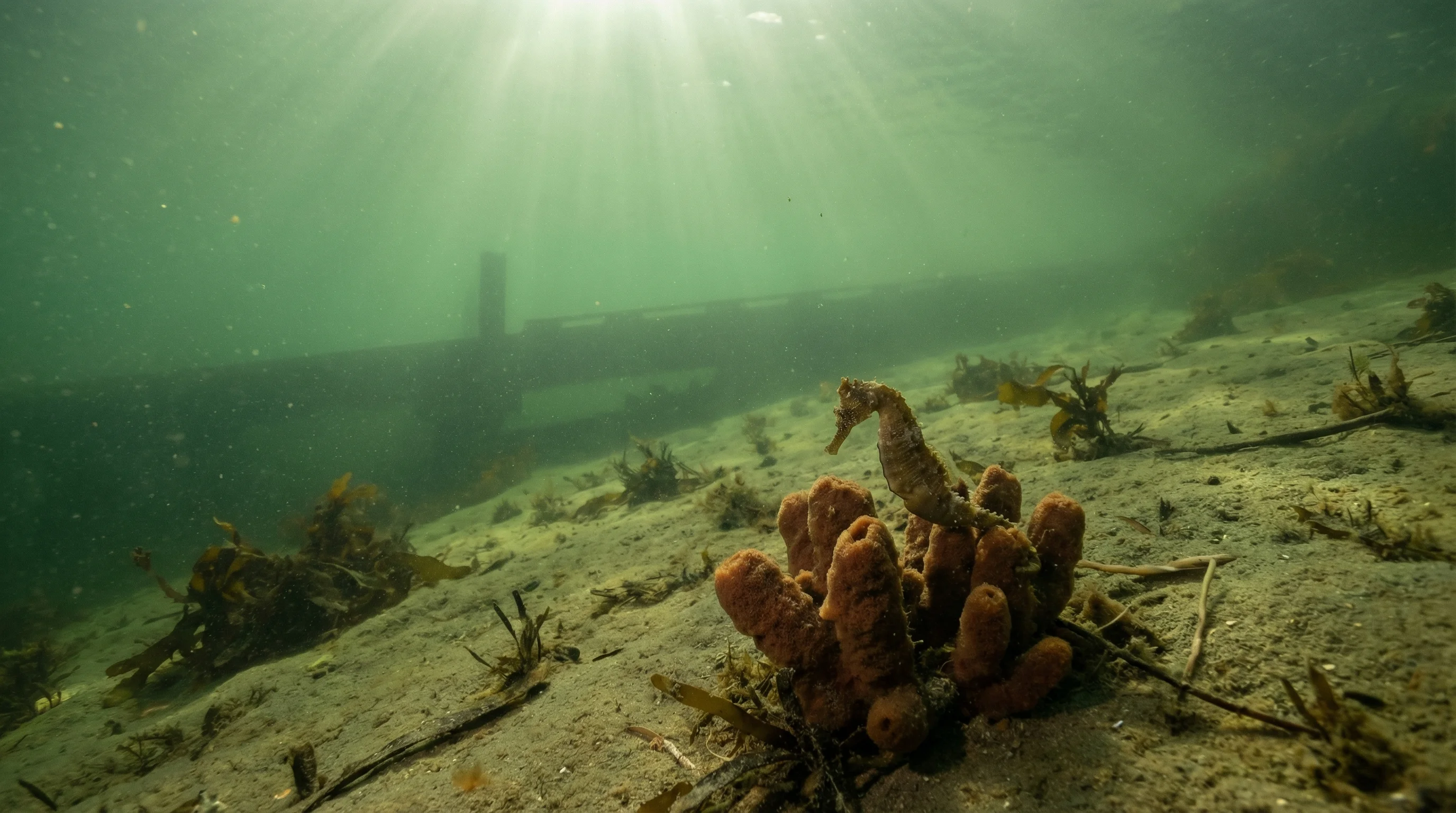
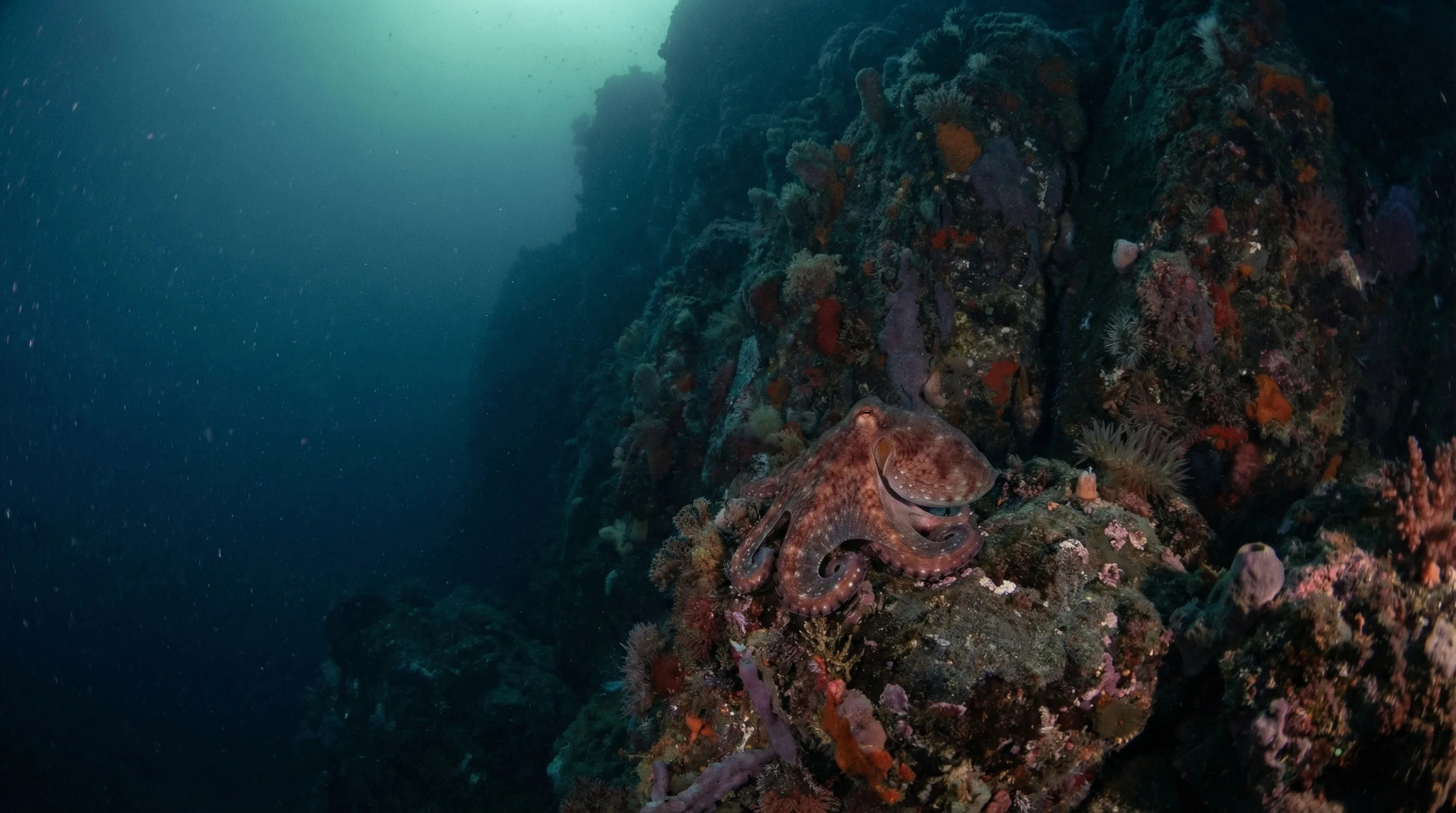
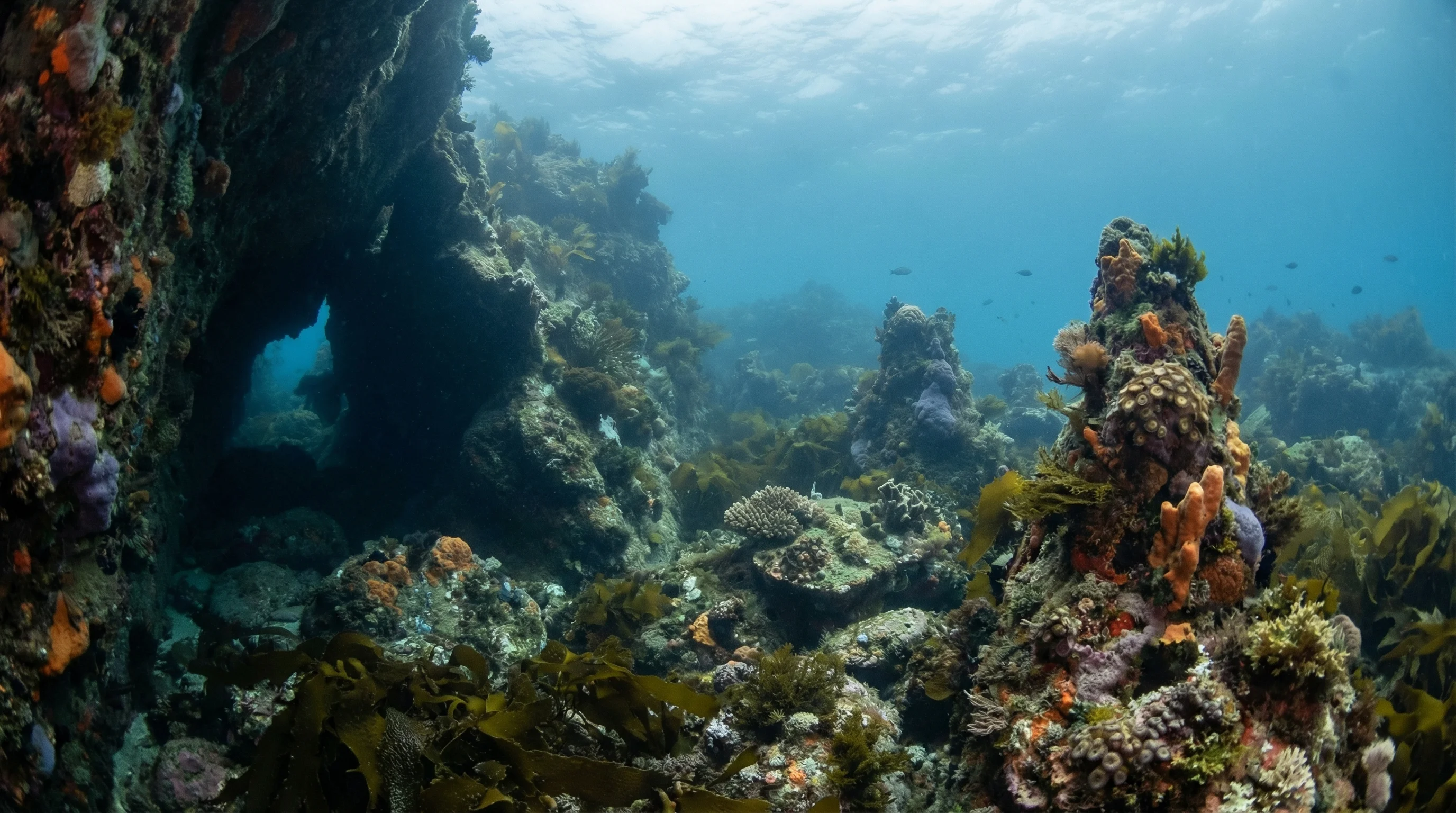
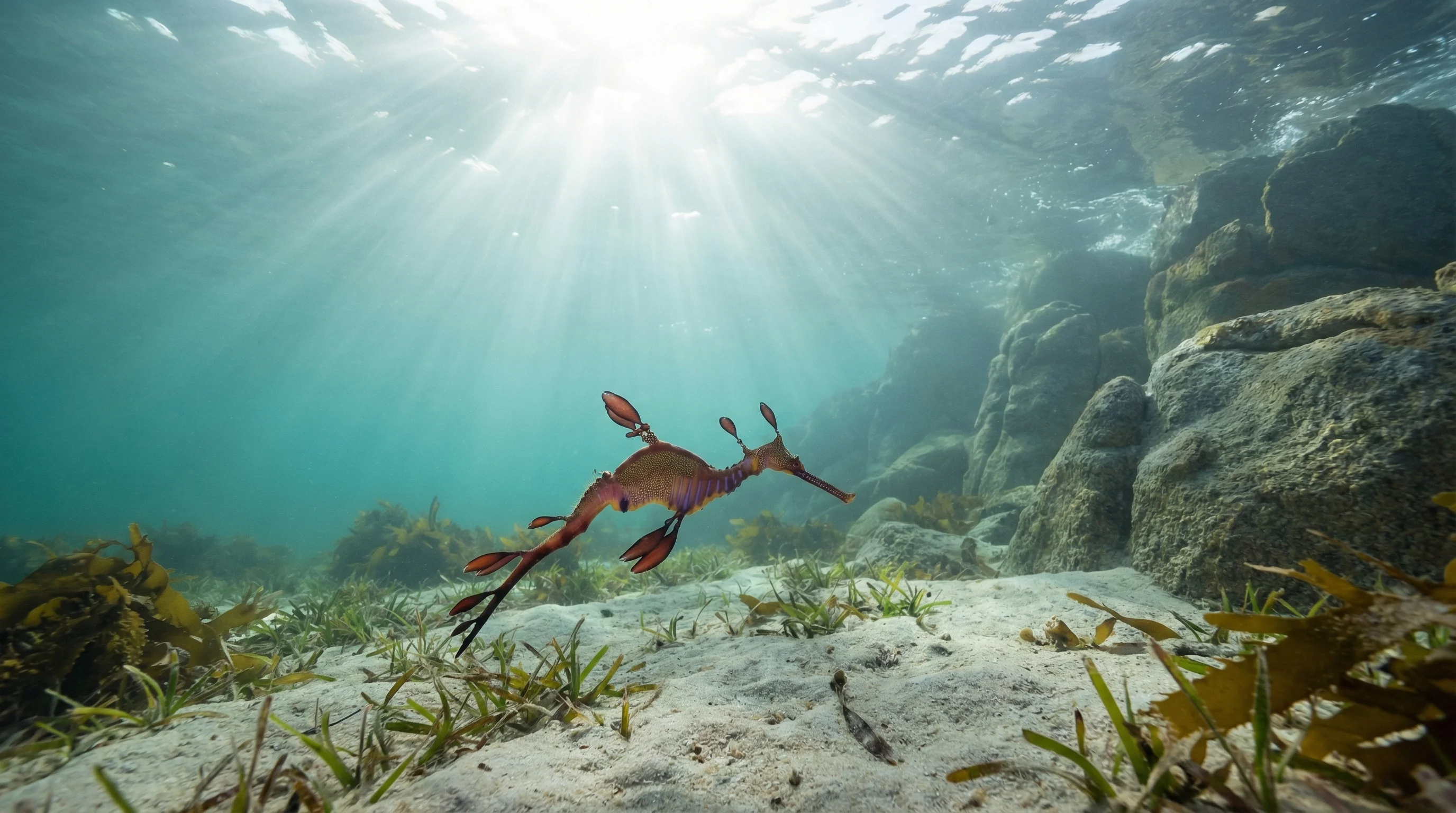
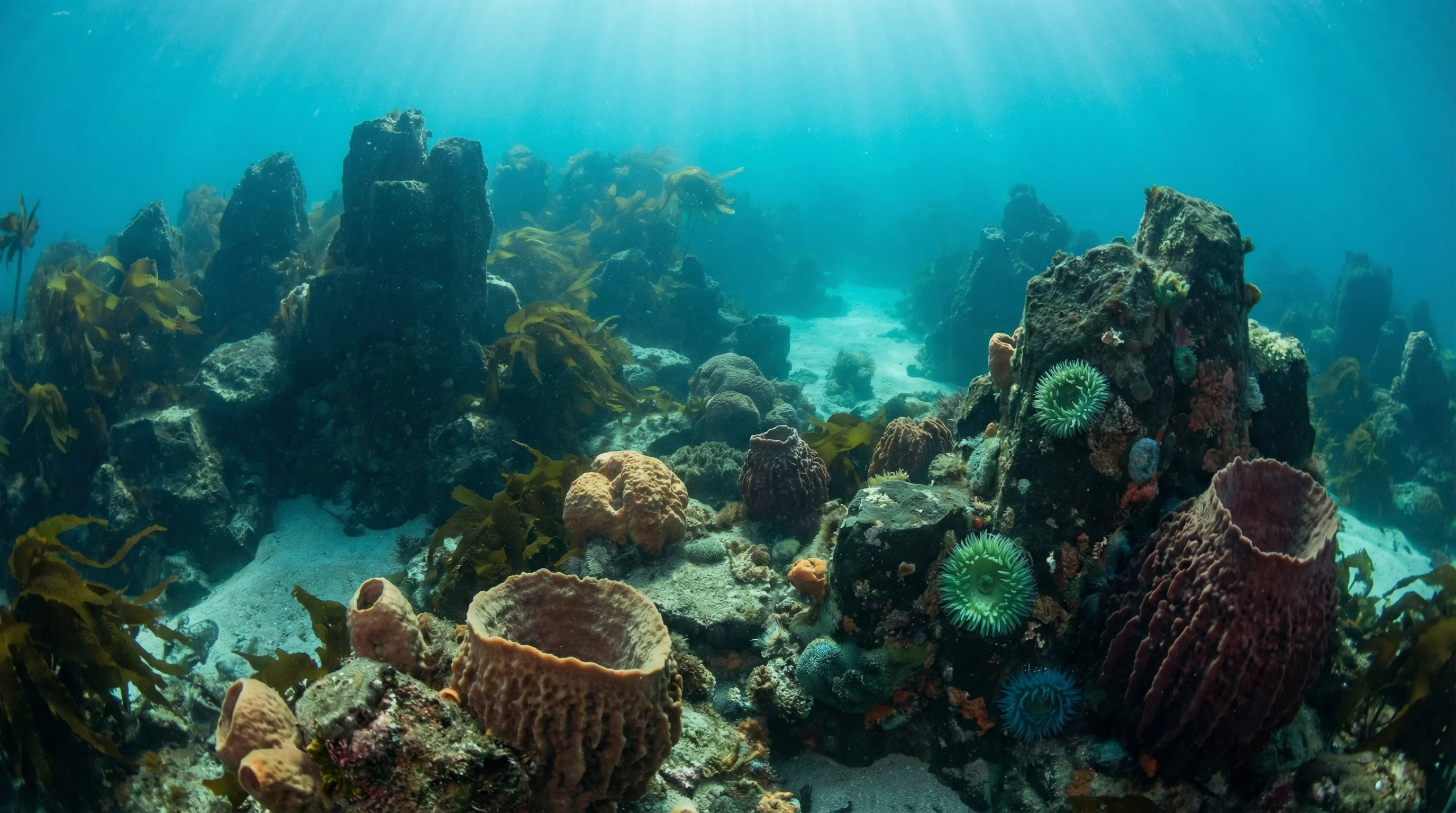
St Helens offers a compact but varied dive scene anchored by reef, wall and cave topography. The signature encounters are the Weedy Seadragon, Little Penguin, Broadnose Sevengill Shark and Smooth Ray, making this a standout destination for temperate Australian fauna. Sites range from the shallow cave at Glory Hole, suitable for beginners, to the deep wall at The Monument, which demands advanced skills. Water cools noticeably through winter, with the warmest and most popular diving concentrated in the summer months.
Monthly water temperature across St Helens's sites, from satellite sea-surface data corrected for depth. The band shows the site-to-site spread.
Water temperatures peak through the summer months and drop to their coolest in late winter, creating a marked seasonal range that shapes what exposure protection divers need. The summer period draws the strongest concentration of diver visits, with visibility tending to be at its best in calmer conditions. Autumn and spring offer a transitional window, while winter diving suits those comfortable in cold water and willing to trade warmth for quieter sites.
2 operators
Beauty Point, Australia
Australia
11 more sites to explore
Water temperature around St Helens ranges from about 12°C in August to 19°C in February, based on satellite sea-temperature data for its dive sites.
In the warm season (about 19°C) a 5mm suit is comfortable in St Helens; in the coldest months (about 12°C) step up to a 7mm or semi-dry suit.
Fin maps 14 sites in St Helens (14 scuba diving sites and 3 snorkelling spots, with some suited to both).
Across St Helens's dive sites, January, February, March and December are most often reported as the best months to visit.
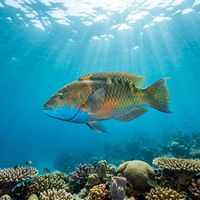
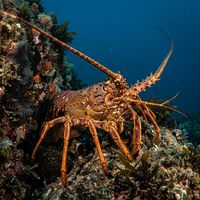
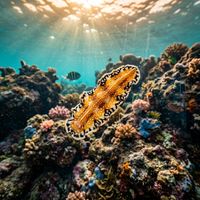
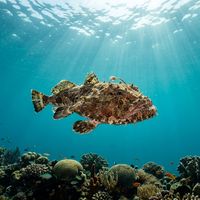
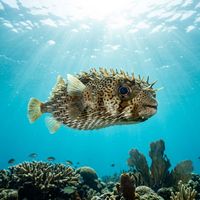
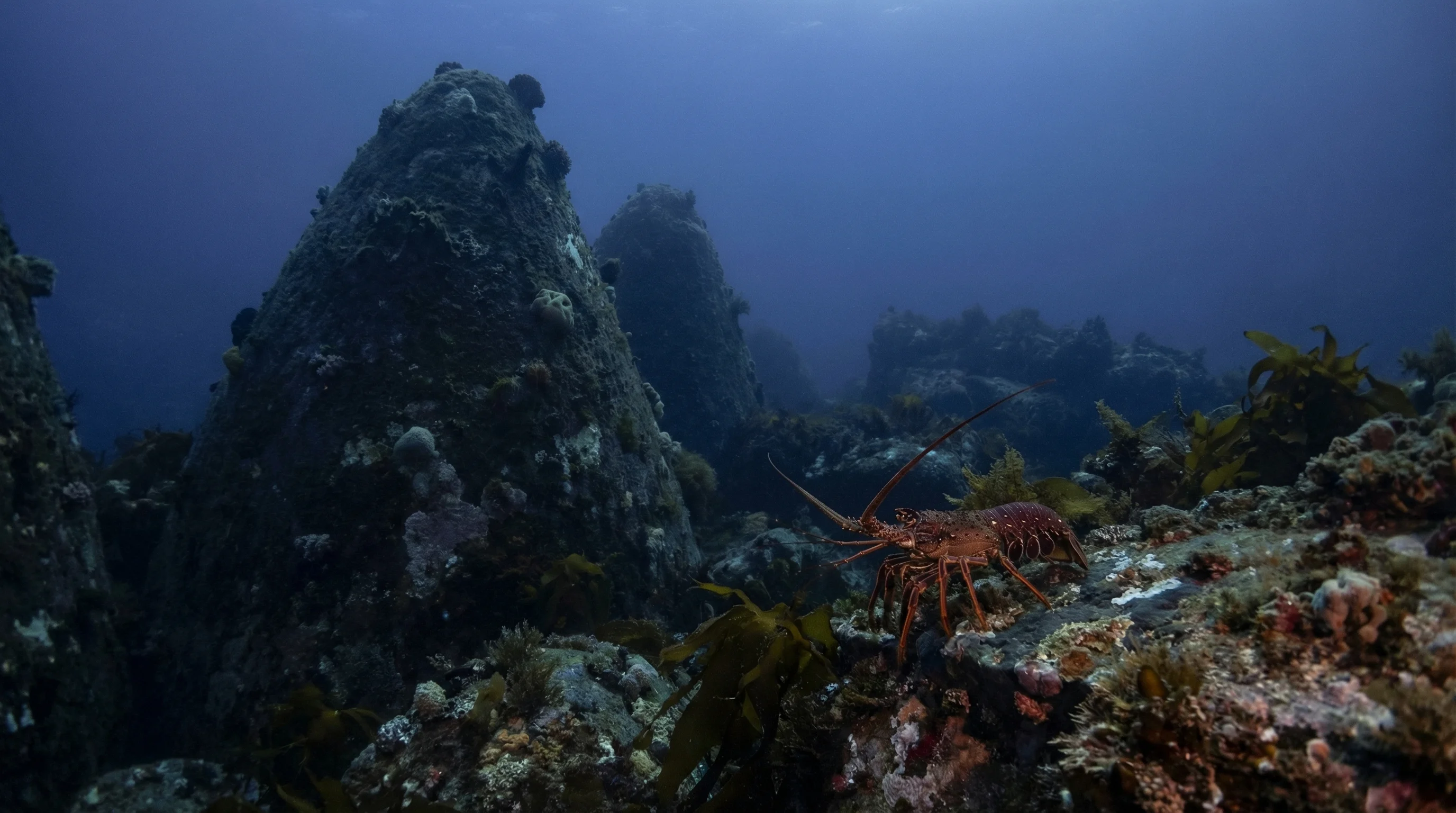
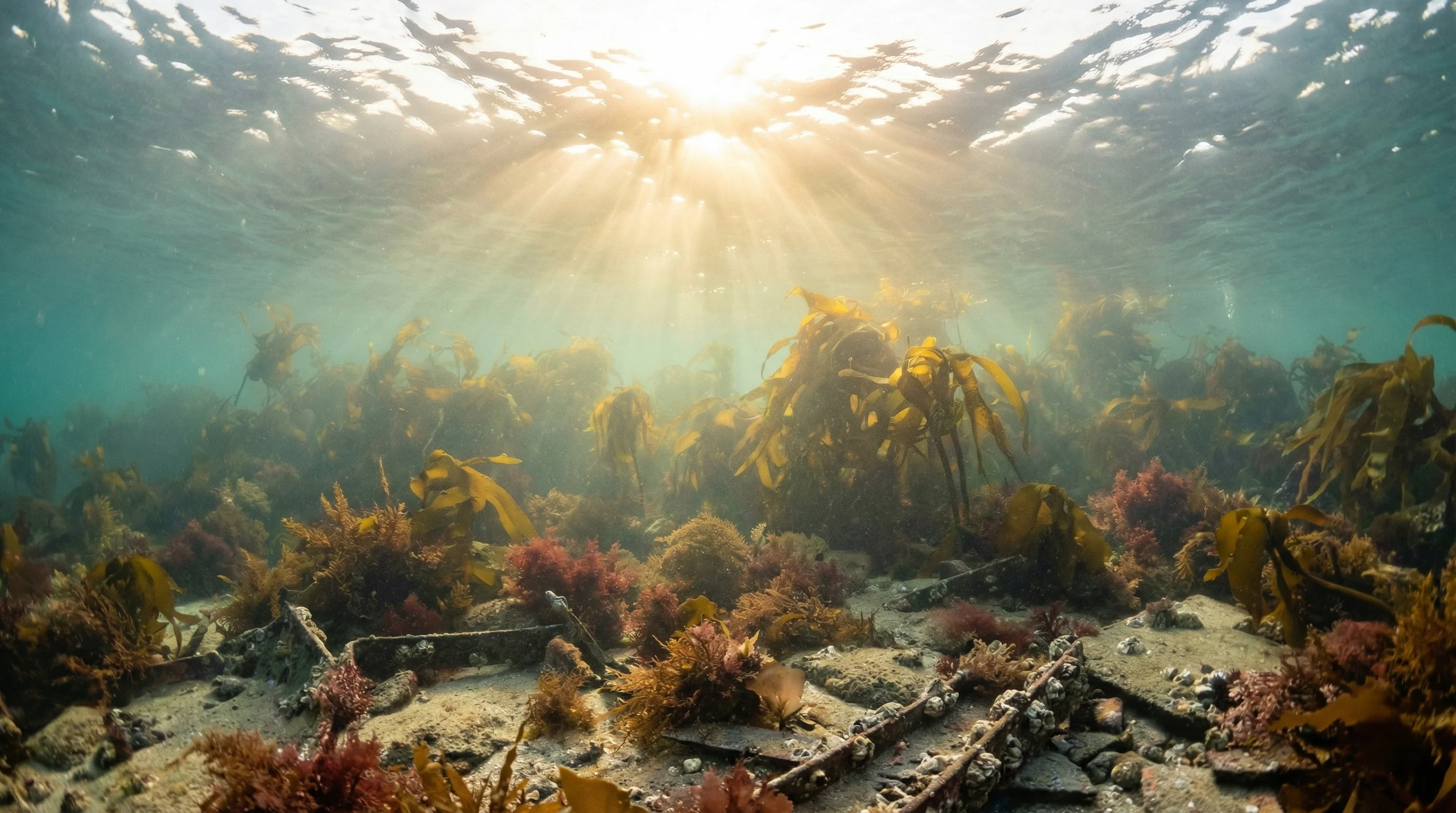
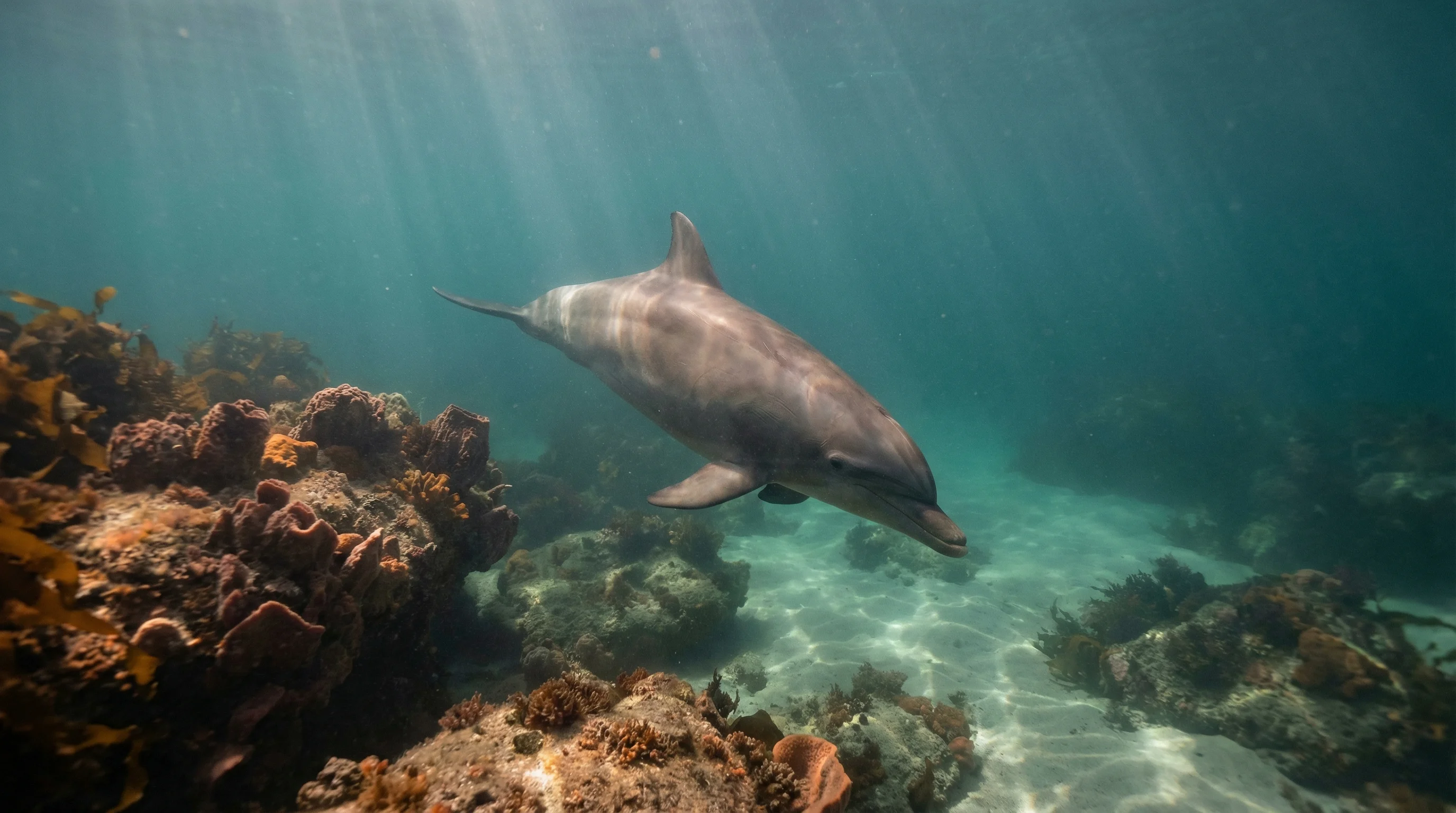
St Helens has a strong cast of temperate species. The Weedy Seadragon and Little Penguin are among the signature encounters, alongside the Broadnose Sevengill Shark and Smooth Ray. Blue Throated Wrasse and Sea Star are recorded across nearly all sites, and Draughtboard Shark, Monkfish, Scorpionfish and Southern Rock Lobster are also commonly observed.
Several sites cater well to beginners. Glory Hole is a sheltered cave and reef site at shallow depth, accessible by shore, and rated for beginner divers. Kelso Boat Ramp is another beginner-friendly shore entry offering reef and wall features. The Monument, by contrast, is strictly for advanced divers given its depth and challenging conditions.
The top sites listed for St Helens are all accessible from shore, so a boat is not required to get in the water. Glory Hole also accepts entry via boat in addition to shore. Two local operators, Tasmanian Divers - North and Commercial Dive Academy, can provide guided access and support for those who prefer it.
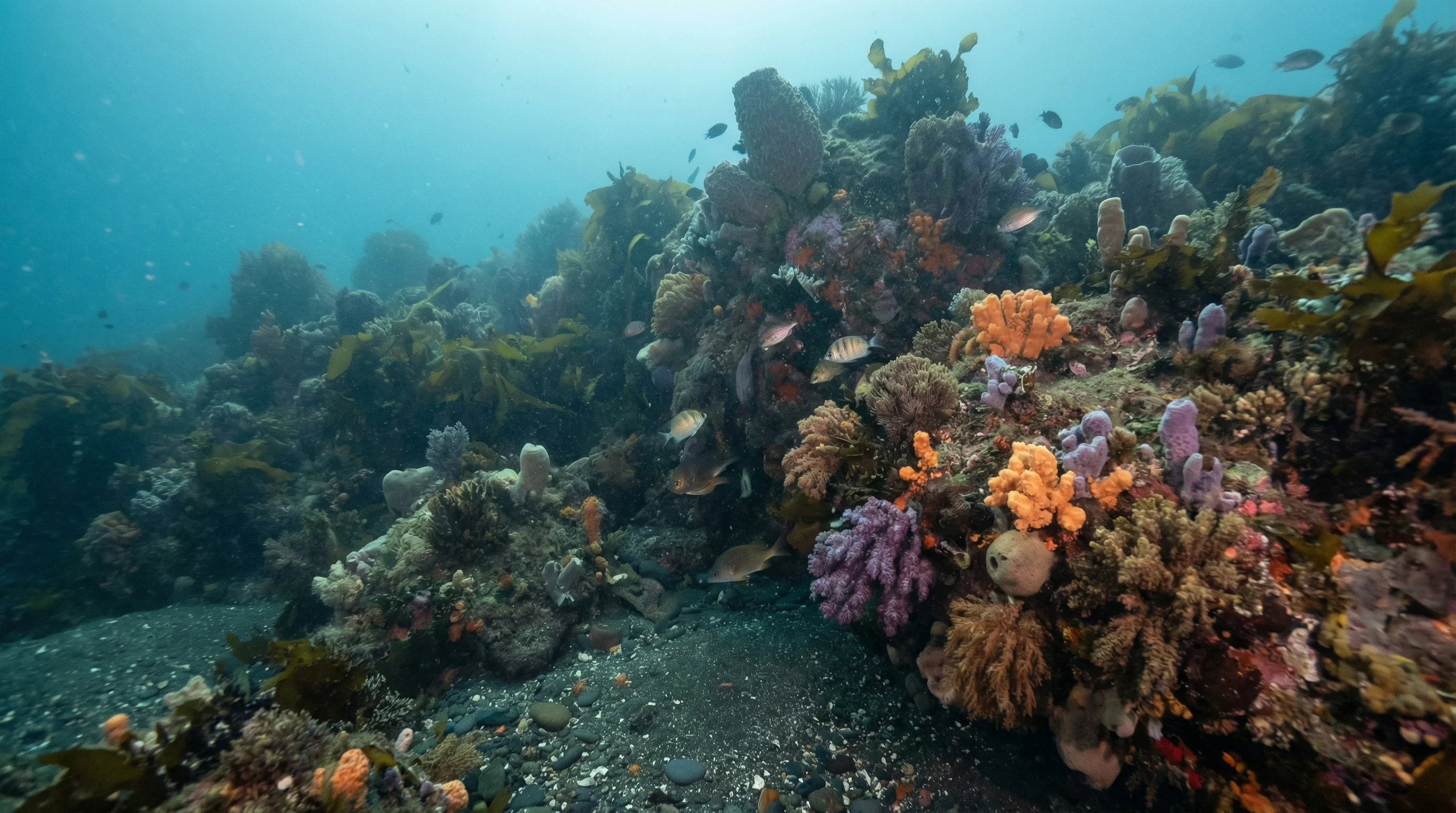
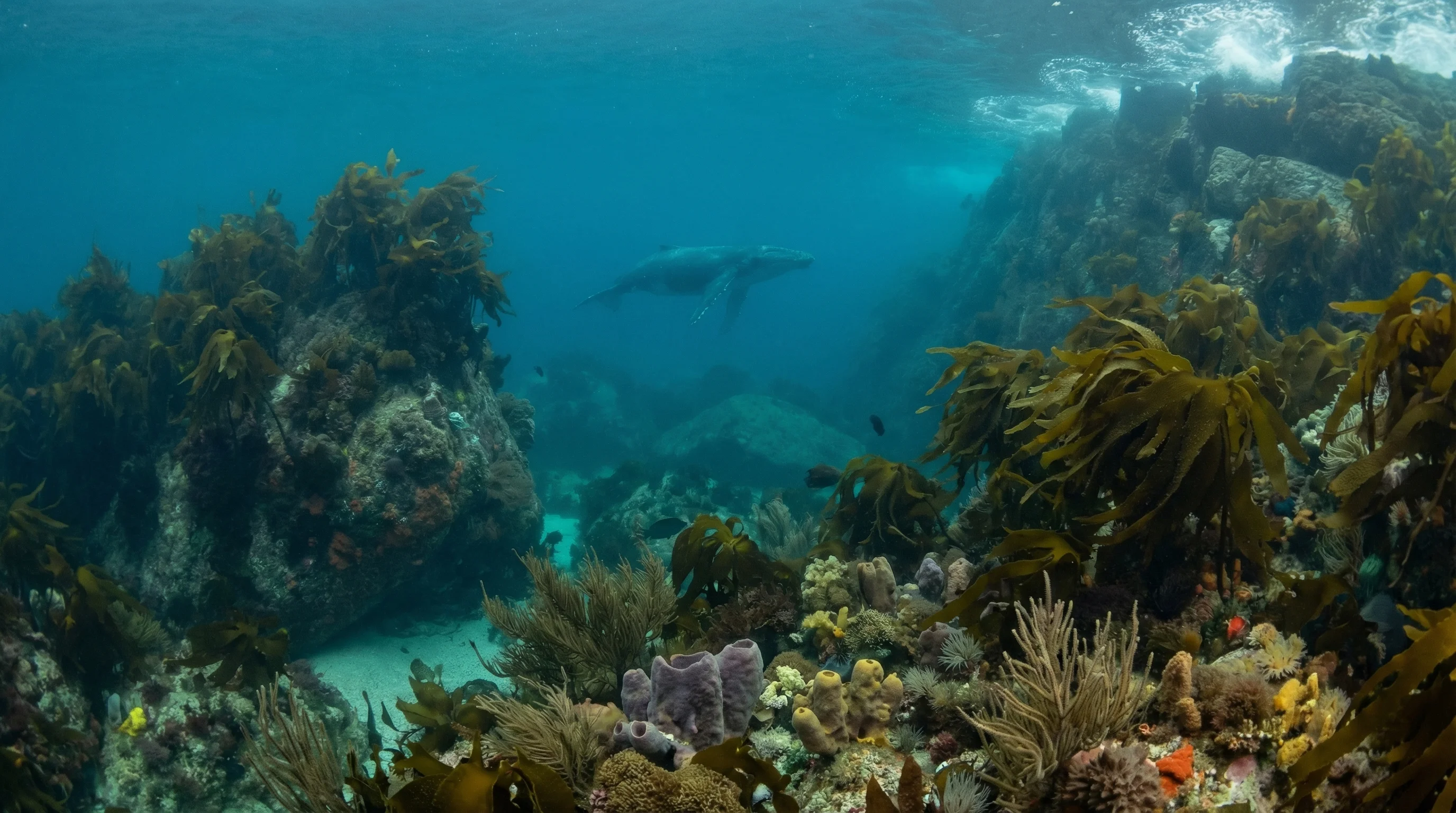
Reef and wall combinations are the most common site types across St Helens. The Monument delivers a dramatic wall dropping to significant depth, while Kelso Boat Ramp features a wall entry into deeper water. Glory Hole adds a cave environment to the mix, offering a truly enclosed underwater setting for those drawn to more sheltered topography.