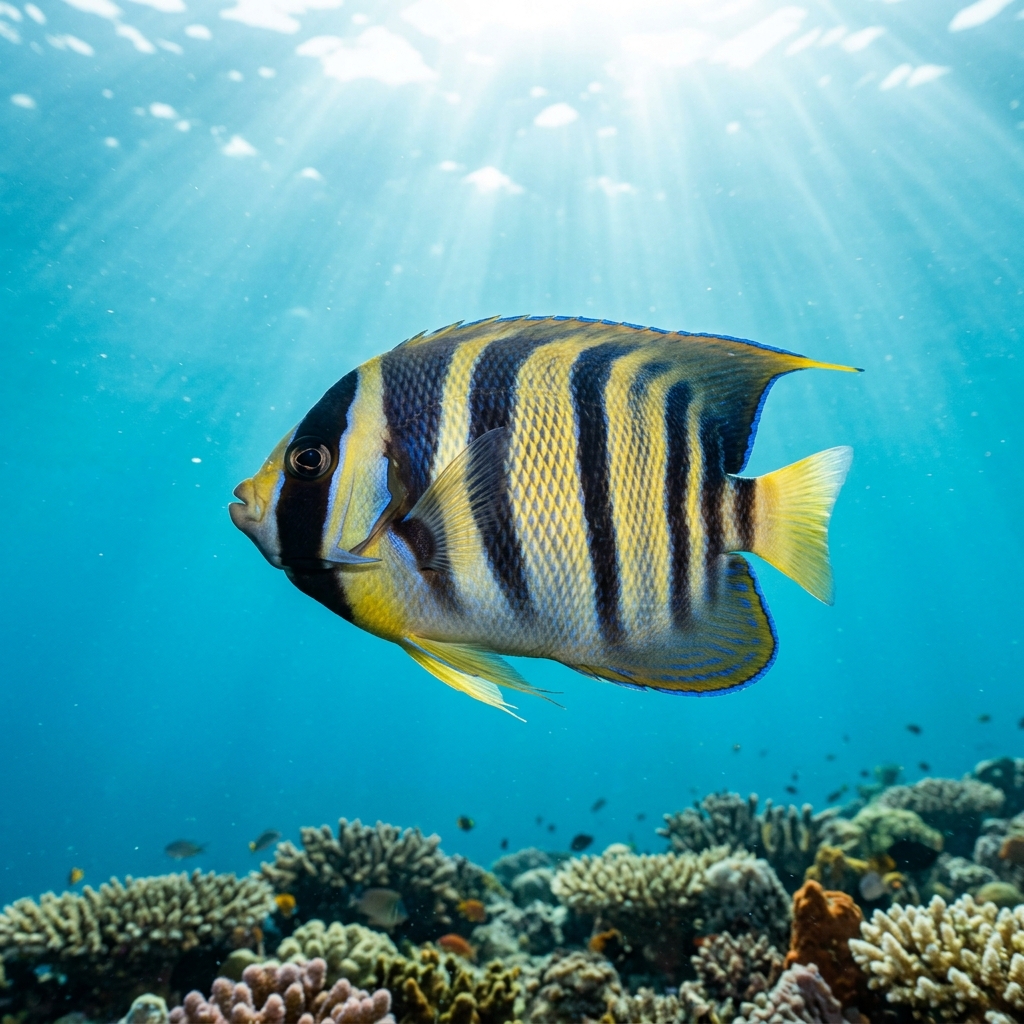
Pomacanthus sexstriatus
Spot sixbanded angelfish in Malaysia, Australia and Palau. Learn the six bold white bars, when to dive, and how to tell it from similar angelfish.
Six bold white vertical bars crossing a dark brown to black body make this one of the easier large angelfish to name at a glance. The face and snout are pale yellow to white, and the dorsal and anal fins trail into soft points on adults. It is a mid-sized pomacanthid (large-bodied angelfish), and in the water it tends to hold position close to the reef rather than actively swimming in open water. Juveniles wear a completely different pattern of white and blue semicircular stripes on a dark background, typical of the genus.
Usually spotted patrolling the reef slope alone or in a loose pair, picking at sponges and other encrusting organisms on coral-covered walls. It is generally wary and will keep a comfortable distance from divers, circling behind a coral head if approached too directly. Slow, unhurried approaches give you the best look; it rarely bolts outright, it just edges away.
Like other pomacanthids, sixbanded angelfish are protogynous hermaphrodites, meaning large dominant females can change sex to become males when the social structure of their group demands it.
In Northern Hemisphere sites such as Malaysia, Palau, Thailand, and the Philippines, sightings concentrate from January through September. In Southern Hemisphere sites like Queensland, Australia, divers see it most reliably from August through March.
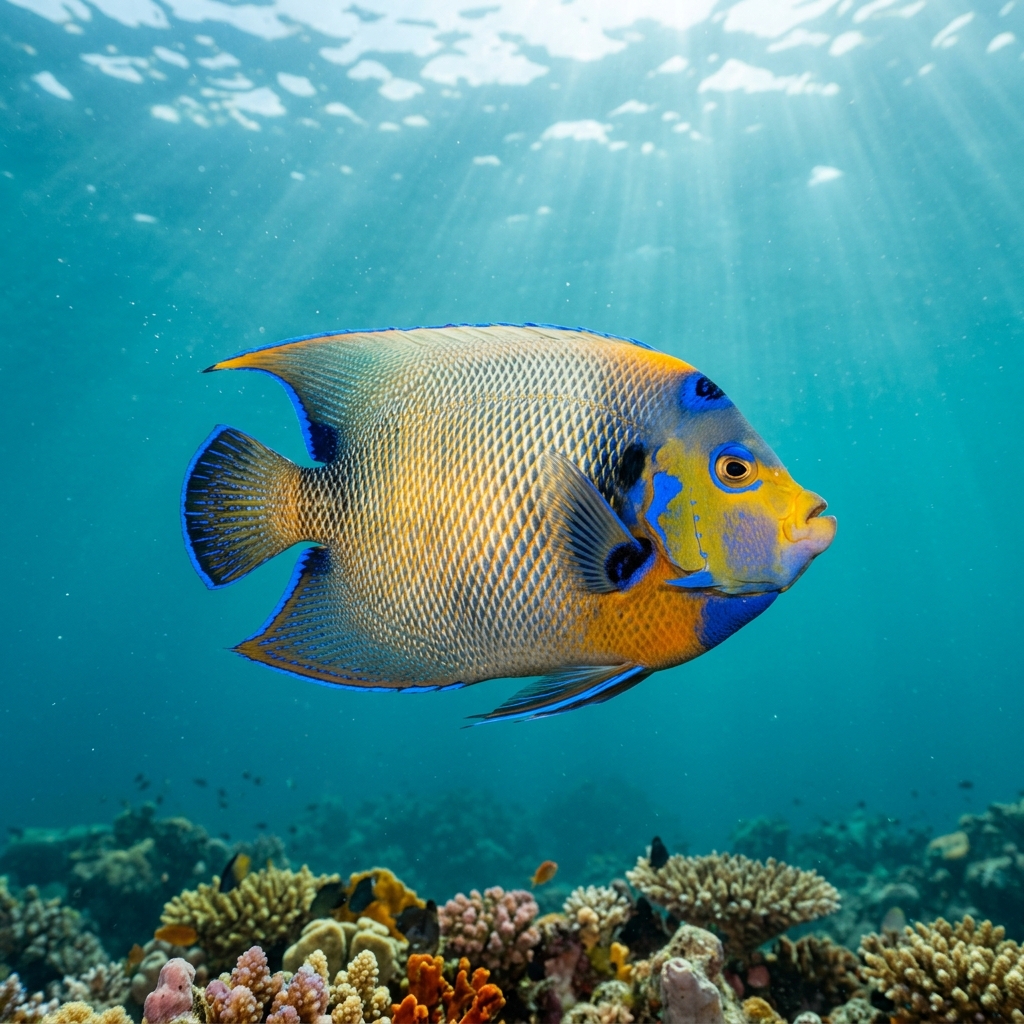
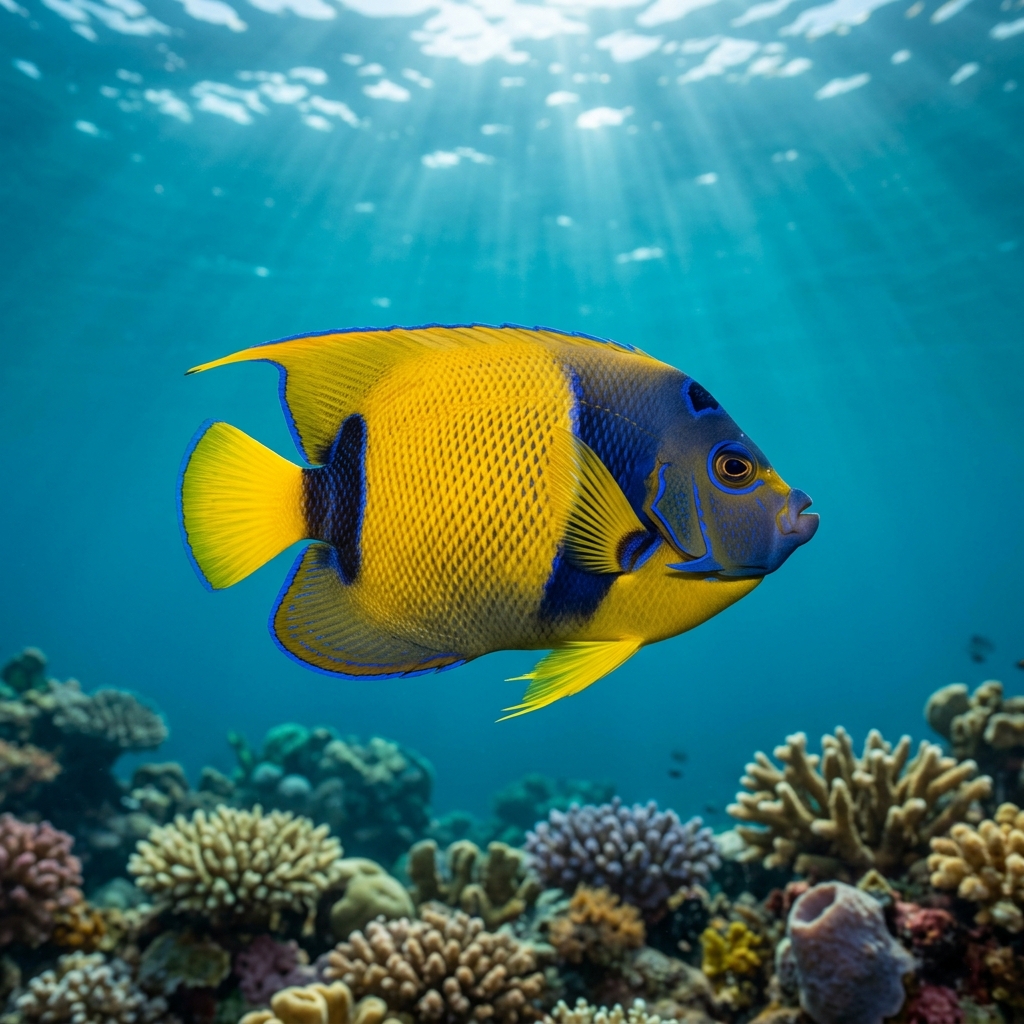
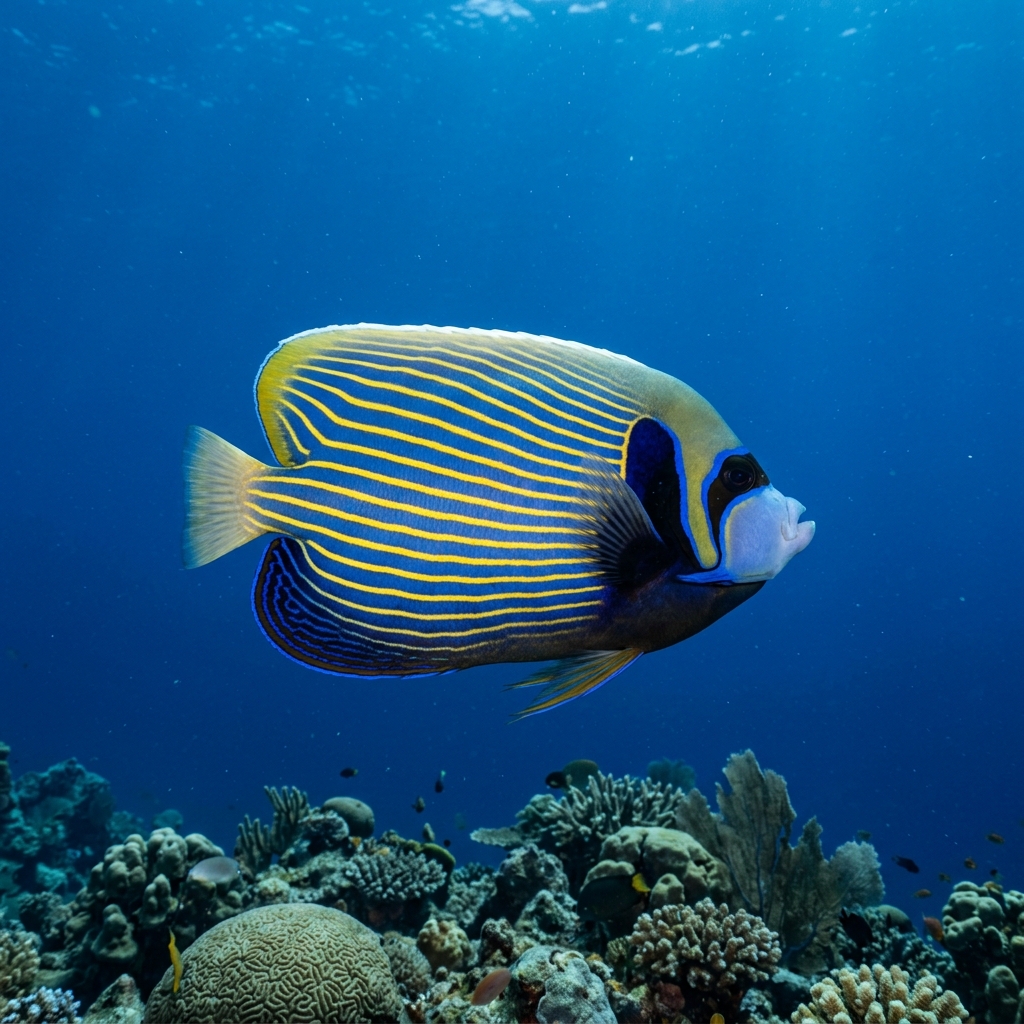
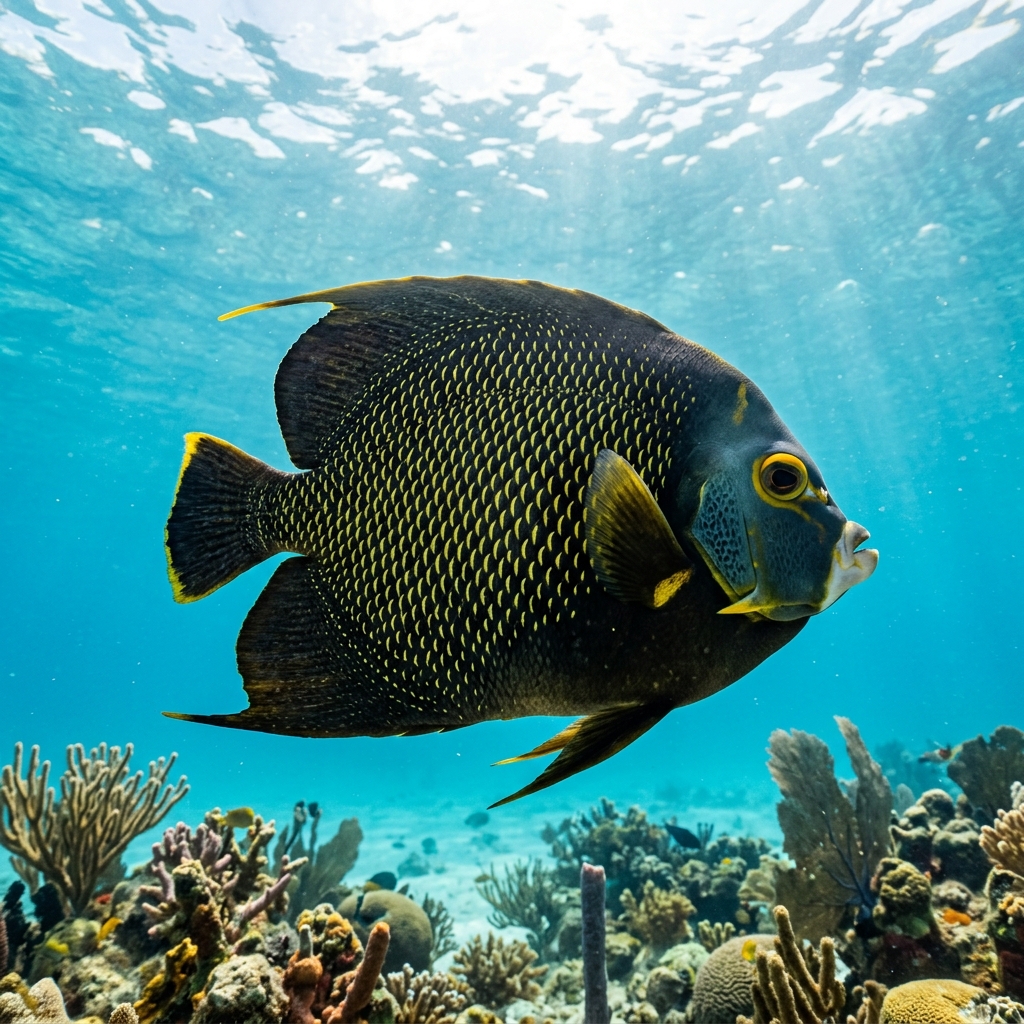
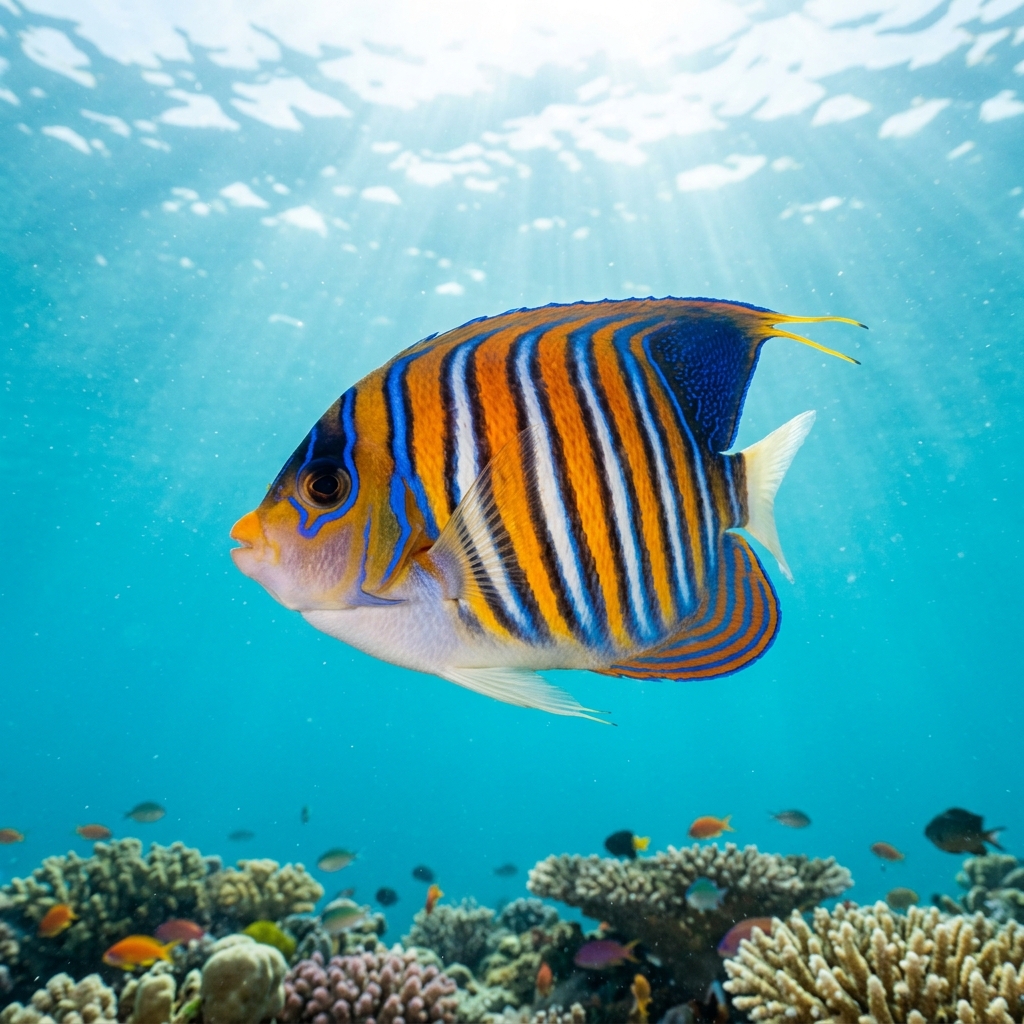
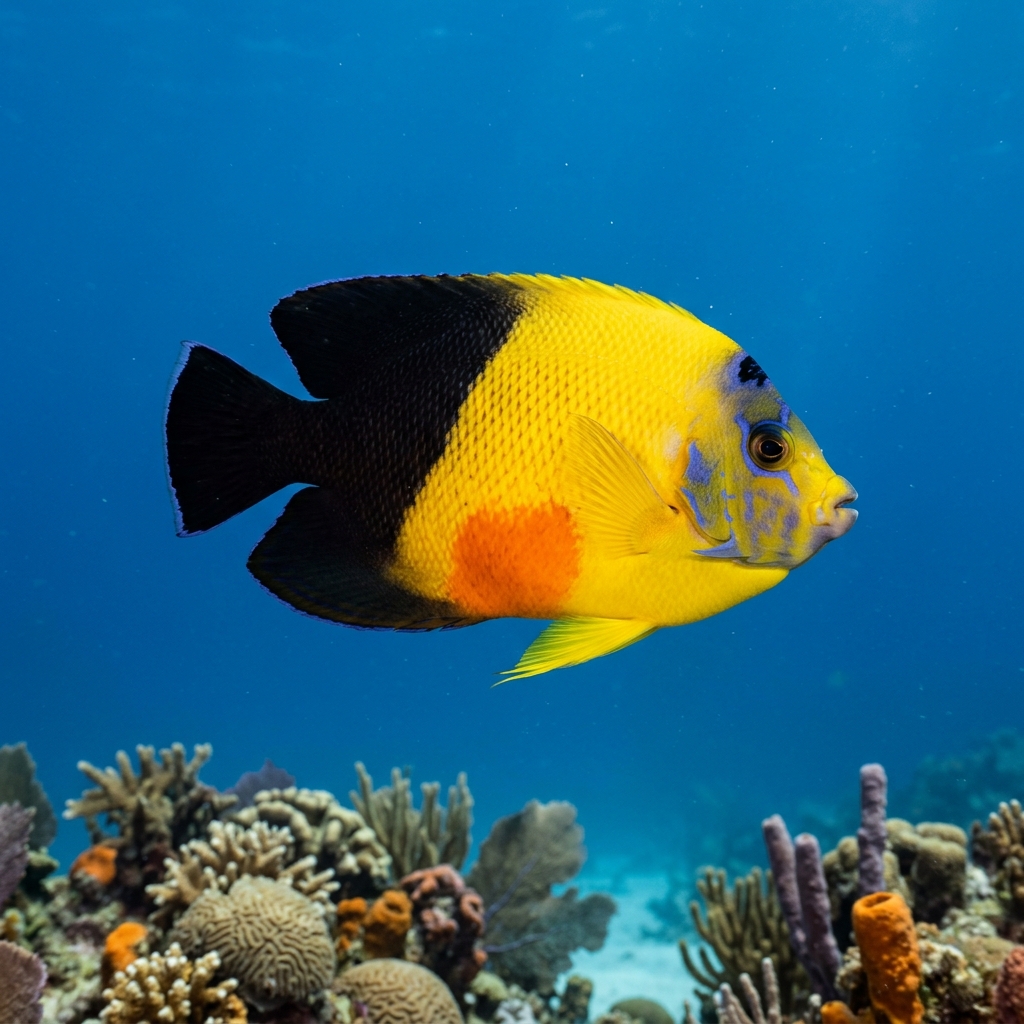
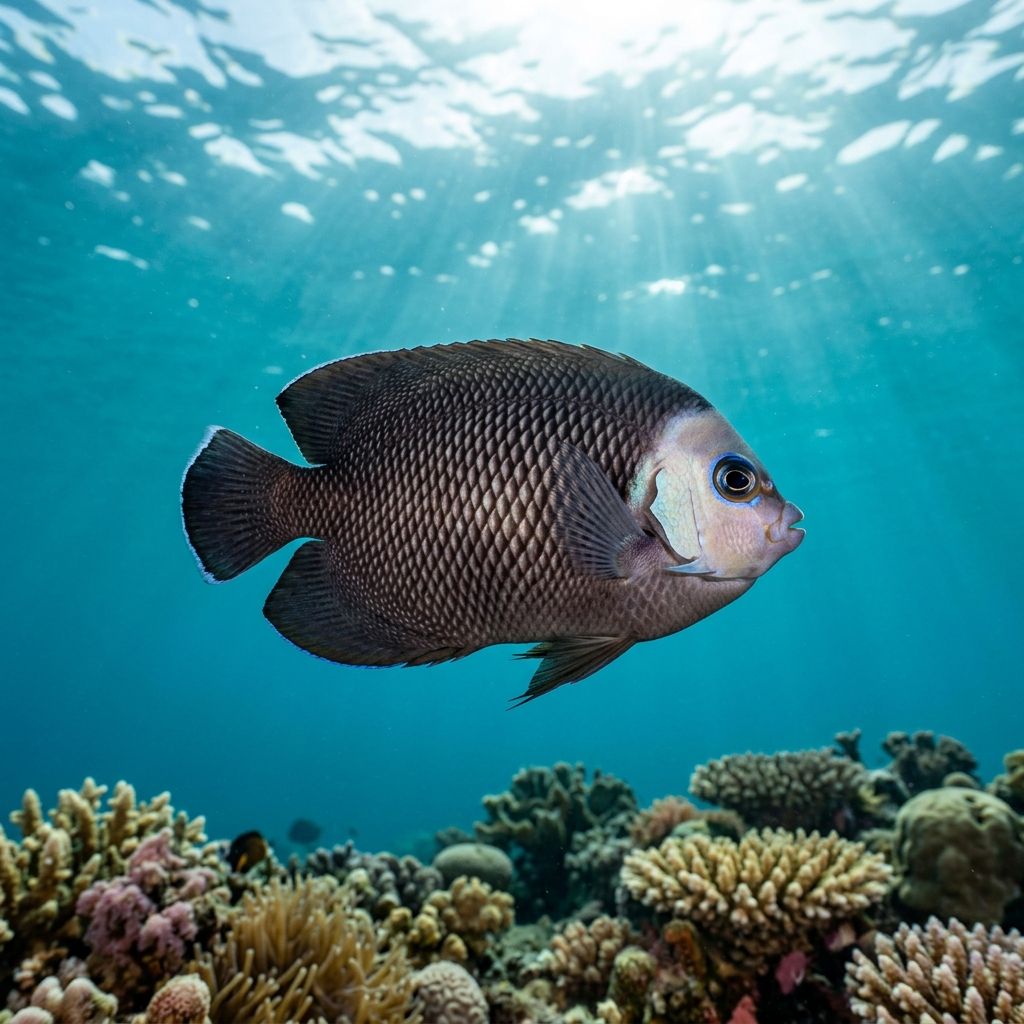
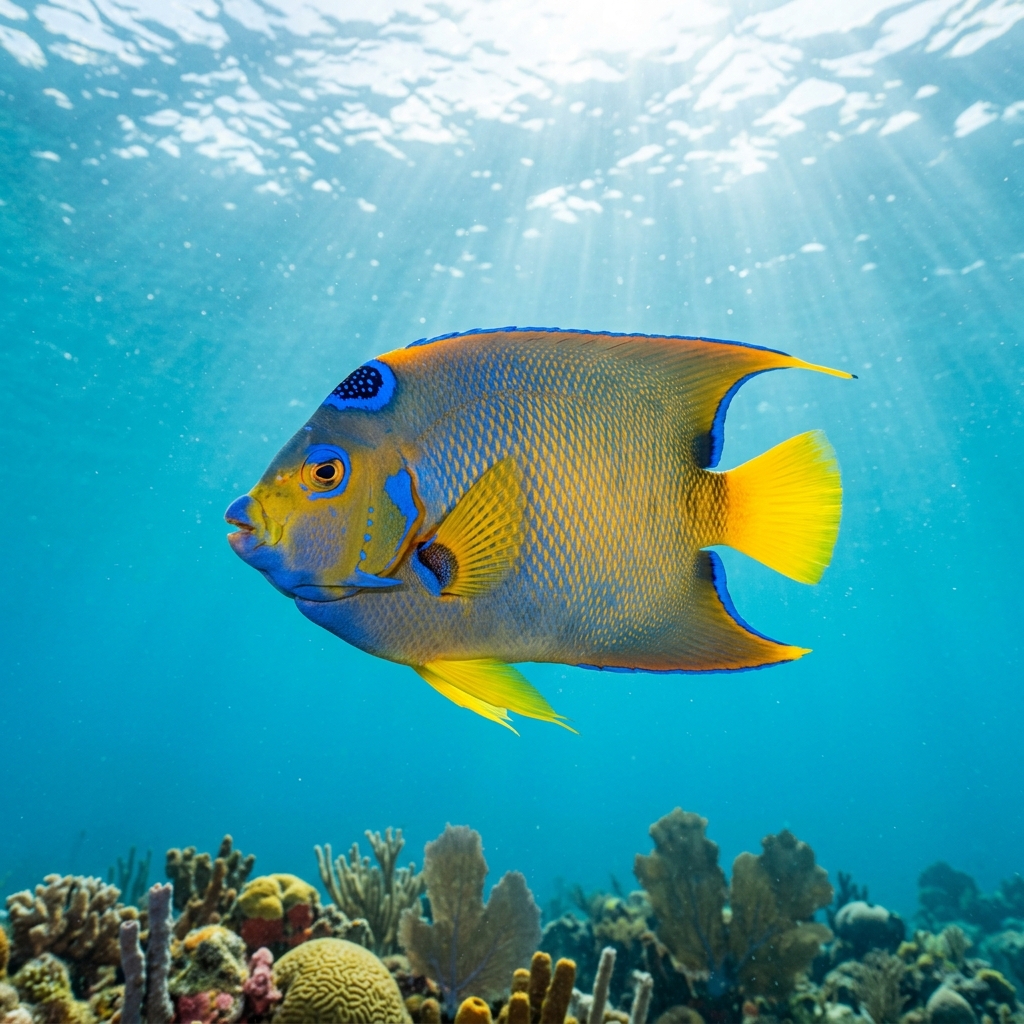
Reef neighbours a diver could mistake it for. Use the identification notes above to tell them apart.
Most commonly logged in Malaysia, Australia, and Indonesia, with particularly strong representation around Pulau Tioman and Sipadan in Malaysia, Queensland reefs in Australia, and the Maluku and Banda Sea region of Indonesia. Palau's Rock Islands and the Palawan and Apo Reef area of the Philippines also deliver consistent sightings. Outside those strongholds, it appears across the Gulf of Thailand and around New Caledonia.
Mapping where Sixbanded Angelfish is logged…
The strongest sighting records come from Malaysia (especially Pulau Tioman and Sipadan), Queensland in Australia, and Indonesia's Maluku and Banda Sea. Palau's Rock Islands and the Philippines' Palawan and Apo Reef area are also reliable spots. Sightings are less frequent but still logged in Thailand and New Caledonia.
In northern tropical destinations like Malaysia, Palau, and Thailand, sightings peak from January through September. Divers targeting Australian reefs in Queensland have the best luck from August through March. The species is tied to warm tropical water, roughly 23 to 29 degrees Celsius, so conditions outside those windows become less predictable.
Count the bars: six clean white vertical stripes on a dark body, combined with a pale yellowish face, are the key markers. The trailing tips on the dorsal and anal fins distinguish adults from juveniles, which look completely different with curved blue and white semicircular lines. No other common Indo-Pacific angelfish shares exactly this banded pattern.
Sixbanded angelfish are a large pomacanthid species, typically reaching around 45 to 46 centimetres in length as adults. In the water they look substantial, comparable in bulk to an emperor angelfish.
Yes. They are protogynous hermaphrodites, a reproductive strategy common in angelfish where individuals begin life as females and the dominant fish in a group can transition to male. This allows populations to adjust their sex ratio based on social dynamics rather than genetics alone.
Site and sighting data is aggregated from diver logs, iNaturalist and GBIF. For taxonomy and conservation status:
Rock Beauty
1,573 sites