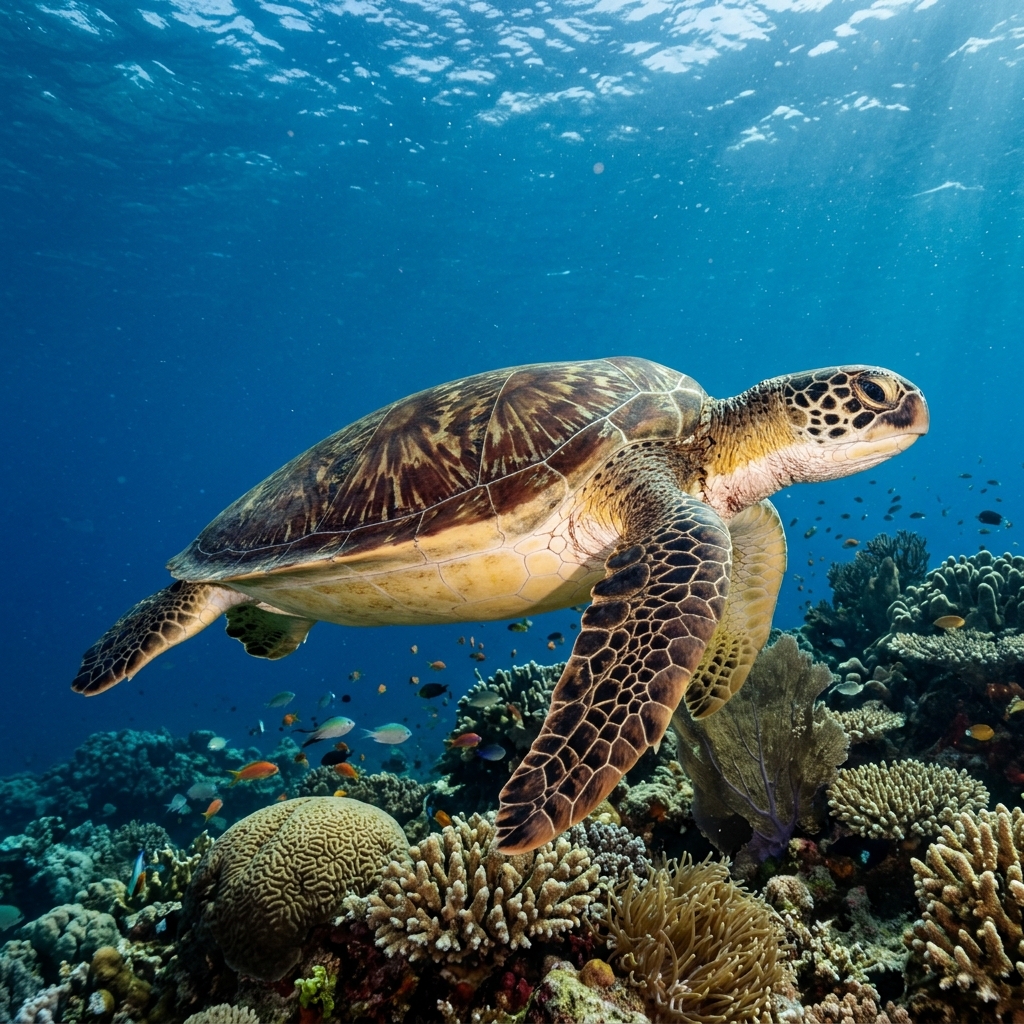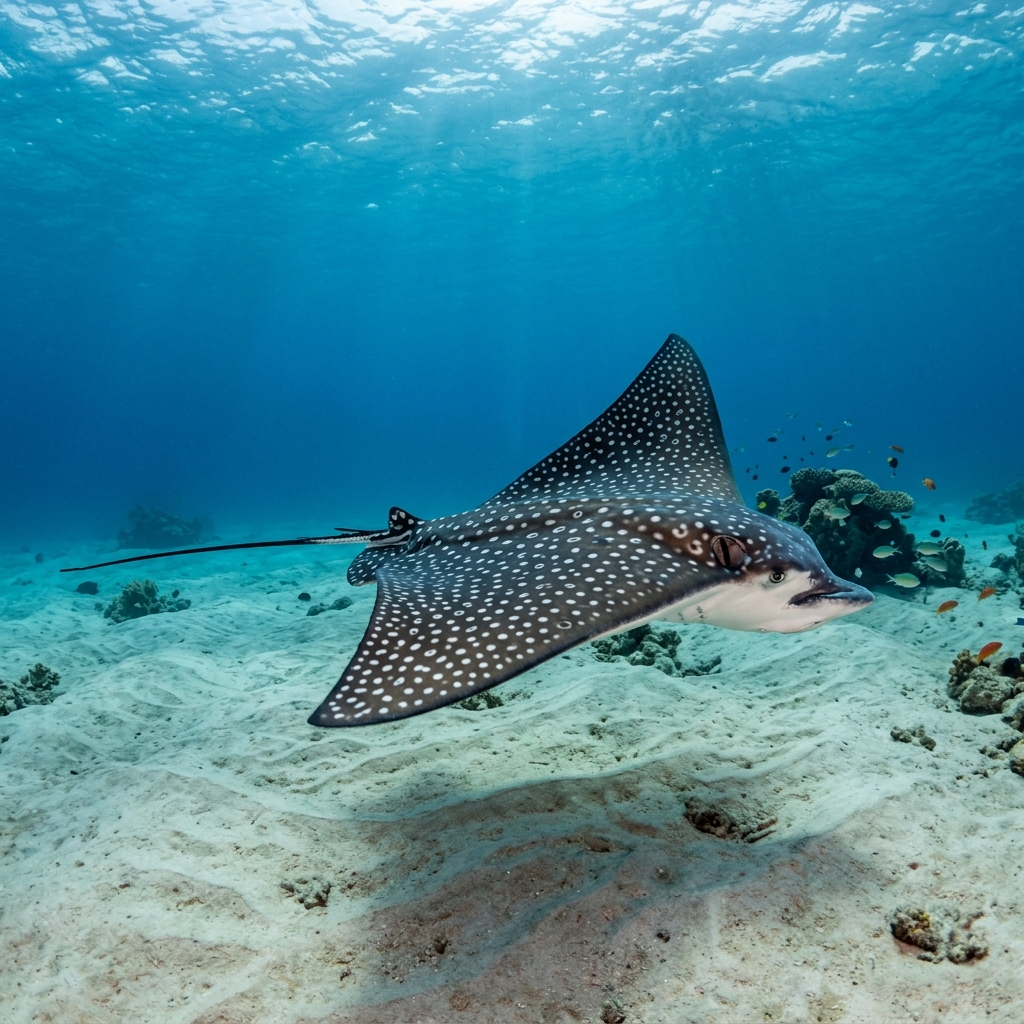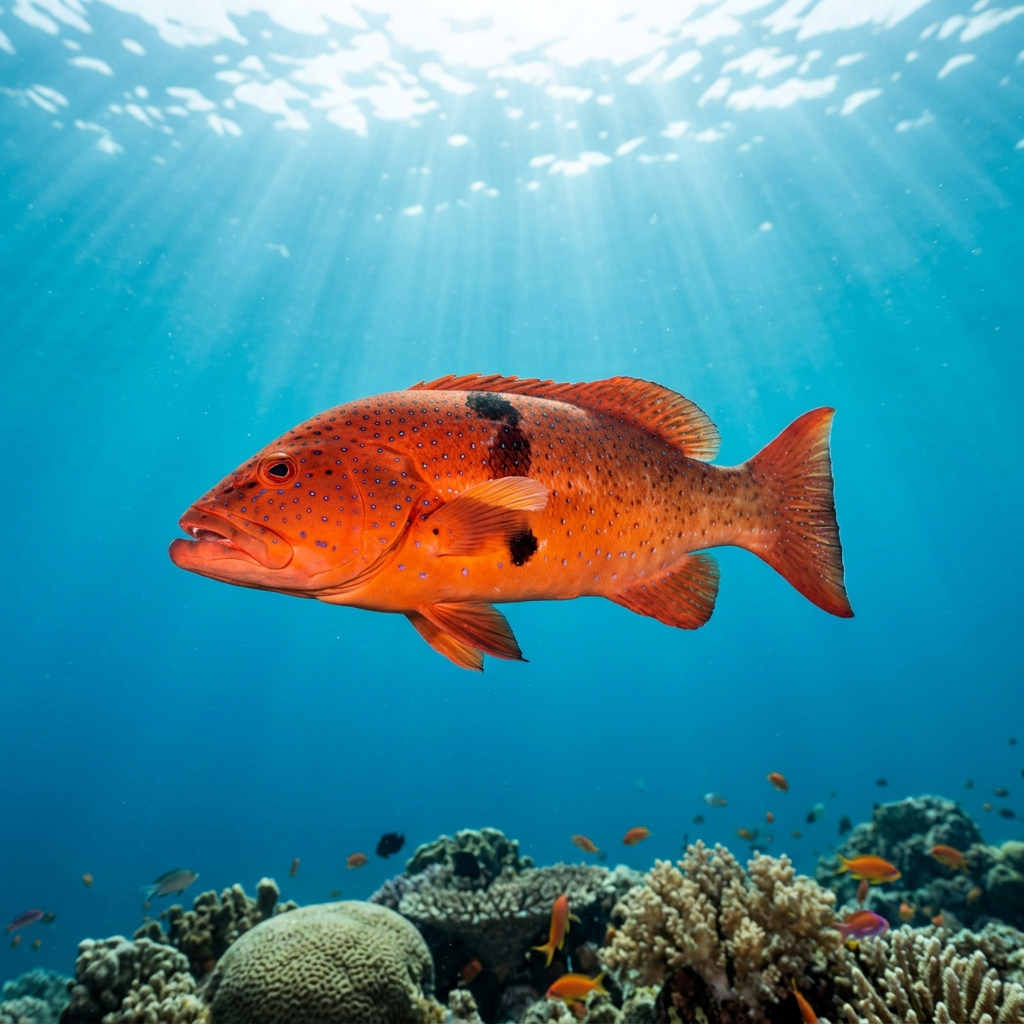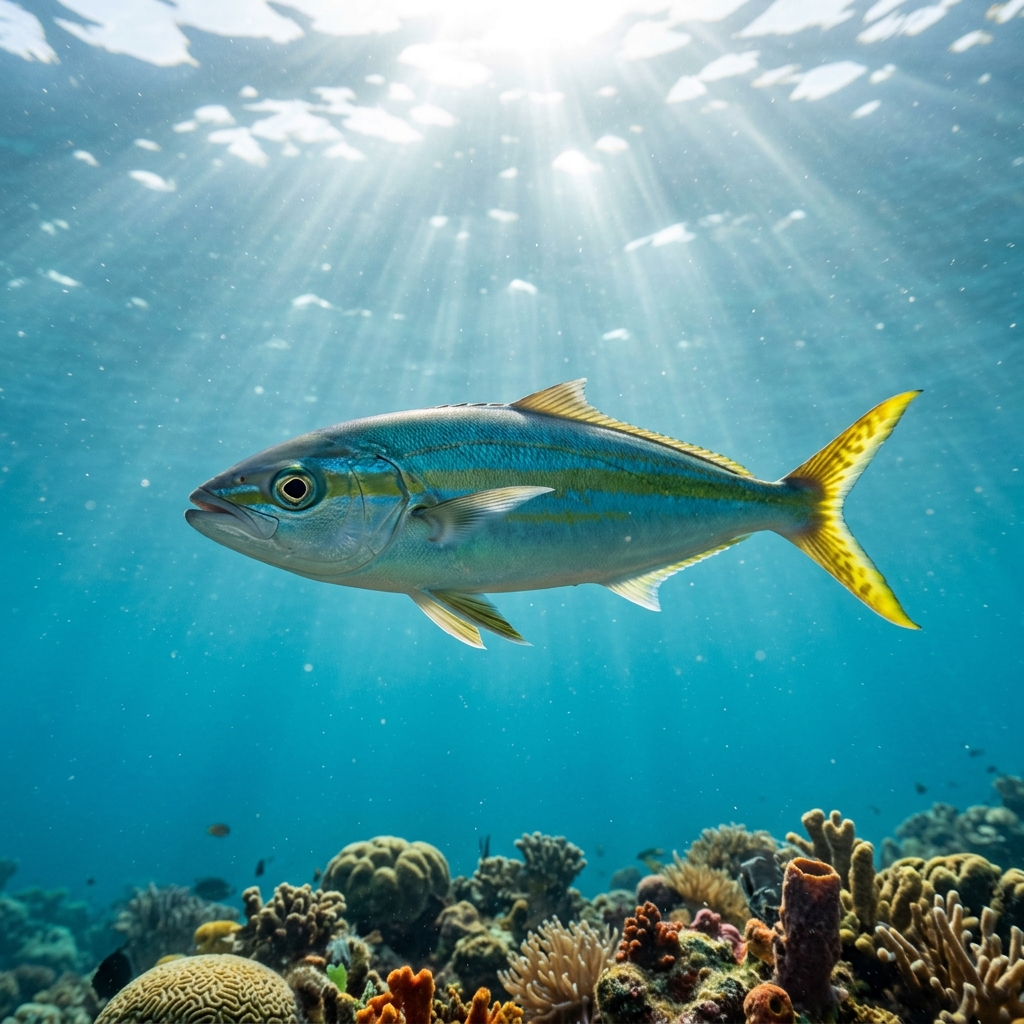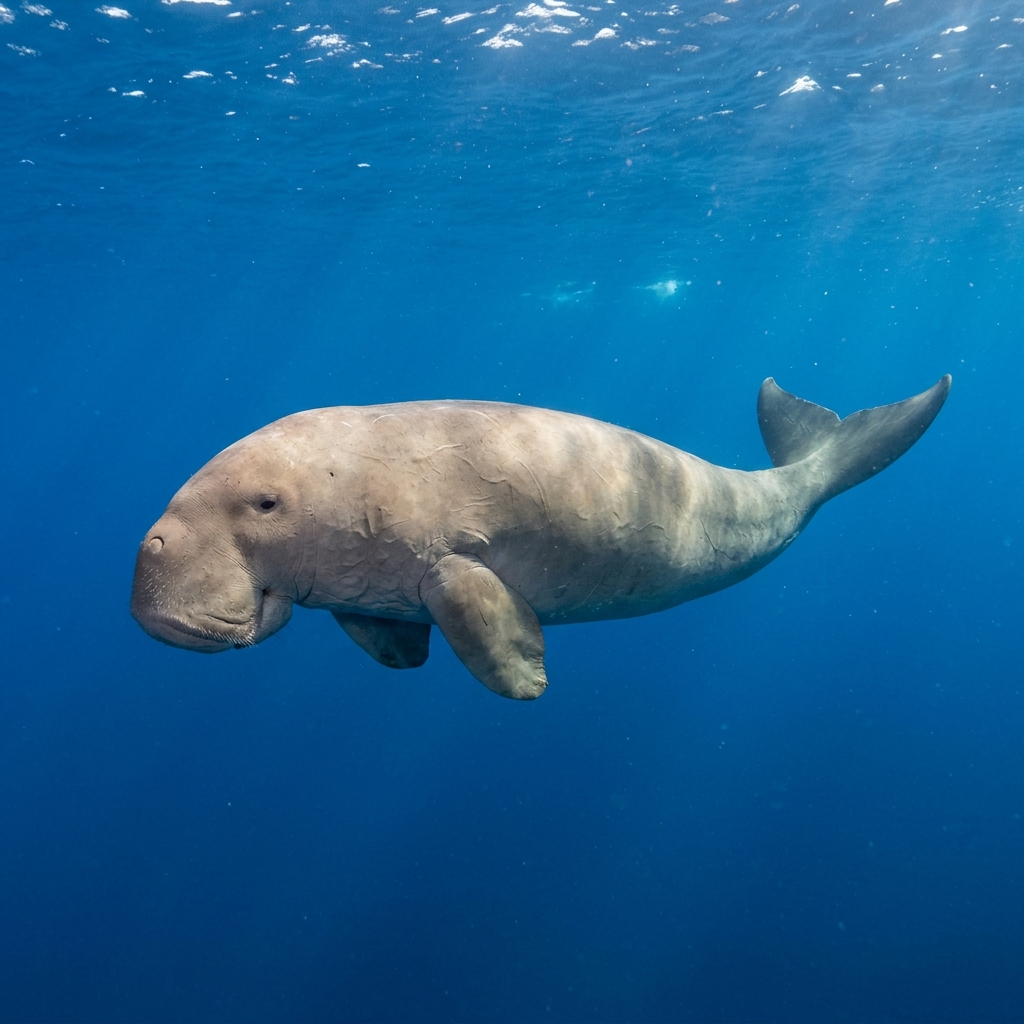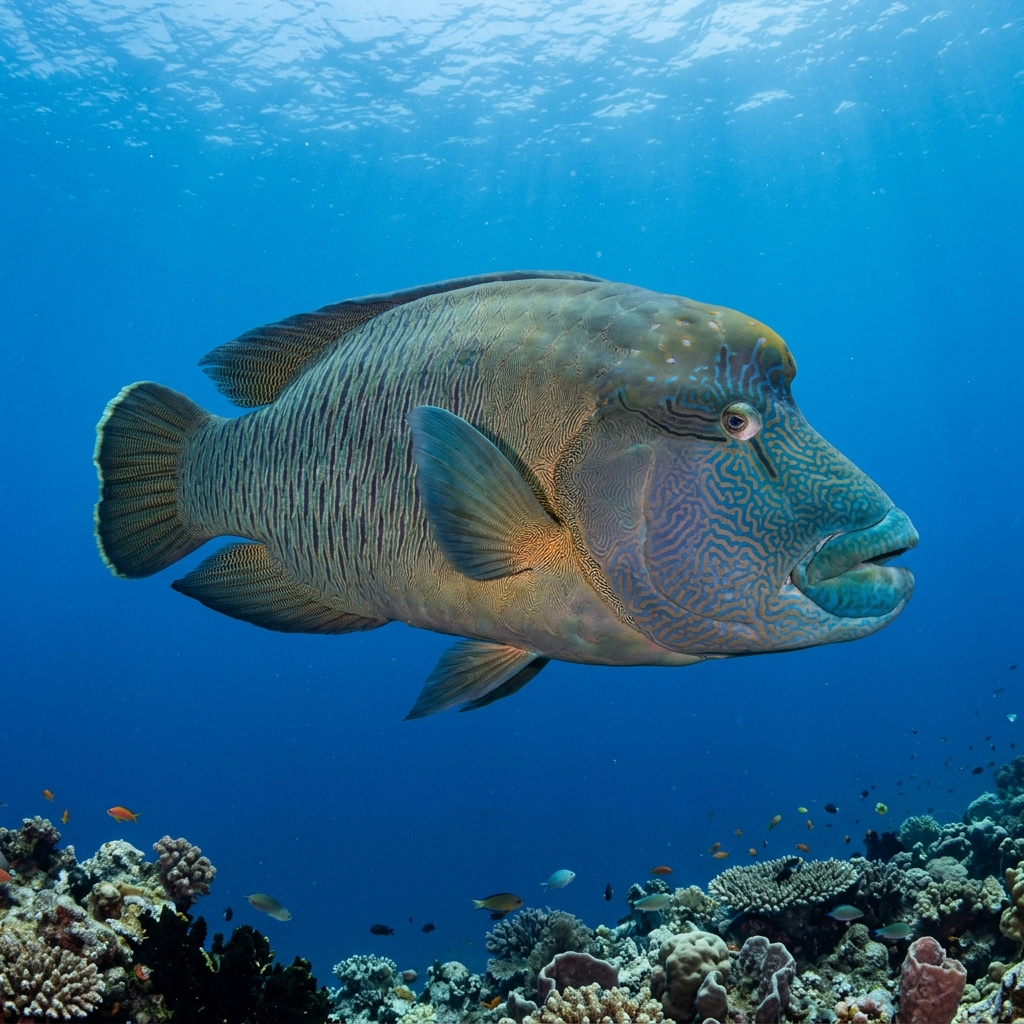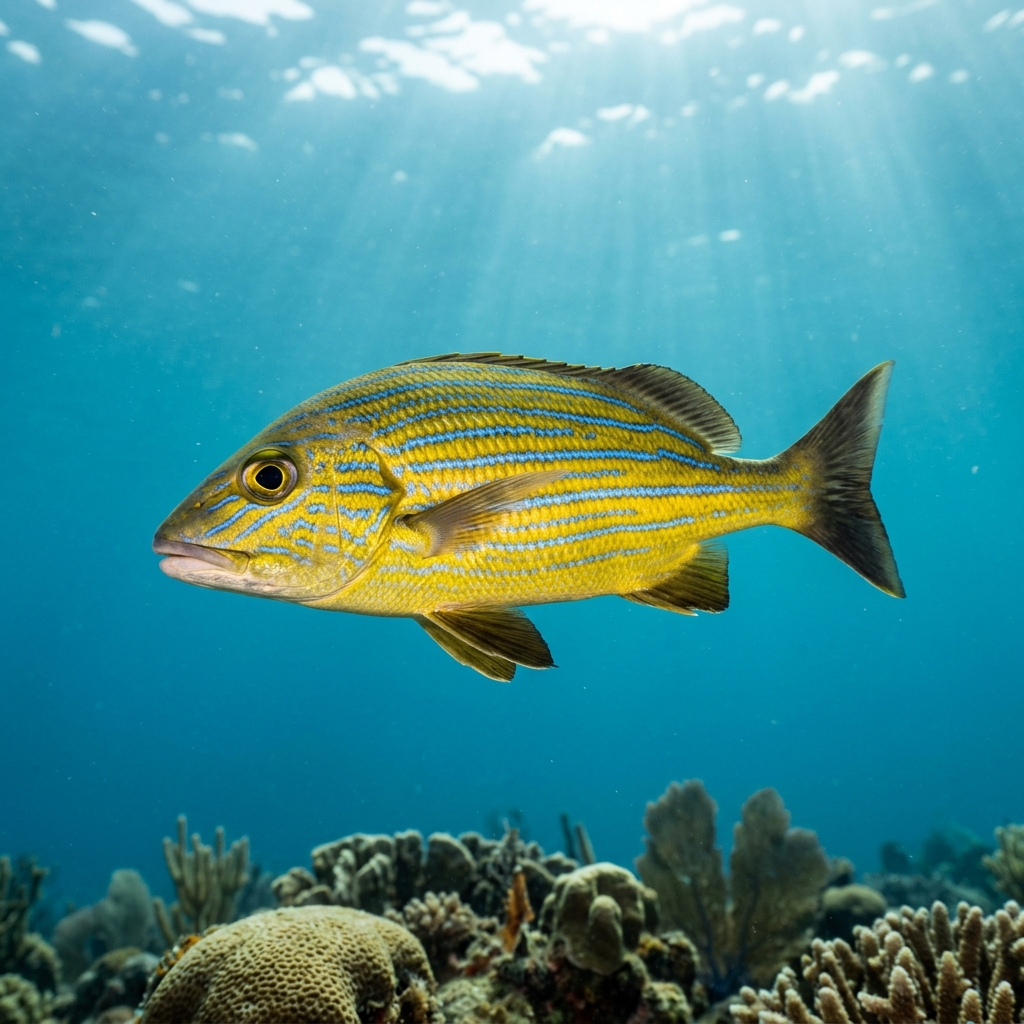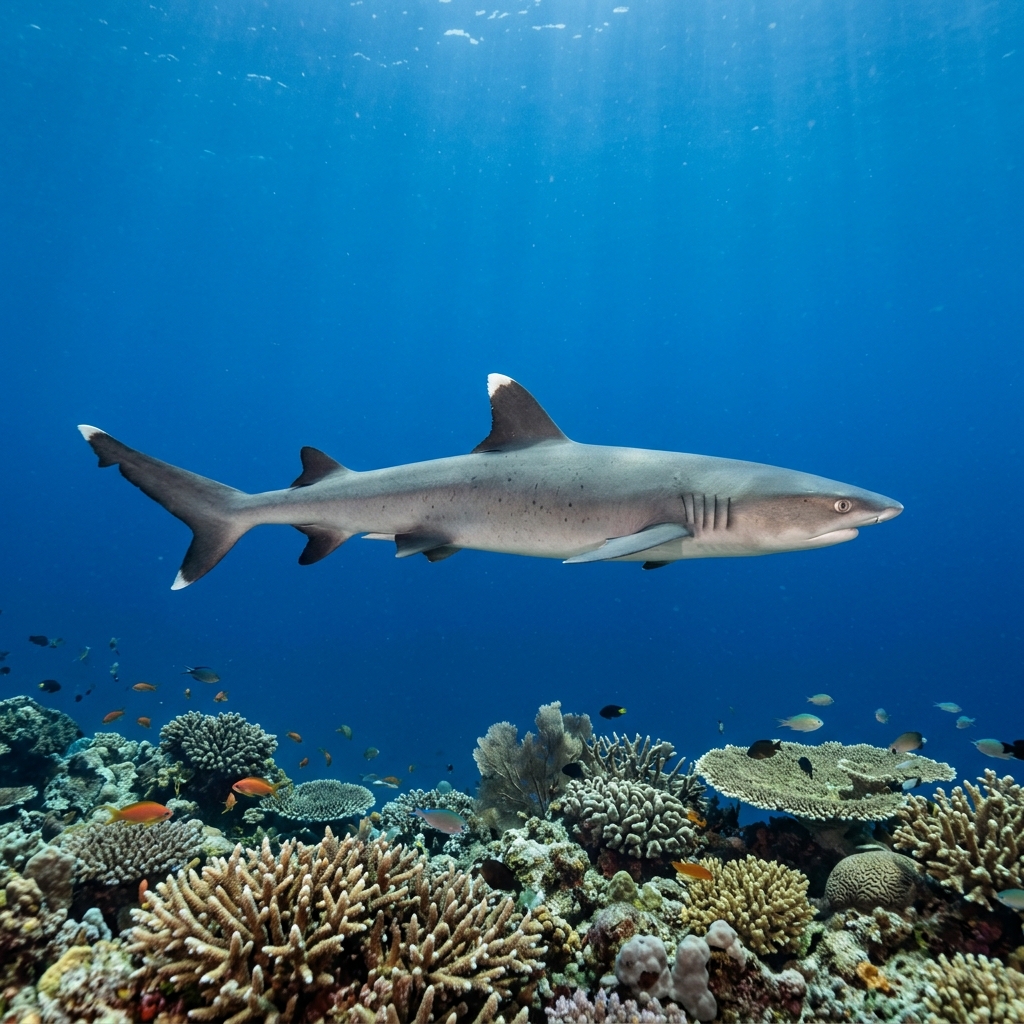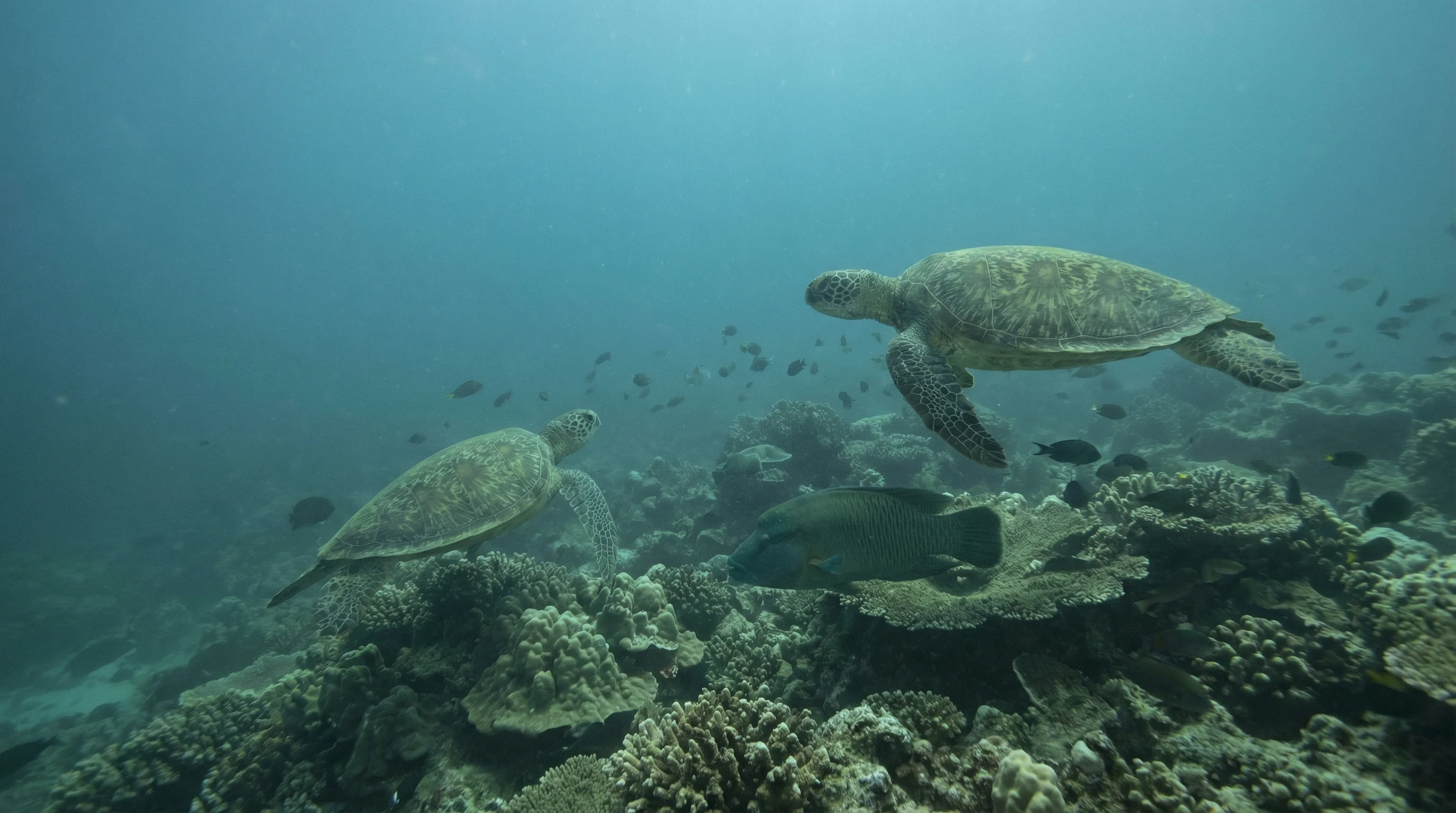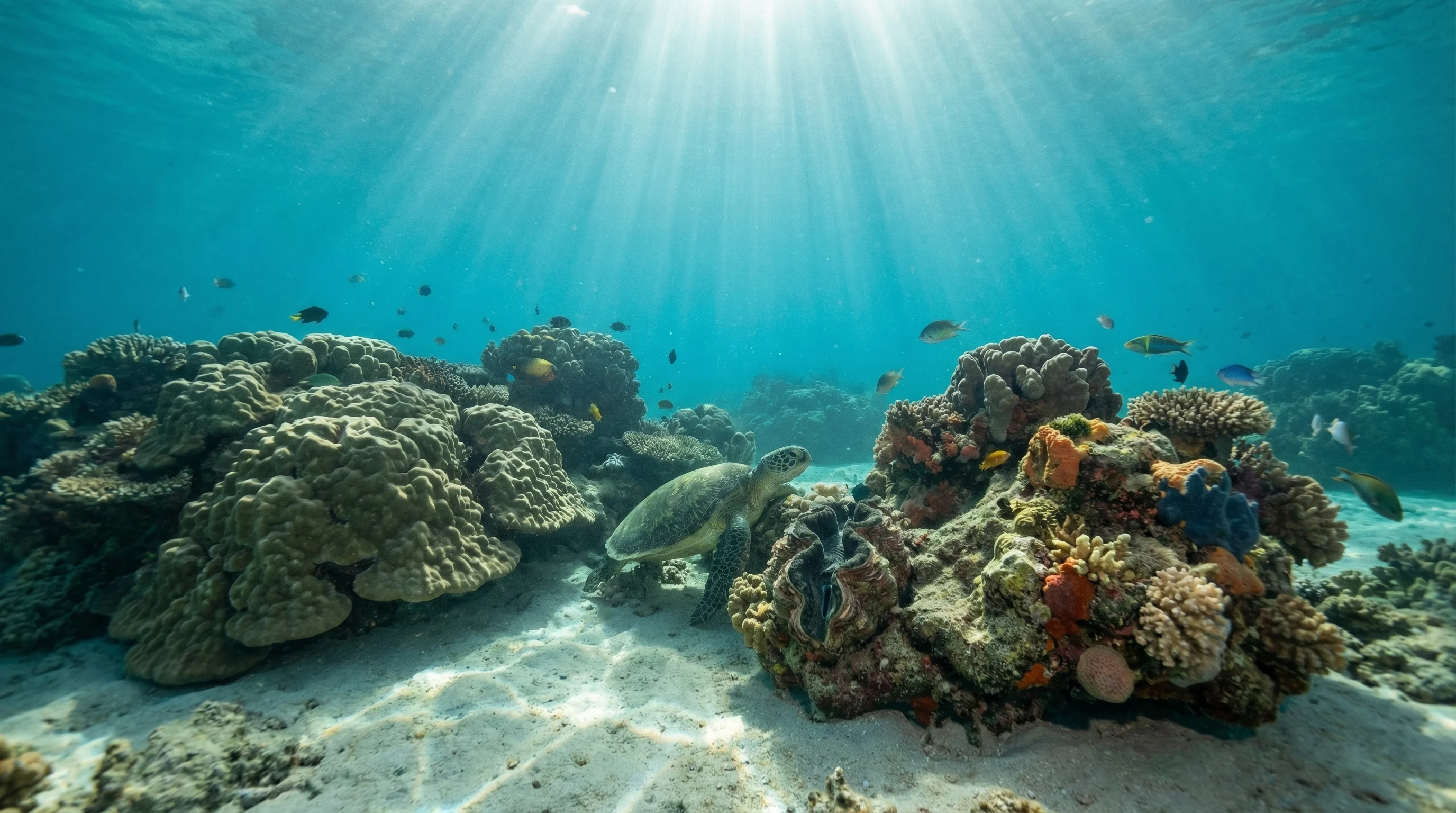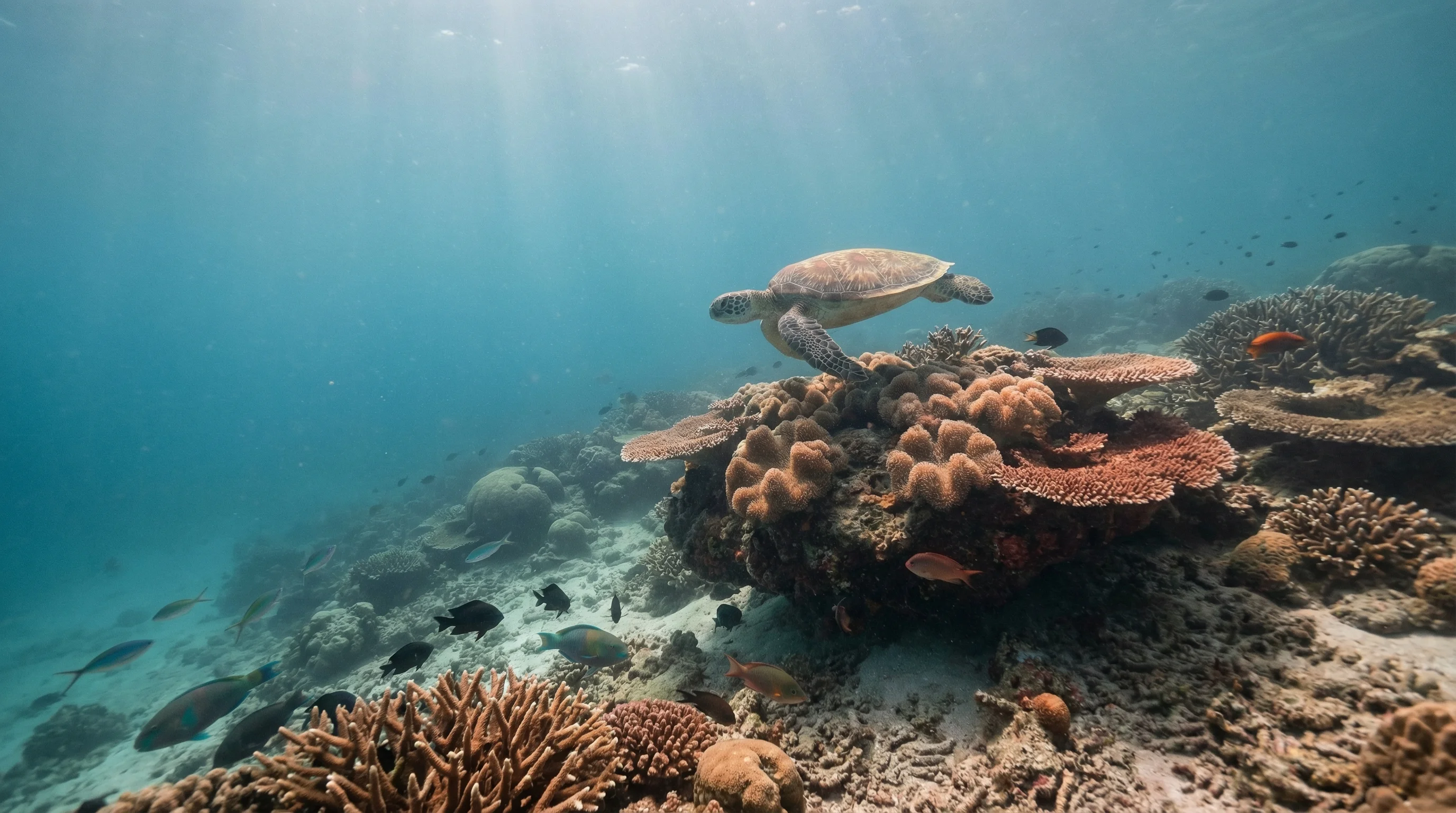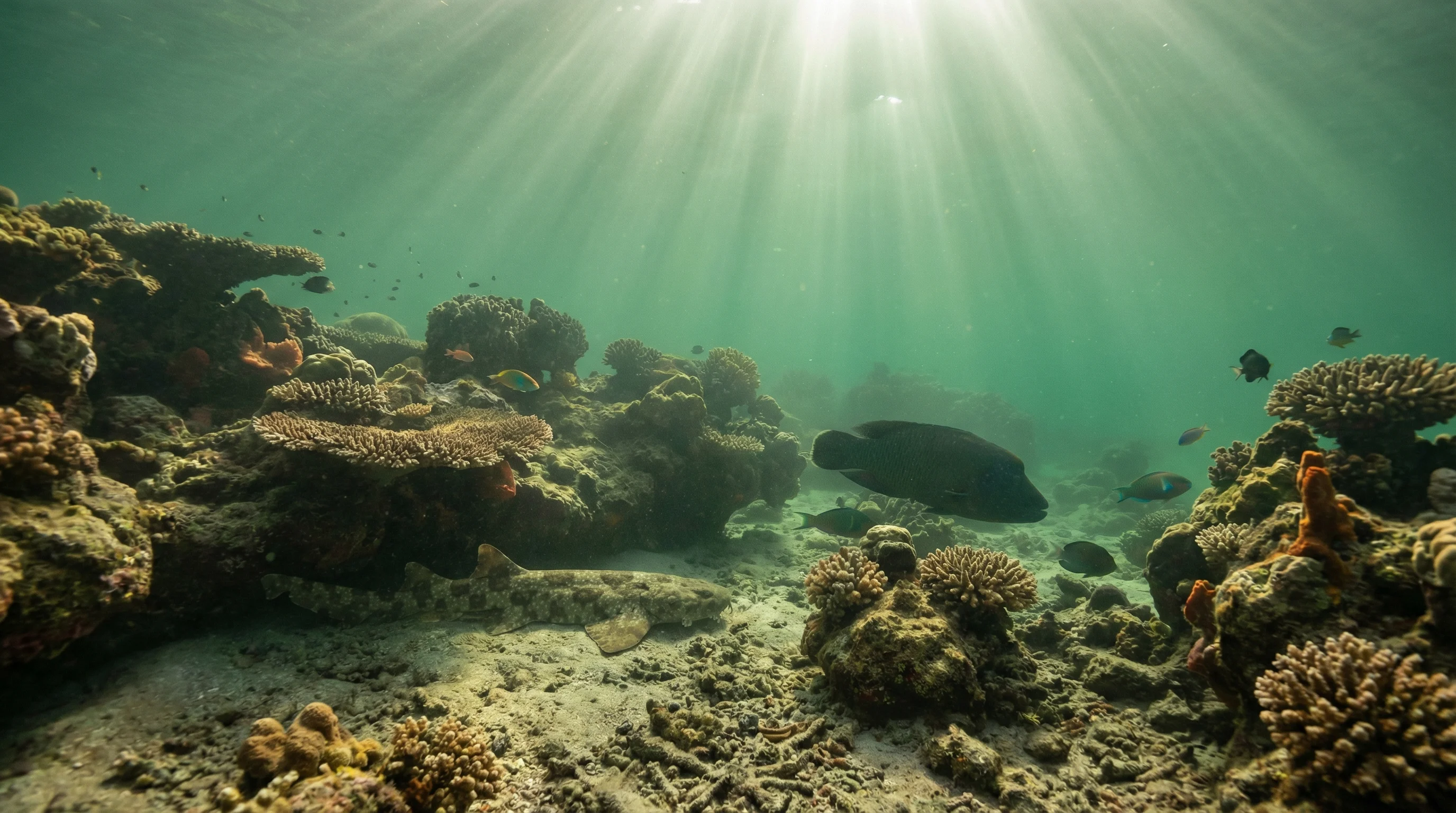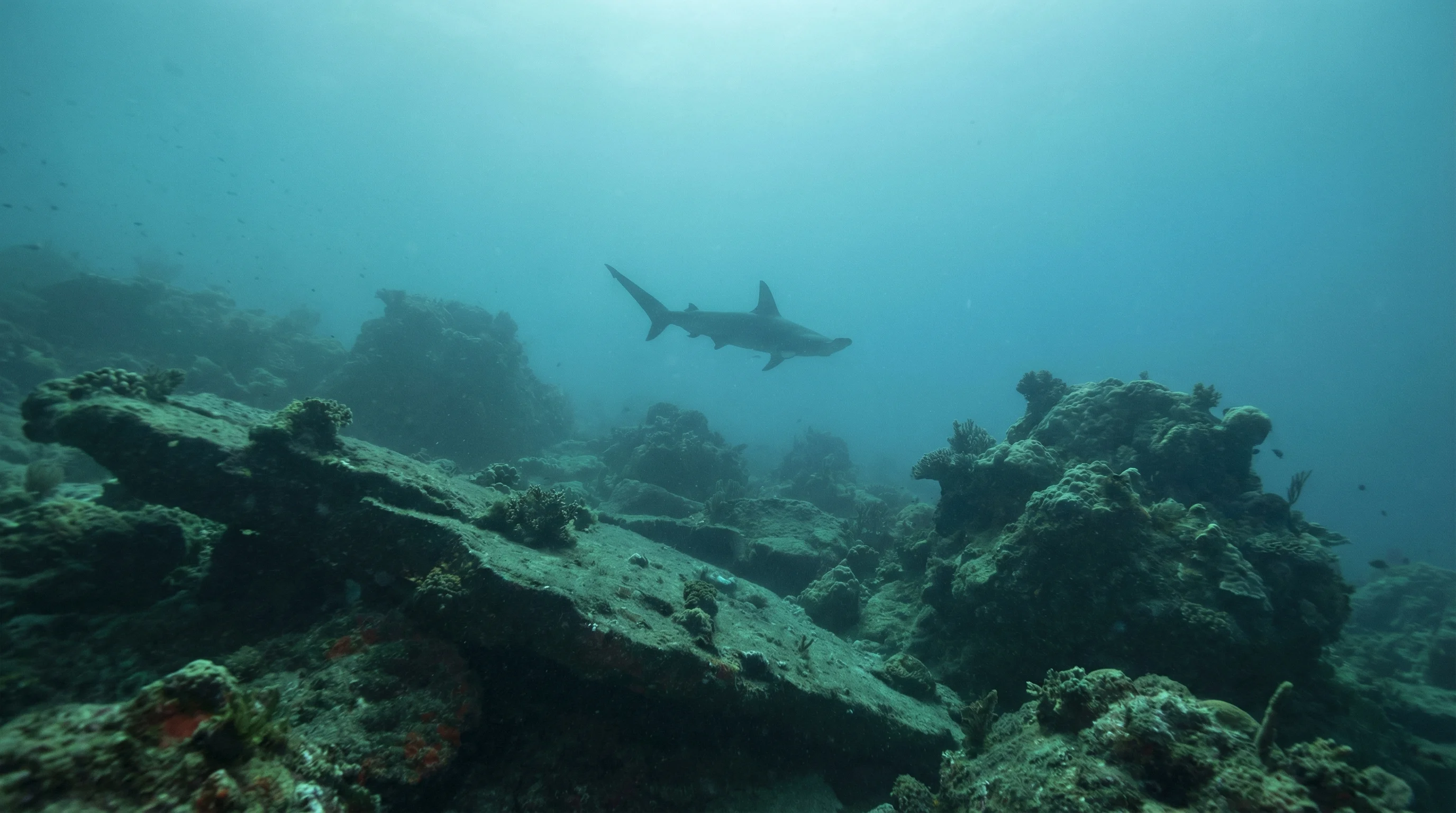
Best for intermediate divers, 5-18m, boat entry, moderate current.
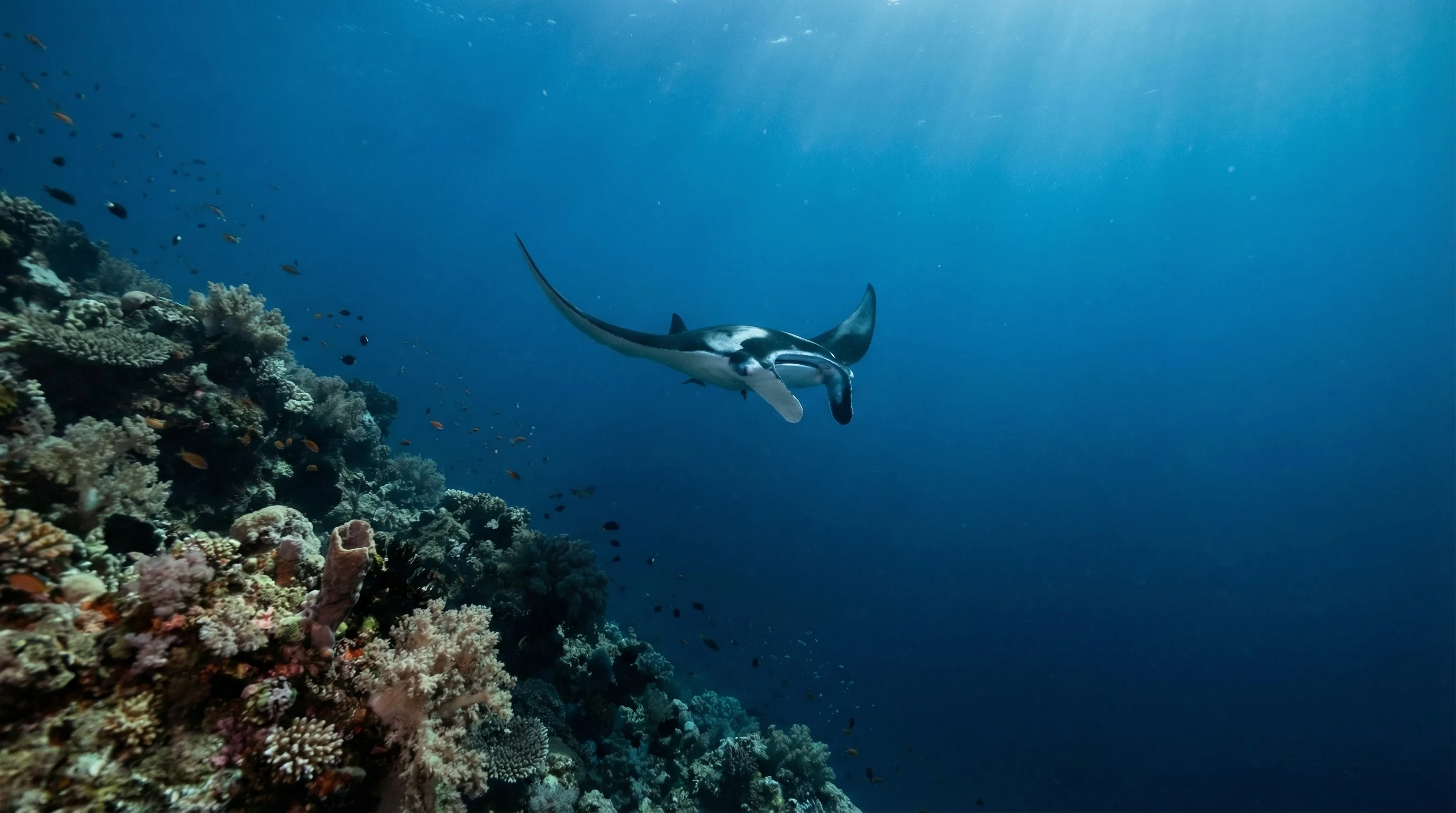
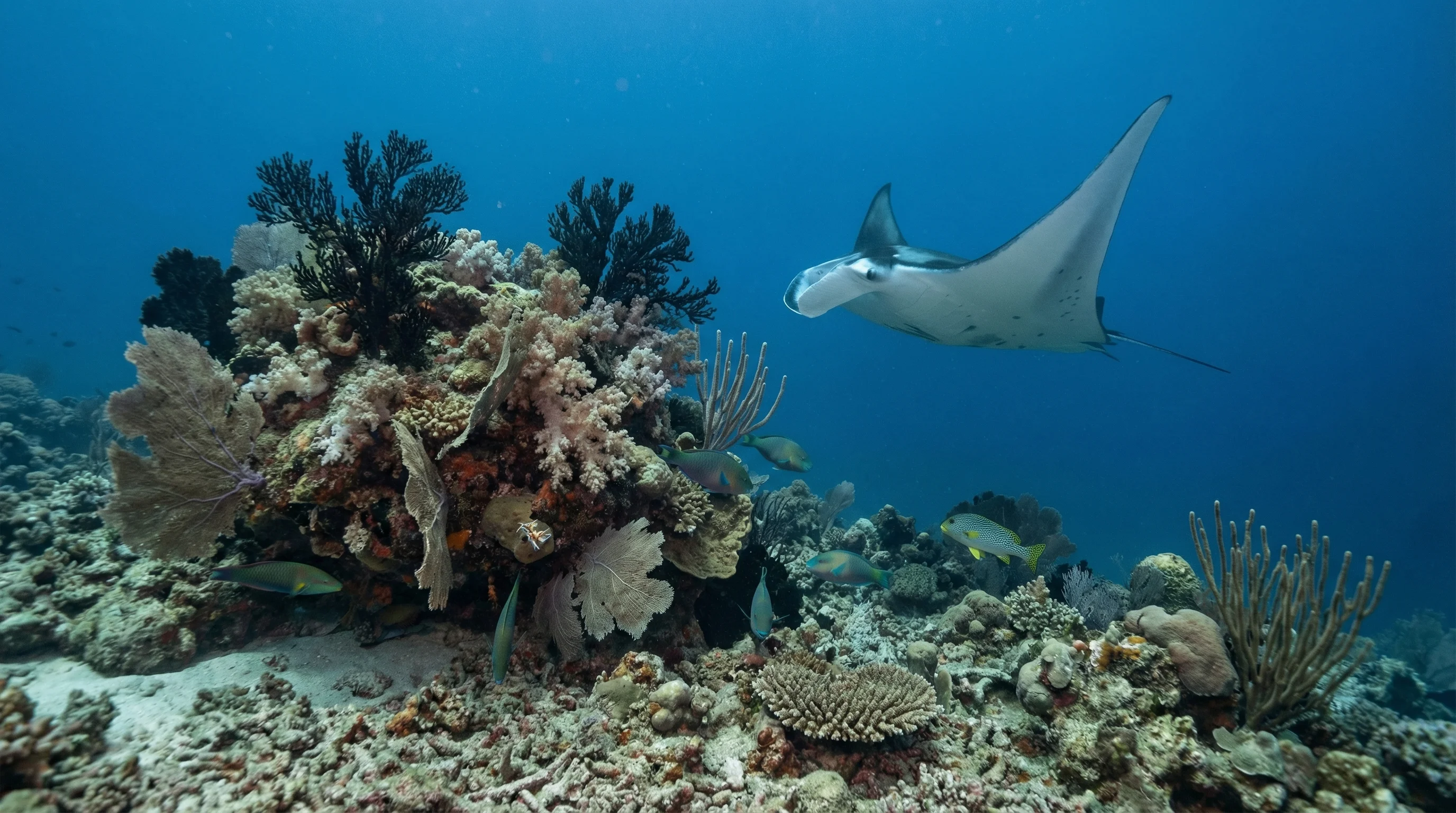
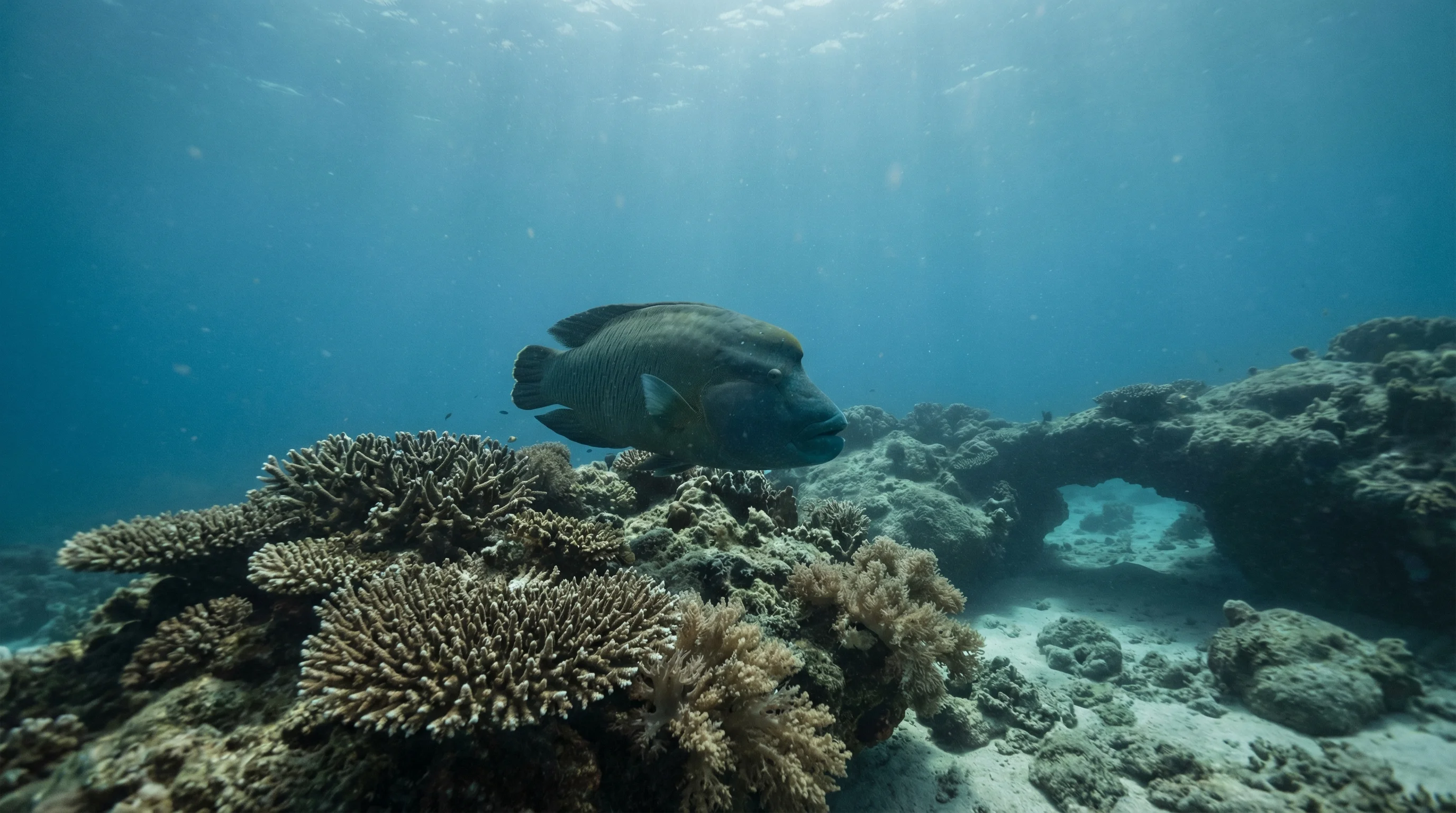
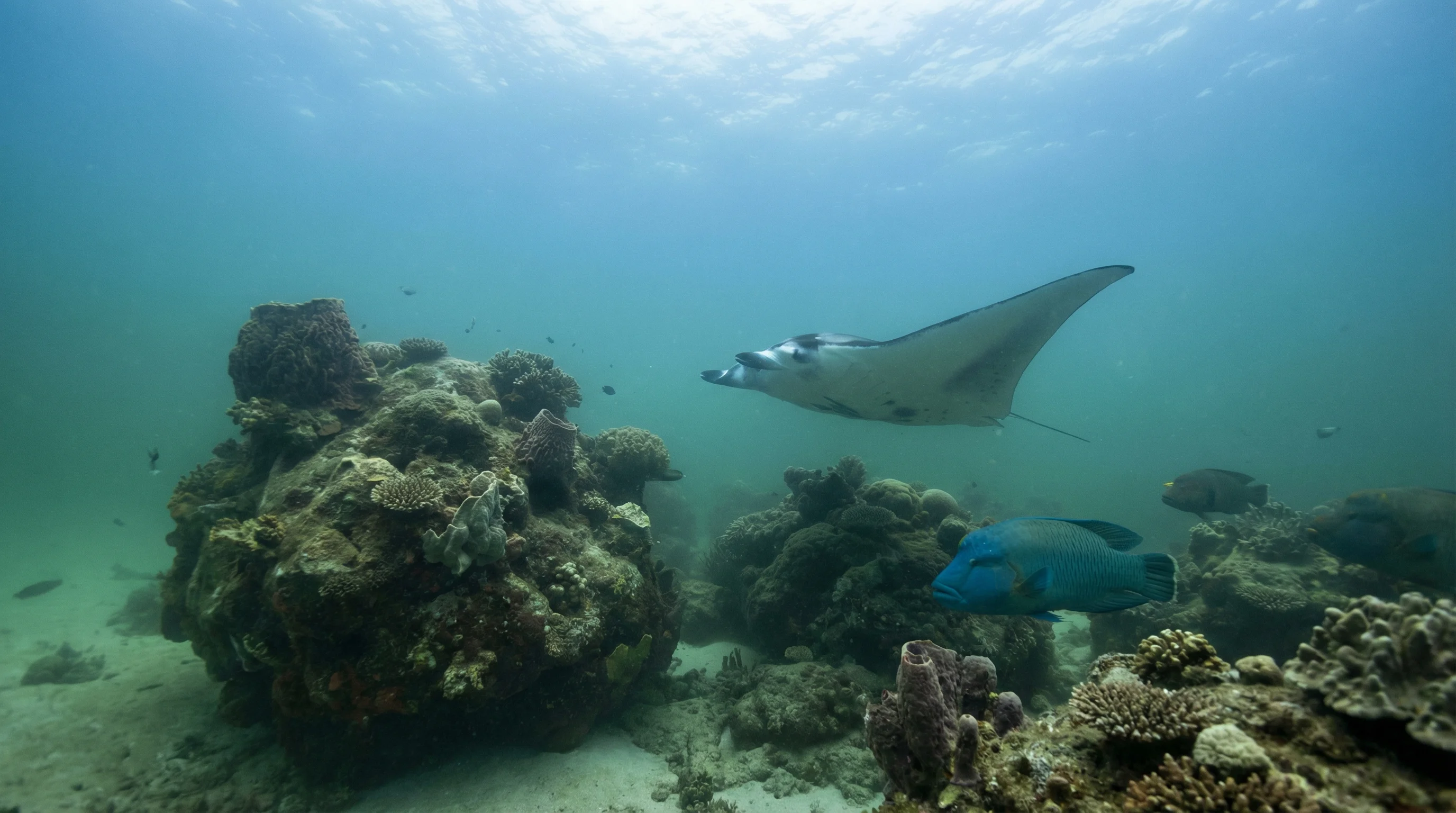
Dolphin Point is a reef dive site located off Hook Island, offering depths between 5 and 18 metres. The site is known for its open water conditions and moderate currents, which often attract pelagic activity. Divers should note that currents can strengthen, particularly near the point, and it is recommended to time dives with slack tides and calm weather. Visibility at the site varies between 3 and 15 metres. Access is by boat only. Due to the presence of Irukandji and Box Jellyfish between October and May, wearing a full-body stinger suit is highly recommended for safety.
-20.03800, 148.88400
Time your dive around the current rather than against it, as the pelagic species tend to stack up on the upcurrent side of the reef when flow is running. Check jellyfish conditions locally before entering, particularly earlier in the season.
The site is located at the northeastern tip of Hayman Island and requires boat access.
Recorded at this site
Depth
5-18m
Visibility
3-15m
Skill Level
Intermediate
Entry
Boat
Boat required
Water Temp
22-29°C
Current
Moderate
Best Time
Aug, Sep, Oct, Nov, Dec
The site features depths ranging from 5 to 18 metres.
No, this site is rated for intermediate divers due to the potential for strong currents and variable visibility.
Dolphin Point is accessible by boat only.
The most consistent conditions are typically found from August through December.
Hazards include strong currents and the presence of Irukandji and Box Jellyfish during stinger season, which runs from October to May.
Diving at Dolphin Point in Whitsunday Region requires the following certifications: Open Water. Always dive within your training limits.
A 3mm wetsuit is recommended for diving at Dolphin Point in Whitsunday Region. Water temperatures range from 22°C to 29°C.
The best months to visit Dolphin Point in Whitsunday Region are August, September, October, November, and December. Conditions outside these months can still be good but are less predictable.
Expect moderate currents at Dolphin Point in Whitsunday Region. Good buoyancy control and some drift diving experience is helpful.
Visibility at Dolphin Point in Whitsunday Region typically ranges from 3 metres to 15 metres. Conditions vary with weather, tides, and seasons.