Ellochelon vaigiensis
Uncommon but reliable in the Society Islands and Visayas, this silver schooling mullet cruises shallow reef flats in warm 25-29C water year-round.
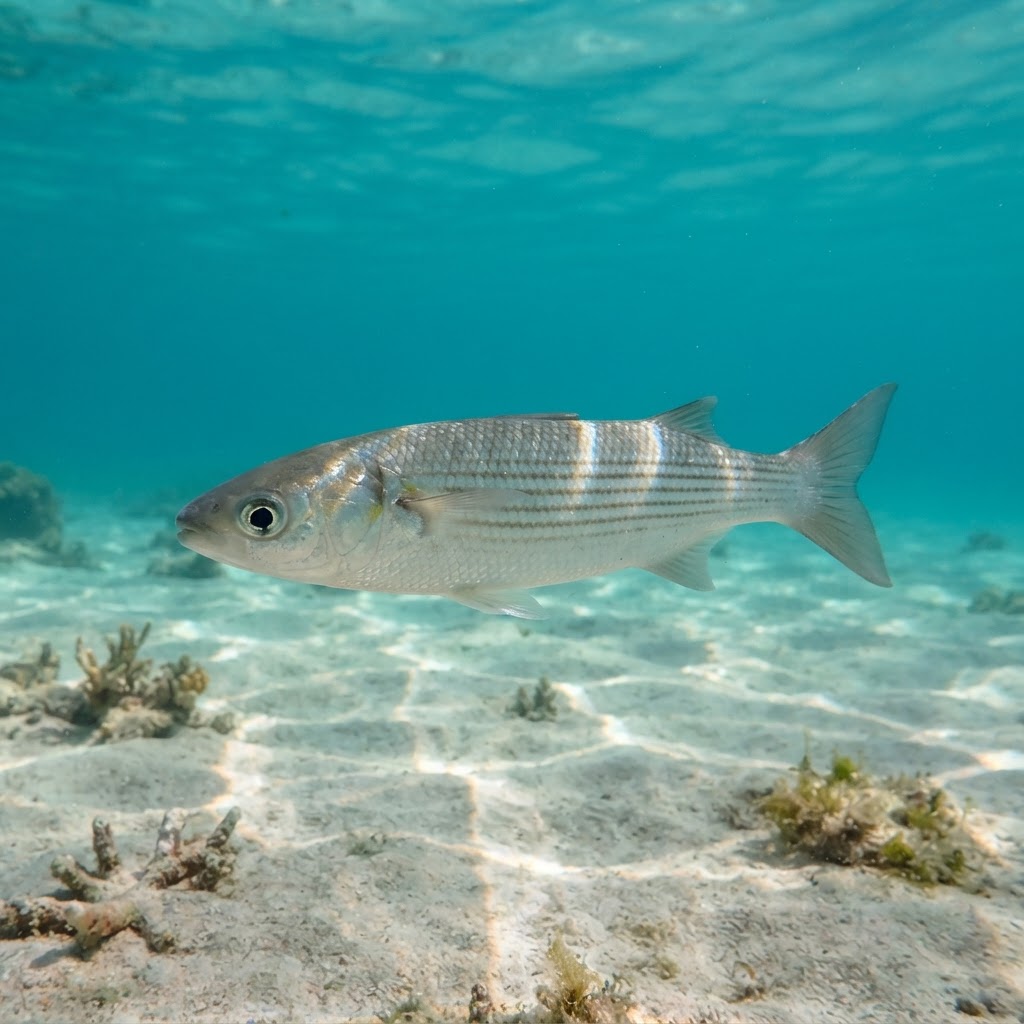
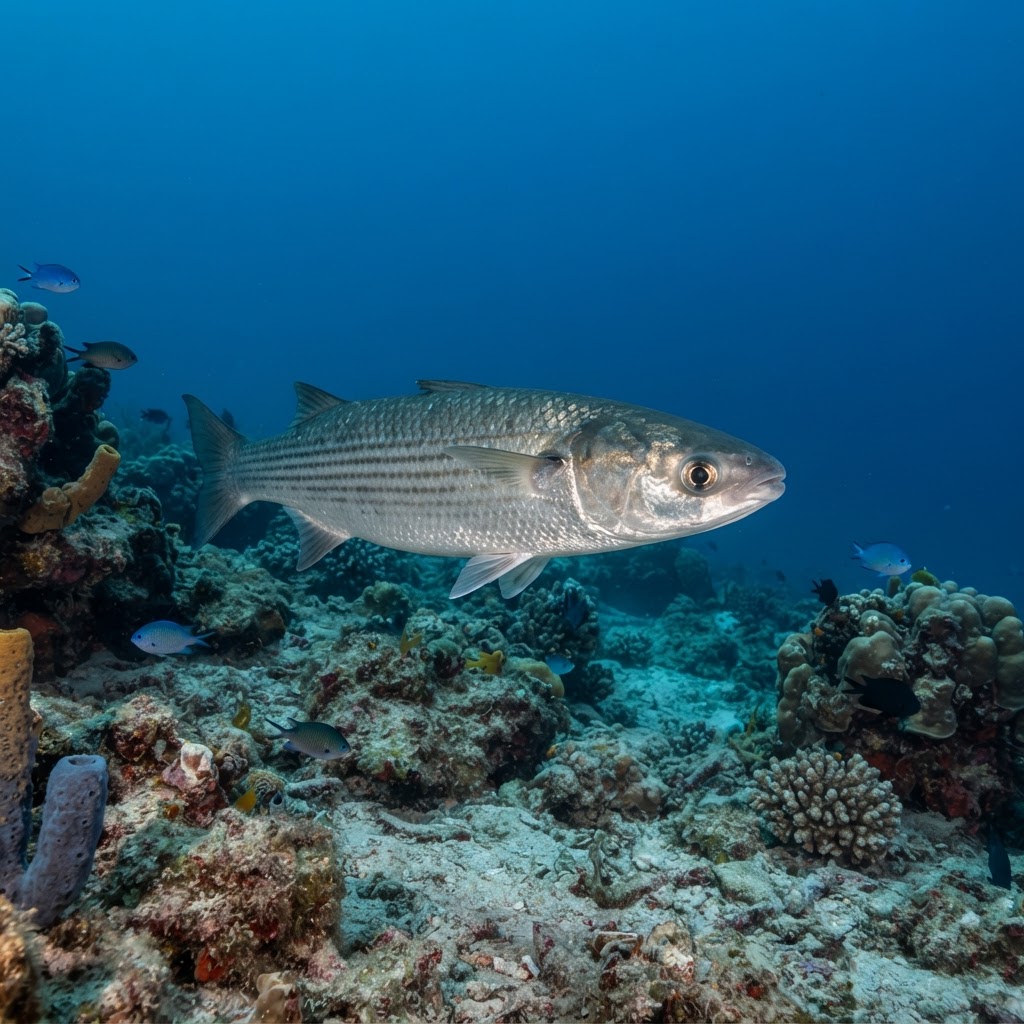
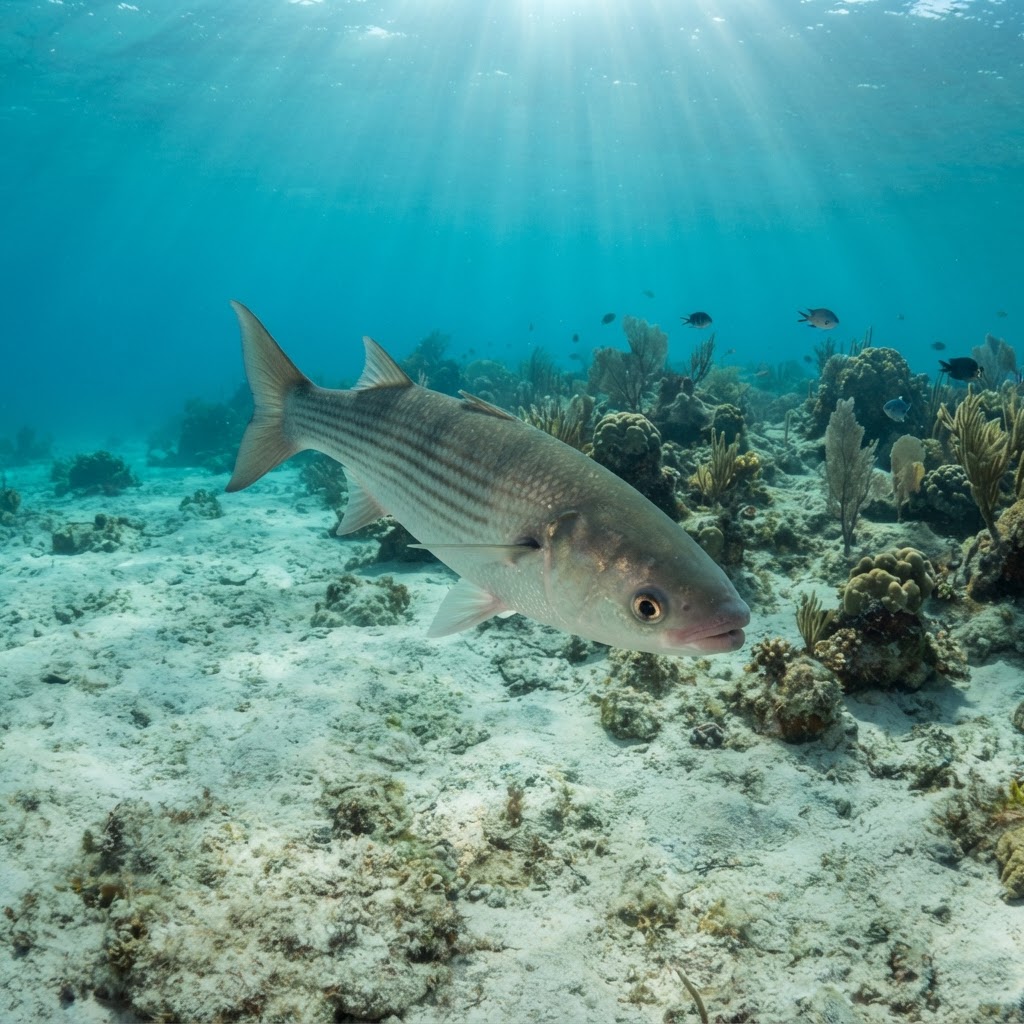
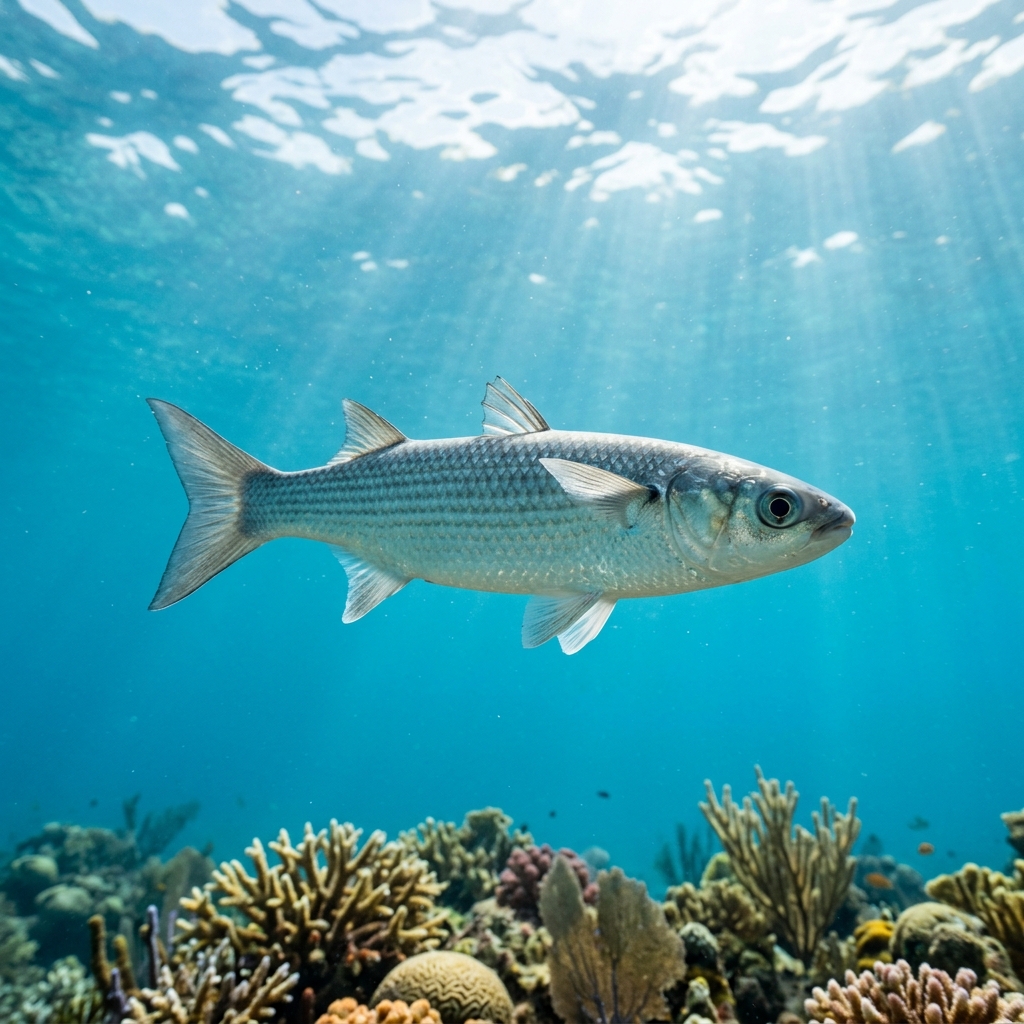
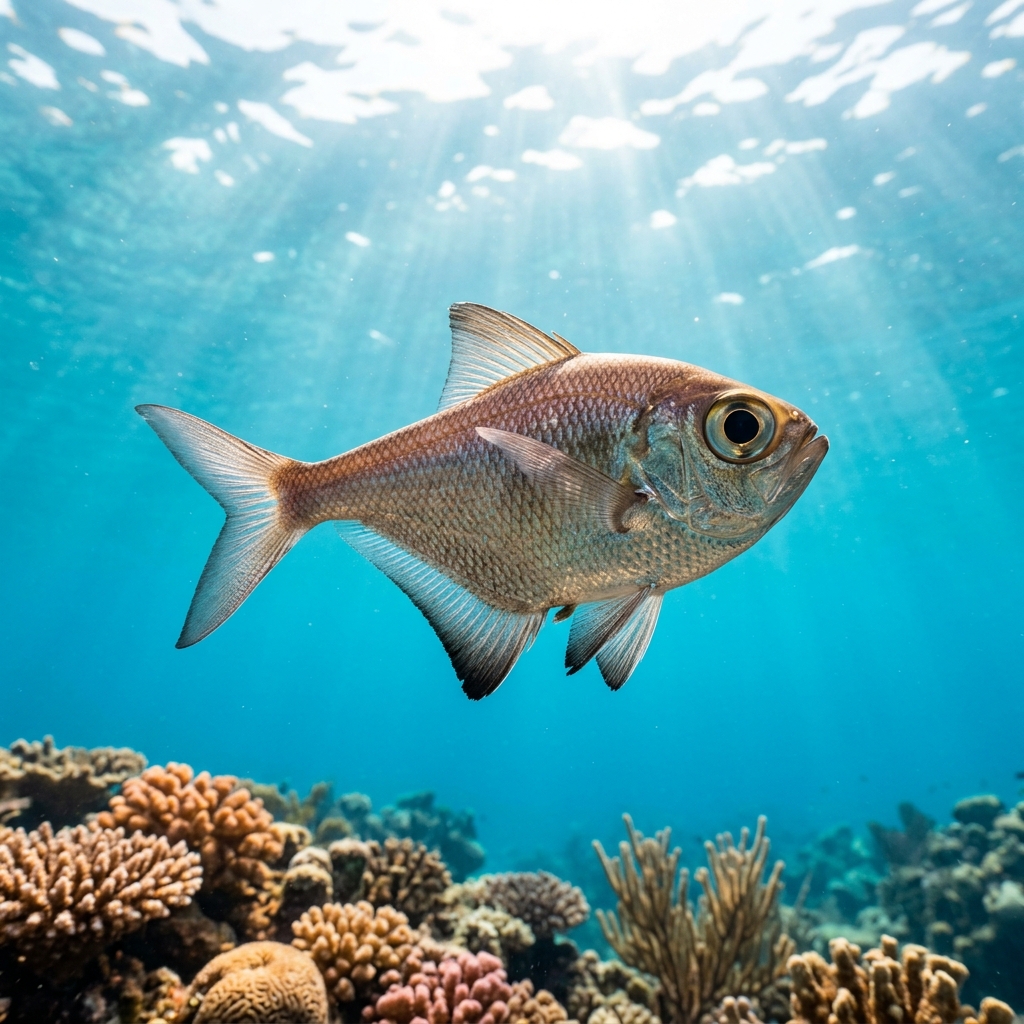
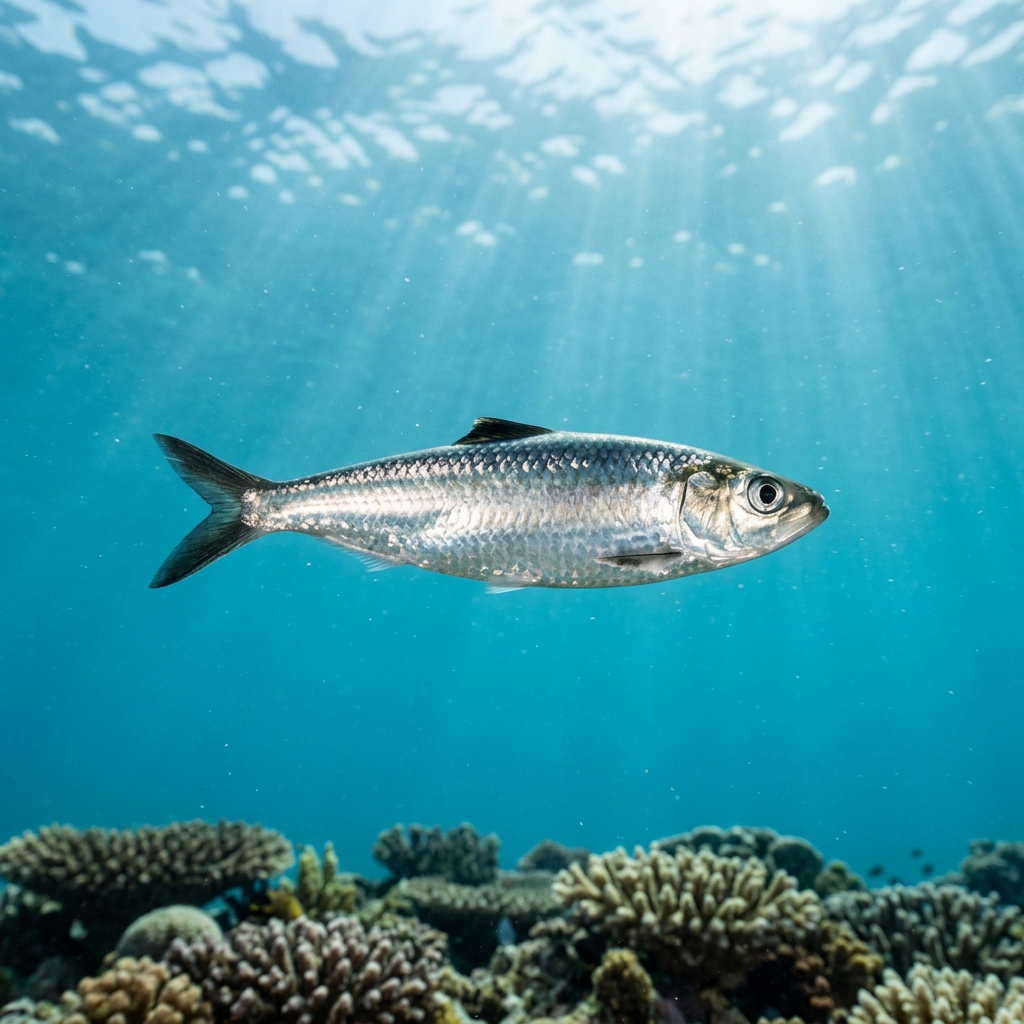
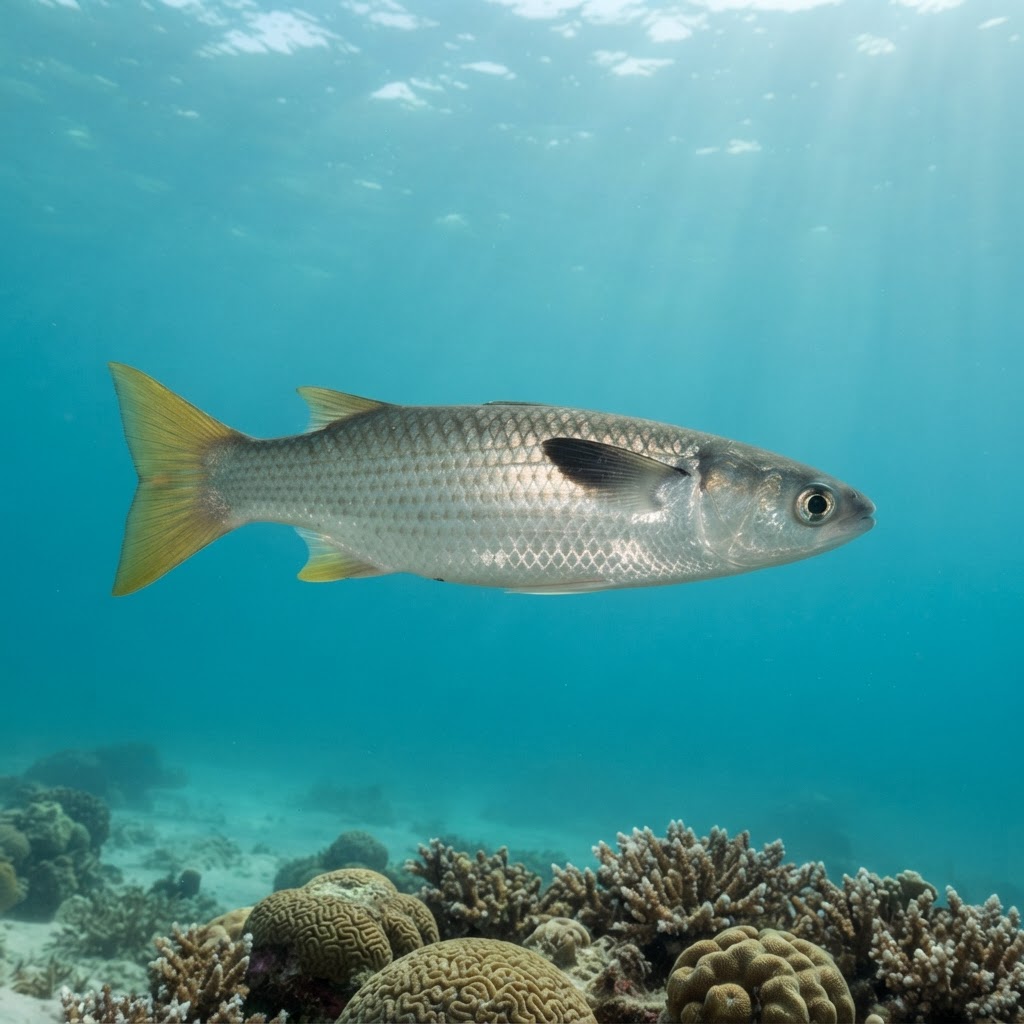
Looks like a stocky silver torpedo, up to around 44 cm, with large scales that catch the light in a faint diamond pattern along the flanks. Swims in loose schools over shallow sand and reef flats, often close enough to the surface that you spot it before descending. Blunt head and a small, low-set mouth built for grazing rather than hunting give it away next to slimmer, more streamlined mullets.
Divers most often find it milling in loose, unhurried schools over sand patches and shallow reef flats, grazing on algae rather than chasing anything. It tends to sit right at the shallow end of the depth range, sometimes barely below the surface, and generally ignores divers unless approached too directly. Most sightings come from calm, sheltered lagoon-style sites rather than open drop-offs.
As a herbivore that spends its time grazing algae off sand and rubble in shallow water, it fills a reef-cleaning role usually associated with surgeonfish rather than mullets.
No clear seasonal pattern shows up in the sightings, and with a comfortable range of 25.3 to 29.3C it stays on shallow tropical reef flats year-round. Plan around calm, shallow conditions rather than a particular month.
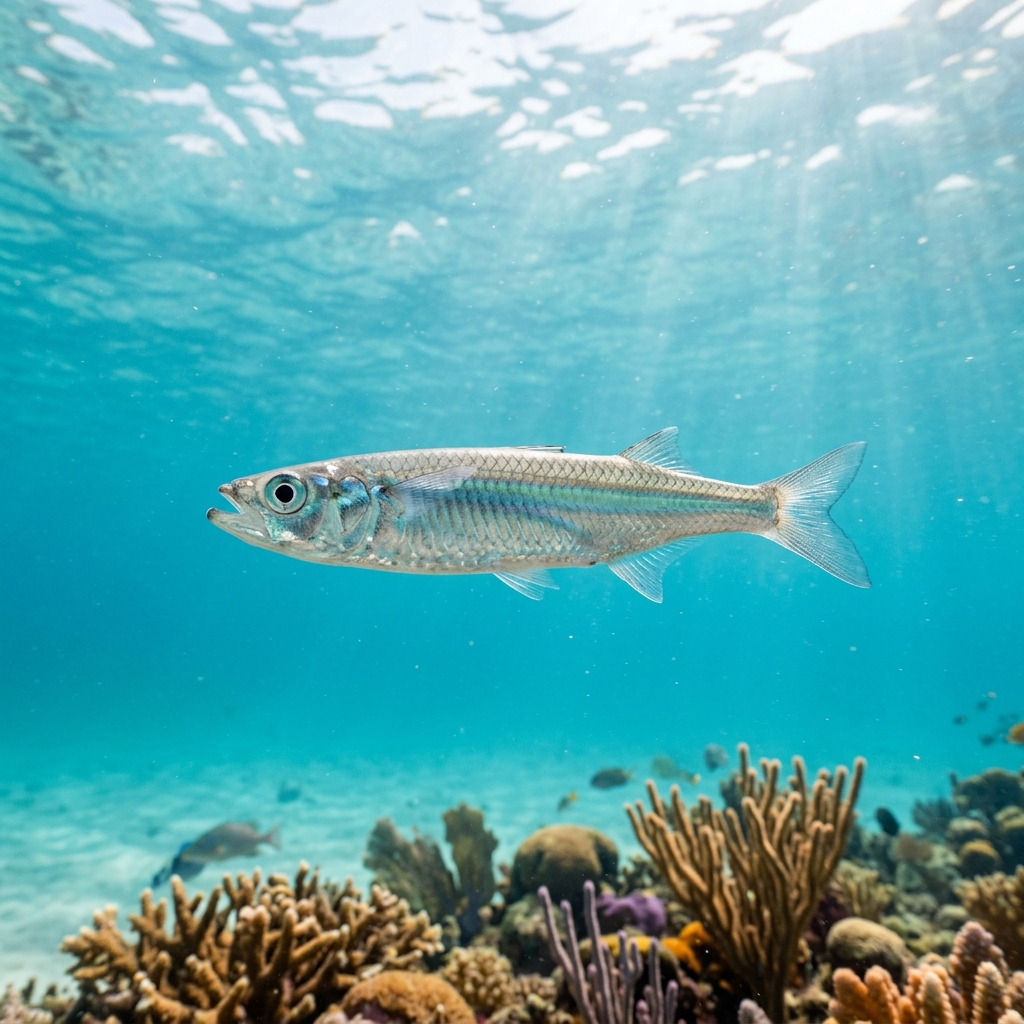
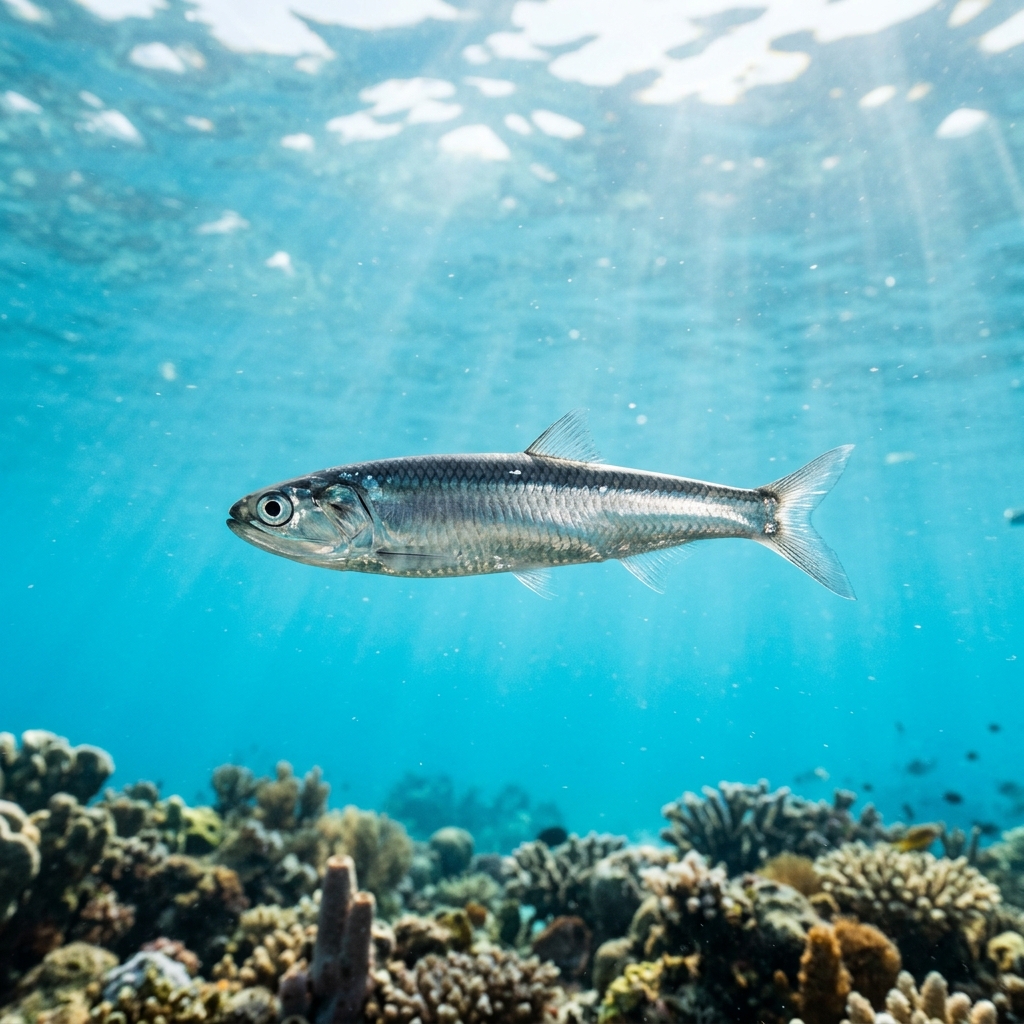
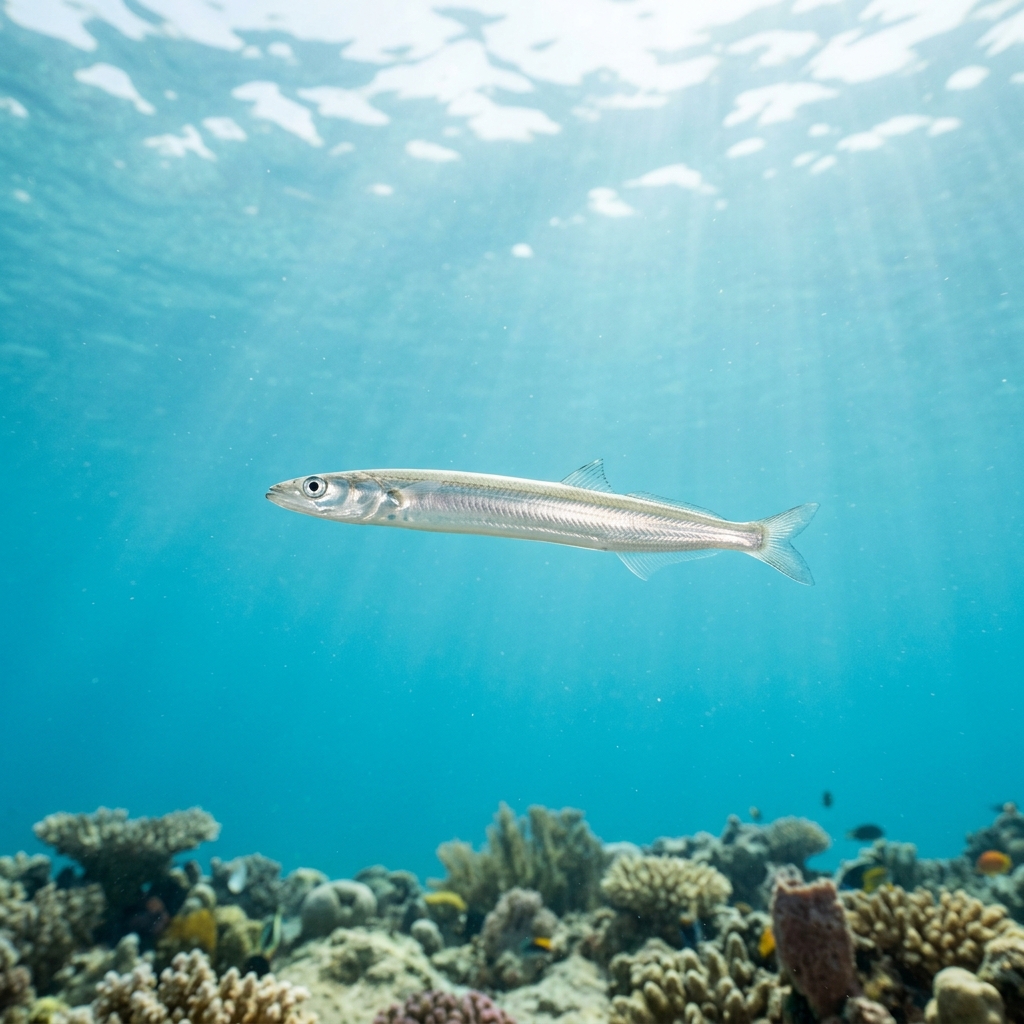
Reef neighbours a diver could mistake it for. Use the identification notes above to tell them apart.
Most reliably logged in French Polynesia, especially around the Society Islands and the Tuamotu Islands, with a strong secondary population through the Visayas in the Philippines. Also turns up on shallow reef flats in Australia's Northern Territory and Queensland, and in smaller numbers in Fiji's Mamanuca Islands, Indonesia's Nusa Tenggara and Raja Ampat, and Guam.
Mapping where Diamondscale Mullet is logged…
The strongest sightings come from French Polynesia, particularly the Society Islands and Tuamotu Islands, and from the Visayas region of the Philippines. It also shows up on shallow reef flats in Australia's Northern Territory and Queensland, plus Fiji, Indonesia and Guam.
There is no strong seasonal signal in the sightings, so it is considered a year-round sighting. It favours warm water between roughly 25 and 29C, which fits tropical reef flats at almost any time of year.
Look for a stocky silver fish around 44 cm long with a blunt head, a small low mouth, and large scales that give a faint diamond sheen along the sides. It usually appears in loose schools over shallow sand or reef flats rather than alone.
They typically reach around 44 cm in length, making them a mid-sized member of the mullet family that is easy to spot in a school against open sand.
No. They are harmless herbivores that graze algae and generally keep their distance from divers, posing no risk at all.
Unlike most reef grazers, this mullet does its algae-grazing while schooling loosely in very shallow water, sometimes almost at the surface, effectively doing a surgeonfish's job in mullet form.
Site and sighting data is aggregated from diver logs, iNaturalist and GBIF. For taxonomy and conservation status:
Anchovy
2,433 sites