Pomacanthus xanthometopon
Spot the bluefaced angelfish in the Maldives, Sipadan, and Palau. Yellow body, vivid blue face mask, here's when and where divers see it most.
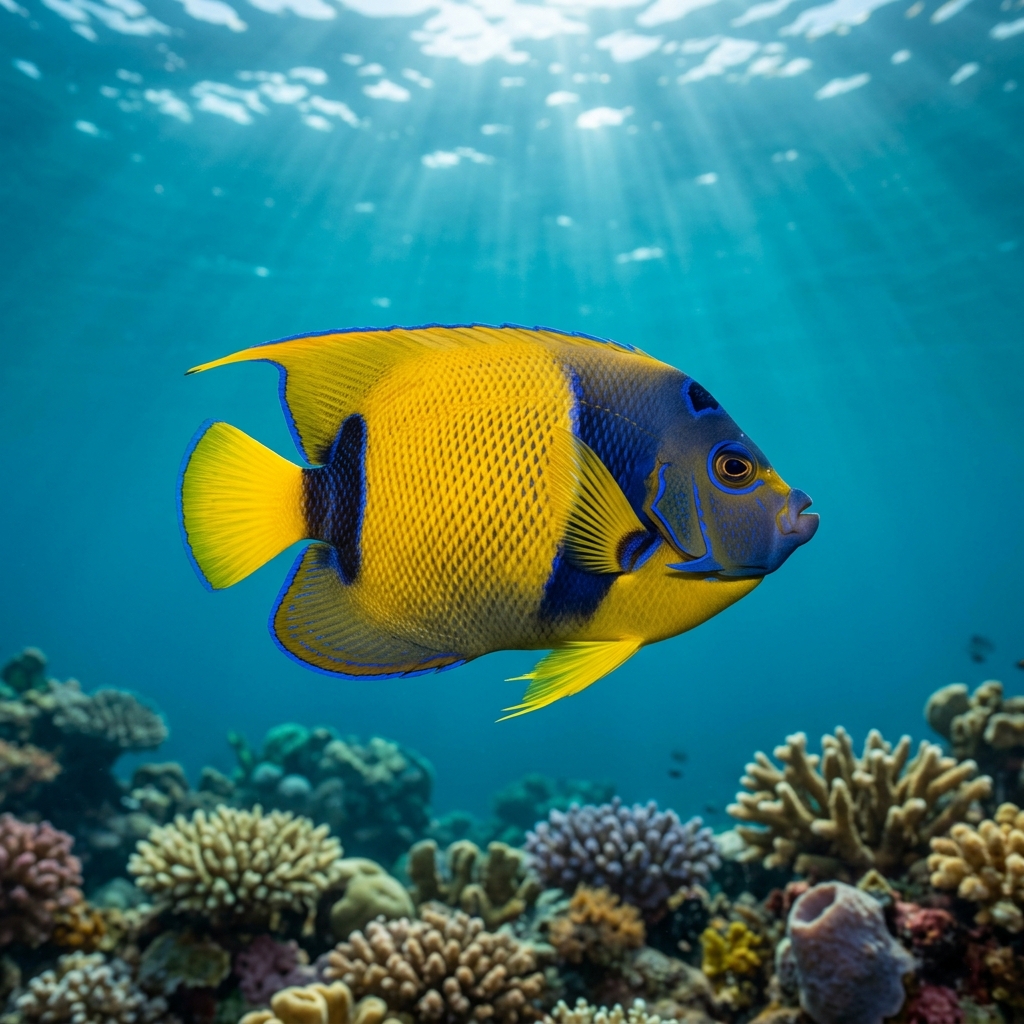
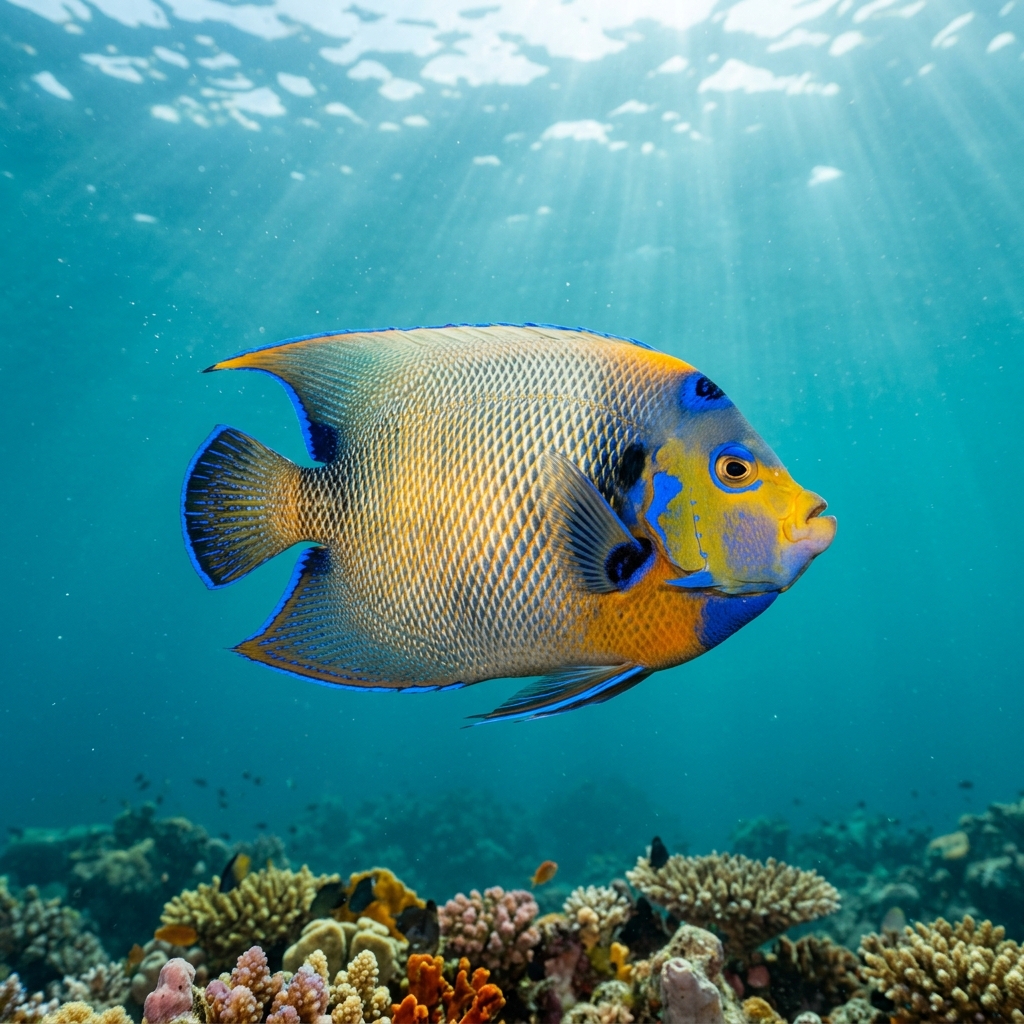
A large angelfish with a body covered in yellow and pale blue-edged scales, and a strikingly vivid blue face mask (the bright blue colouring that gives it its name) edged in yellow around the eye. The tail is bright yellow, providing a useful confirmation mark as the fish turns away. Juveniles look completely different, dark blue with white and light blue curved lines, which can catch divers off guard. Adults are medium-to-large bodied with the deep, compressed shape typical of the angelfish family.
Usually encountered alone or in loosely paired adults picking through coral and rocky reef structure, feeding on sponges and tunicates. It tends to be wary of divers and will slip into a coral head or around a bommie if approached too directly, slow, diagonal approaches give you the best chance of a close look. Most sightings are on the reef itself rather than in open water, typically from mid-reef down.
Like other large angelfish, bluefaced angelfish are protogynous hermaphrodites (females that can change sex to male), usually living in small harems where the dominant male controls a group of females.
Observed water temperatures run warm at 27 to 29 °C, so this is a tropical-reef species present throughout the year in its core range. Southern Hemisphere sightings (primarily Queensland) concentrate between October and January, so that window is worth targeting if diving Australia.
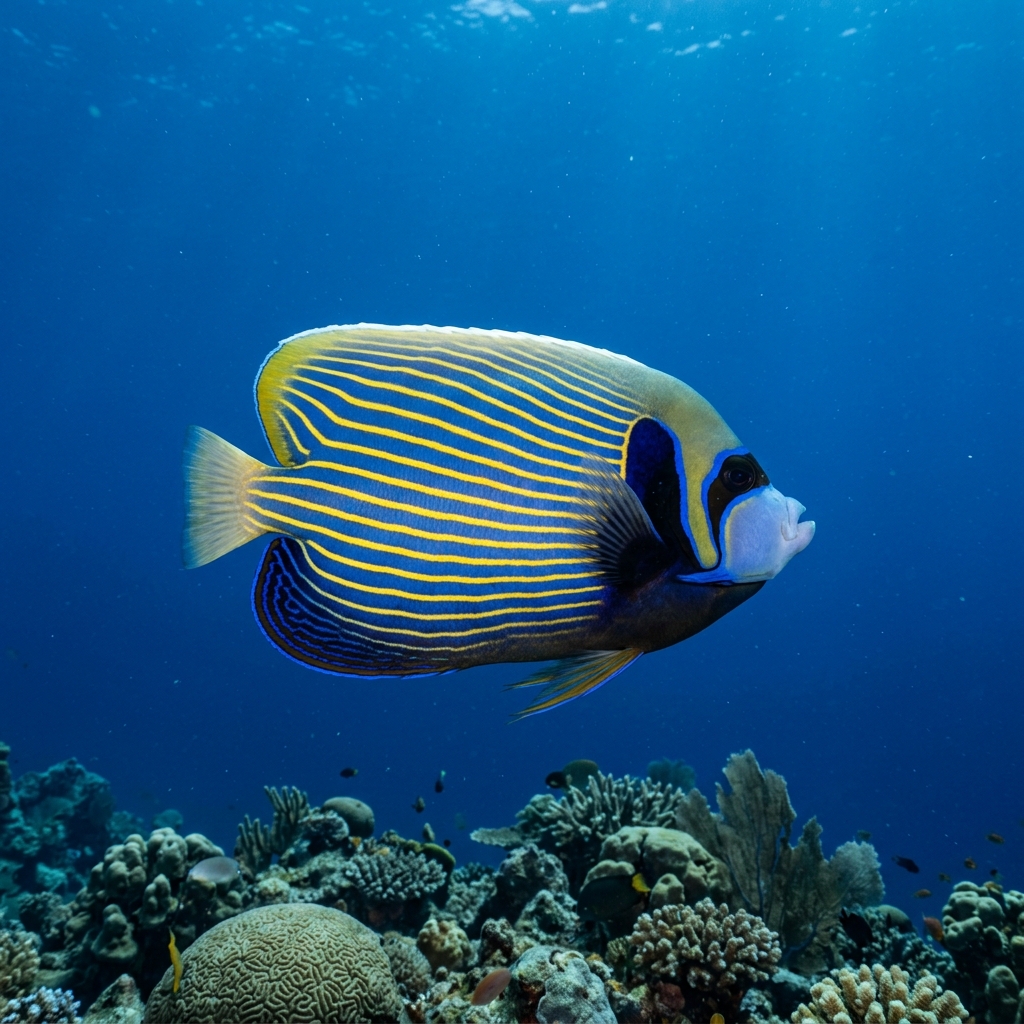
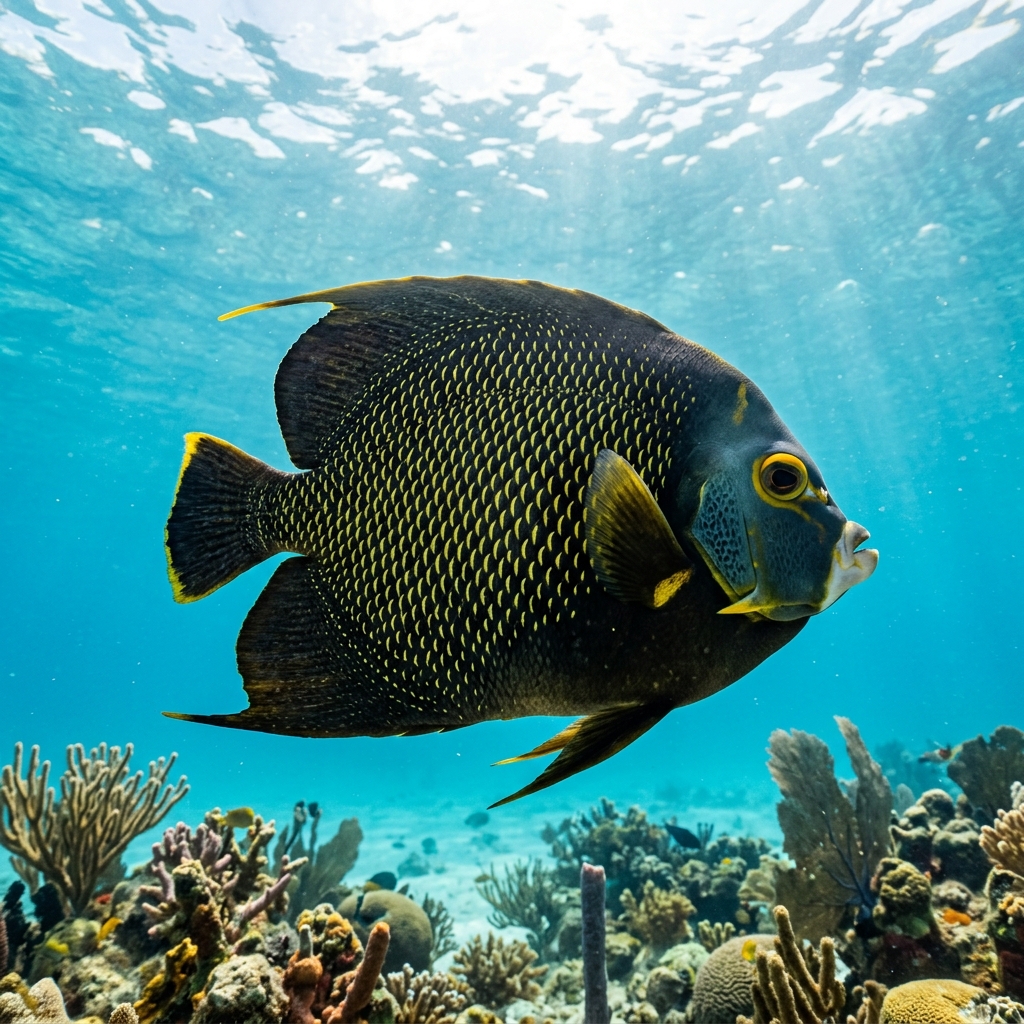
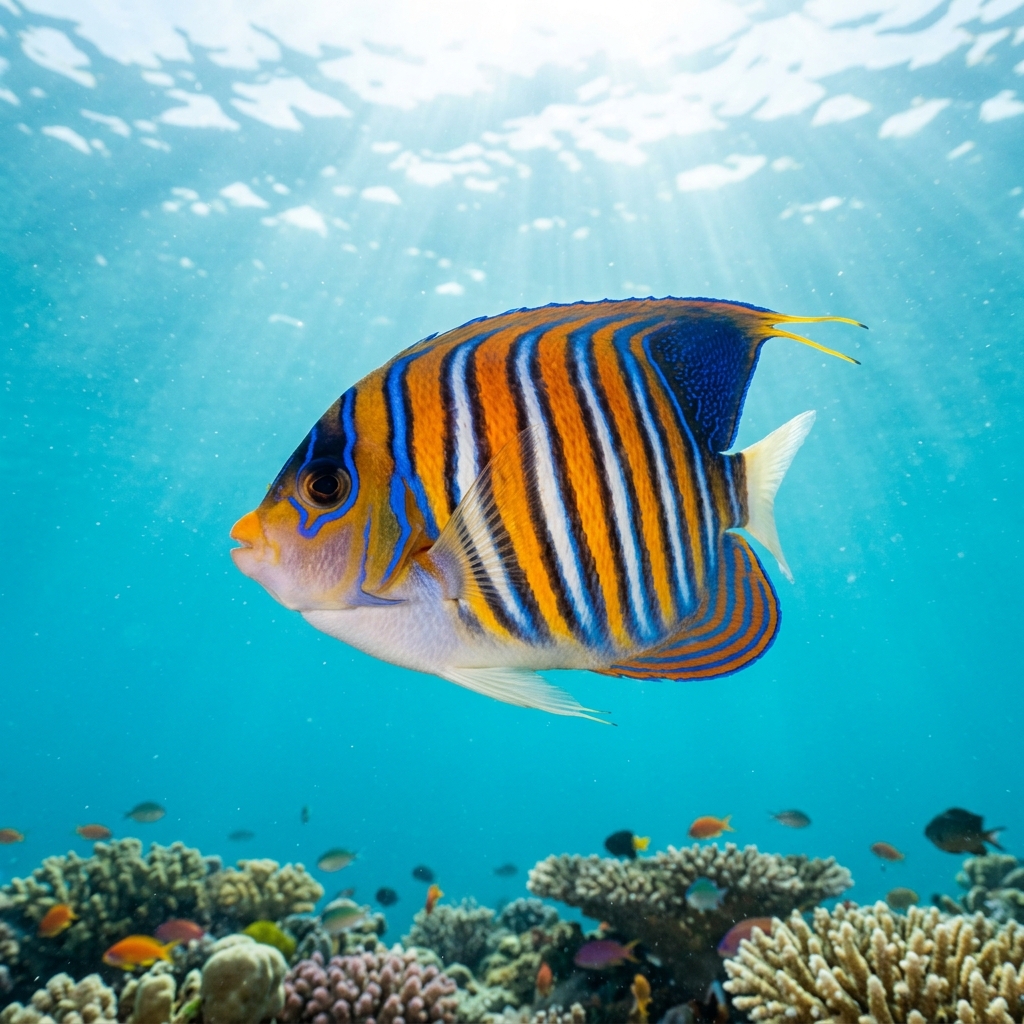
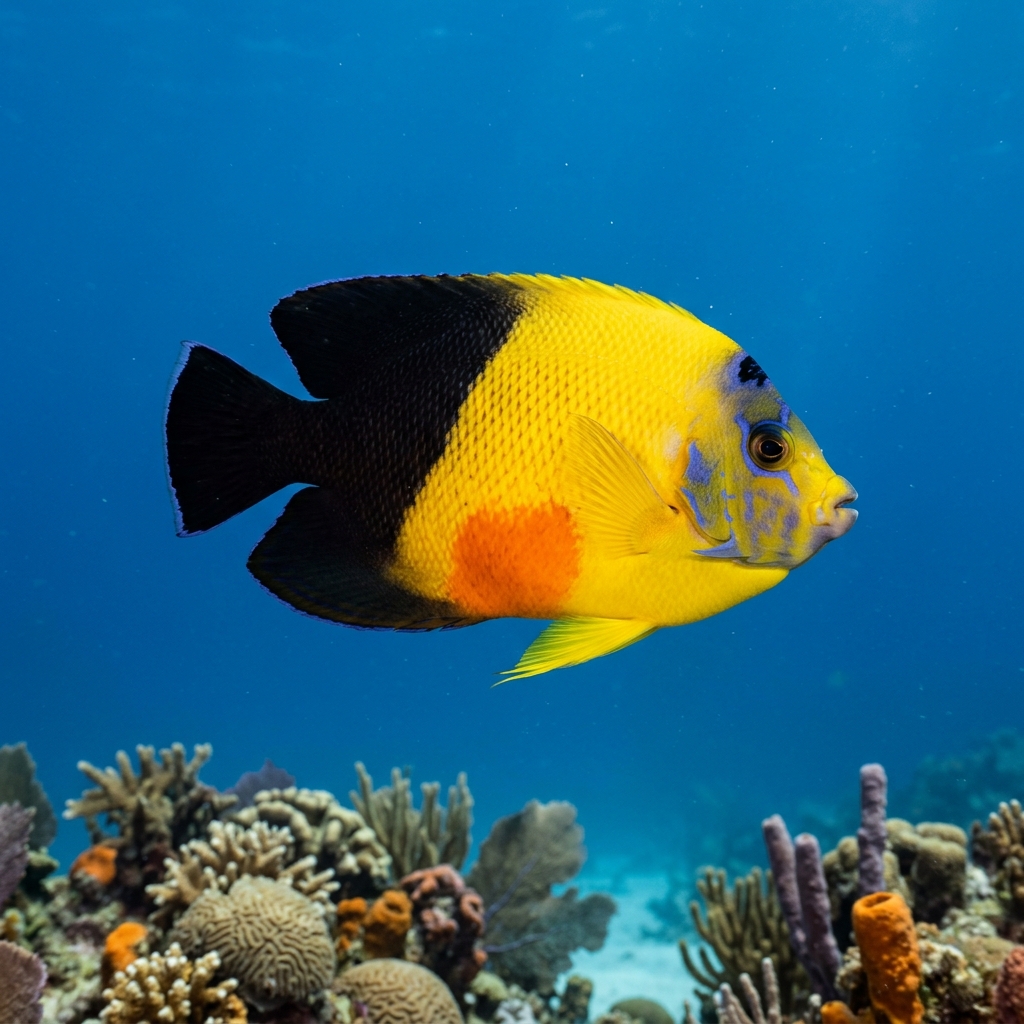
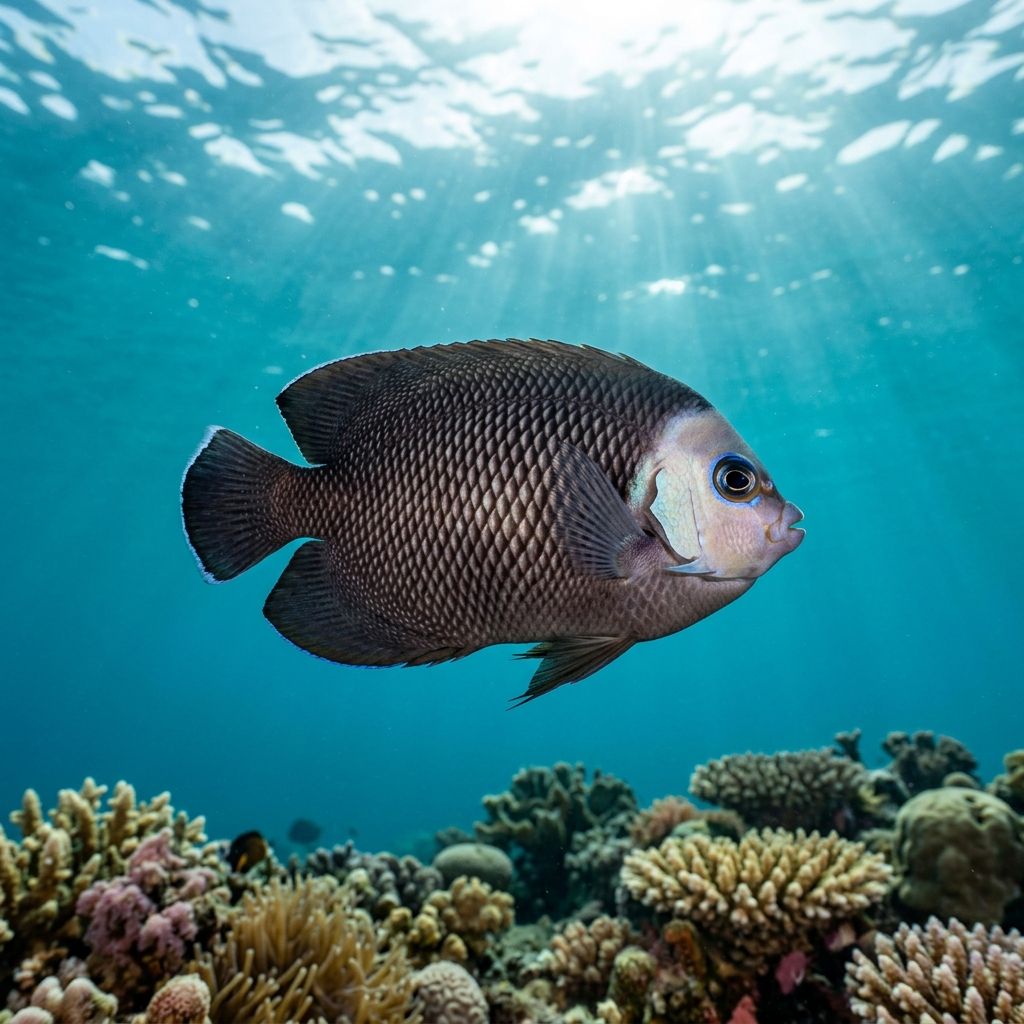
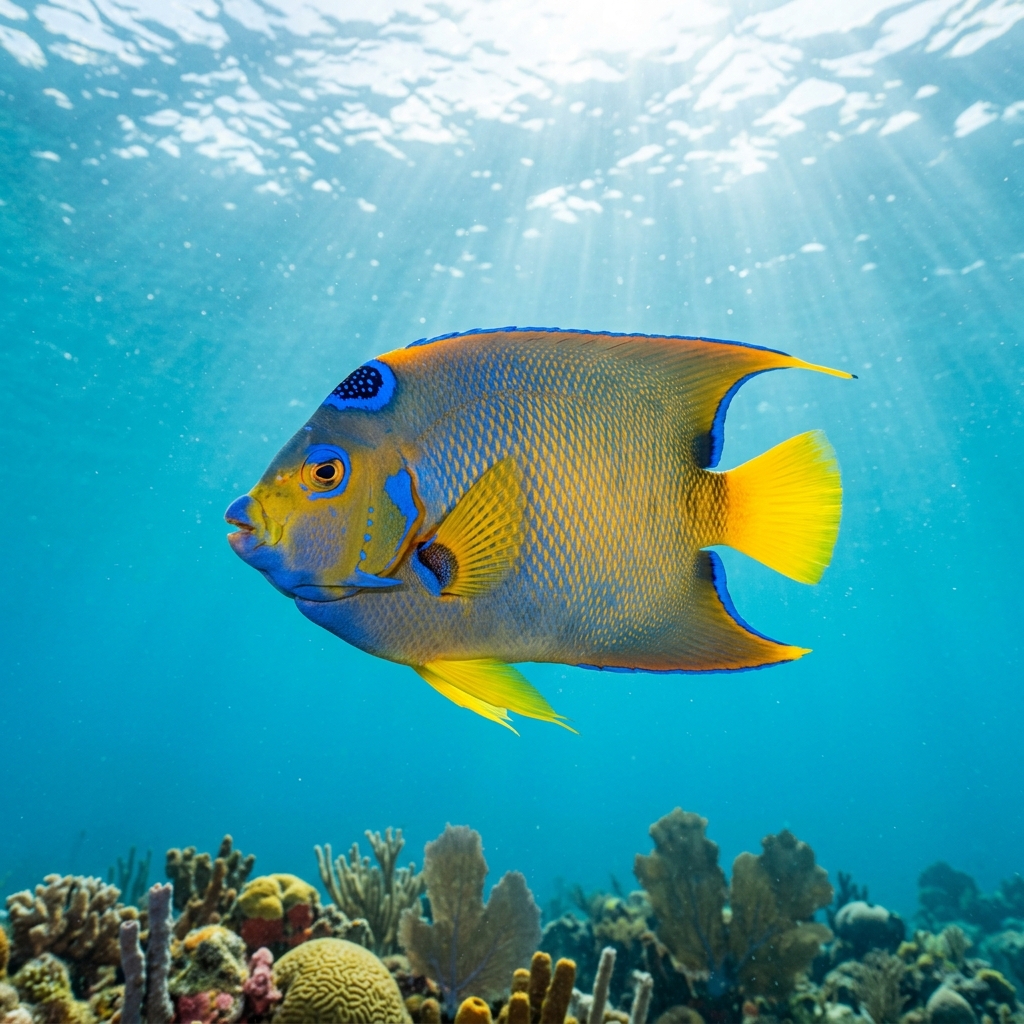
Reef neighbours a diver could mistake it for. Use the identification notes above to tell them apart.
Most sightings come from the Maldives, particularly the Male and Ari Atolls, which dominate the record by a wide margin. Strong populations are also logged across Maluku and Papua in eastern Indonesia, Sipadan and East Sabah in Malaysia, Queensland in Australia, Palawan and Apo Reef in the Philippines, and northern Thailand's Andaman sites. Palau's Ngemelis Islands round out the reliable regions.
Mapping where Bluefaced Angelfish is logged…
The Maldives, especially the Male and Ari Atolls, is by far the most reliable place to find them. Other strong locations include Sipadan and East Sabah in Malaysia, the Maluku and Papua regions of Indonesia, Queensland in Australia, Palawan in the Philippines, Palau's Ngemelis Islands, and northern Thailand's Andaman dive sites.
In the Maldives, Indonesia, and the Philippines the species is present year-round in warm tropical water around 27 to 29 °C. If you're diving Queensland, Australia, sightings are most concentrated from October through January.
Key on the vivid blue face mask edged in yellow around the eye, combined with a yellow tail and a body covered in yellow and pale blue-edged scales. If the fish swims away, the solid yellow tail is still a reliable marker. No other angelfish in its range shares this exact combination.
Adults typically reach around 38 cm in length, making them one of the larger angelfish species on the reef. Underwater they have the deep, disc-like body shape shared by all large pomacanthids, which makes them look substantial even from a distance.
Across the sites where divers report them, they are most often classed as uncommon, you can't count on seeing one on every dive. They are rarely recorded as common anywhere, so a sighting is worth noting. Slow, patient reef dives with minimal bubbles give the best chance of a close encounter.
Site and sighting data is aggregated from diver logs, iNaturalist and GBIF. For taxonomy and conservation status:
Rock Beauty
1,573 sites