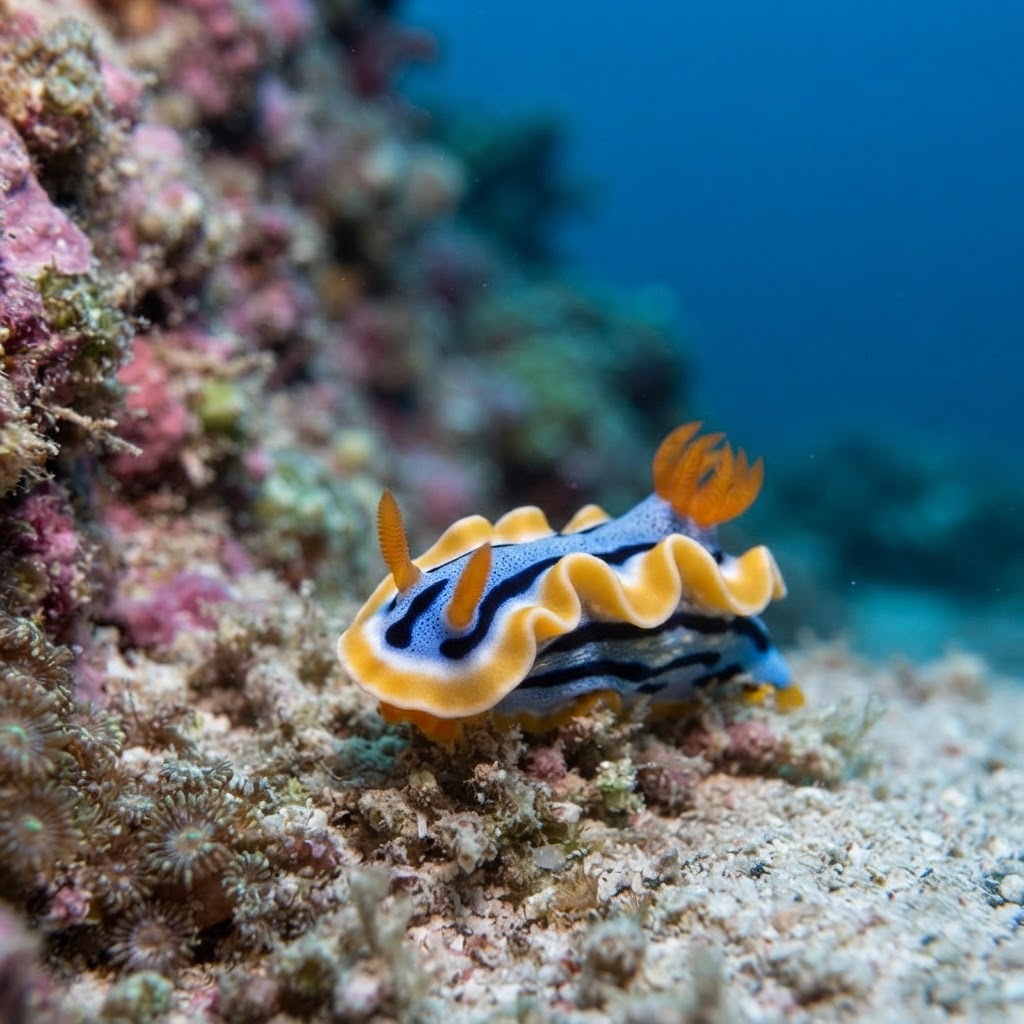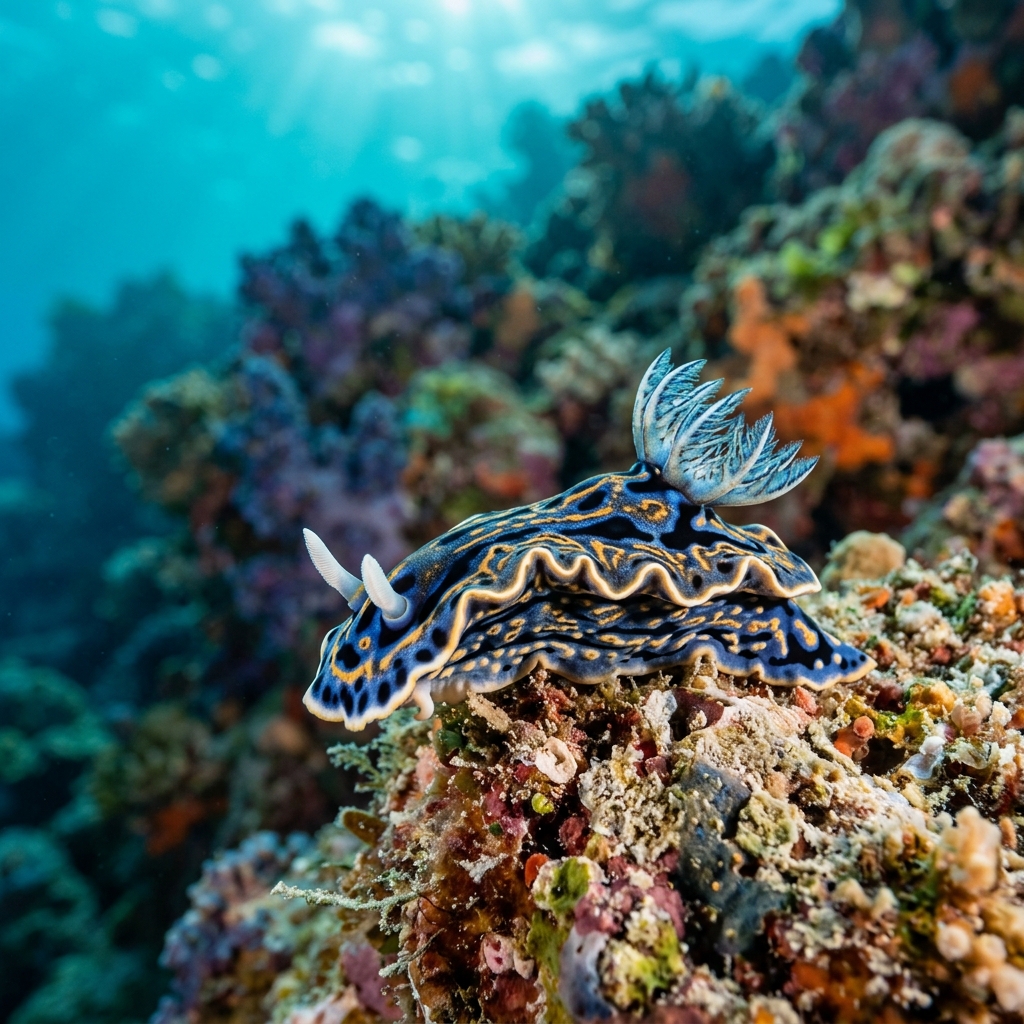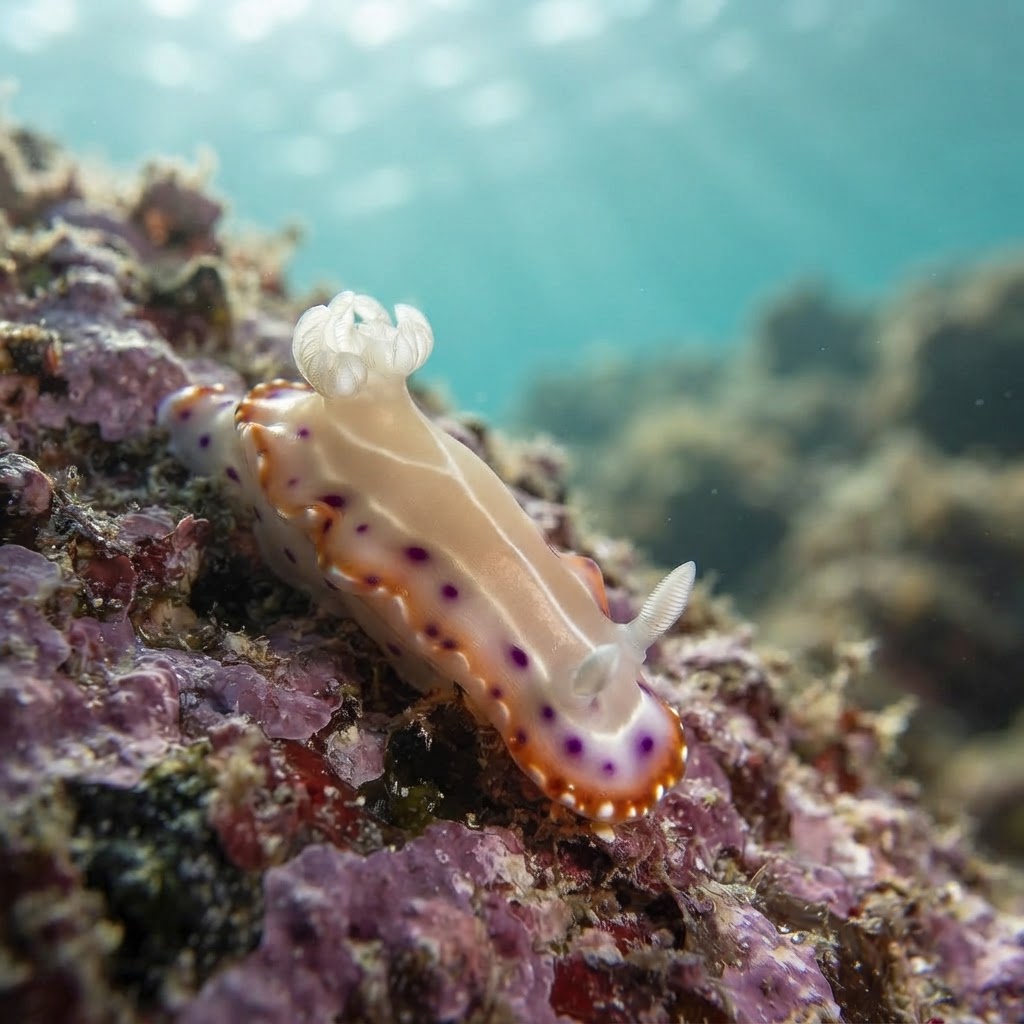
Goniobranchus setoensis
Uncommon nudibranch logged on 32 sites in Queensland and the UAE's East Coast, in water from 19 to 30C year-round.
This is a small benthic (bottom-dwelling) nudibranch, so you will be looking down into rubble and reef structure rather than out into open water to find it. Look for the oval, gently ruffled mantle typical of Chromodorididae, with colour patterning concentrated along the mantle margin rather than as bold central spots. It moves slowly across the substrate, so once you spot the shape and outline it will not dart off before you get a proper look.
Divers find this nudibranch grazing slowly over rubble and reef substrate, doing the unhurried crawl typical of the group as it searches out sponges or other prey items to feed on. It shows no reaction to divers beyond continuing its slow forward crawl, so it is an easy subject for a close macro shot once located. Most sightings come from patient reef and rubble searches rather than open swimming encounters.
Like other chromodorid nudibranchs, it likely feeds selectively on particular sponge species and can incorporate their chemical defences into its own tissue, which is part of why these animals show little concern when divers approach.
Sighting data shows no clear seasonal pattern, and the observed temperature range of 19.4 to 29.8C spans both cooler subtropical and warm tropical conditions, so this is a year-round find rather than a species tied to a particular month. Plan your dive around the region's usual conditions rather than a specific nudibranch season.
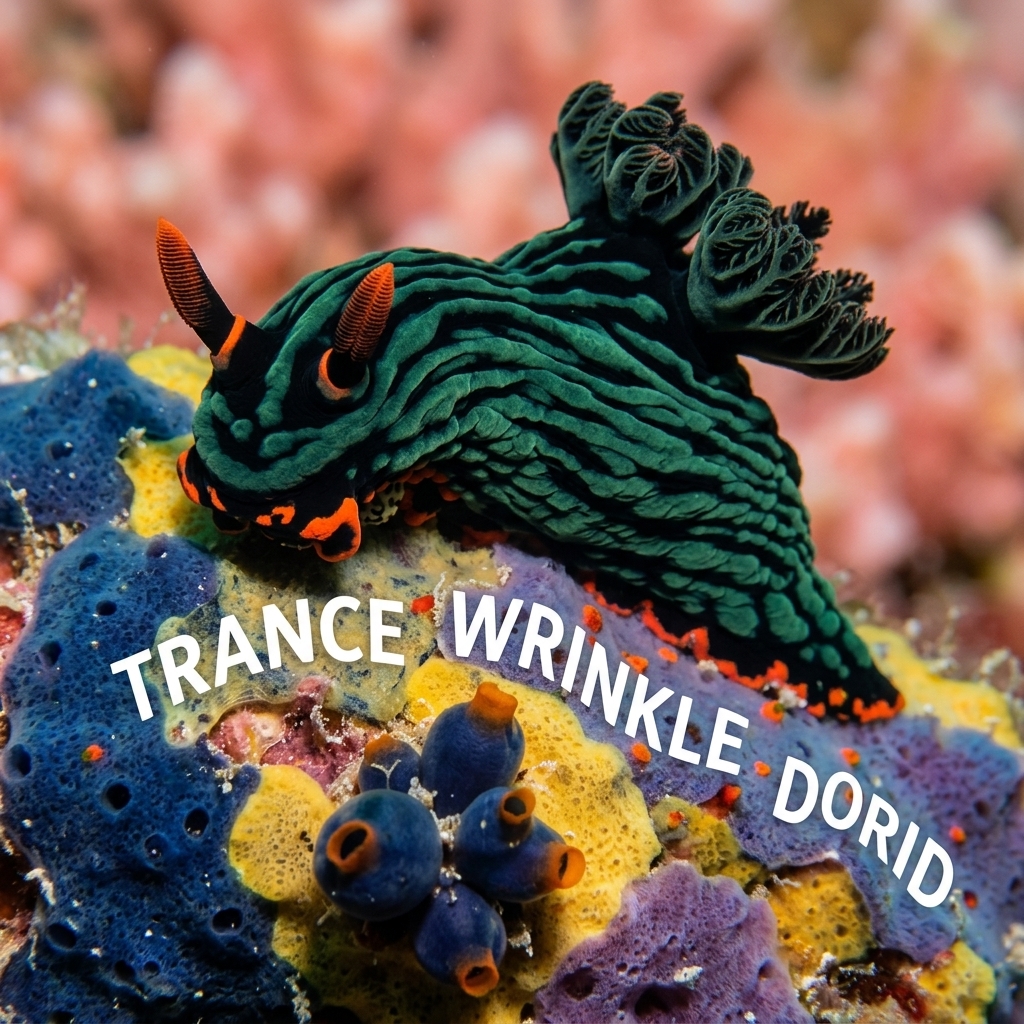
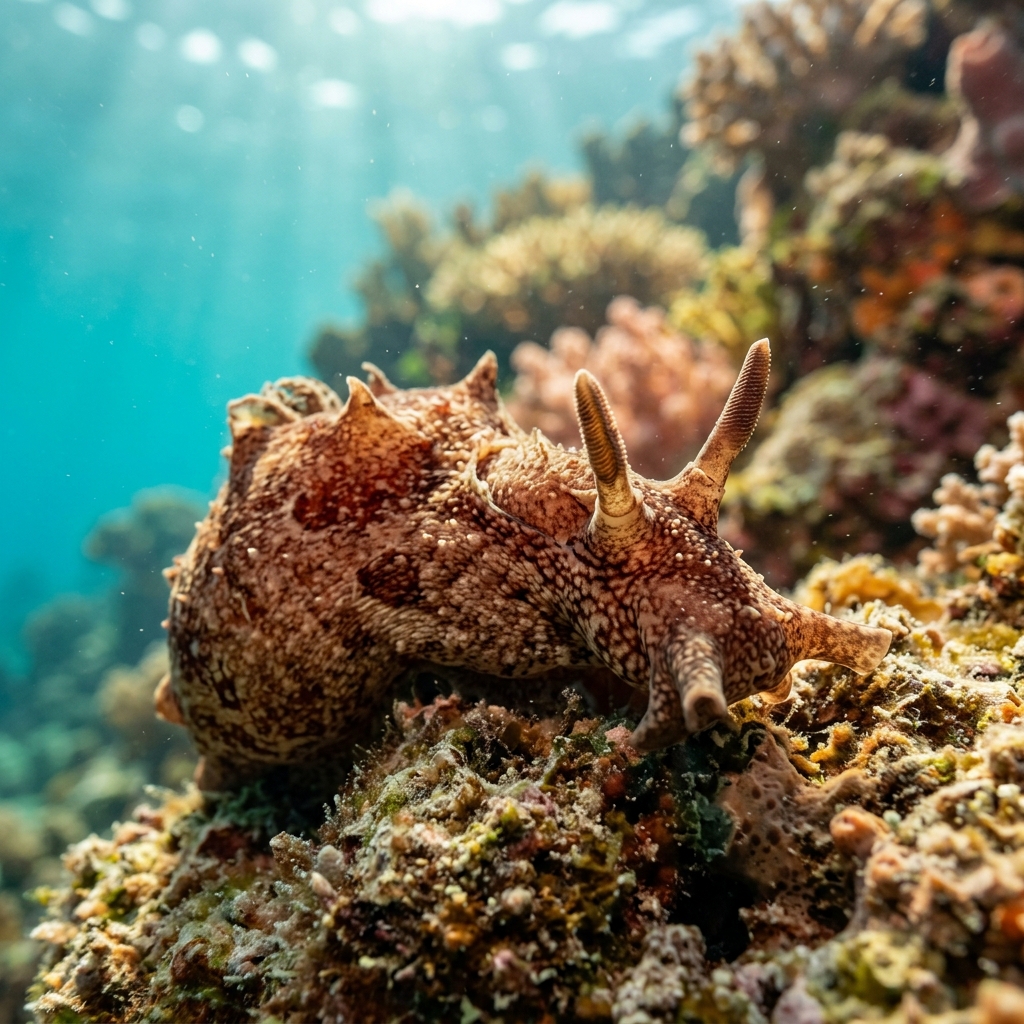
Reef neighbours a diver could mistake it for. Use the identification notes above to tell them apart.
Queensland, Australia is the strongest area for this species by a wide margin, with the East Coast of the United Arab Emirates and Muscat in Oman also producing repeat sightings. Sumatra in Indonesia adds a Southeast Asian population, with occasional logs from Luzon in the Philippines and Longdong in Taiwan rounding out the spread.
Mapping where Seto Goniobranchus is logged…
Queensland in Australia is the most reliable region, with the East Coast of the United Arab Emirates and Muscat in Oman also producing regular sightings. Sumatra in Indonesia offers a Southeast Asian option, with occasional records from Luzon in the Philippines and Longdong in Taiwan.
There is no detected seasonal pattern for this species, and sightings span water temperatures from 19.4 to 29.8C, so it turns up year-round rather than during a specific window.
Look for a small oval-bodied nudibranch with a ruffled mantle edge and colour patterning concentrated along the margin, moving slowly across rubble or reef substrate. It is most often spotted during close, patient searches rather than from a distance.
No, it poses no danger to divers. It is a slow-moving benthic nudibranch that simply continues grazing when approached, making it a safe and easy macro photography subject.
Most dive sites report it as uncommon, with a smaller number logging it as rare and only two sites calling it common. It rewards divers who take time to search rubble and reef substrate closely rather than swim past.
Site and sighting data is aggregated from diver logs, iNaturalist and GBIF. For taxonomy and conservation status:
Light-spotted Aegires
3,168 sites