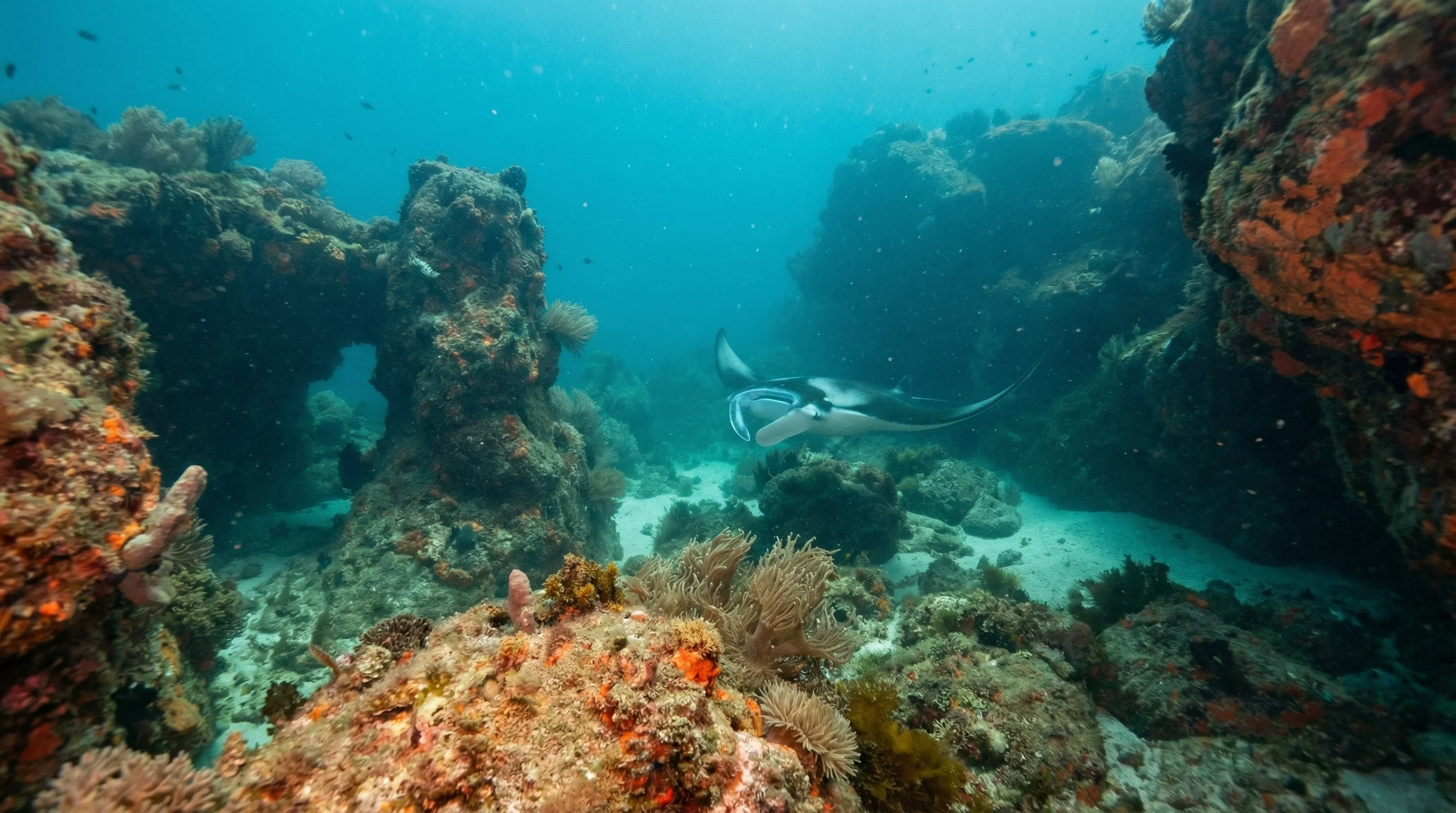
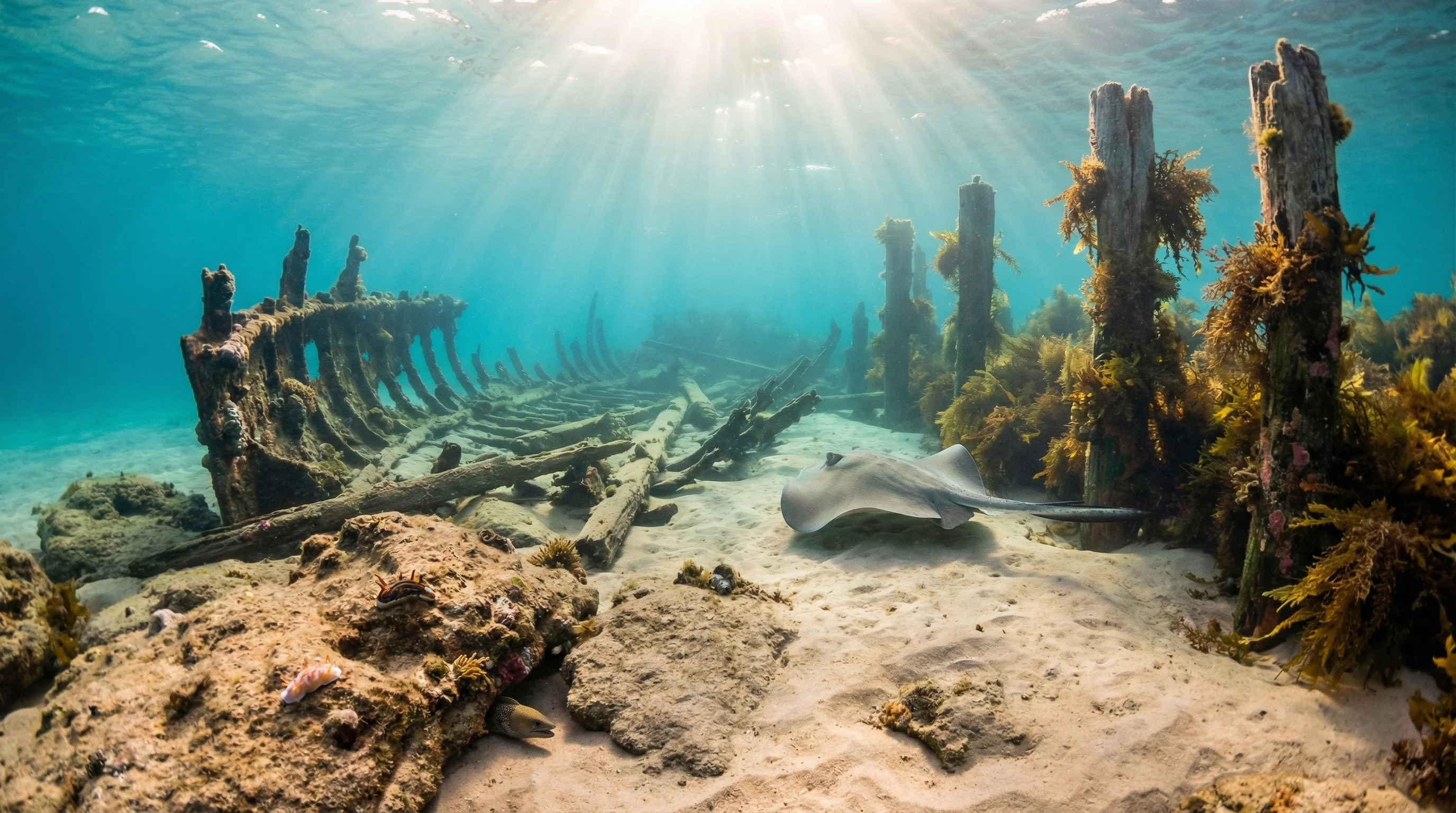
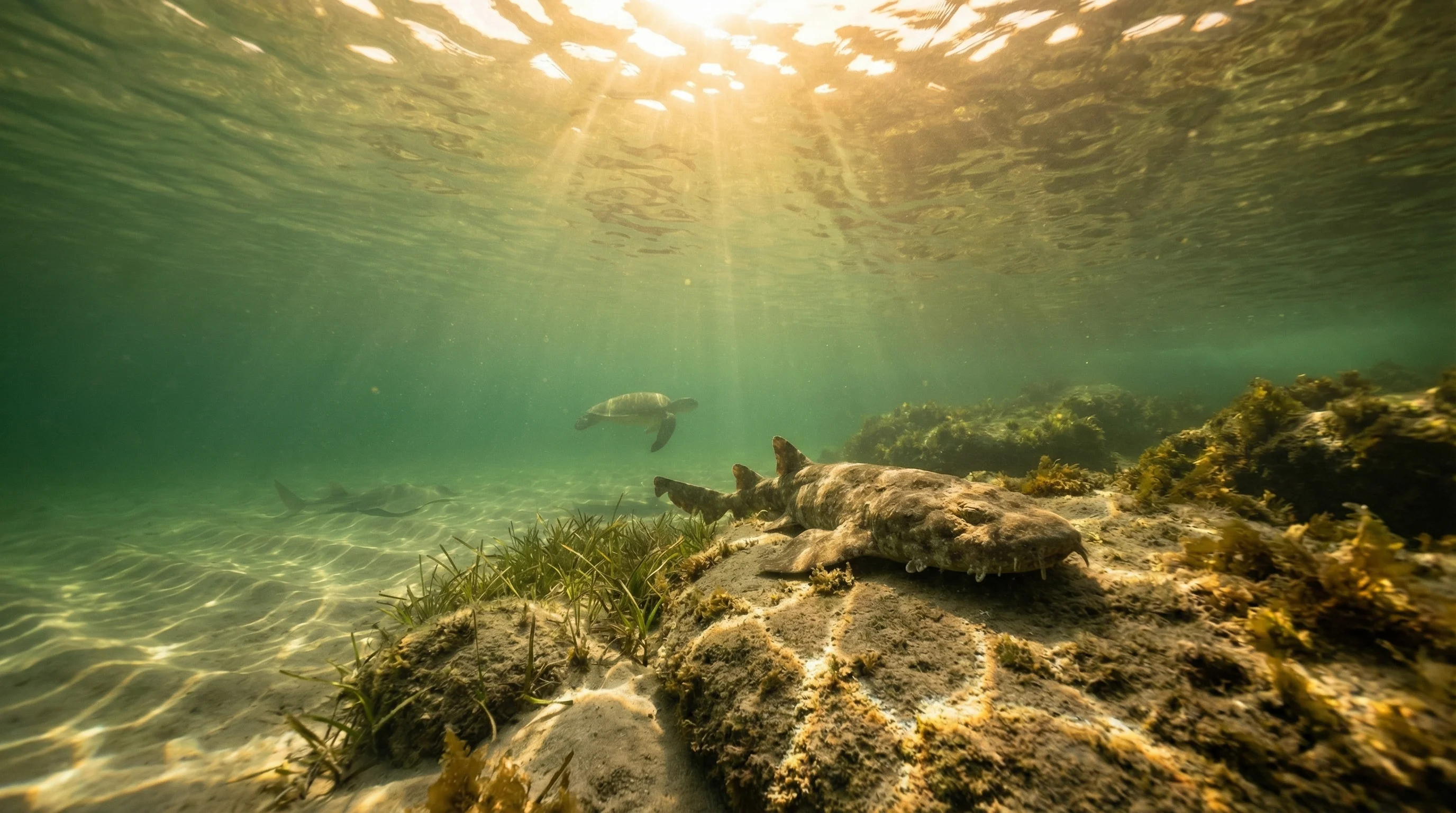
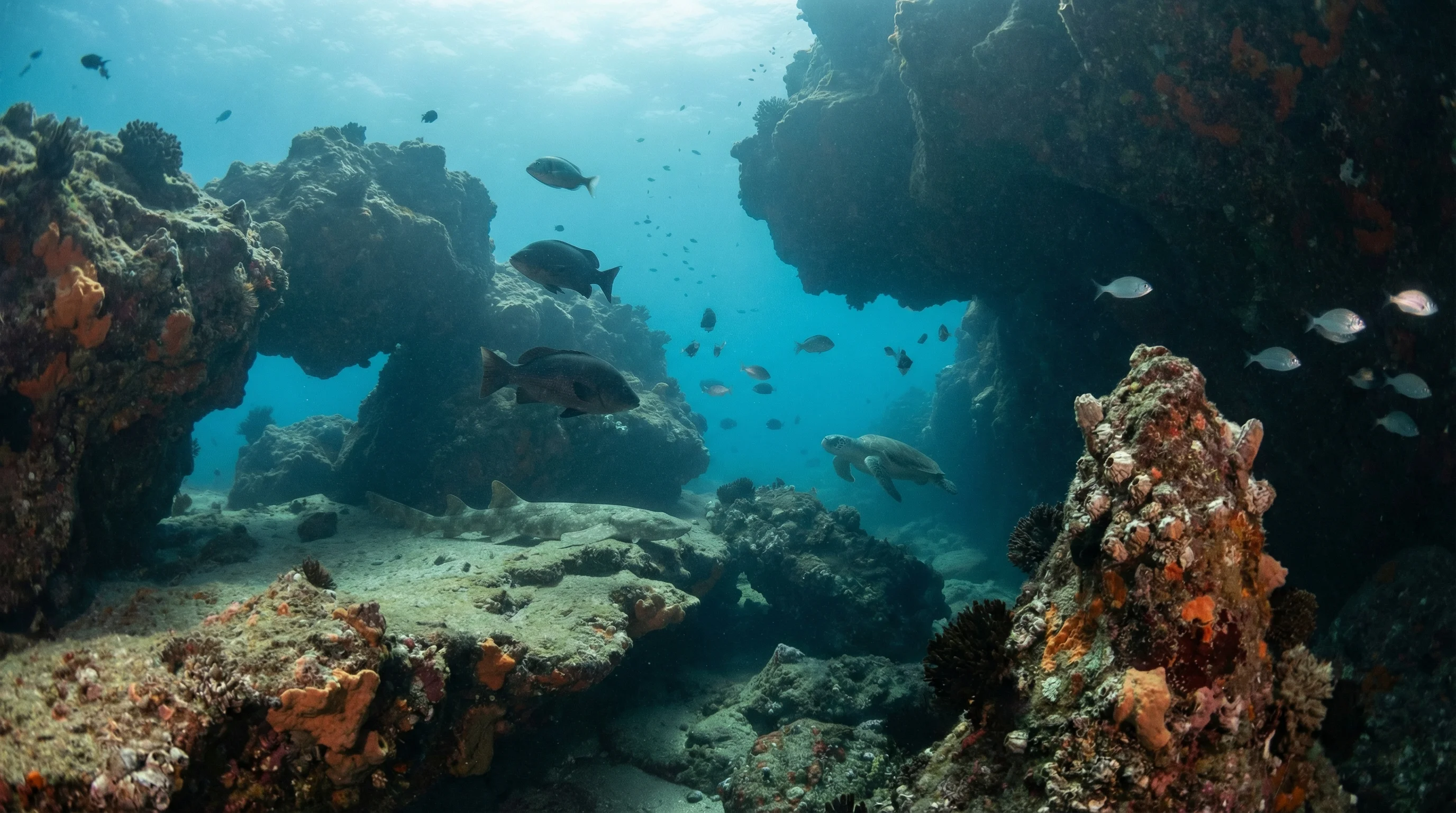
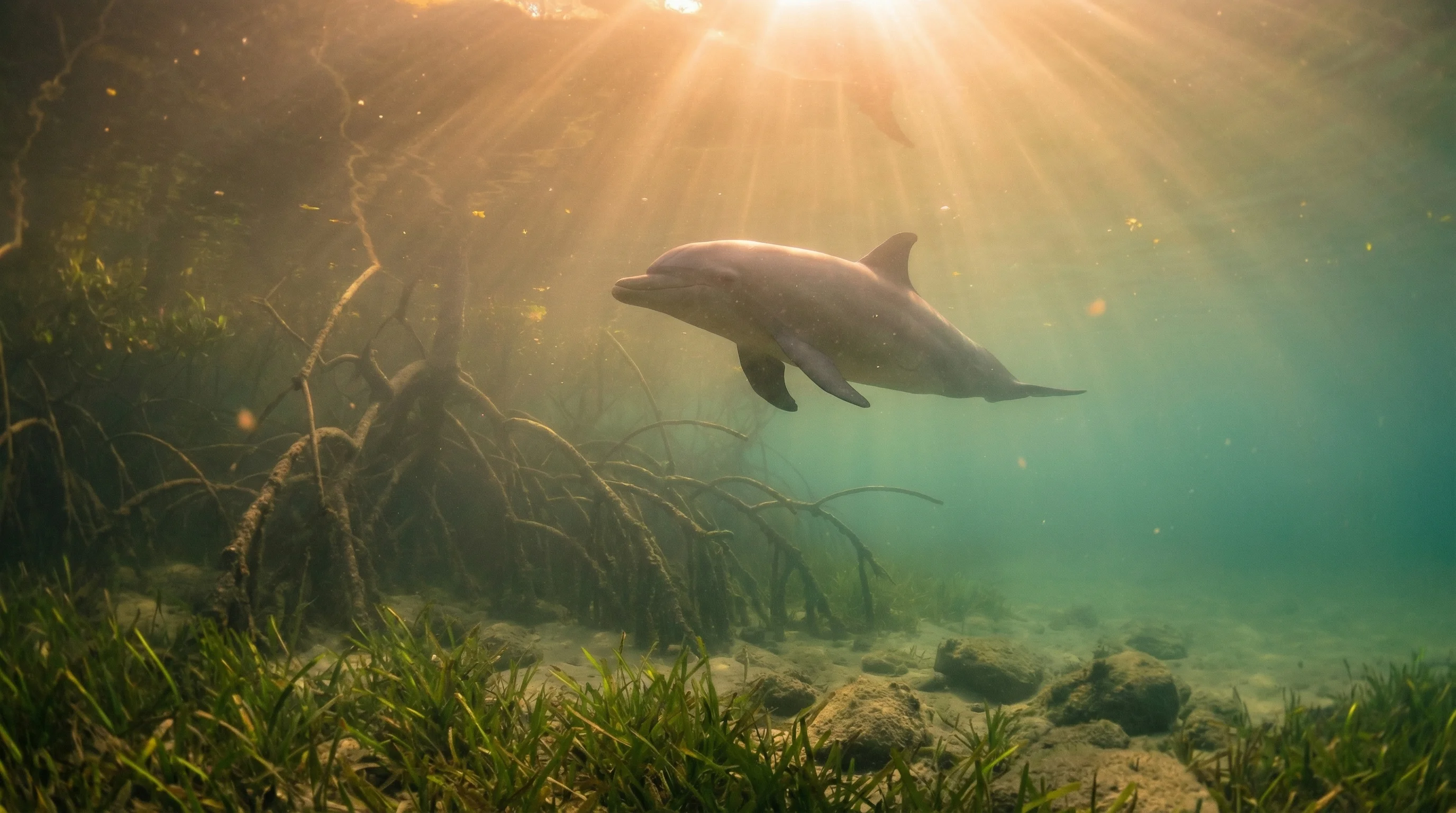
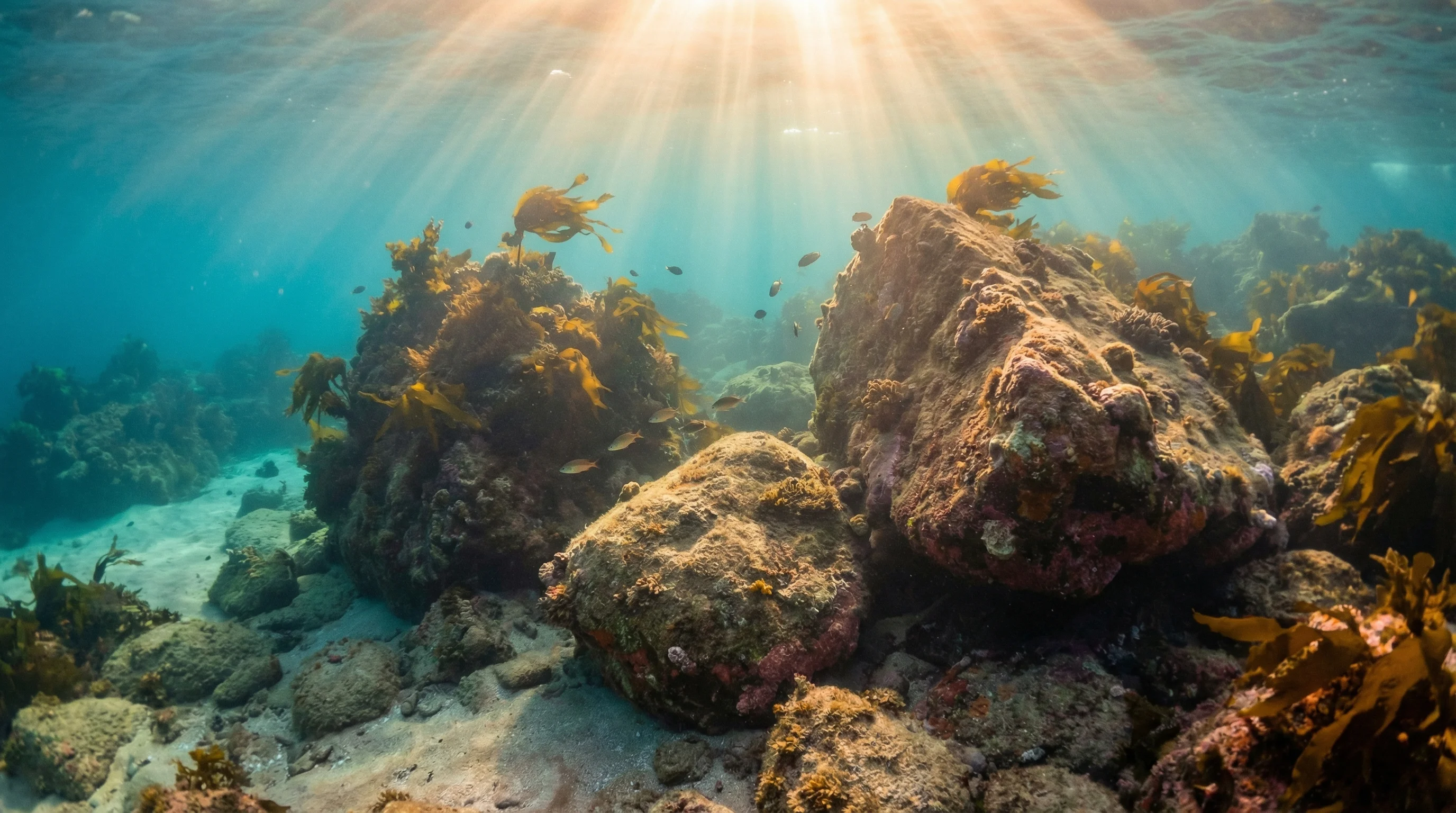
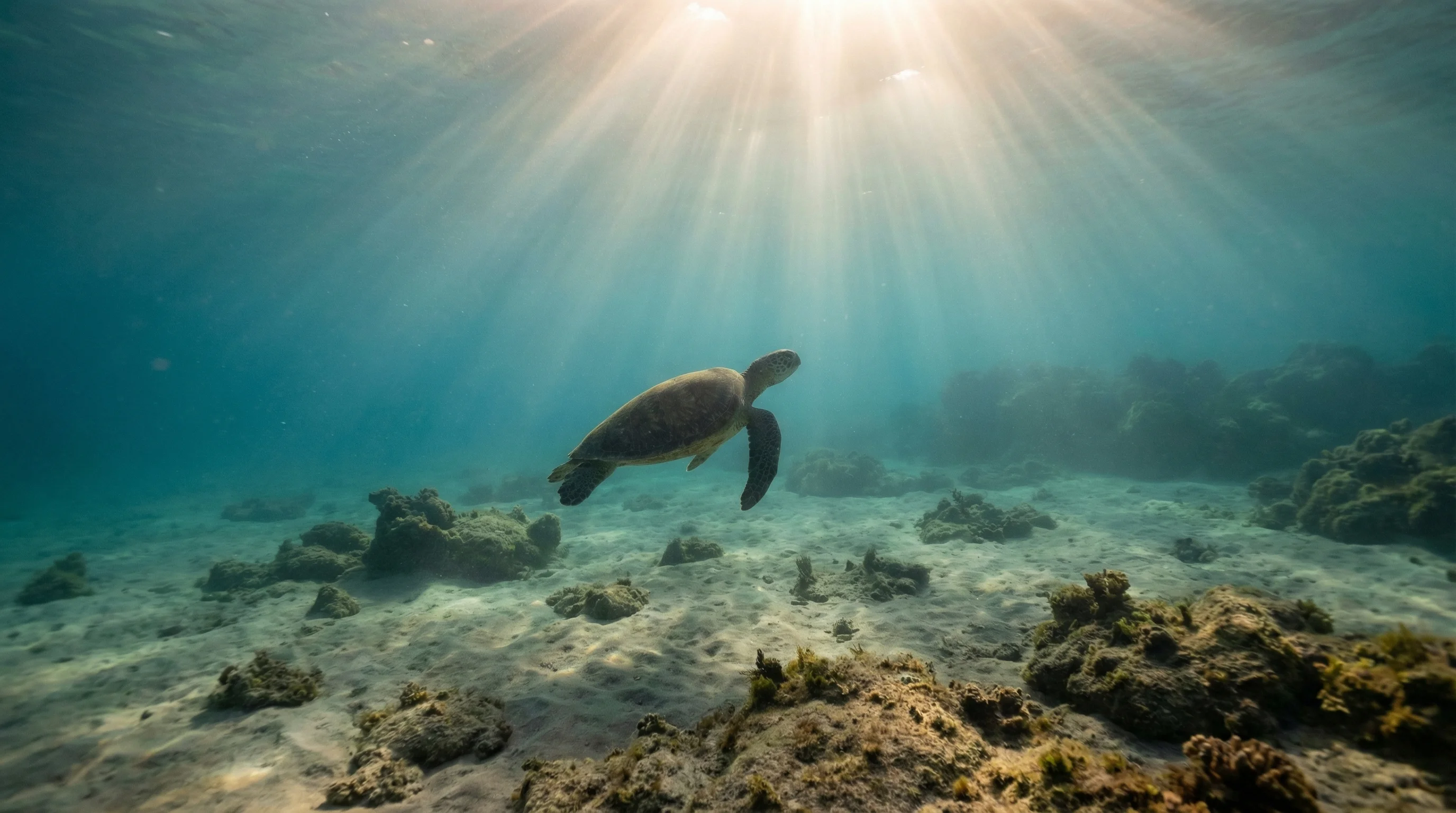
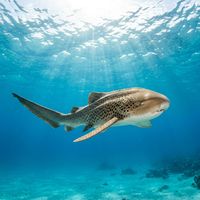
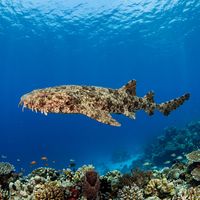
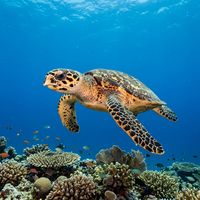
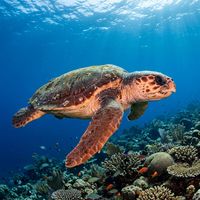
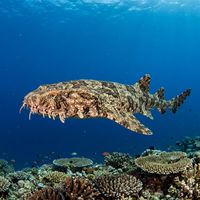
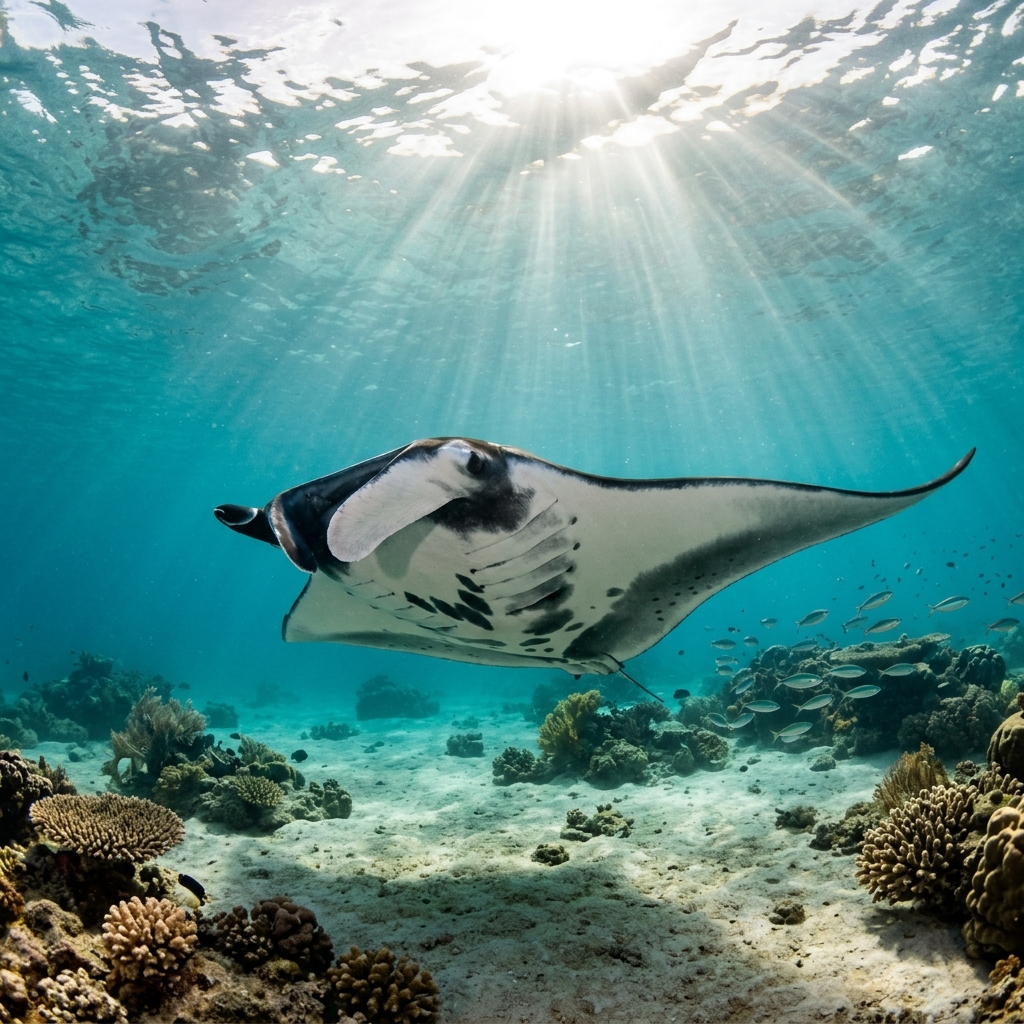
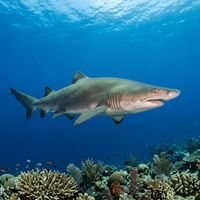
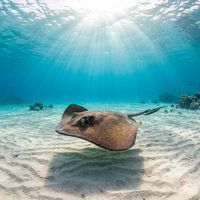
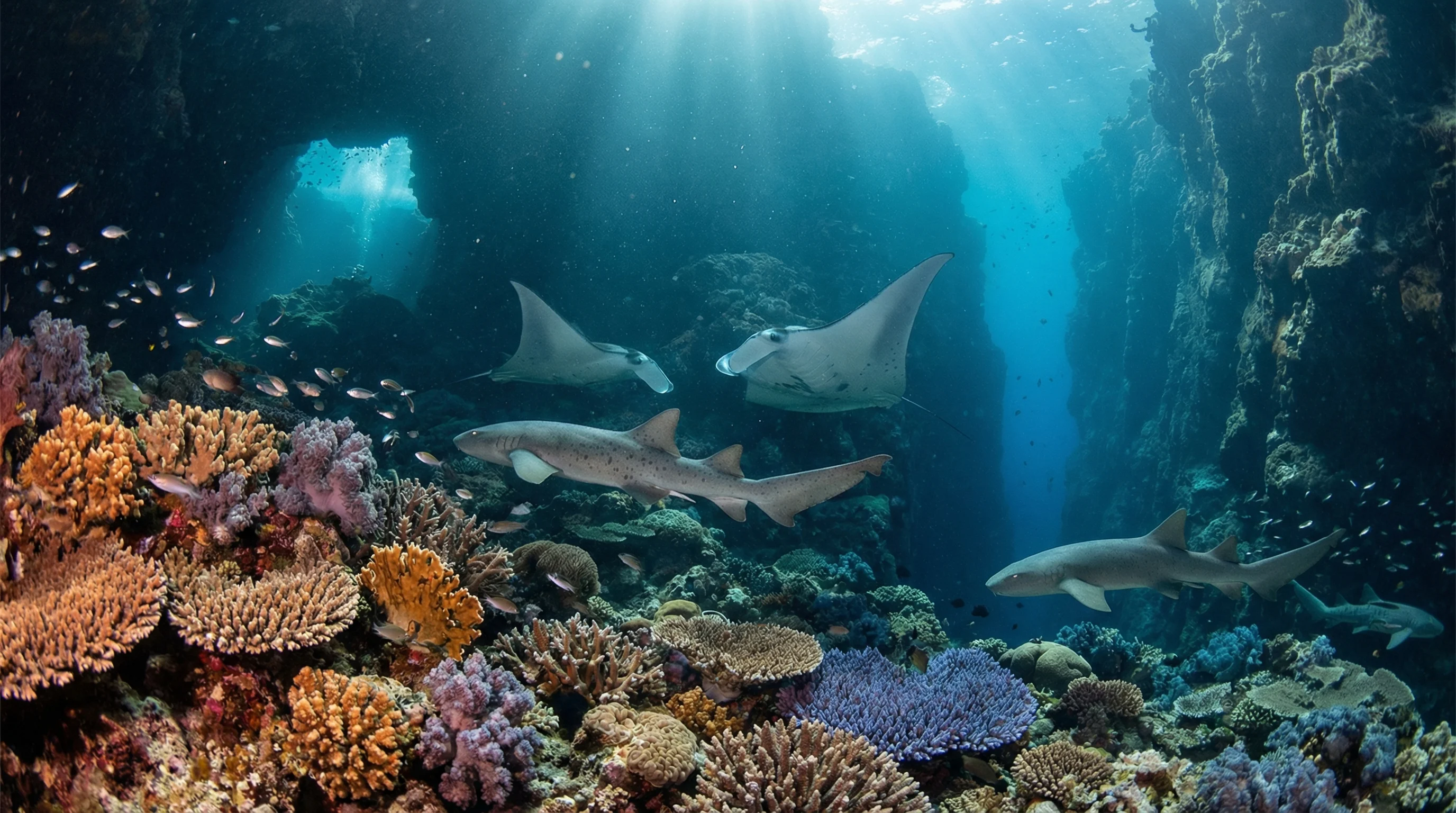
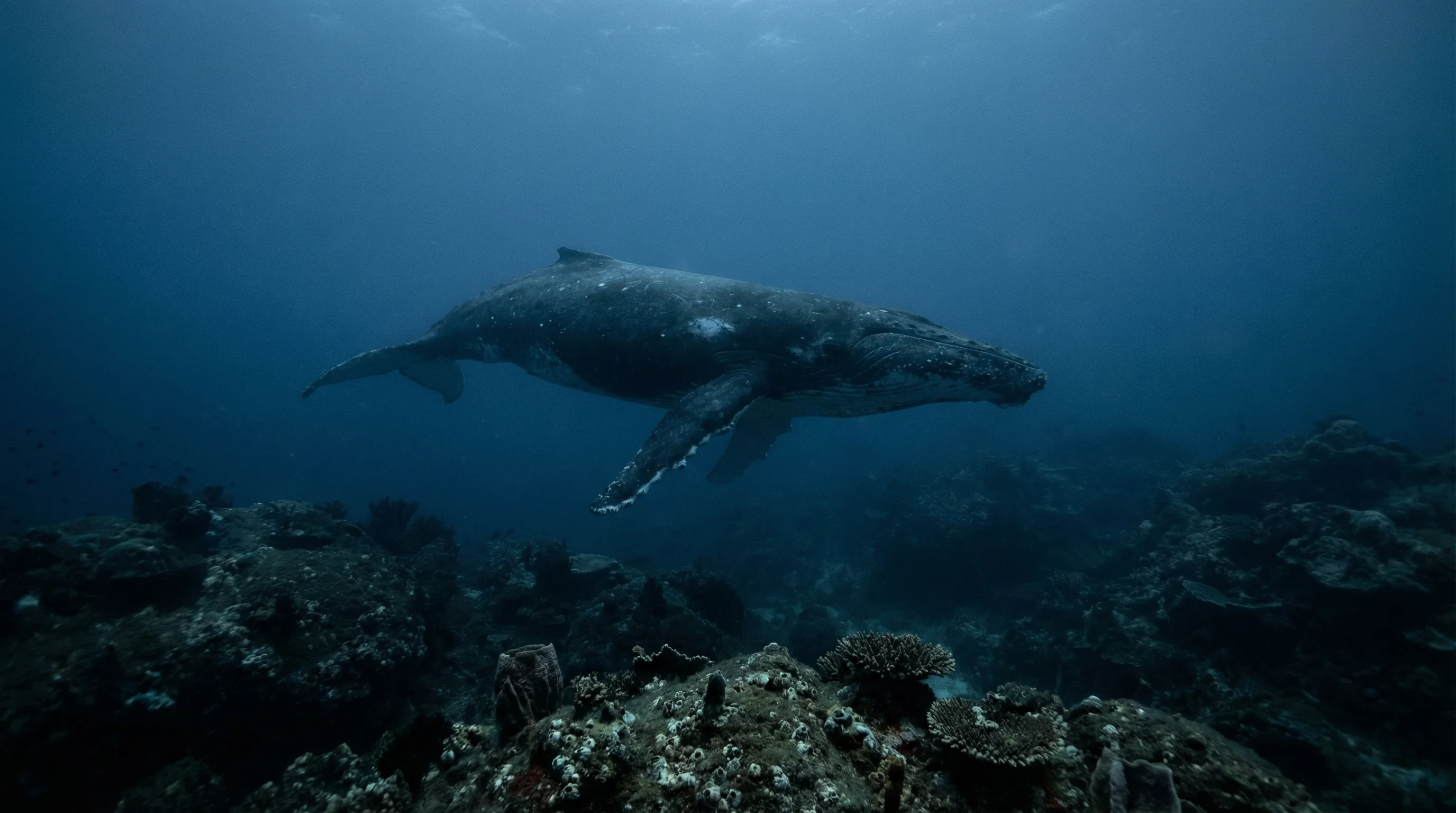
Julian Rocks sits roughly two and a half kilometres off Byron Bay in the Cape Byron Marine Park, where the East Australian Current causes warm tropical water to meet cooler temperate water. That collision of water masses is why the site holds over a thousand recorded marine species, including green sea turtles, grey nurse sharks, spotted and ornate wobbegongs, and manta rays. The reef, walls, caves, and pinnacles span from shallow to moderate depth, and all sites in our database are rated beginner-friendly. Diving is year-round: summer months favour manta ray and leopard shark encounters, while winter brings grey nurse sharks. Boat and shore entry both feature across the area's seven sites, with several operators based in Byron Bay and Brunswick Heads.
Monthly water temperature across Julian Rocks's sites, from satellite sea-surface data corrected for depth. The band shows the site-to-site spread.
Water temperatures peak in late summer and ease to their coolest through mid-winter, when a wetsuit of moderate thickness is advisable. Winter is the preferred season for grey nurse shark sightings, while the warmer summer months attract manta rays.
Water temperature around Julian Rocks ranges from about 21°C in July to 27°C in February, based on satellite sea-temperature data for its dive sites.
In the warm season (about 27°C) a rash guard or 3mm shorty is comfortable in Julian Rocks; in the coldest months (about 21°C) step up to a 5mm suit.
Fin maps 7 sites in Julian Rocks (7 scuba diving sites and 4 snorkelling spots, with some suited to both).
5 more sites to explore