Parupeneus spilurus
Reef-bottom forager with twin chin barbels, most reliably logged around New South Wales reefs in 18-29C water year-round.
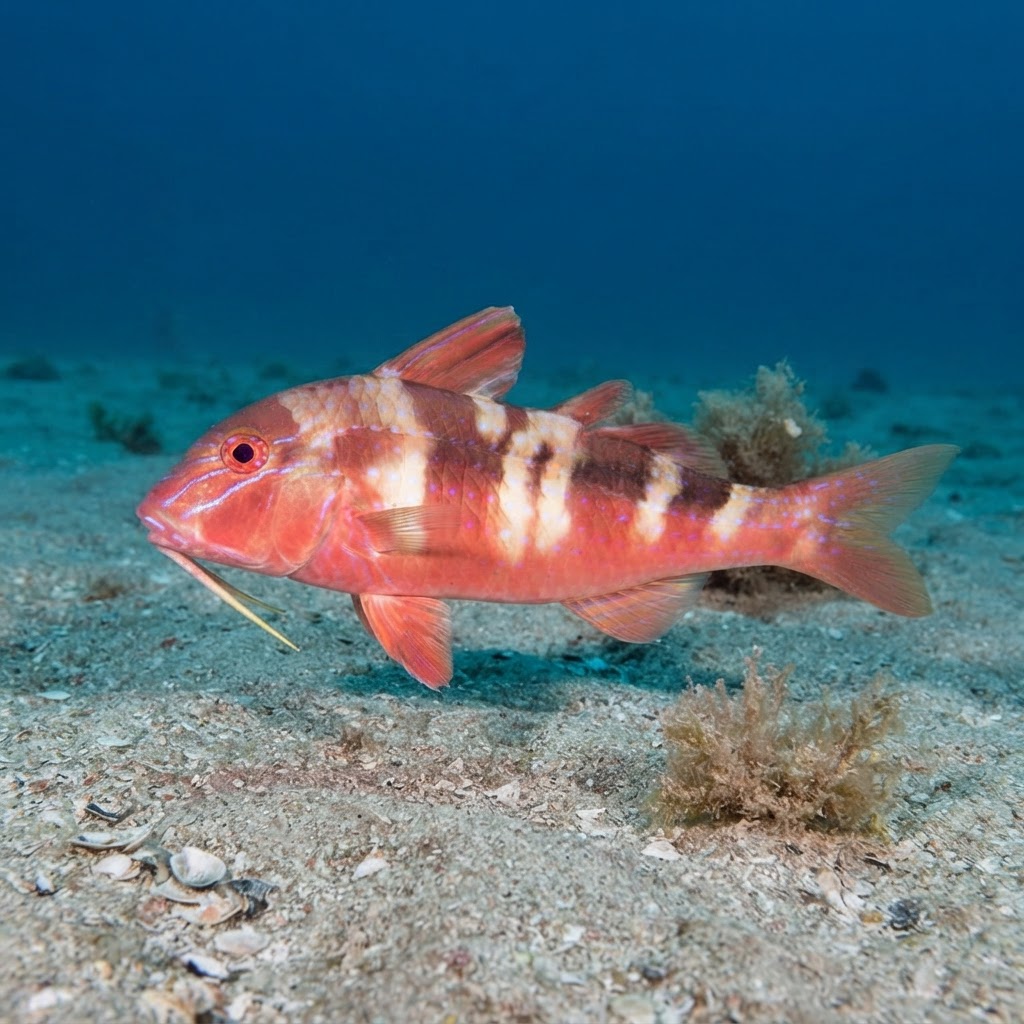
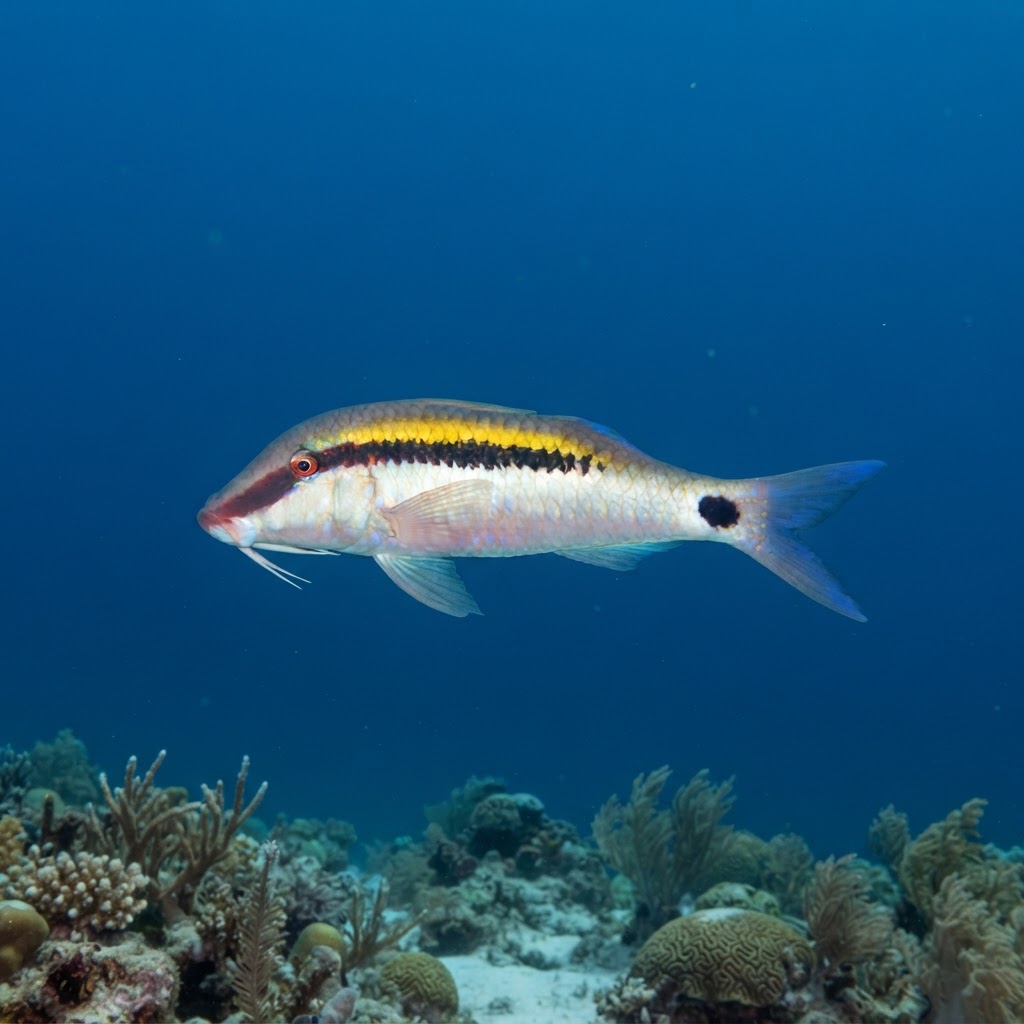
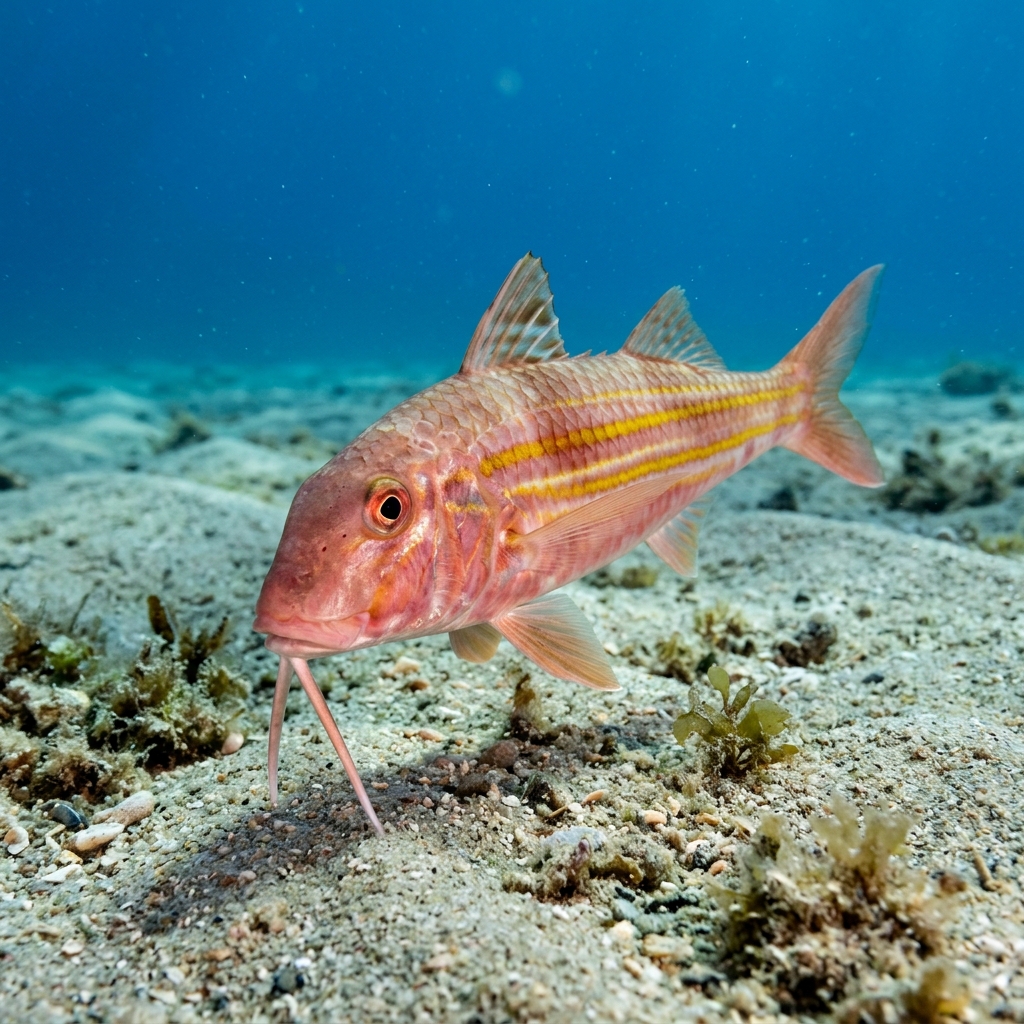
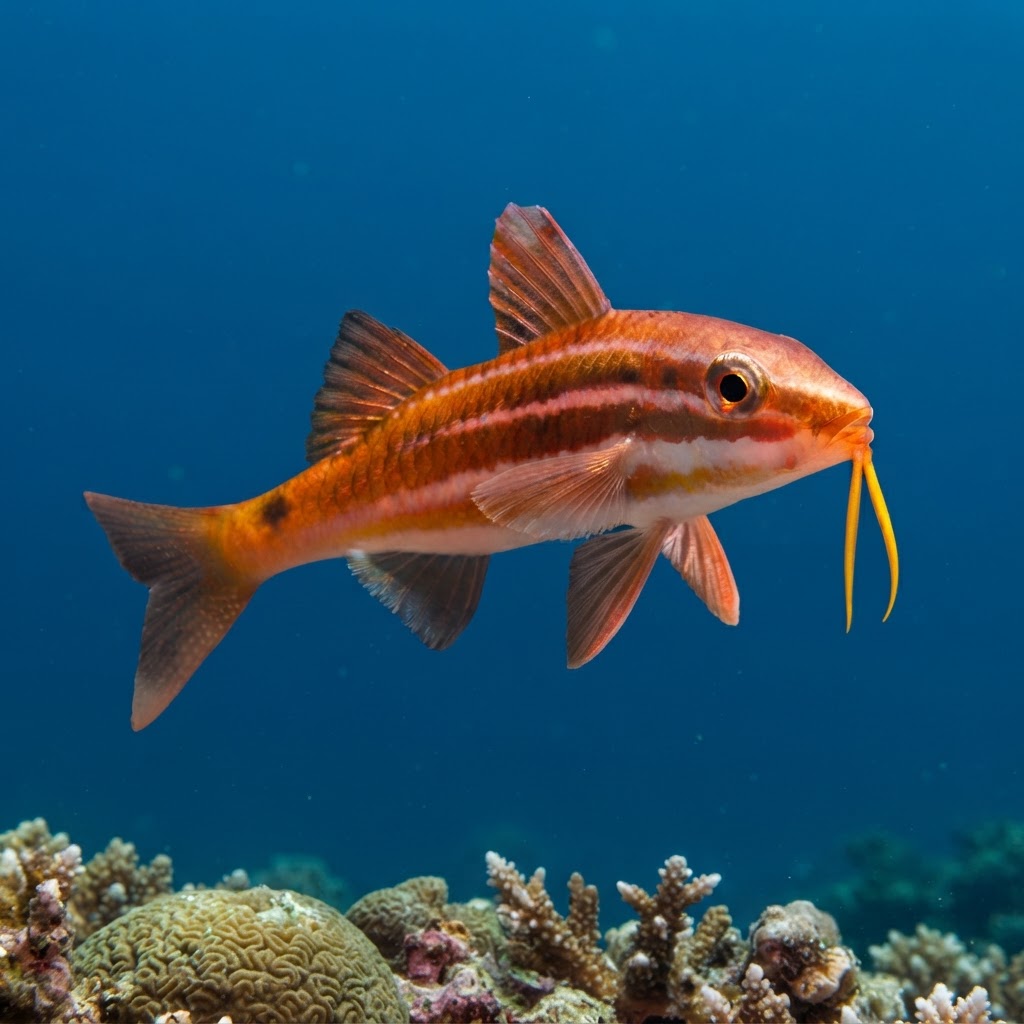
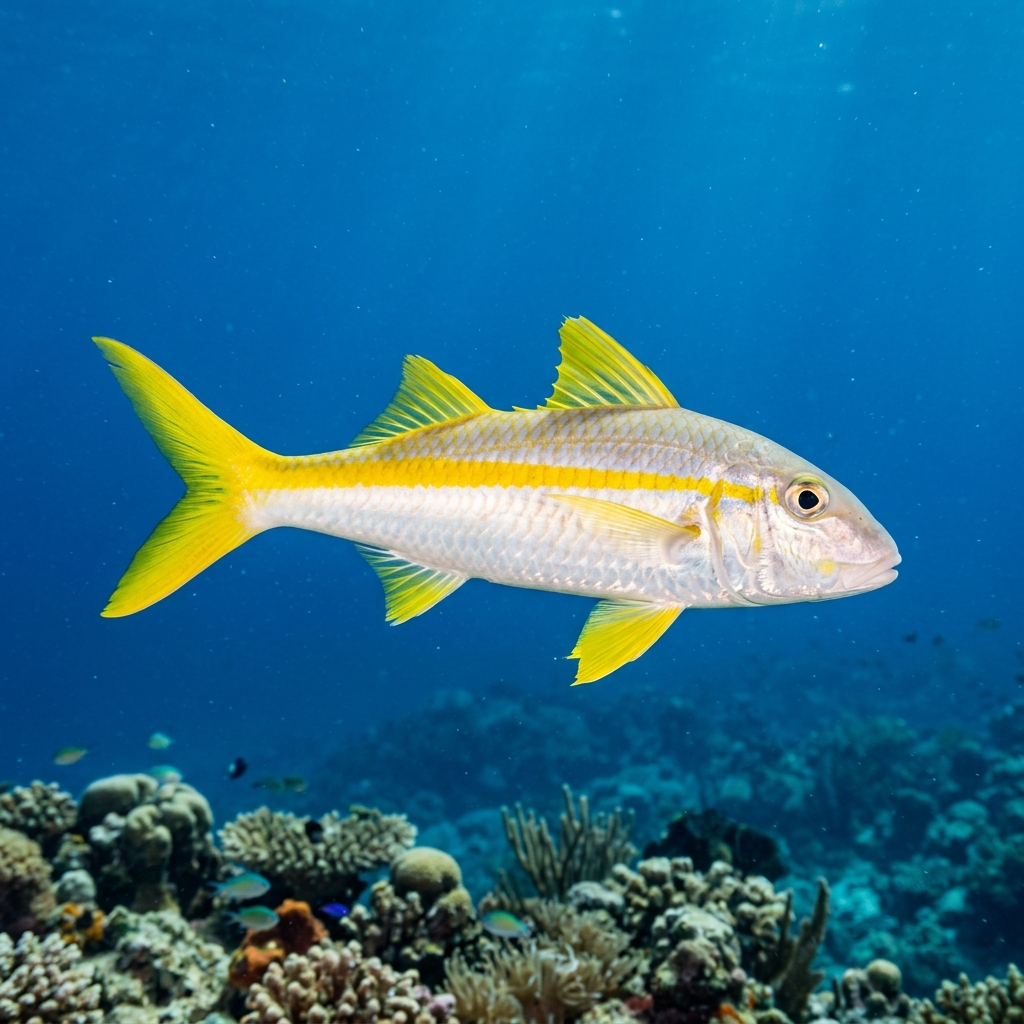
Grows to around 35 cm, with a reddish-brown to pale grey body that can flush or pale in seconds depending on mood and background. The giveaway is a single dark blotch (the blackspot) sitting on the upper body near the tail base, plus a pair of long chin barbels it drags through sand while feeding. Body shape is classic goatfish: elongated, slightly compressed, with a steep forehead profile.
Look for it working the sand and rubble patches near reef edges, barbels sweeping side to side as it probes for buried prey. It's usually solo or in loose pairs, unhurried and willing to let divers watch from a modest distance before drifting off. Most sightings are during the day, often in the lower half of its depth range where sand flats meet reef structure.
Those chin barbels are packed with taste-sensing organs, letting it detect buried worms, crustaceans and small molluscs in sediment it can't actually see through.
No clear seasonal pattern shows up in sighting data, and its comfort range of 18 to 28.7C spans both cool temperate and warm reef conditions, so it's a year-round sighting wherever it occurs.
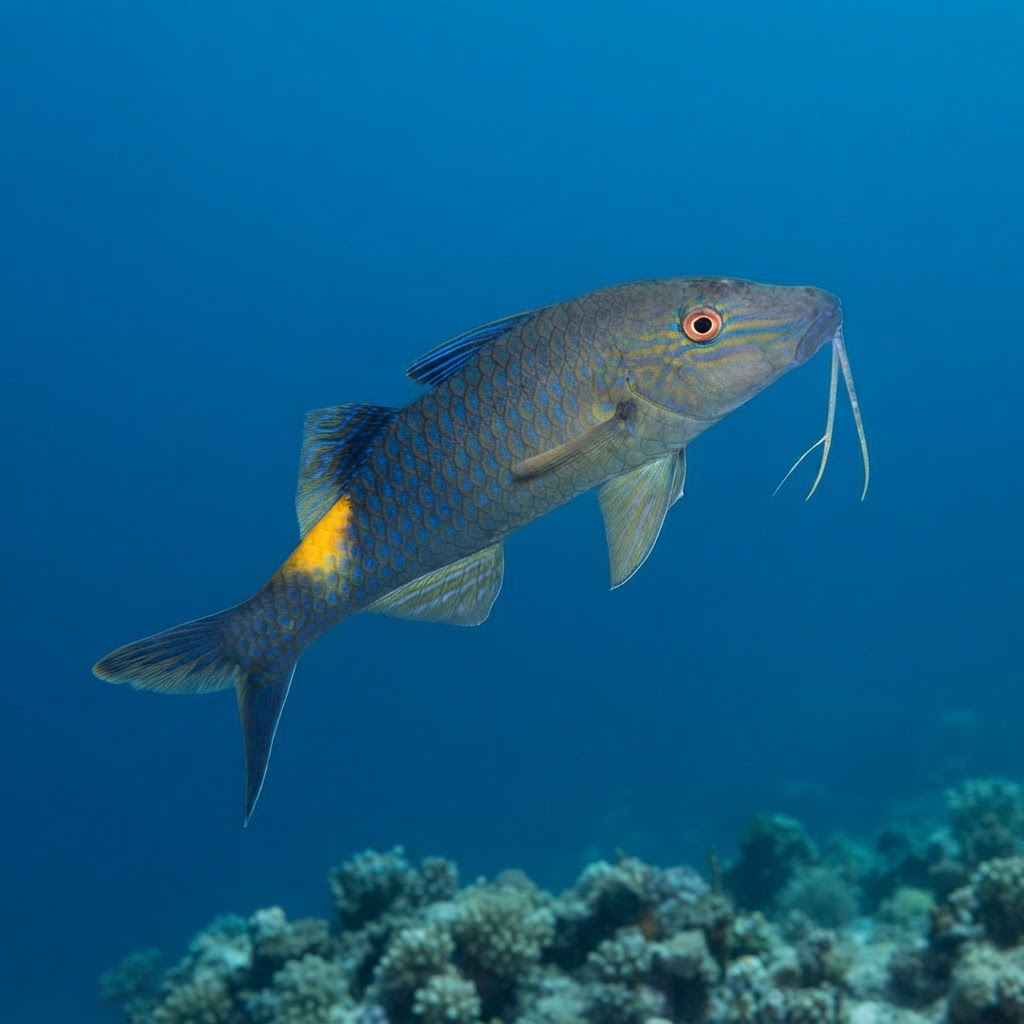
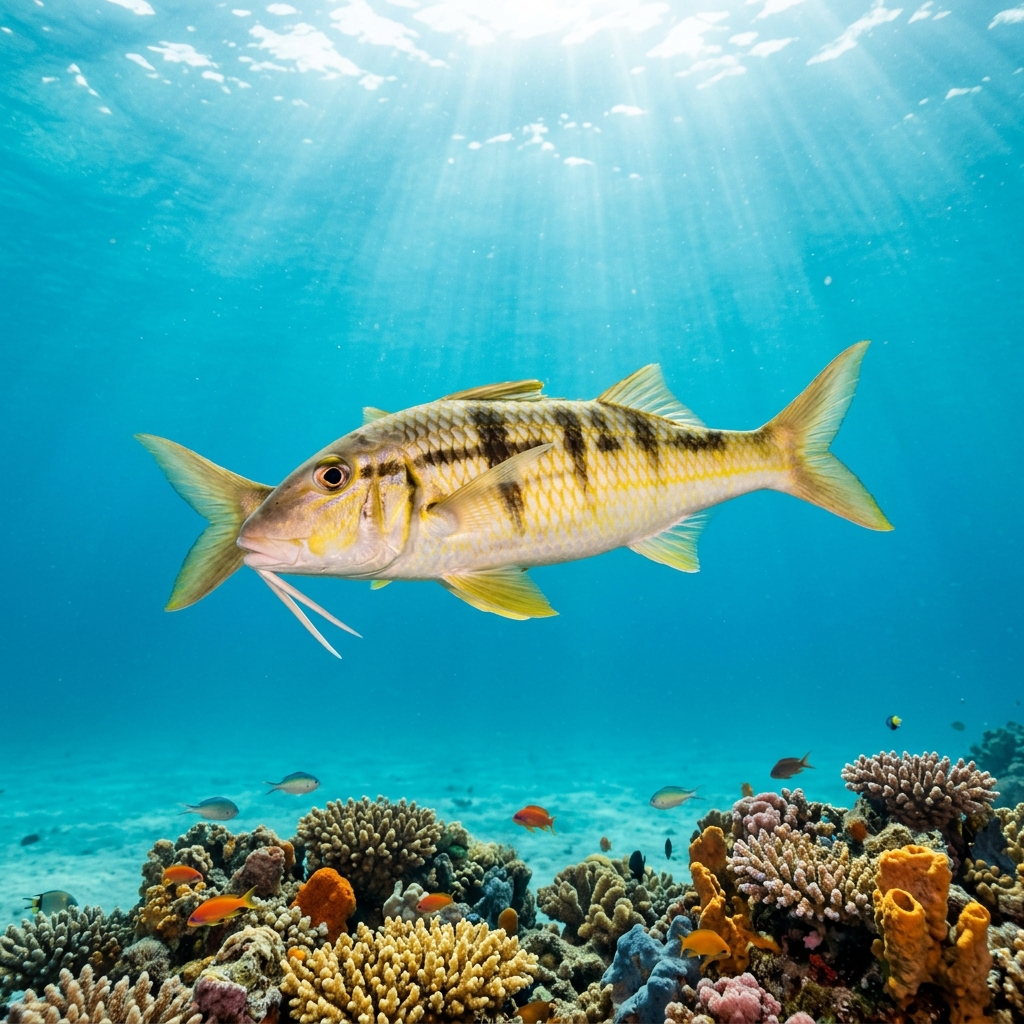
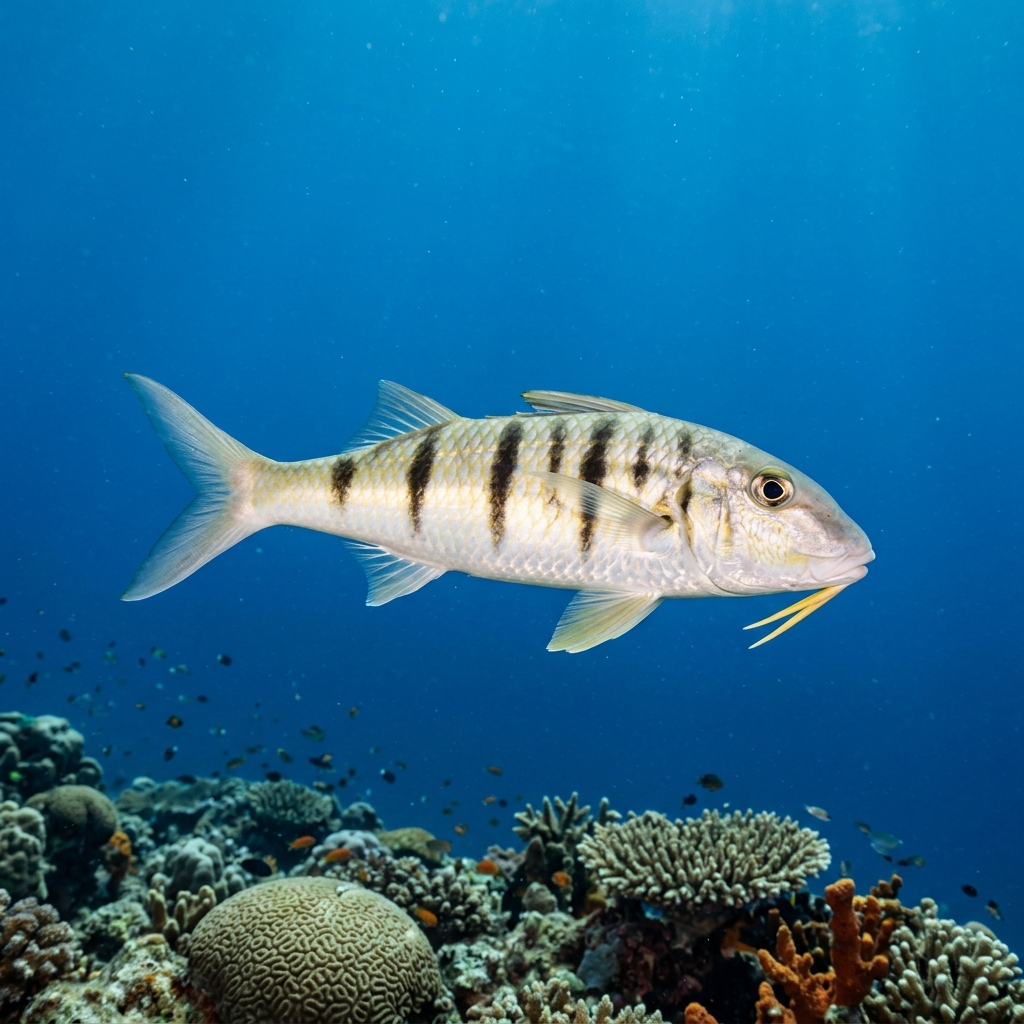
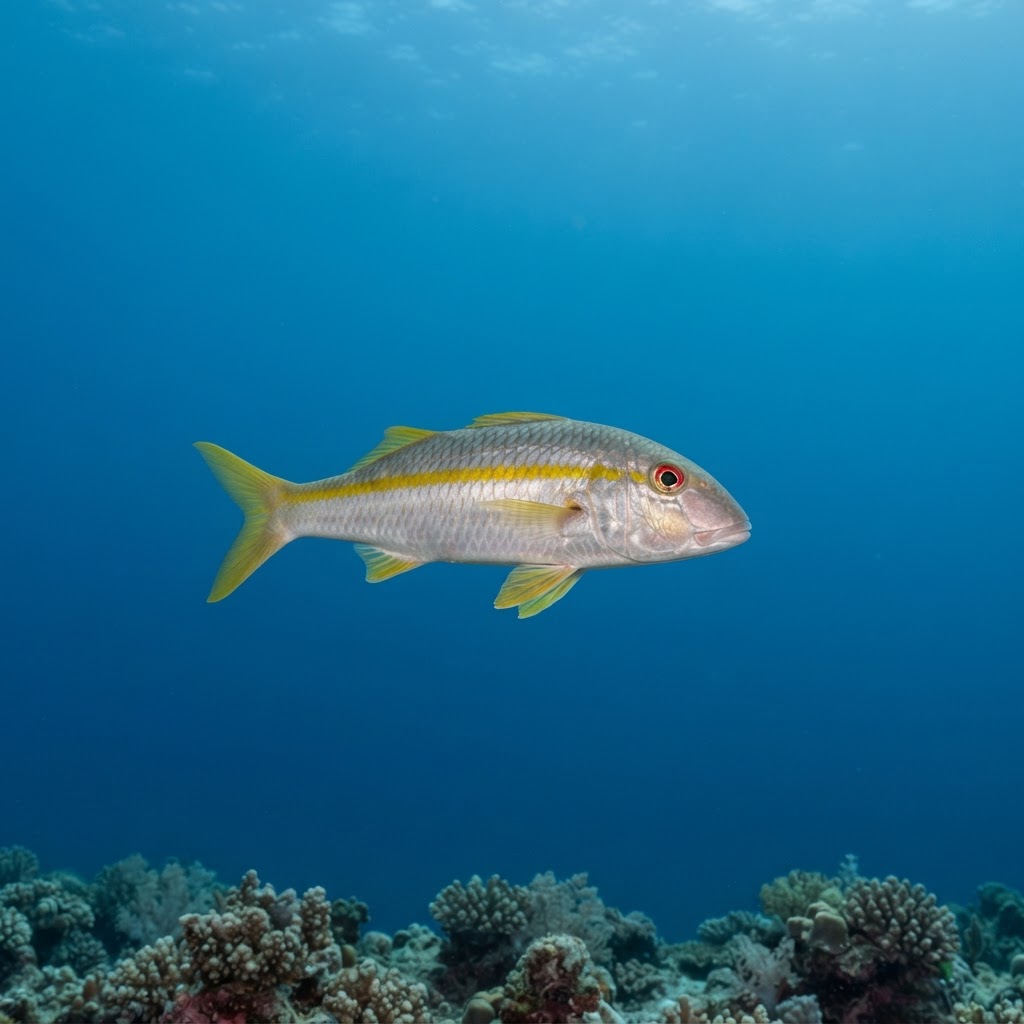
Reef neighbours a diver could mistake it for. Use the identification notes above to tell them apart.
Most consistently logged along New South Wales, with strong numbers also reported from Western Australia and Queensland, making eastern and western Australian coastlines the reliable bet. It also turns up around North Island, New Zealand, and has been recorded at Norfolk Island for divers working the outer Pacific edge of its range.
Mapping where Blackspot Goatfish is logged…
New South Wales is the strongest region for sightings, with Western Australia and Queensland also reliable. It's also recorded around North Island, New Zealand, and Norfolk Island.
There's no strong seasonal signal in the data, and it tolerates a wide temperature range from 18 to nearly 29C, so it's seen across the year rather than in a short window.
Check for a reddish-brown body, a distinct dark spot near the tail base, and a pair of long barbels under the chin used for probing sand. It grows to about 35 cm and is usually seen alone over sand near reef structure.
They typically reach around 35 cm in length, a solid mid-sized reef fish easy to spot against sand.
Its two chin barbels carry chemical and touch sensors that detect prey buried in sand or rubble, letting it feed on animals it can't see. It's a classic goatfish family trait shared across the group.
Site and sighting data is aggregated from diver logs, iNaturalist and GBIF. For taxonomy and conservation status:
Yellowfin Goatfish
2,241 sites