Salvelinus fontinalis
Brook Charr thrive in cold, clear freshwater at 0-17°C. Learn how to identify this colourful salmonid and where divers have spotted it.
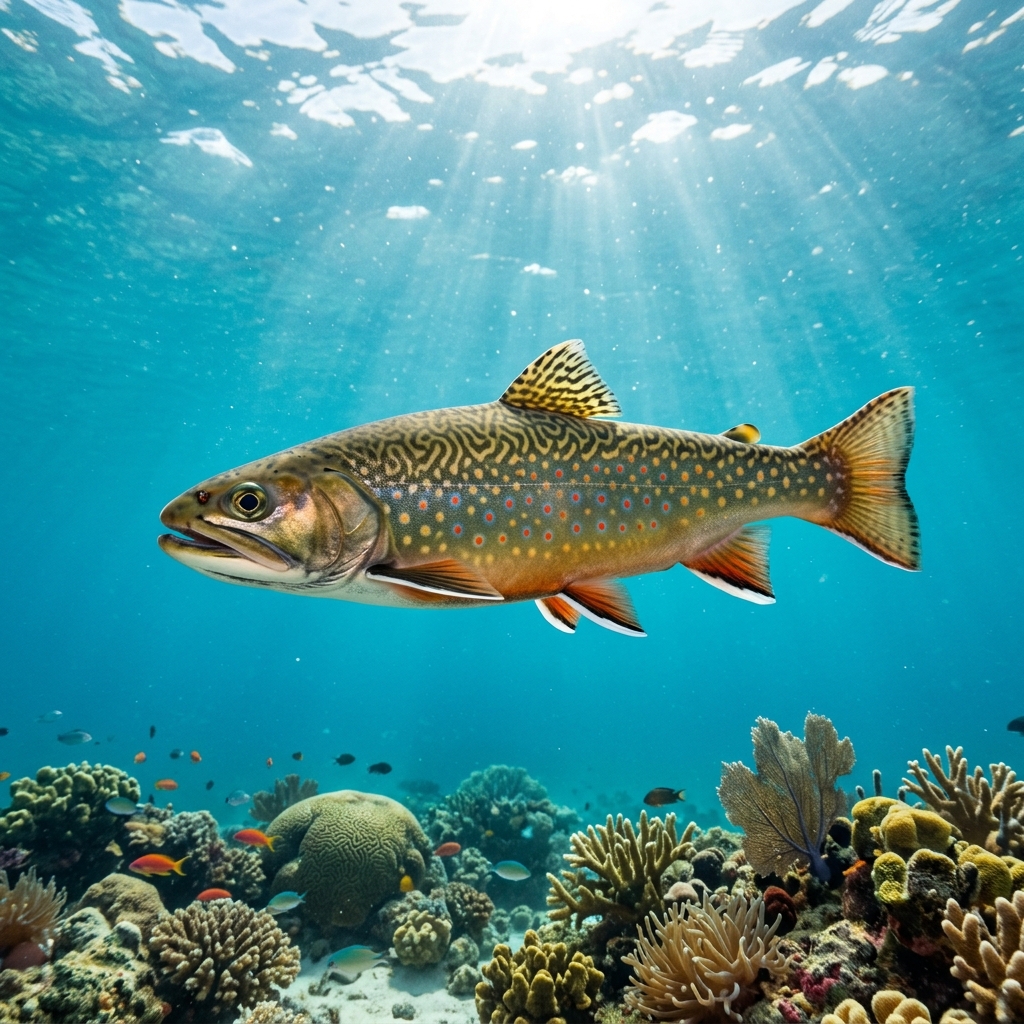
Few freshwater fish are as vividly marked: look for a dark olive or blue-green back overlaid with pale, worm-like markings (vermiculations), and flanks dotted with red spots ringed in blue. The lower fins are distinctive, each one edged with a crisp white leading stripe followed by a black band. Body shape is typical of the salmonid family, streamlined and torpedo-like, usually encountered in the 15-35 cm range in the wild.
Brook charr are active, fast-moving fish that tend to hold station in current or near cover such as submerged logs and undercut banks, darting out to intercept food. They are generally wary of divers and will retreat quickly if approached directly; slow, patient movement gives the best chance of a close look. Most activity picks up around dawn and dusk, when they feed most aggressively near the surface or mid-water column.
Brook charr can hybridise with lake trout to produce a sterile hybrid called a tiger trout, which carries a striking, marbled pattern quite unlike either parent and is occasionally encountered by freshwater divers.
Seasonality data is not yet available, so no specific season can be confirmed. The observed water-temperature range of 0.4 to 16.8°C suggests encounters are most plausible in cooler months or in consistently cold high-altitude and high-latitude waterways year-round.
No confirmed diver sightings have been logged on Fin for this species yet, so no specific dive sites or regions can be recommended from the data. Brook charr are native to cold, clean freshwater streams and lakes in eastern North America and have been introduced elsewhere, so any encounters are likely incidental during river or lake dives in those areas.
Mapping where Brook Charr is logged…
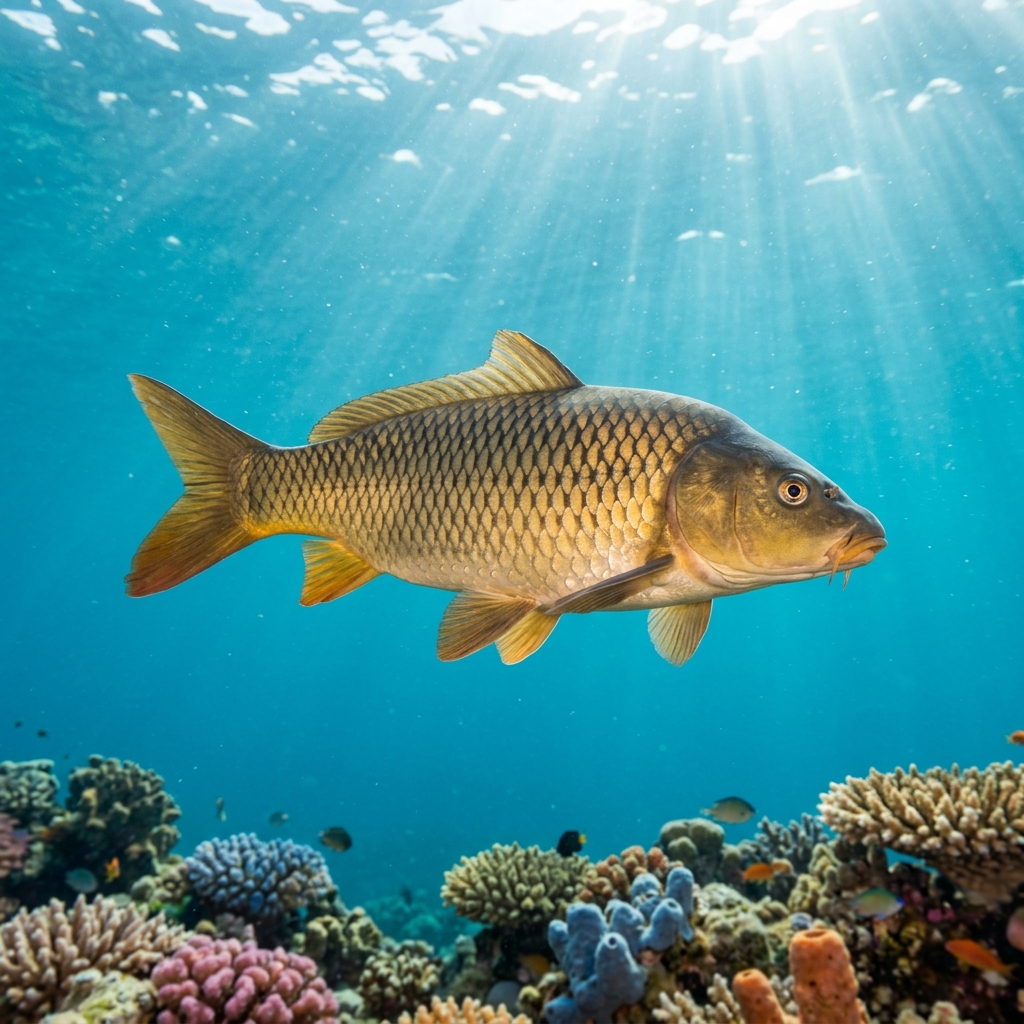
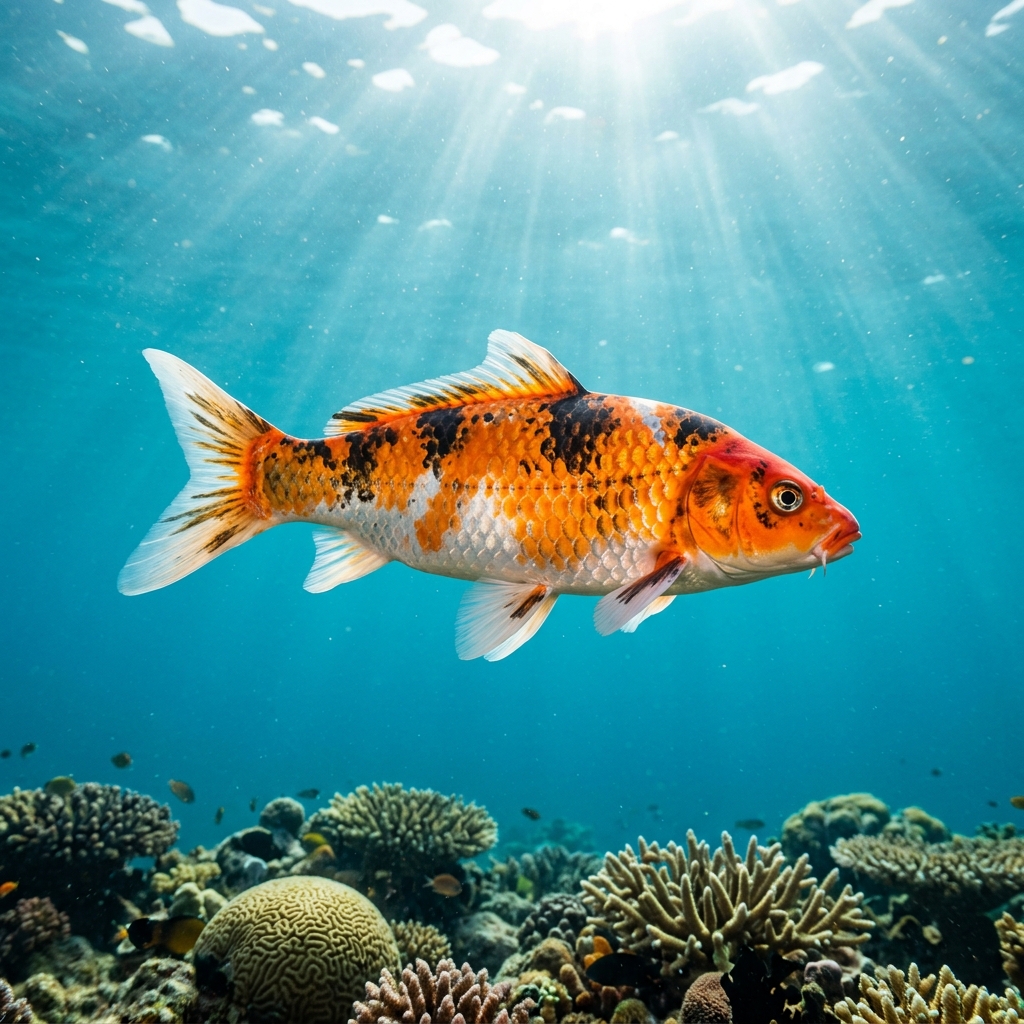
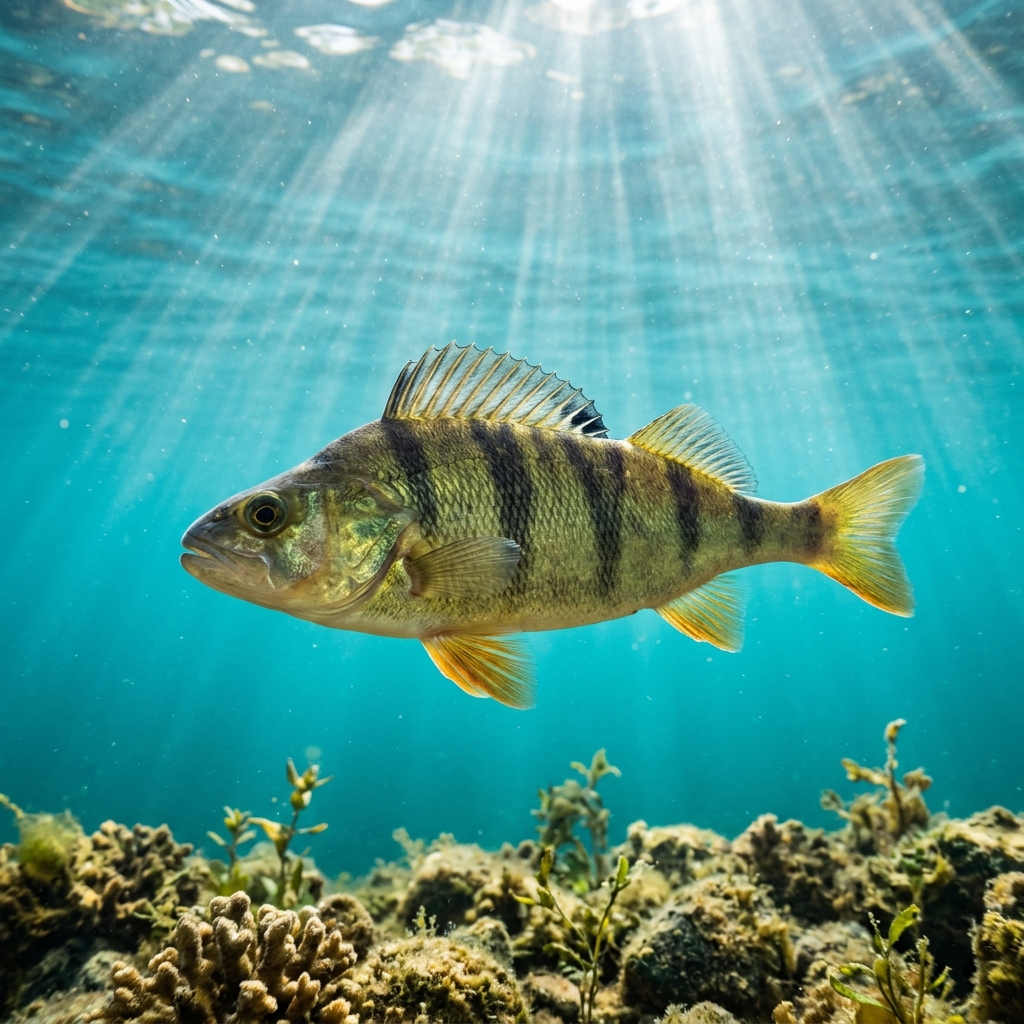
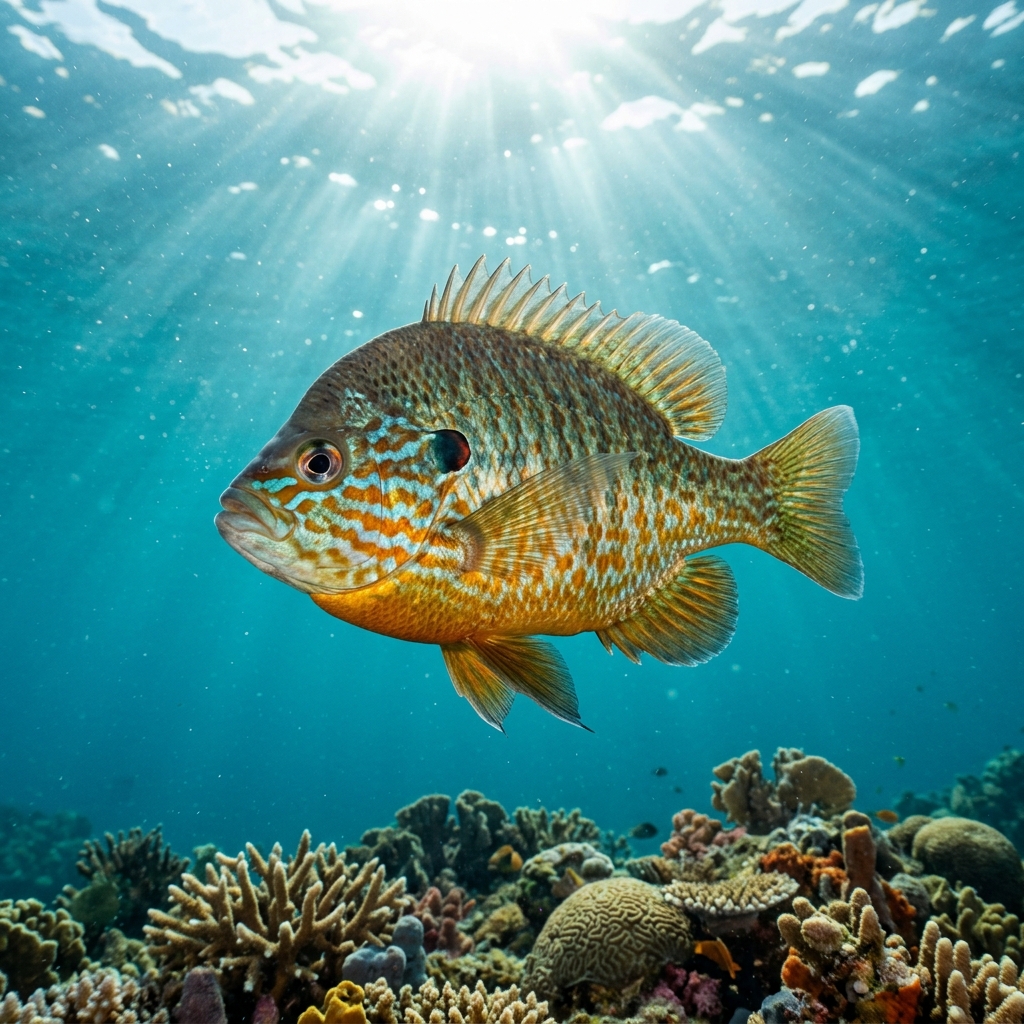
Key in on the worm-like pale markings across the back, the red spots with blue halos on the flanks, and the boldly striped lower fins with white and black edges. No other common freshwater fish combines all three features. The streamlined salmonid body shape confirms the family.
Most fish encountered in streams measure 15-35 cm, though individuals in large, food-rich lakes can exceed 60 cm. The world record exceeds 6 kg, but fish that size are rarely seen by divers.
No dive sites have been logged on Fin for this species yet. Brook charr naturally inhabit cold, clean freshwater streams and lakes in eastern North America, and have been introduced to parts of Europe and South America. Freshwater divers in those regions have the best chance of an encounter.
No confirmed seasonal pattern exists in the dive data yet. Their preferred water temperature of roughly 0-17°C means they are most active and visible in cold conditions, and spawning aggregations in autumn can make them easier to find in shallow gravel areas.
No, brook charr pose no risk to divers. They are small, fast, and far more likely to flee than investigate a diver. Standard respectful freshwater diving practice applies.
Unlike most fish, brook charr spawn in autumn rather than spring, digging shallow redds (nests) in gravel beds where cold, oxygen-rich groundwater upwells from below. This precise habitat requirement makes them a useful indicator of water quality in freshwater ecosystems.
Site and sighting data is aggregated from diver logs, iNaturalist and GBIF. For taxonomy and conservation status:
Sun Perch
2,182 sites