Sander vitreus
Spot walleye in the Great Lakes region of Canada and the US. Cold-water freshwater diving from 1-21 °C. Here's where divers actually log them.
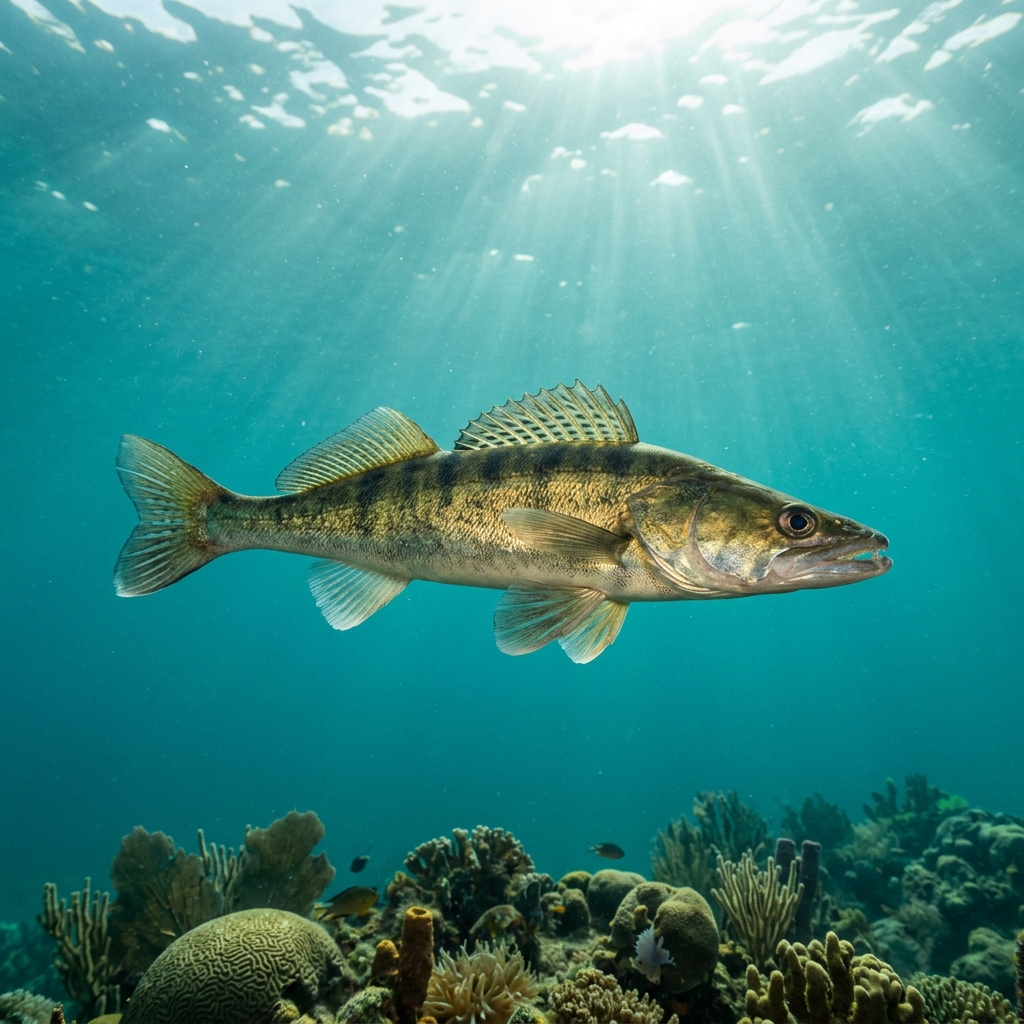
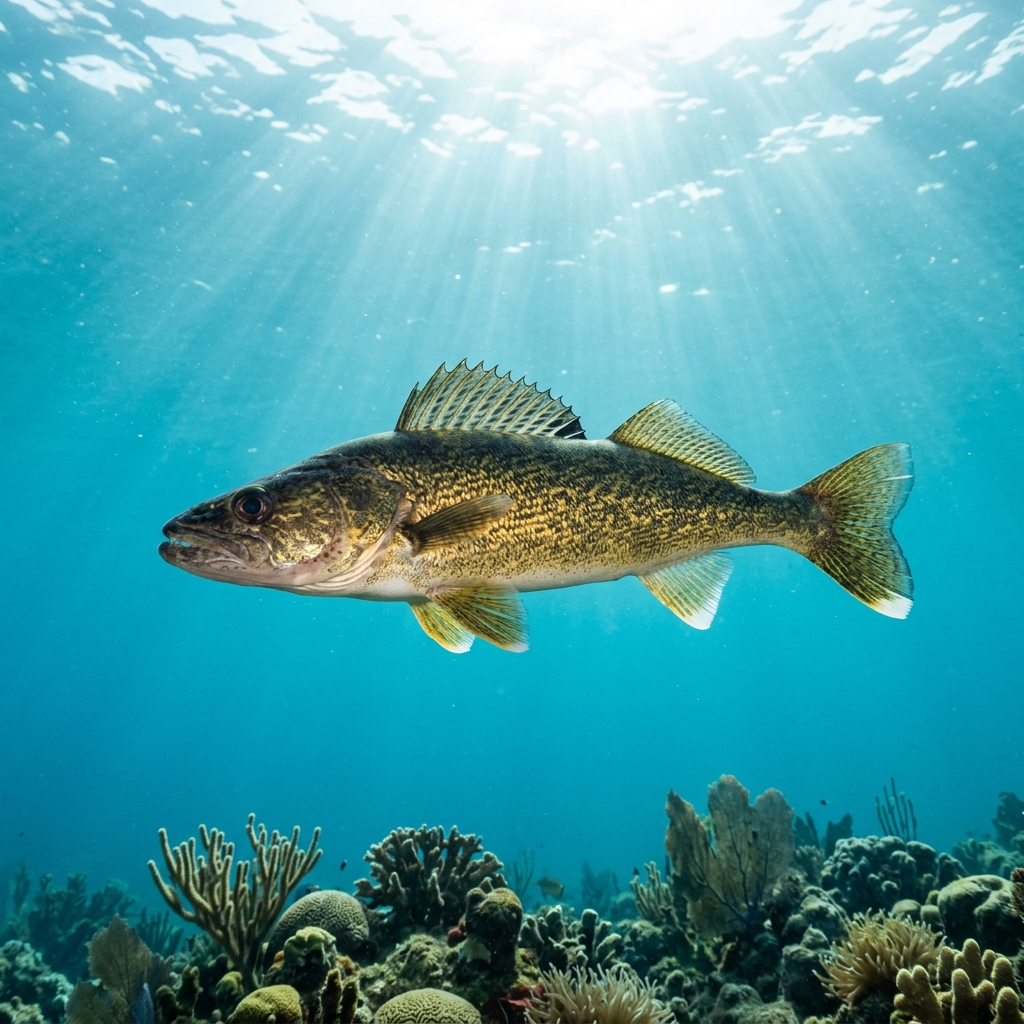
Those large, opaque, mirror-like eyes are the single most reliable field mark, light hits them and they flash back a pale, glassy sheen unlike any other common freshwater fish. The body is elongated and torpedo-shaped, olive-gold along the back fading to a creamy belly, with faint brassy mottling along the flanks. A white tip on the lower lobe of the tail fin is a quick confirming detail when you catch a glimpse from behind. The first dorsal fin is spiny and distinctly separated from the softer second dorsal.
Walleye are most active in low-light conditions, dawn, dusk, and overcast days, when their highly reflective eyes give them a hunting advantage over prey. During the day they tend to hold near structure such as rocky ledges, submerged timber, or weed edges, often sitting relatively still, which is when divers are most likely to encounter them up close. They are generally wary and will move off slowly if approached too directly; a slow, patient approach from the side gives you the best chance of a sustained look.
The distinctive eye shine is caused by a layer of reflective pigment called the tapetum lucidum, the same adaptation seen in cats, which dramatically amplifies low-light vision and is the reason walleye are so active at dusk and dawn.
There is not enough monthly sighting data to identify a peak season, so walleye should be treated as a year-round possibility. Their observed temperature range of 1 to 21 °C fits well with Great Lakes conditions throughout the year, including cold winter dives.
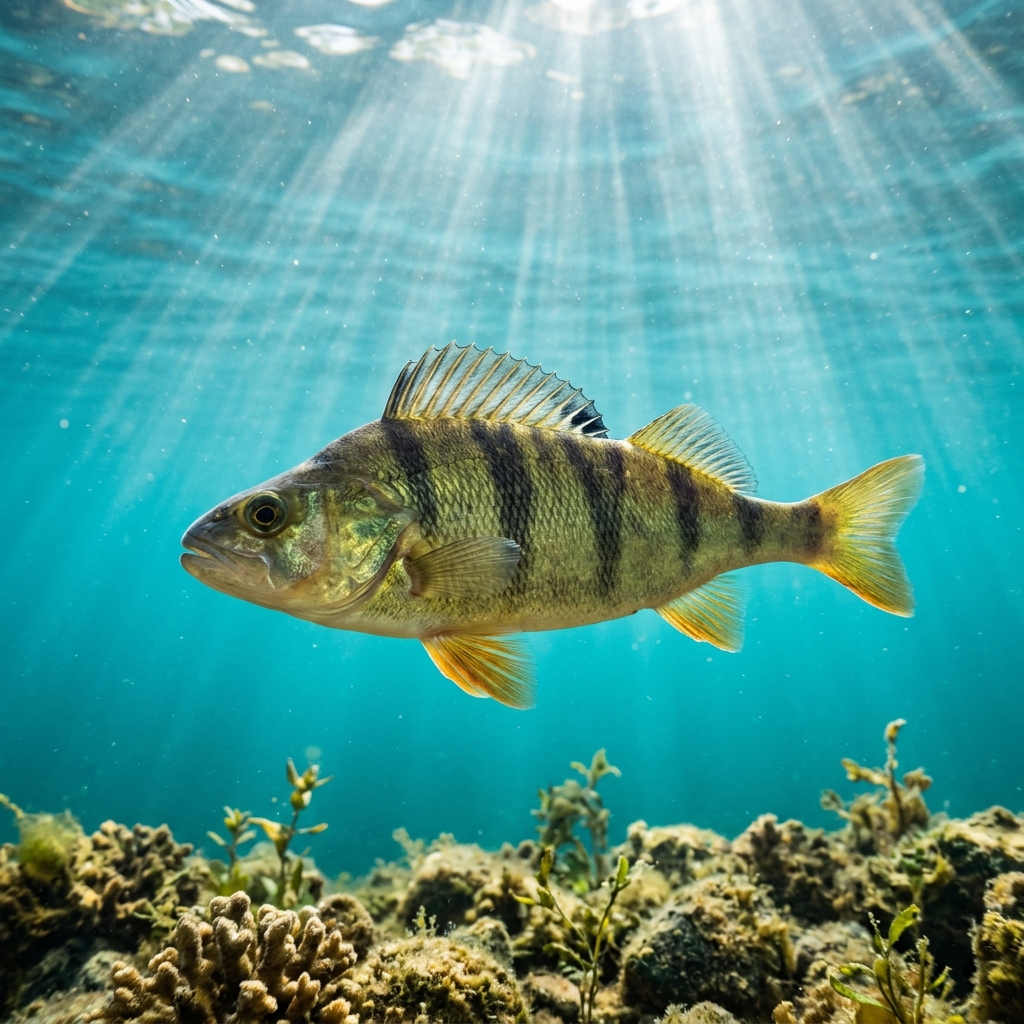
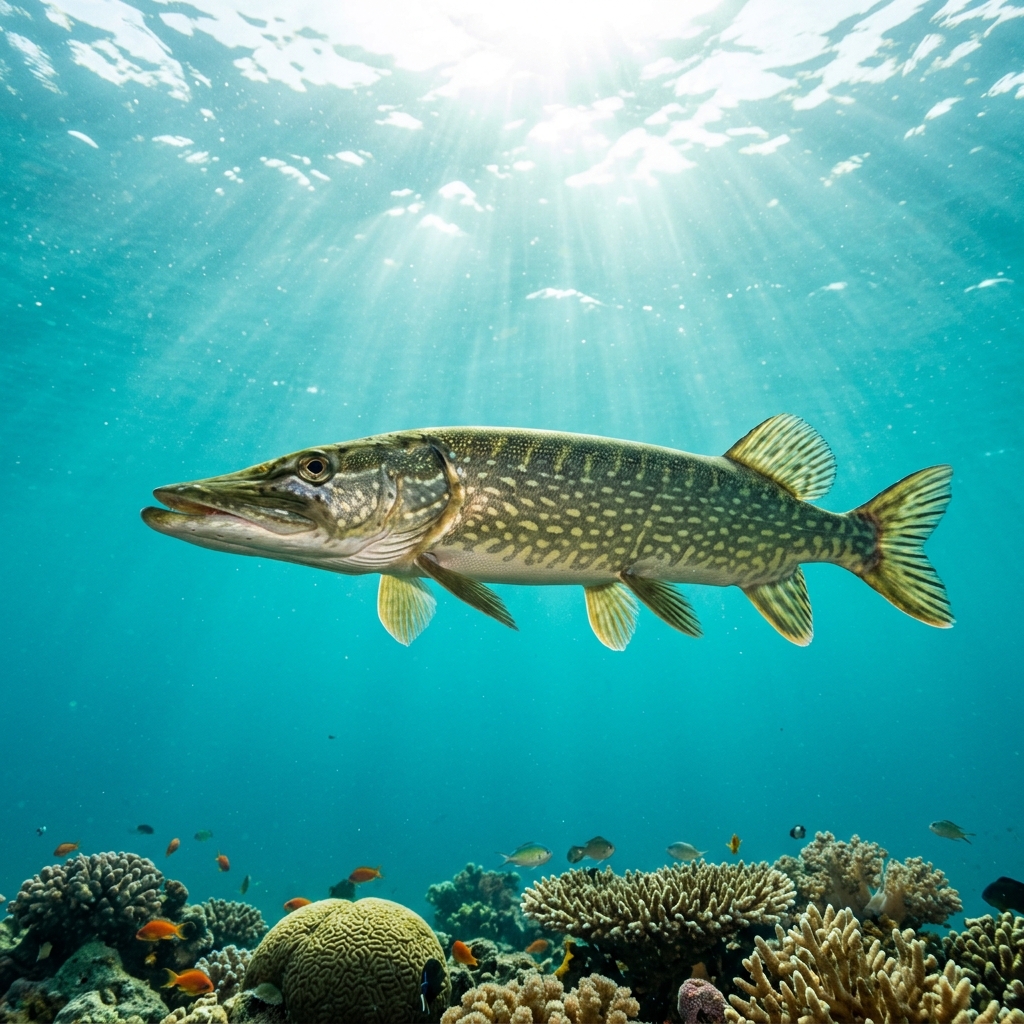
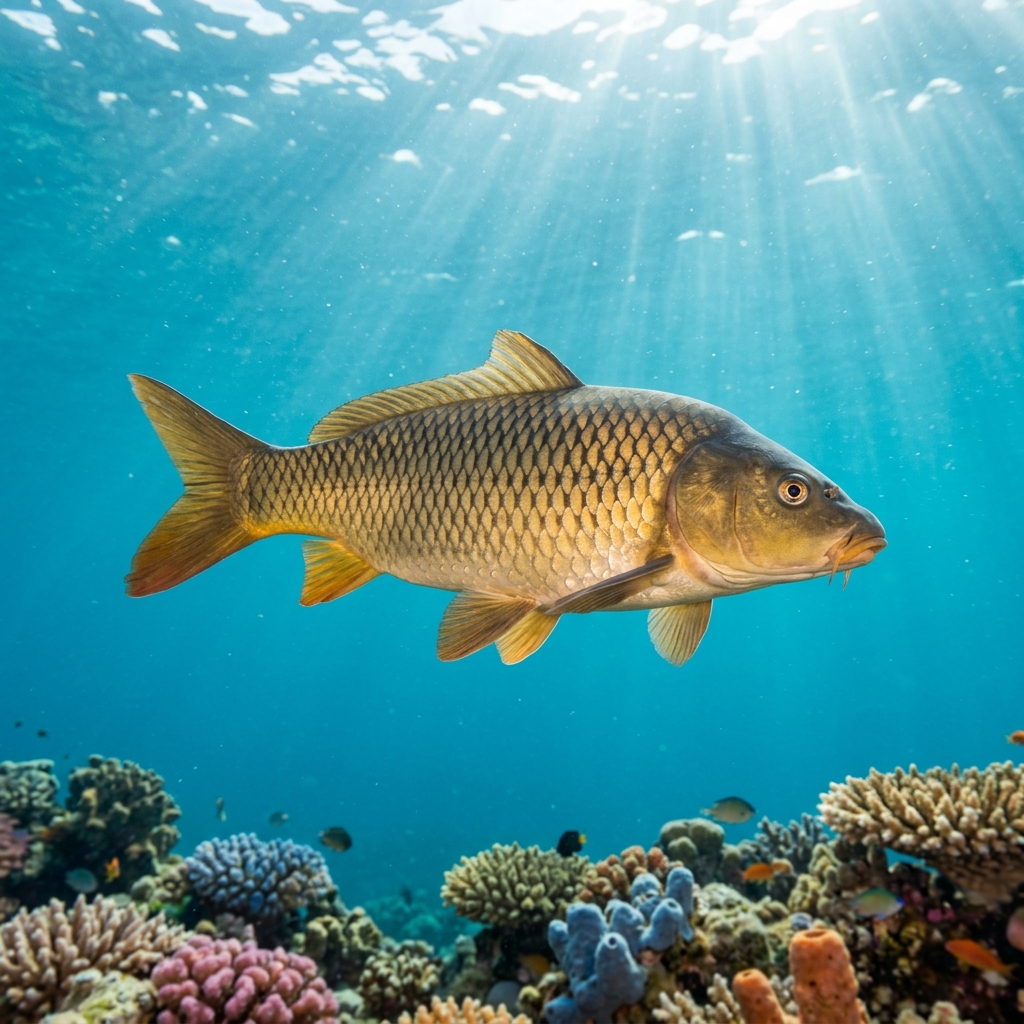
Reef neighbours a diver could mistake it for. Use the identification notes above to tell them apart.
Virtually all diver-logged sightings come from Canada, with the Great Lakes and Ontario region accounting for the overwhelming majority of sites. A smaller number of records come from the Great Lakes and Northeast United States, making that broader Great Lakes basin the definitive place to look for walleye on a dive.
Mapping where Walleye is logged…
Walleye are logged almost exclusively in the Great Lakes region. Canada, particularly Ontario, accounts for the large majority of recorded dive sites, with a small number of additional sightings from the northeastern United States side of the Great Lakes.
There is no confirmed seasonal peak in diver sighting data, so they can be encountered year-round. Within any given day, low-light periods, early morning and late afternoon, tend to bring walleye out of cover and make them more active and easier to spot.
Look for those distinctive glassy, opaque eyes that reflect your torch light back at you. The olive-gold body with faint brassy mottling, a white tip on the lower tail lobe, and a clearly separated spiny first dorsal fin confirm the ID. No other common Great Lakes fish combines all of these features.
No. Walleye pose no threat to divers. They are cautious fish that will typically retreat when approached, and their small mouths and teeth are adapted for prey far smaller than a human hand.
Walleye have a layer of reflective cells behind the retina called the tapetum lucidum, the same structure that makes cats' eyes shine in torchlight. It reflects available light back through the retina a second time, giving walleye exceptional low-light vision, and making those eyes flash unmistakably when a diver's torch catches them.
Site and sighting data is aggregated from diver logs, iNaturalist and GBIF. For taxonomy and conservation status:
Sun Perch
2,182 sites