Lepomis cyanellus
Spot green sunfish in the Great Lakes region of Canada and the US. Here's where divers log it, what it looks like, and when to look.
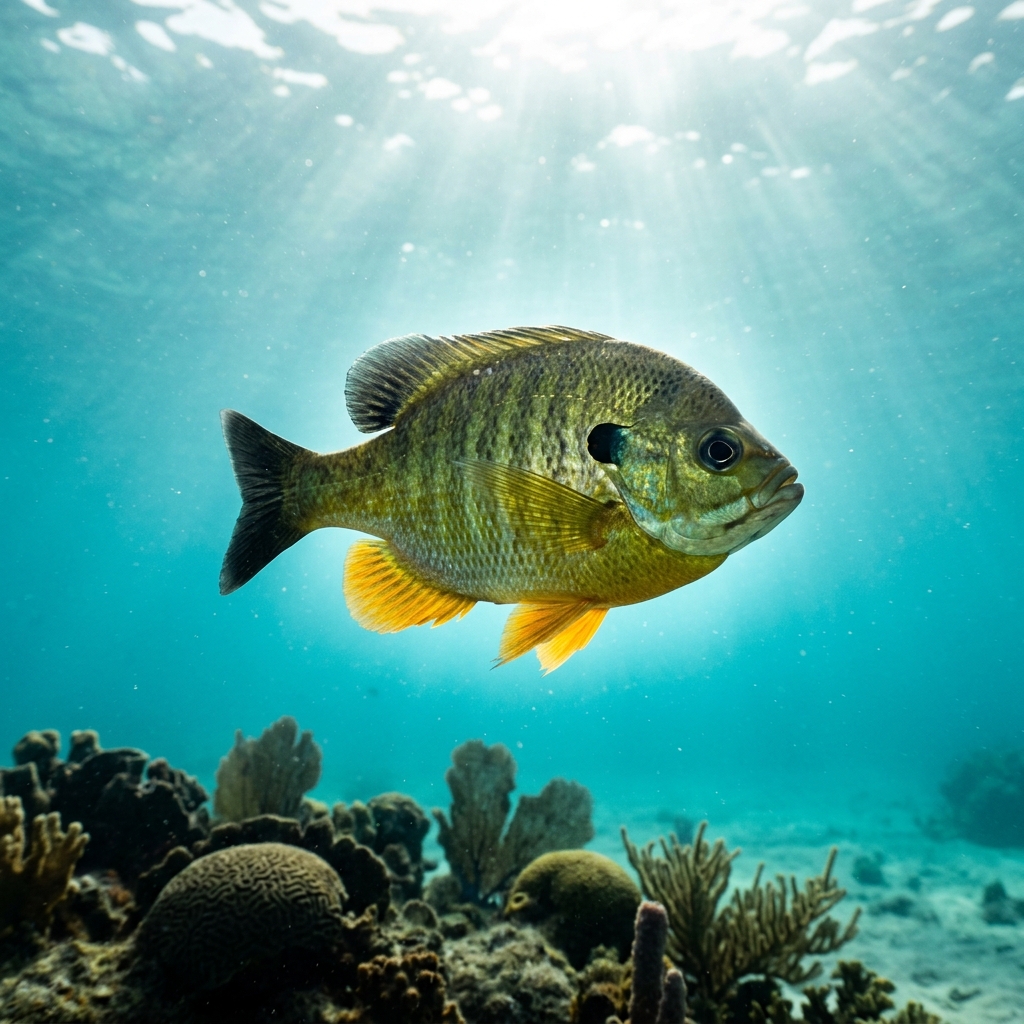
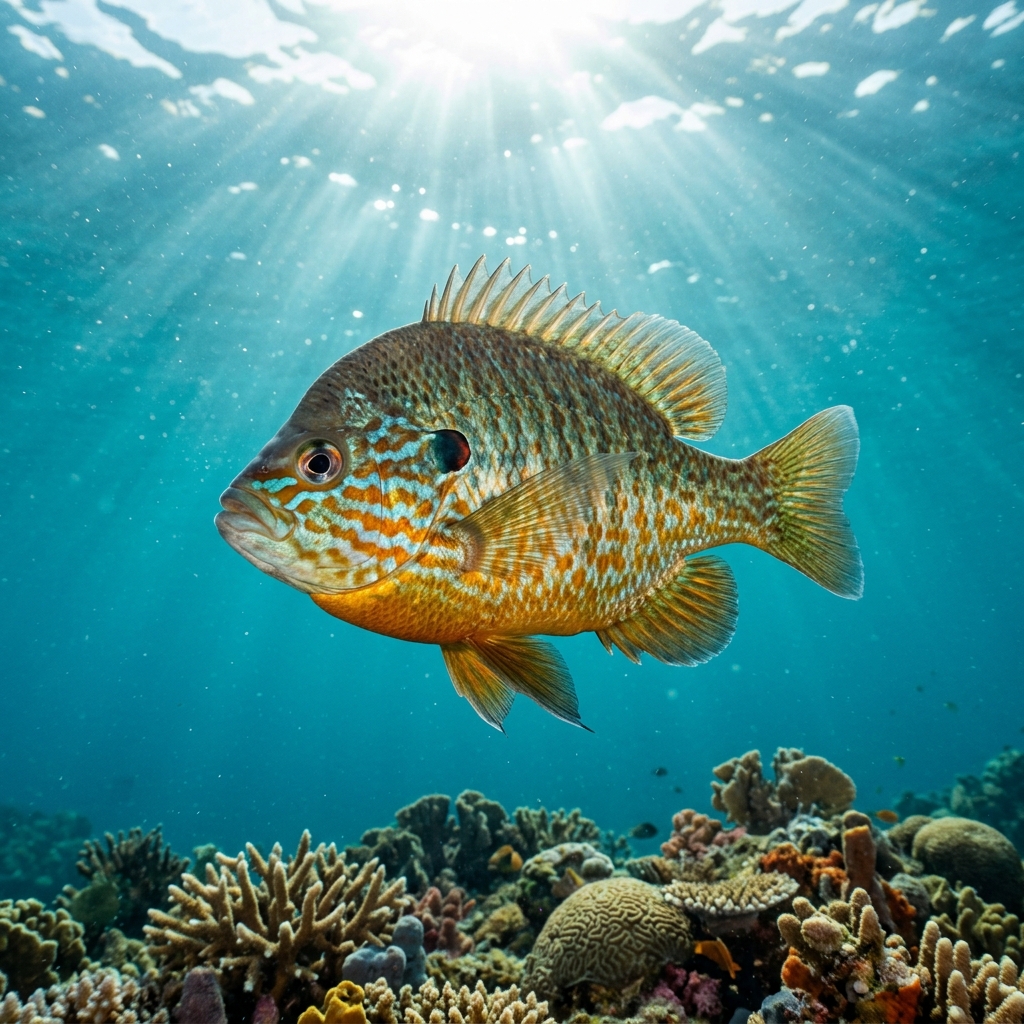
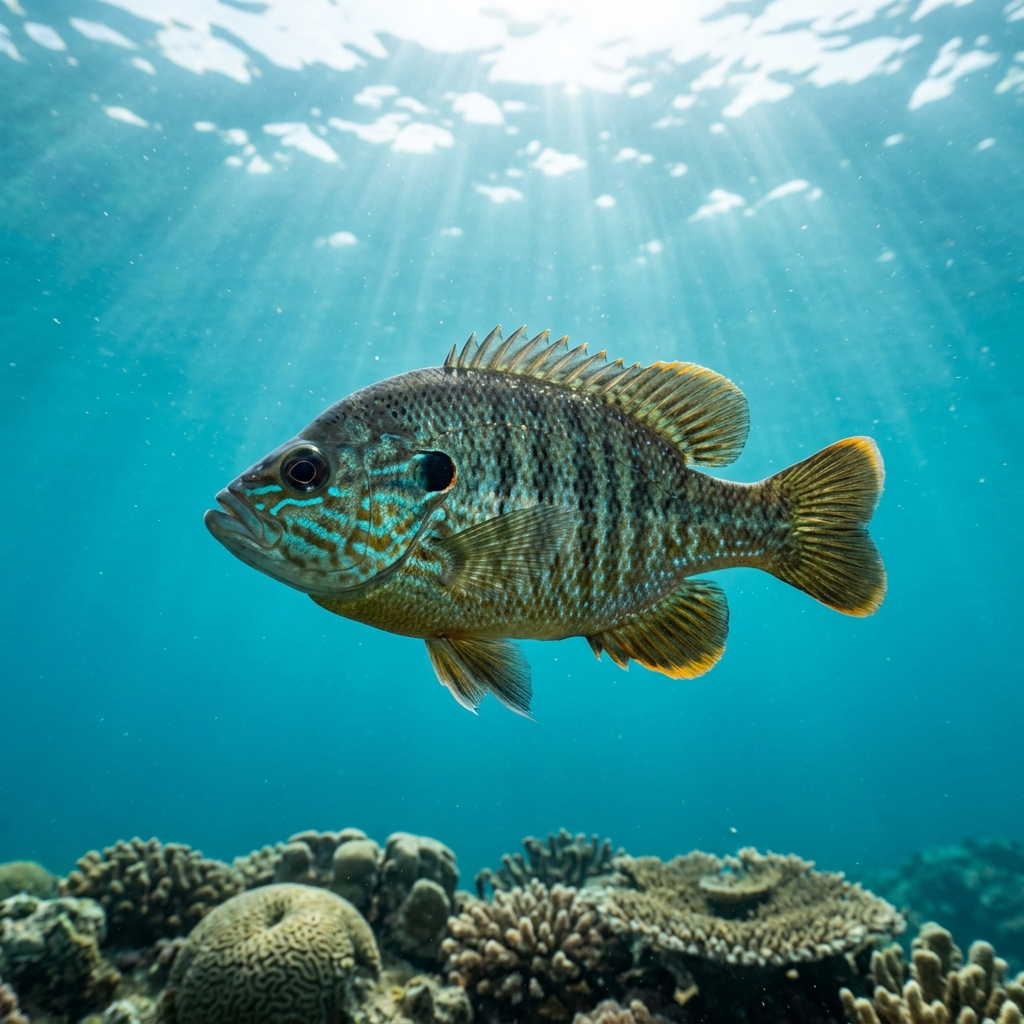
A compact, deep-bodied sunfish with bold iridescent blue-green streaks radiating from the snout and cheeks against an olive-yellow body. The key mark to look for underwater is a dark spot at the rear base of the soft dorsal fin and another at the base of the tail end of the anal fin. The mouth is noticeably large for a sunfish, giving it a slightly bass-like silhouette. It typically sits in the small-to-medium palm-sized range, making it easy to overlook among rocks and weeds.
Green sunfish tend to hold position near structure such as submerged rocks, fallen timber, or aquatic vegetation in shallow freshwater, which is typically where divers encounter them. They are not particularly skittish and will often hold their ground or retreat only a short distance when approached slowly. Sightings are almost always solitary or in loose groupings rather than schools.
Green sunfish are one of the most tolerant sunfish species when it comes to low-oxygen and turbid (murky) water conditions, which is partly why they turn up in lakes and rivers where other sunfish struggle. That hardiness is worth knowing as a diver: if visibility is poor, this is still a species you might encounter.
There is not enough monthly sighting data to pinpoint a peak season, so treat it as a year-round possibility. Its observed temperature range of roughly 4 to 23 °C means it can be active across a wide stretch of freshwater diving conditions, including cooler seasons that many divers avoid.
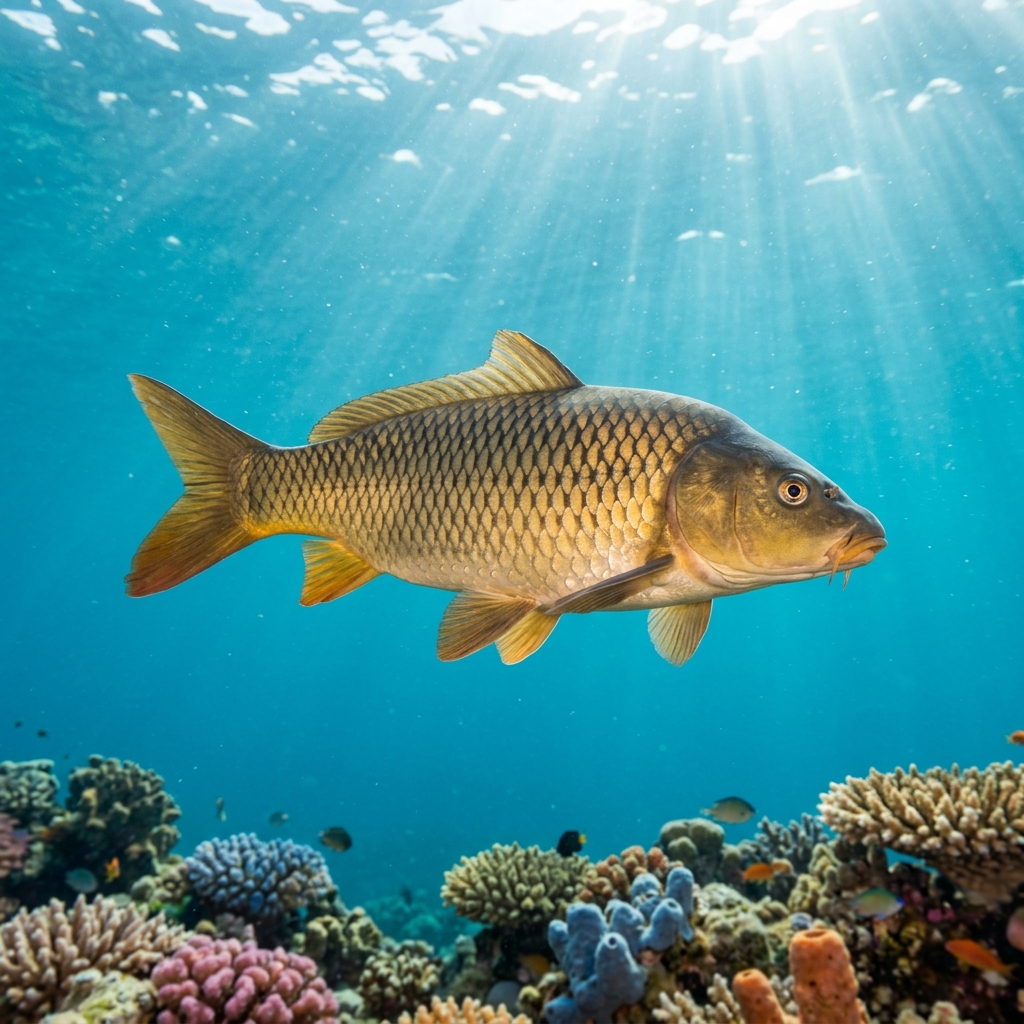
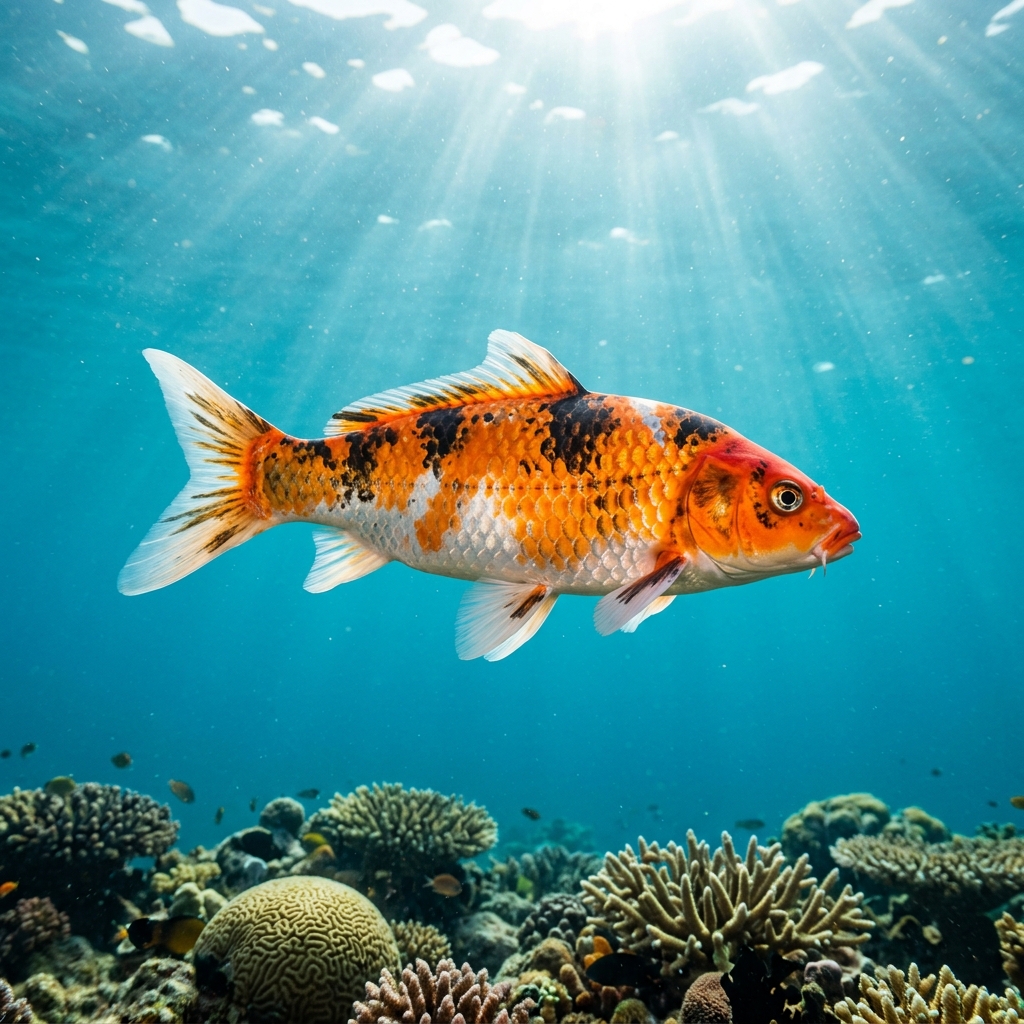
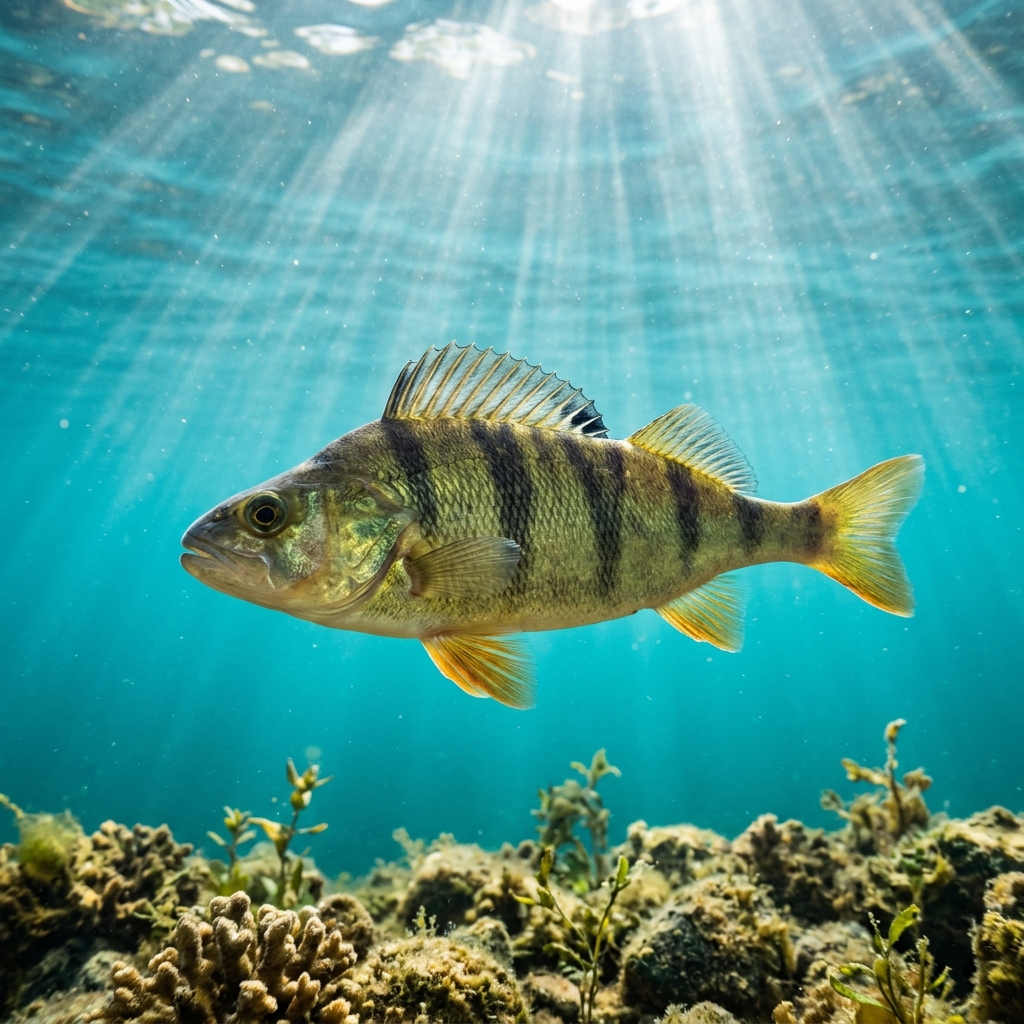
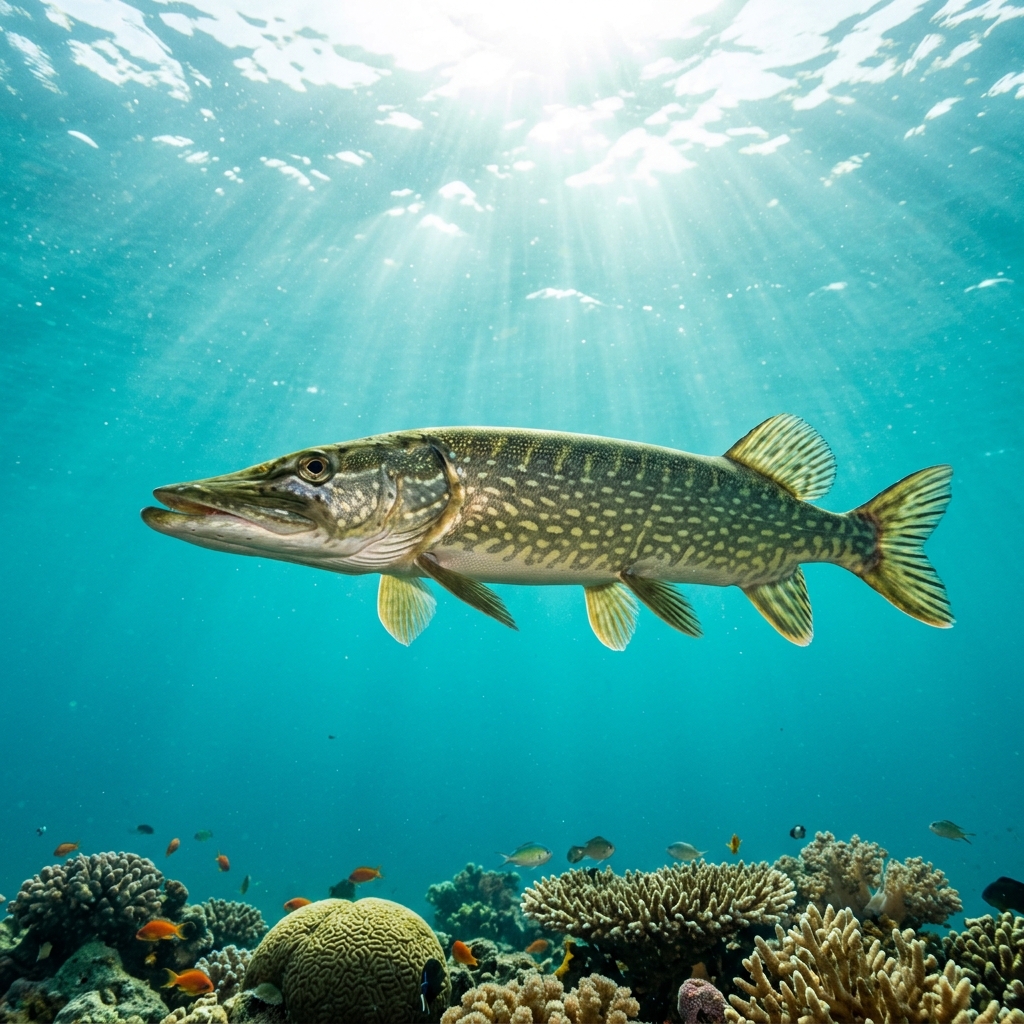
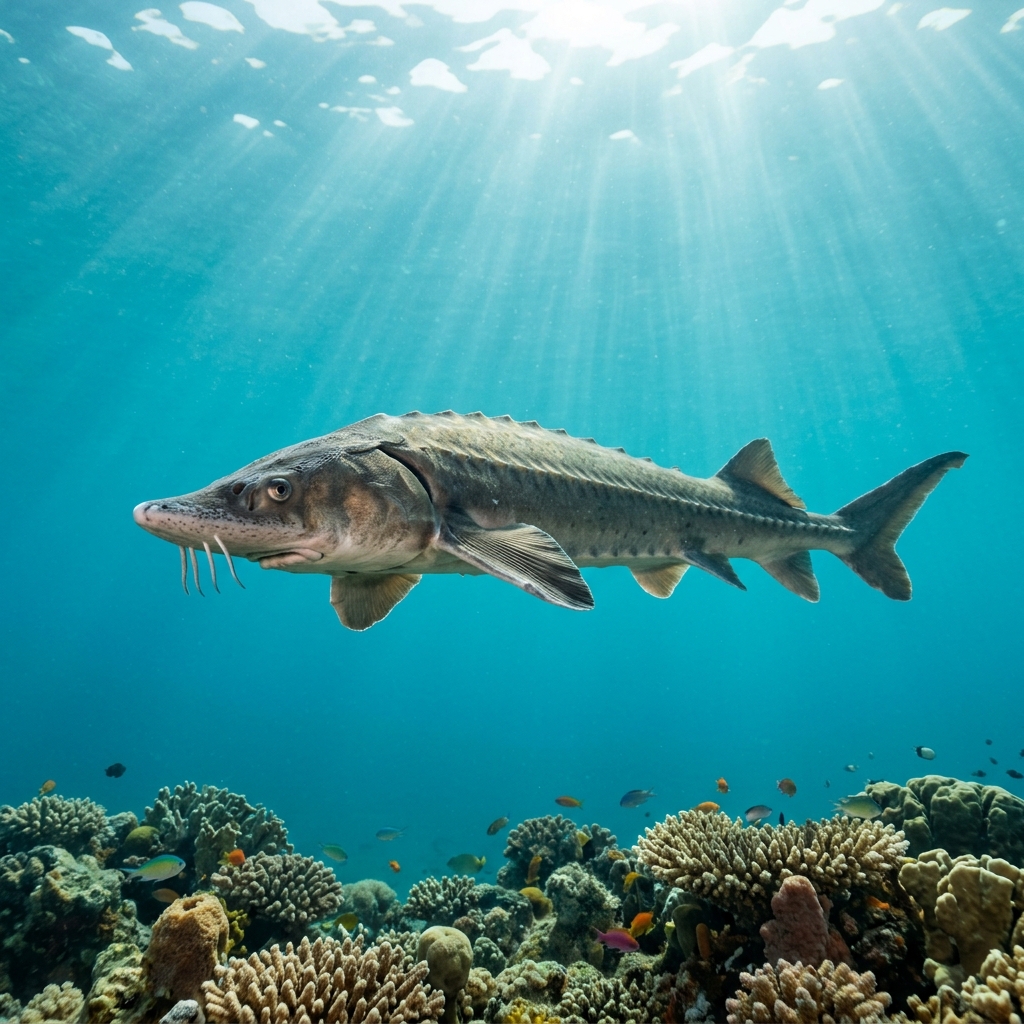
Reef neighbours a diver could mistake it for. Use the identification notes above to tell them apart.
Divers log green sunfish most consistently across the Great Lakes and Ontario region of Canada, which accounts for the majority of recorded sites. In the United States, sightings are spread across the Great Lakes and Northeast as well as Central and Mountain West regions. It is rarely encountered at any single site, so freshwater dive sites with weedy shallows and rocky structure in these regions offer the best chance.
Mapping where Green Sunfish is logged…
Green sunfish are most commonly logged by divers in the Great Lakes and Ontario region of Canada, with additional sightings across the Great Lakes and Northeast and the Central and Mountain West regions of the United States. Look for weedy or rocky shallow freshwater sites in these areas.
There is no clearly defined peak season in diver sighting data, so they can be encountered year-round. Their tolerance for water temperatures as low as around 4 °C means they remain active even in cooler months when freshwater diving quiets down.
Look for the iridescent blue-green streaks on the cheeks and face, the olive-yellow body, and a prominent dark spot at the rear base of the dorsal fin. The mouth is larger than you would expect for a sunfish of its size, which helps separate it from similar species.
Green sunfish are a small species, typically reaching around 15 to 20 cm in most populations, though larger individuals exist. Underwater, they generally appear palm-sized, which makes them easy to miss against weedy or rocky backgrounds.
At most sites where they are recorded, green sunfish are logged as uncommon or rare. They are not a species you can reliably plan a dive around, but patient divers exploring shallow, structured freshwater habitat in the Great Lakes region do encounter them.
Site and sighting data is aggregated from diver logs, iNaturalist and GBIF. For taxonomy and conservation status:
Sun Perch
2,182 sites