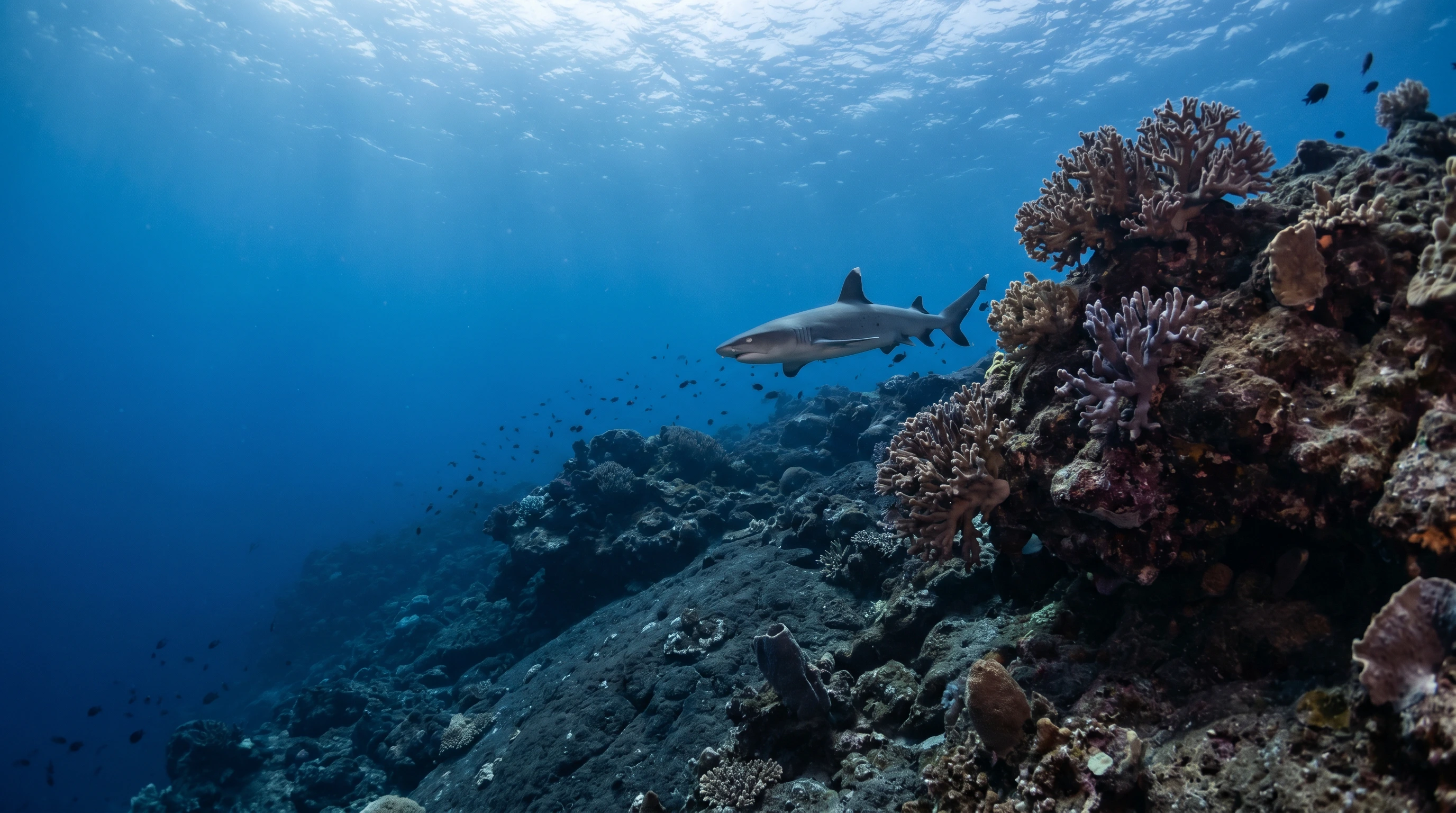
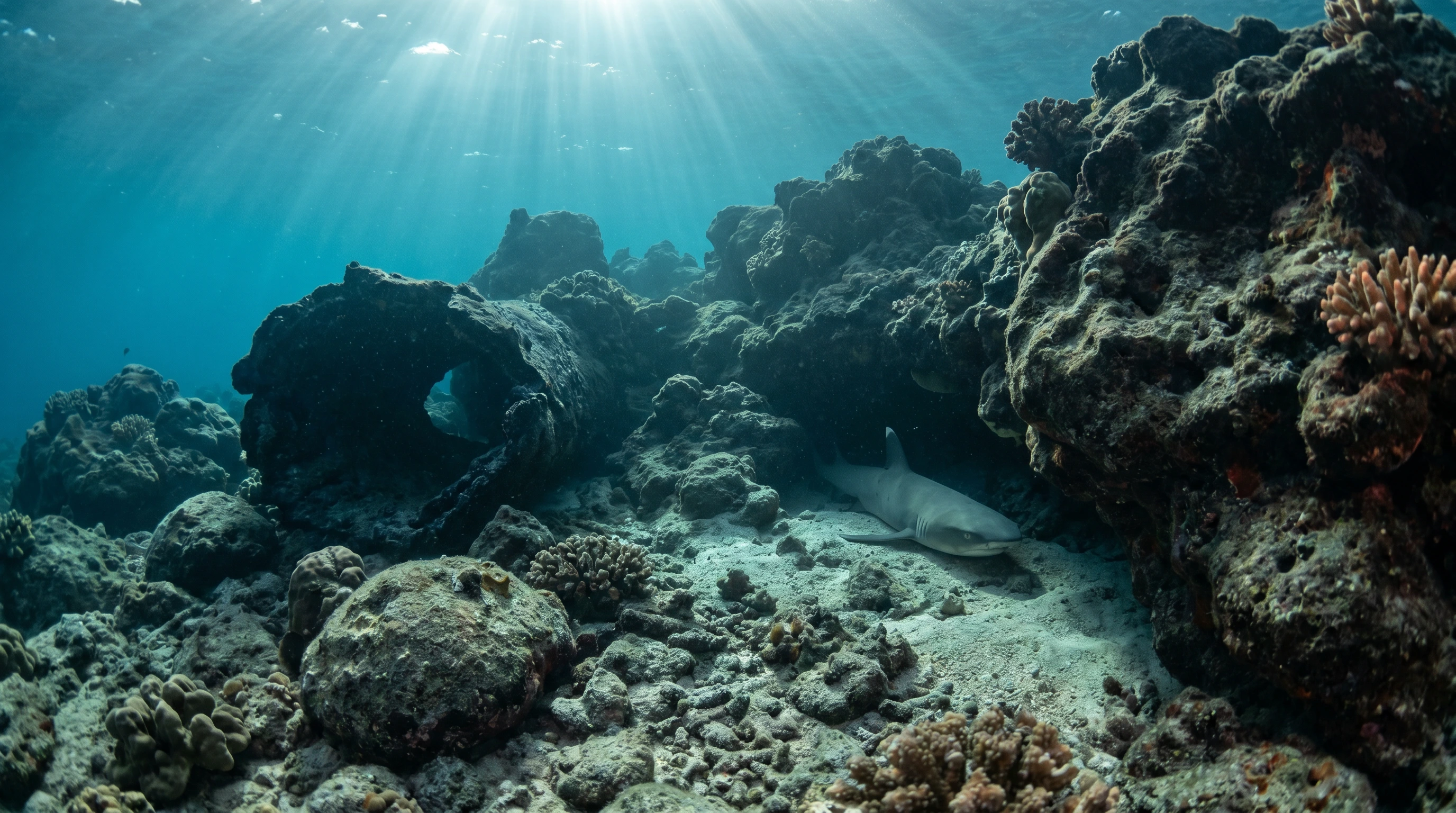
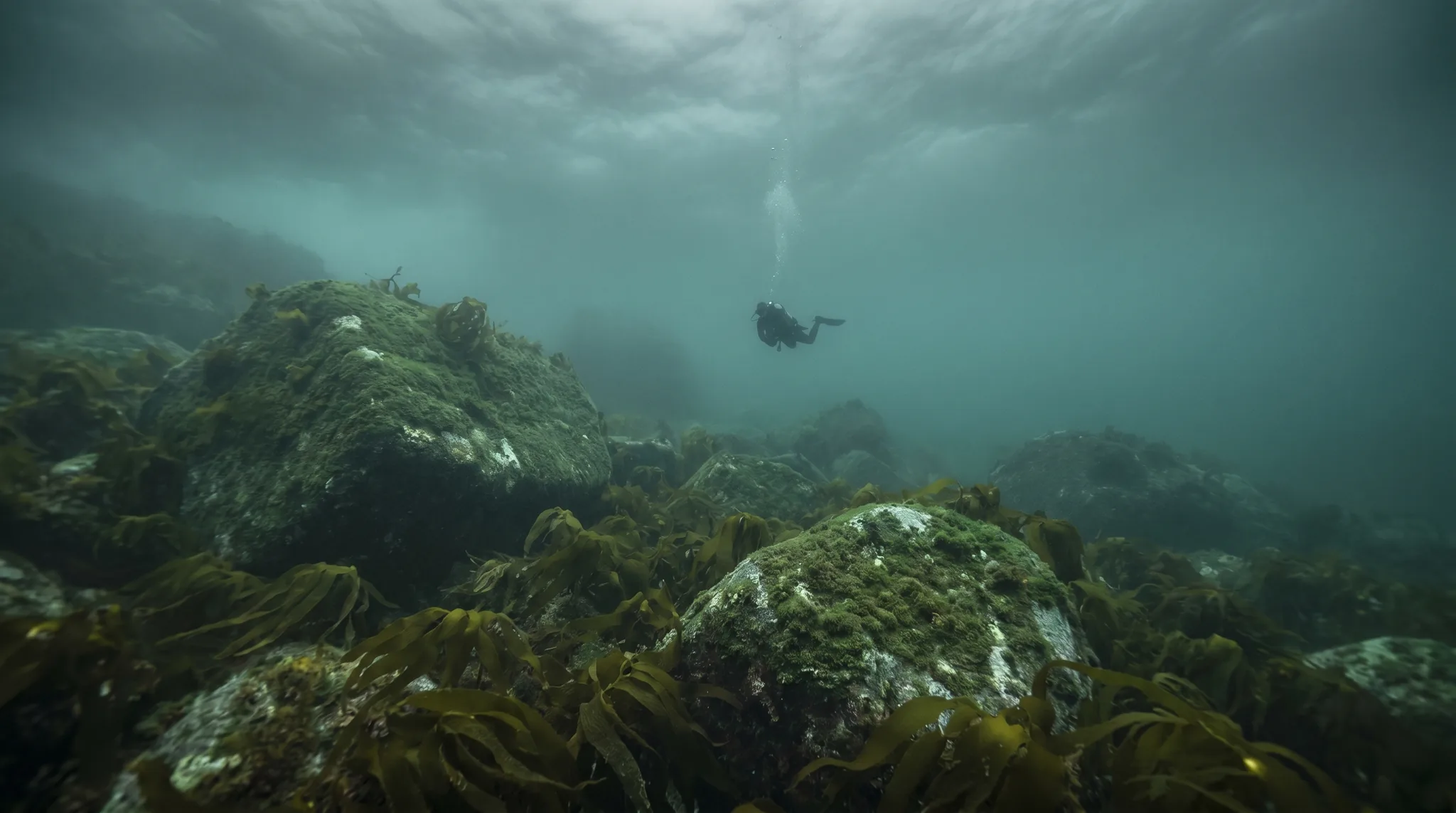
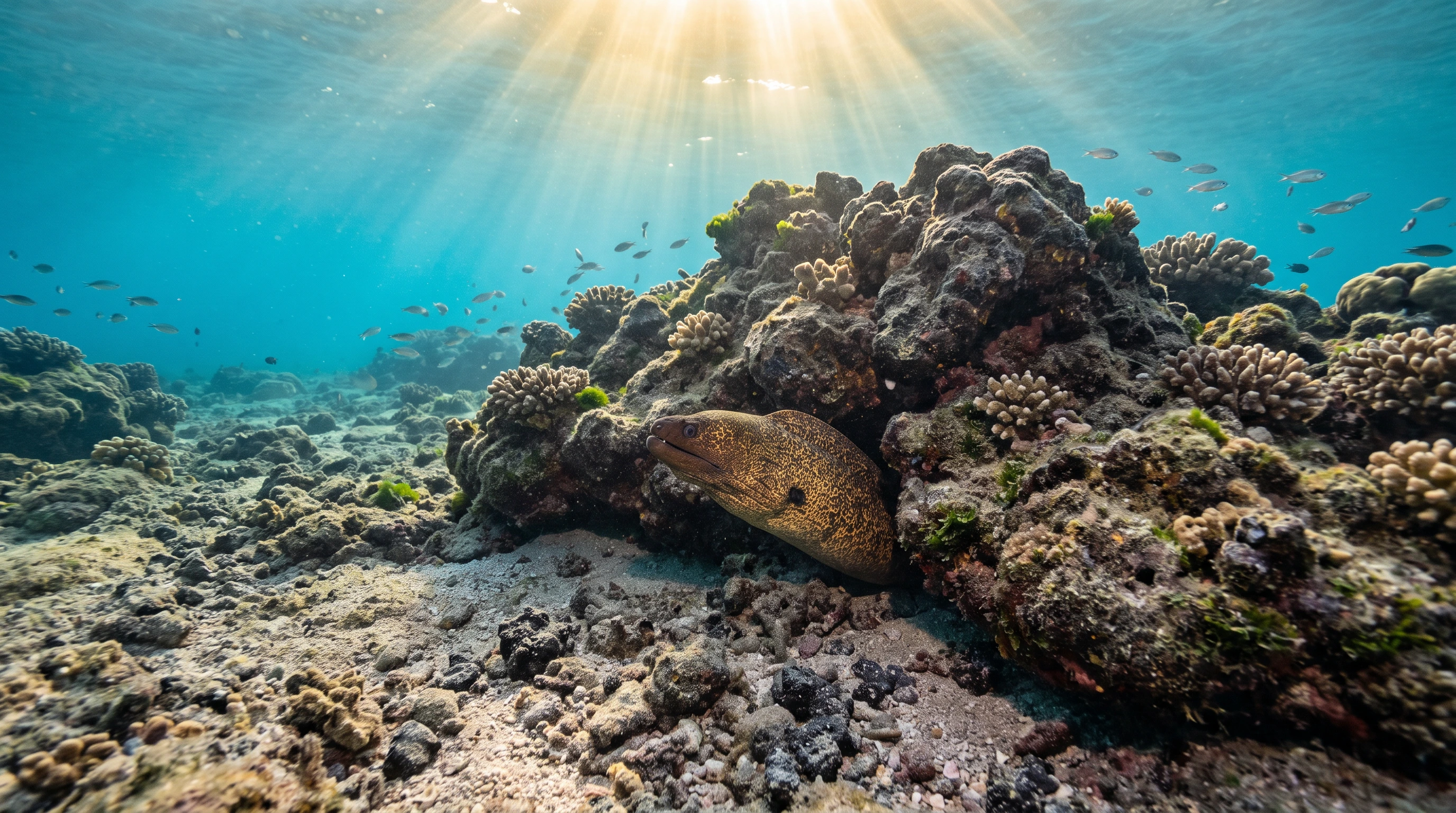
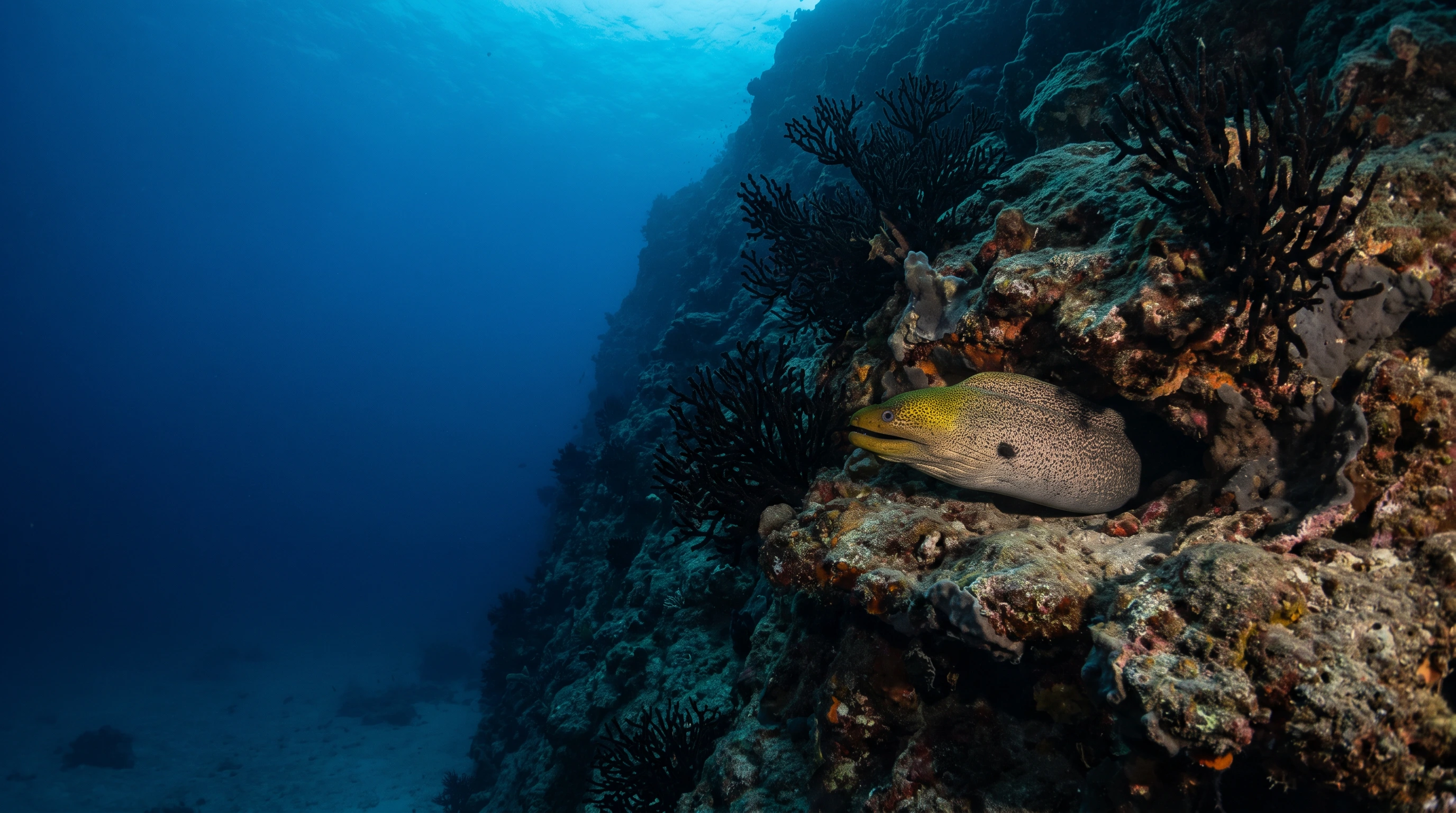
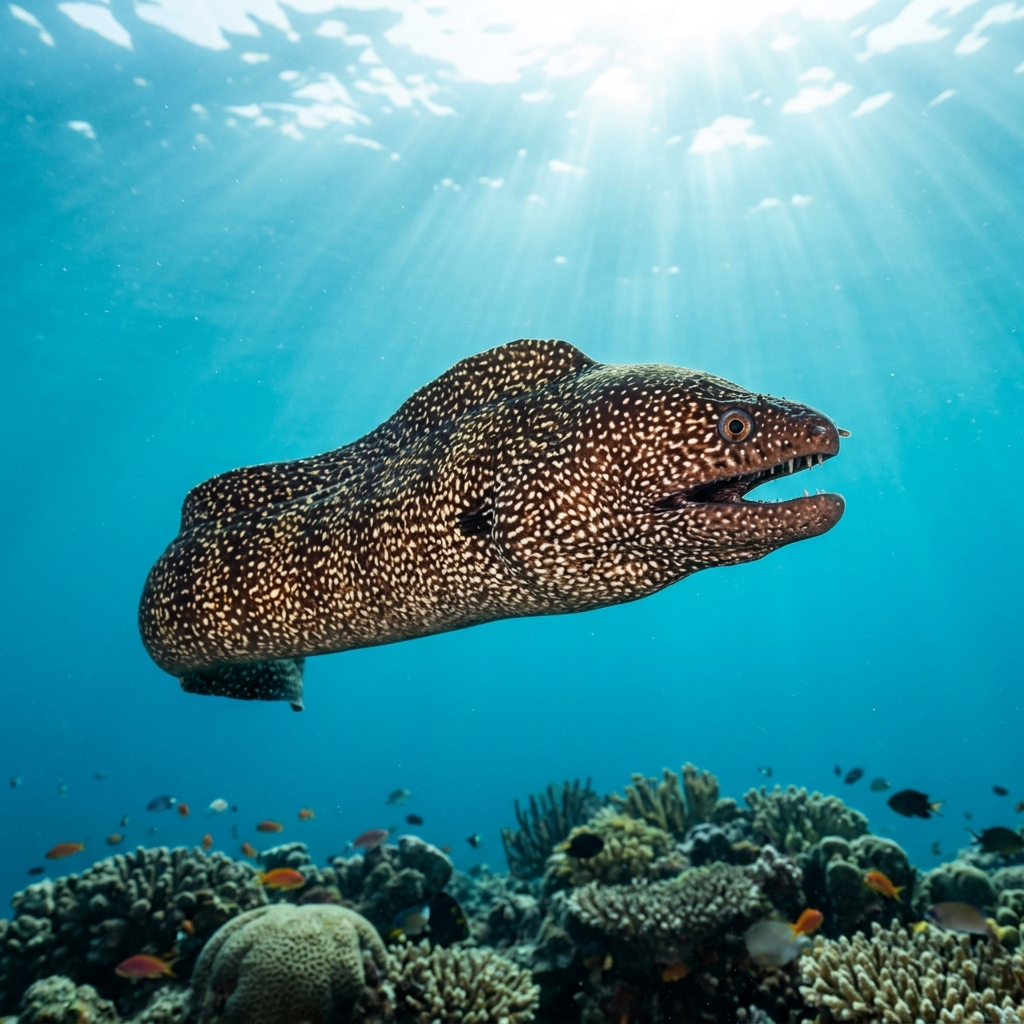
Maui's underwater character is shaped by Hawaiian reef life, volcanic topography, and a strong mix of site types ranging from shallow lava-bench snorkelling bays to deep drift walls. The Molokini Crater sub-area holds the majority of sites, offering everything from beginner-friendly caverns at Honu Reef to the advanced wall and drift diving of Molokini Back Wall. Shore entries at Ahihi Kinau and Honolua Bay contrast with boat-accessed wrecks and cave systems. Green Sea Turtle and Turkey Moray are encountered across the region.
Monthly water temperature across Maui's sites, from satellite sea-surface data corrected for depth. The band shows the site-to-site spread.
Water temperature stays warm year-round with a slight rise from late spring through the cooler months, making diving comfortable in any season. Visibility varies considerably depending on site exposure, with offshore boat sites typically offering the clearest conditions. The histogram points to late spring and September as peak periods, when settled weather and calmer seas benefit both reef and wall diving.
55 operators
78 more sites to explore
1 areas
Water around Maui stays near 26°C all year, based on satellite sea-temperature data for its dive sites.
With water around 25–26°C, a 3mm full suit works in Maui year-round.
Fin maps 90 sites in Maui (79 scuba diving sites and 30 snorkelling spots, with some suited to both).
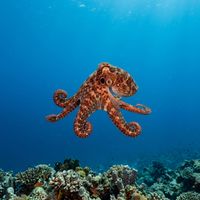
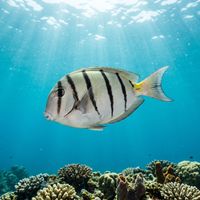
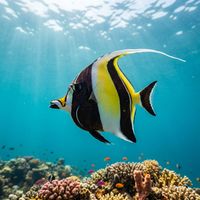
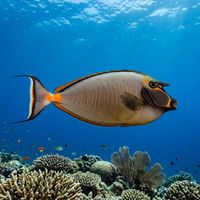
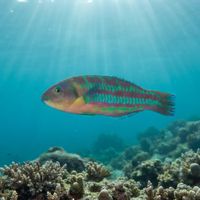
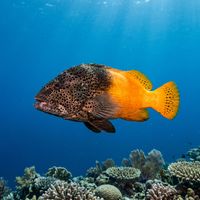
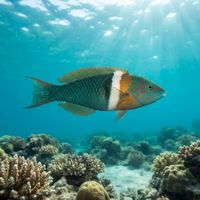
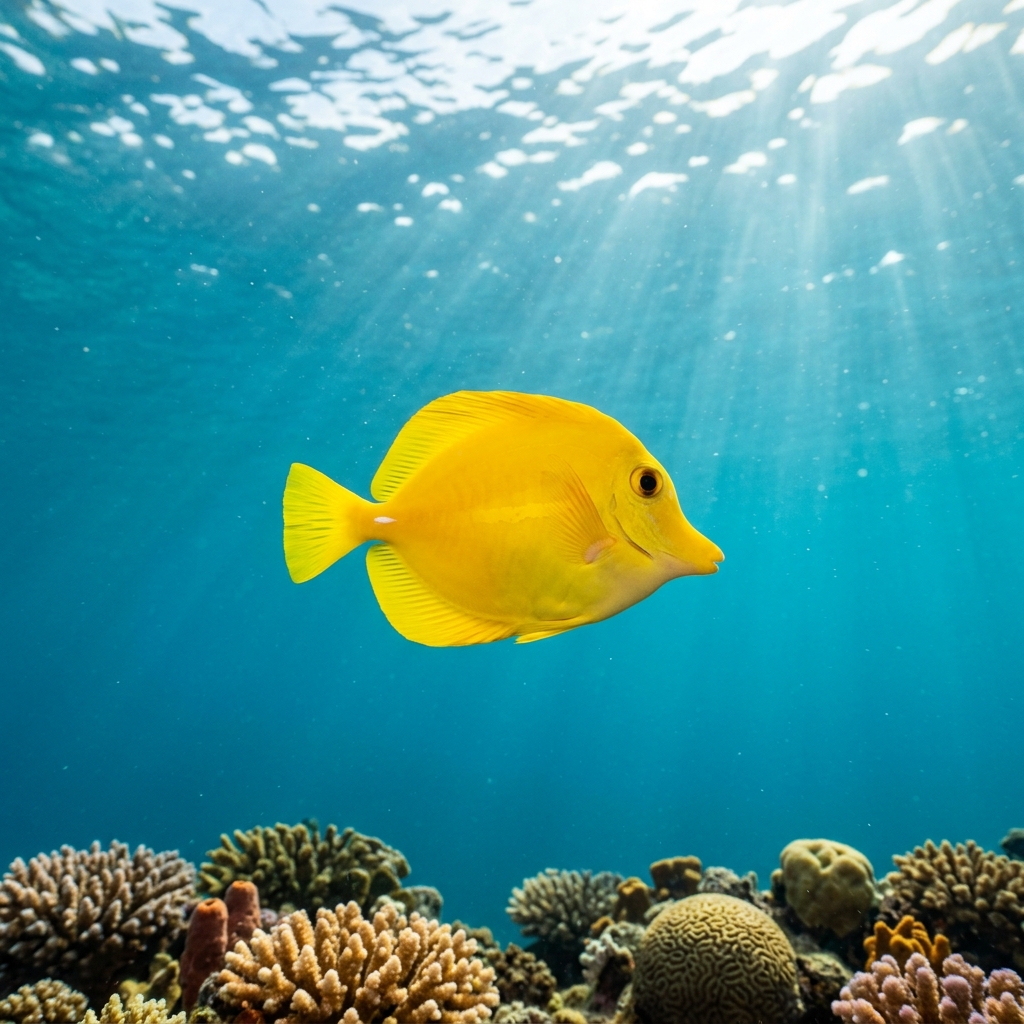
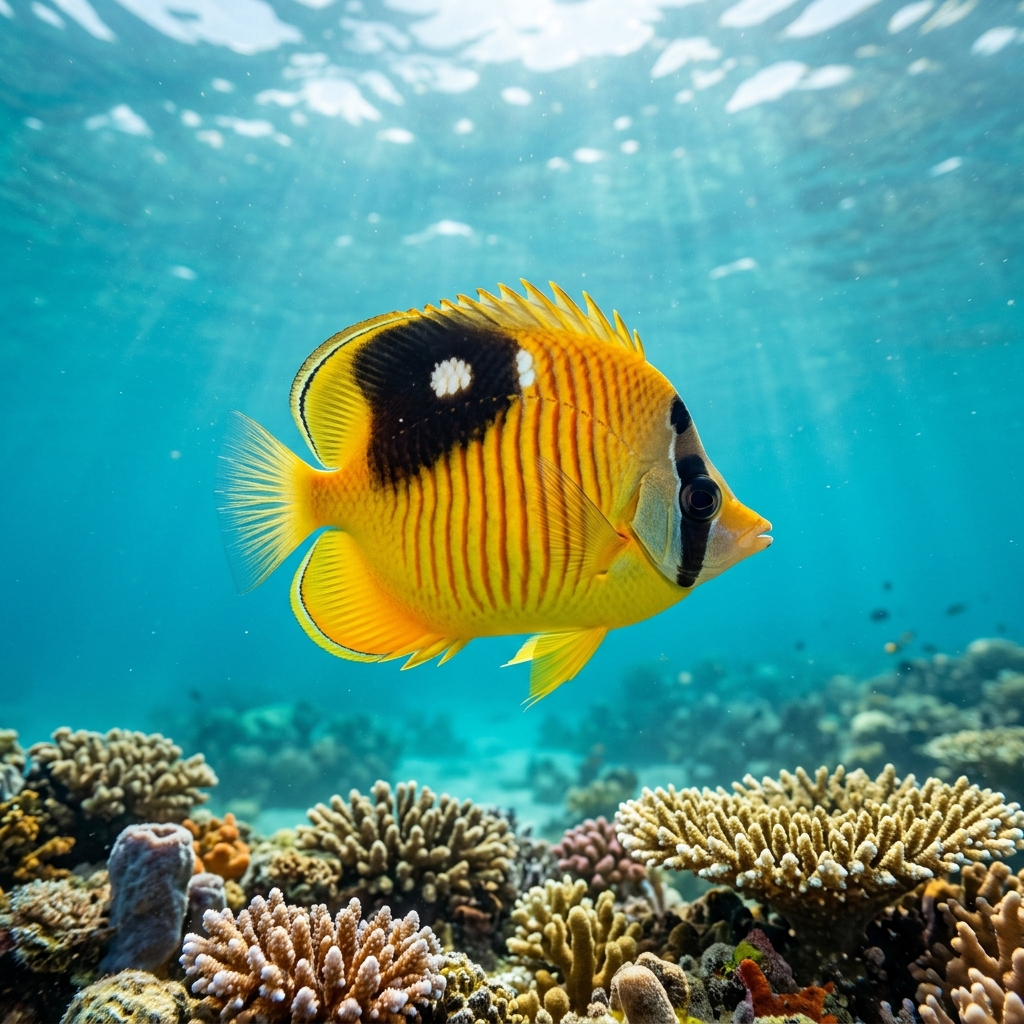
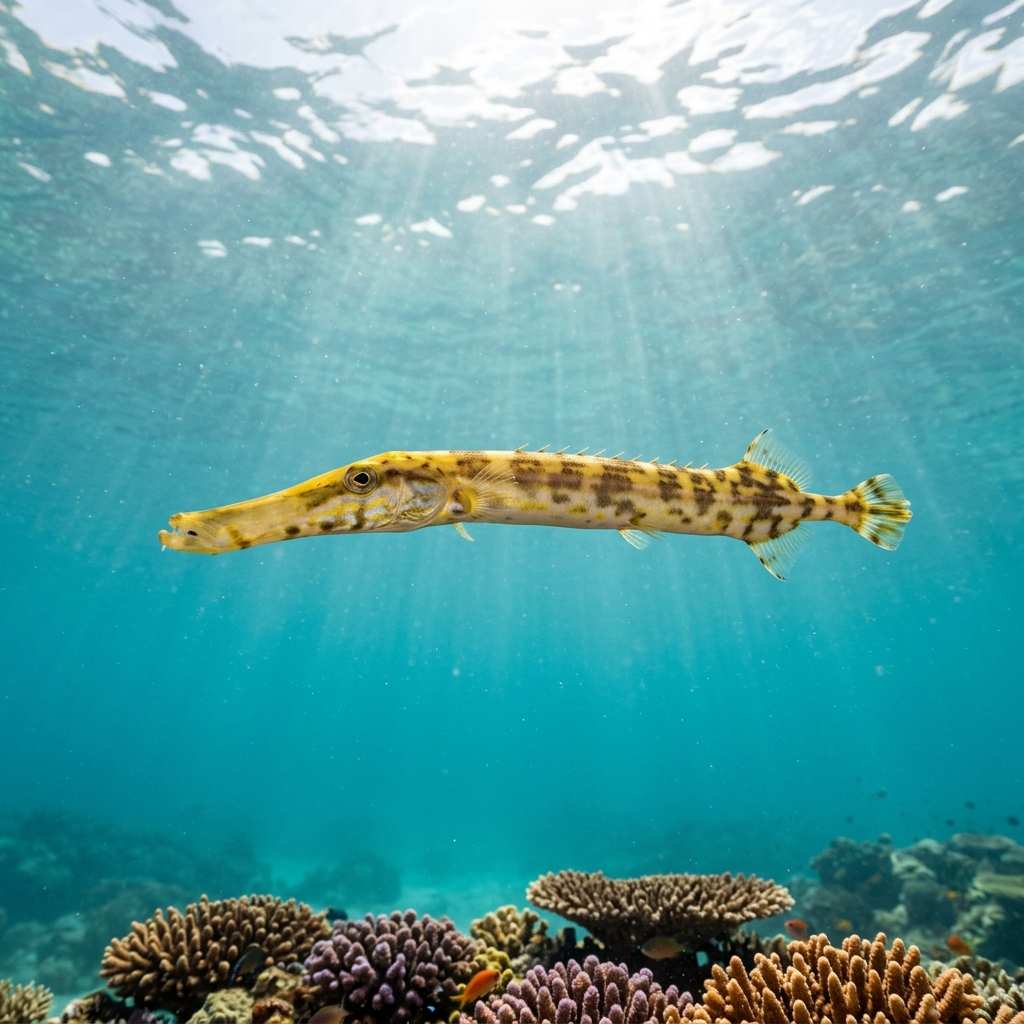
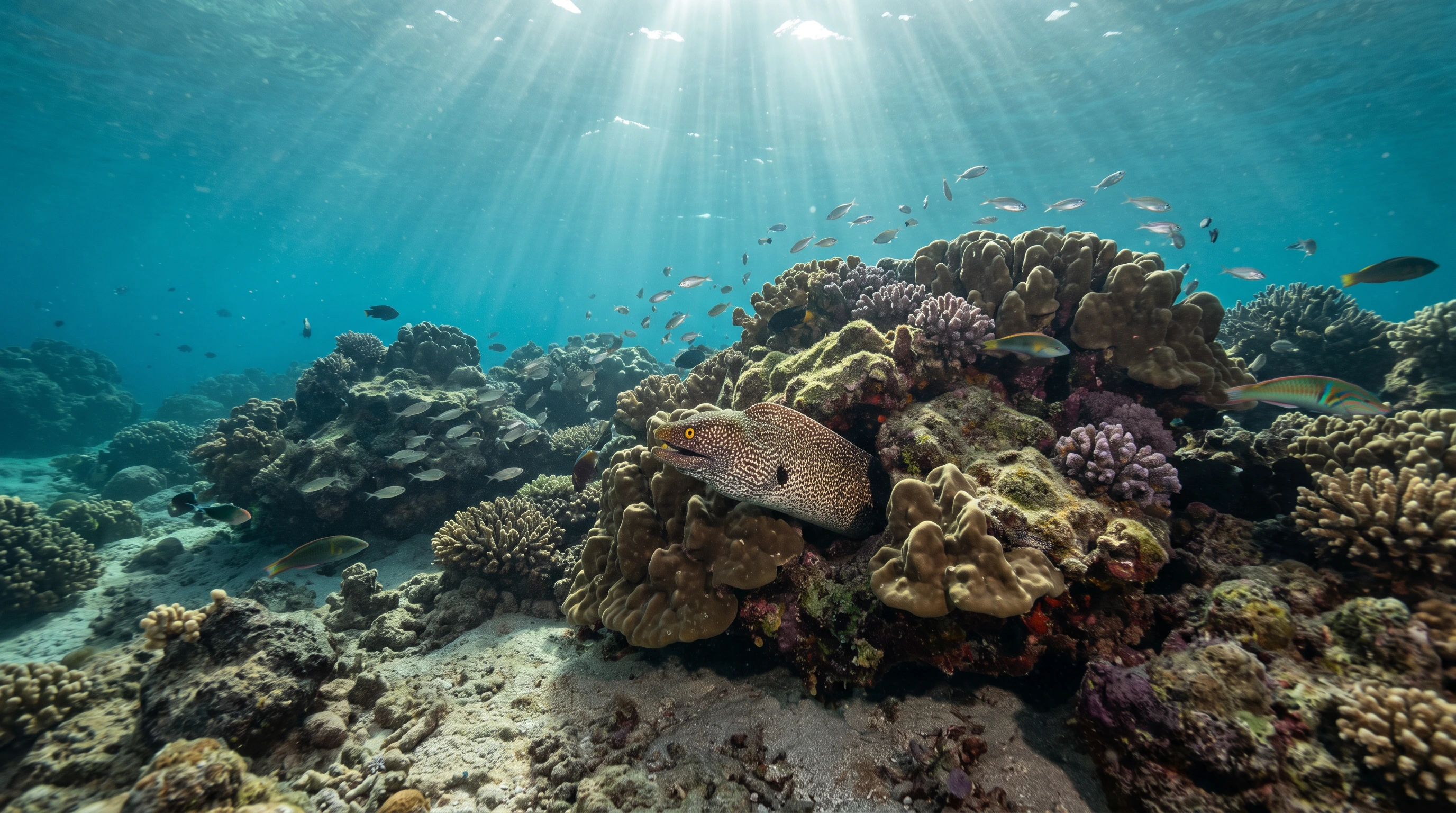
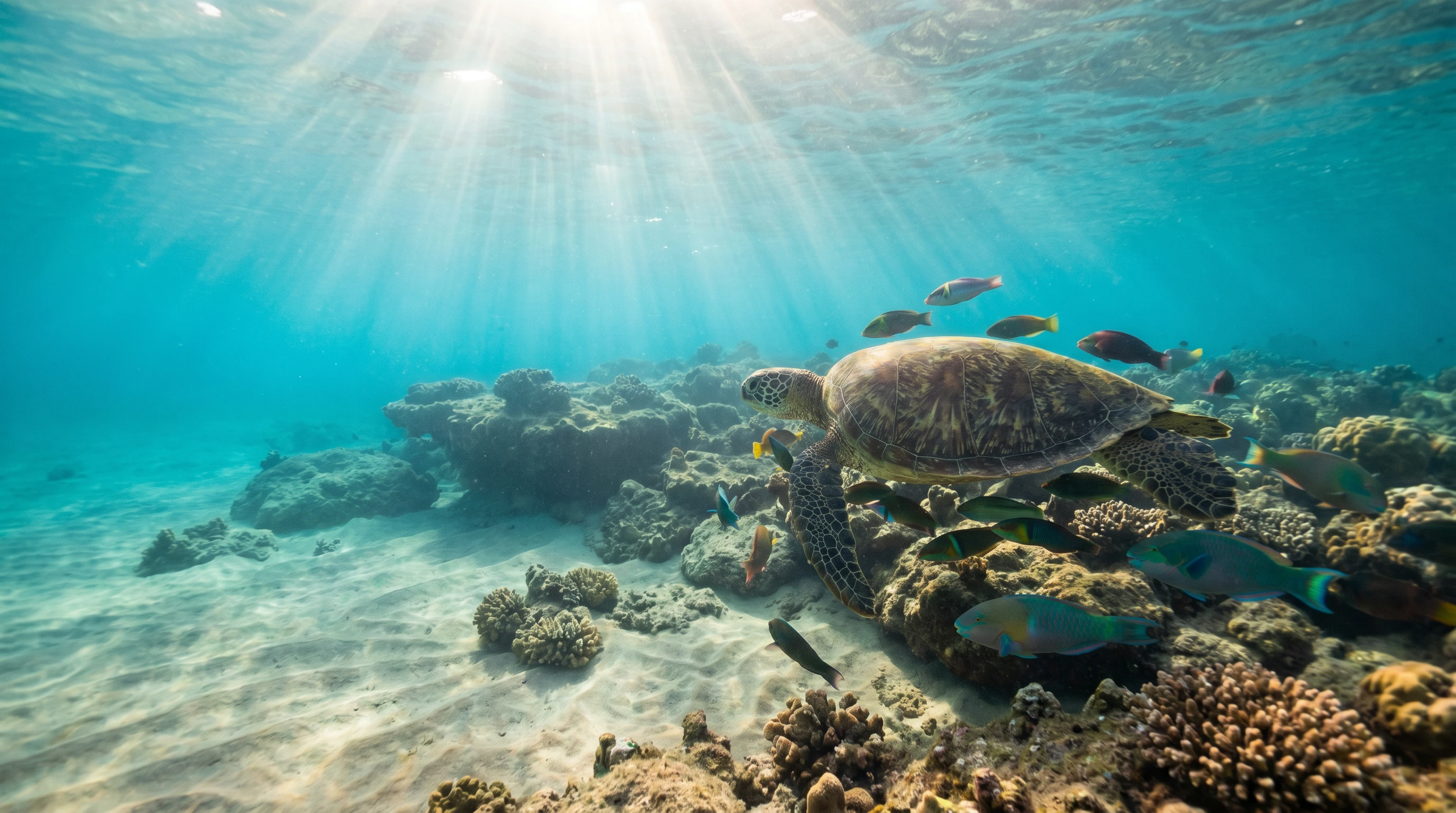
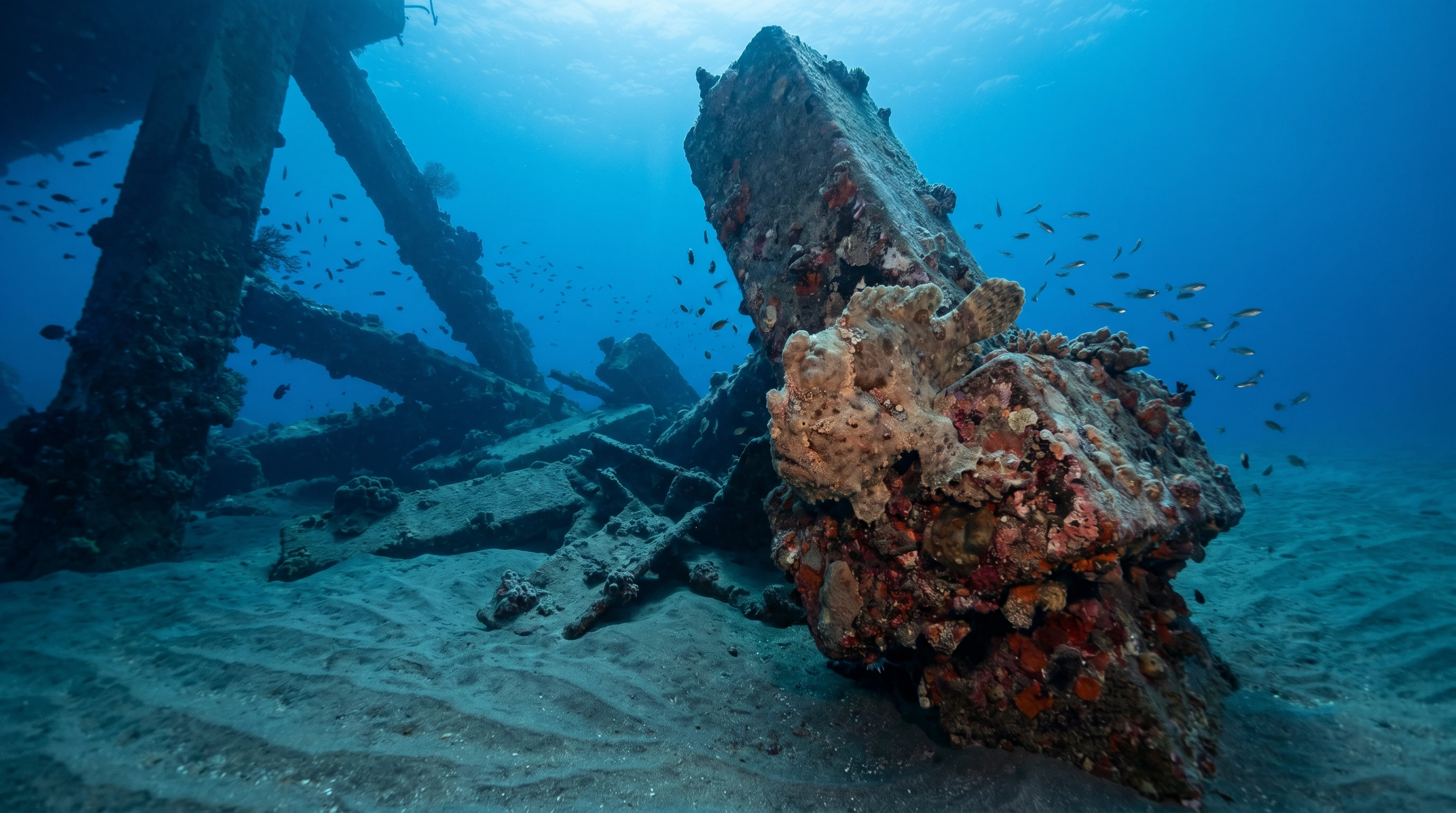
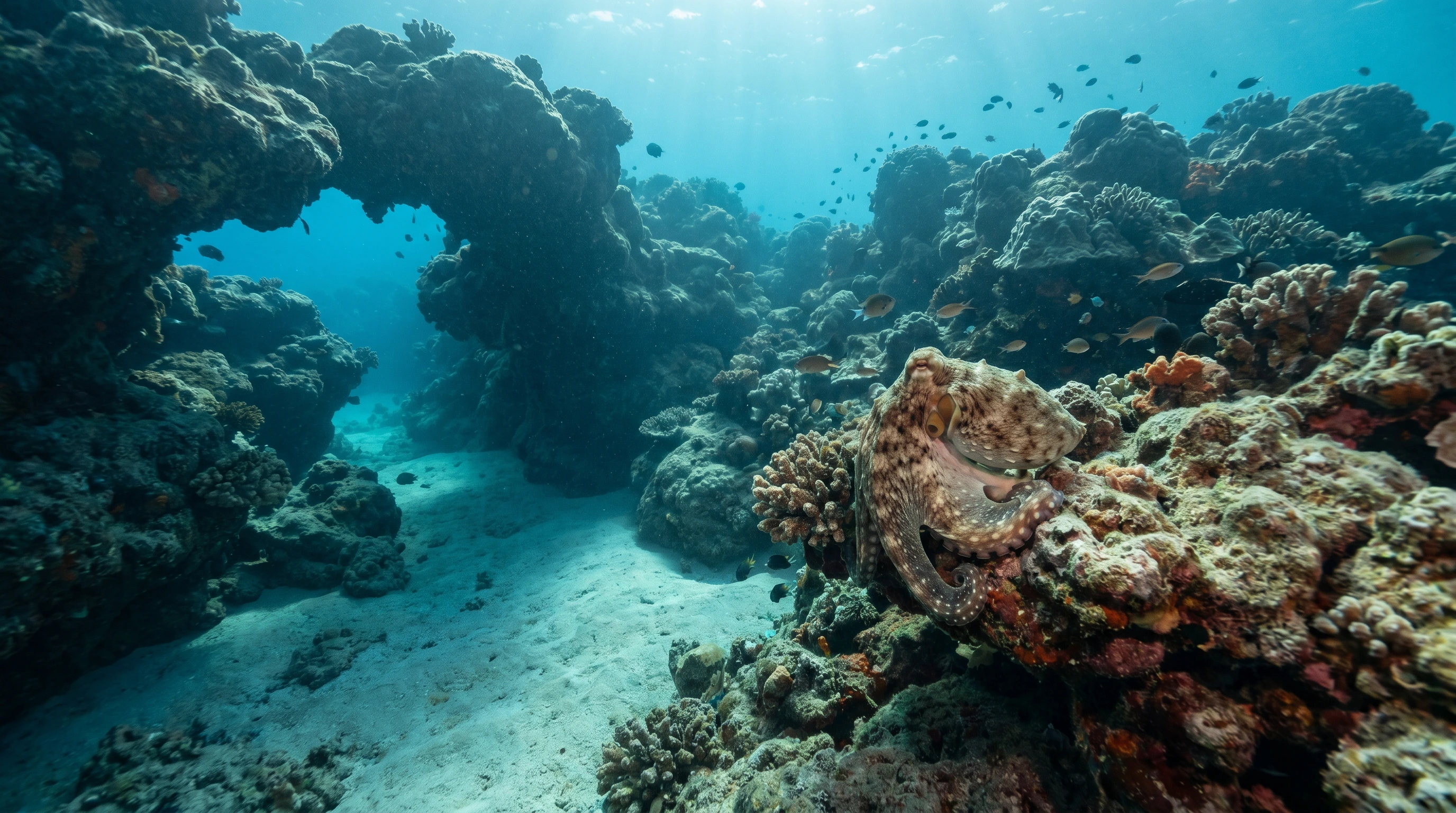
Maui's reefs host a rich range of observed species. Green Sea Turtle is common across a wide spread of sites, while Turkey Moray and Snowflake Moray are found sheltering in reef crevices. Day Octopus is frequently spotted, and reef fish such as Yellow Tang, Moorish Idol, Fourspot Butterflyfish, and Hawaiian Convict Surgeonfish are encountered on almost every dive.
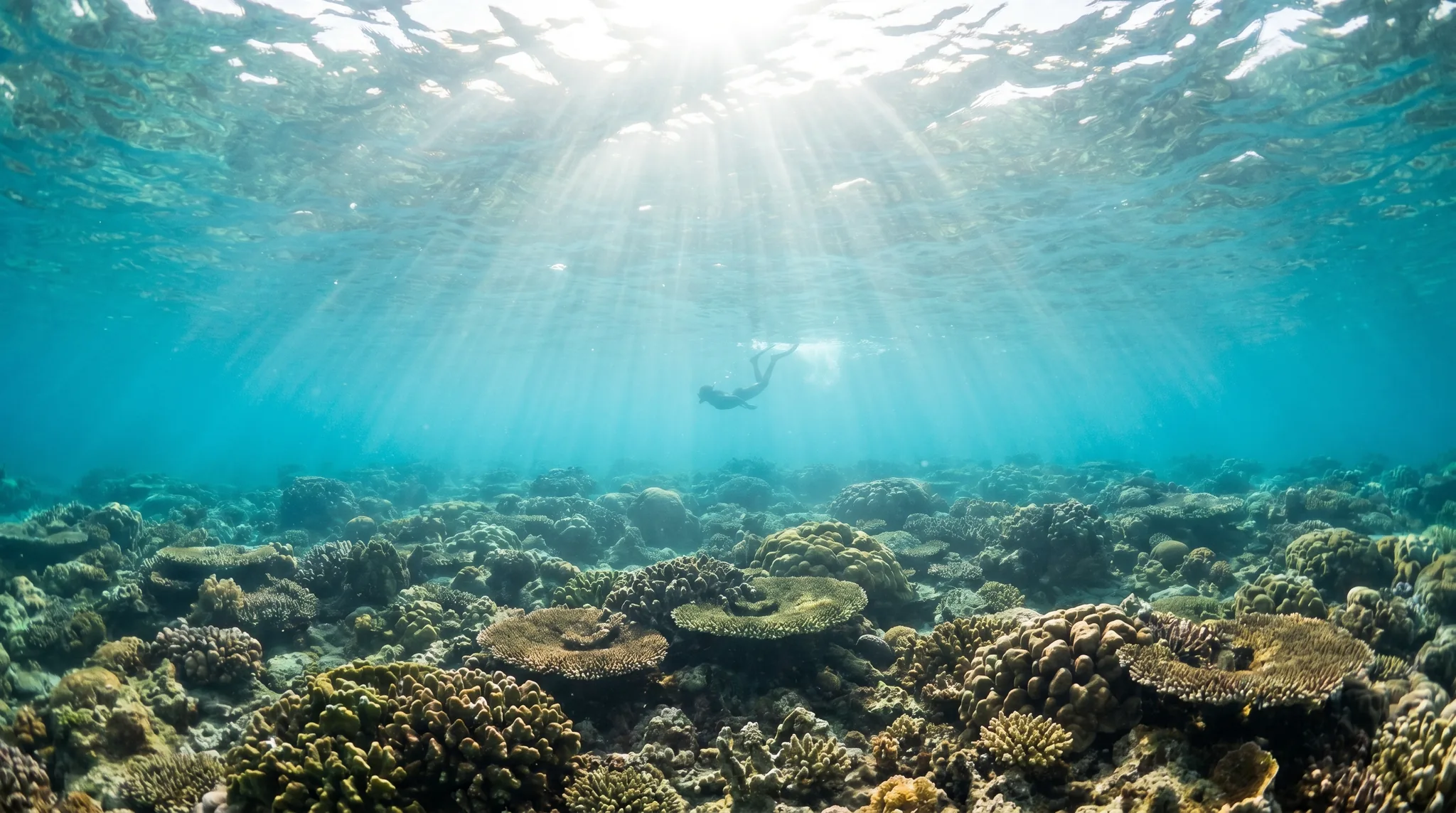
Several sites are graded for beginners, including Turtle Town, Napili Bay, Honu Reef, and Wash Rock. These offer shallow reef terrain with shore or boat entry and manageable conditions. The Molokini Crater sub-area also has beginner-accessible sites like Coral Gardens, though the crater's advanced wall dives are reserved for experienced divers.
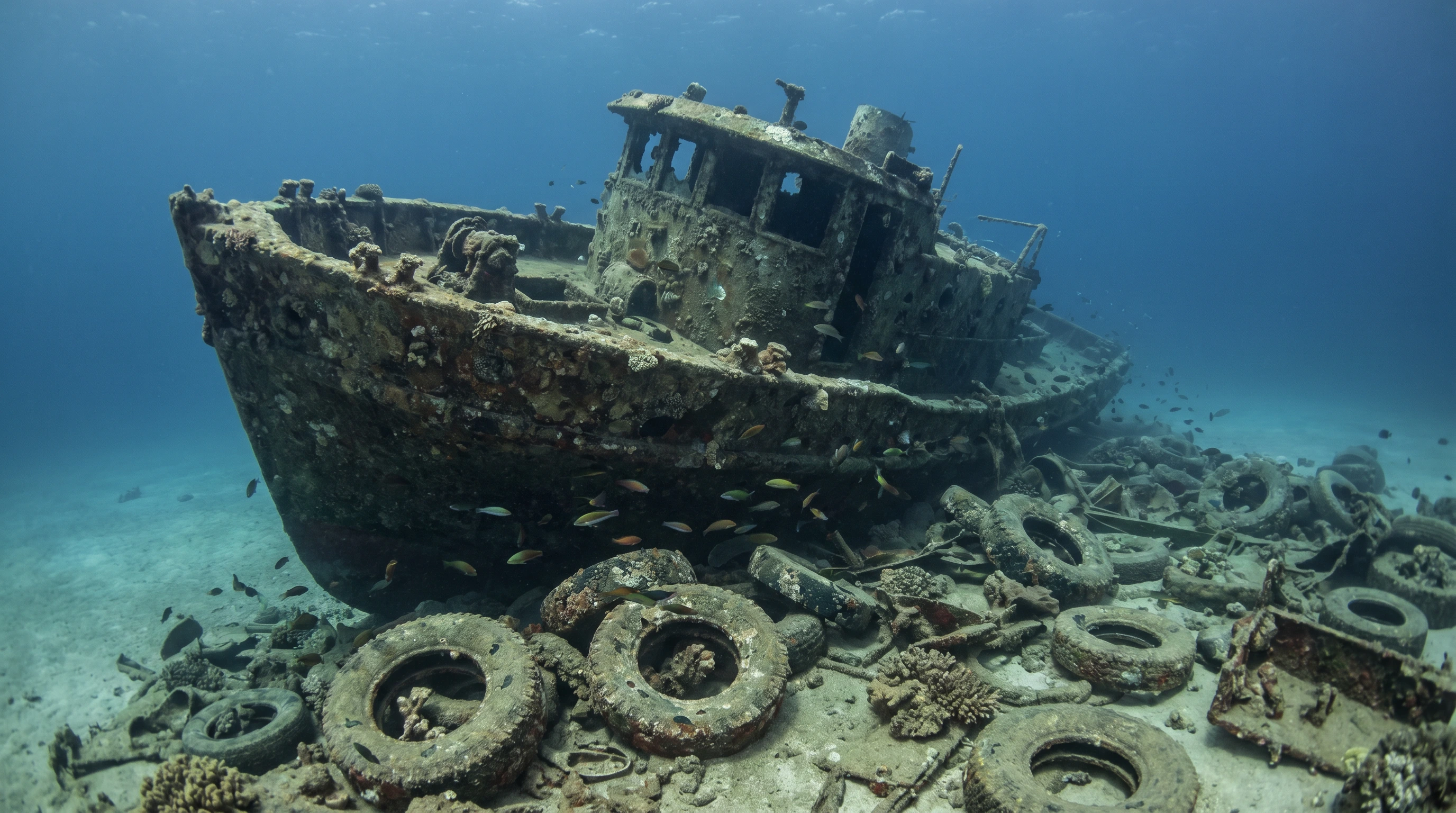
Shore entry sites such as Ahihi Kinau, Mala Wharf, and Honolua Bay offer independent access to lava reef and wreck environments without needing an operator. Boat-only sites, which include the deeper walls and cavern systems at Molokini Crater, require a charter and are where the most dramatic topography is found. Many sites support both access types, giving divers flexibility.
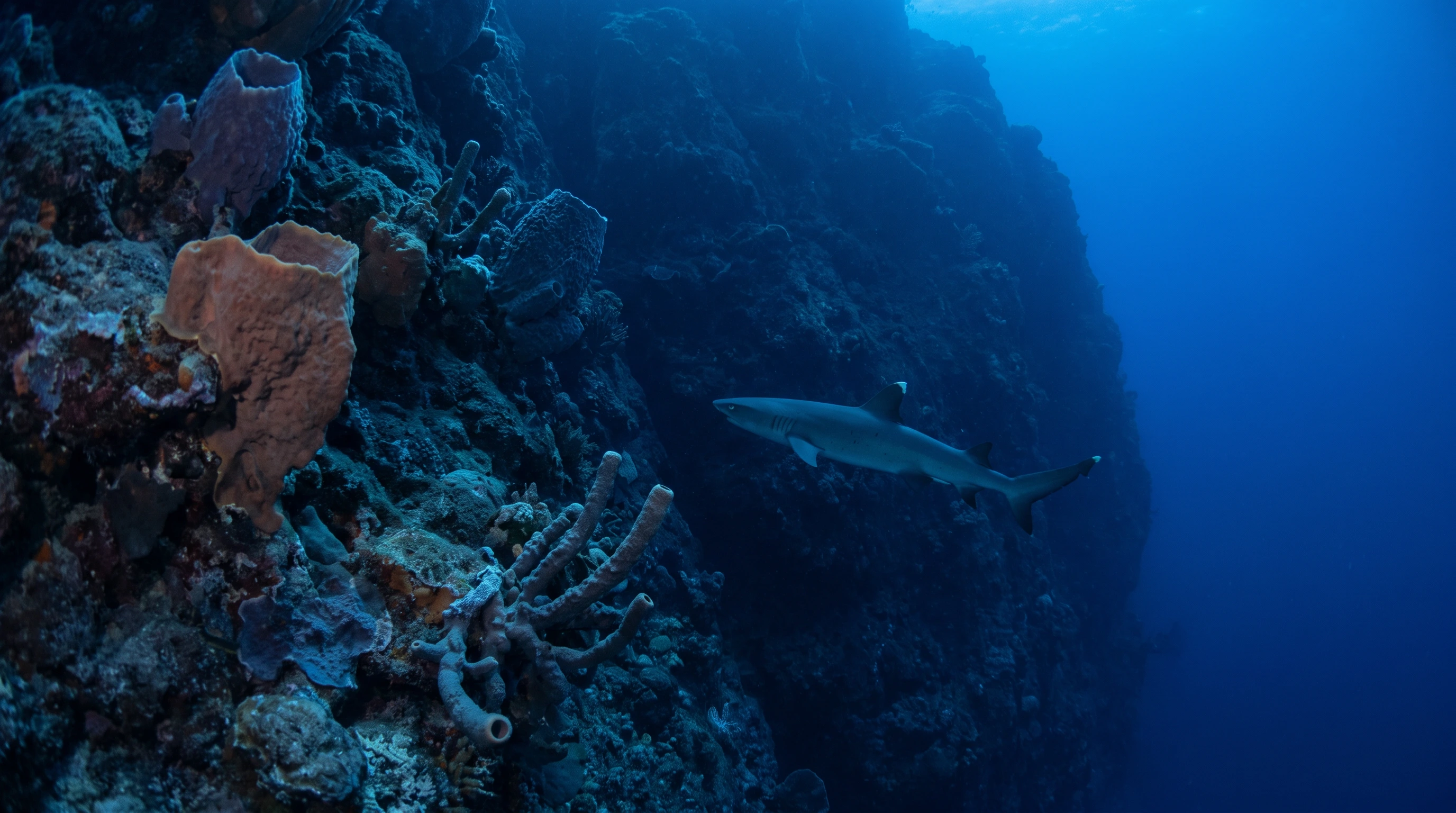
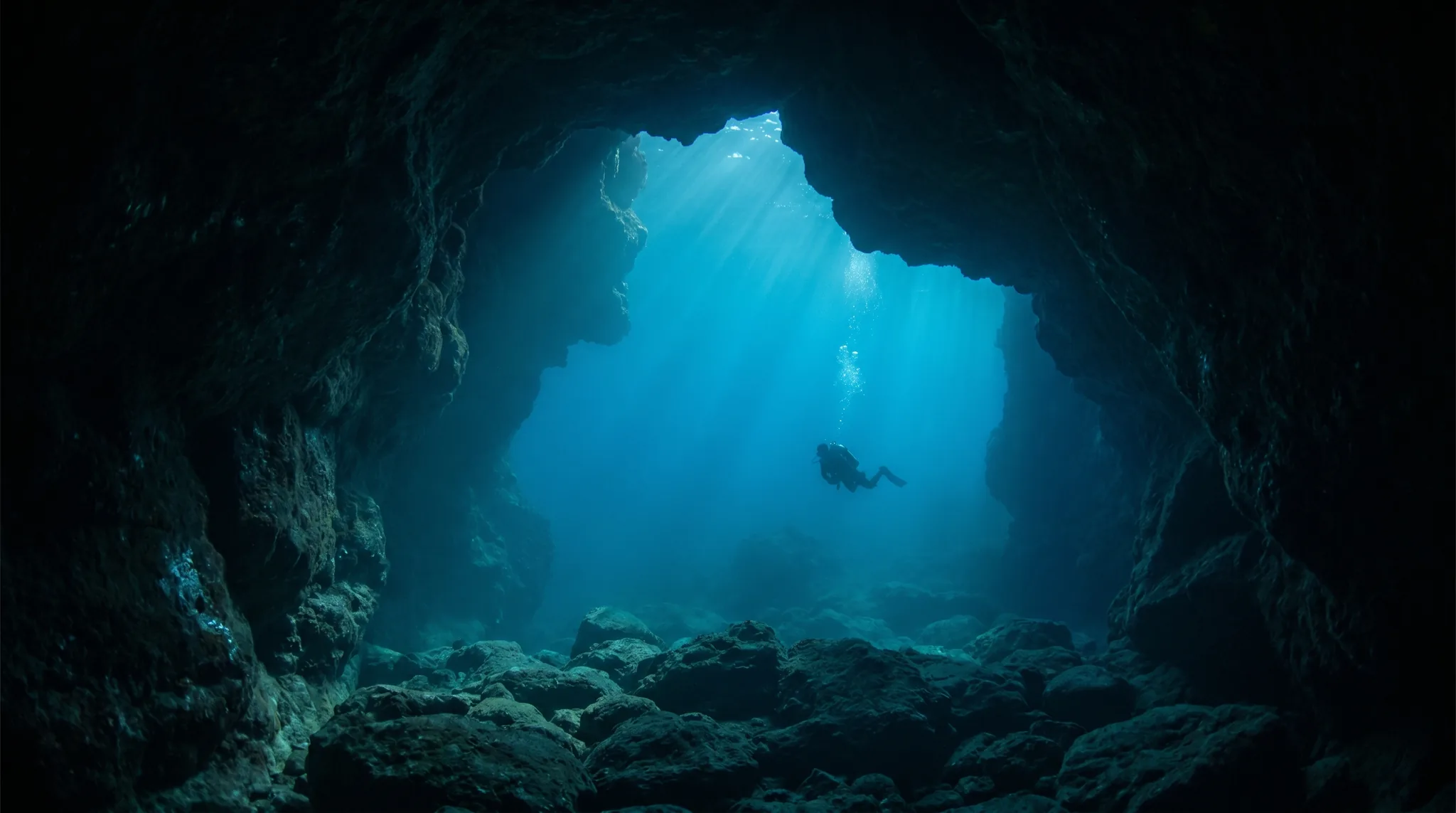
Molokini Crater is Maui's largest and most varied sub-area, concentrating a large proportion of the region's total sites in one offshore location. It spans everything from sheltered beginner reefs and cave systems to the advanced Back Wall drift dive, which drops to considerable depth. Sites within the crater such as First Cathedrals and Second Cathedral are defined by lava caverns with natural light effects, a style of diving not replicated on the main island's shore sites.