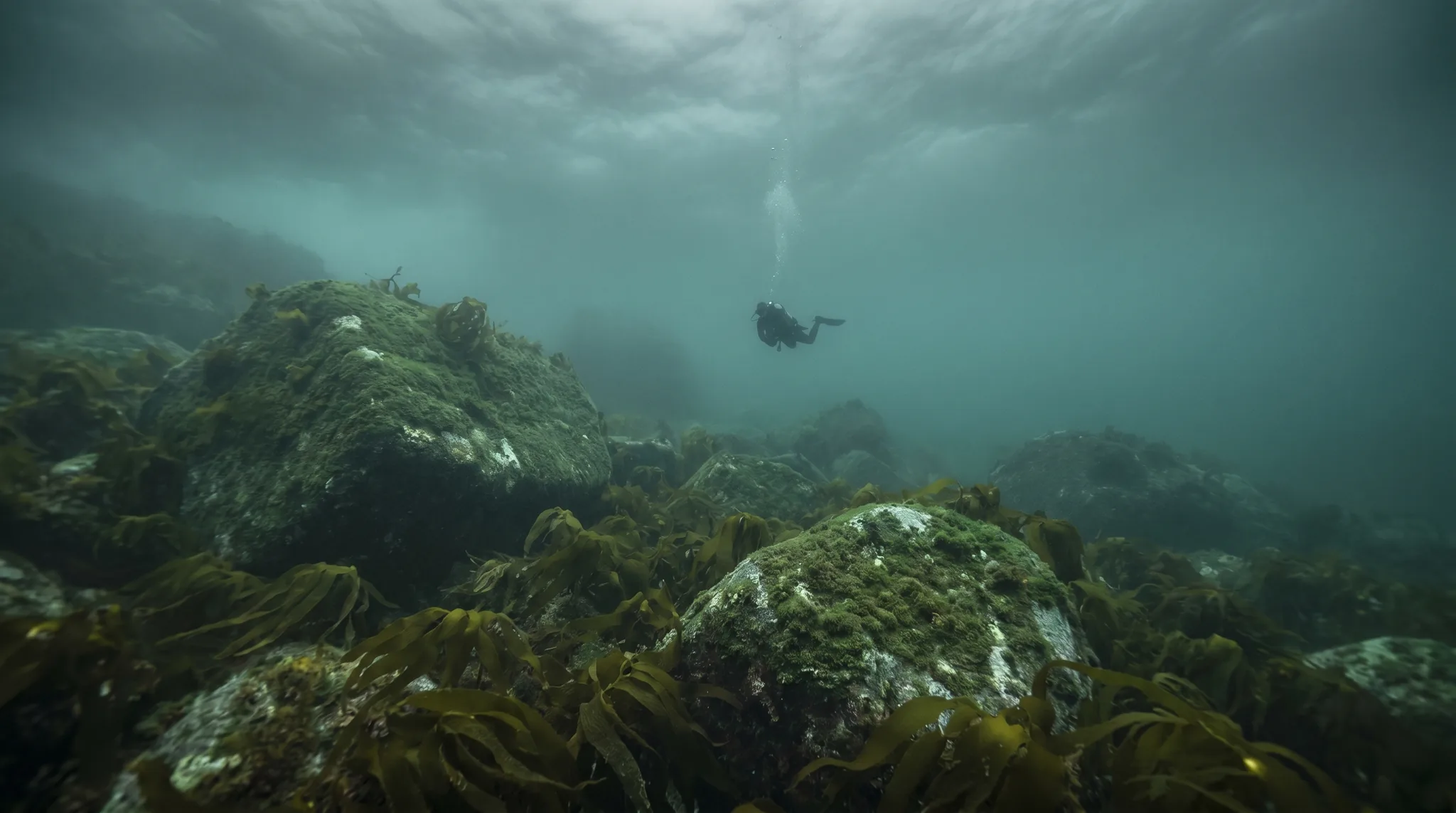
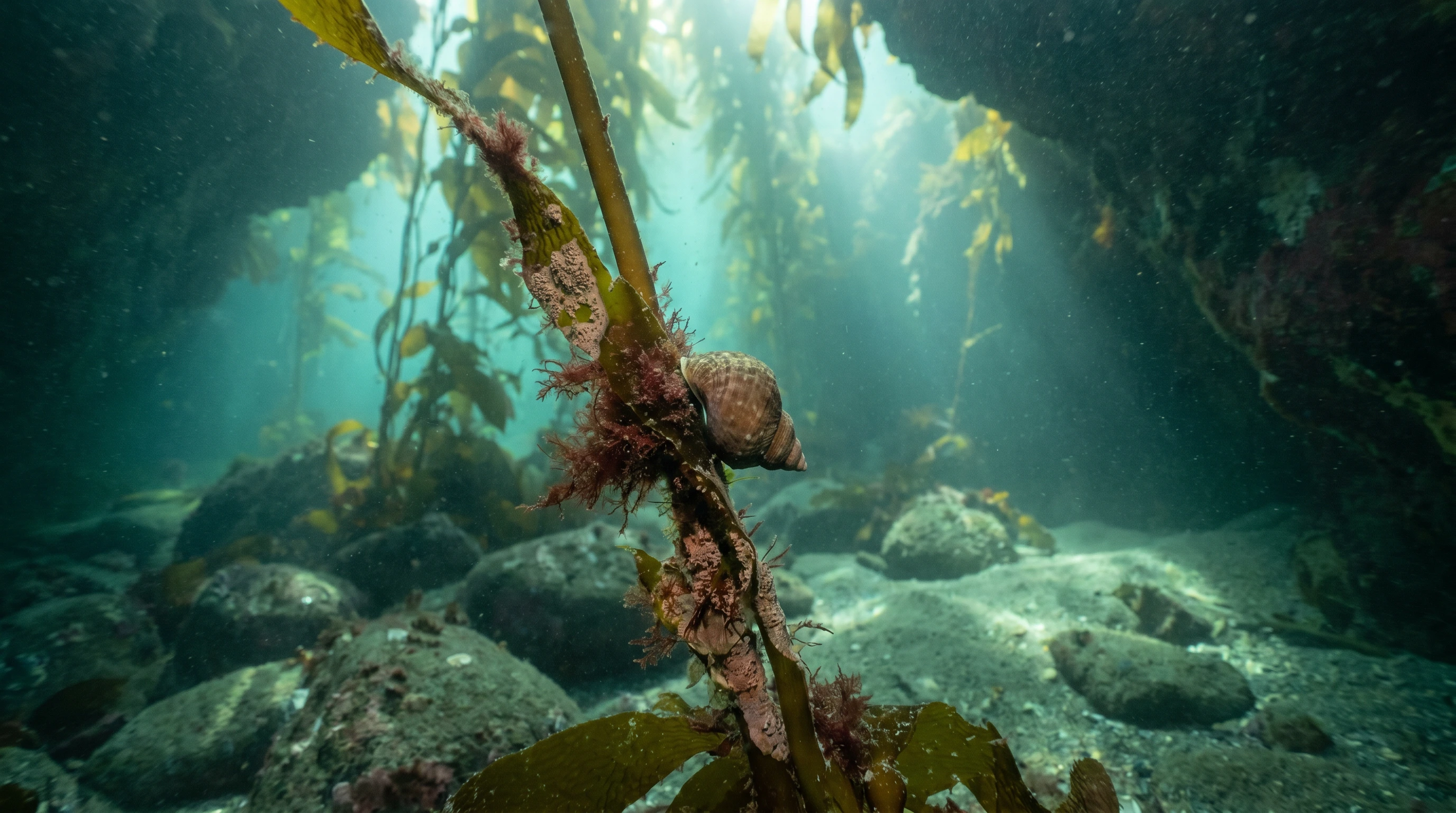
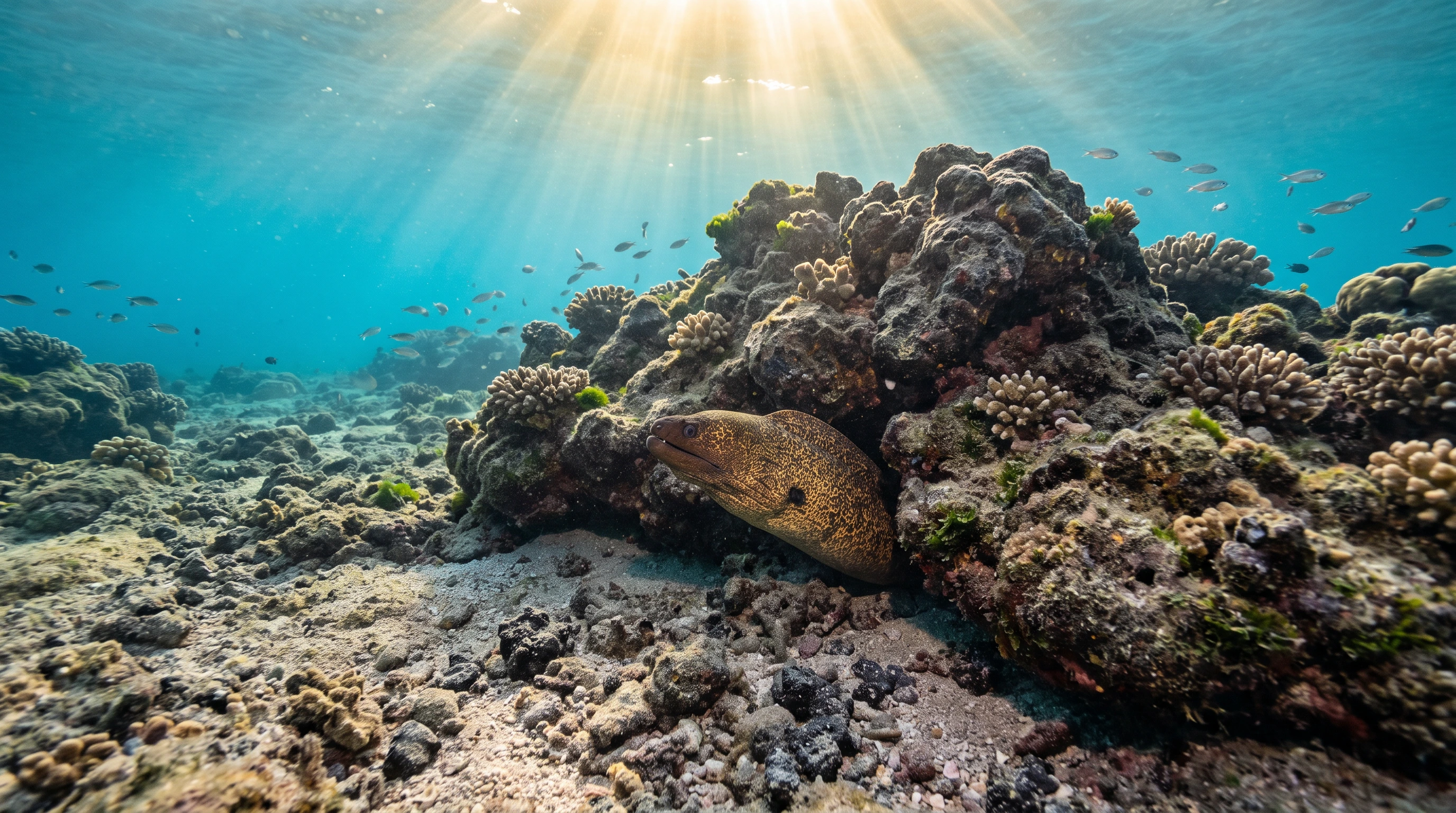
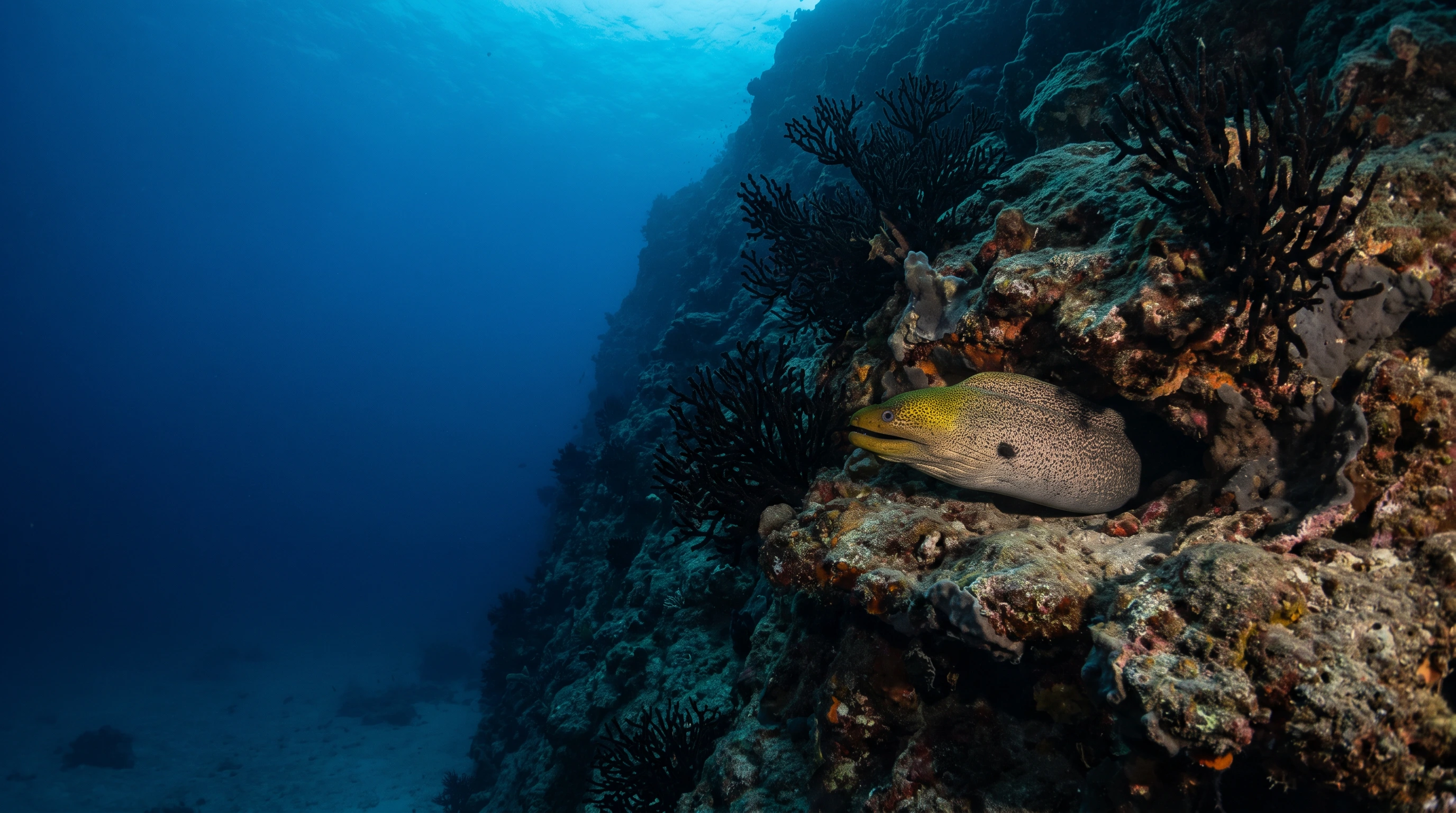
Molokini Crater draws divers and snorkellers across a broad range of skill levels, from shallow beginner reefs at sites like Honu Reef and Turtle Town to the advanced drift and wall diving of Molokini Back Wall. The site mix spans natural reef, lava-formed caverns, wrecks and artificial reefs. Signature encounters include the Green Sea Turtle, Turkey Moray, Day Octopus and a rich wrasse and butterflyfish assemblage. Conditions are warm and relatively stable year-round, with spring and early autumn offering the strongest diving.
Monthly water temperature across Molokini Crater's sites, from satellite sea-surface data corrected for depth. The band shows the site-to-site spread.
Water temperature stays warm throughout the year, nudging slightly warmer from June through December. The best-months data points to late spring and early autumn as peak periods, when conditions tend to settle and visibility improves. Exposed sites such as Molokini Back Wall can carry current, so advanced divers should plan accordingly, while sheltered crater-interior sites remain more consistent.
49 operators
67 more sites to explore
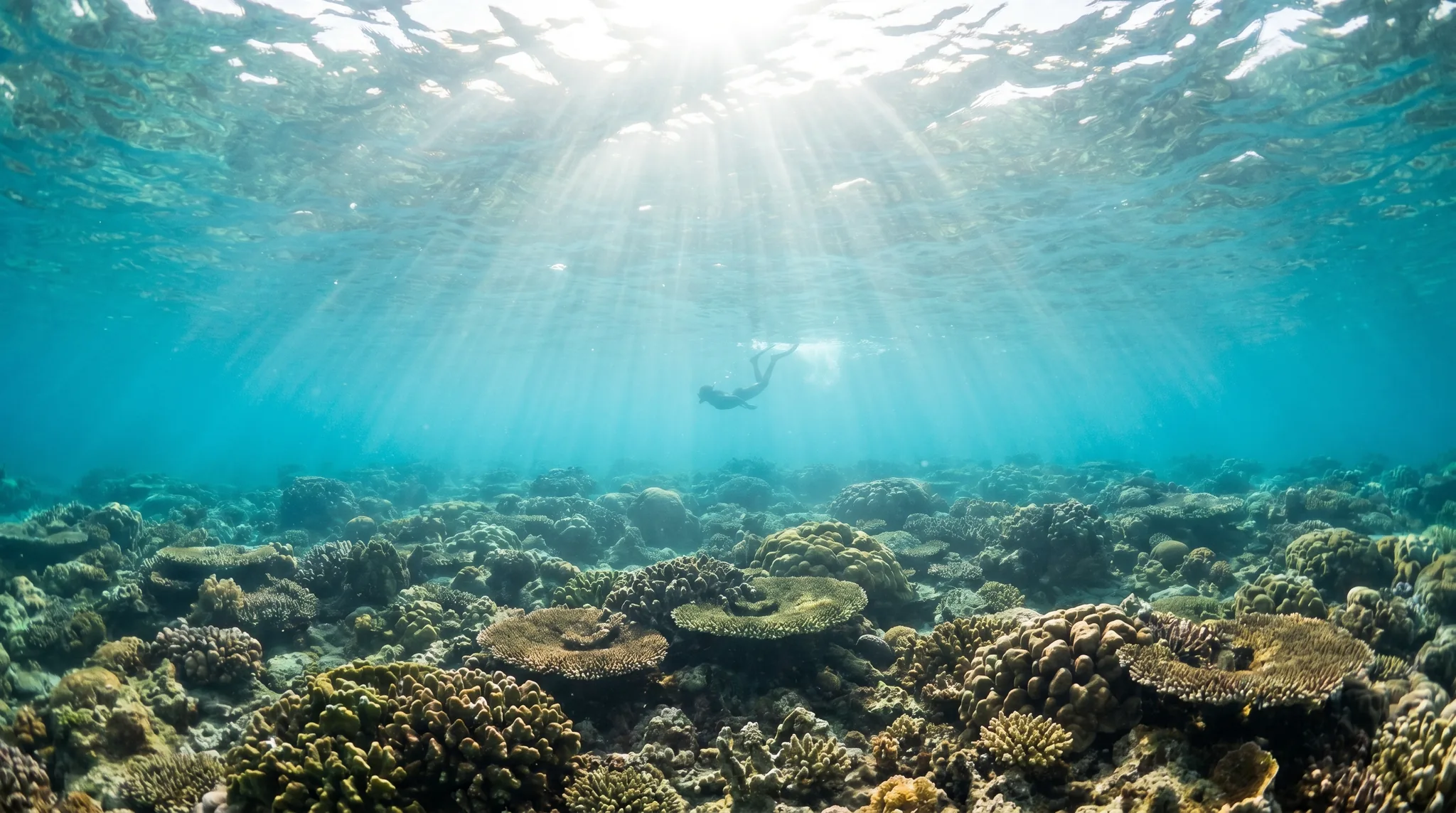
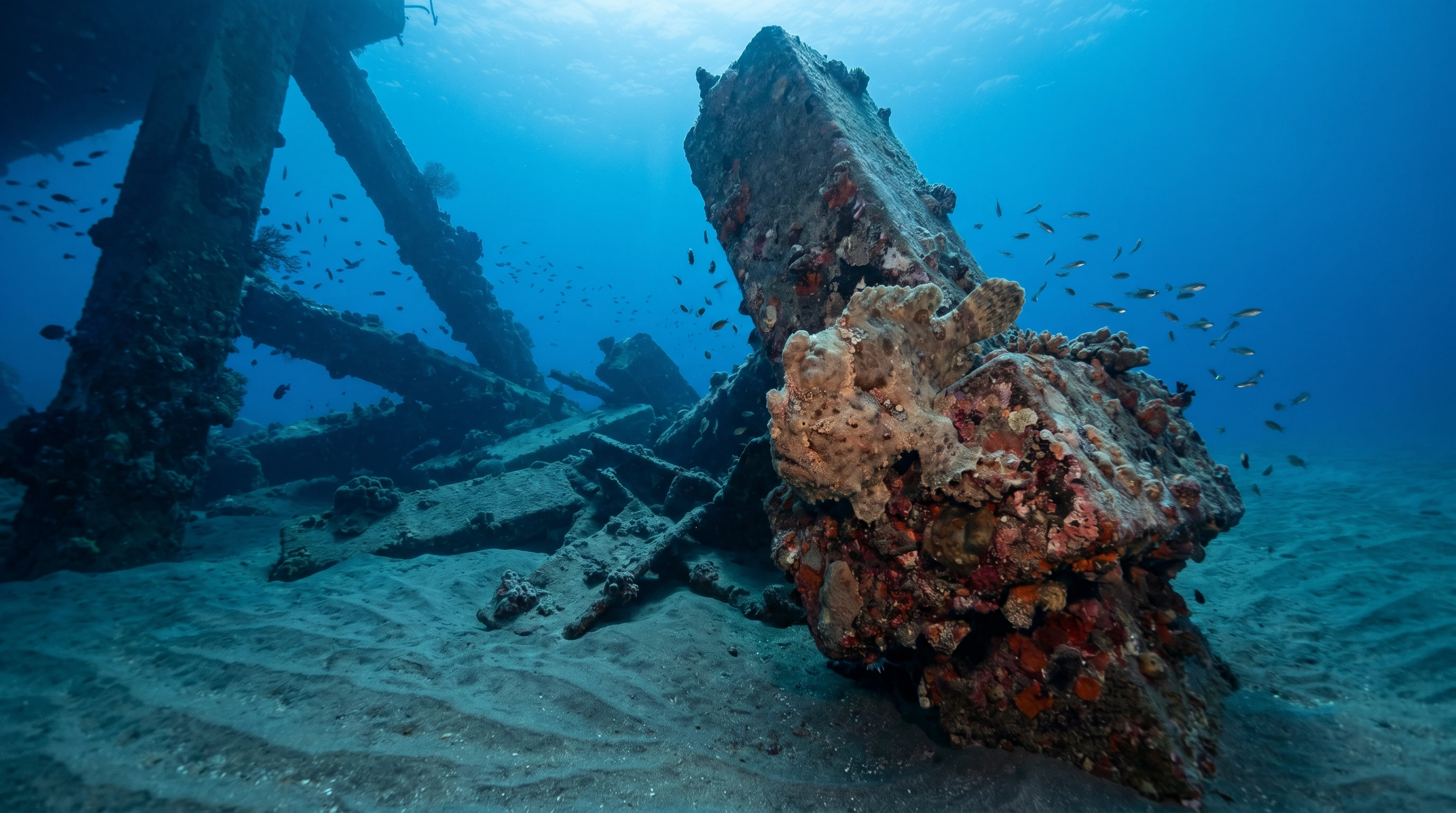
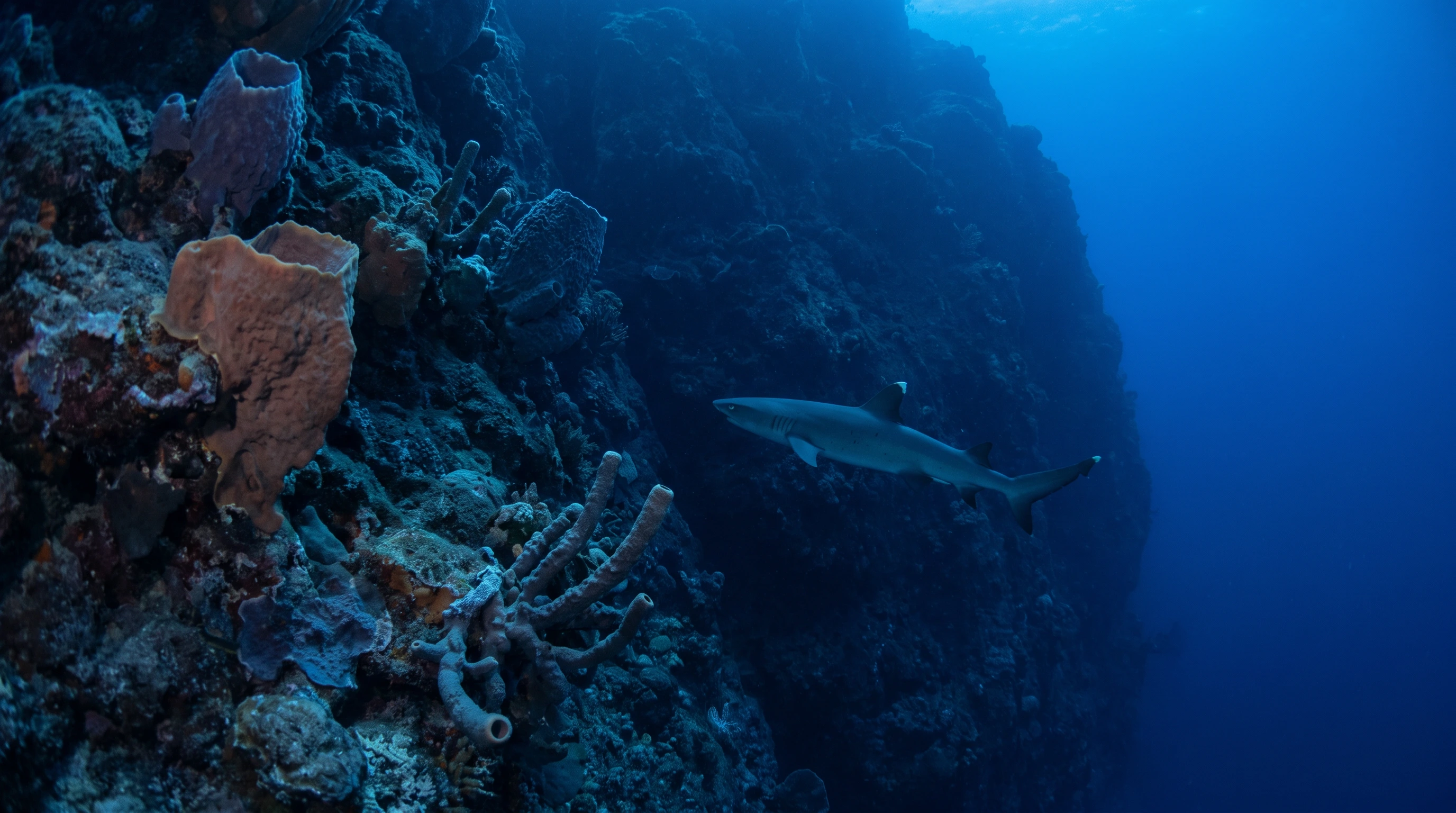
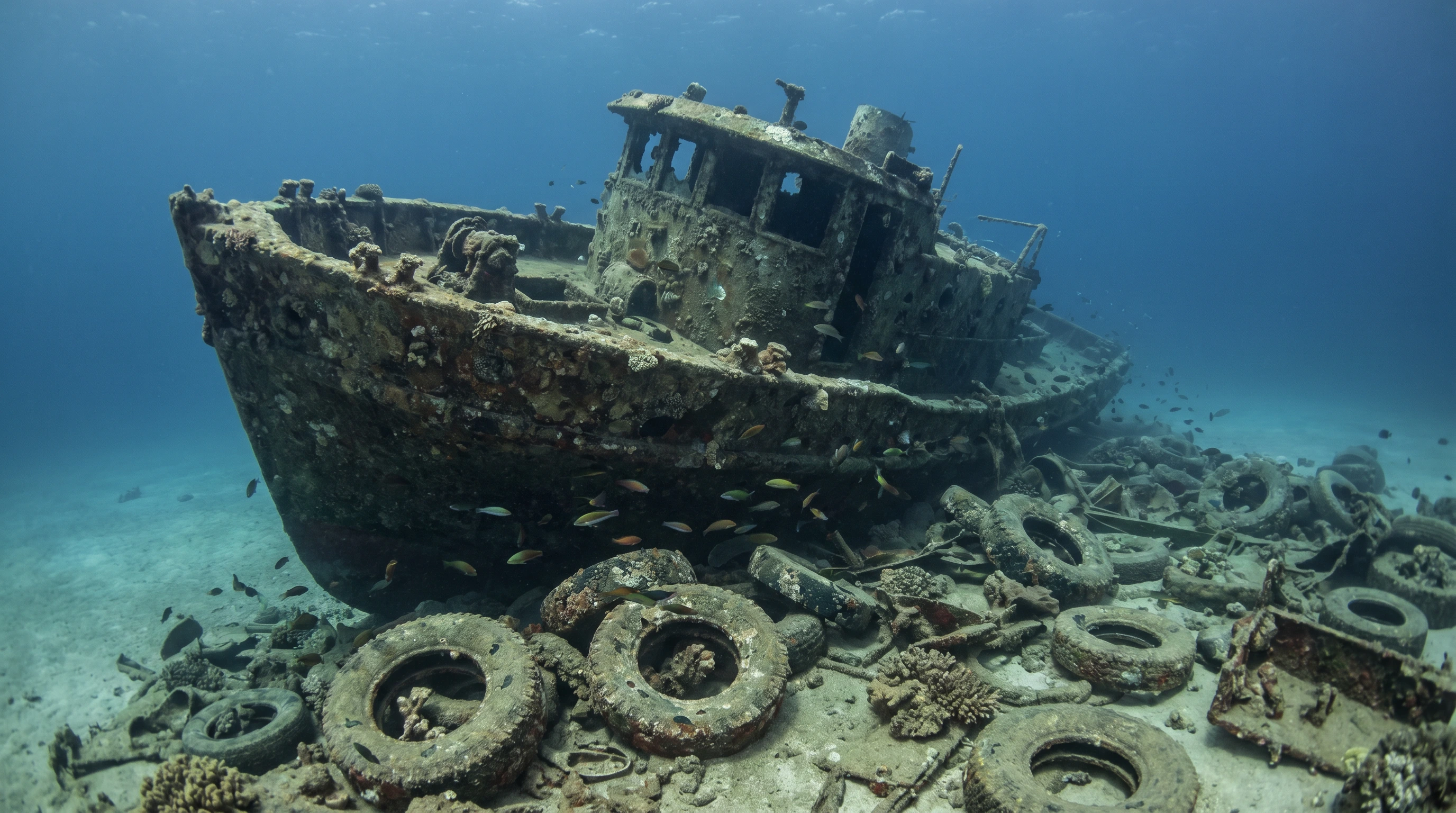
Water around Molokini Crater stays near 26°C all year, based on satellite sea-temperature data for its dive sites.
With water around 25–26°C, a 3mm full suit works in Molokini Crater year-round.
Fin maps 79 sites in Molokini Crater (73 scuba diving sites and 24 snorkelling spots, with some suited to both).
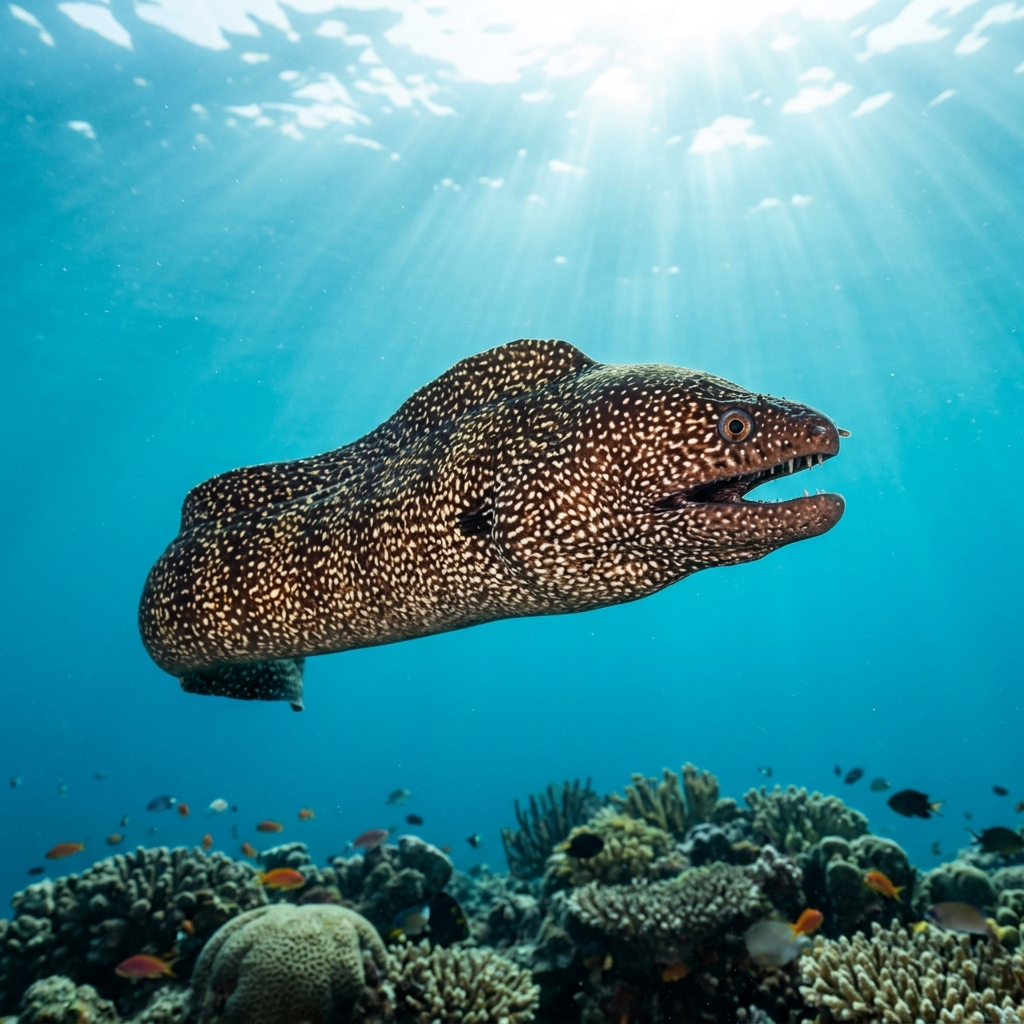
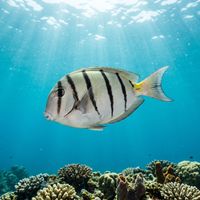
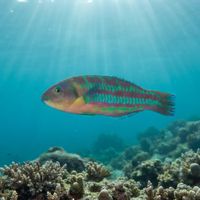
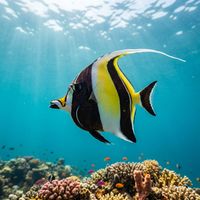
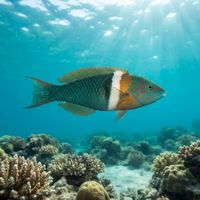
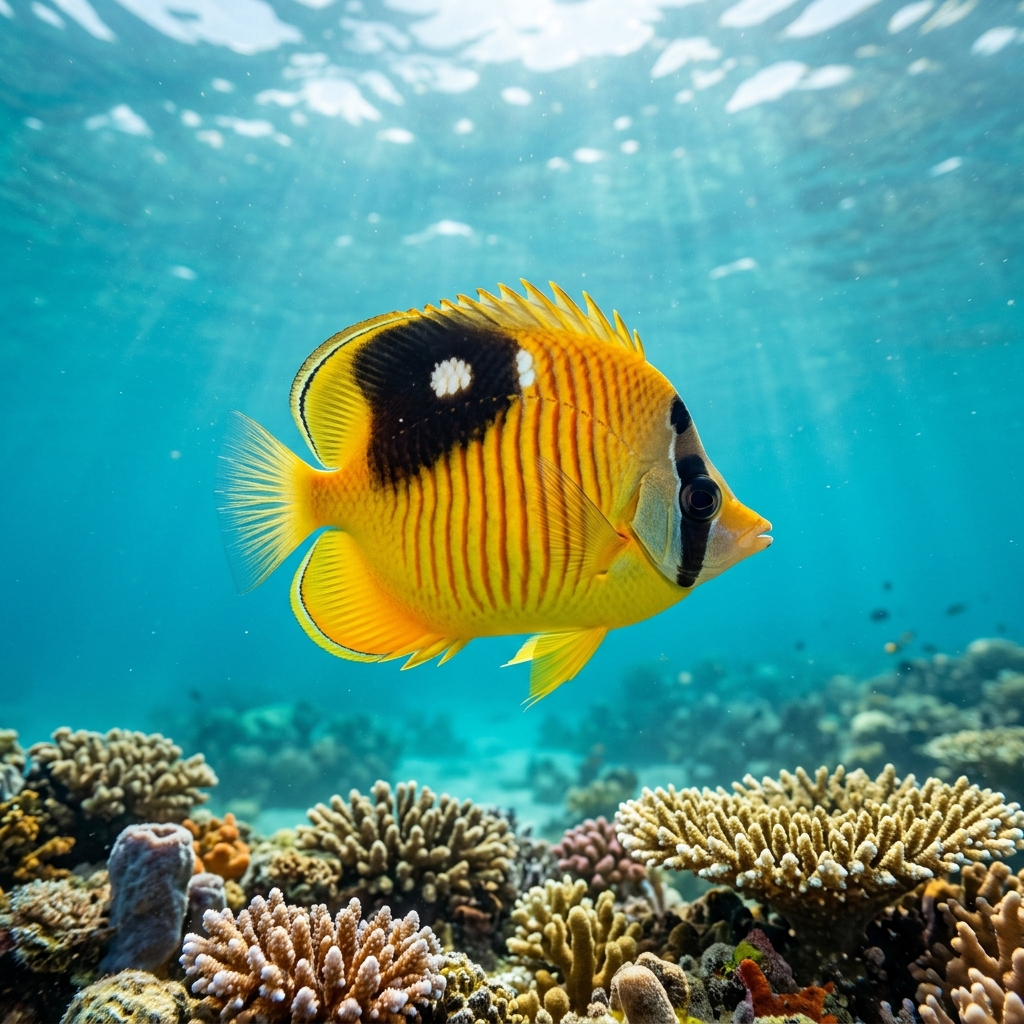
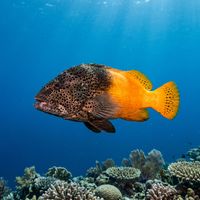
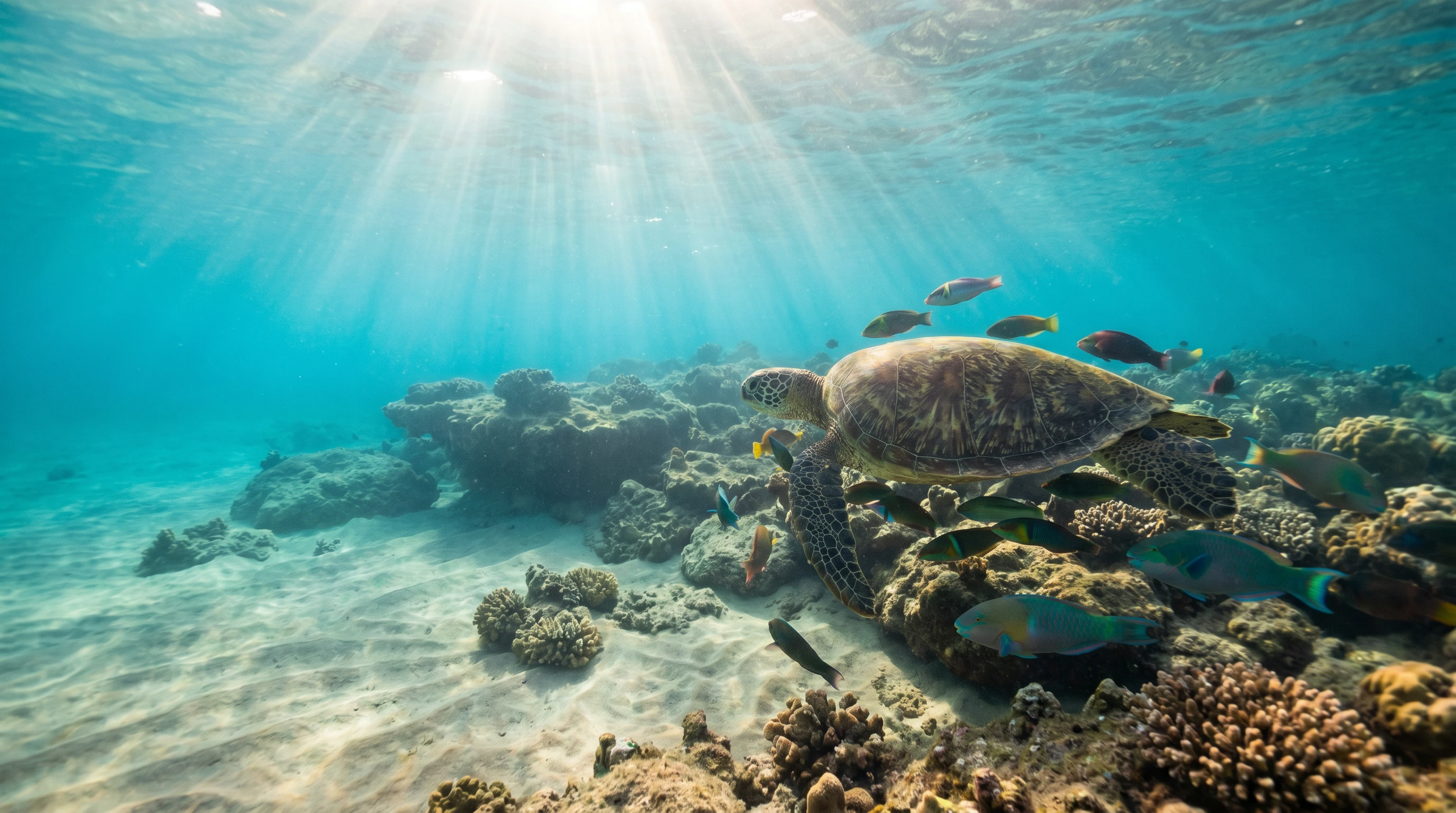
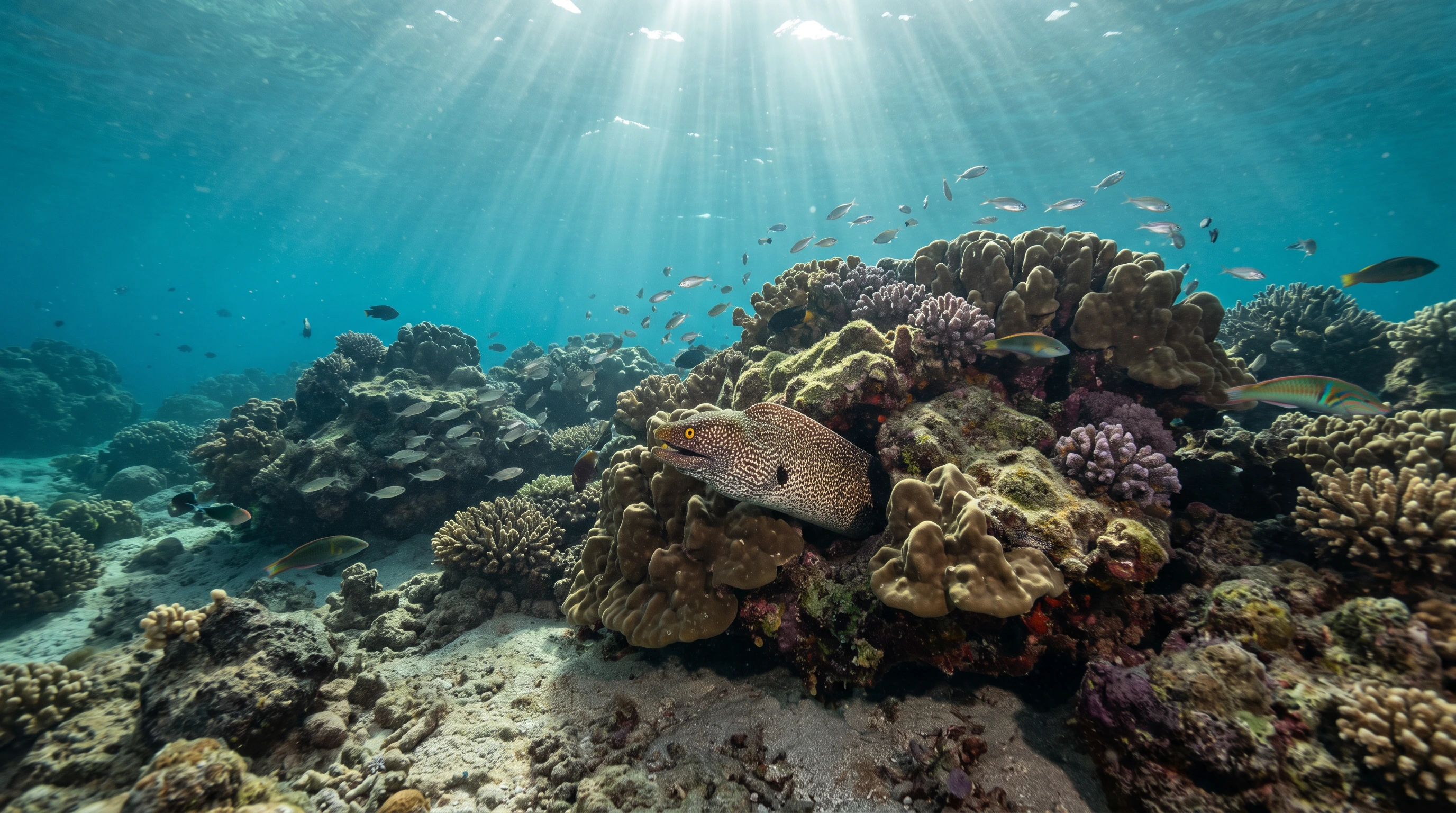
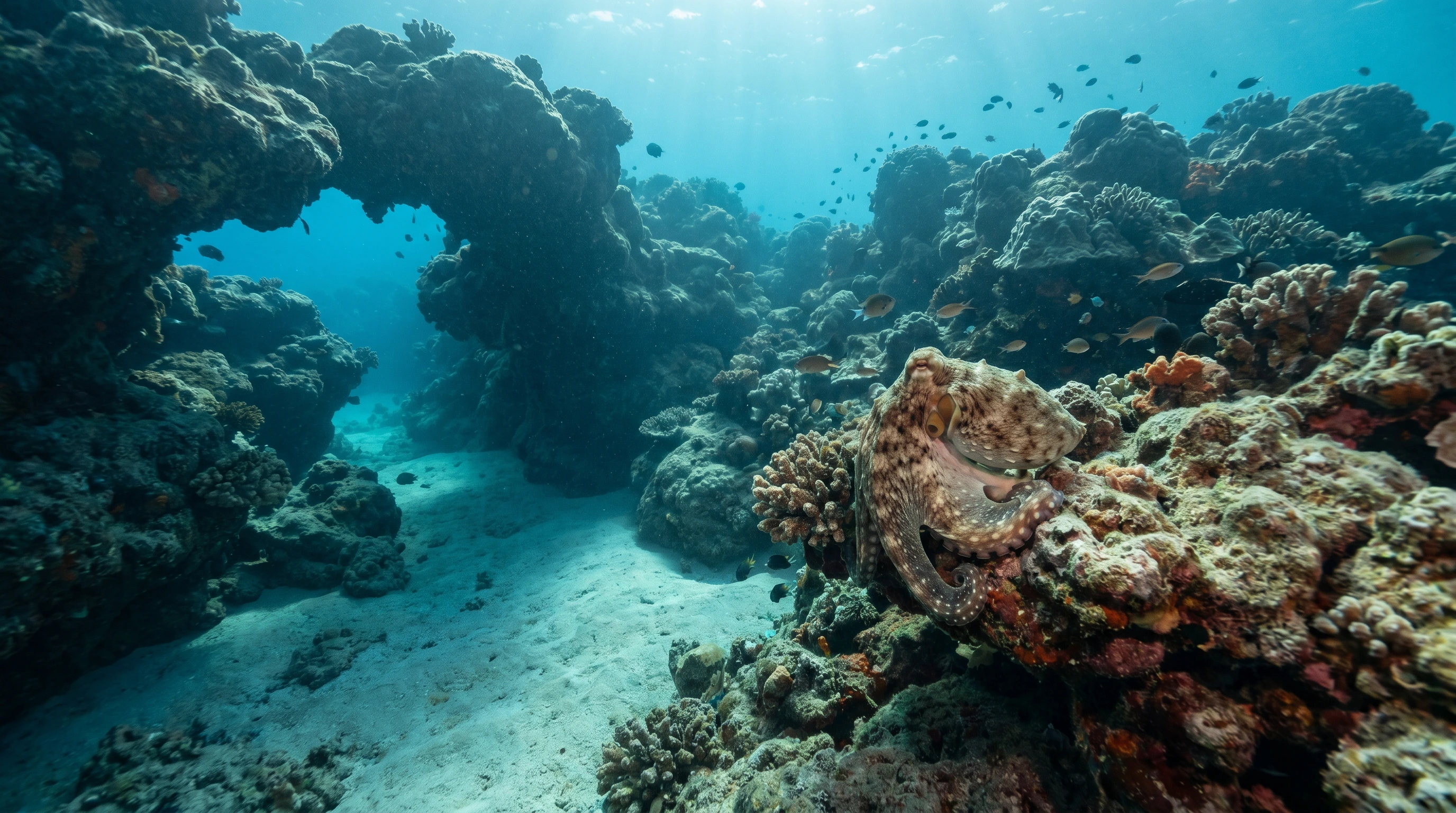
The Green Sea Turtle is a very frequent sighting across many sites, and the Turkey Moray and Snowflake Moray are commonly encountered along the reef. The Day Octopus is often spotted in shallower areas, while Bluefin Trevally and Hawaiian Convict Surgeonfish are ever-present. A broad range of butterflyfish, including the Fourspot Butterflyfish, Ornate Butterflyfish and Threadfin Butterflyfish, round out a rich reef fish community.
Yes, several sites are rated beginner level, including Honu Reef, Turtle Town, Napili Bay and Olowalu Beach. These offer shallow reef terrain with easy shore or boat entries. More advanced sites such as Molokini Back Wall and Molokini Crater Outside involve deep wall diving and drift conditions, so those are better reserved for experienced divers.
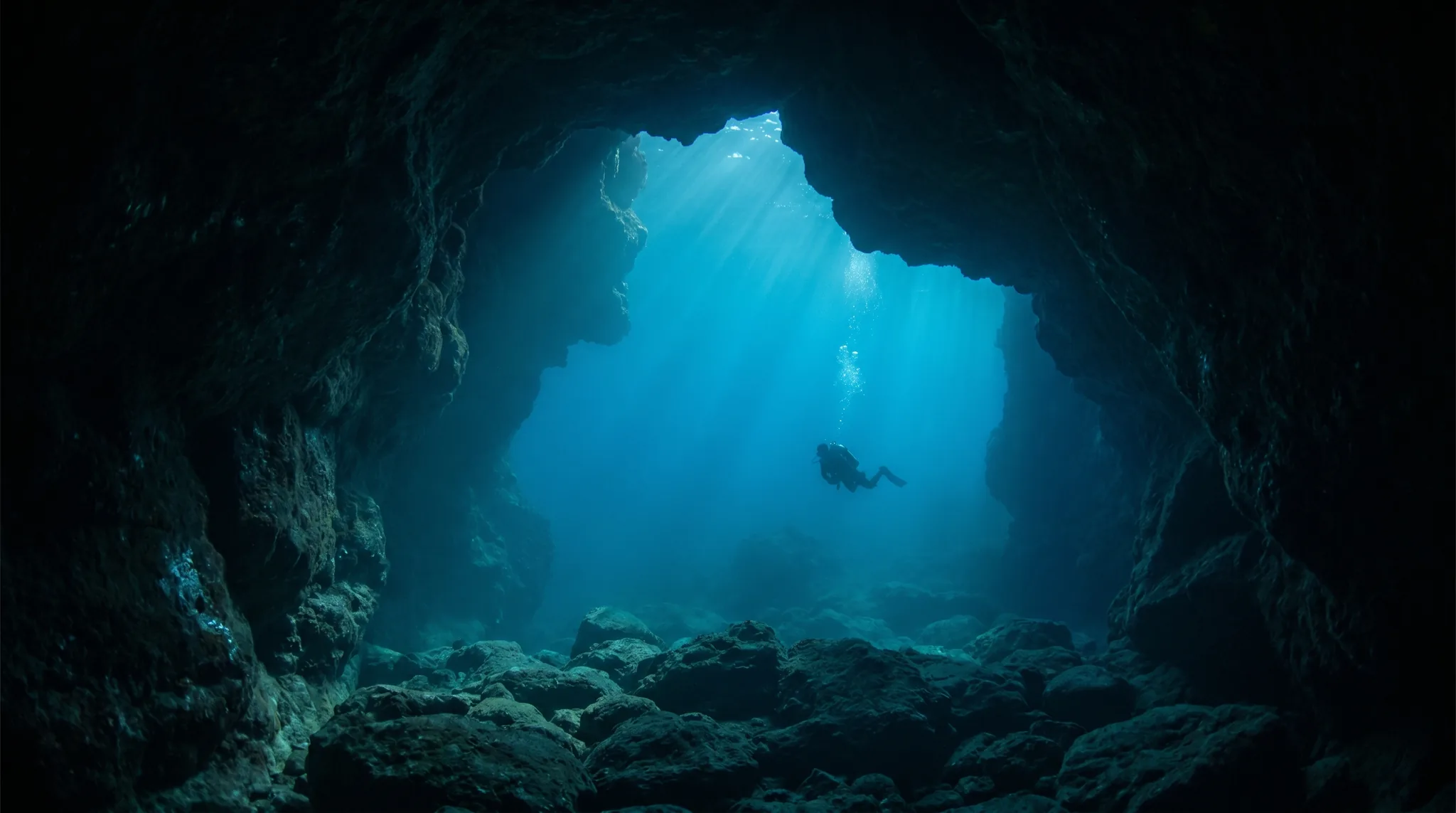
The crater interior is home to accessible reef sites and cavern dives such as Cathedrals and Second Cathedral, which feature lava-formed overhead environments. The outer wall offers dramatic deep-wall and drift diving. Beyond the crater, sites like Mala Wharf and St. Anthony's Wreck provide wreck diving on artificial reef structures, while shore-access reefs at Ahihi Kinau and Honolua Bay offer calmer conditions.
It depends on the site. The crater sites, including Molokini Back Wall and Coral Gardens, require boat access. However, a good number of sites in the wider area, such as Mala Wharf, Ahihi Kinau and Olowalu Beach, can be reached directly from shore. Operators including Dive Maui and Maui Diving Scuba Center run boat trips to the crater, while shore sites are accessible independently.