Naso lituratus
Spot the Pacific Orange-spine Unicornfish grazing Hawaiian and Balinese reefs. Orange scalpels, vivid face markings, here's where, when, and how to find one.
Safety warning
The fixed tail spines are extremely sharp and can inflict deep lacerations. The fish will not charge you, but a startled individual thrashing at close quarters poses a real risk to bare hands and forearms. Keep a respectful distance, avoid cornering them against the reef, and never try to handle one.
If you're cut
Tail scalpelGeneral first-aid guidance, not a substitute for professional medical care. In an emergency, call your local emergency number.
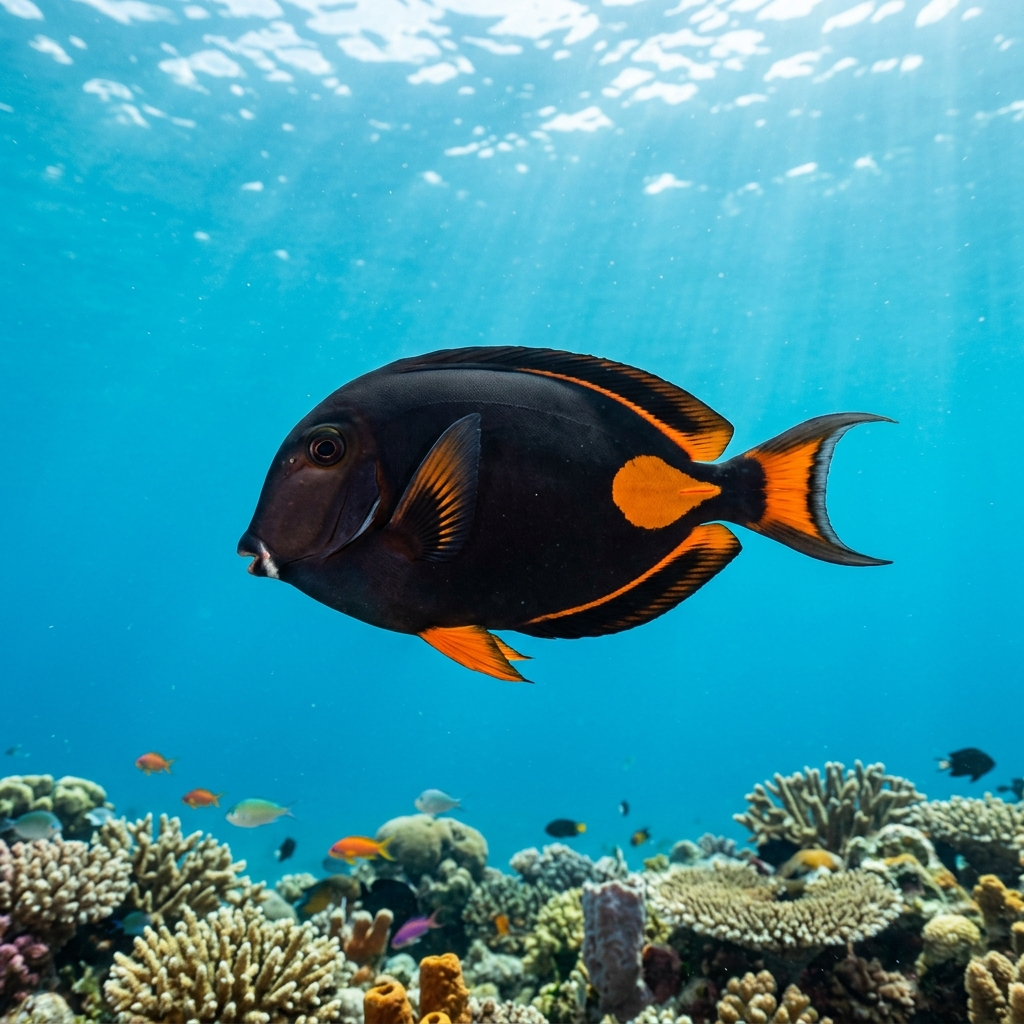
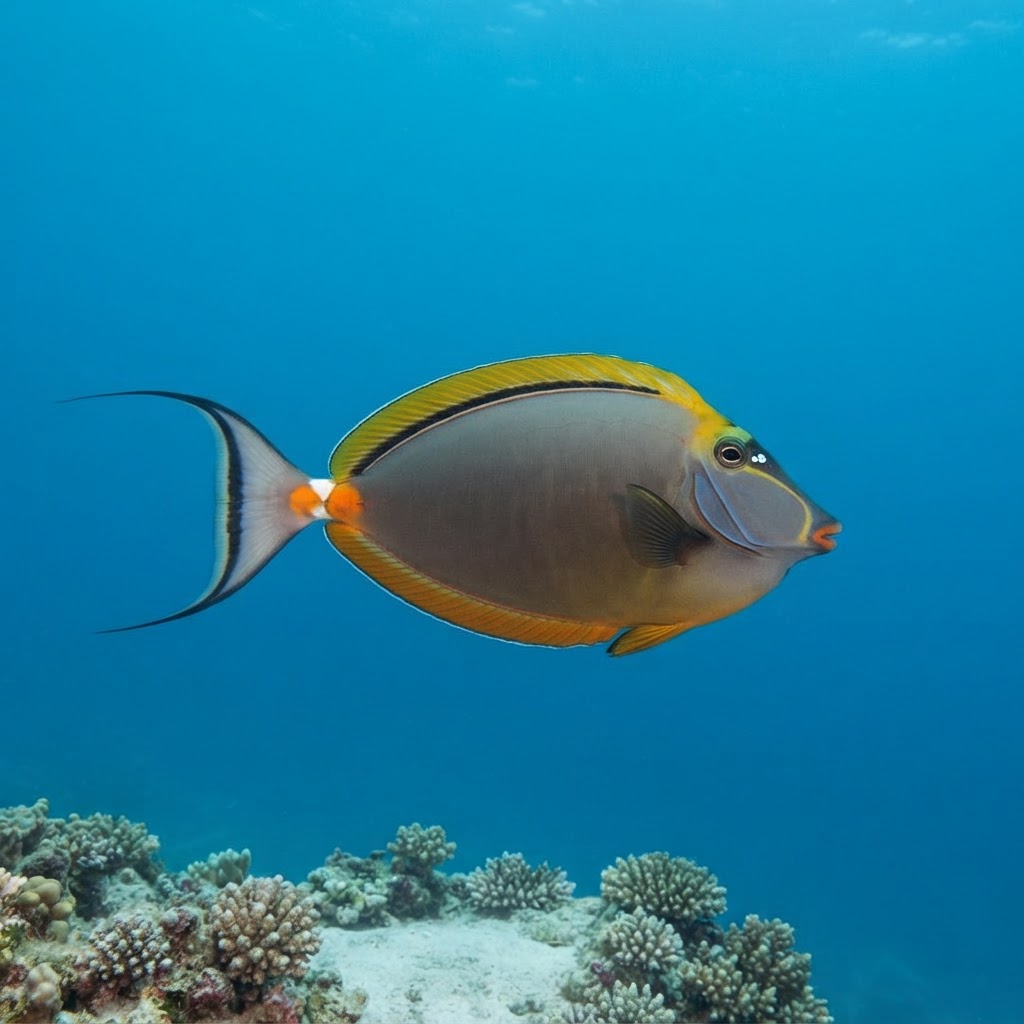
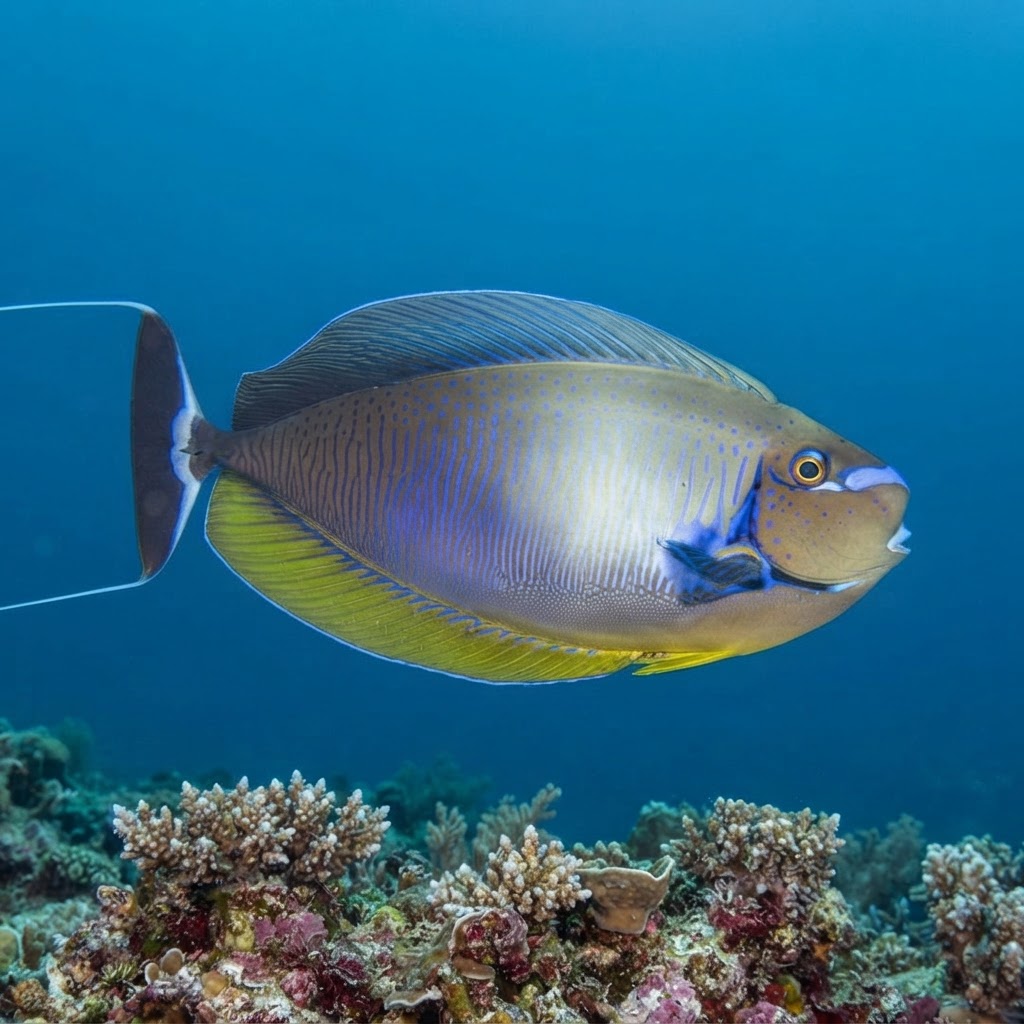
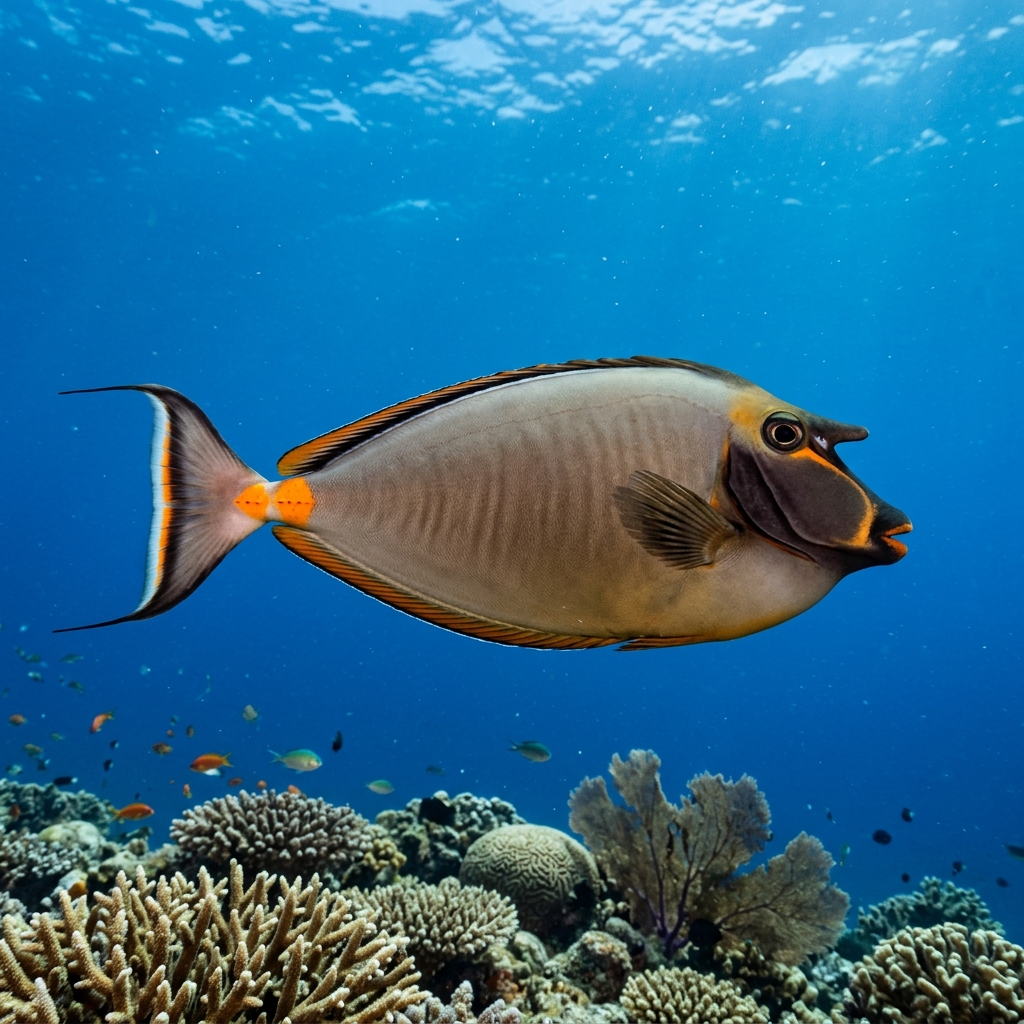
At around 30 cm, this is a laterally flattened surgeonfish with an instantly recognisable face: bold orange-and-yellow markings around the mouth and eyes set against a blue-grey body. The tail is lunate (crescent-shaped) with elongated lobes in adults, and, crucially, the two fixed spines (scalpels) at the base of the tail are mounted on bright orange platforms, making them visible even in motion. Unlike true unicornfish, adults carry no rostral horn. Juveniles lack the elongated tail lobes and the face colour is more muted, but the orange spine patches are already present.
Expect to find them actively grazing algae off reef surfaces during daylight hours, usually moving methodically across hard coral and rubble zones. They are unfazed by divers and will carry on feeding even when you are close, making observation straightforward. You may encounter them alone or in loose small groups, and they show no territorial aggression towards divers.
Those vivid orange scalpels at the tail base are not just for show, they are permanently erect, razor-edged, and used in lateral slashing against rivals or threats. A panicked fish bolting past a diver's hand can leave a clean, deep cut without any deliberate attack.
In the Northern Hemisphere, sightings concentrate from December through September, covering most of the year. In the Southern Hemisphere, the peak window runs from May through January, in both cases the species sits comfortably in water between roughly 24 and 29 °C, so it is present on warm tropical reefs across much of the year.
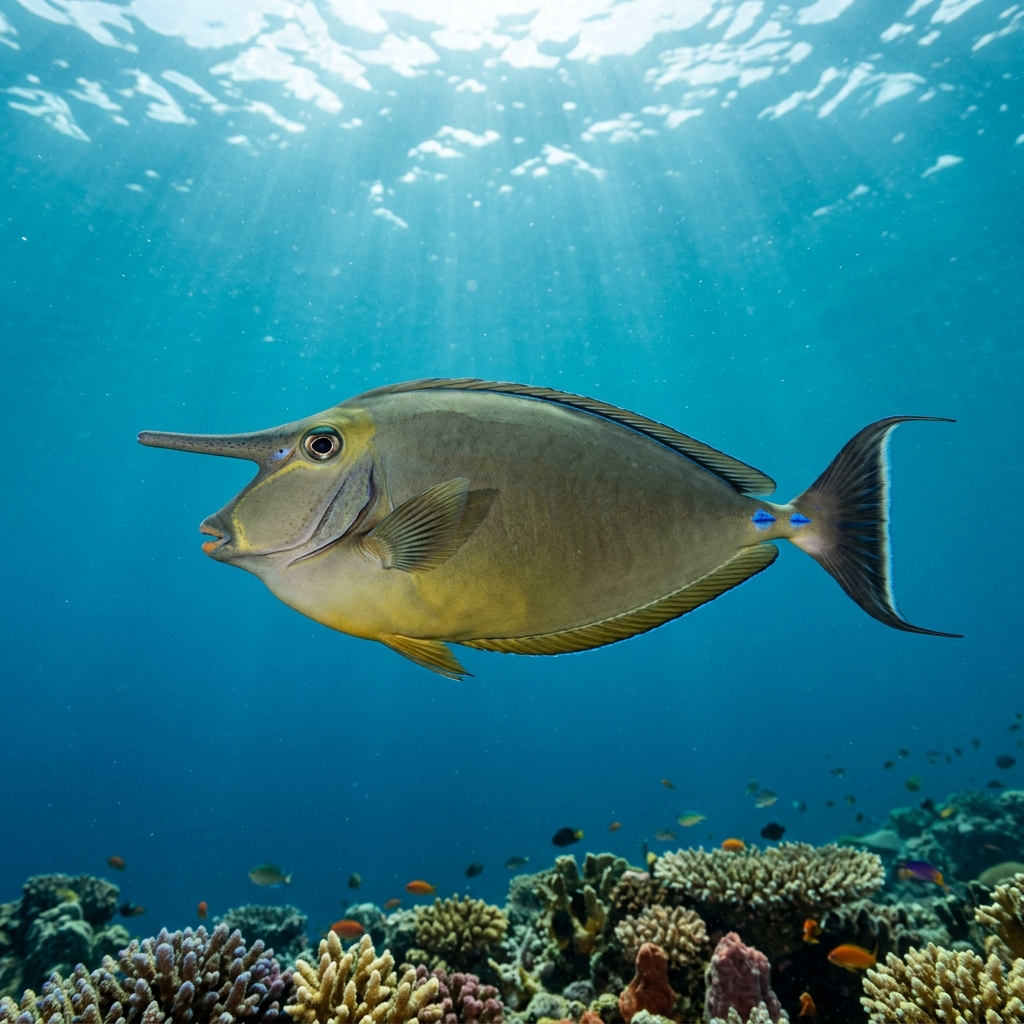
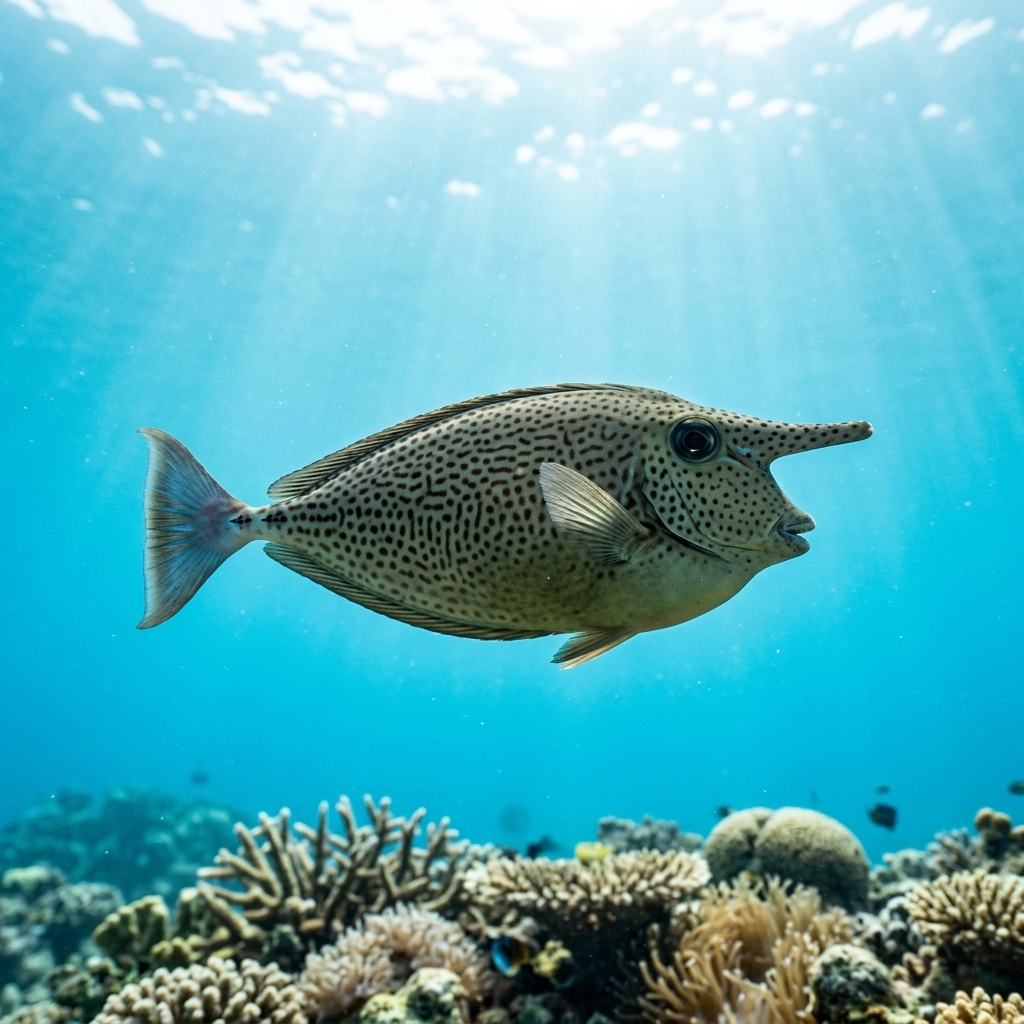
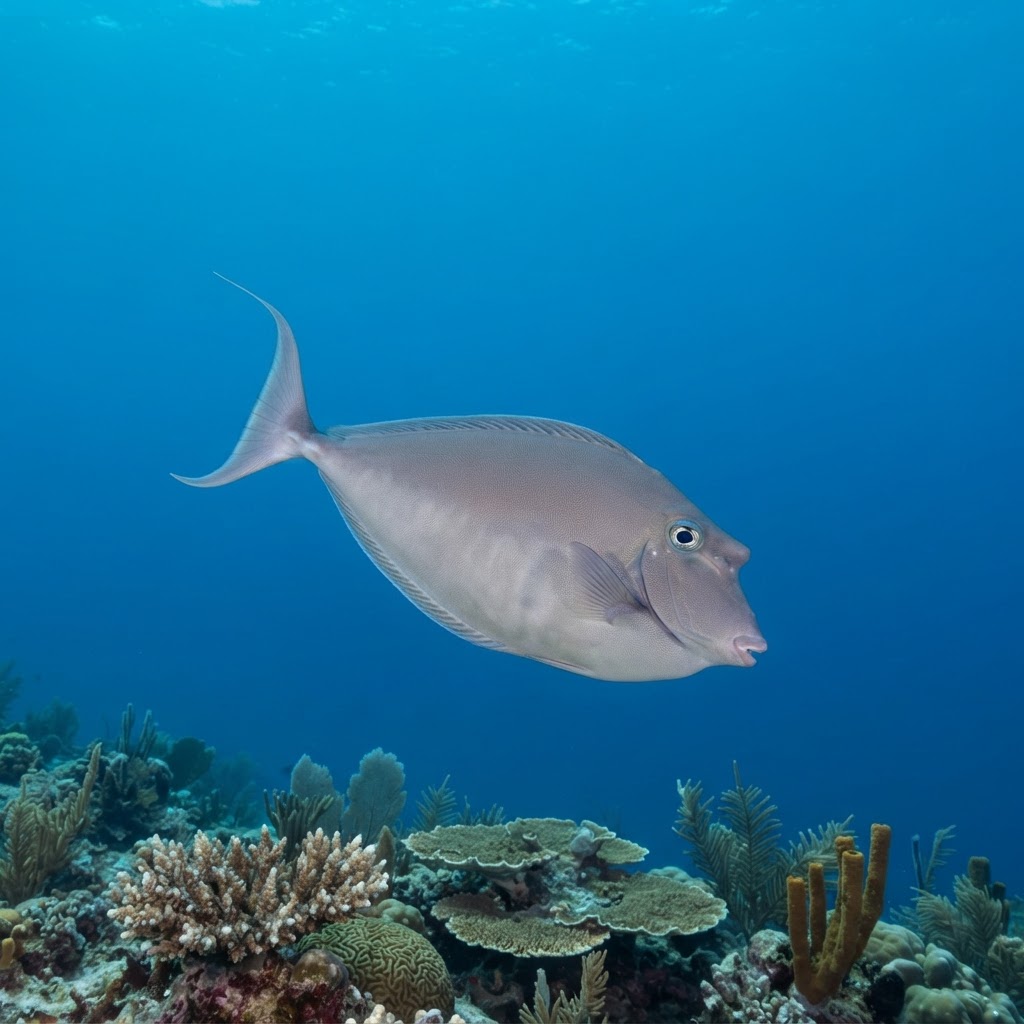
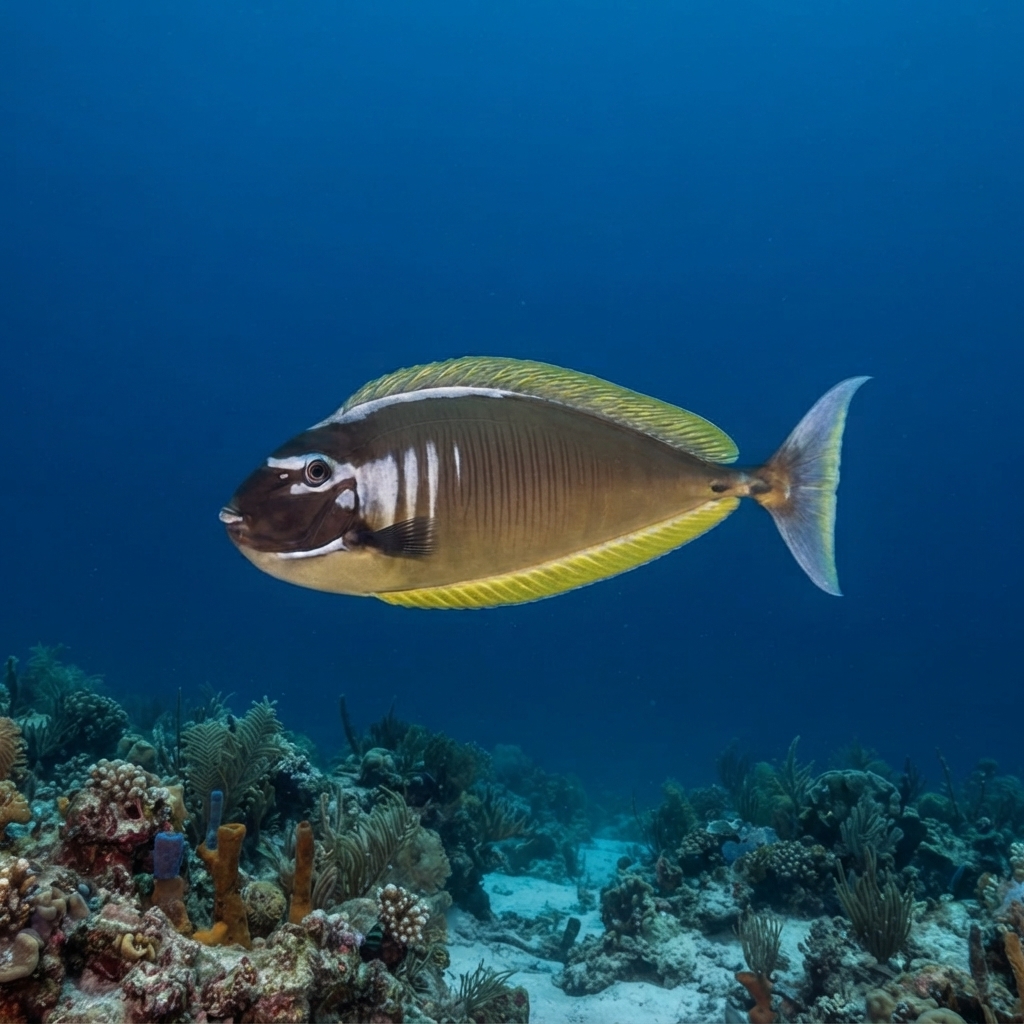
Reef neighbours a diver could mistake it for. Use the identification notes above to tell them apart.
Most commonly logged across the Indo-Pacific, with the strongest diver records coming from Hawaii, Queensland, Bali and Lombok, and the Okinawa Islands. The Philippines, particularly the Visayas and Palawan, also deliver reliable sightings, as does French Polynesia. If you are planning a trip primarily around this species, Hawaii and Bali stand out as the most consistently productive locations in the data.
Mapping where Pacific Orange-spine Unicornfish is logged…
They are logged across a broad sweep of the Indo-Pacific. Hawaii leads the records, followed closely by Queensland in Australia, Bali and Lombok in Indonesia, and the Okinawa Islands in Japan. The Visayas and Palawan in the Philippines and the islands of French Polynesia are also strong bets.
Northern Hemisphere sites, Hawaii, Japan, the Philippines, see the most sightings from December through September. In the Southern Hemisphere, including Queensland and Bali, the peak runs from May through January. Water temperature between 24 and 29 °C is the consistent thread, so most tropical reefs hold them for the majority of the year.
Key on the orange scalpel patches at the tail base and the vivid orange-and-yellow facial markings. The body is blue-grey, and adults have a crescent tail with long, streaming lobes. No horn on the forehead distinguishes them from most other unicornfish, and the orange tail spines separate them from lookalikes like the Achilles Tang.
They are not aggressive, but the two fixed tail spines are permanently erect and razor-sharp. Cutting yourself on a spooked fish that bolts past your hand is the realistic risk, it requires no intent from the fish. Give them space and resist the urge to touch or block their escape route.
Adults typically reach around 32 cm in length. In the water they look moderately sized for a surgeonfish, broad-bodied and noticeably deep, so they appear bulkier than their length alone suggests.
Site and sighting data is aggregated from diver logs, iNaturalist and GBIF. For taxonomy and conservation status:
Bignose Unicornfish
727 sites