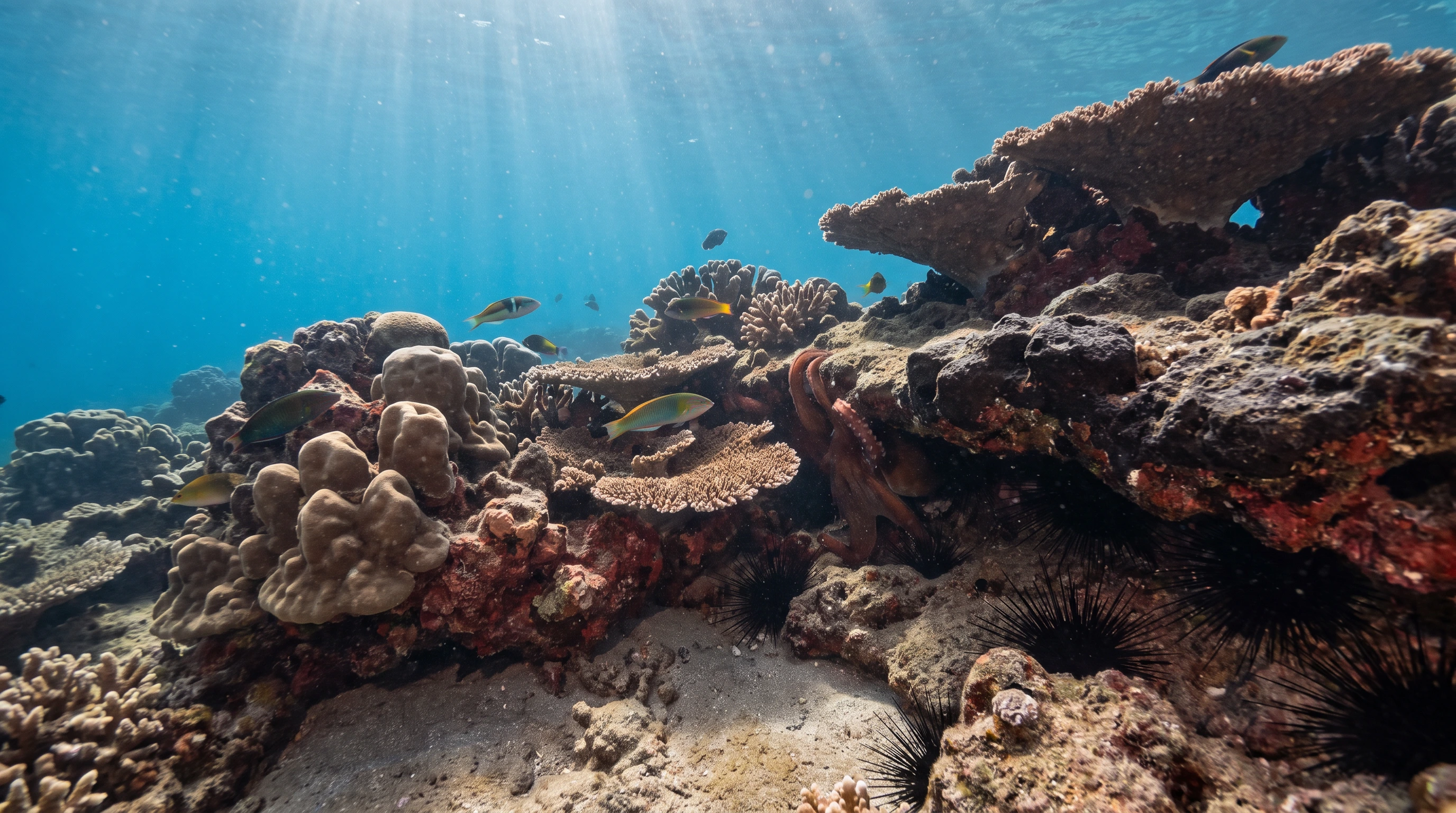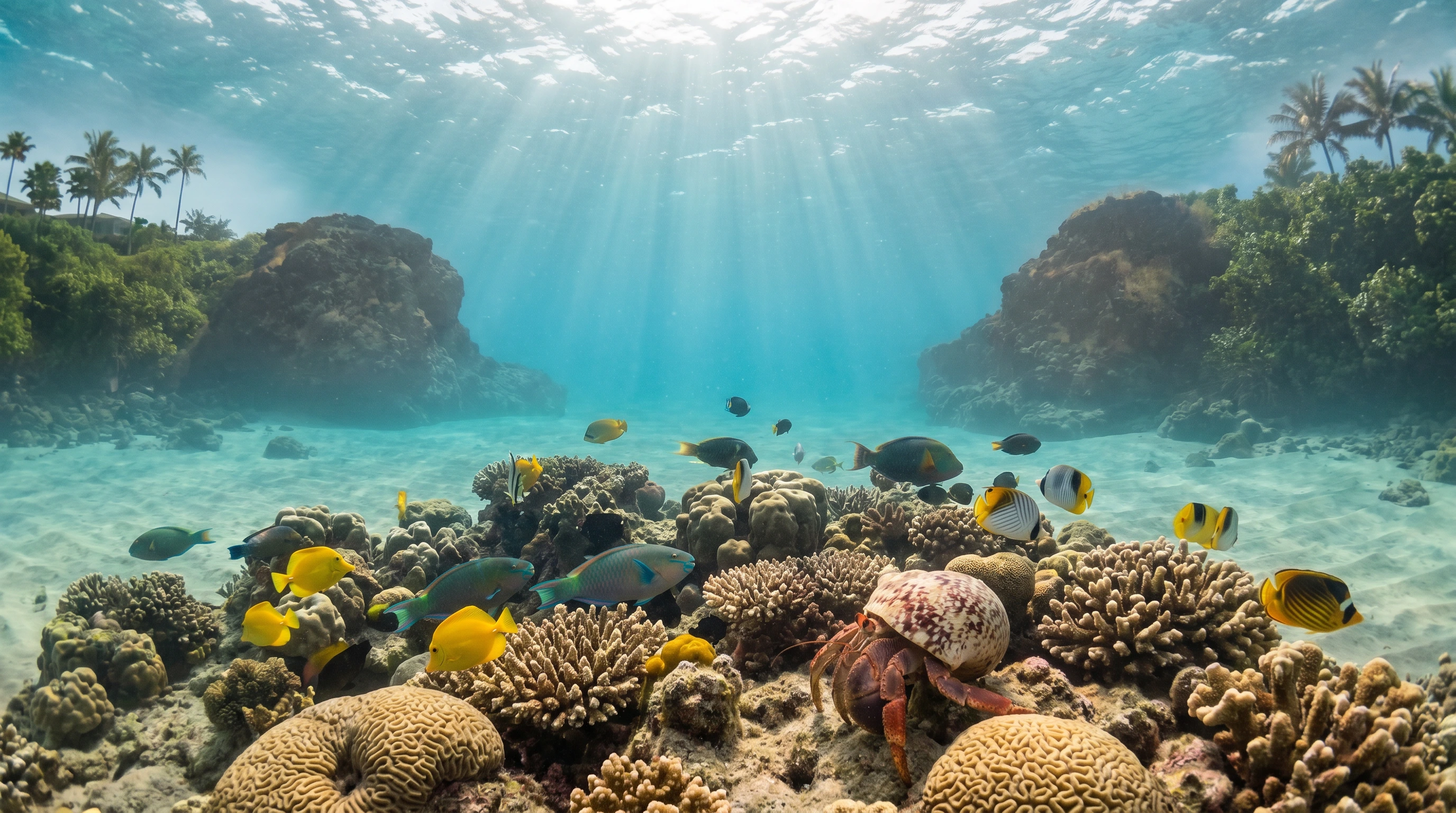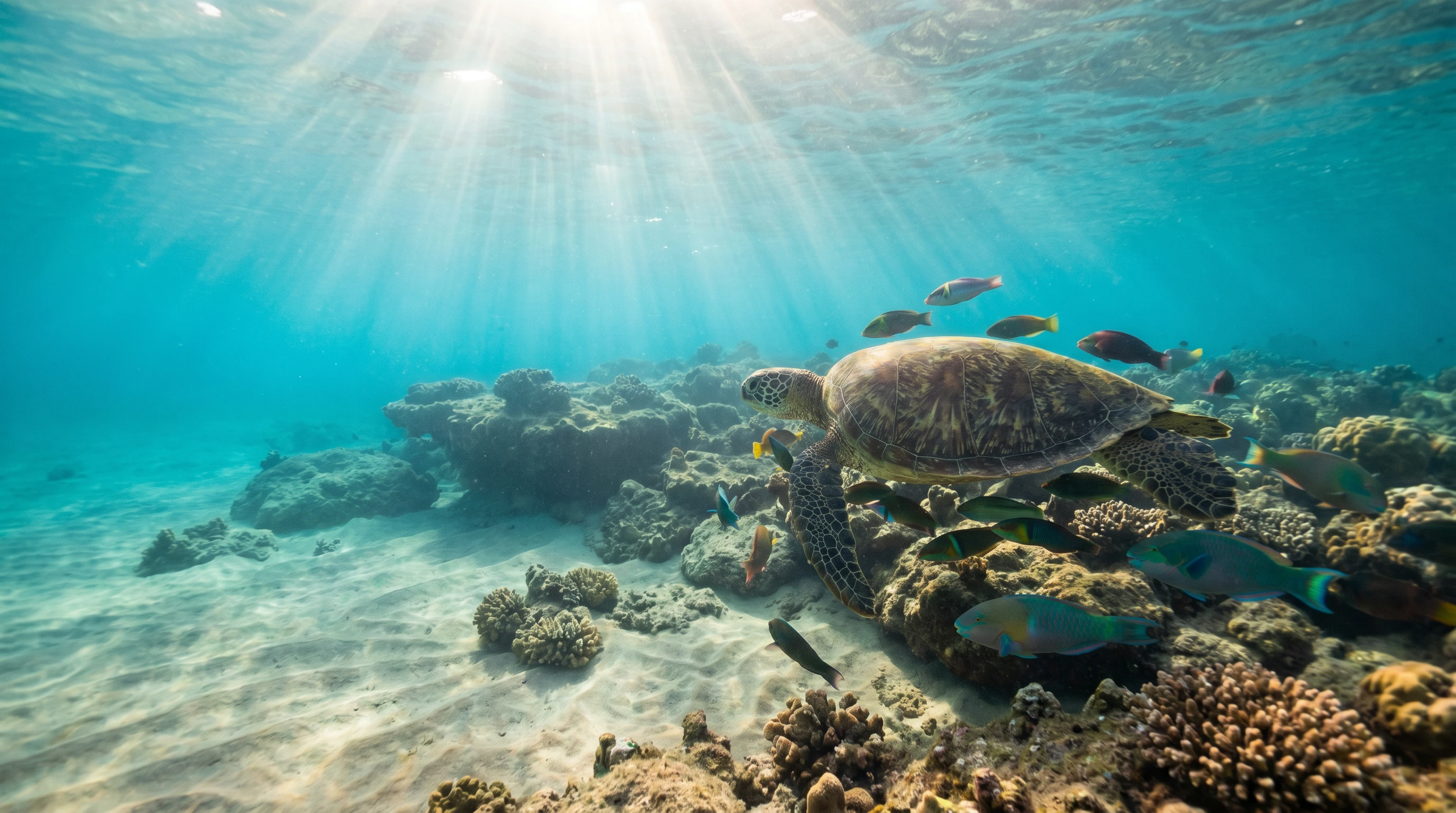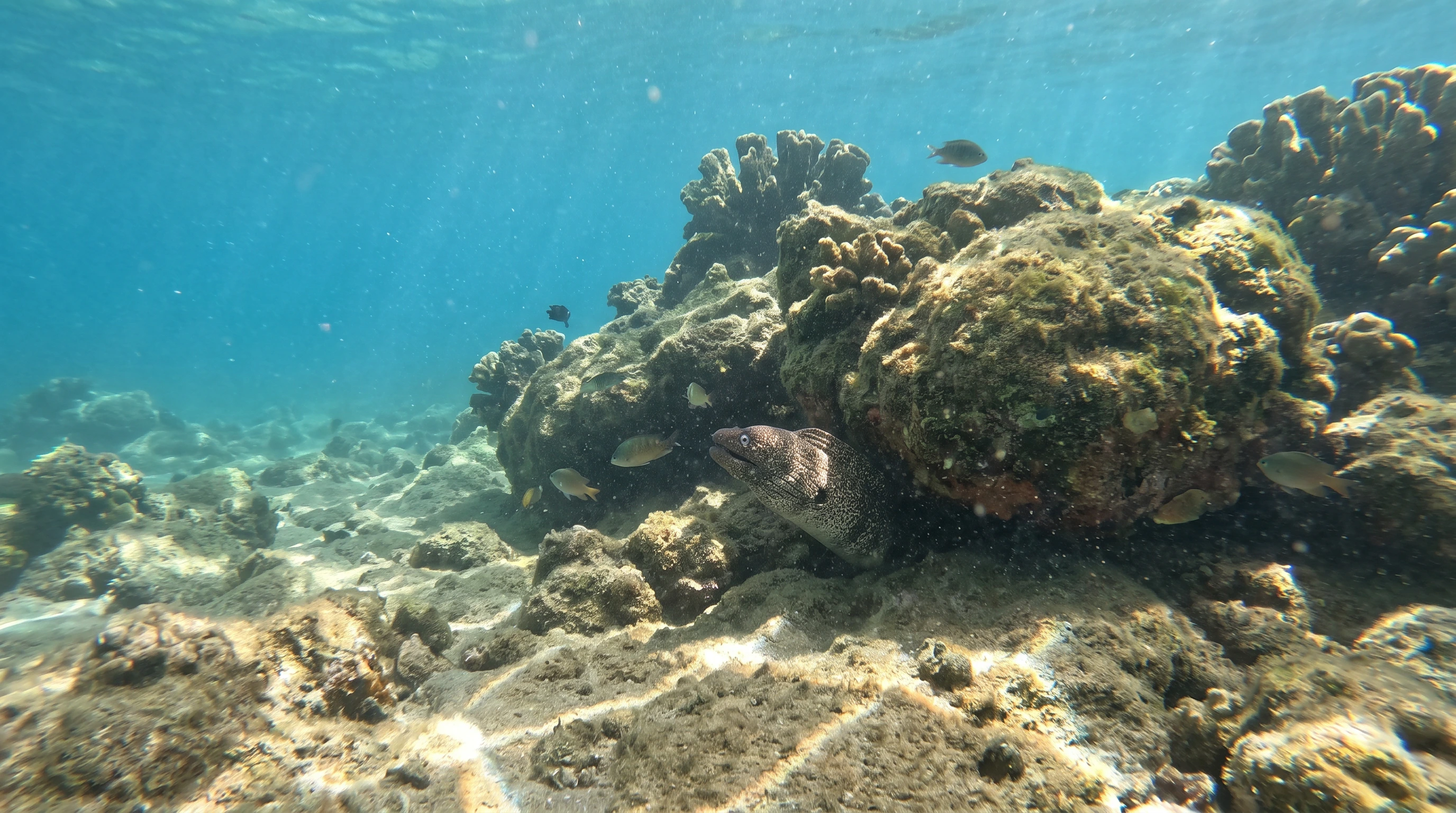
Best for advanced divers, 5-100m, boat entry, strong current.
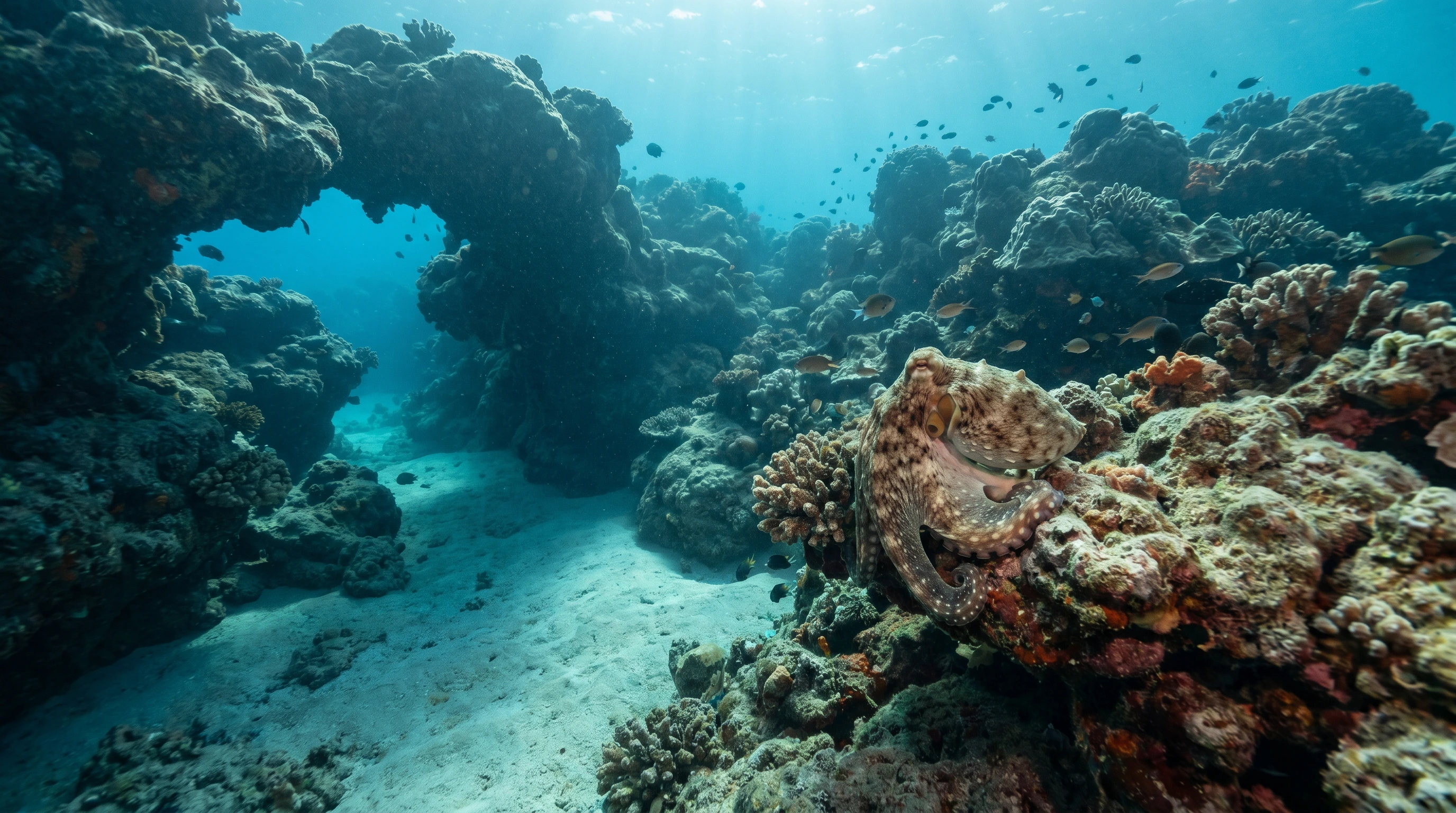
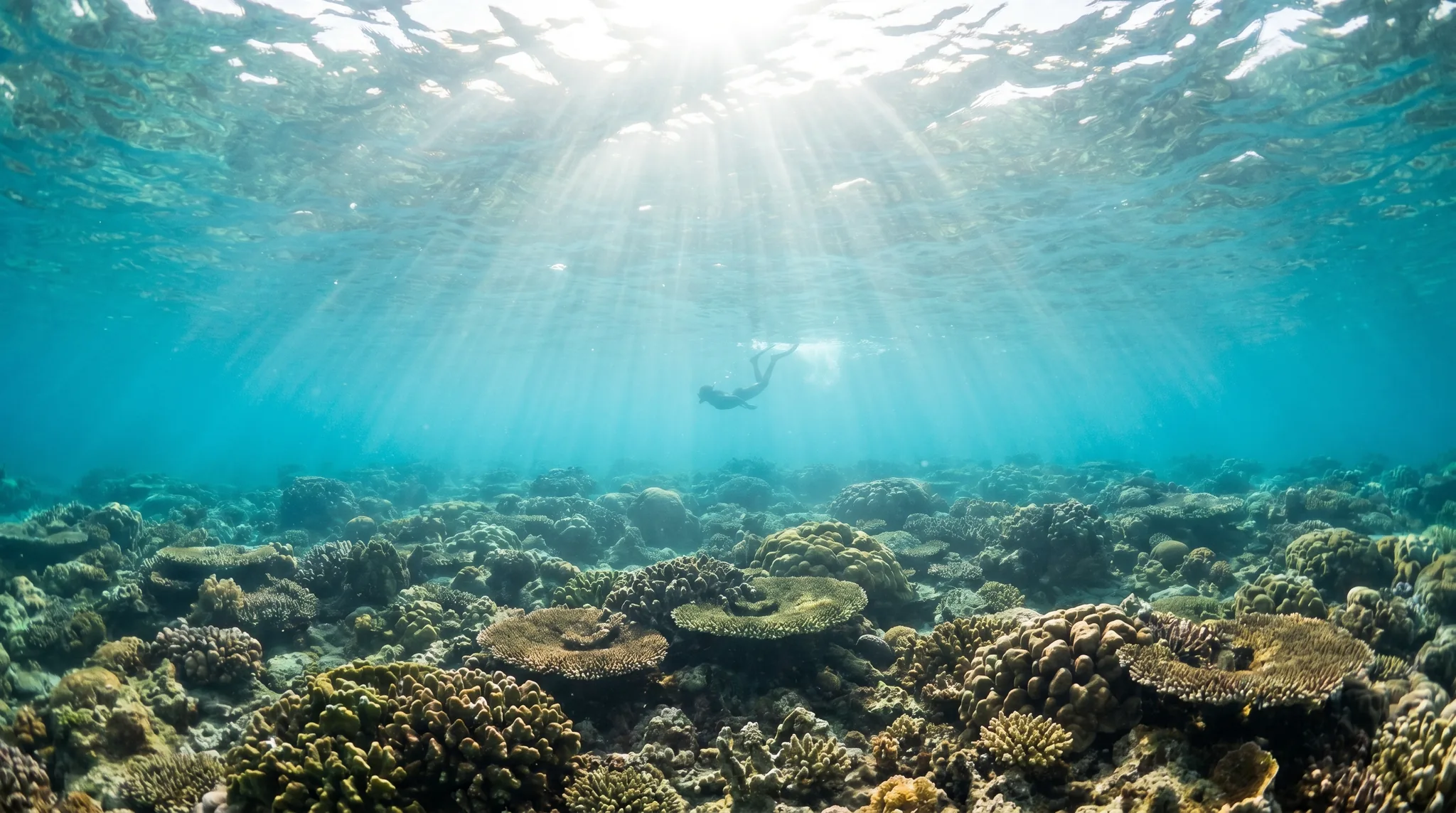
Moku Ho'oniki is a boat-access site located off the eastern tip of Molokai, featuring a complex topography of reefs, walls, pinnacles, and caves. Divers encounter depths ranging from 5 to 100 metres, with an average depth of 60 metres. This site is suitable for advanced divers due to strong currents and the potential for decompression, nitrogen narcosis, and overhead environments. Visibility typically ranges from 15 to 45 metres. Water temperatures remain between 21 and 24C throughout the year. Access is strictly by boat, and divers must be prepared for hazards including boat traffic, entanglement, and surf.
21.12780, -156.70560
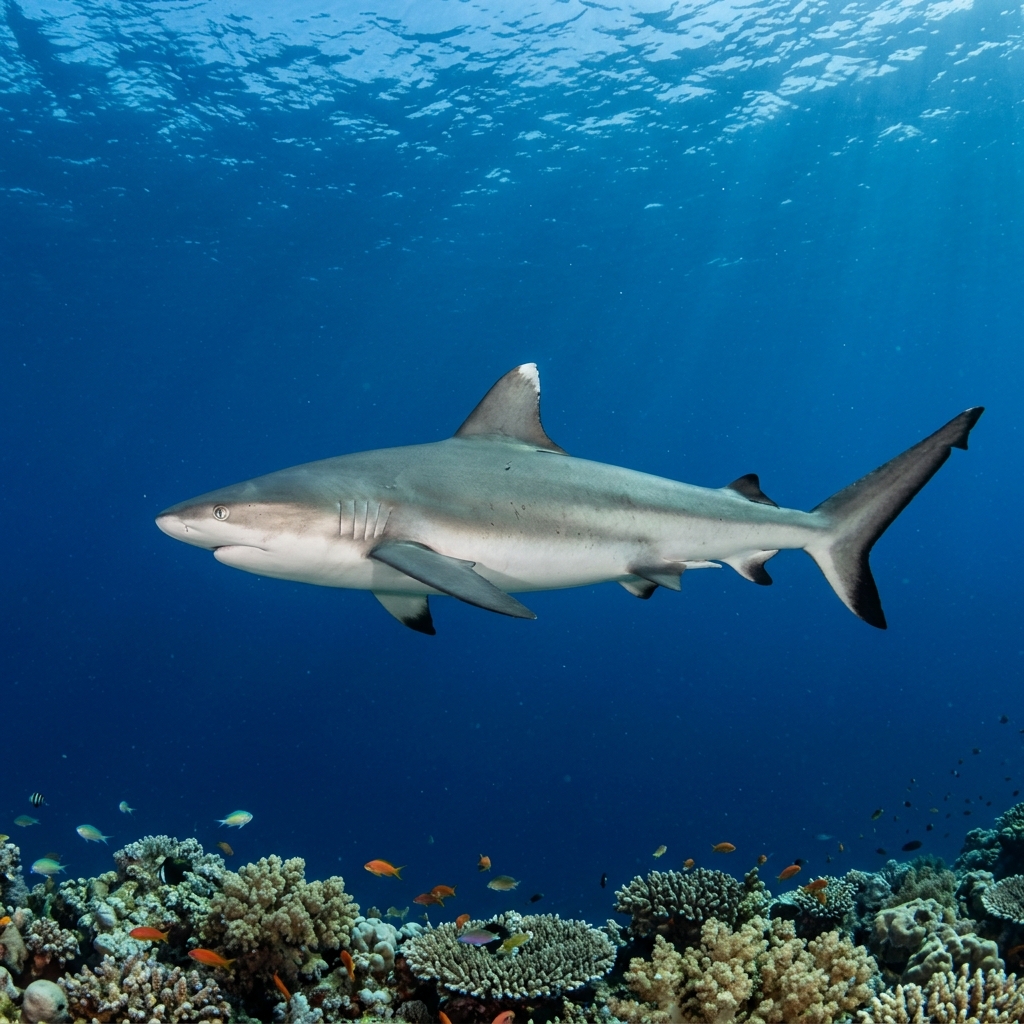
Hammerhead sharks are most frequently spotted in the summer in the strong currents north of the islet.
Access is by boat only, with travel time ranging from one to two hours depending on conditions.
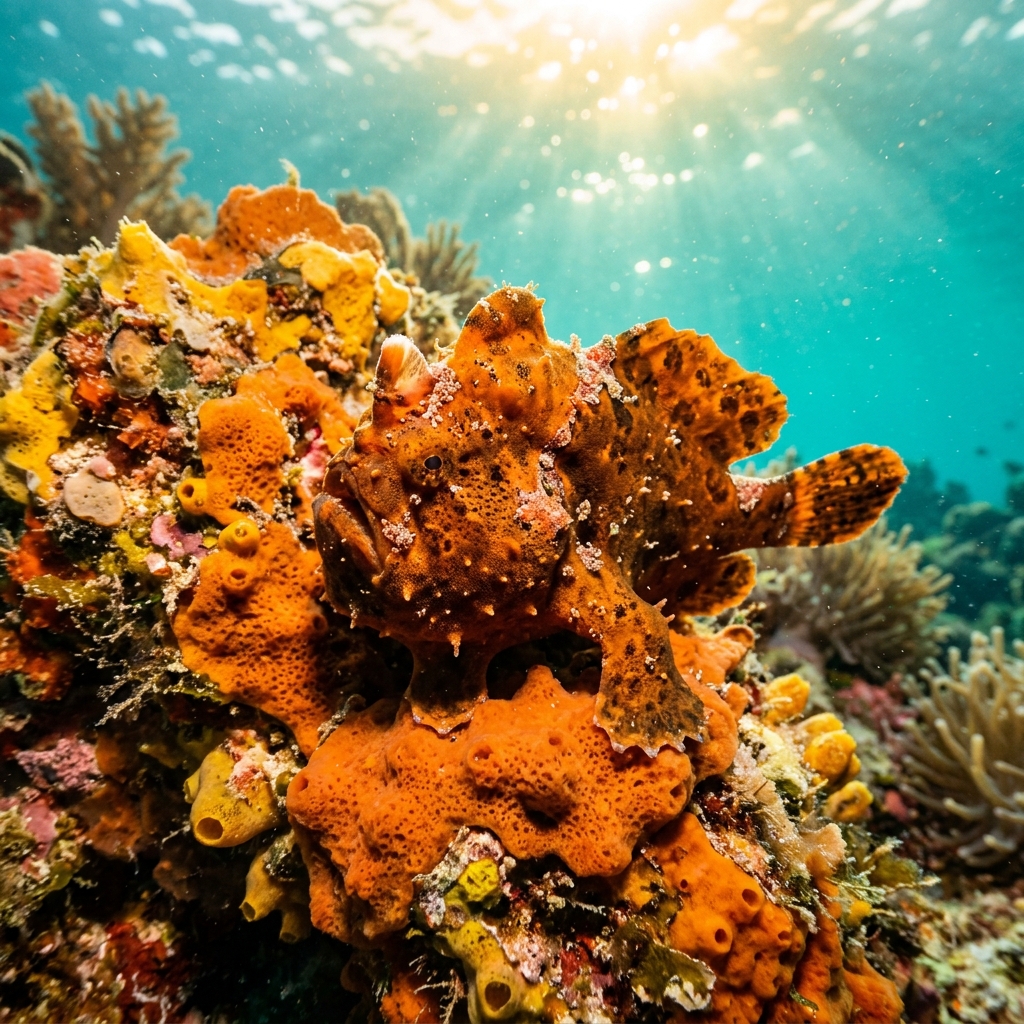
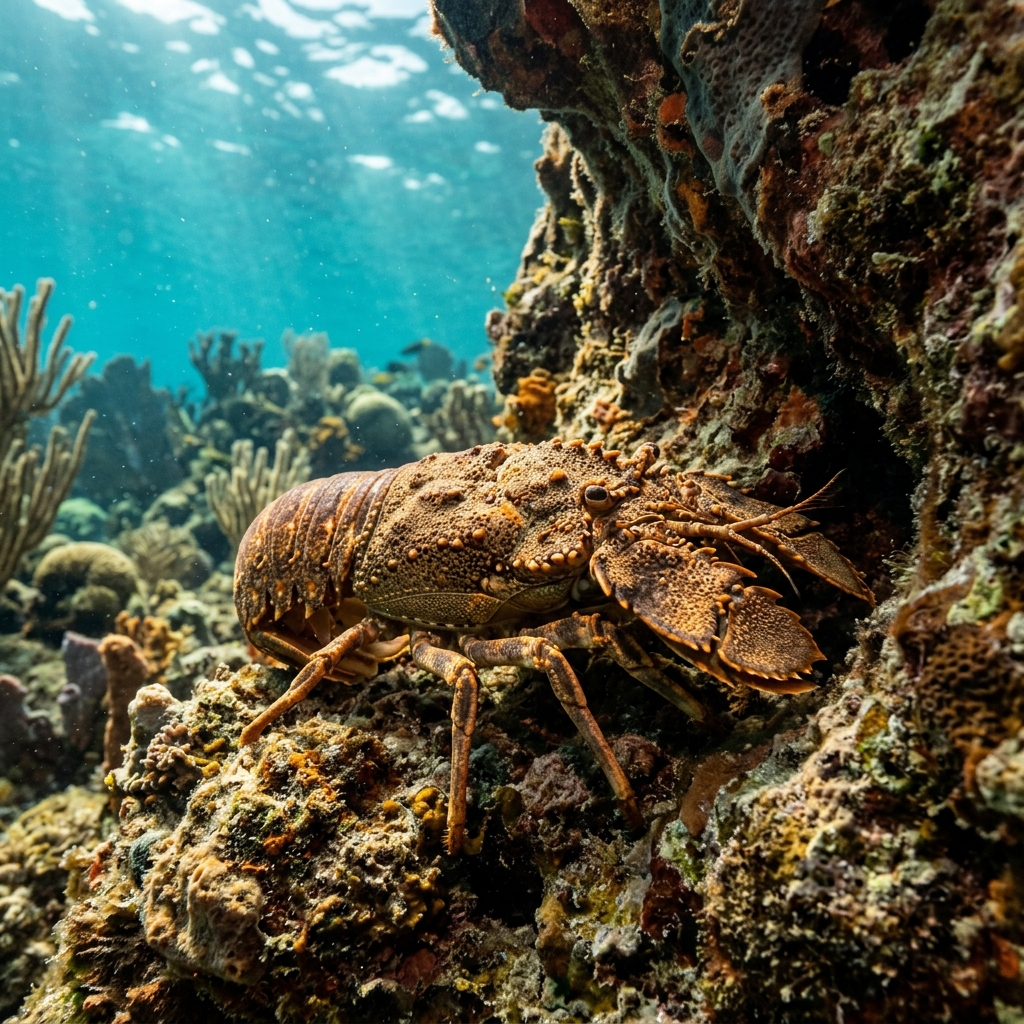
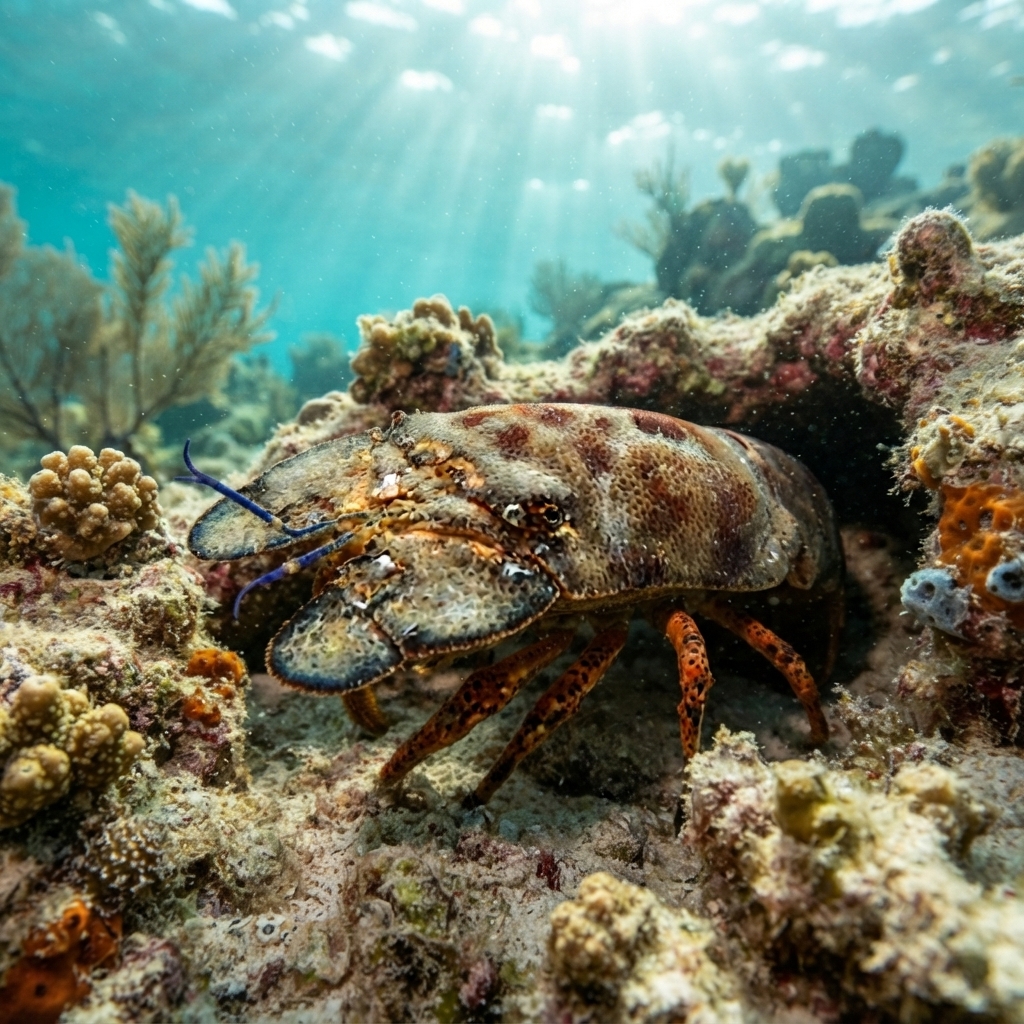
Recorded at this site
Depth
5-100m
Visibility
15-45m
Skill Level
Advanced
Entry
Boat
Boat required
Water Temp
21-24°C
Current
Strong
Typical Dive
50 min
Best Time
Apr, Nov
No, this site is intended for advanced divers due to the deep average depth of 60 metres and strong currents.
The site ranges from 5 to 100 metres in depth, with an average depth of 60 metres.
No, Moku Ho'oniki is located 1609 metres from shore and requires boat access.
The best months to dive at this site are April and November.
Divers should be aware of strong currents, boat traffic, surf, and risks associated with deep diving, including decompression and nitrogen narcosis.
Diving at Moku Ho'oniki in Waialua requires the following certifications: Open Water, Advanced, Wreck, Deep, Nitrox. Always dive within your training limits.
A 5mm wetsuit is recommended for diving at Moku Ho'oniki in Waialua. Water temperatures range from 21°C to 24°C.
Moku Ho'oniki in Waialua can have strong currents. Advanced experience with drift diving and current navigation is recommended.
Visibility at Moku Ho'oniki in Waialua typically ranges from 15 metres to 45 metres. Conditions vary with weather, tides, and seasons.