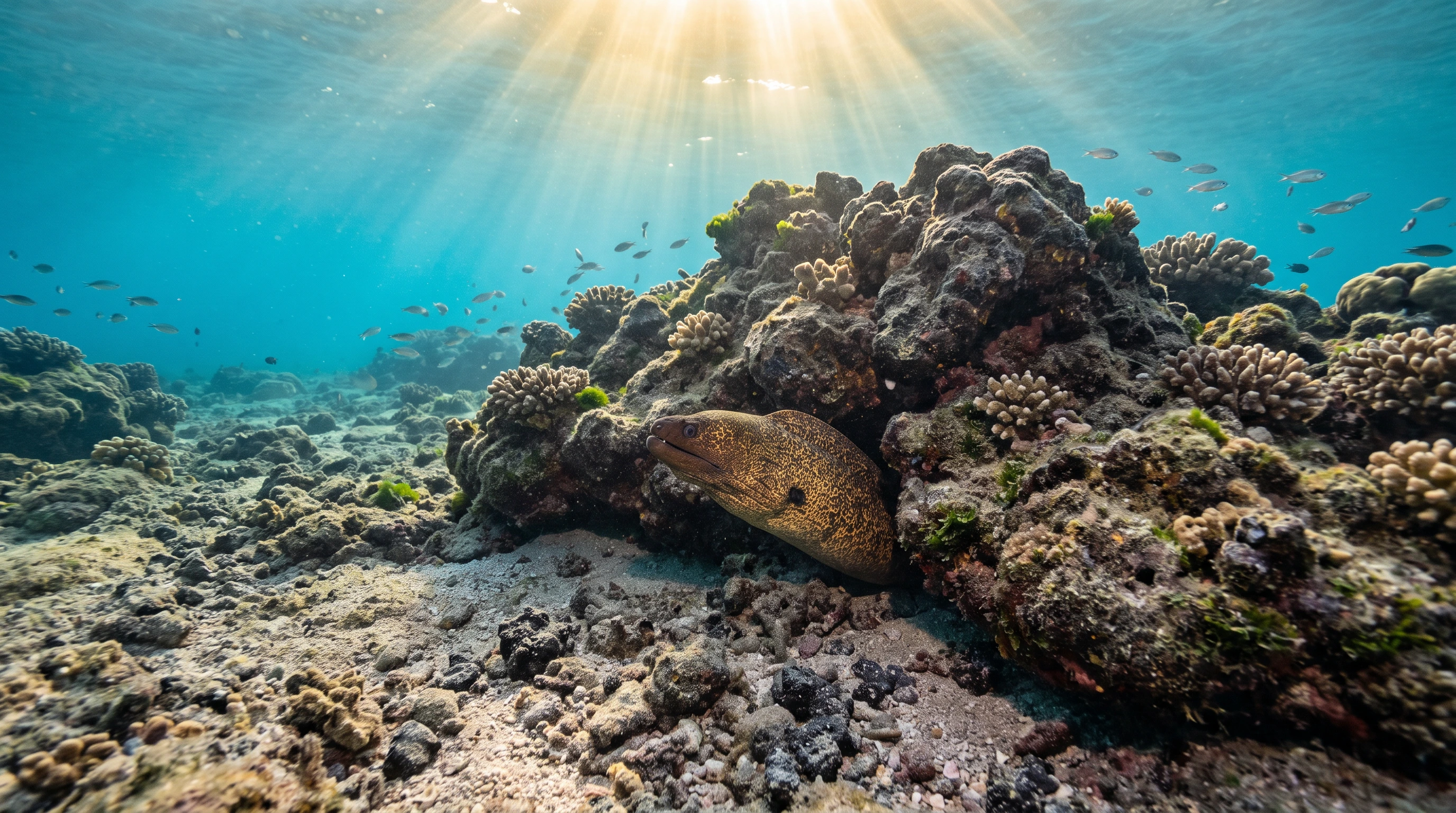
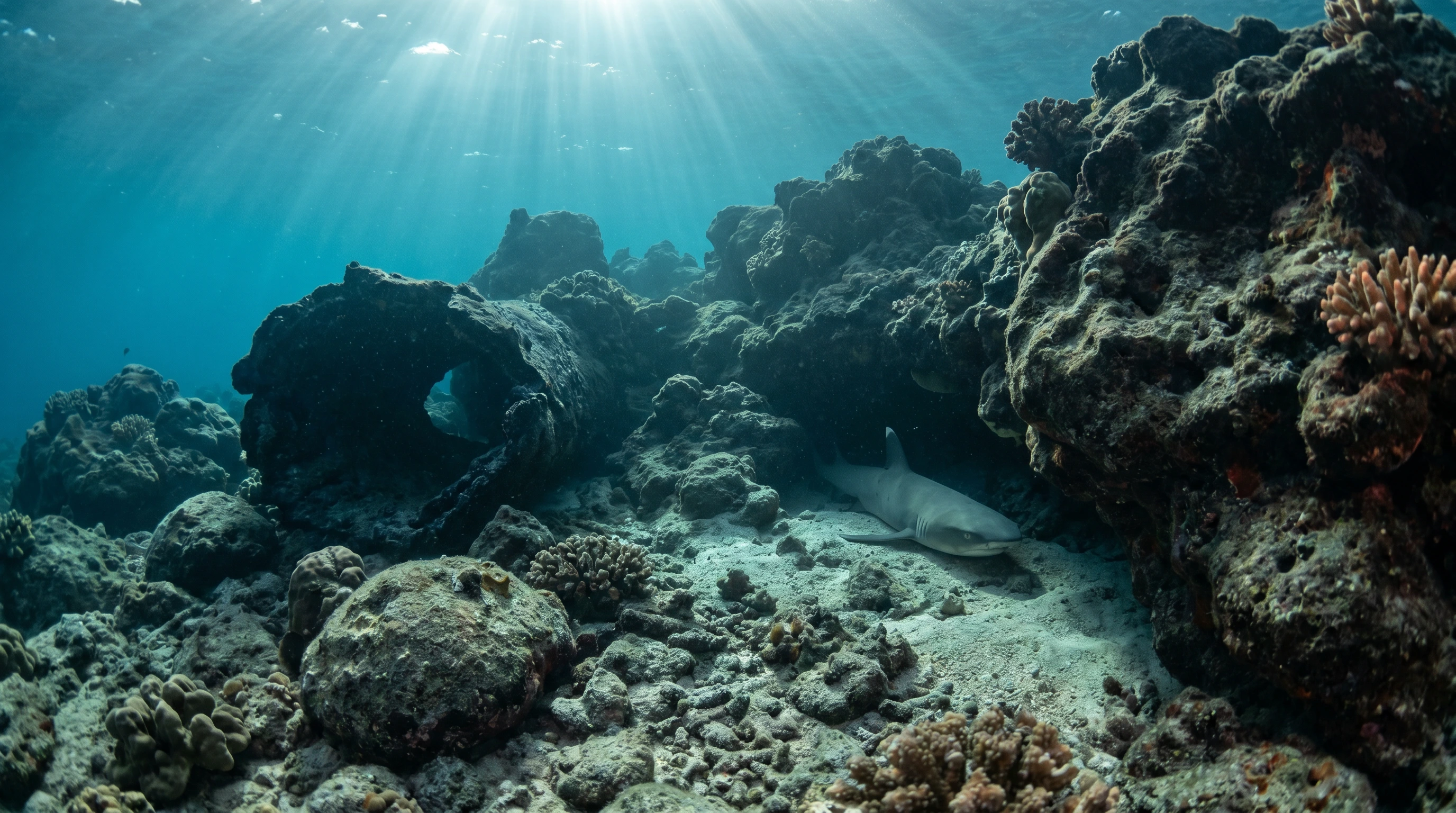
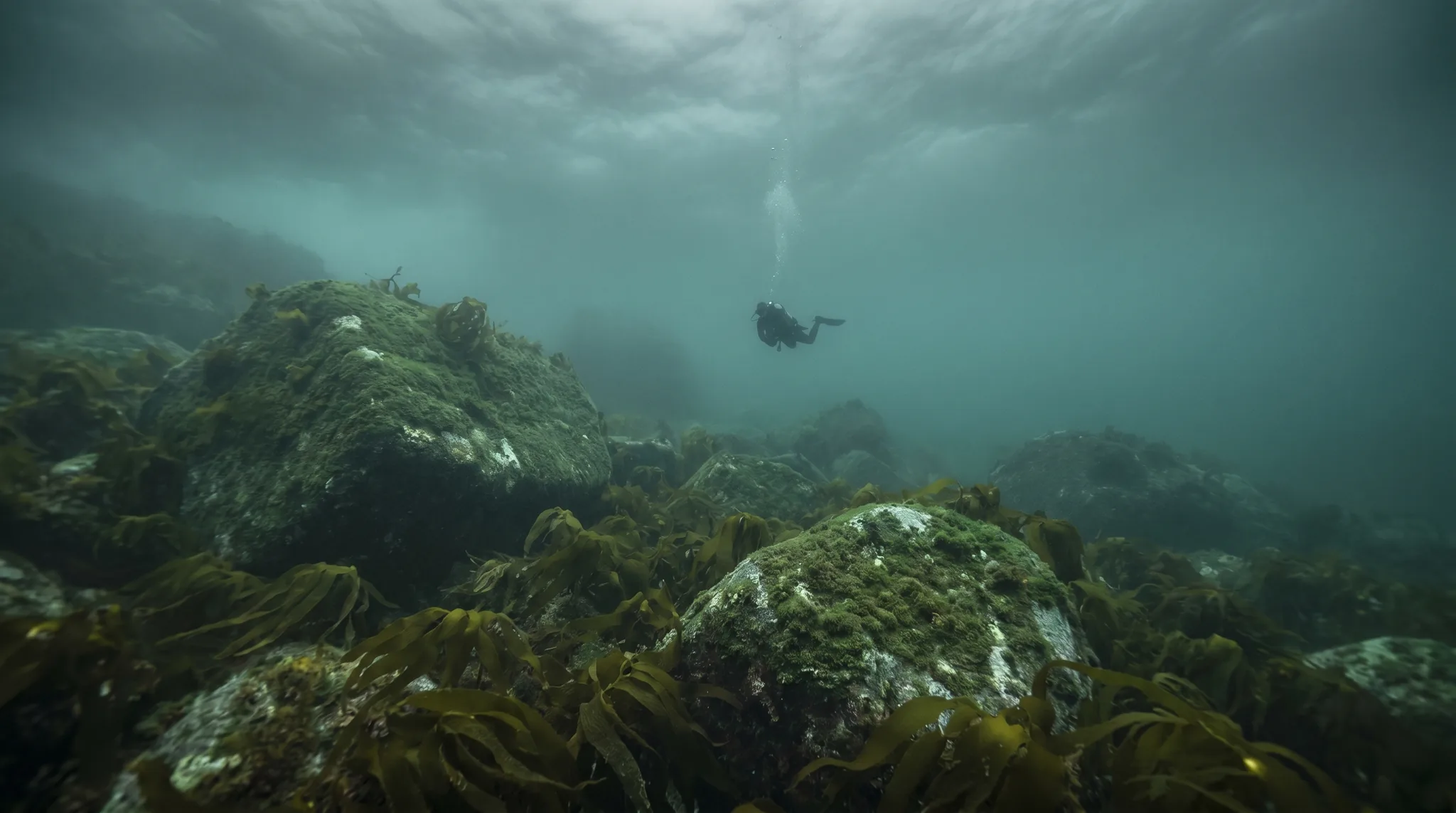
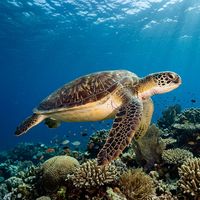
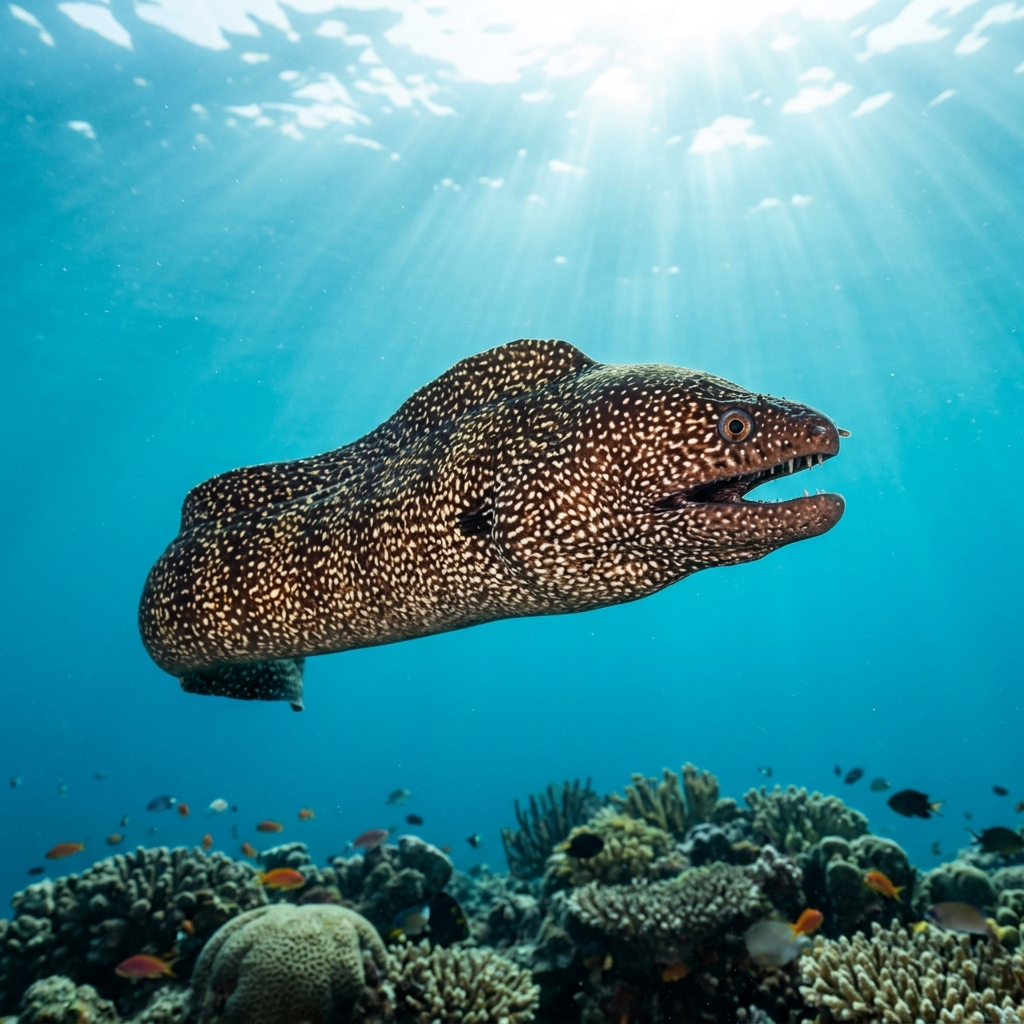
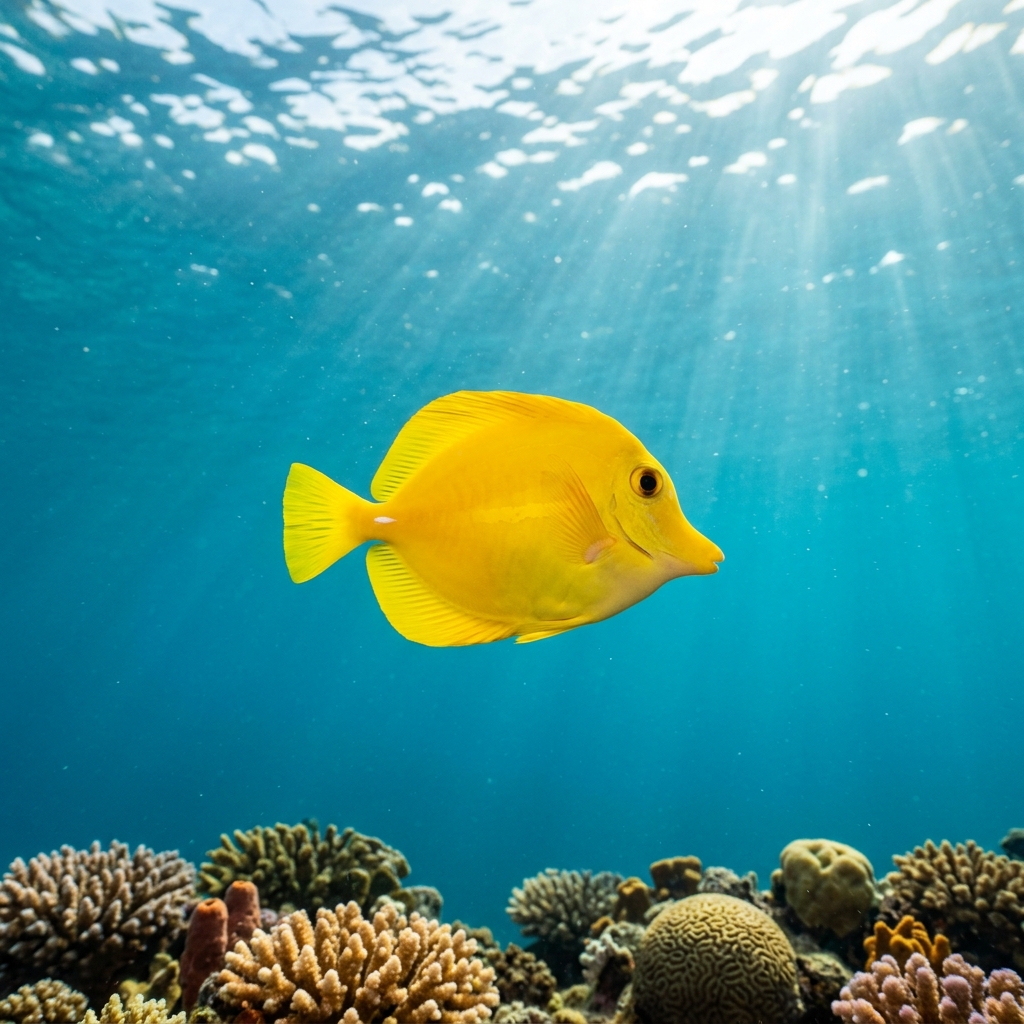
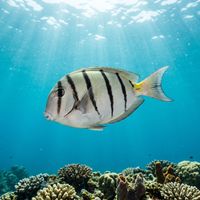
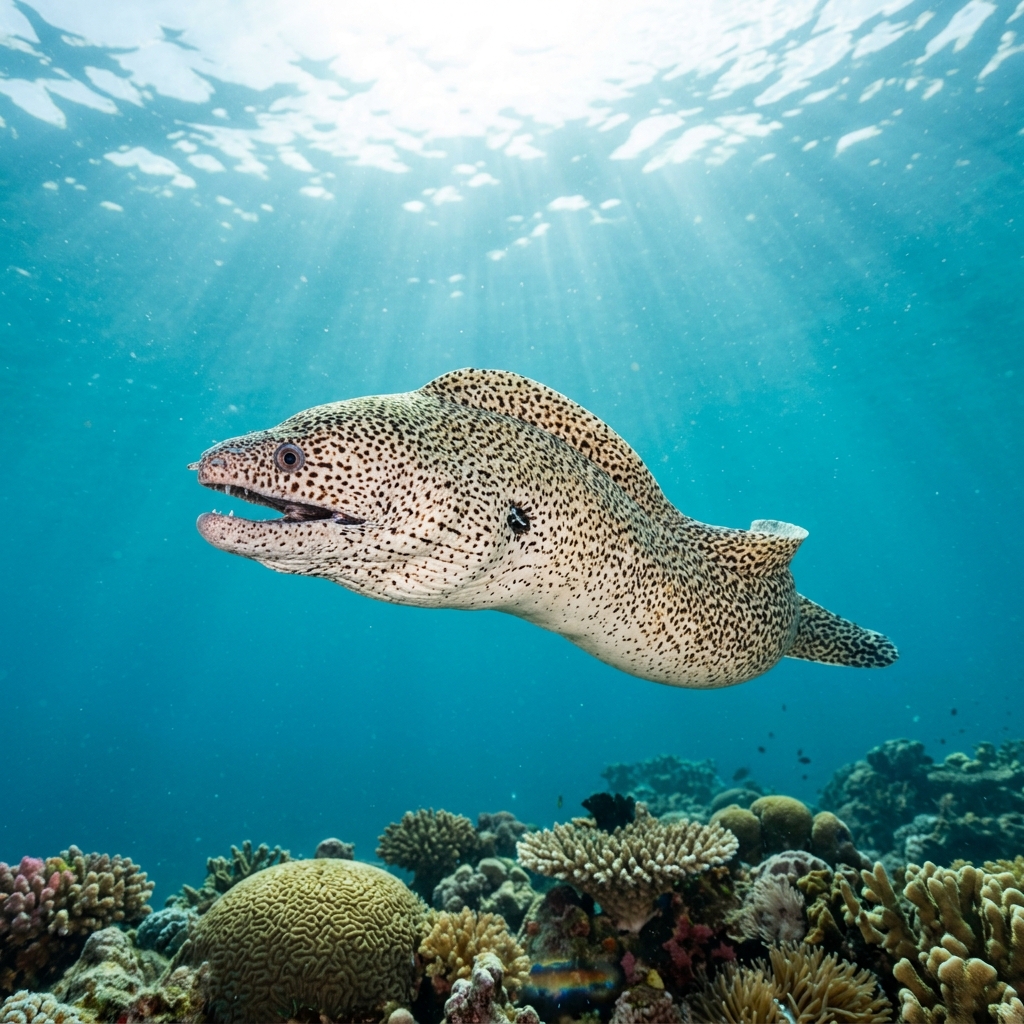
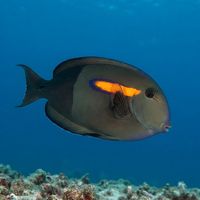
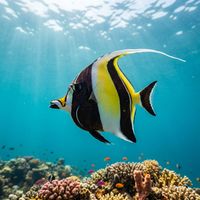
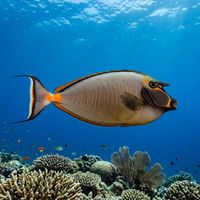
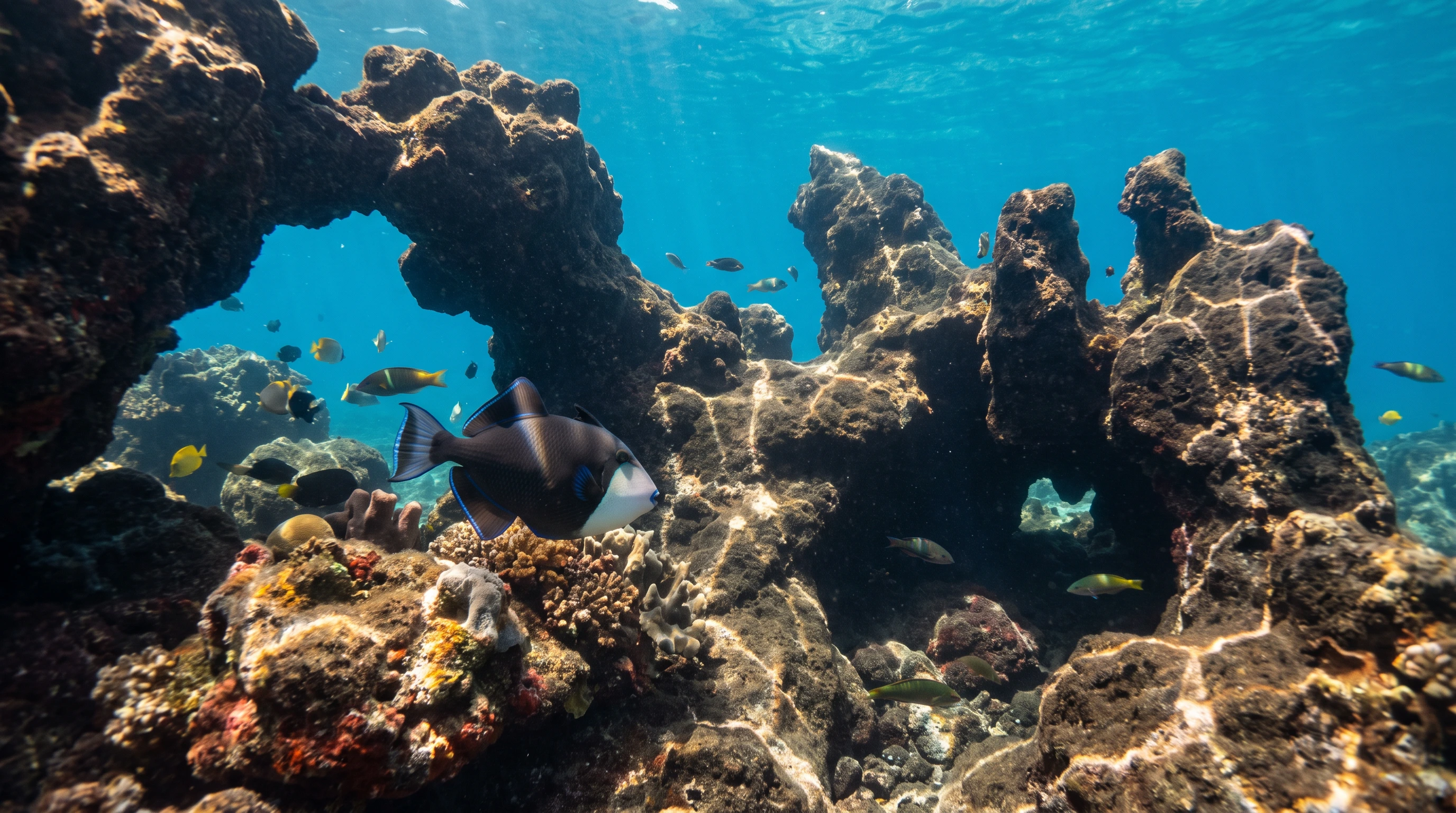
Kona's underwater terrain ranges from shallow, sheltered bays to drop-offs, canyons, lava caverns and pinnacles, with a notable concentration of manta ray sites. The reef fish list is broad and well-documented: Yellow Tang, Hawaiian Convict Surgeonfish, Moorish Idol and multiple moray species are observed across the majority of sites. Green Sea Turtle encounters are frequent. Most sites suit beginners, though a handful of drop-offs and mixed-topography reefs reward intermediate divers. Shore and boat access both feature.

Monthly water temperature across Kona's sites, from satellite sea-surface data corrected for depth. The band shows the site-to-site spread.
Water temperature stays warm year-round, nudging slightly higher from late summer into autumn. The histogram points to late spring and summer as the most popular period, when conditions tend to be settled. October and November see a quieter window, which may reflect seasonal swell exposure on some sites.
28 operators
Water temperature around Kona ranges from about 25°C in January to 27°C in August, based on satellite sea-temperature data for its dive sites.
51 more sites to explore
In the warm season (about 27°C) a rash guard or 3mm shorty is comfortable in Kona; in the coldest months (about 25°C) step up to a 3mm full suit.
Fin maps 63 sites in Kona (59 scuba diving sites and 15 snorkelling spots, with some suited to both).
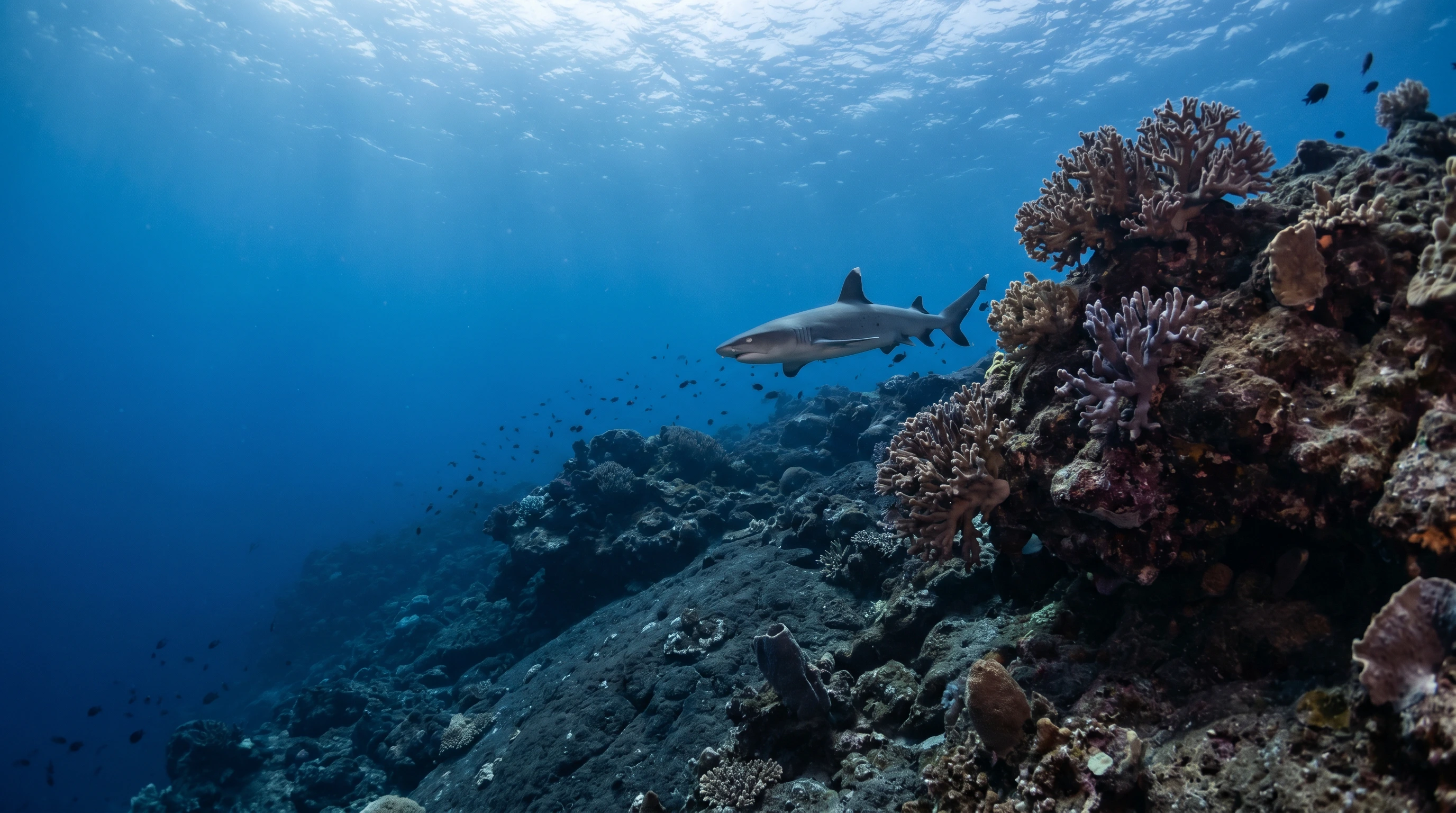
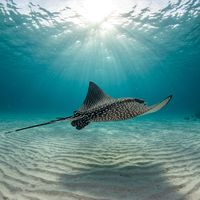
Green Sea Turtle is the most frequently observed large animal across Kona's sites. Spotted Eagle Ray appears occasionally at a range of locations. Kona is also noted for manta ray encounters, with dedicated sites including Manta Heaven and Manta Ray Madness. Spinner Dolphin is listed among the region's signature species.
The majority of Kona's dive sites are rated beginner level, including boat sites such as Manta Heaven and Horseshoe Reef as well as shore entries like Keauhou Bay and Kahalu'u Bay. Intermediate sites such as Two Step and Captain Cook Monument add variety for those with more experience. The range of skill levels means divers at different stages can find appropriate sites.
Kona's sites span a wide range of topography. Reef is the most common feature, but many sites combine reef with drop-offs, canyons, caverns, caves, lava formations and pinnacles. Artificial reef structures also appear at several locations. This variety means dive profiles differ considerably from one site to the next, from very shallow lava tube systems to deeper drop-offs.