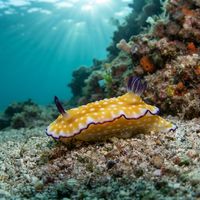
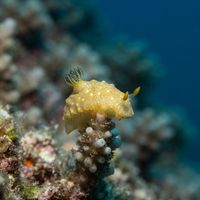
Oahu's underwater character is shaped by an unusually varied mix of site types: natural reefs, caverns, walls, drift sites, and intentionally sunk wrecks sit alongside artificial structures that have developed into thriving reef habitats. Warm water persists year-round, with conditions at their most settled from late spring through early autumn. The Green Sea Turtle, Whitetip Reef Shark, Day Octopus, and multiple moray species are consistently observed across sites. Shore and boat access both feature strongly, serving beginners through advanced divers.
Monthly water temperature across Oahu's sites, from satellite sea-surface data corrected for depth. The band shows the site-to-site spread.
Water temperature stays warm throughout the year, dipping only slightly in late winter before climbing again from late spring onward. The best-months data points clearly to late spring through early autumn as the peak period, when conditions and visibility are most reliable. Exposed sites on the windward coast and deeper wrecks can carry current, while sheltered shore entries offer calmer conditions for less experienced divers.
35 operators
Water temperature around Oahu ranges from about 24°C in February to 26°C in July, based on satellite sea-temperature data for its dive sites.
With water around 24–26°C, a 3mm full suit works in Oahu year-round.
49 more sites to explore
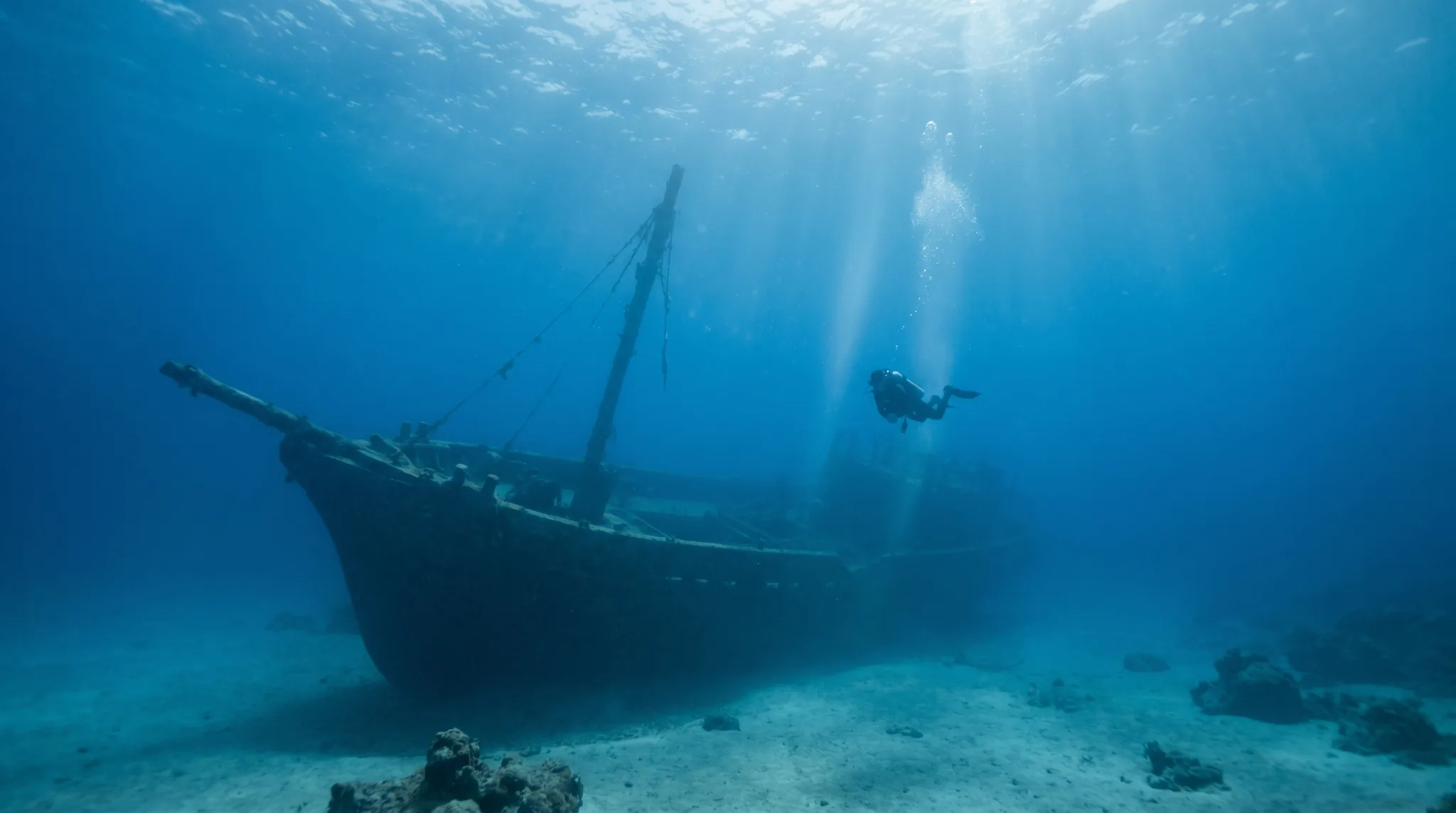
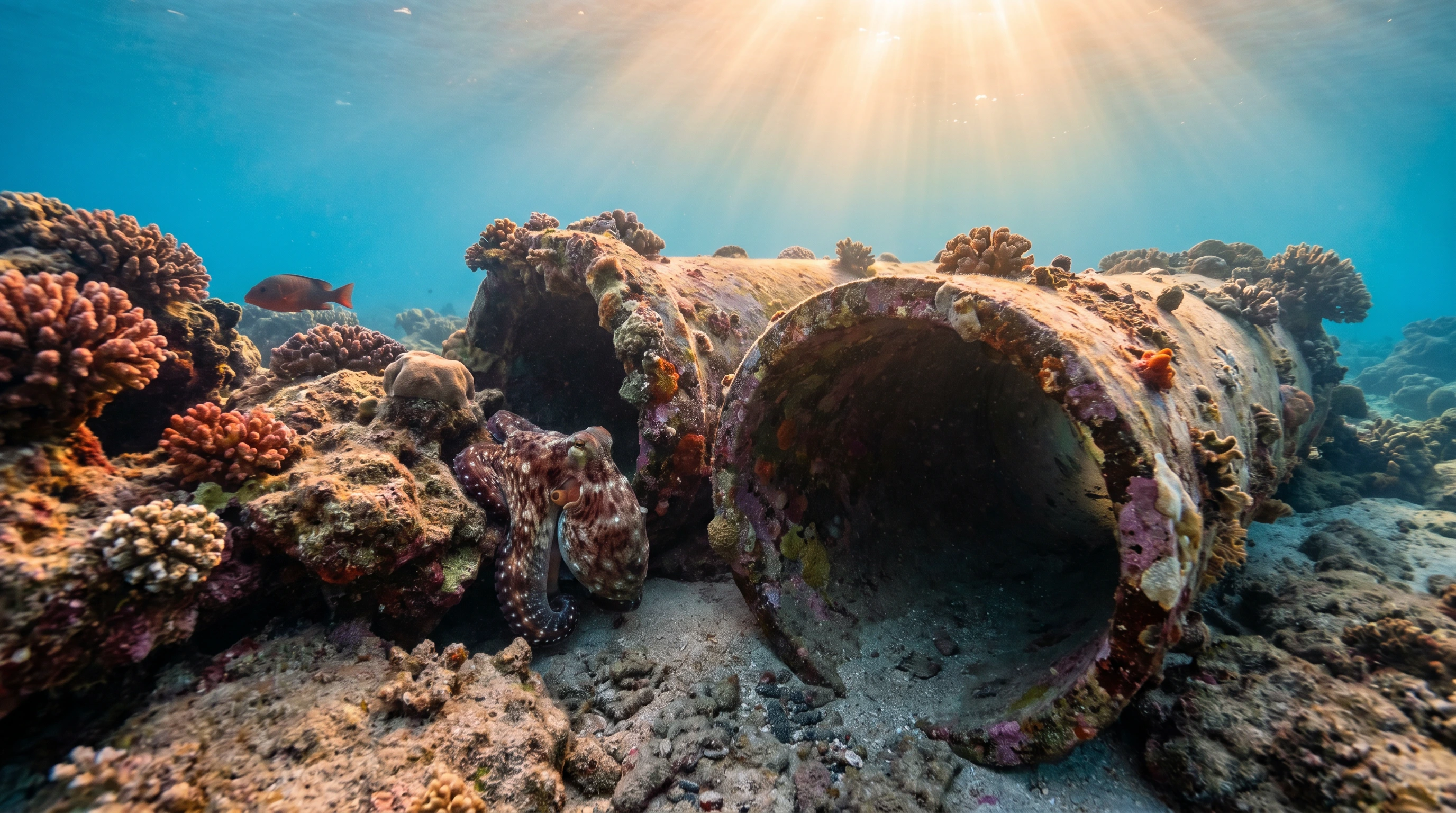
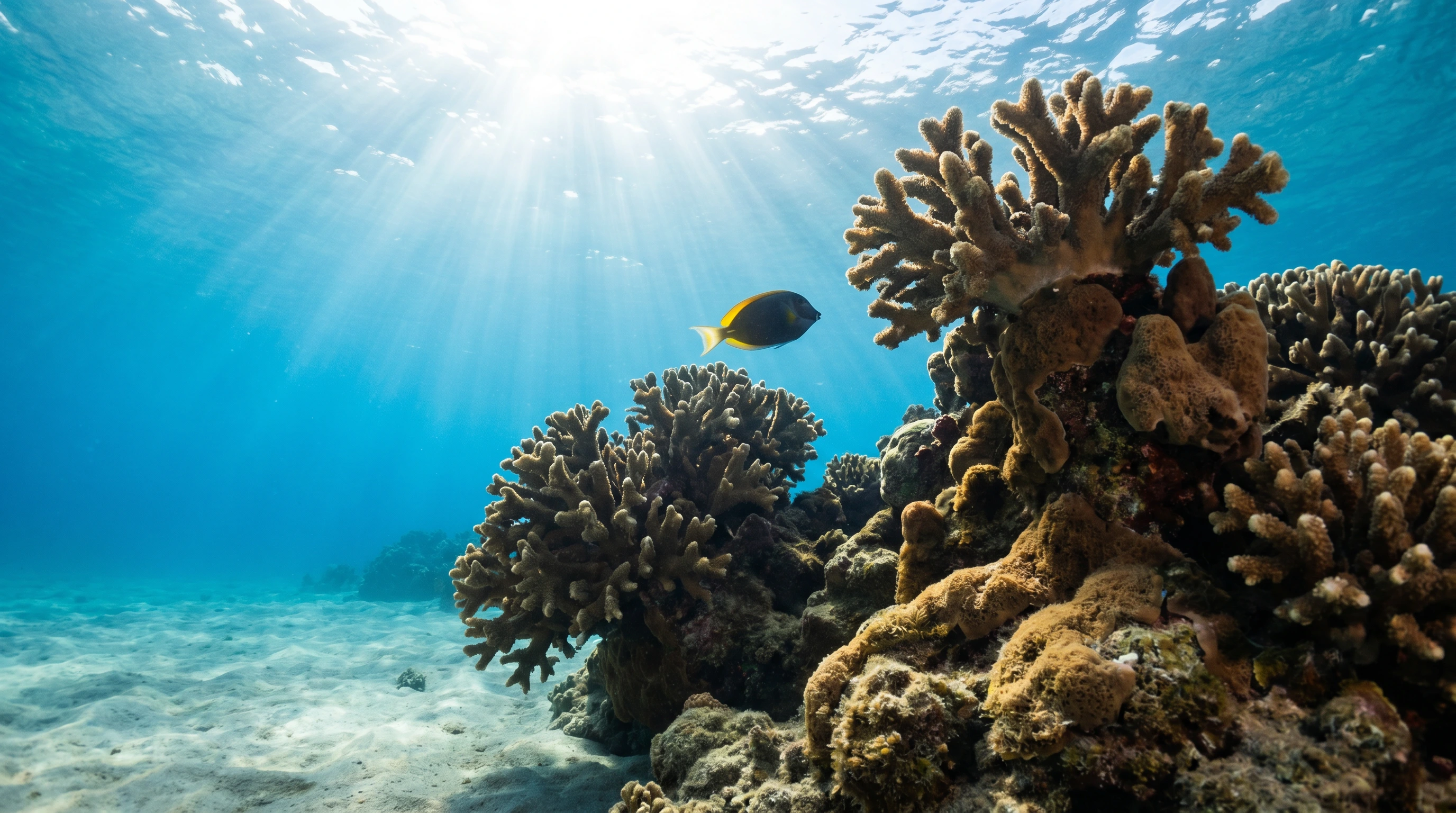
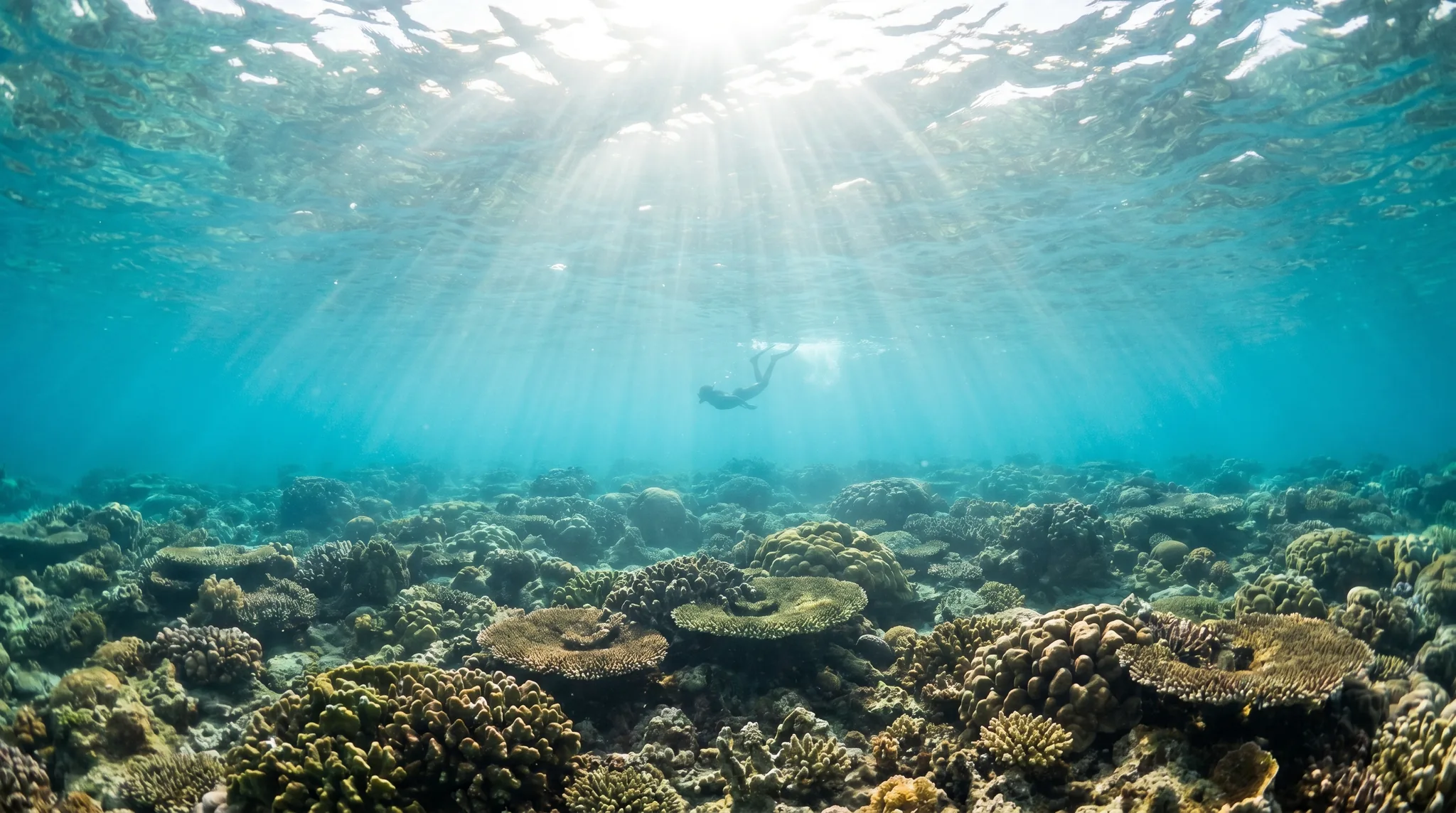
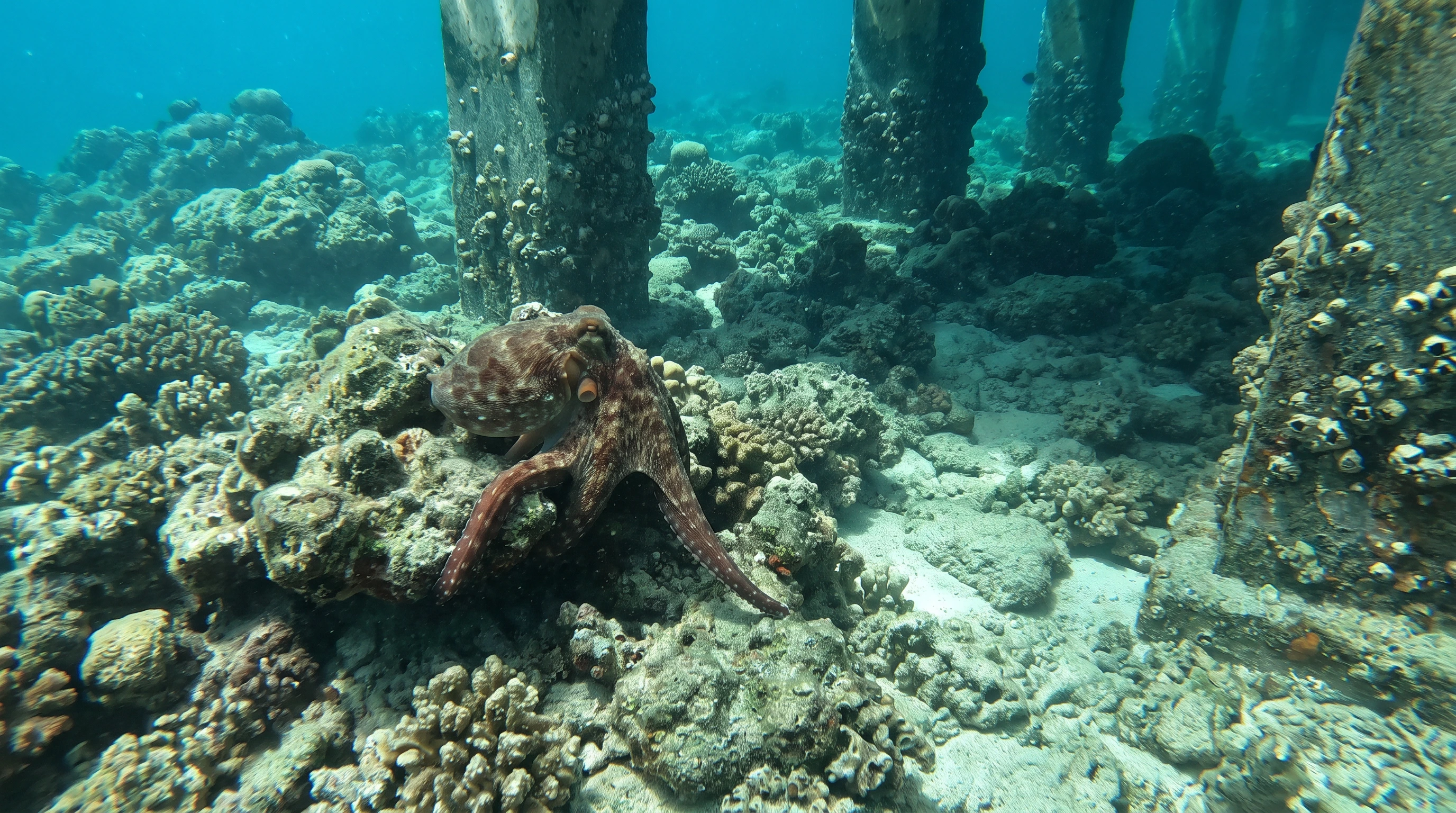
Fin maps 61 sites in Oahu (59 scuba diving sites and 16 snorkelling spots, with some suited to both).
Across Oahu's dive sites, May, June, July, August and September are most often reported as the best months to visit.
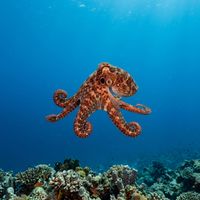
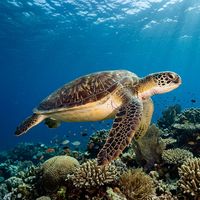
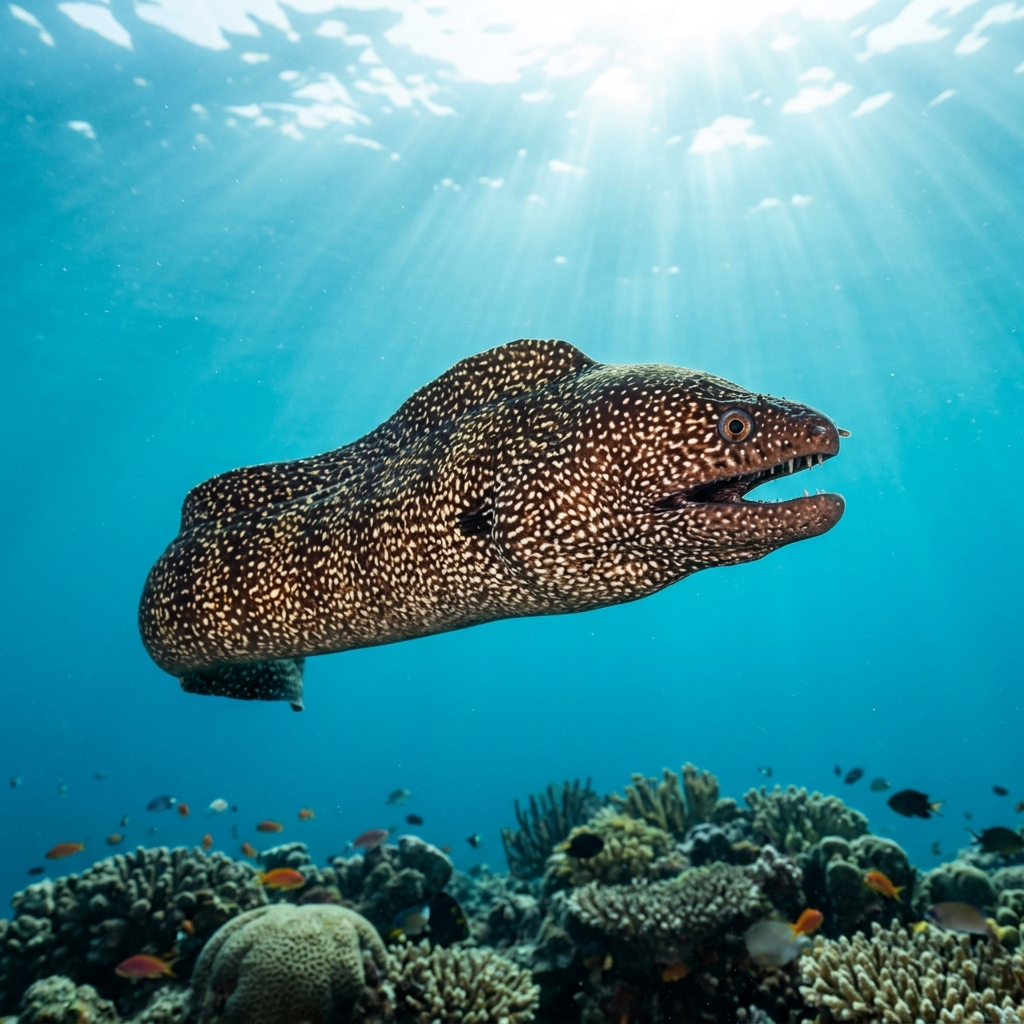
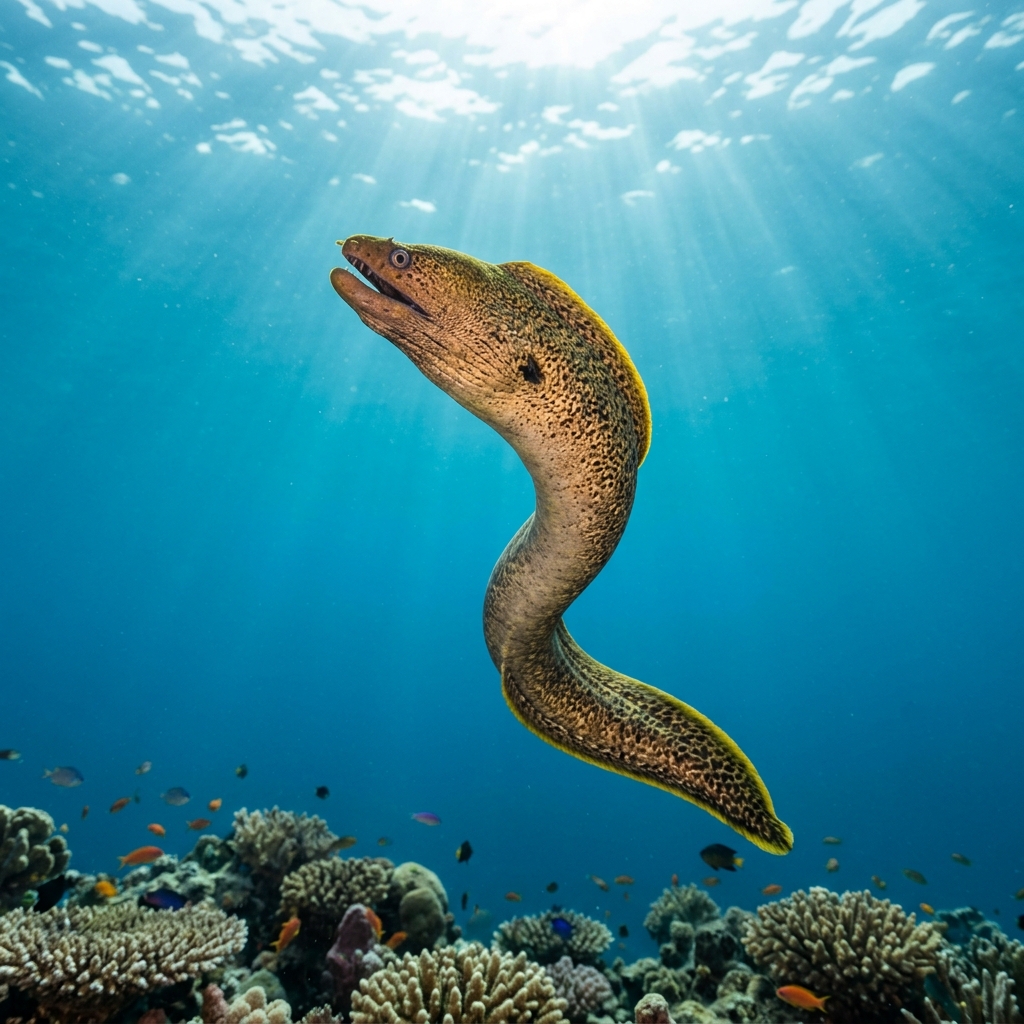
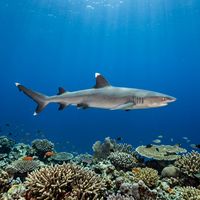
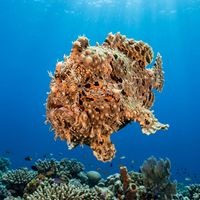
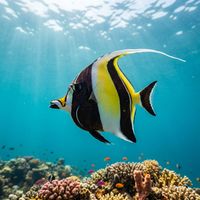
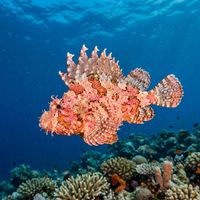
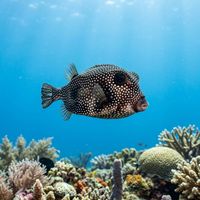
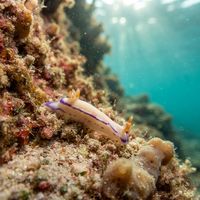
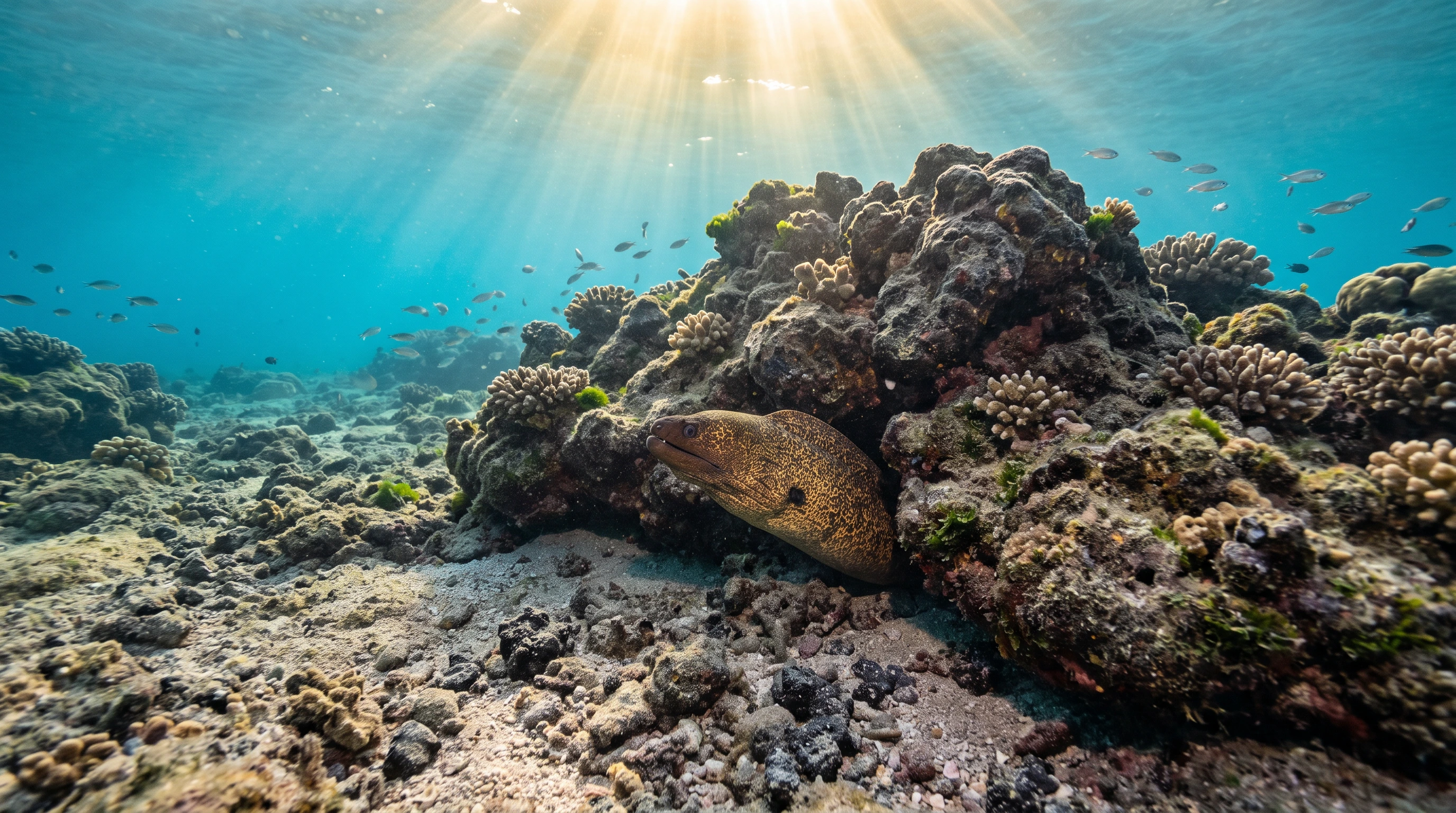
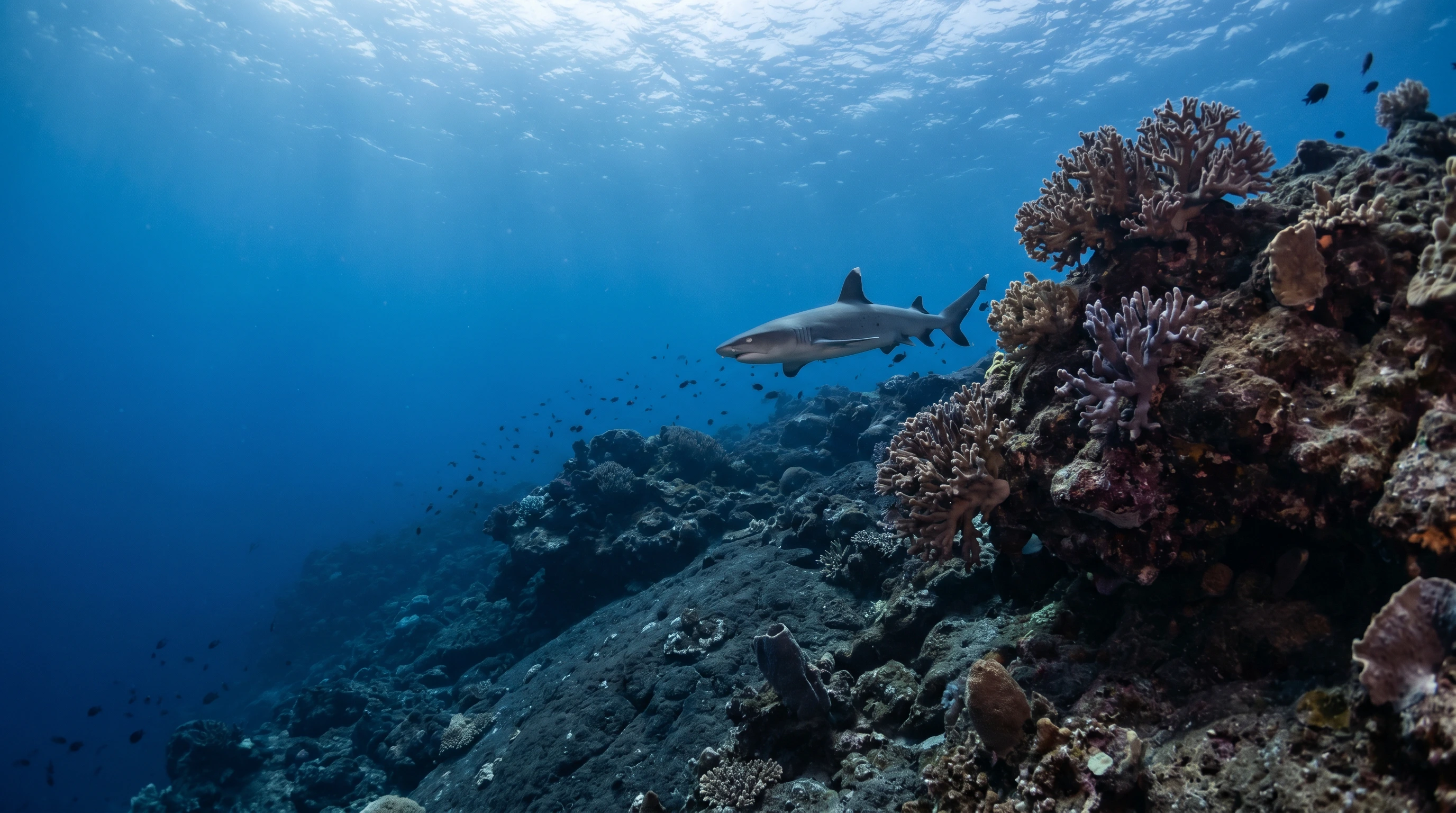
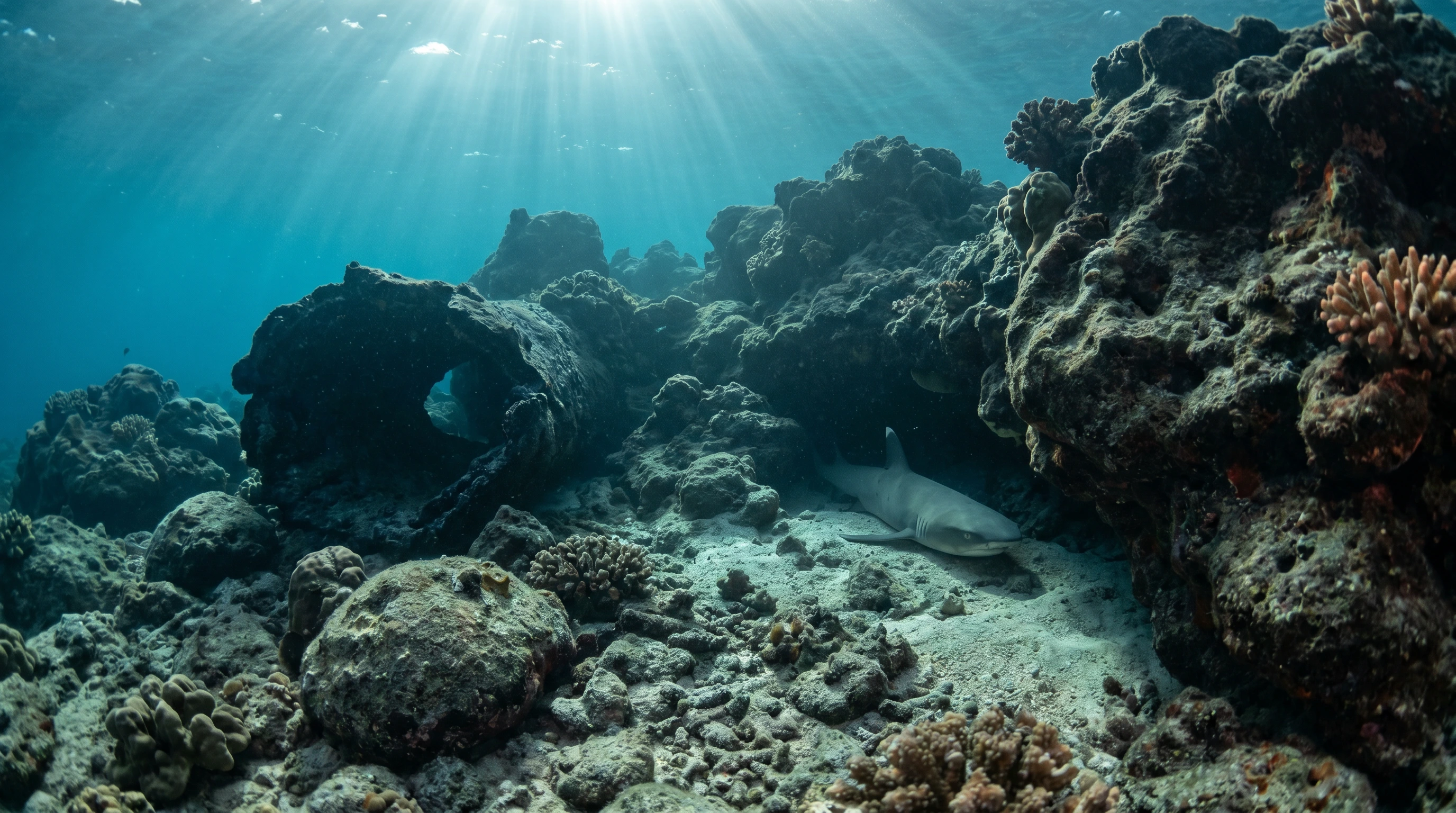
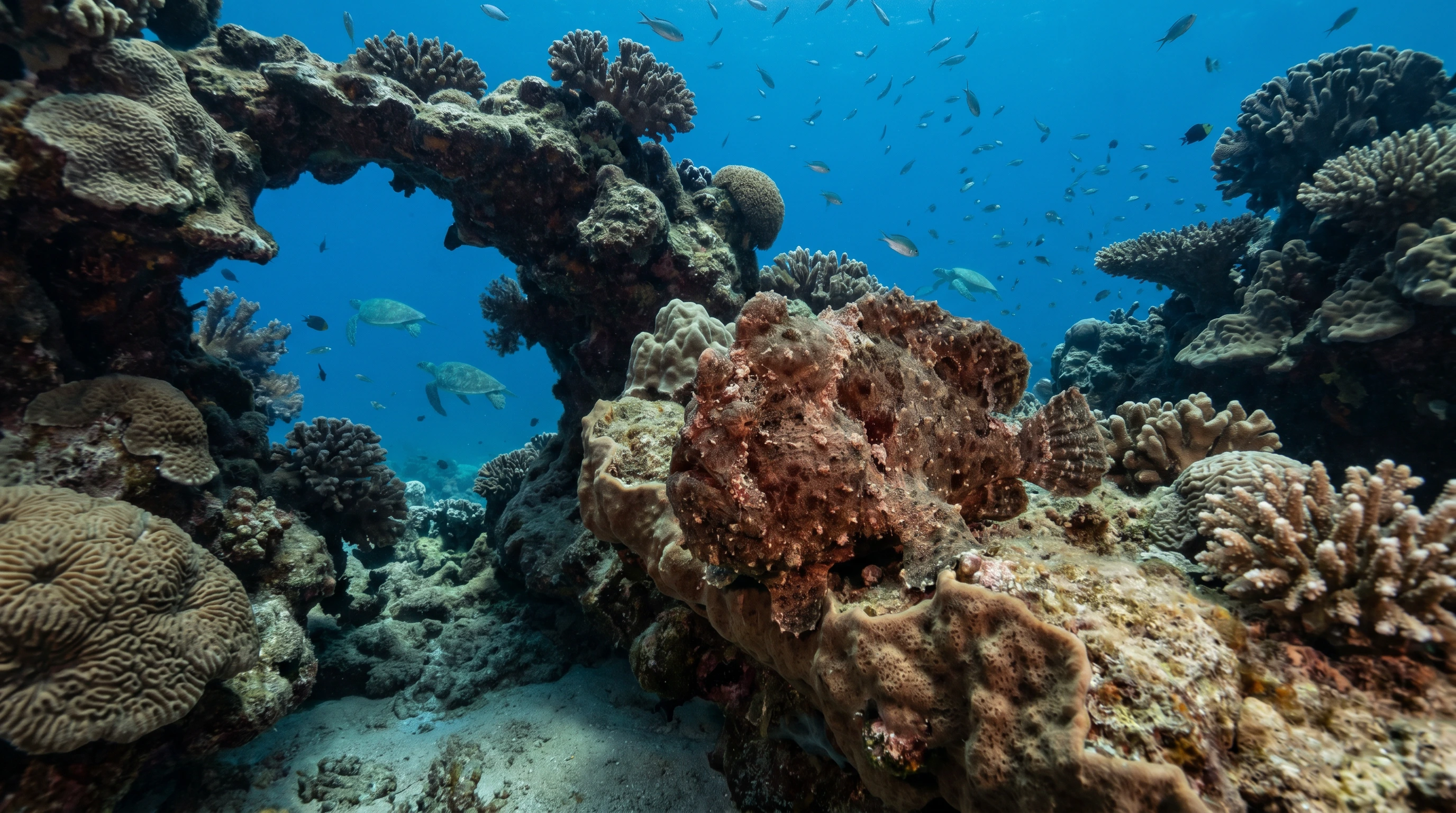
Oahu's reefs have a high rate of observed sightings across a wide range of species. The Green Sea Turtle and Whitetip Reef Shark are commonly recorded, while the Day Octopus, Turkey Moray, and Yellow-edged Moray appear very frequently across sites. Rarer finds include the Giant Frogfish and Leaf Scorpionfish, both of which have been observed across a good portion of sites.
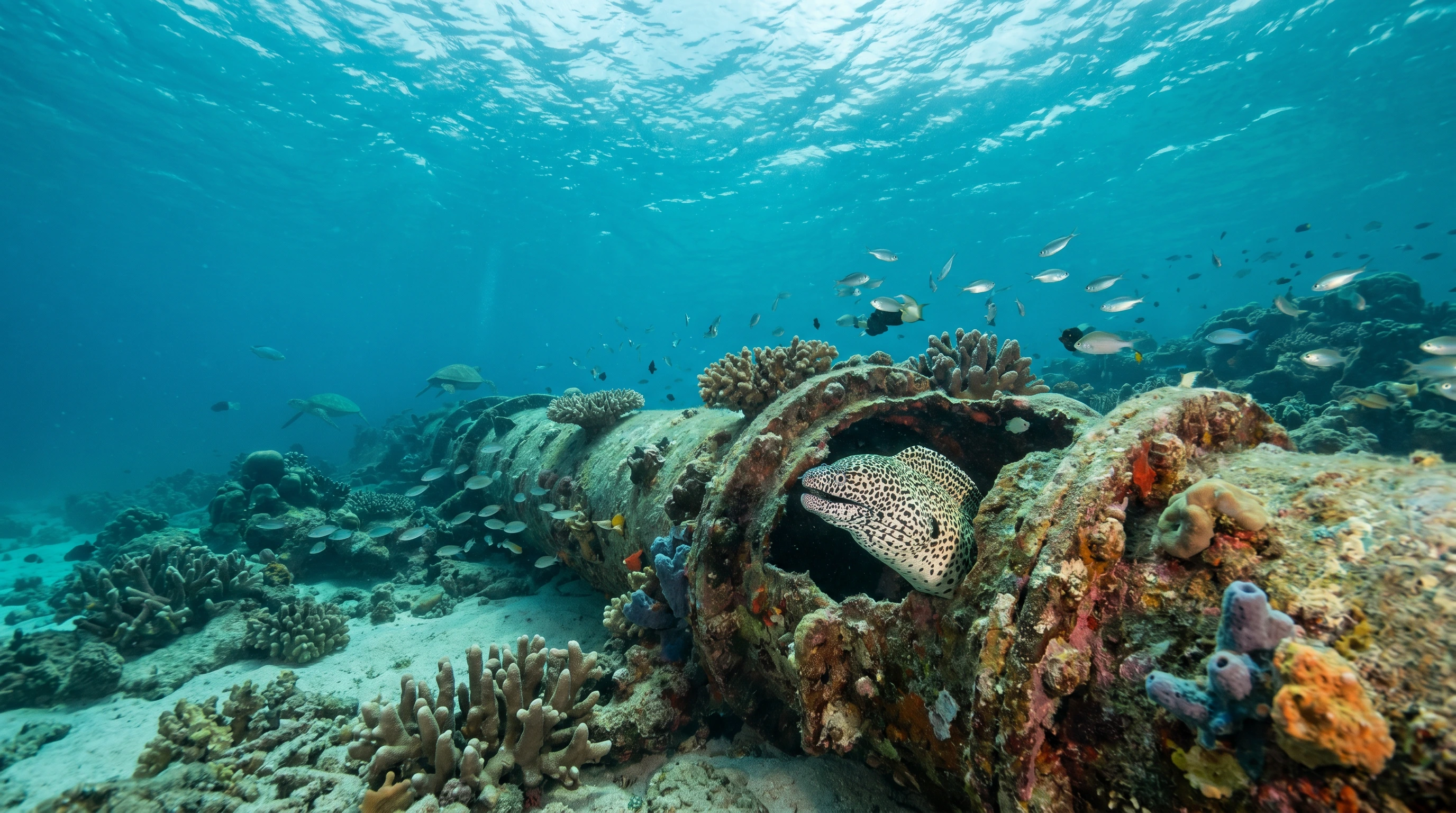
Oahu supports both access styles across its site mix. Shore sites such as Shark's Cove, Electric Beach, and Hanauma Bay are accessible without an operator, while deeper wrecks and offshore reefs like the LCU and Rabbit Island require a boat. Several operators across the island run guided boat trips, and some sites such as Makaha Caverns and Kaka Ako Point can be reached by either method.