Chaetodon quadrimaculatus
Spot the Fourspot Butterflyfish across Hawaii and French Polynesia in warm 24-27 °C water. ID tips, best seasons, and top dive sites inside.
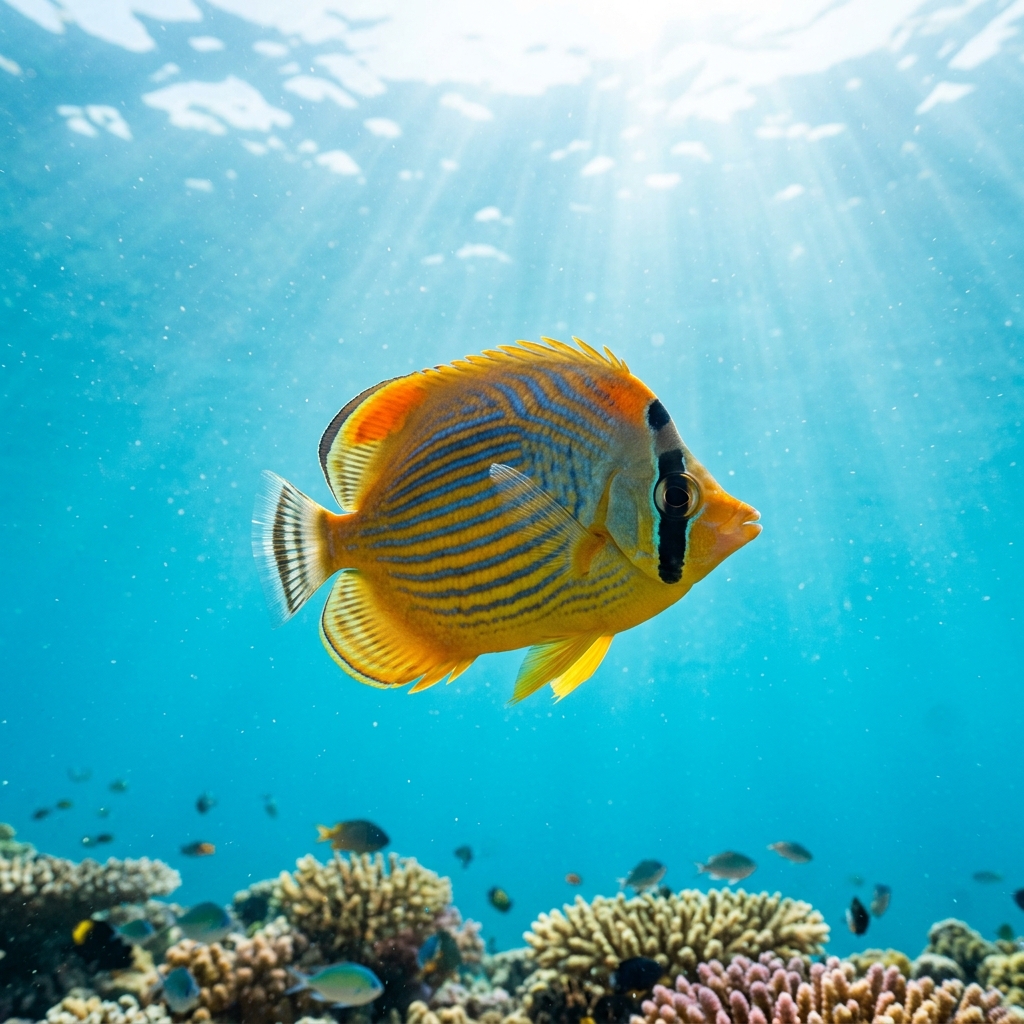
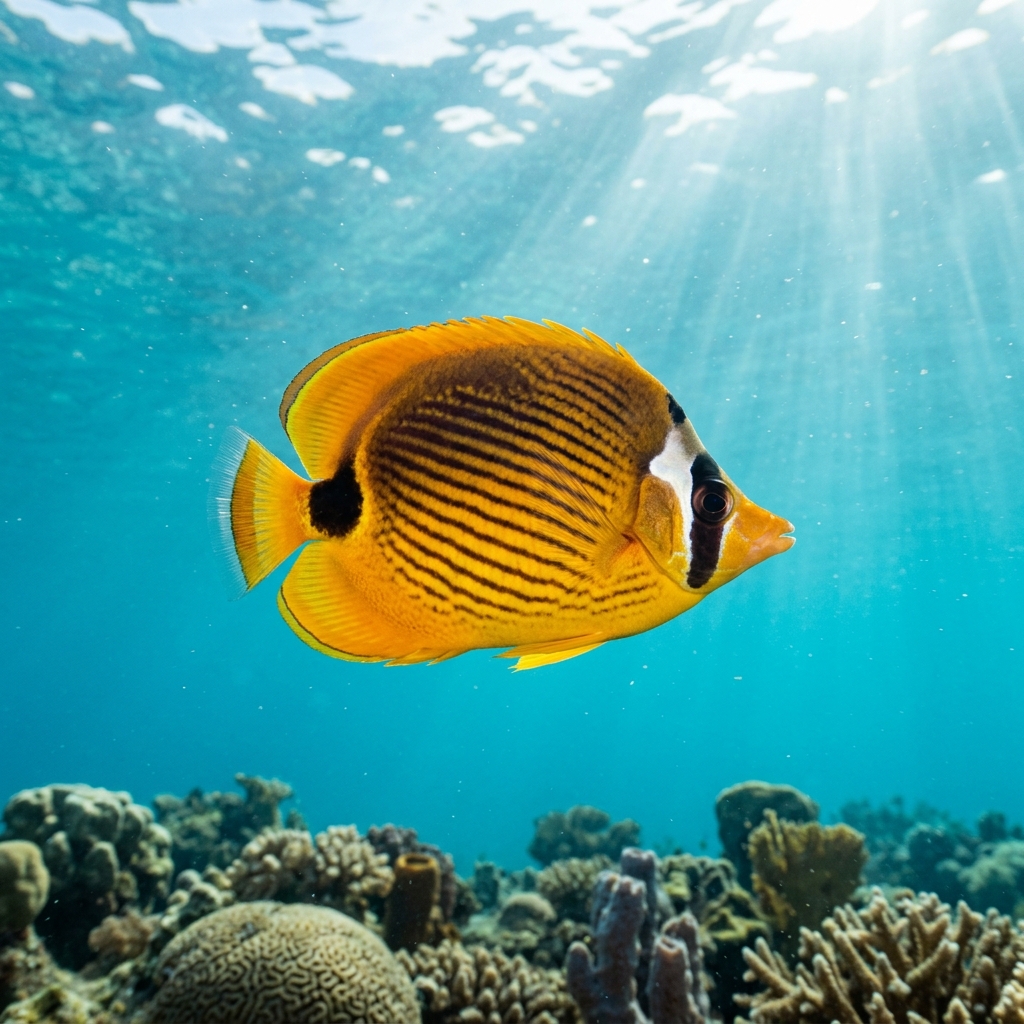
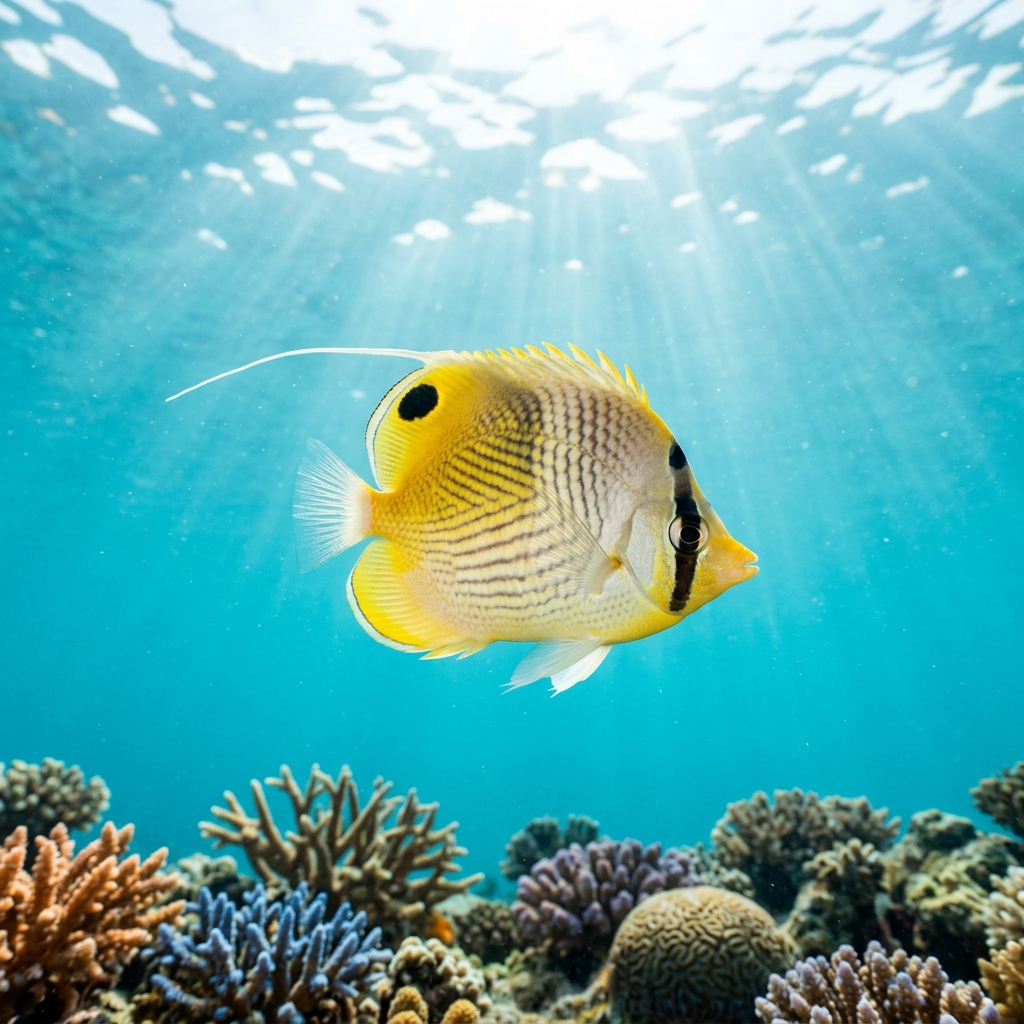
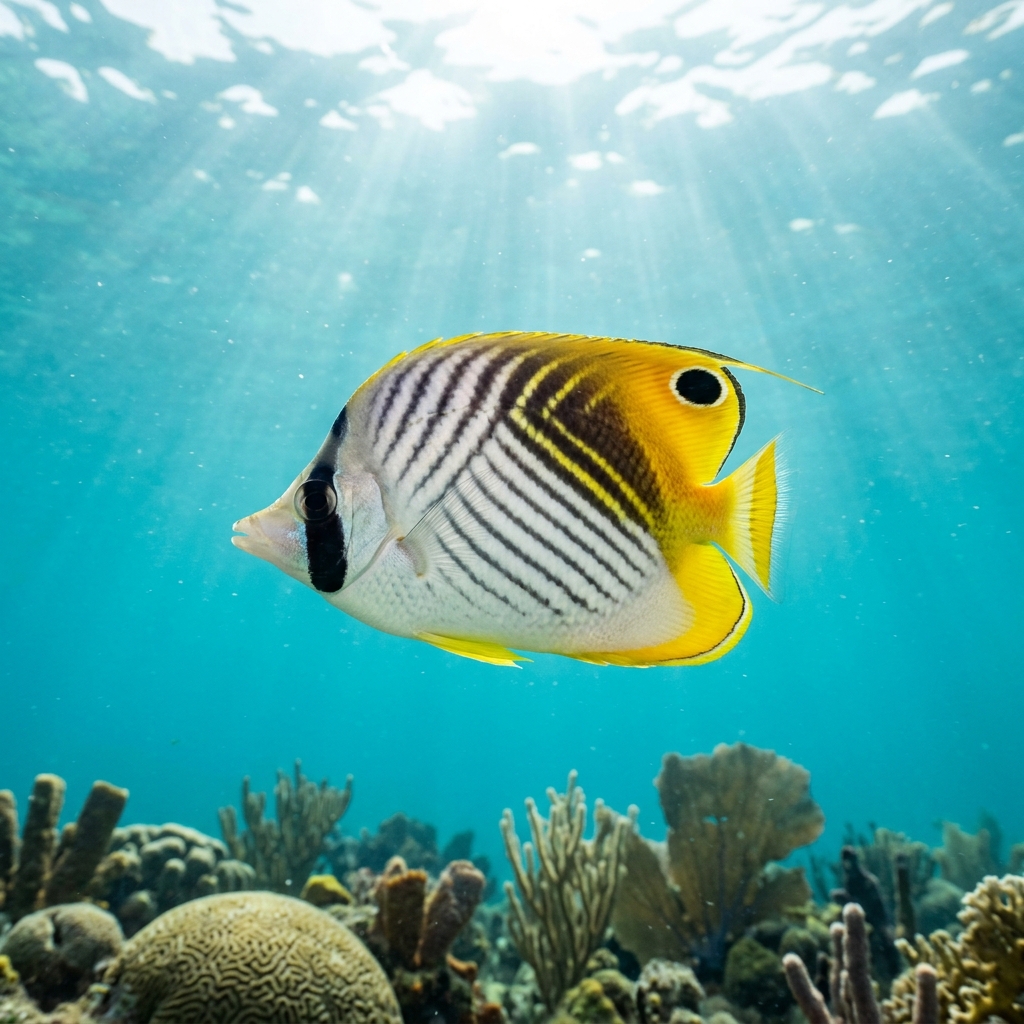
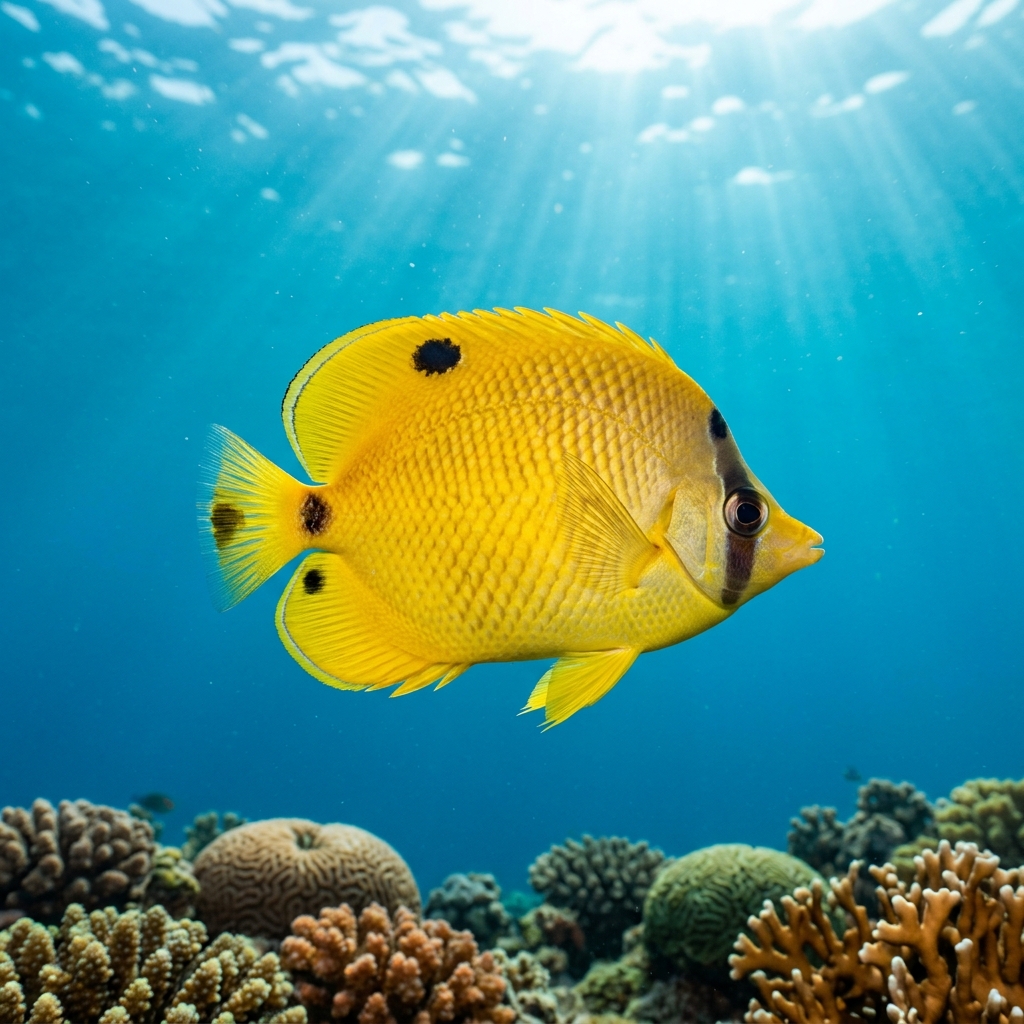
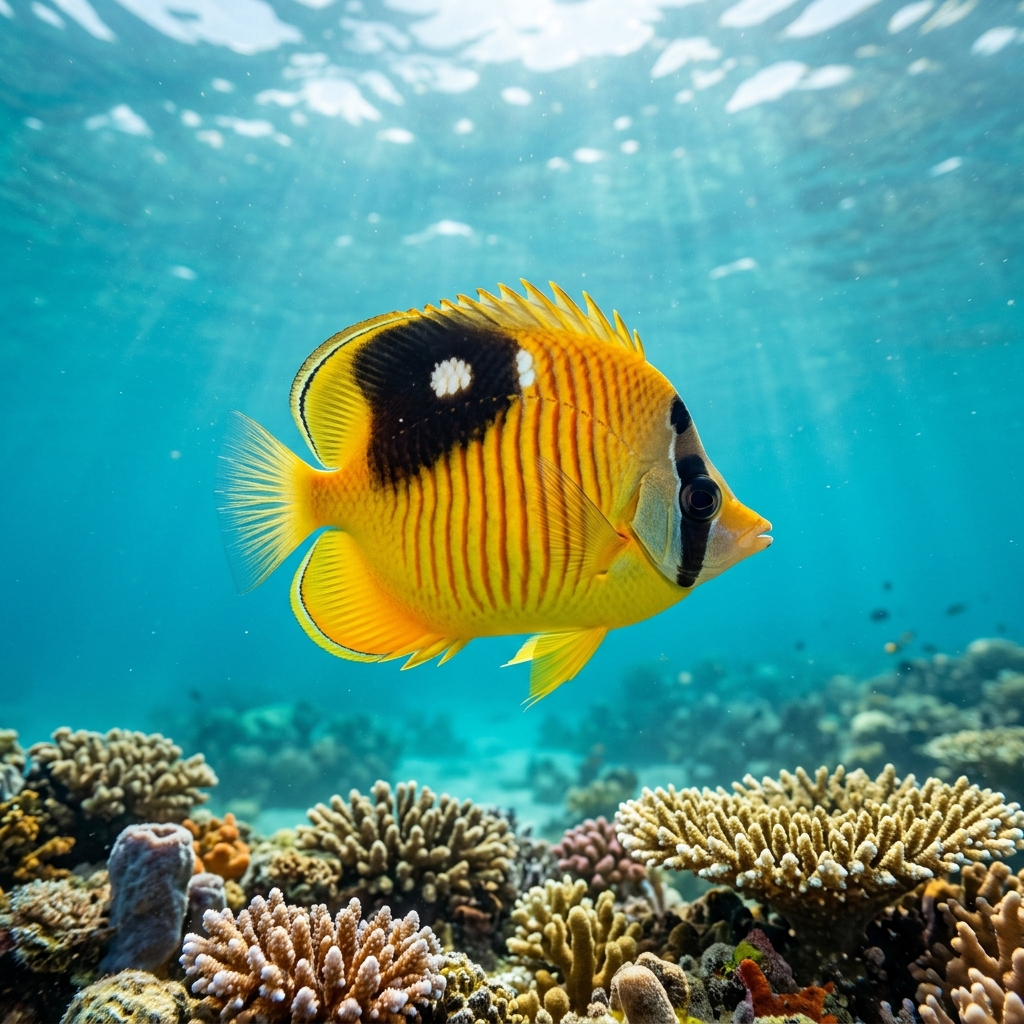
Two pairs of bright white spots set against a deep brown-black body give this fish its name and make it one of the more distinctive butterflyfish underwater. The lower body and belly grade into a warm yellow-orange, and the tail is also yellow. It is a medium-sized butterflyfish with the typical oval, laterally compressed (side-on, disc-like) body shape of the family, and the face carries a dark bar through the eye common to many chaetodontids.
You will usually find fourspot butterflyfish picking their way across coral-rich sections of the reef, probing for coral polyps and small invertebrates with their pointed snouts. They tend to occur singly or in pairs rather than in large groups, and will typically hold their position or move away slowly when approached, making a relaxed, close approach possible. As with most butterflyfish they are most active during daylight hours.
The two pairs of white spots this fish is named for are thought to function as false eye-spots (eyespots near the tail), a common butterflyfish trick for confusing predators about which direction the fish will flee.
In the Northern Hemisphere (primarily Hawaii and Guam), sightings concentrate from December through September, making most of the year productive. Southern Hemisphere sites such as French Polynesia and the Cook Islands show sightings peaking in July through September, which aligns with their winter and early spring.
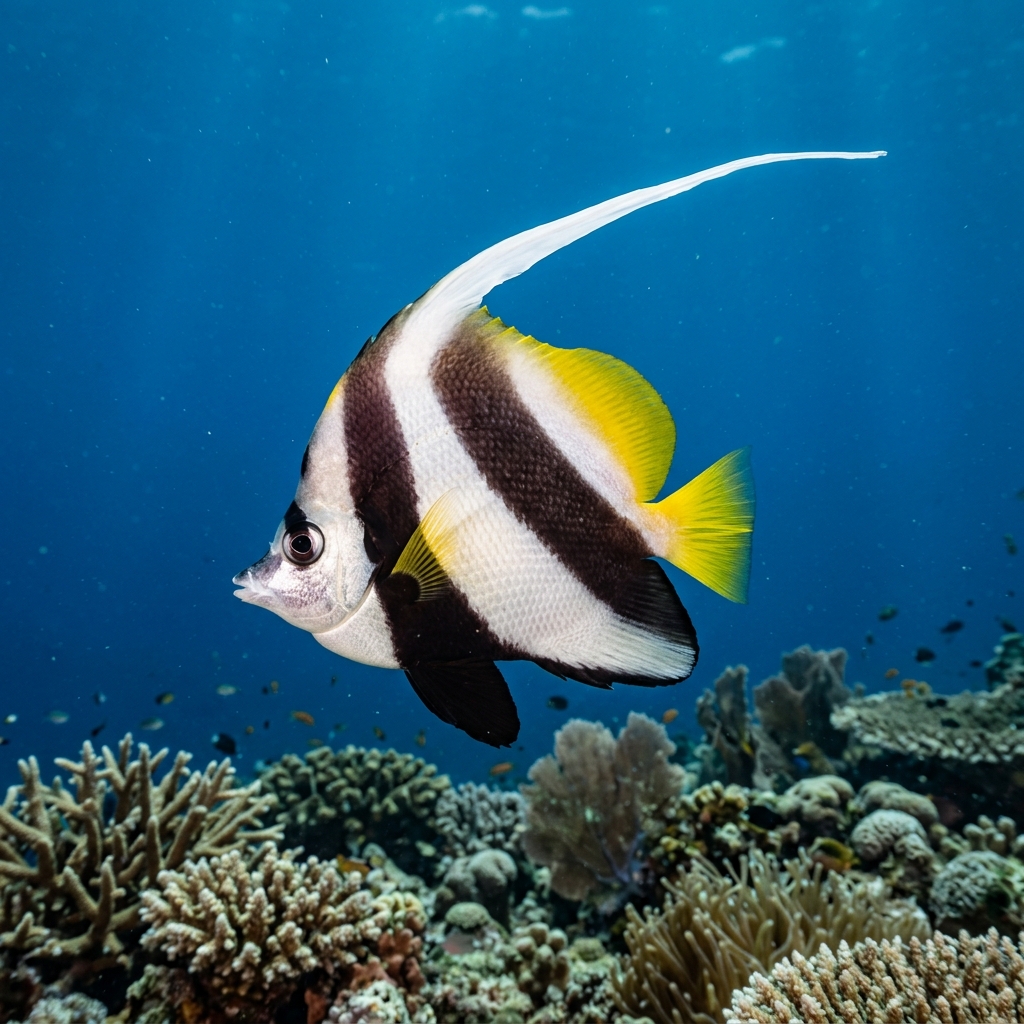
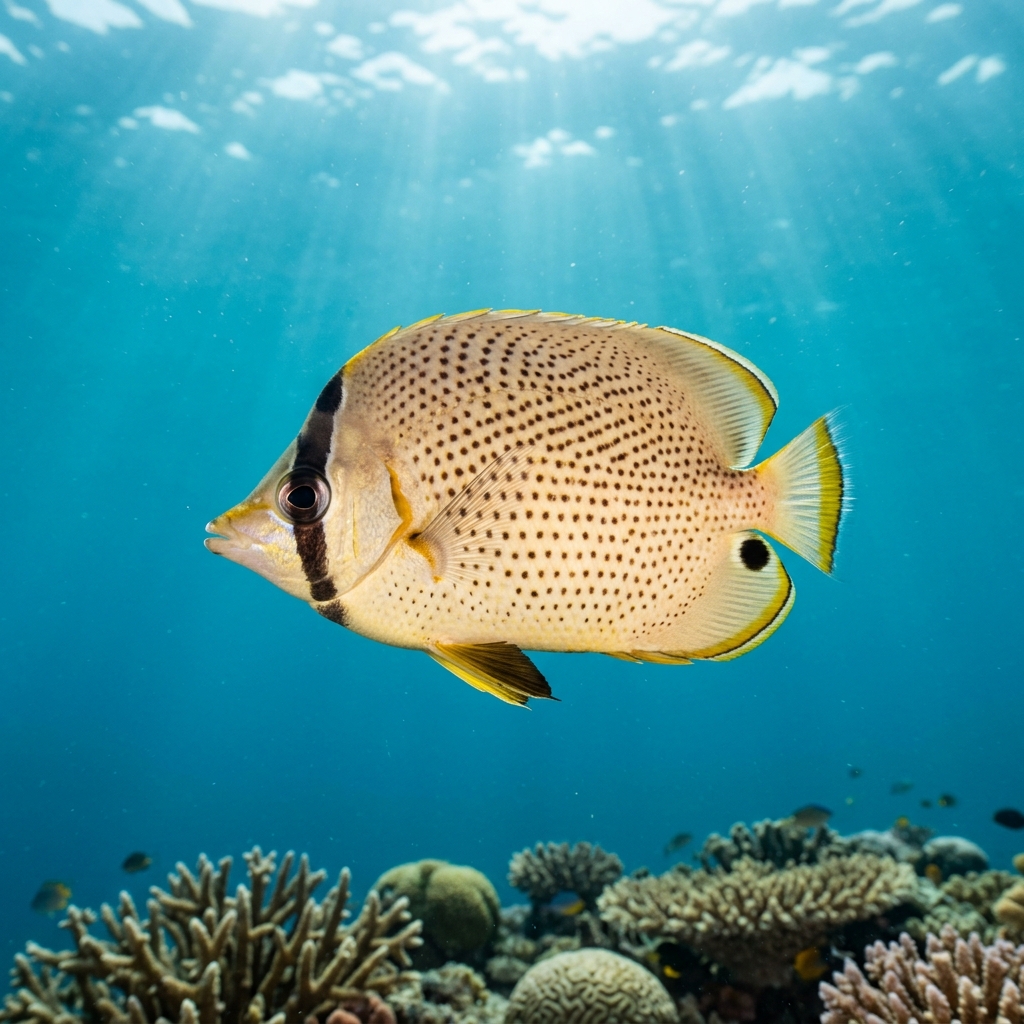
Reef neighbours a diver could mistake it for. Use the identification notes above to tell them apart.
Hawaii is by far the strongest region for sightings, accounting for the great majority of logged observations across many dive sites throughout the island chain. French Polynesia is the next best bet, with reliable records from Tahiti, Rangiroa, Tikehau, Fakarava, and the Society Islands (Leeward), followed by Rarotonga in the Cook Islands and Niue Island. Occasional sightings have also been logged at Apra Harbor in Guam.
Mapping where Fourspot Butterflyfish is logged…
Hawaii is the standout location, with sightings spread across a large number of sites throughout the archipelago. French Polynesia is a strong second choice, particularly around Tahiti, Rangiroa, Tikehau, and Fakarava. The Cook Islands (Rarotonga) and Niue also offer reliable sightings, and occasional records exist from Guam.
In Hawaii and other Northern Hemisphere sites, the best window runs roughly December through September. For Southern Hemisphere destinations such as French Polynesia and the Cook Islands, sightings peak from July through September. The species lives in warm water between about 24 and 27 °C, so it is present year-round wherever those temperatures are sustained.
Look for two pairs of white spots on a dark brown-black body with a yellow-orange lower half and yellow tail. No other common Pacific butterflyfish shares that precise combination of dark background and two paired white blotches. The disc-shaped body and eye-bar are typical of butterflyfish generally but the spot pattern clinches the ID.
At most sites where they are recorded, fourspot butterflyfish are classed as uncommon, meaning you may see one on a dive but should not expect it routinely. A smaller number of sites, particularly in Hawaii, report them as common. They are not among the butterflyfish you can almost always guarantee.
No. The species is assessed as Least Concern on the IUCN Red List, indicating no current conservation threat at a global level.
Site and sighting data is aggregated from diver logs, iNaturalist and GBIF. For taxonomy and conservation status: