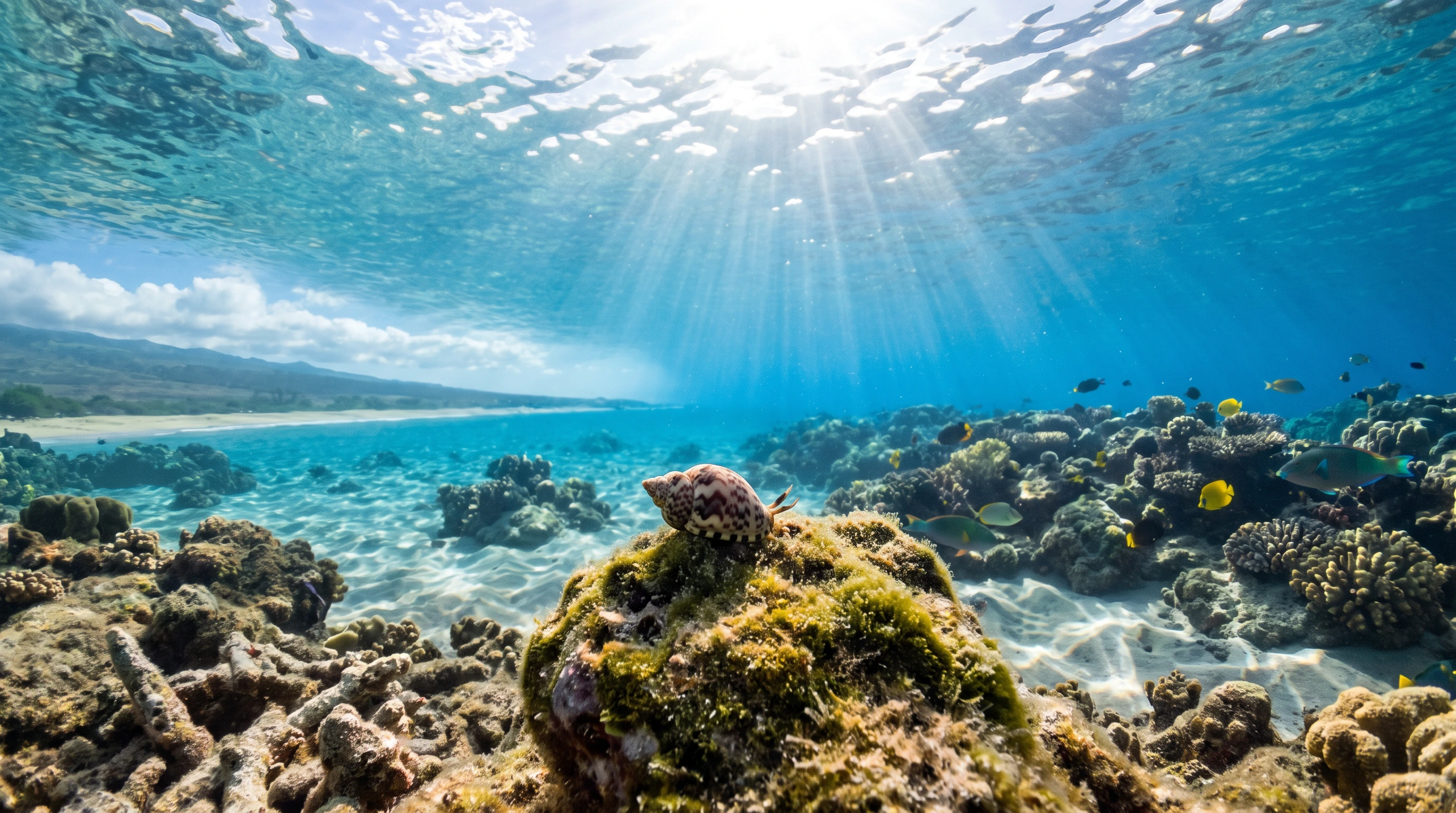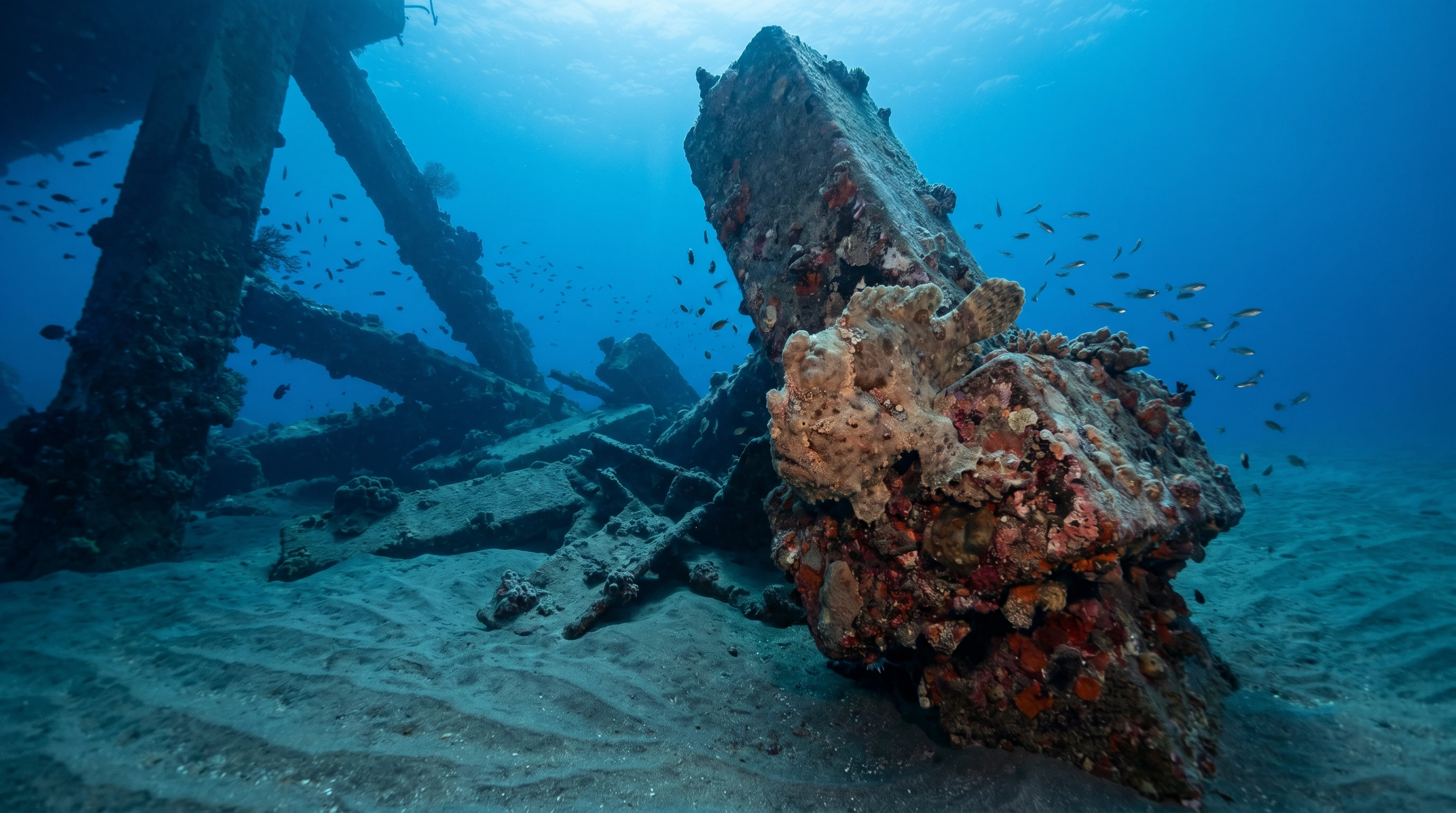
Best for intermediate divers, 3-35m, shore entry, mild current.
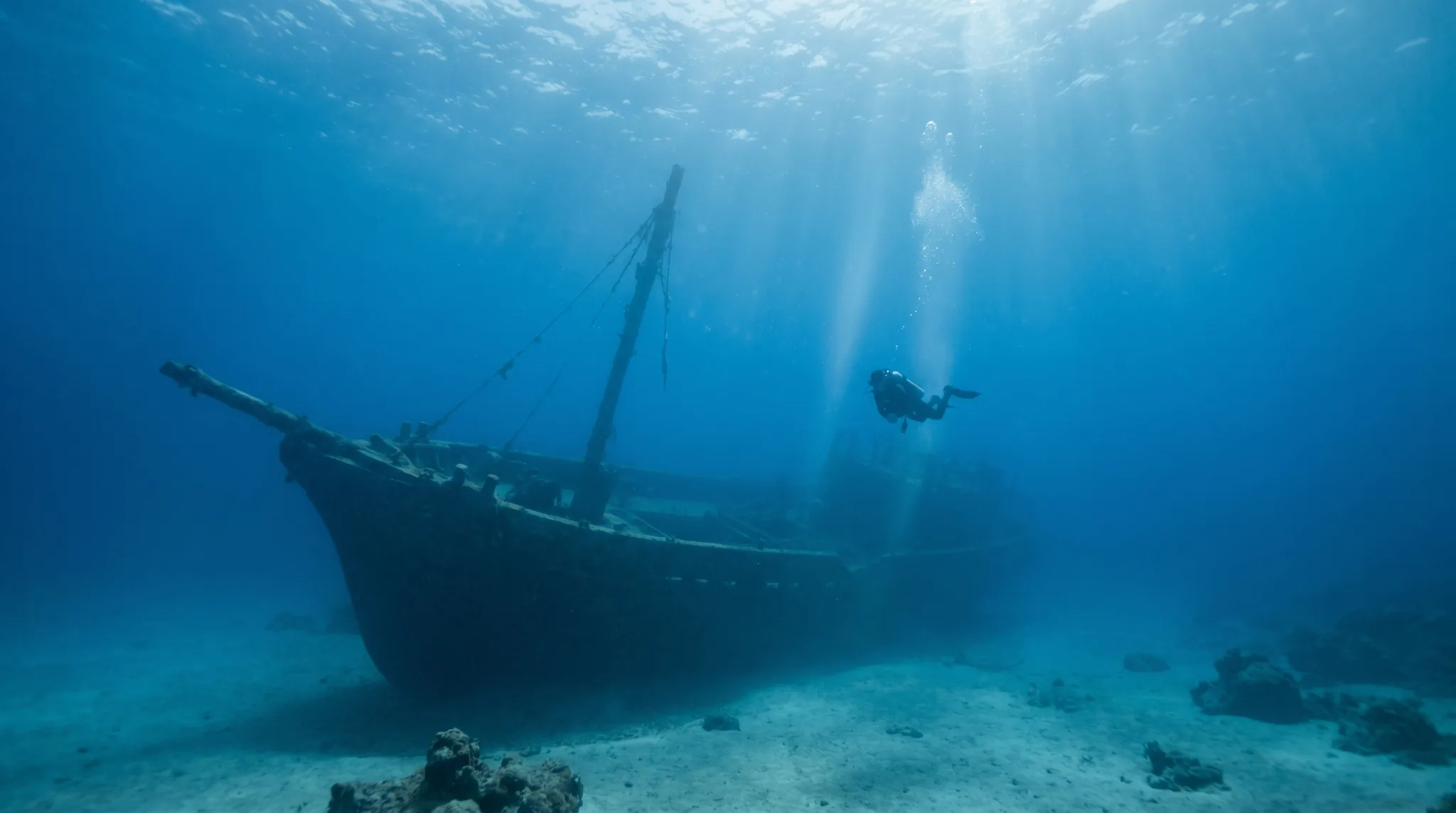
Mala Wharf is an artificial reef formed by the remains of a pier destroyed by Hurricane Iniki in 1992. Divers access the site via a shore entry from the beach, followed by a short surface swim to the end of the remaining structure. The site ranges in depth from 3 to 35 metres, with an average depth of 7 metres. Conditions include mild currents and visibility between 10 and 60 metres. The area is suitable for intermediate divers and offers opportunities for night diving. Facilities at the site include parking, toilets, showers, and a rinse station. Hazards to be aware of include boat traffic, entanglement, rip currents, surge, surf, and sharp coral.
20.88608, -156.68760
Do not park in the boat trailer parking area as police frequently cite or tow vehicles there.
Located off north Front St. on Mala Wharf Rd. behind the Lahaina Cannery Mall. Entry is a 5 minute shallow wade from the parking lot over an old lava flow.
Recorded at this site
Depth
3-35m
Visibility
10-60m
Skill Level
Intermediate
Entry
Shore
Water Temp
25-27°C
Current
Mild
Typical Dive
75 min
Best Time
Apr, Oct
The site is rated for intermediate divers due to potential hazards such as boat traffic, rip currents, and surge.
The site ranges from 3 to 35 metres in depth, with an average depth of 7 metres.
Mala Wharf is a shore entry site, requiring a short surface swim from the beach to reach the pier wreckage.
Yes, the site is well-regarded for snorkelling and holds a 5/5 rating for the activity.
The best months for diving and snorkelling at this site are April and October.
Diving at Mala Wharf in Lahaina requires the following certifications: Open Water, Advanced. Always dive within your training limits.
A 3mm wetsuit is recommended for diving at Mala Wharf in Lahaina. Water temperatures range from 25°C to 27°C.
Mala Wharf in Lahaina typically has mild currents that most divers can handle comfortably.
Visibility at Mala Wharf in Lahaina typically ranges from 10 metres to 60 metres. Conditions vary with weather, tides, and seasons.