Ambloplites rupestris
Rock Bass turn up in the Great Lakes and Ontario regions in water as cold as 2°C. Here's how to spot one and where divers log them most.
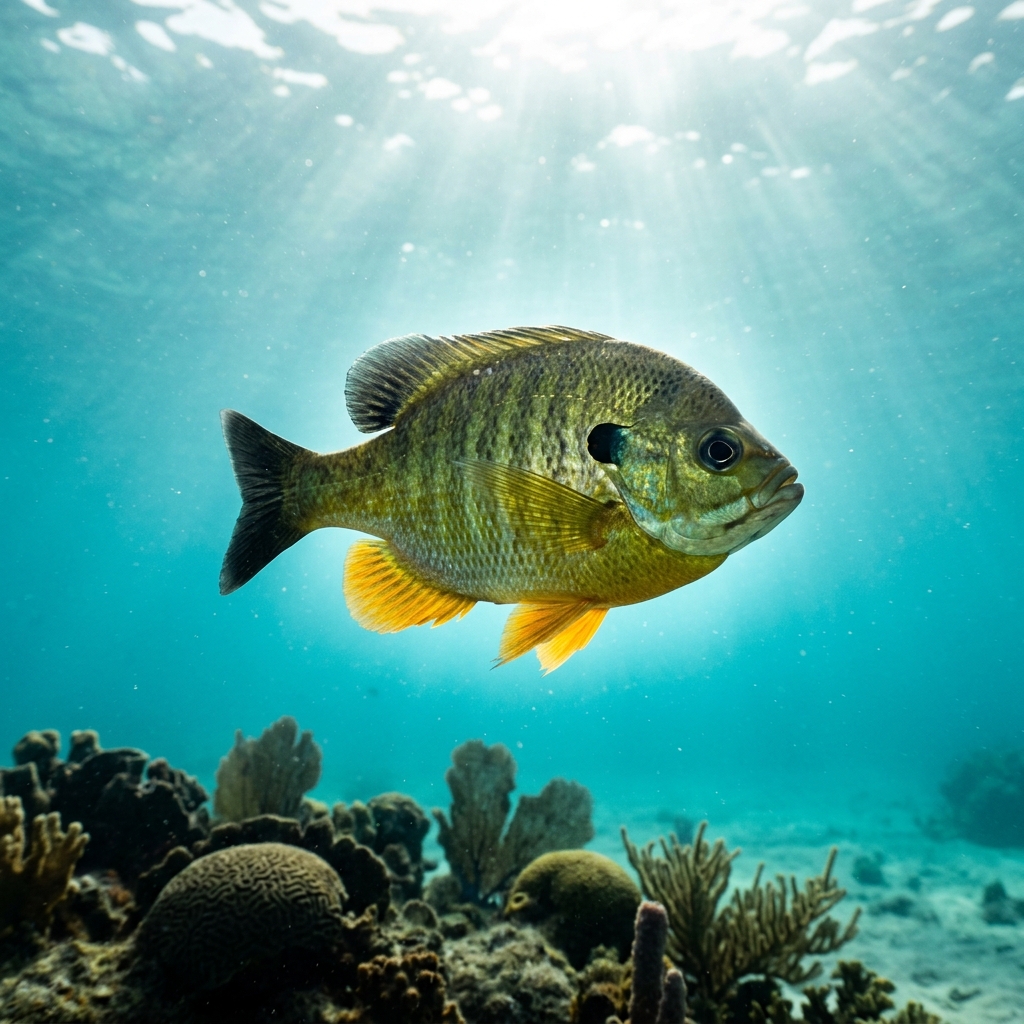
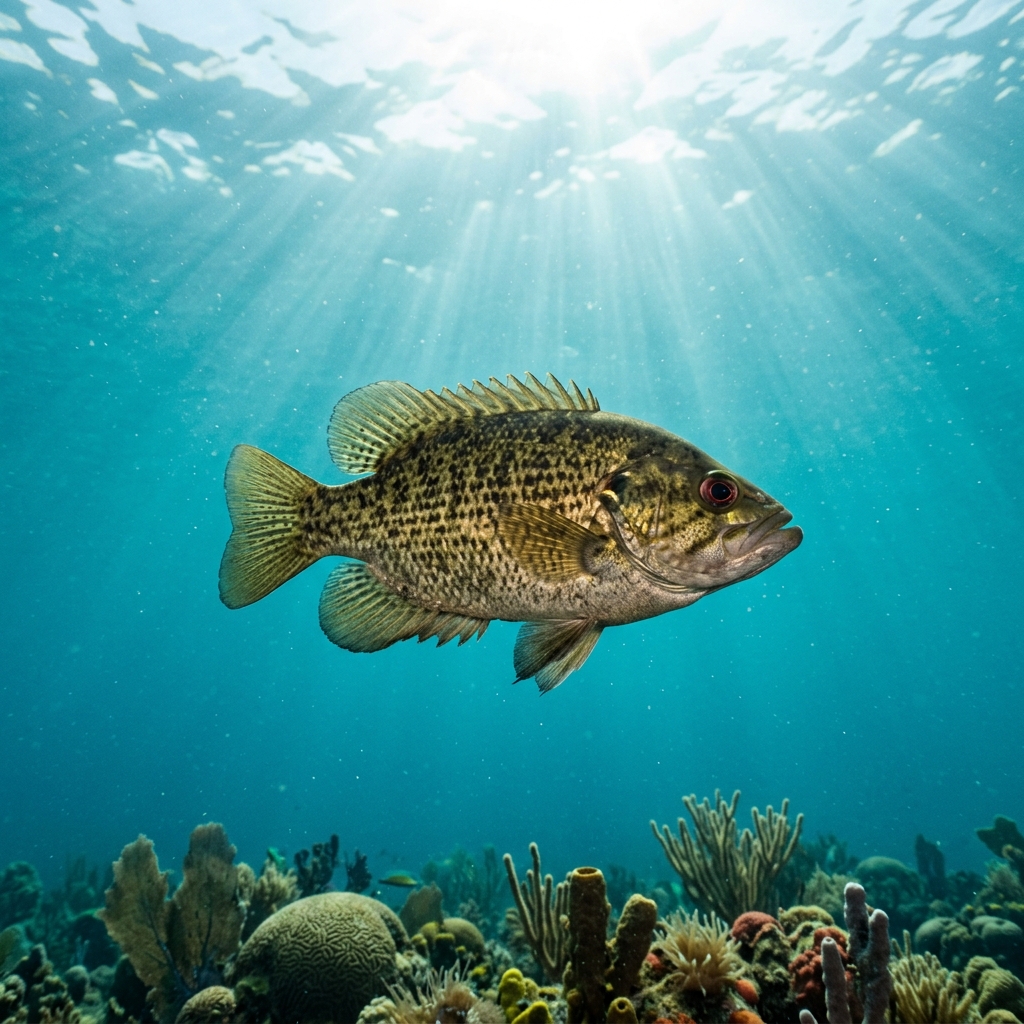
A chunky, deep-bodied perch-like fish with distinctive red eyes that stand out immediately underwater. The body is olive to bronze-brown, covered in irregular dark mottling and faint vertical barring that blends well against rocky lakebeds and riverbeds. The mouth is noticeably large for the fish's size, and the dorsal fin runs long and spiny along the back. That red eye, combined with the stocky build and rocky habitat, is the quickest ID cue.
Rock bass are most often spotted holding position close to rocky structure, submerged logs, or weed edges, typically in shallow to mid-depth freshwater. They tend to hold their ground rather than bolt when a diver approaches, which makes for a relatively easy look if you move slowly. Encounters are usually solitary fish sitting in ambush posture, watching for prey.
Rock bass can rapidly change the intensity of their mottled patterning, shifting from pale to quite dark within seconds depending on mood or background. This chromatophore control makes them surprisingly hard to pick out against a rocky substrate even at close range.
There is not enough monthly sighting data to point to a specific season, so rock bass should be treated as a year-round possibility. The observed temperature range stretches from just below 2°C to nearly 22°C, indicating these fish remain active across a wide range of conditions including cold winter dives.
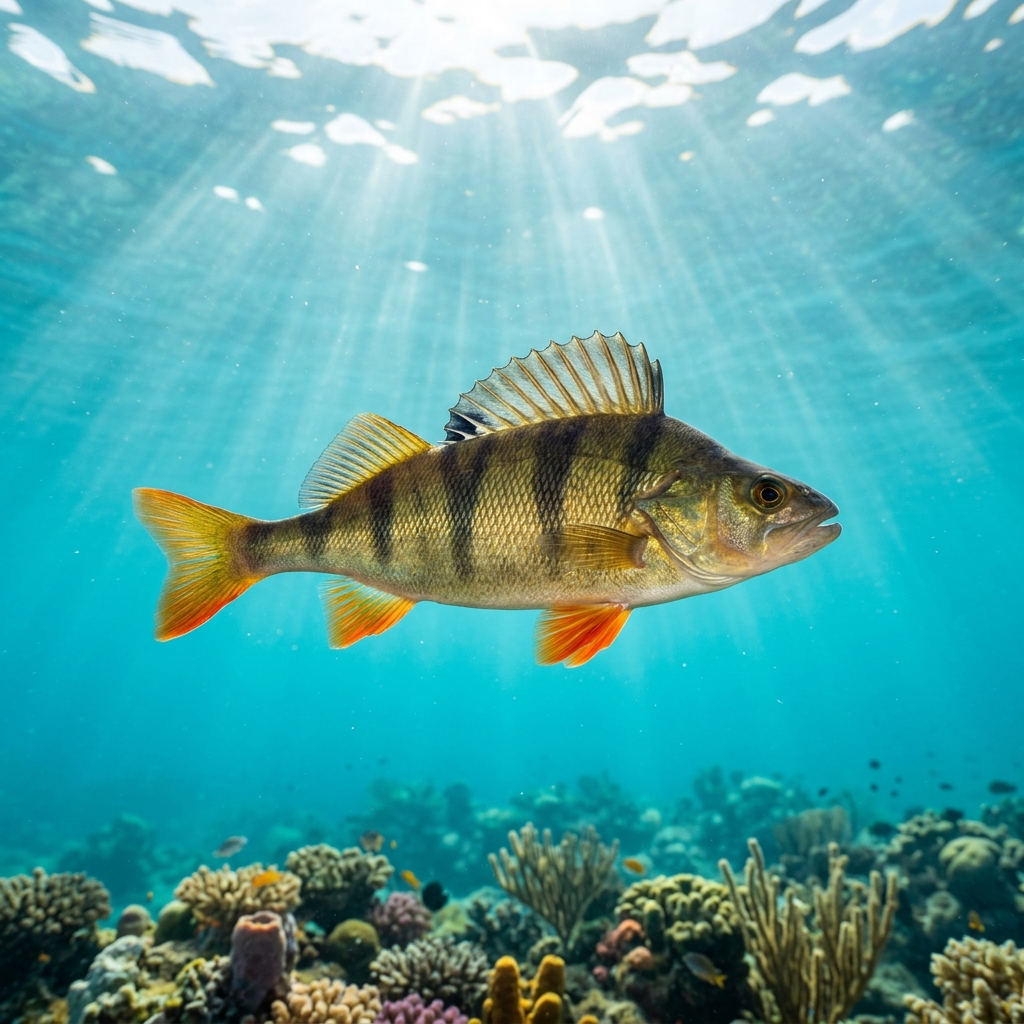
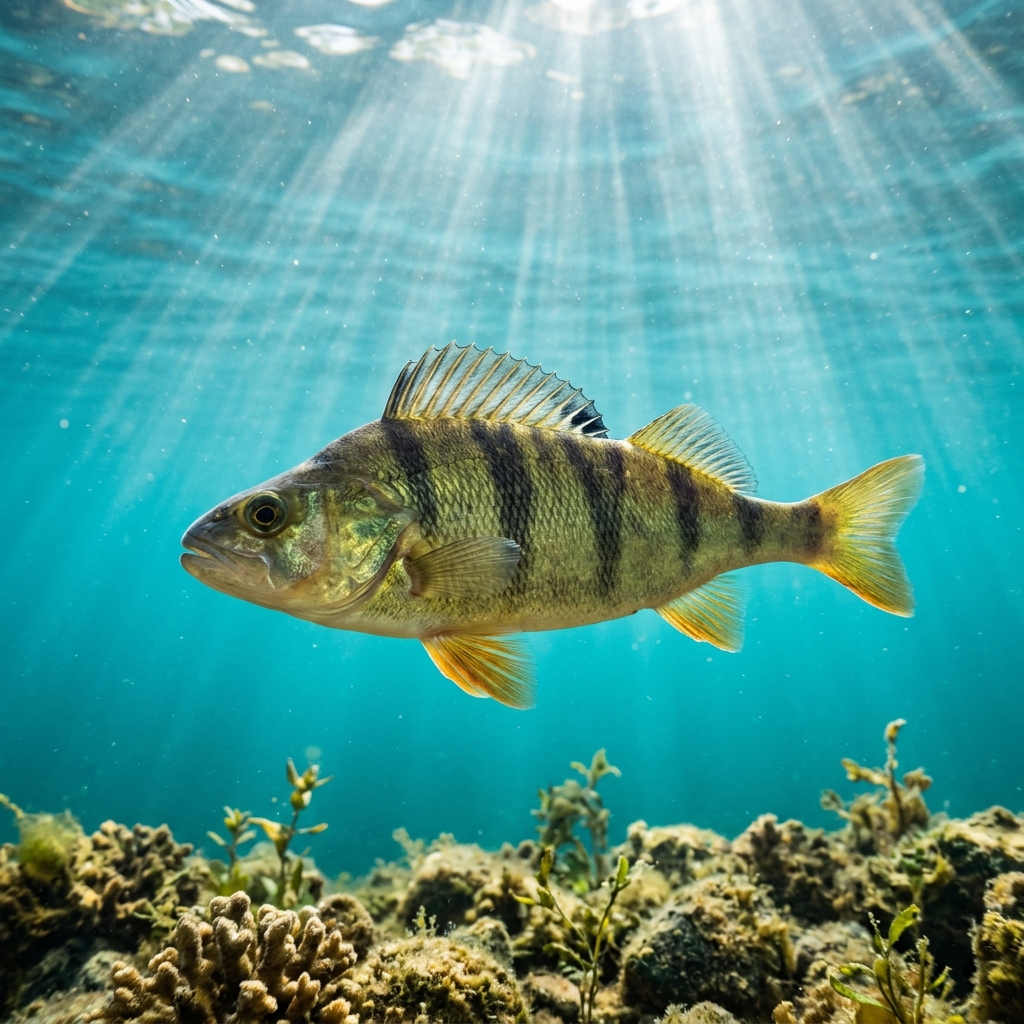
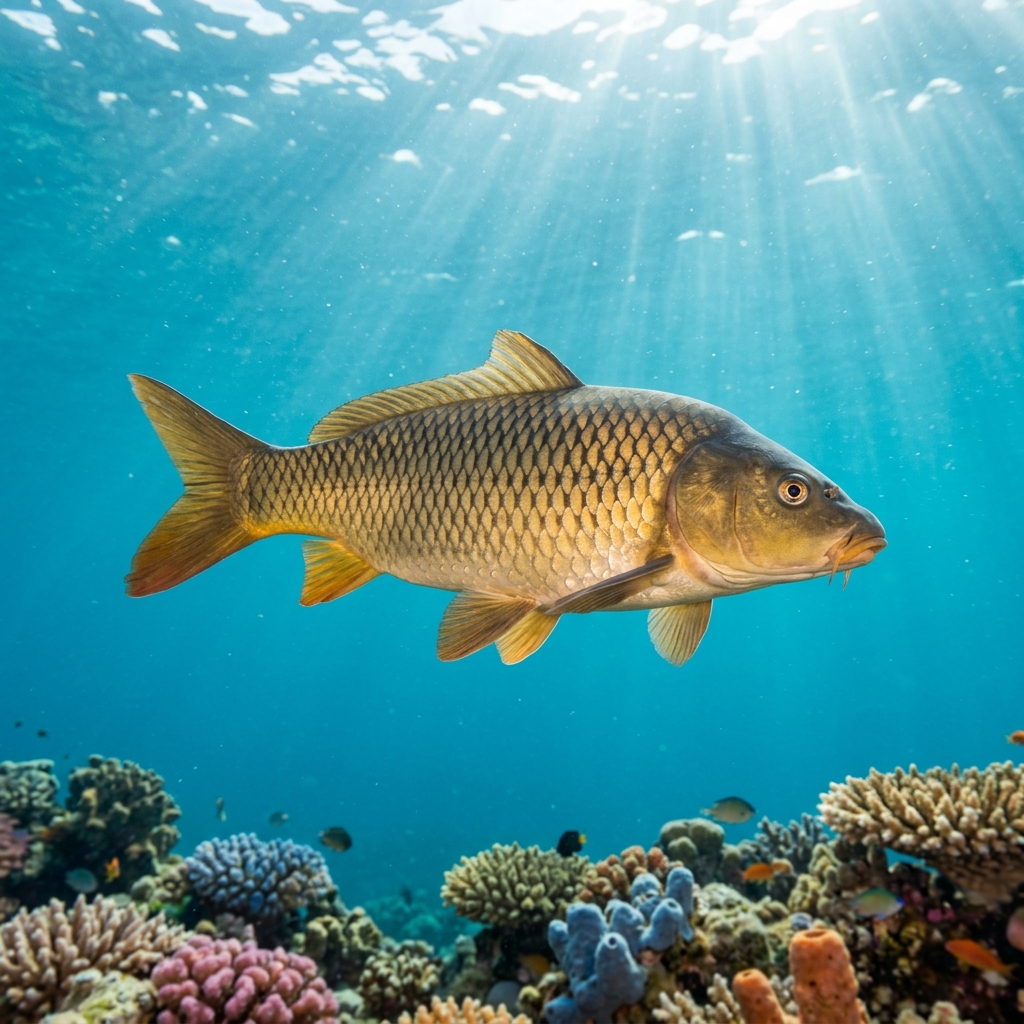
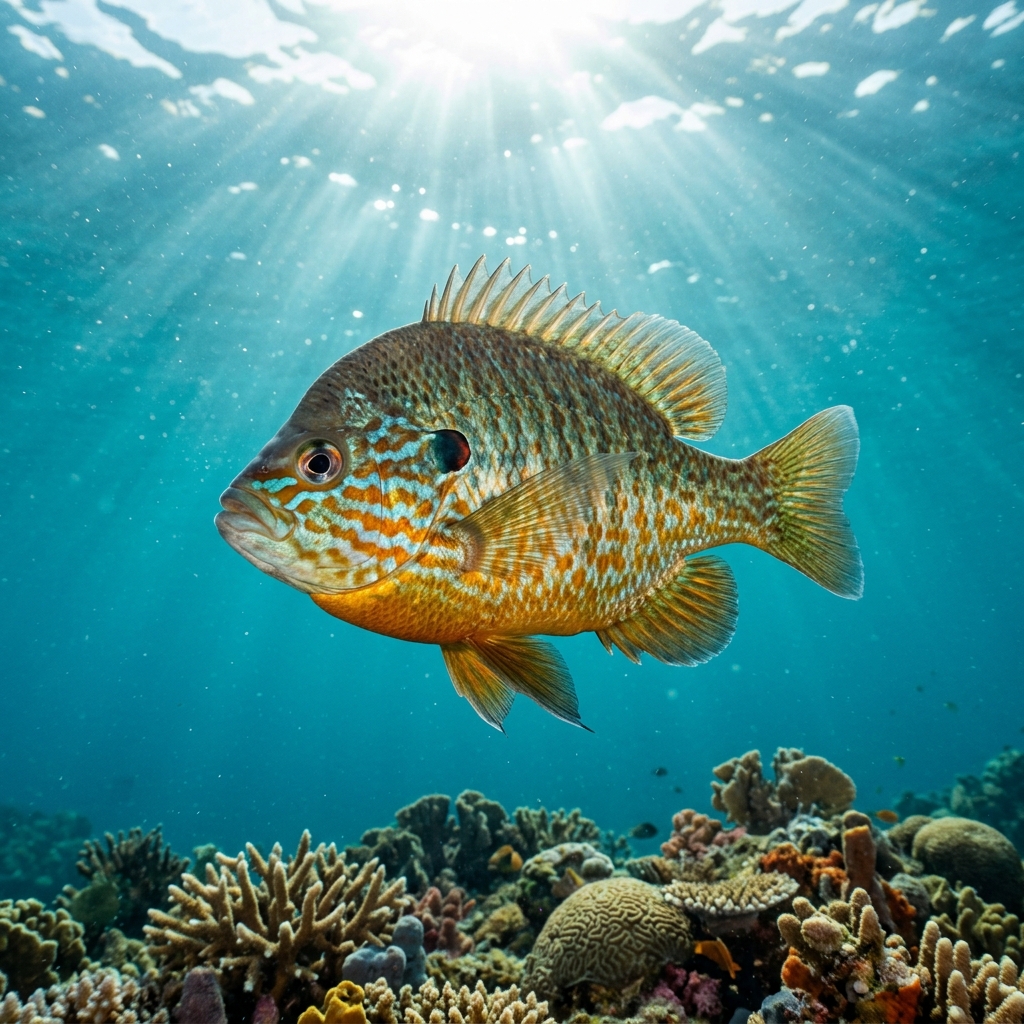
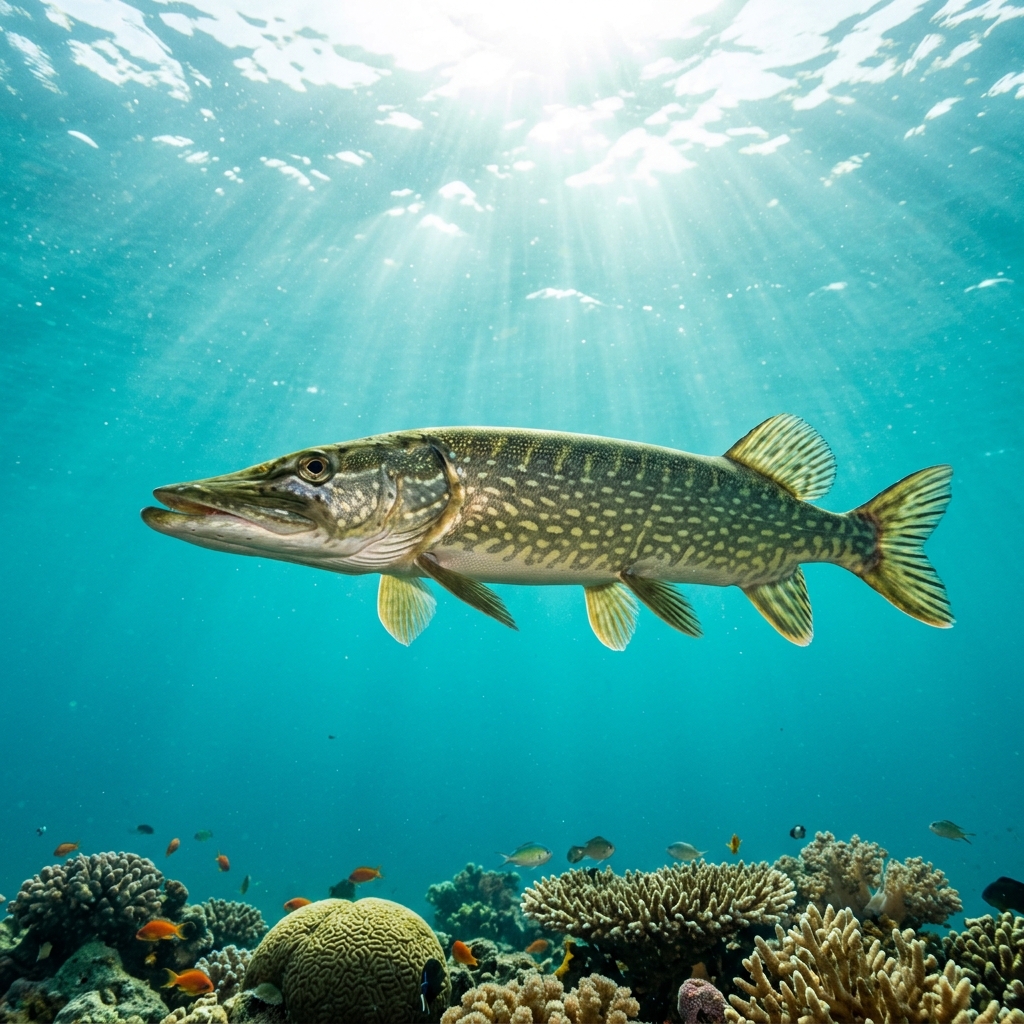
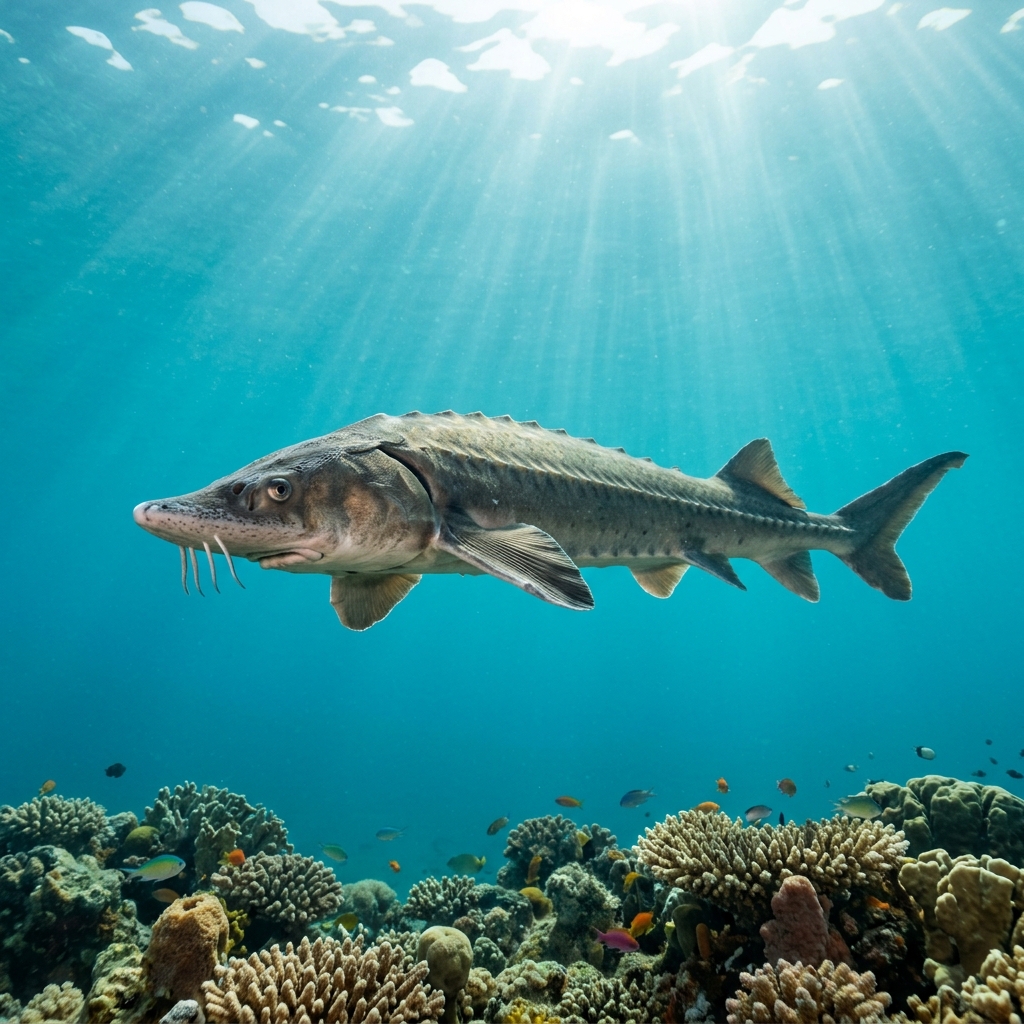
Reef neighbours a diver could mistake it for. Use the identification notes above to tell them apart.
Rock bass are most consistently logged across the Great Lakes and Northeast United States, with a solid spread of sites in the Great Lakes and Ontario region of Canada. A smaller number of sightings come from the Central and Mountain West of the United States. If you're freshwater diving in the North American Great Lakes corridor, this is the region to focus on.
Mapping where Rock Bass is logged…
Rock bass are logged at freshwater dive sites across the Great Lakes and Northeast United States and the Great Lakes and Ontario region of Canada. A handful of sightings also come from the Central and Mountain West United States. These fish are tied to rocky, structured freshwater habitats, so quarry dives and lake dives with boulder fields are your best bet.
There is no strong seasonal peak in the sighting data, so encounters are possible year-round. Rock bass tolerate water temperatures from near freezing up to about 22°C, meaning cold-water freshwater divers have a realistic shot even in winter months.
Look for the red eye first. Rock bass have a noticeably vivid red iris that separates them quickly from similar-sized perch and bluegill. The body is stocky and olive-brown with dark mottling, and the large mouth gives the face a somewhat bulldog look. They almost always sit tight to rocky substrate rather than swimming in open water.
Rock bass are a modest-sized freshwater fish, typically reaching around 20 to 30 centimetres in length in most lake and river systems. Larger individuals can approach 35 centimetres but these are uncommon. Underwater they read as a solid, compact fish rather than a large one.
At most sites where rock bass are recorded, divers rate them as uncommon rather than common, so a sighting is not guaranteed on any given dive. They are well camouflaged against rocky bottoms and do not move around much, so slow, attentive diving near structure gives you the best chance of noticing one before it notices you.
Site and sighting data is aggregated from diver logs, iNaturalist and GBIF. For taxonomy and conservation status:
Sun Perch
2,182 sites